White Spot (Ich): Identification & Treatment
The Ich nemesis: A master guide to White Spot Disease. Understanding the three-stage parasite life cycle and mastering heat, salt, and medical treatment options.

White Spot (Ich): The Aquarist's Nemesis
White Spot, commonly known as Ich (short for Ichthyophthirius multifiliis), is perhaps the most widespread and recognizable disease in the freshwater aquarium hobby. It is caused by a protozoan parasite that attacks the skin, fins, and gills of fish. Almost every aquarist will encounter Ich at some point, but the good news is that it is highly treatable if caught early.
What Causes Ich?
Ich is often present in aquariums in low numbers, kept in check by the fish's immune system. Outbreaks typically occur when fish are stressed, lowering their immunity. Common stress factors include:
- Rapid temperature fluctuations
- Poor water quality (ammonia/nitrite spikes)
- Aggressive tank mates
- Transport and acclimatization stress
Symptoms
The symptoms of Ich are unmistakable:
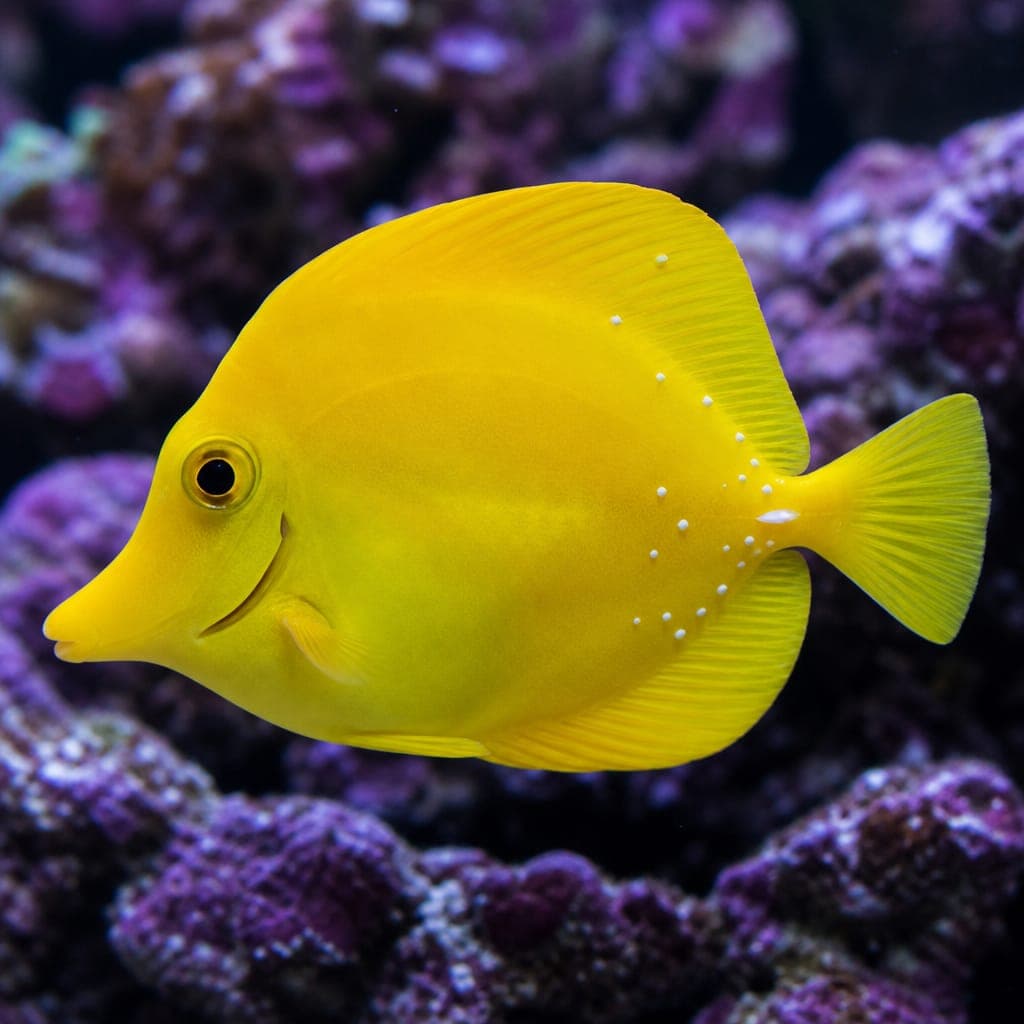
- White Spots: Small, salt-like grains appear on the fish's body, fins, and gills. These are cysts containing the parasite.
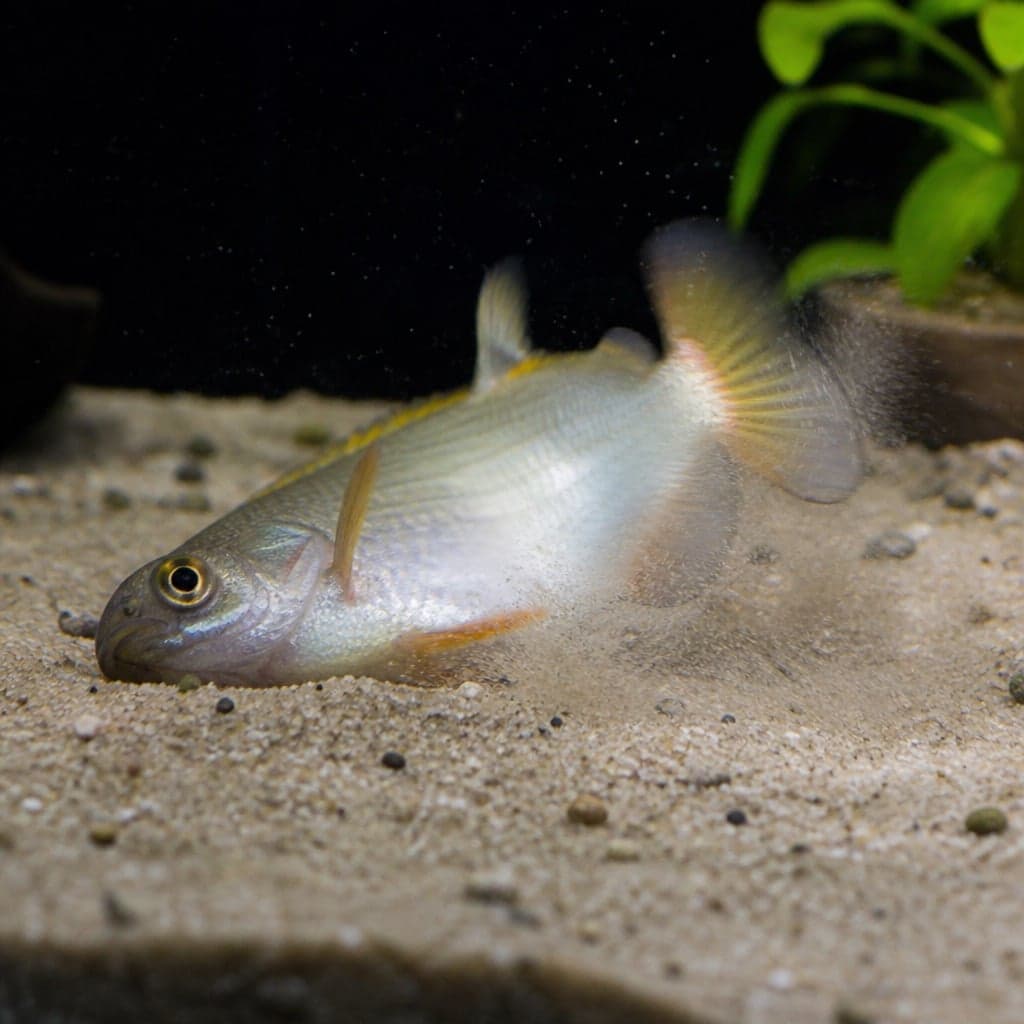
- Scratching/Flashing: Fish may rub their bodies against rocks, gravel, or decorations in an attempt to dislodge the parasites.
- Clamped Fins: Fish may hold their fins close to their body.
- Labored Breathing: If the gills are heavily infested, the fish may gasp for air at the surface.
- Lethargy: Infected fish often become less active and may hide.
The Life Cycle of Ich
Understanding the life cycle is crucial for effective treatment. The parasite has three main stages:
- Trophont (Feeding Stage): The parasite attaches to the fish and feeds. It is protected by a cyst and is immune to medication in this stage.
- Tomont (Reproductive Stage): The mature parasite falls off the fish, adheres to the substrate, and divides rapidly into hundreds of new parasites.
- Theront (Infectious Stage): These free-swimming parasites burst from the cyst and seek a new host. This is the only stage where the parasite is vulnerable to medication.
Treatment Options
Because the parasite is only susceptible during the free-swimming stage, treatment must be continued for the full duration of the life cycle (usually 10-14 days at tropical temperatures).
1. Temperature Method (Natural)
For many tropical fish, raising the temperature is a safe and effective treatment.
- Gradually raise the water temperature to 86°F (30°C) over 24 hours.
- Maintain this temperature for at least 10 days.
- Increase aeration heavily, as warmer water holds less oxygen.
- The heat speeds up the parasite's life cycle and prevents the theronts from infecting new hosts.
- Note: Ensure your fish species can tolerate these temperatures.
2. Medication
There are many effective over-the-counter medications typically containing Formalin and Malachite Green.
- Follow instructions carefully.
- Remove activated carbon from your filter, as it will absorb the medication.
- Perform a water change before starting treatment.
- Treat for the full recommended duration, even if spots disappear, to kill invisible free-swimming parasites.
3. Aquarium Salt
Salt can be used alone or to support other treatments.
- Dose: 1 tablespoon per 5 gallons of water.
- Dissolve salt in a separate container of tank water before adding.
- Note: Catfish, loaches, and some plants are sensitive to salt. Use with caution.
Prevention
- Quarantine new fish for at least 2-4 weeks before adding them to your main display.
- Maintain stable water parameters and temperature.
- Feed a high-quality diet to boost your fish's immune system.