Fish

Addis Butterflyfish

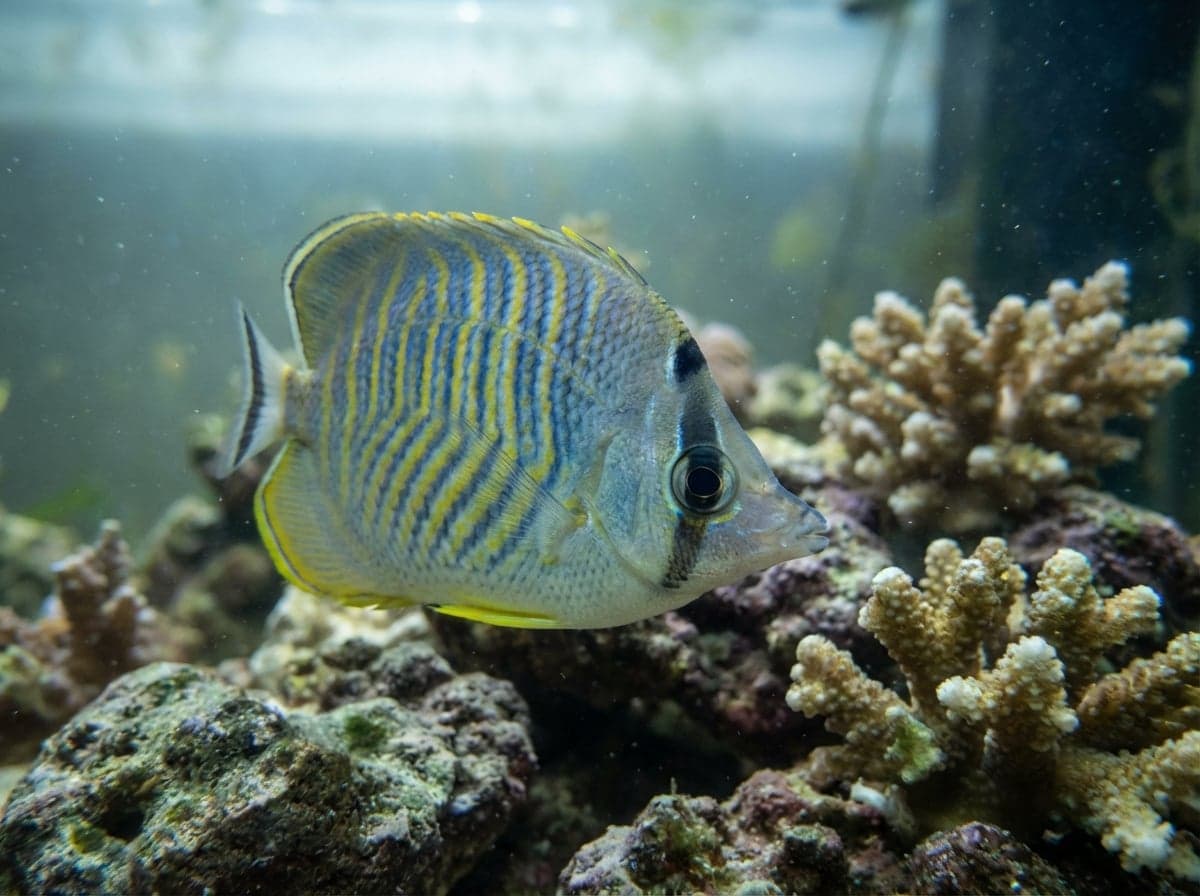
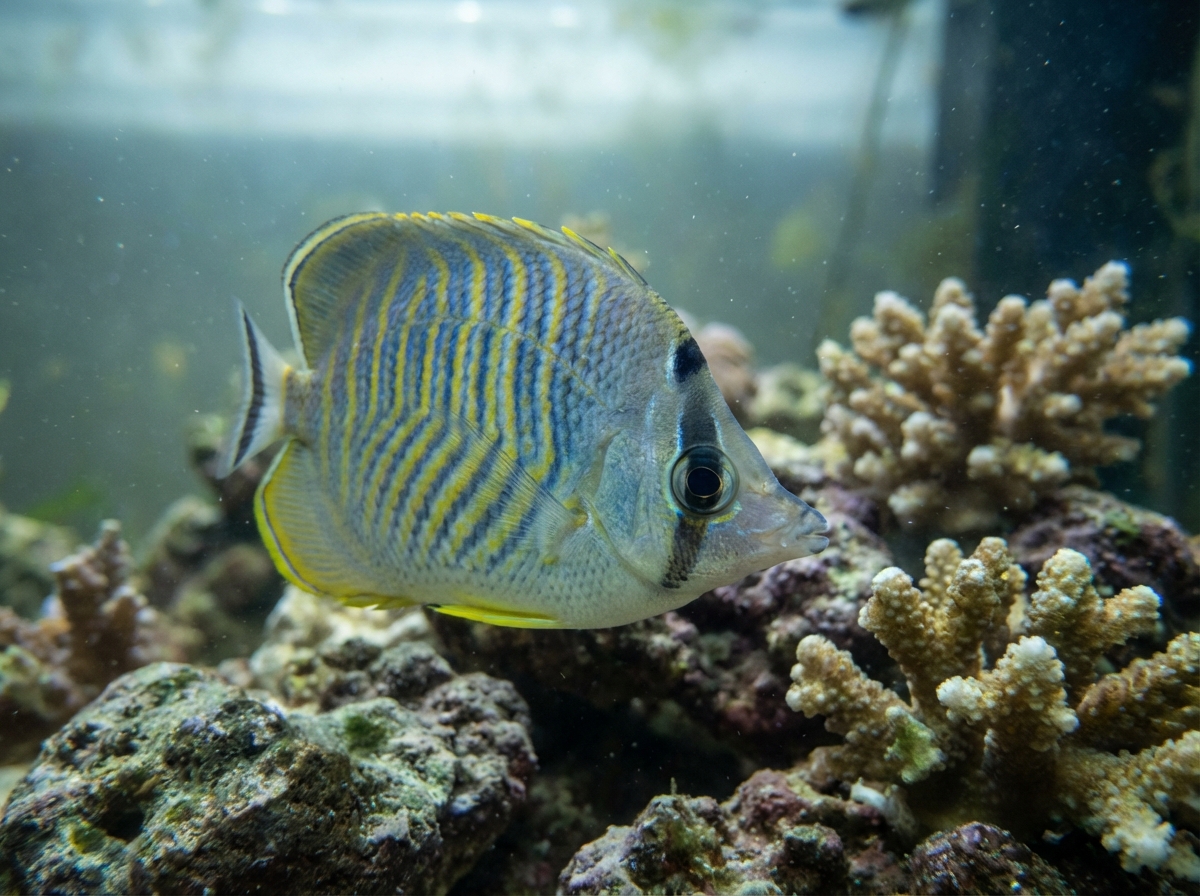
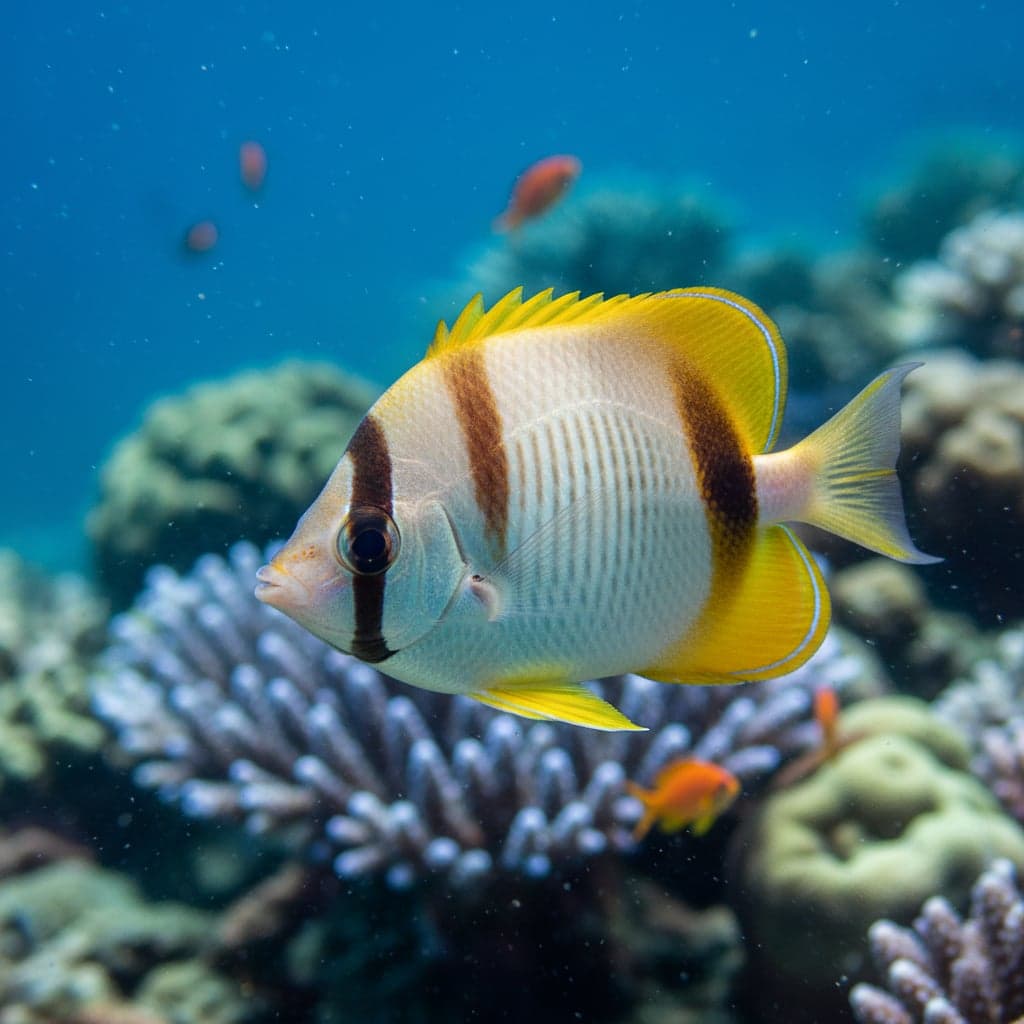
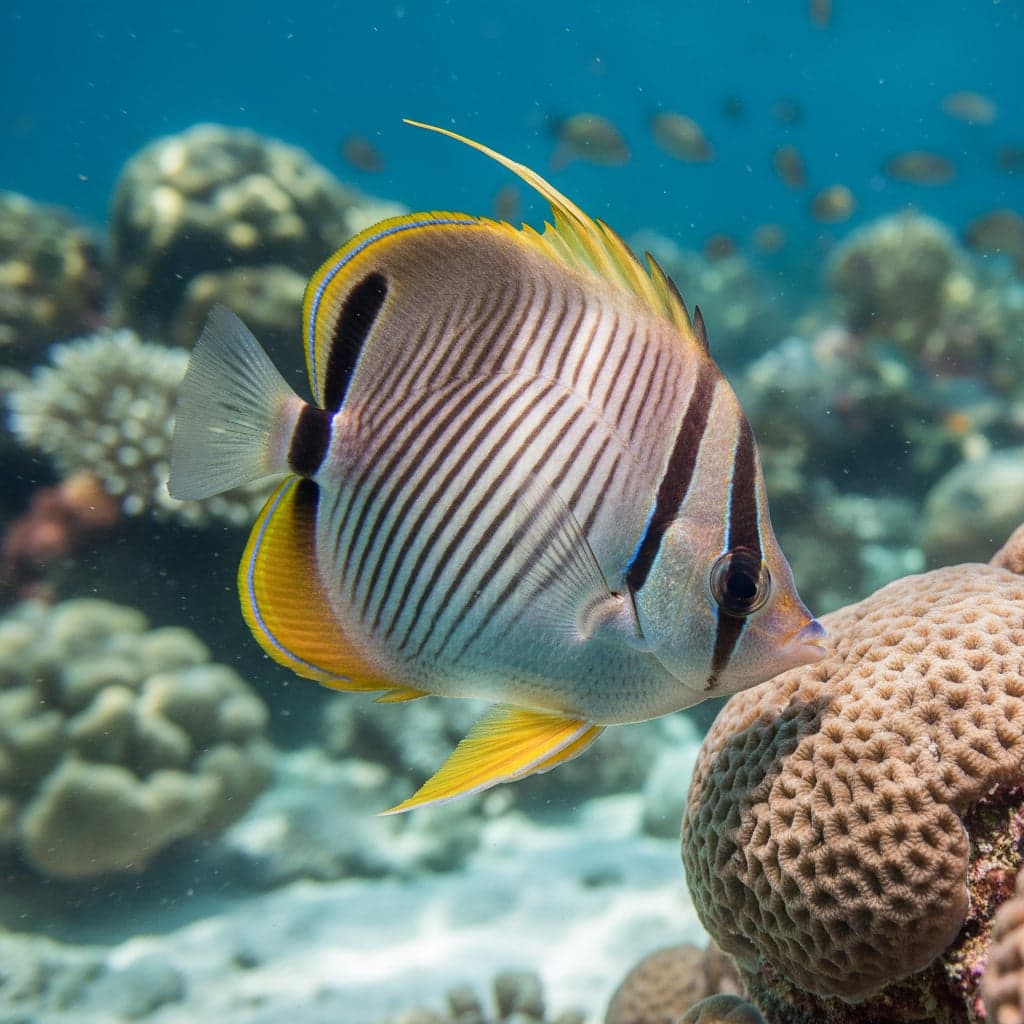
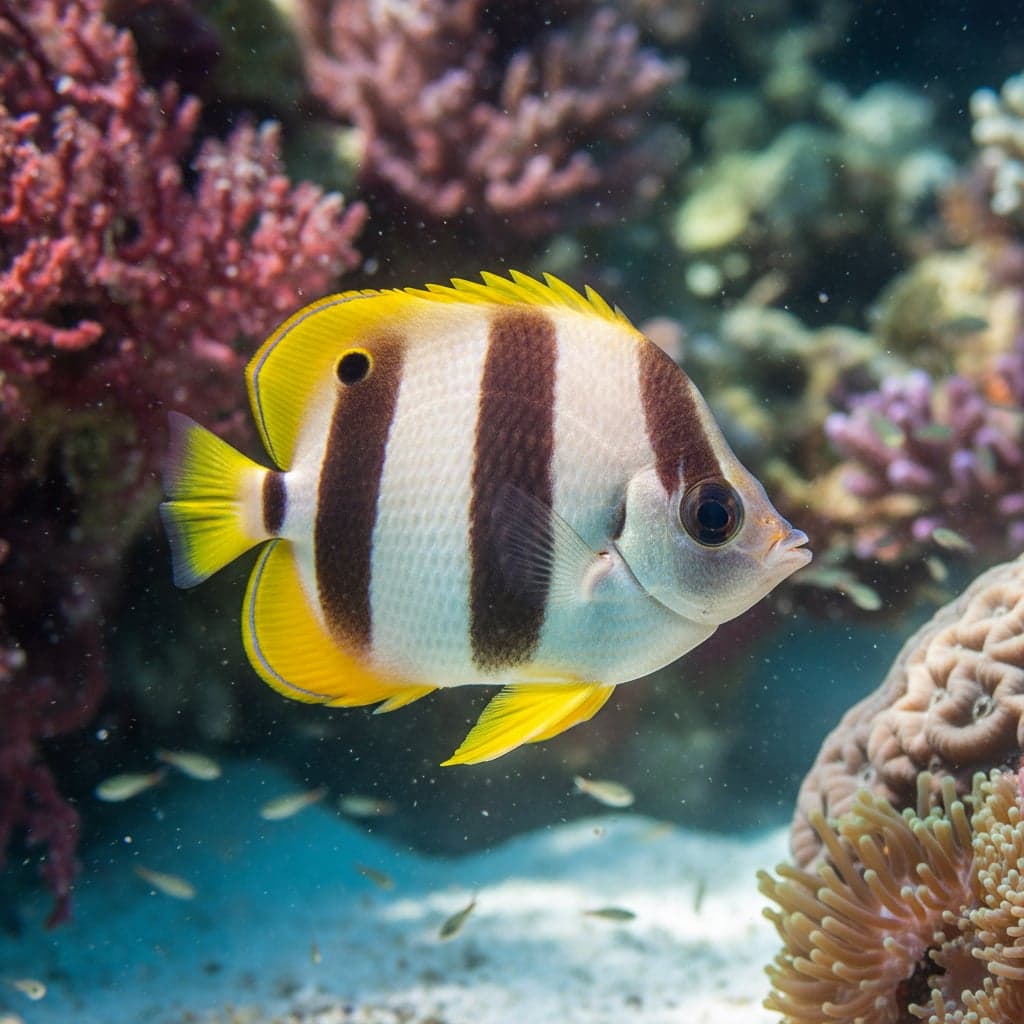
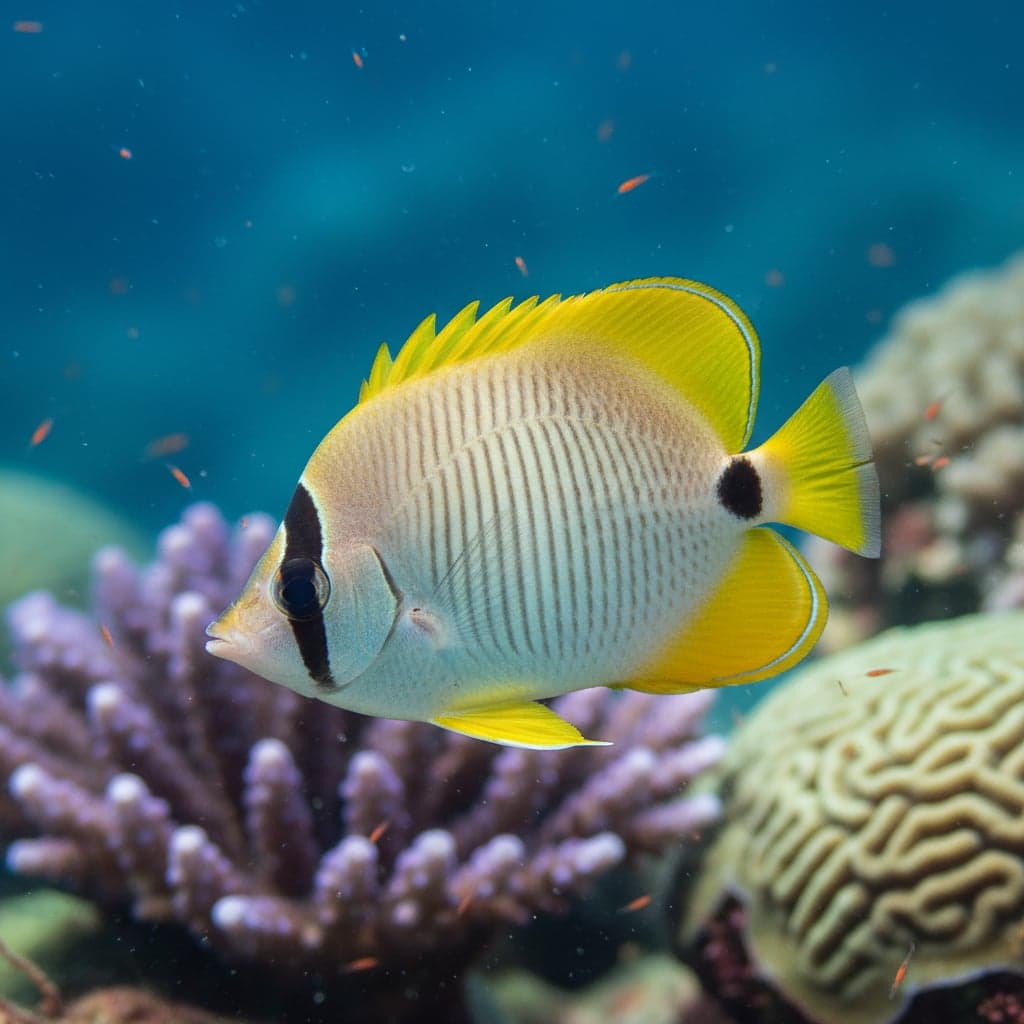
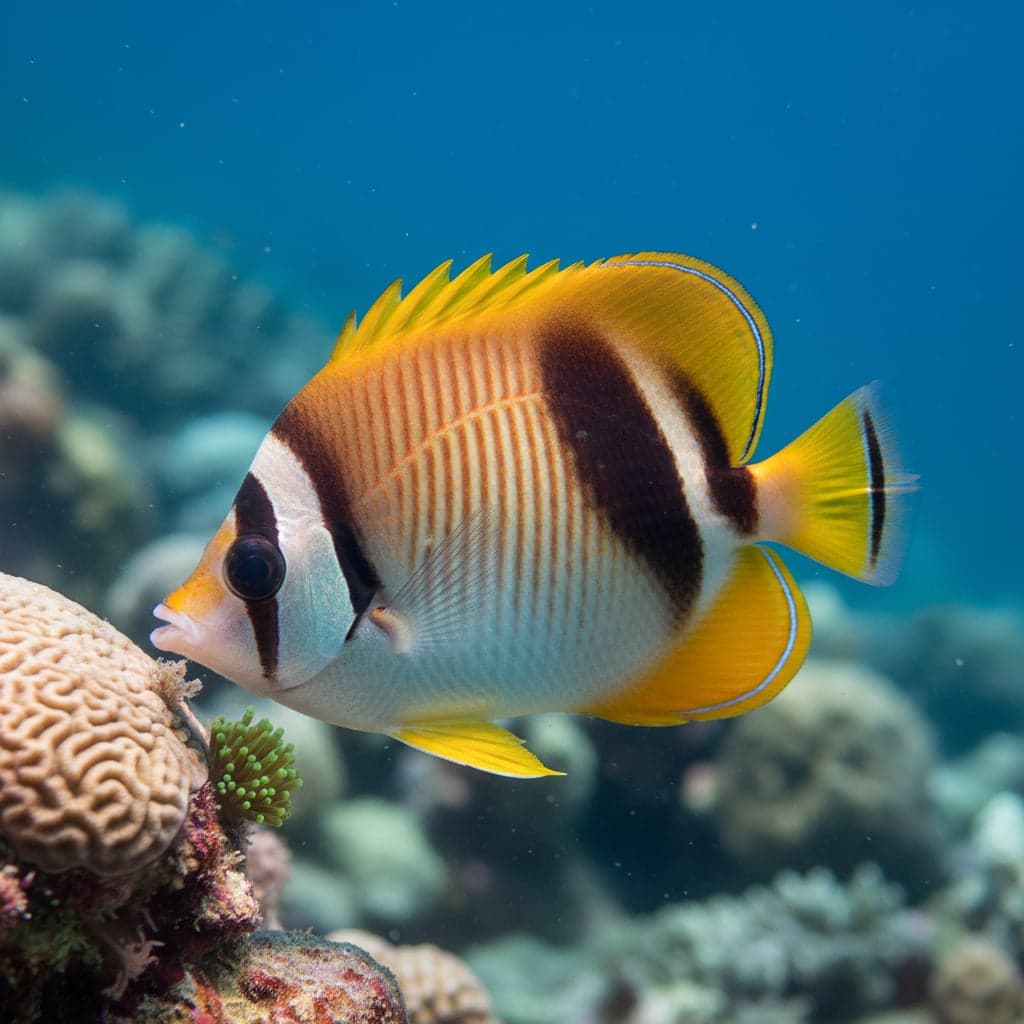
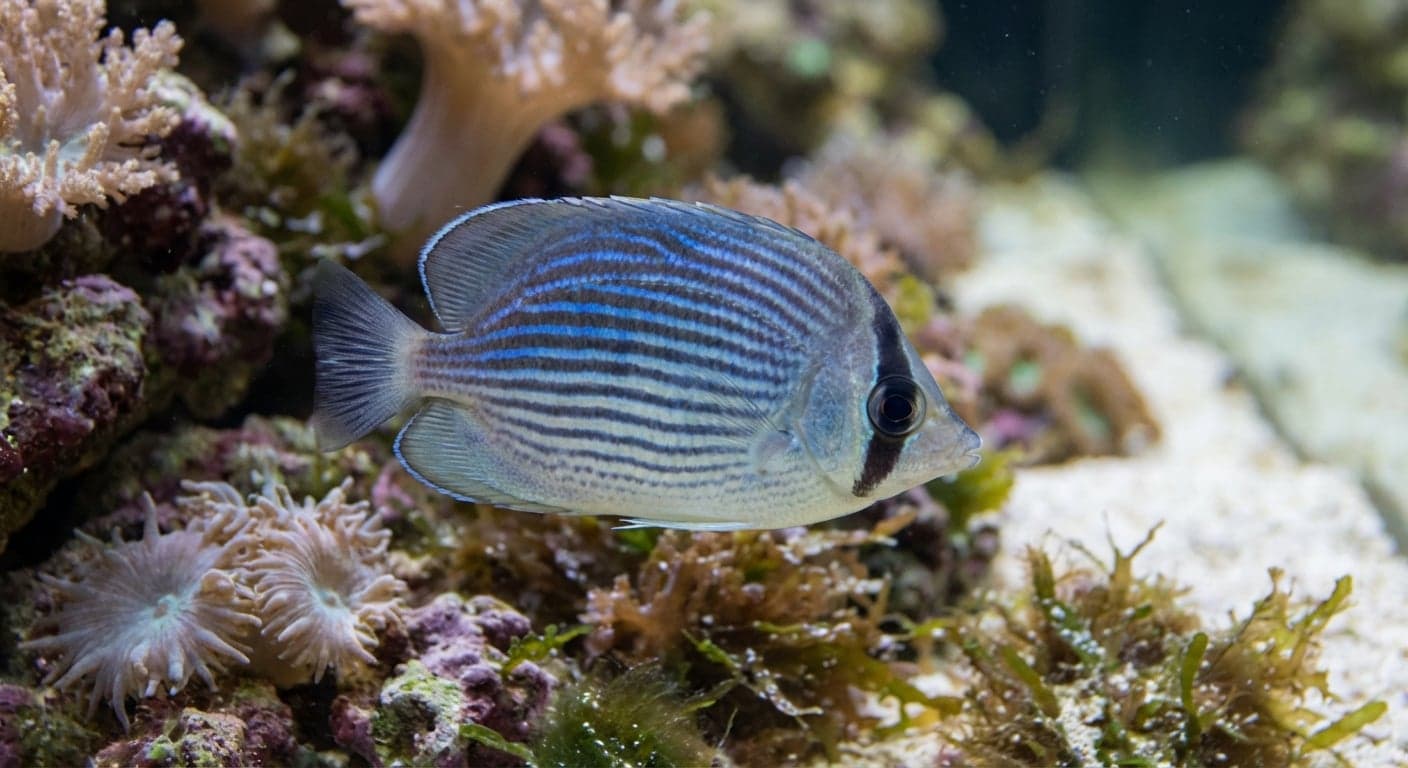
The Addis Butterflyfish (Chaetodon semilarvatus) is a stunning saltwater fish known for its unique appearance and behavior.

Studio Scaped
Addis Butterflyfish

Addis Butterflyfish

The Addis Butterflyfish (Chaetodon aulostomus) is a captivating marine species renowned for its stunning coloration and unique body shape. This elegant fish showcases a vibrant display of yellows, oranges, and subtle blues, which not only enhance its visual appeal but also create a striking contrast against the backdrop of a well-maintained aquarium. Measuring up to 8 inches in length, the Addis Butterflyfish has a distinctive elongated snout that aids in its feeding habits, enabling it to access food sources that are unavailable to many other reef dwellers. As an essential part of the reef ecosystem, it plays a critical role in controlling the growth of coral-eating pests, thus highlighting its significance in not only biodiversity but also its appeal to marine aquarists.

In the aquarium hobby, the Addis Butterflyfish is revered for its beauty and complexity, challenging seasoned aquarists while providing a rewarding experience for those willing to meet its care requirements. Often considered a showpiece fish, it becomes a focal point in marine setups when housed in an appropriate environment. The fish is best suited for well-established aquariums, where it can showcase its natural behaviors and coloration. Understanding its habitat, social dynamics, and dietary needs is essential for anyone looking to keep this exquisite butterflyfish in their collection, as these factors contribute significantly to its overall health and longevity.

Natural Habitat & Origin

The Addis Butterflyfish is primarily found in the warm tropical waters of the Indian and Pacific Oceans, with notable populations near the East African coast and around the islands of the Pacific. This species typically inhabits coral reefs, often dwelling near rocky ledges and steep slopes where it finds ample foraging opportunities and shelter. The waters it inhabits are generally clear and rich in nutrients, which supports the diverse marine life it interacts with. Typically residing in depths ranging from 30 to 130 feet, the Addis Butterflyfish relies on the complex structures of coral reefs, which provide not only food sources but also a safe haven from predators.

These fish thrive in both attractive reef habitats and somewhat sheltered lagoon environments. The water conditions they are accustomed to generally include stable temperature ranges from 75°F to 82°F and slightly alkaline pH levels between 8.1 and 8.4. Their preference for clean, well-oxygenated water with moderate current makes it essential for aquarium keepers to replicate these conditions, ensuring a healthy and vibrant environment for the Addis Butterflyfish to flourish.

Care Requirements

To keep the Addis Butterflyfish thriving, it is crucial to maintain specific water parameters and create an optimal tank environment. Ideal conditions include a temperature range of 75°F to 82°F, a pH level between 8.1 and 8.4, and a moderately hard water composition with a dKH of 8-12. Regular testing of these parameters is vital to prevent fluctuations that could stress the fish. Additionally, a minimum tank size of 75 gallons is recommended to allow ample swimming space and territory for this species, which prefers to establish a defined area within the reef structure.

When setting up the tank for the Addis Butterflyfish, it is important to utilize a sandy substrate which mimics its natural habitat. Incorporating live rock, coral fragments, and caves not only provides ample hiding spots but also creates a visually stimulating environment. Lighting should be moderate to high, promoting the growth of algae, which serves as a supplemental food source. Additionally, including various marine plants and corals can enhance the aesthetics and create a more natural habitat, as well as assist in maintaining water quality.

Diet & Feeding

The Addis Butterflyfish is primarily an omnivore, though it is known for its fondness for a carnivorous diet. In its native habitat, it typically feeds on a variety of small invertebrates, plankton, and algae. In captivity, it is essential to provide a well-balanced diet that includes high-quality flakes and pellets specifically formulated for marine fish, as they contain vitamins and minerals critical for their health. Supplementing its diet with frozen or live foods such as brine shrimp, mysis shrimp, and small marine worms will not only enhance its color but also promote vital health and activity levels.

To ensure the fish maintains optimal health, feeding should occur at least once or twice a day, with enough food allowed for it to consume within a few minutes. While the Addis Butterflyfish may adapt to a prepared diet over time, introducing a variety of food options caters to its natural instincts and encourages more natural feeding behaviors. Regular dietary variation creates a more stimulating feeding routine and helps prevent dietary deficiencies.

Behavior & Temperament

The Addis Butterflyfish displays intriguing behaviors that reflect its social nature in the wild. Generally, they are considered peaceful but can exhibit territorial tendencies, especially if housed with more aggressive species or during mating. In terms of schooling, while not a true schooling fish, the Addis Butterflyfish can be seen in pairs or small groups, especially during foraging or resting. This species tends to occupy the mid to upper levels of the tank, making it vital for aquarists to create vertical spaces that allow the fish to explore and feel secure.

Because they are relatively shy, providing plenty of hiding spots through rock formations and dense aquatic plants can help ease stress levels. While they are typically non-aggressive towards tank mates, careful consideration should be given when selecting tank companions to minimize conflict, especially with other butterflyfish species.

Tank Mates

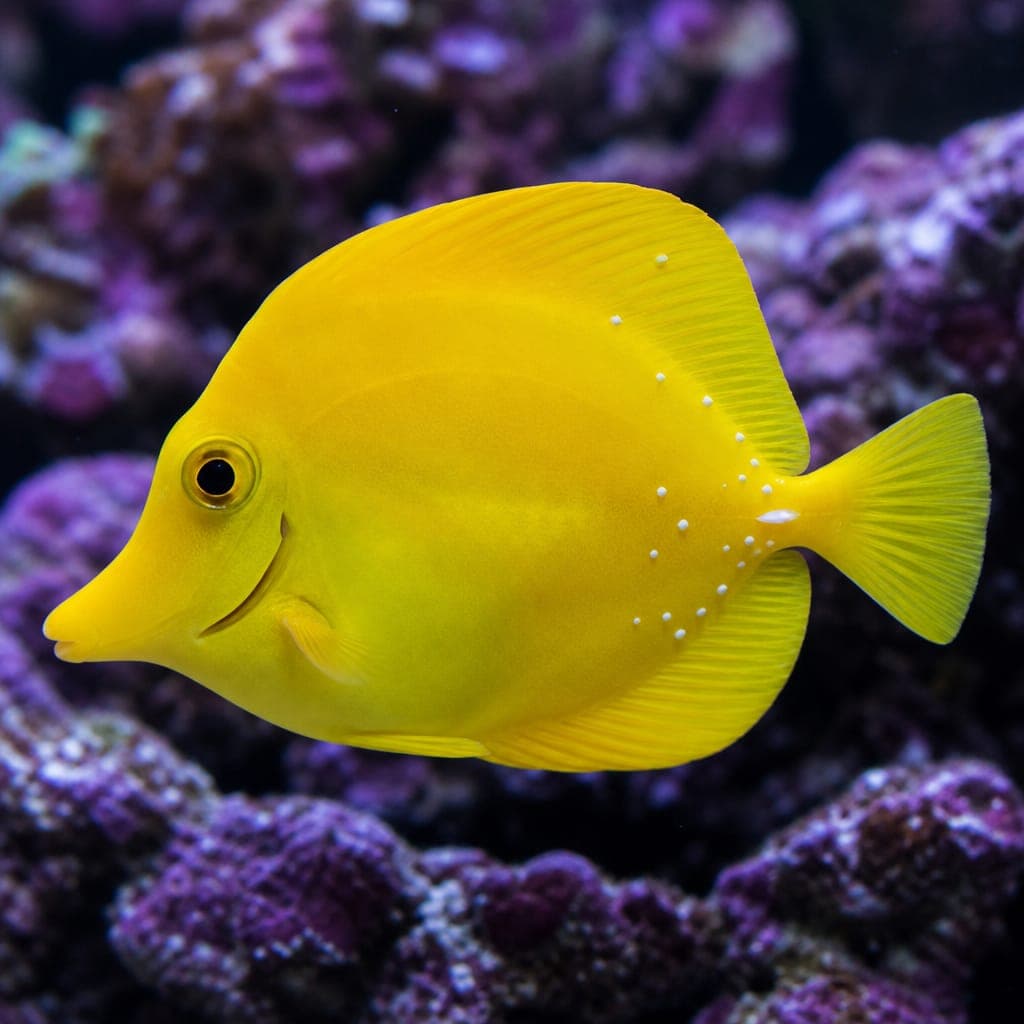
Choosing compatible tank mates for the Addis Butterflyfish is essential to create a harmonious aquarium environment. Suitable tank mates include peaceful species such as clownfish, gobies, and smaller wrasses. Additionally, other non-aggressive reef fish, like tangs and blennies, can coexist peacefully with the Addis Butterflyfish. It's best to avoid housing them with overly aggressive species, such as larger cichlids or territorial fish, which could stress or bully this delicate species.

In addition to temperament, tank size and space should also be considered. The Addis Butterflyfish should ideally not share a tank with multiple butterflyfish of the same genus or species, as they may become territorial. Maintaining a diverse mix of non-aggressive species can lead to a more dynamic and thriving community tank.

Breeding

Breeding the Addis Butterflyfish in captivity can be challenging, as it requires specific conditions and understanding of their reproductive behavior. In the wild, these fish engage in a complex courtship process that involves the male displaying bright colors and performing a series of ritualistic movements to attract a female. Successful breeding typically occurs in larger, well-maintained aquariums that mimic their natural habitat.

To encourage breeding, aim to maintain water parameters consistent with their natural environment. A temperature range of around 78°F to 80°F, stable pH levels, and clean, well-oxygenated water are crucial. During spawning, these fish will release eggs and sperm into the water column, which will float to the surface where fertilization occurs. If breeding is successful, ensure the presence of dense plant life and adequate cover for the fry, as they are vulnerable to predation from adults.

Common Health Issues

The Addis Butterflyfish may be susceptible to several common marine diseases, including ich (marine white spot), marine velvet, and various forms of bacterial infections. These health issues are often associated with improper water parameters, stress, or diet. To prevent these diseases, maintaining consistent water quality through regular testing and water changes is imperative

ADA
Aqua One
Chihiros
Dennerle
EHEIM
Fluval
Oase
Seachem
Tropica
Twinstar
UNS
ADA
Aqua One
Chihiros
Dennerle
EHEIM
Fluval
Oase
Seachem
Tropica
Twinstar
UNS
ADA
Aqua One
Chihiros
Dennerle
EHEIM
Fluval
Oase
Seachem
Tropica
Twinstar
UNS
ADA
Aqua One
Chihiros
Dennerle
EHEIM
Fluval
Oase
Seachem
Tropica
Twinstar
UNS