African Blenny
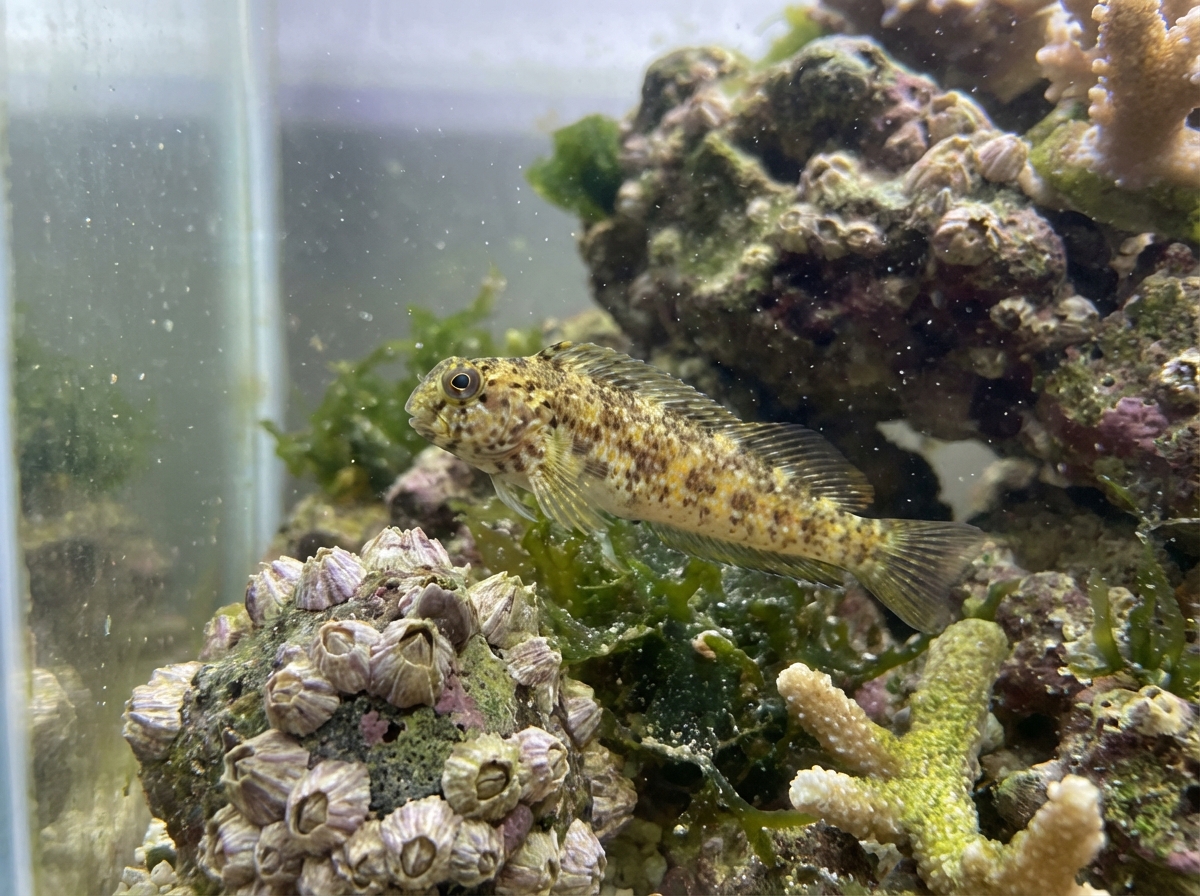
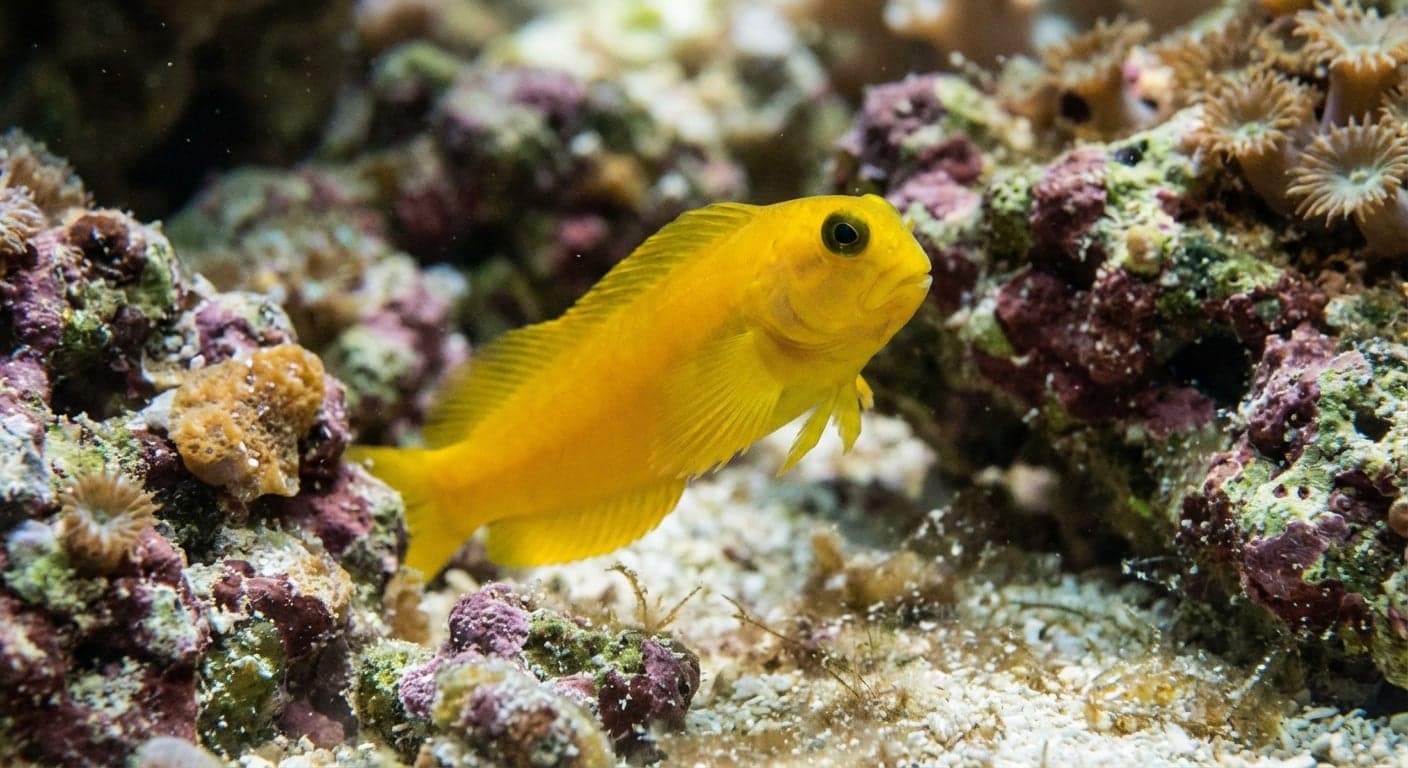
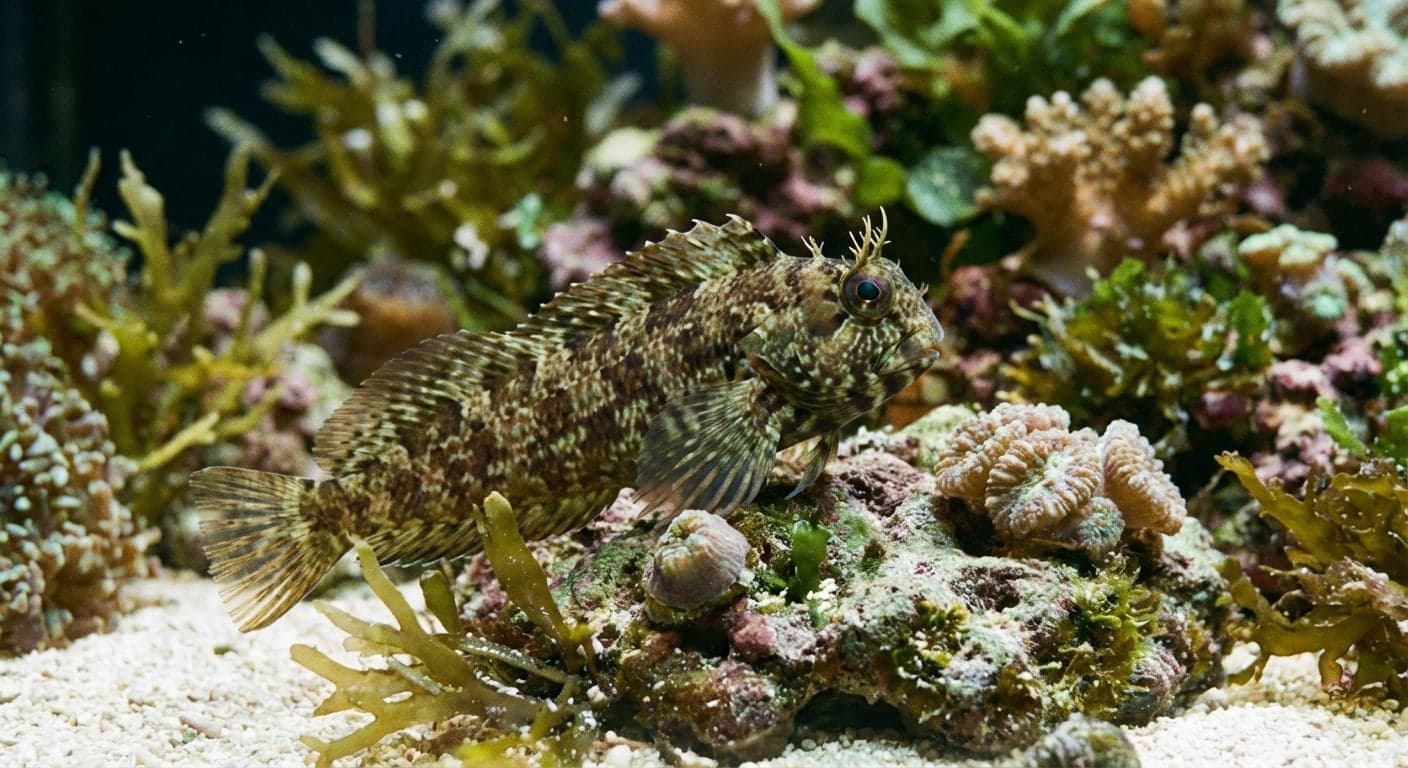
A 10cm fang blenny with venomous canines that deter predators. Peaceful, reef safe, and it will take a nip at a passing fish.

African Blenny
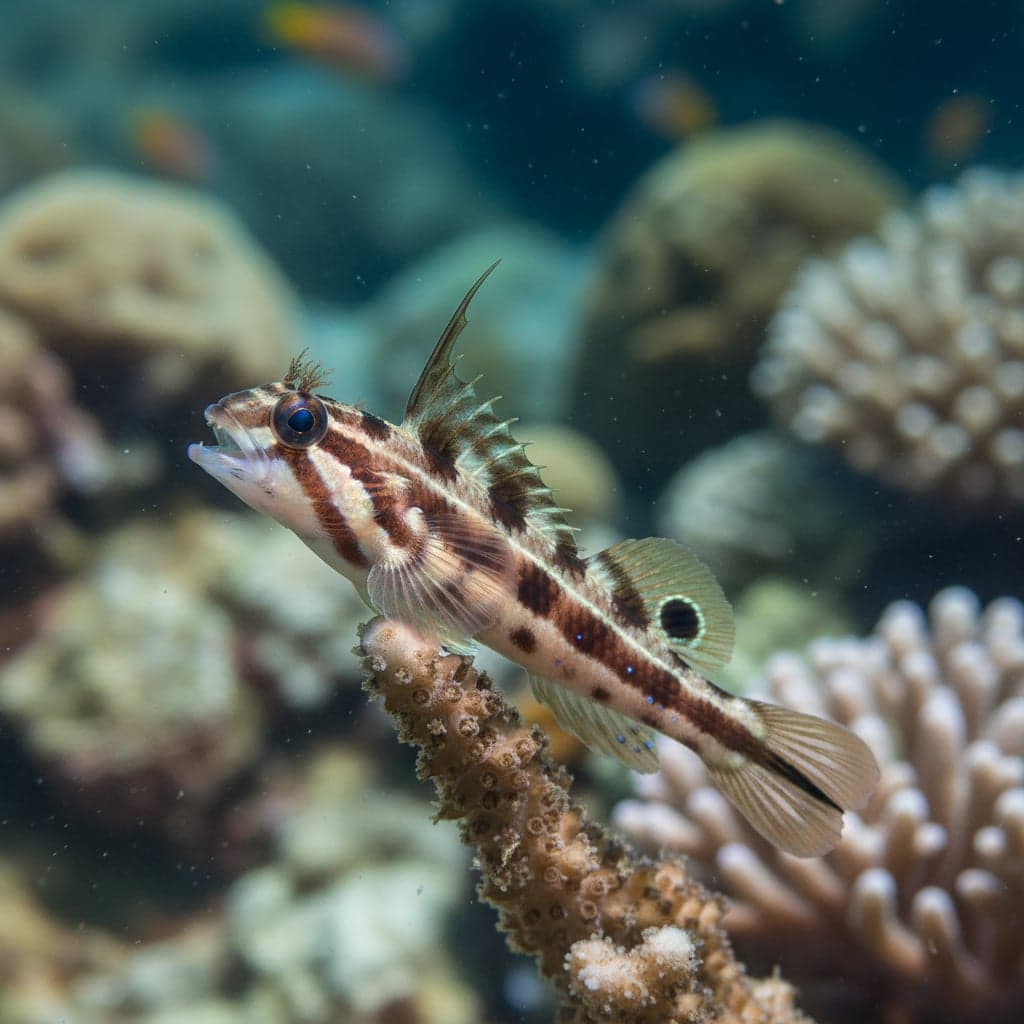
The African Blenny, also known scientifically as Blenniidae, is a captivating fish that has gained immense popularity among aquarium enthusiasts due to its unique appearance and intriguing personality. With its elongated body, vibrant coloration, and charming facial features, the African Blenny stands out in any tank. These small to medium-sized fish typically exhibit a range of colors, including shades of green, brown, and orange. Their bodies are often adorned with intricate patterns and markings, which enhance their visual appeal while reflecting their diverse natural habitats. Not only are they attractive, but their fascinating behavior makes them a favorite among both novice and seasoned aquarists, adding vibrancy and dynamism to community tanks.
The significance of the African Blenny in the aquarium hobby extends beyond its aesthetic qualities. These fish play an essential role in maintaining ecosystems by feeding on algae, detritus, and small invertebrates, making them beneficial for natural tank upkeep. Their relatively hardy nature and adaptability further contribute to their popularity, as they are suitable for both beginners and advanced hobbyists. Understanding the intricacies of their care can lead to a rewarding experience, making the African Blenny not just a fish, but a staple in the aquarist's journey.
Natural Habitat & Origin
The African Blenny originates from the coastal waters of West Africa, primarily inhabiting the rocky shores and coral reefs of the Atlantic Ocean. These fish are often found in tide pools and shallow waters, where they thrive in diverse habitats that include both clearwater and slightly turbid environments. The presence of rocky substrates and plenty of crevices makes these areas ideal for the African Blenny, as they are accustomed to hiding from predators and foraging for food. The natural ecosystems of their origin provide essential insights into replicating suitable aquarium conditions.
In their native habitat, these fish are usually found at depths ranging from shallow reefs to about 60 feet underwater. The temperatures in these regions generally hover between 75°F to 82°F (24°C - 28°C), with a pH balance around 7.8 to 8.4. Understanding these aspects of their natural environment is crucial for any aquarist aiming to successfully keep and breed the African Blenny.
Care Requirements
When it comes to caring for the African Blenny, understanding precise water parameters is fundamental for their health. The recommended temperature range is between 75°F to 82°F (24°C - 28°C), with a pH level between 7.8 and 8.4 to mimic their natural habitat. It's also essential to maintain a water hardness level of around 10 - 15 dGH. Given their natural inclination for rocky environments, a minimum tank size of 120 litres (30 gallons) is advisable for this 10cm Meiacanthus fang blenny, with rockwork and caves to claim.
For the tank setup, a sandy substrate or fine gravel is preferable to facilitate foraging behavior and mimic their natural surroundings. Incorporating various rock formations and caves into the design not only enhances the aesthetics but also replicates their natural habitat, encouraging exploration and reducing stress. The lighting should be moderate; too bright can create discomfort, whereas too dim could hinder algae growth, which they tend to graze on. Including live plants and hardscape elements will also promote a more authentic ecosystem.
Diet & Feeding
The African Blenny is an omnivore, which means they flourish on a varied diet that reflects their natural feeding habits. In the wild, they consume algae, small invertebrates, and detritus, which leads to their preference for both flake and pellet foods specifically formulated for herbivorous and omnivorous species. High-quality marine flakes or pellets should be supplemented with freeze-dried or frozen foods such as brine shrimp and mysis shrimp for protein enrichment. Additionally, providing blanched vegetables like zucchini and spinach can ensure that they receive necessary nutrients, especially with their tendency to graze on algae.
Feeding should be performed once or twice a day in smaller portions to prevent overfeeding, which is particularly important for maintaining good water quality. It's advisable to observe feeding behavior, as the African Blenny may show a preference for specific food types, leading you to adjust their diet accordingly for optimal health and vitality.
Behavior & Temperament
The African Blenny is often regarded for its unique behavior and social temperament. Generally, these fish are considered peaceful, making them suitable for a community tank setup. They exhibit a curious nature, frequently peeking out from their hiding spots and interacting with other tank mates. While they prefer to explore within the mid to lower levels of the tank, they are not overly aggressive; however, some territoriality can be observed, especially among males during mating seasons or when establishing dominance.
In terms of schooling, the African Blenny does not require a large group for comfort; keeping one or two individuals is typically adequate for social stimulation. Providing sufficient hiding spaces and structure will help mitigate any potential aggression or stress as it allows them to feel secure within their environment.
Tank Mates
When considering tank mates for the African Blenny, it's crucial to choose compatible species that share similar water requirements and temperamental traits. Ideal companions include peaceful, semi-aggressive fish like gobies, small wrasses, and various tetras. These species typically flourish alongside the African Blenny without imposing stress or aggression. Additionally, smaller crustaceans such as invertebrates or shrimps can create a vibrant ecosystem alongside the blenny, as the latter often coexists harmoniously with them.
Conversely, you should avoid housing the African Blenny with larger, aggressive fish like cichlids, triggers, or lionfish, as these species may pose a threat and could result in stress or injury to the blenny. It's also important to be cautious of larger schooling fish that might bully or outcompete them for food. Creating a balanced community tank with careful selection will ensure a vibrant, harmonious aquascape.
Breeding
Breeding the African Blenny in captivity requires a carefully controlled environment that closely resembles its natural habitat. In preparation for spawning, it's crucial to provide a breeding tank with temperature stability, ideally around 78°F (26°C), and regular water quality maintenance. The tank should be furnished with plenty of rock formations and hiding spaces to mimic their breeding ground, as these structures serve as crucial spawning sites.
During breeding, males exhibit territorial displays, often cleaning chosen spawning surfaces and courting females by showcasing their vibrant colors. Upon successful pairing, females will lay eggs in protected crevices, which the males will then guard and aerate until hatching occurs. Breeding success may require patience, but maintaining stable environmental conditions and properly introducing breeding pairs will enhance the chances of successful reproduction.
Common Health Issues
The African Blenny is relatively hardy, but like any fish, it can be prone to specific health issues if not maintained properly. Common diseases include Ich (white spot disease), fin rot, and velvet disease, often triggered by poor water quality or stress. Preventative care includes ensuring optimal tank conditions through regular monitoring and maintenance, as well as quarantining new fish before introducing them to the main tank to prevent disease transmission.
Moreover, proper nutrition plays a crucial role in boosting the fish’s immune system, making them less susceptible to illness. Additionally, be observant of any behavioral changes or signs of distress and address them promptly to maintain the overall health of your African Blenny. Regular health checks and a tidy, well-filtered tank go a long way toward prevention. Address white spots, frayed fins, or labored breathing early with appropriate marine treatments, and keep salinity and temperature steady. With good nutrition and low stress, your African Blenny can remain a curious, hardy presence in the aquarium for years.