African Dwarf Frog: Hymenochirus spp.
A tiny, peaceful, and fully aquatic frog. Perfect for community tanks and nano setups.

African Dwarf Frog
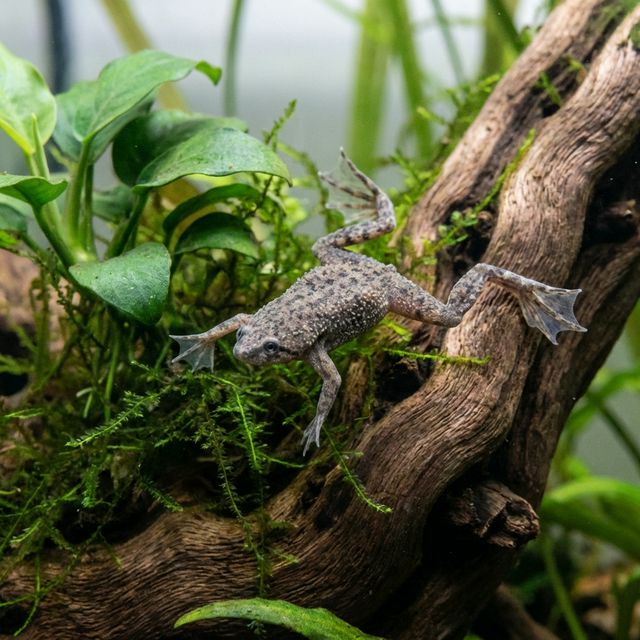
The African Dwarf Frog, scientifically known as Hymenochirus spp., is a petite amphibian well-regarded within the aquarium hobbyist community. These charming frogs are characterized by their small size—typically growing to about 1.5 inches (3-4 cm) in length—and their delightful, almost whimsical appearance, complete with webbed feet and a delicate, smooth skin texture that can range from mottled green to brown hues. Their semi-aquatic lifestyle, coupled with the ability to breathe through their skin and lungs, makes them not only visually appealing but also a fascinating addition to community aquariums. They possess intriguing behaviors, such as swimming gracefully through the water and occasionally breaching the surface to gulp air, which adds to their allure and entertainment value in an aquarium setting.
These amphibians hold a significant position in the aquarium hobby due to their engaging nature and compatibility with various fish species. Unlike many traditional aquarium fish that require specific tank conditions, African Dwarf Frogs adapt well to a variety of environments, appealing to both novice and seasoned aquarists. Their peaceful demeanor makes them an excellent choice for community tanks, where they add a unique layer of biodiversity. Owners often appreciate how their antics can enhance the liveliness of a tank, making them a favorite for hobbyists looking to create a dynamic underwater landscape.
Natural Habitat & Origin
The African Dwarf Frog originates from the warm, freshwater habitats of Africa, specifically in the regions of the Congo River Basin, where slow-moving waters can be found in swamps, ponds, and marshes. The water in these environments is typically soft and slightly acidic, classified as blackwater due to the high levels of organic material such as decaying leaves. This creates a dark, tangy environment with low visibility and supports a unique ecosystem, rich in microorganisms, which serve as natural food sources for these frogs. Understanding their native habitat is crucial for aquarists, as replicating these conditions can help in providing a healthy and stimulating environment for the frogs in captivity.
Within this natural habitat, the African Dwarf Frog finds refuge amongst dense vegetation and submerged debris, which serve as hiding spots from predators. This habitat underscores the importance of a well-planted aquarium setup, as it not only provides security but also mimics the frogs' natural surroundings, supporting their well-being and overall health. The gentle waters of their native habitats help maintain their delicate physiological needs, making it important for hobbyists to consider water quality, temperature, and chemistry when caring for these fascinating creatures.
Care Requirements
To ensure the well-being of African Dwarf Frogs, proper water parameters must be maintained. The ideal pH level for these frogs resides between 6.5 and 7.5, and the water temperature should be kept consistently between 74°F to 78°F (23°C to 25°C). Additionally, the hardness of the water should remain between 3 to 15 dGH, simulating the soft conditions of their natural habitat. When setting up a tank, the minimum size should be at least 10 gallons to provide ample swimming space and maintain stable water conditions.
For tank setup, it is essential to include a gentle filtration system, as African Dwarf Frogs are sensitive to strong currents. A sandy or fine-gravel substrate is recommended, as this allows for easy burrowing and mimics their natural environment. The aquarium should be well-planted with a variety of live plants that provide cover and mimic their native habitats. Soft, ambient lighting is preferable to avoid startling the frogs, as they thrive in subdued lighting conditions. Avoid using sharp or abrasive decorations that might injure the frogs’ delicate skin.
Diet & Feeding
African Dwarf Frogs are omnivorous, primarily feeding on small organisms in their natural habitat, making it necessary to provide a balanced diet in captivity. They thrive on a diet that includes high-quality sinking pellets specifically formulated for amphibians, as well as frozen or live foods such as bloodworms, brine shrimp, and daphnia. Flake food can also be included but should be thoroughly crushed to accommodate their size and feeding habits. It's essential to feed these frogs multiple times a week, offering small, manageable portions to ensure that they can consume the food before it sinks to the bottom and becomes inaccessible.
Care should be taken not to overfeed, as African Dwarf Frogs can be prone to obesity. An easy method to prevent this is to use a feeding schedule, allowing several hours between feedings to ensure they are actively searching for food and not relying solely on what floats in the water. Observing their feeding behavior is also vital; if a frog appears uninterested in food, it may indicate stress or health issues that require prompt attention.
Behavior & Temperament
African Dwarf Frogs exhibit a peaceful nature, making them excellent candidates for community tanks. They are social creatures that thrive in the presence of their own kind, often seen engaging in playful interactions such as swimming gracefully in unison and occasionally basking near the surface of the water to breathe. These frogs are not schoolers in the traditional sense, but they feel more secure with companions, so keeping at least a pair or a small group is recommended.
In the aquarium, African Dwarf Frogs typically occupy the mid to lower levels of the tank, often hiding within plants or decorations. While they are generally non-aggressive, they may occasionally display territorial behavior towards one another, especially in cramped conditions. However, such encounters usually involve display rather than actual conflict. Additionally, while they can coexist peacefully with many tank mates, their gentle demeanor means they may become victims of aggression from more boisterous fish.
Tank Mates
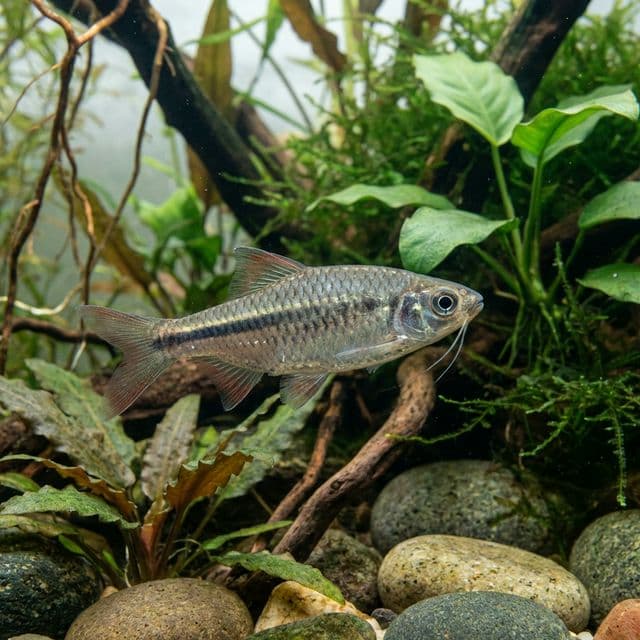
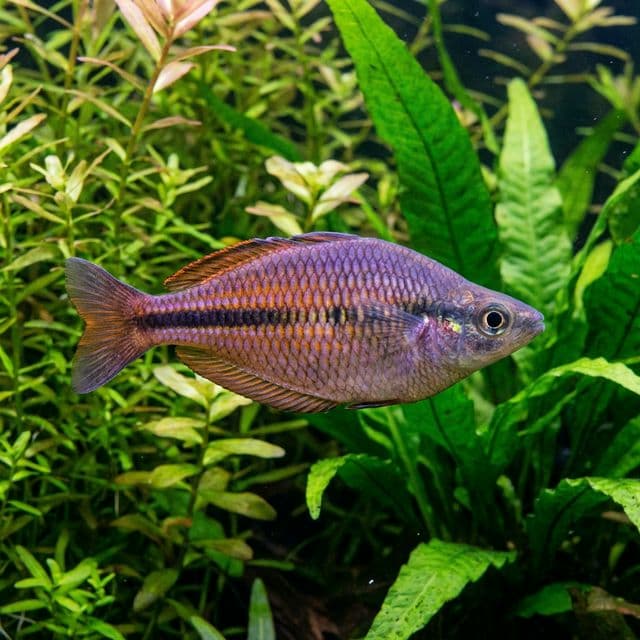
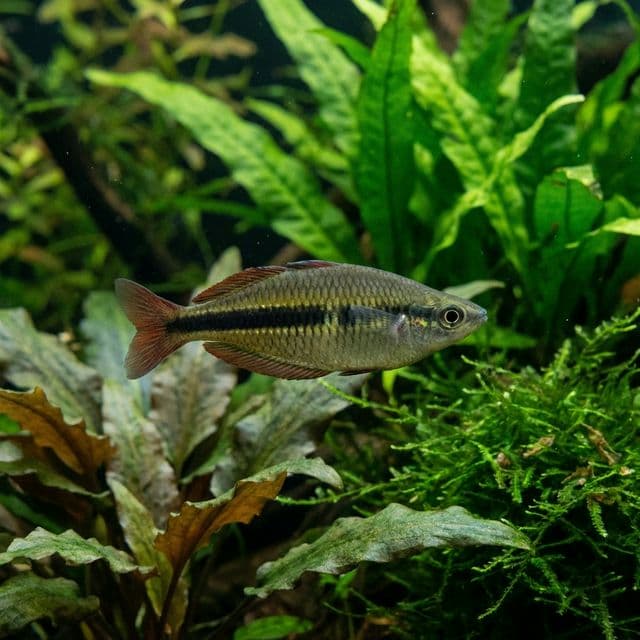
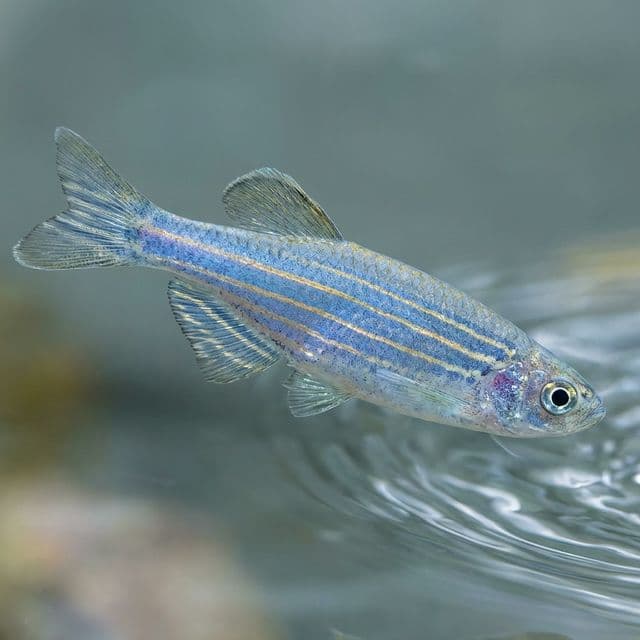
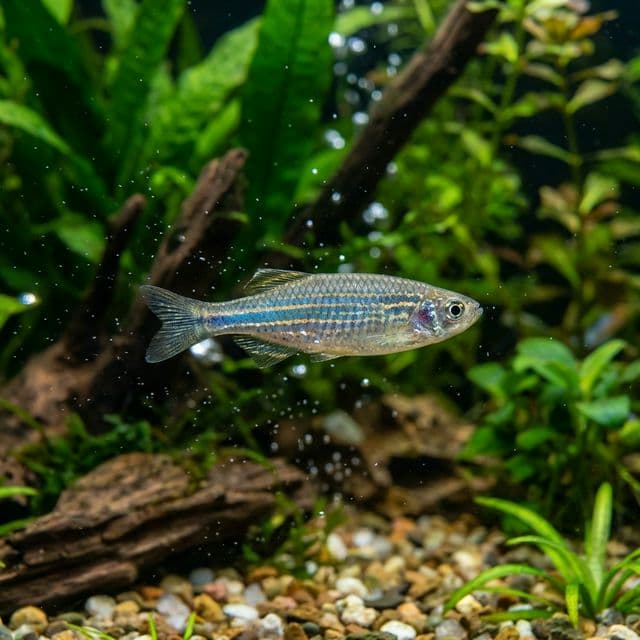
Selecting compatible species for an aquarium housing African Dwarf Frogs is crucial for fostering a harmonious environment. Suitable tank mates include peaceful fish such as neon tetras, guppies, danios, and rasboras. Other amphibians like the African Clawed Frog may share the space, but caution should be exercised as their larger size can lead to predation.
Conversely, it is imperative to avoid aggressive or large fish species such as bettas, cichlids, and larger barbs, as these fish may view the frogs as prey. Additionally, species that nip fins or engage in rapid movements—such as certain livebearers—can stress these frogs and potentially harm them. A well-chosen selection of tank mates will enhance the aquarium's community atmosphere while ensuring the safety and well-being of the African Dwarf Frogs.
Breeding
Breeding African Dwarf Frogs in captivity can be a challenge but is certainly achievable under the right conditions. Spawning typically occurs when water temperatures rise within the acceptable range, coupled with optimal water conditions. To encourage breeding, it is advisable to provide a separation between males and females and ensure an increase in water changes to simulate natural conditions.
When ready to mate, males will often call out using their vocal sacs to attract females, and spawning generally occurs at the water's surface, where fertilized eggs cling to submerged plants or decorations. It is crucial to remove adult frogs from the breeding tank after spawning to prevent them from consuming the eggs. The tadpoles will take about 7 to 14 days to hatch, at which point they will transition into juvenile frogs, requiring careful monitoring and specific food to ensure successful development.
Common Health Issues
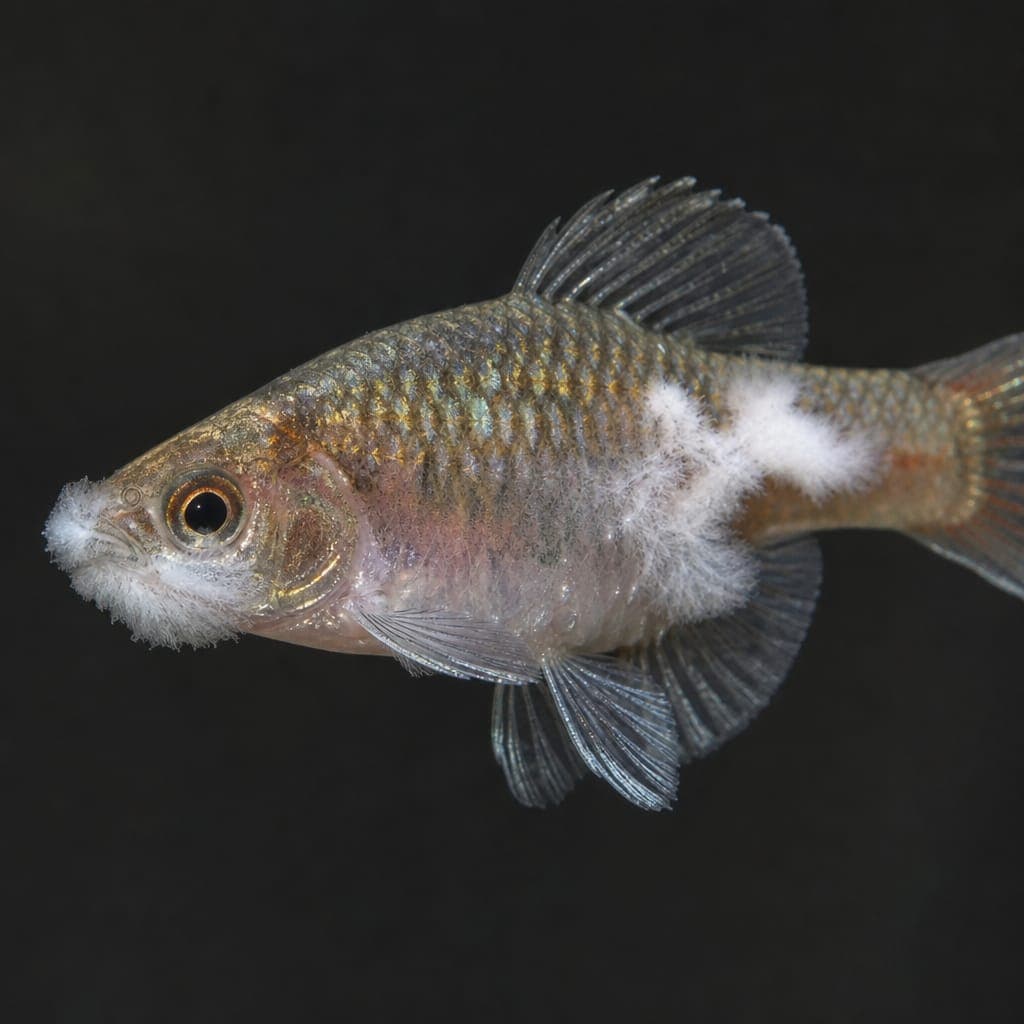
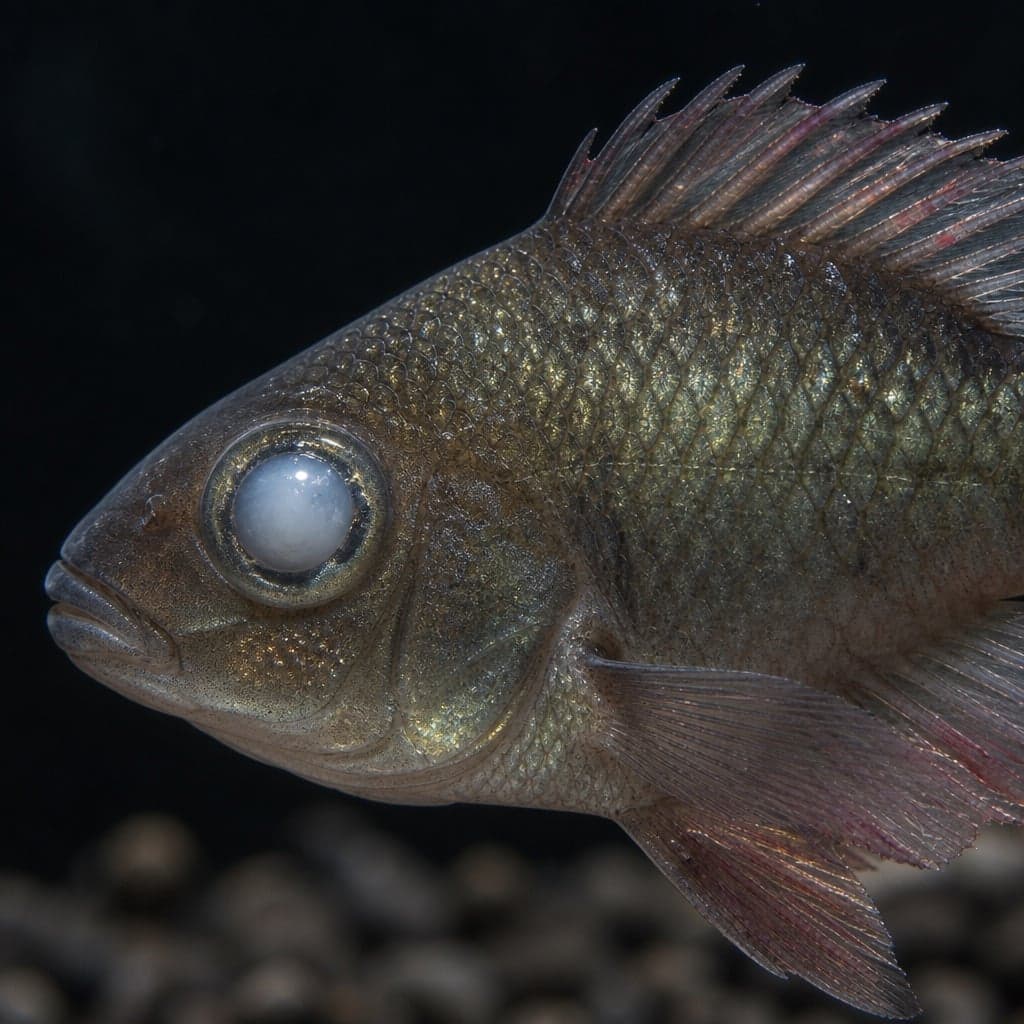
African Dwarf Frogs can be susceptible to bacterial infections, fungal diseases, and dropsy when water quality declines or they become stressed. Red-leg syndrome and cloudy eyes are warning signs that warrant immediate attention. Because they absorb substances through their permeable skin, copper-based treatments and many standard fish medications can be harmful—always choose amphibian-safe options. Stable parameters, gentle filtration, and quarantining new tank mates are the best prevention. Prompt care and a clean, well-maintained aquarium help these frogs stay active and healthy.