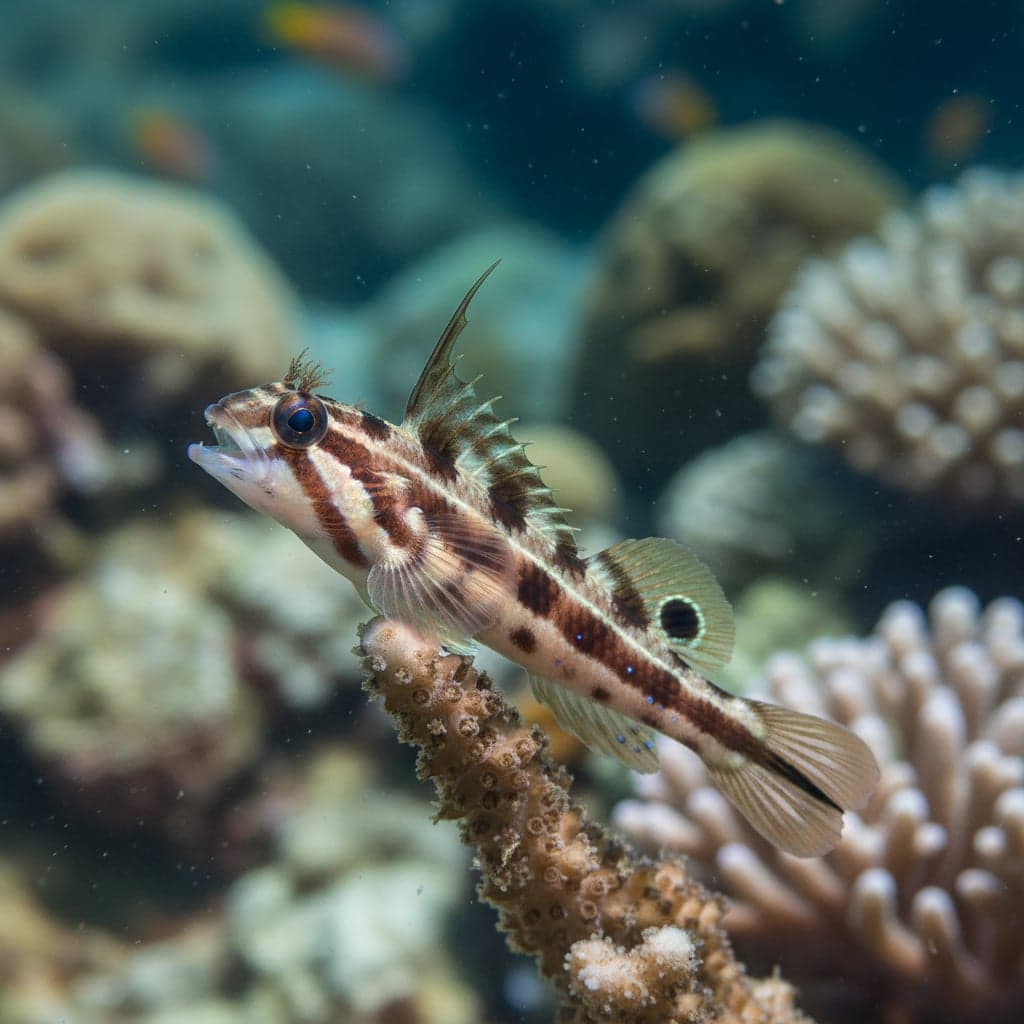
Aiptasia-eating Filefish
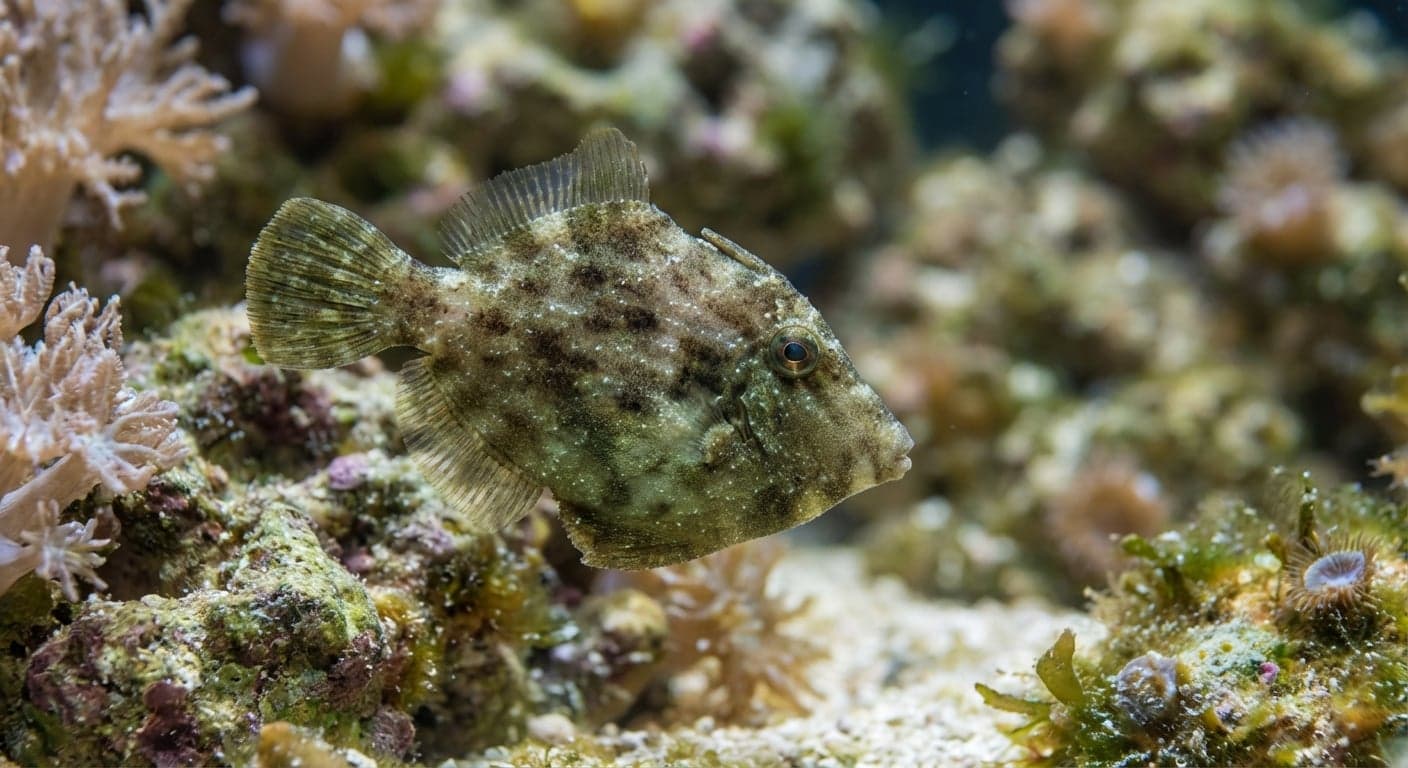
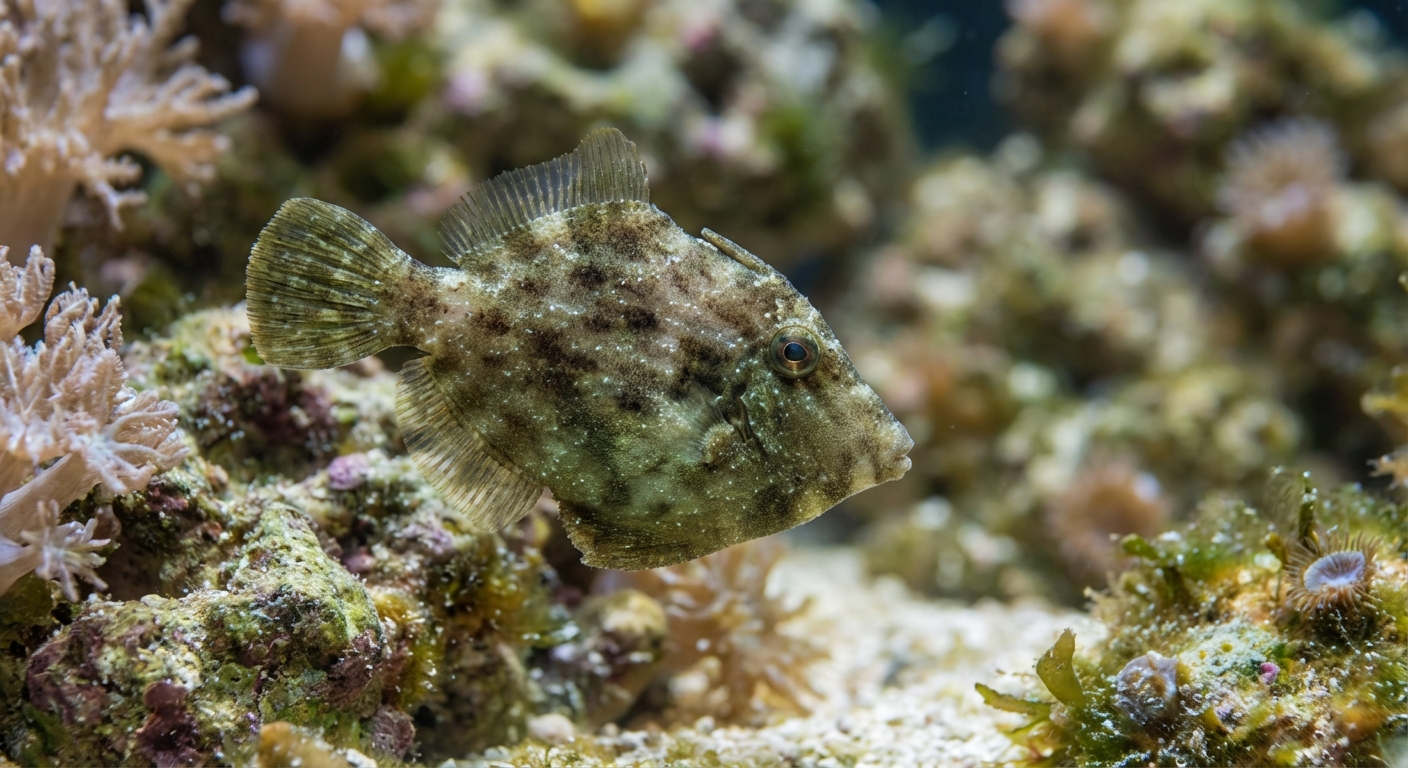
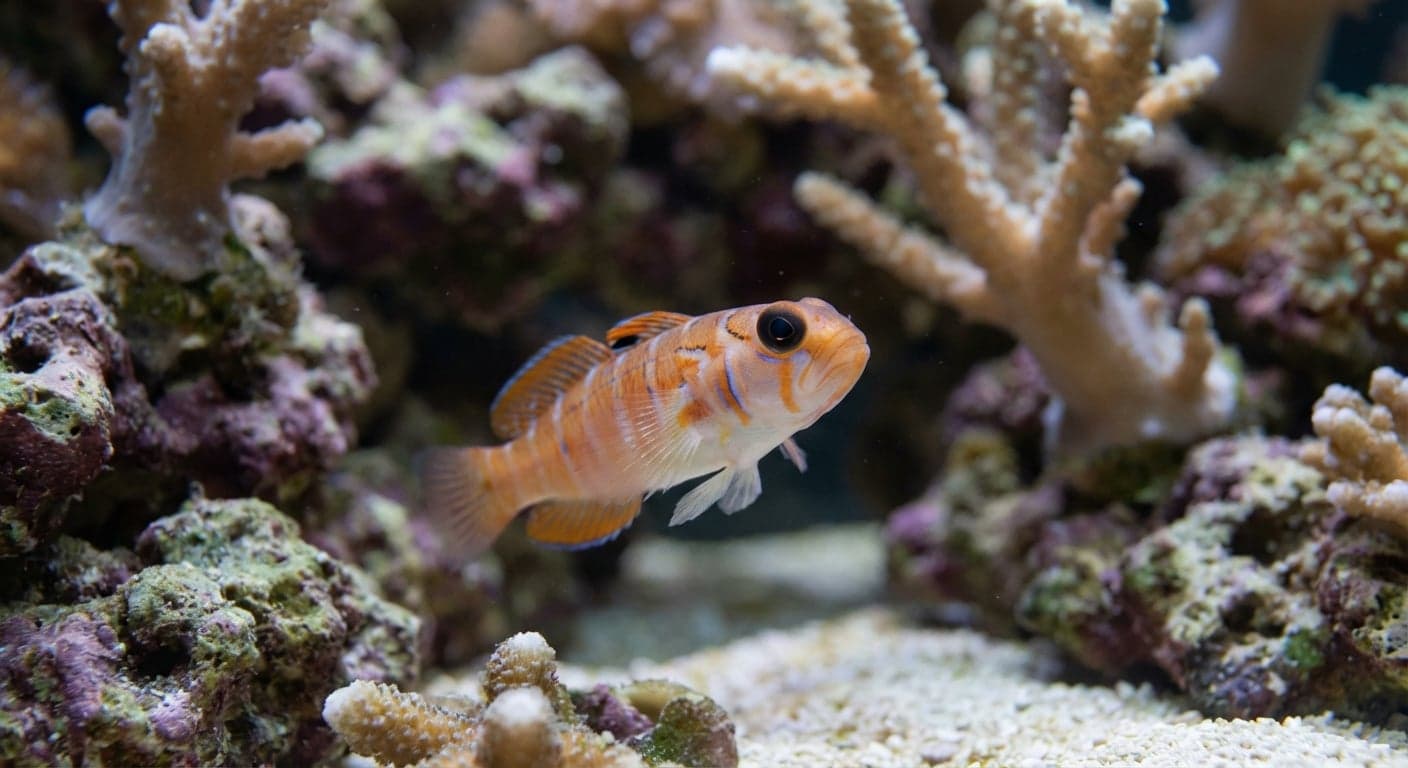
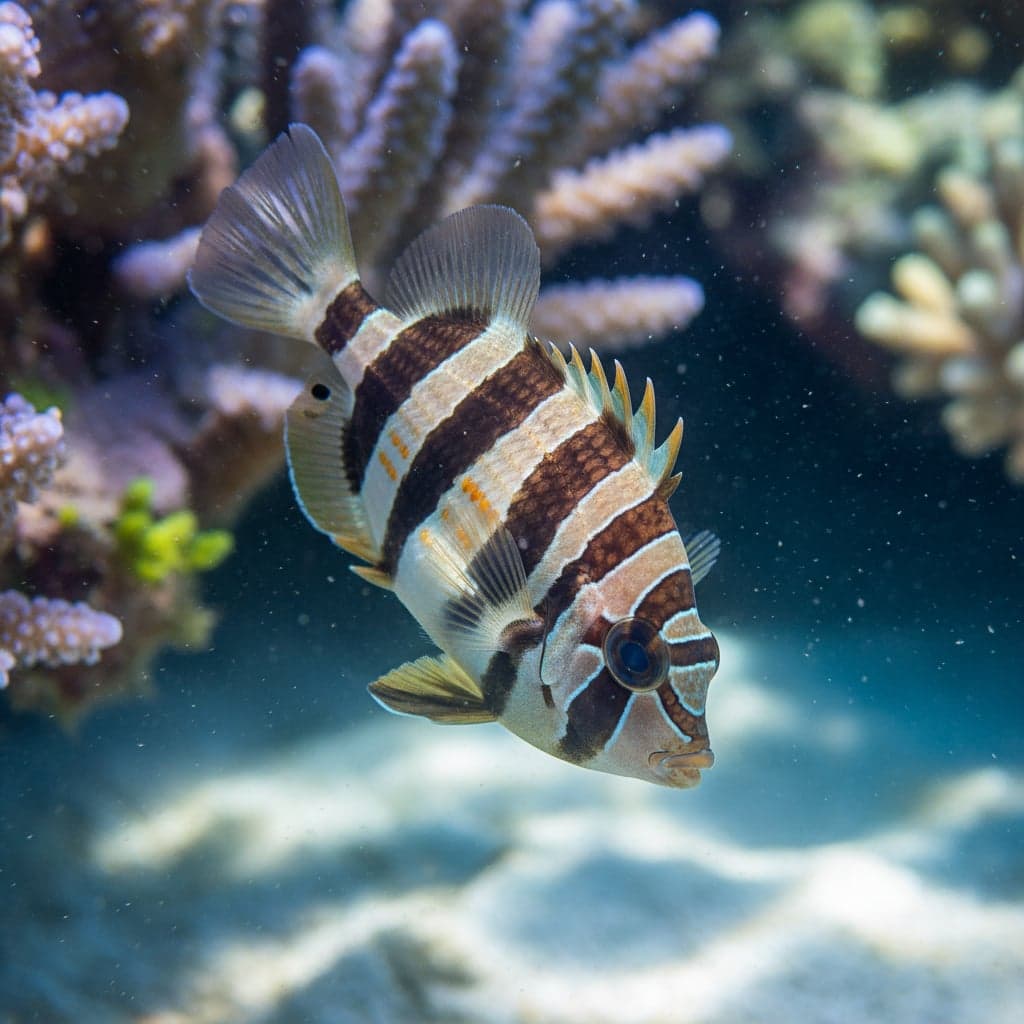
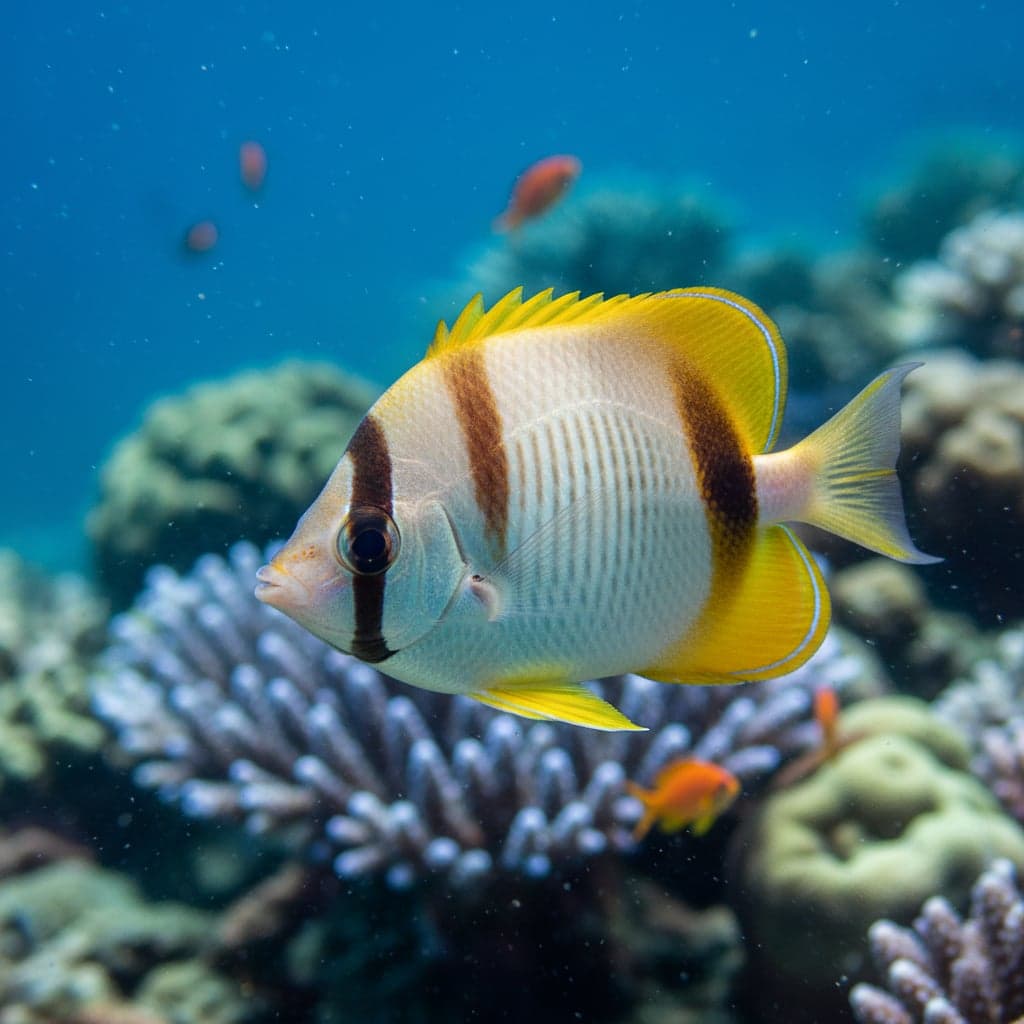
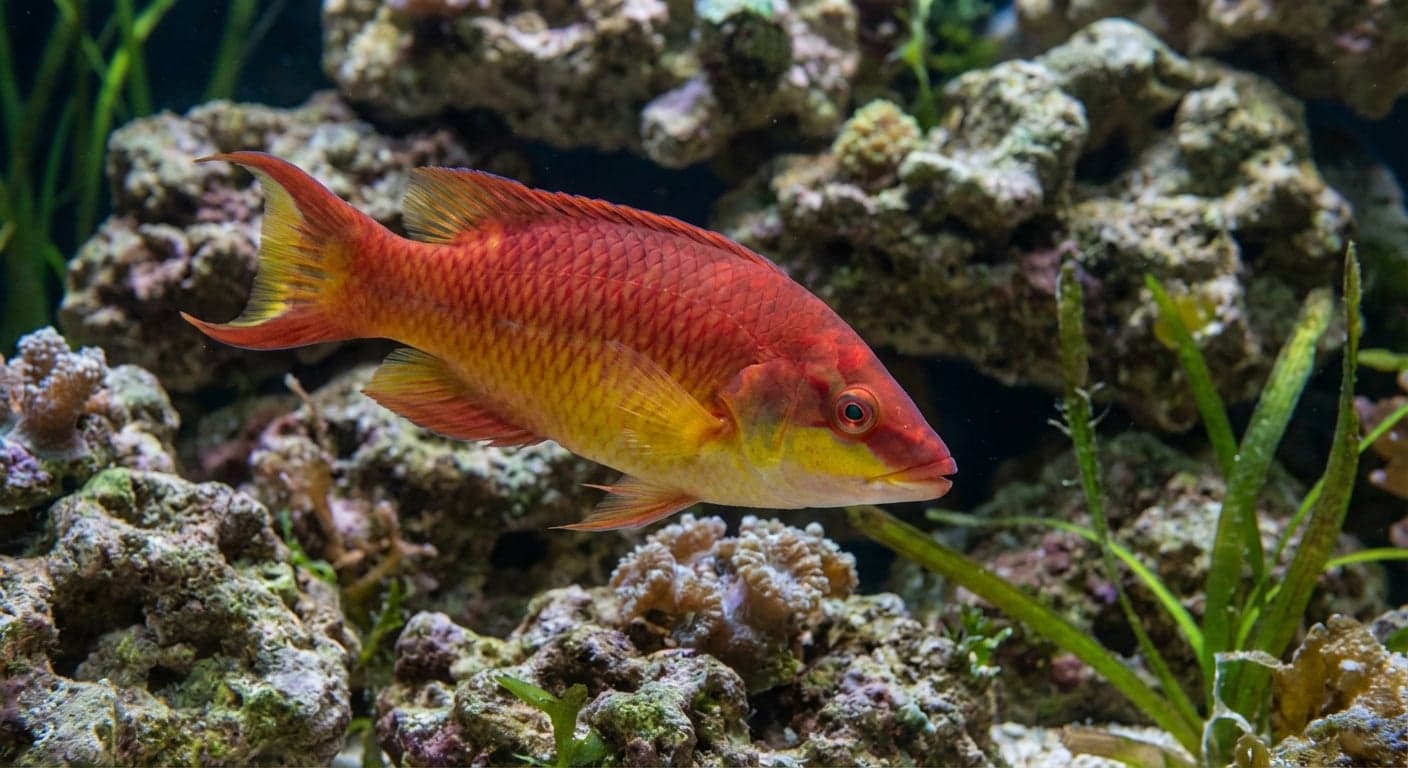
The Aiptasia-eating Filefish (Acreichthys tomentosus) is a stunning saltwater fish known for its unique appearance and behavior.

Aiptasia-eating Filefish
The Aiptasia-eating Filefish (Oxymonacanthus longirostris) is a captivating reef-dwelling species renowned for its unique diet and visual appeal. This small fish, often reaching about 4-5 inches in length, sports a striking coloration of yellow, blue, and green, with intricate patterns that make it a standout choice for many aquarists. Its elongated body and compressed form give it a distinctive profile, while its feisty and quirky swimming behaviors add to its charm. Beyond its aesthetic appeal, the Aiptasia-eating Filefish is an invaluable addition to reef tanks, particularly for those struggling with the invasive sea anemone Aiptasia, which is known to wreak havoc in marine aquaria. The fish's natural affinity for consuming these pests positions it as a valuable tool for maintaining a healthier aquarium ecosystem.
Significantly, the Aiptasia-eating Filefish is not just another fish for your aquarium, but rather a specialist adept at controlling a common nuisance that many aquarists face. It exhibits a symbiotic relationship with its food source, Aiptasia, consuming them while contributing to the overall balance of marine life within the aquarium. Because of its capabilities and attractive appearance, the Aiptasia-eating Filefish has surged in popularity among reef enthusiasts. However, it is imperative to ensure proper care and tank conditions to thrive in captivity, underscoring the responsibility aquarists take in maintaining their aquatic environments.
Natural Habitat & Origin
The Aiptasia-eating Filefish hails from the coral reefs of the Indo-Pacific region, specifically found in countries like Malaysia, Indonesia, and the Philippines. This species thrives in tropical waters characterized by warm temperatures, typically between 75°F and 82°F (24°C to 28°C), but it can also adapt to various conditions found along reef structures. In the wild, the fish is often located in backwaters and lagoons, where they seek refuge amongst coral formations and rocky substrates. The clarity of the waters in these habitats is crucial as it plays a role in their foraging behavior, allowing them to hunt for Aiptasia and other small invertebrates effectively.
Moreover, the Aiptasia-eating Filefish prefers environments with ample hiding spots and structures, such as crevices and overhangs, which protect them from potential predators. The marine environment in which they are found is typically rich in biodiversity, a characteristic that supports their varied diets in the wild. Mimicking this natural habitat in a home aquarium setting is essential to ensure their well-being and to promote natural behaviors.
Care Requirements
To provide optimal care for the Aiptasia-eating Filefish, specific water parameters must be maintained. Ideal pH levels should range between 8.1 to 8.4, with a temperature of 75°F to 82°F (24°C to 28°C) and salinity of 1.020 to 1.025. Water hardness should be kept between 8 to 12 dGH for optimal health. This species requires a minimum tank size of 30 gallons to allow ample swimming space and hiding areas. The tank should be well-aerated and equipped with a reliable filtration system to ensure cleanliness and maintain water quality.
For the tank setup, a sandy substrate is preferred, along with plenty of live rock and coral fragments to recreate its natural habitat. Lighting can vary from moderate to high, which allows for coral growth if the tank is being kept as a reef system. Including various coral setups not only enhances the aesthetics but also provides essential hiding spots and foraging grounds for the Aiptasia-eating Filefish. Regular water changes and stable environmental conditions will help ensure the fish remains healthy and stress-free.
Diet & Feeding
The Aiptasia-eating Filefish is primarily an omnivore, with a notable preference for Aiptasia and small invertebrates found in its natural habitat. In captivity, their diet can be supplemented with high-quality flakes and pellets, along with frozen or live food options such as brine shrimp, mysis shrimp, and cyclops. A varied diet is critical not only for their health but also for stimulating natural hunting behavior. Because of their specialized diet, it is important to ensure that Aiptasia is present in the tank or alternative food types are provided to prevent starvation.
Feeding should be carried out multiple times a day in small amounts to reduce waste and promote digestion. Observing their feeding habits will help ensure that they are efficiently consuming offered foods. Providing a balanced diet will foster their vibrant colors and improve overall health and vitality in this curious species.
Behavior & Temperament
In terms of behavior, the Aiptasia-eating Filefish is generally considered to be semi-aggressive. While they can display territorial tendencies, especially during breeding or when competing for food sources, they are not as aggressive as some other reef fish. They are primarily solitary and prefer to be positioned toward the middle to lower levels of the tank, where they can easily manage their territory and access their preferred food sources.
Although they can coexist with other fish species, introducing them to a community tank requires careful consideration. They tend to exhibit shy behavior initially, often taking time to acclimate to a new environment. Once settled, they may exhibit quirky behaviors, including hovering or darting among corals, making them a fascinating subject for observation.
Tank Mates
When it comes to tank mates, the Aiptasia-eating Filefish can be compatible with a variety of reef-safe species. Suitable companions include clownfish, gobies, small wrasses, and other peaceful species that will not intimidate or harass them. It is crucial to avoid mixing them with highly aggressive fish that could outcompete them for resources or disrupt their inhabiting zones.
On the other hand, species such as aggressive damsels, large tangs, or triggers should be avoided, as they may pose a threat to the Aiptasia-eating Filefish. Additionally, other filefish species should also be approached with caution, as aggression may escalate when similar species are present. A diverse community tank with ample space will provide a peaceful environment for the Aiptasia-eating Filefish to thrive while effectively controlling infestations.
Breeding
Breeding the Aiptasia-eating Filefish in captivity is a delicate process due to their secretive spawning behaviors. In the wild, these fish engage in monogamous relationships where the female lays eggs on substrate or rocks, and the male fertilizes them shortly afterward. For successful breeding, maintaining optimal water conditions is essential, including stabilized temperatures and low-stress environments.
Creating a breeding setup separate from the main tank is often advisable. This controlled environment should include plenty of hiding places, as females tend to be shy. Once the eggs are fertilized, they typically hatch within a few days, after which the fry will require specialized care, including highly nutritious microscopic foods such as rotifers or powdered fry food to ensure survival during the initial stages of growth.
Common Health Issues
The Aiptasia-eating Filefish is generally resilient but can be susceptible to a variety of health issues common in captive marine fish. These include marine ich (Cryptocaryon irritans), protozoan parasites, and fin rot. Implementing proper quarantine procedures for new fish and maintaining high water quality through regular testing can help prevent these