Apple Snail: Pomacea sp.
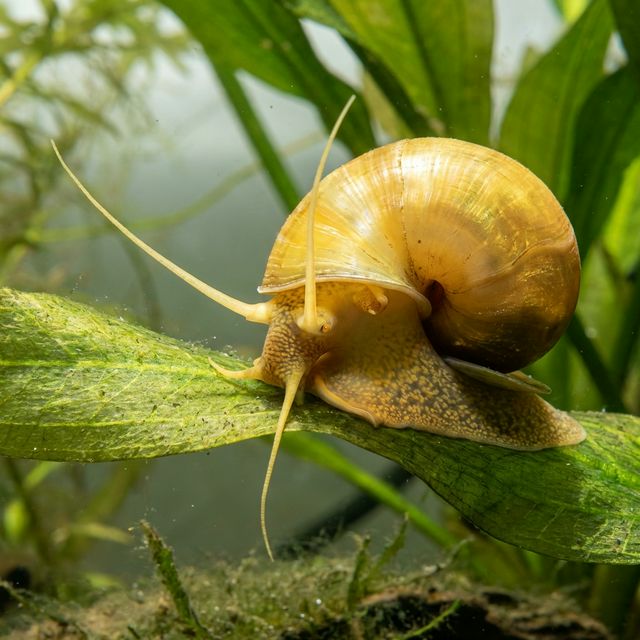
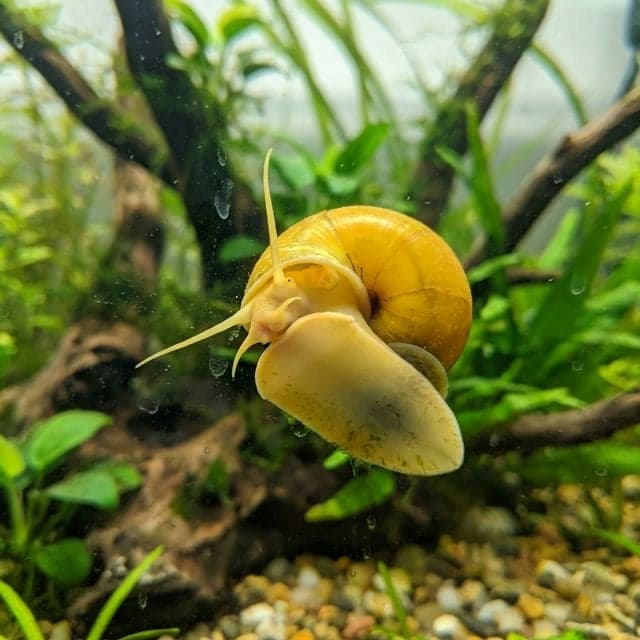
A large, colorful freshwater snail. Excellent scavenger that comes in gold, blue, and purple.
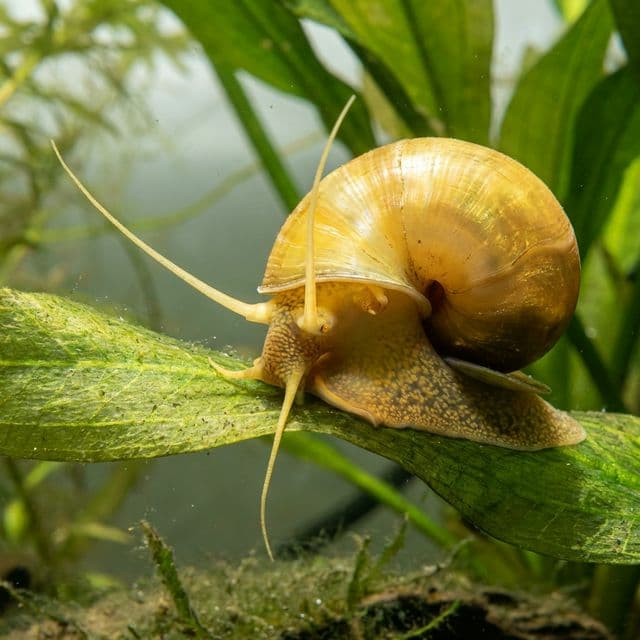
Apple Snail
The Apple Snail, scientifically classified under the genus Pomacea, is a captivating addition to any freshwater aquarium, well-known for its intriguing appearance and engaging behavior. These delightful gastropods boast a distinctive, orb-shaped shell that can vary in color from golden yellow to deep blue and even mottled shades, making them visually striking in well-planted setups. Their large size—often reaching up to 2-2.5 inches (5-6.5 cm) in diameter—alongside their unique texture and patterns, creates an engaging focal point in aquascapes. They play a significant role in the aquarium hobby due to their algae-eating abilities, helping to maintain a cleaner environment while providing hours of amusement as they forage and explore their surroundings.
In the realm of aquarium care, the Apple Snail has garnered a devoted following. A fantastic choice for novice and expert aquarists alike, their hardiness and adaptability make them suitable for a variety of tank conditions. Beyond just aesthetics, they are integral to reducing algae and plant detritus, thus contributing to a more balanced ecosystem. While they may differ in color and size, all Apple Snails share a unique charm that draws enthusiasts and casual hobbyists into the world of freshwater aquariums.
Natural Habitat & Origin
Apple Snails are native to the warm, freshwater habitats of South America, predominantly found in countries such as Argentina, Brazil, and Paraguay. Their natural habitats include slow-moving rivers, marshes, and floodplains. These environments are characterized by a range of water types, including blackwater and clearwater systems. In the wild, Apple Snails thrive in waters with abundant vegetation, which provides them both shelter and food, as they primarily graze on algae and decaying plant matter.
The ecological role they play in these environments is vital, as they help manage algal growth and contribute to nutrient cycling in freshwater systems. The conditions of their native habitats—temperature, pH, and water hardness—can provide valuable insights for aquarists aiming to replicate these conditions within their own tanks for optimal health and longevity of Apple Snails.
Care Requirements
To ensure the health and vitality of Apple Snails, it's crucial to replicate their natural environment as closely as possible. They thrive in water with a pH range of 6.5 to 8.0, a temperature between 72°F to 82°F (22°C to 28°C), and water hardness between 5 to 12 dGH. Smaller tanks are not ideal for these relatively large snails; a minimum tank size of 20 gallons is recommended to provide ample space for foraging and exploration.
For the tank setup, a sandy or fine gravel substrate is best, allowing the snails to burrow and forage without risk of injury. Plants, particularly soft-leaved varieties like Anubias or Java Fern, serve as excellent grazing grounds for Apple Snails, while also adding aesthetic appeal. Lighting should be moderate, allowing for plant growth without promoting excessive algae blooms, which can hinder the snails' well-being.
Diet & Feeding
As omnivores, Apple Snails have a diverse diet that can include algae, decaying plant matter, and various prepared foods. To ensure a balanced diet, they thrive on high-quality flakes or pellets designed for freshwater snails and herbivores. Additionally, supplementing their diet with blanched vegetables, such as zucchini, spinach, or cucumbers, can enhance their nutrition and provide essential roughage.
For those looking to include live or frozen foods, offering small amounts of daphnia or bloodworms occasionally can also stimulate their interest. It’s advisable to feed them small portions daily, ensuring that any uneaten food is promptly removed to maintain water quality.
Behavior & Temperament
Apple Snails are generally peaceful and exhibit a languid approach to their environment. As they are not schooling creatures, they prefer to wander independently, often seen climbing on tank surfaces or resting on plants and decorations. Their non-aggressive nature makes them suitable for community tanks, provided that tank mates are similarly peaceful.
These snails prefer to occupy lower levels of the tank but can often be seen exploring higher up. They are curious creatures, often investigating new additions to their habitat, which adds to the overall dynamism of the aquarium setup. Their behavior is generally calm, making them a delightful addition to any aquatic display.
Tank Mates
When selecting compatible tank mates for Apple Snails, it’s important to choose species that share similar water parameter needs and are non-aggressive. Suitable tank mates include:
- Tetras (e.g., Neon Tetras, Rummy Nose Tetras)
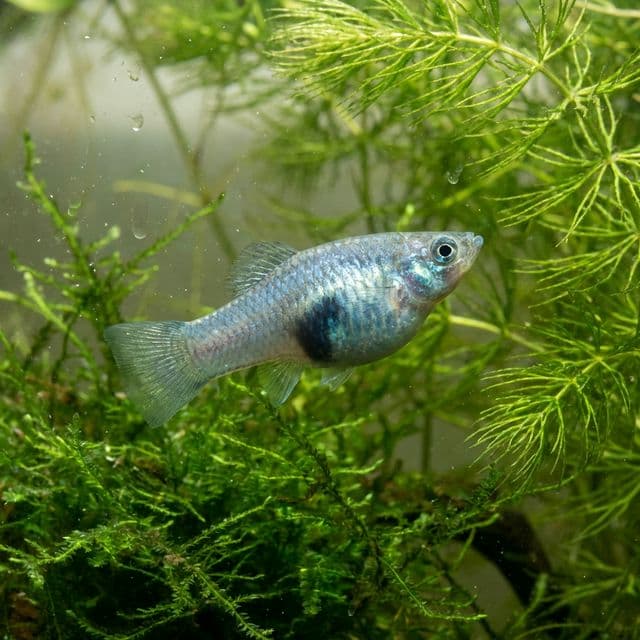
- Guppies
- Corydoras Catfish
- Betta Fish (with caution)
- Peaceful Barbs
Conversely, there are species that should be avoided in the same tank. These include:
- Larger, more aggressive fish (e.g., Cichlids)
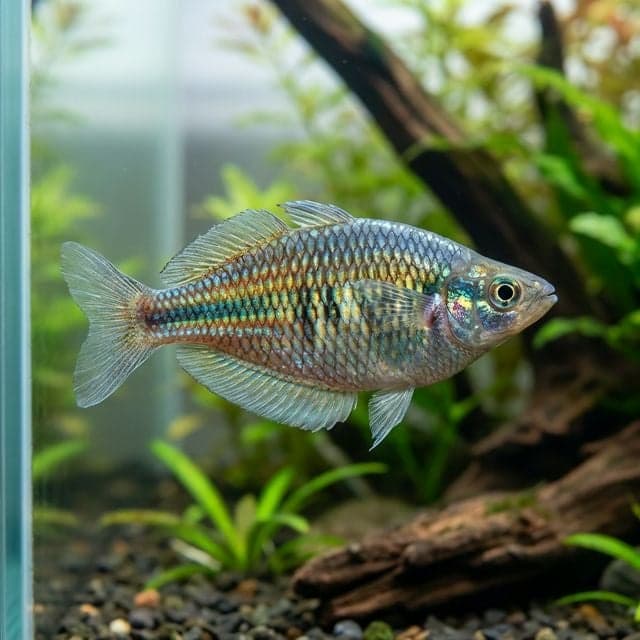
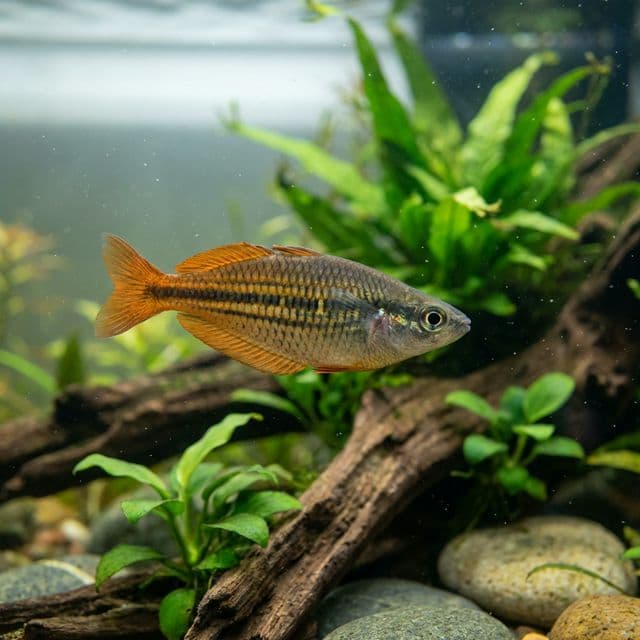
- Fish that may nip at the snails (e.g., Rainbowfish)
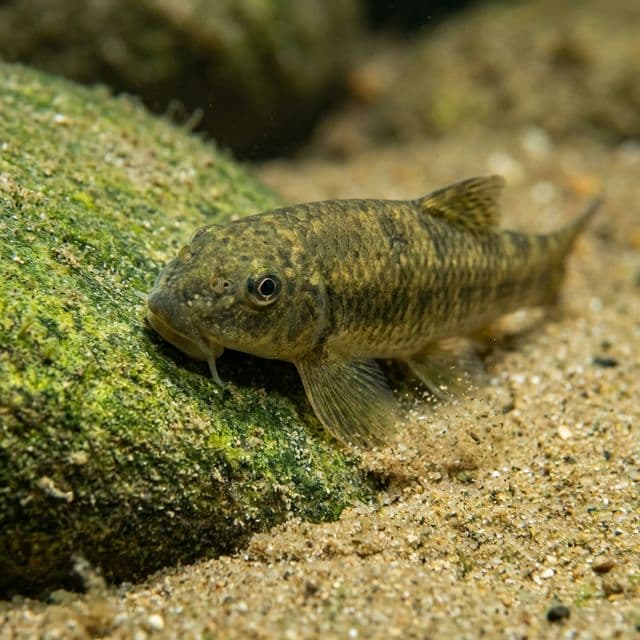
- Snails-eating species (e.g., some Loaches)
Choosing appropriate tank mates will ensure a peaceful community aquarium that highlights the unique beauty and charm of the Apple Snail.
Breeding
Breeding Apple Snails in captivity requires careful attention to their spawning conditions. Apple Snails are hermaphroditic, meaning they have both male and female reproductive organs. However, they still require a mate for successful fertilization. A breeding pair generally lays clusters of bright, egg-like sacs above the waterline, typically on surfaces such as tank walls or decorations.
To encourage spawning, keep the water temperature slightly elevated (around 78°F or 26°C) and ensure they have a consistent source of calcium, as this is vital for egg shell development. The eggs will change from bright pink or orange to a more translucent color as they mature over several weeks. After the eggs hatch, ensure that there are adequate hiding places and food sources for the juvenile snails, which are miniature versions of adults.
Common Health Issues
While Apple Snails are relatively hardy, they can be prone to specific health issues like shell erosion, which occurs due to poor water conditions or lack of calcium. To prevent this, maintaining stable water parameters and providing a calcium-rich diet is essential. Additionally, they can be susceptible to parasites or infections caused by poor water quality or overcrowding.
Regular routine maintenance, including water changes and tank cleaning, along with monitoring for signs of illness, will ensure the ongoing health of your Apple Snails. If any health issues arise, investigating water quality and ensuring a proper diet will often resolve the situation effectively. Regular vigilance can prevent many problems associated with this delightful aquarium inhabitant.