Fish

Arabian Dottyback

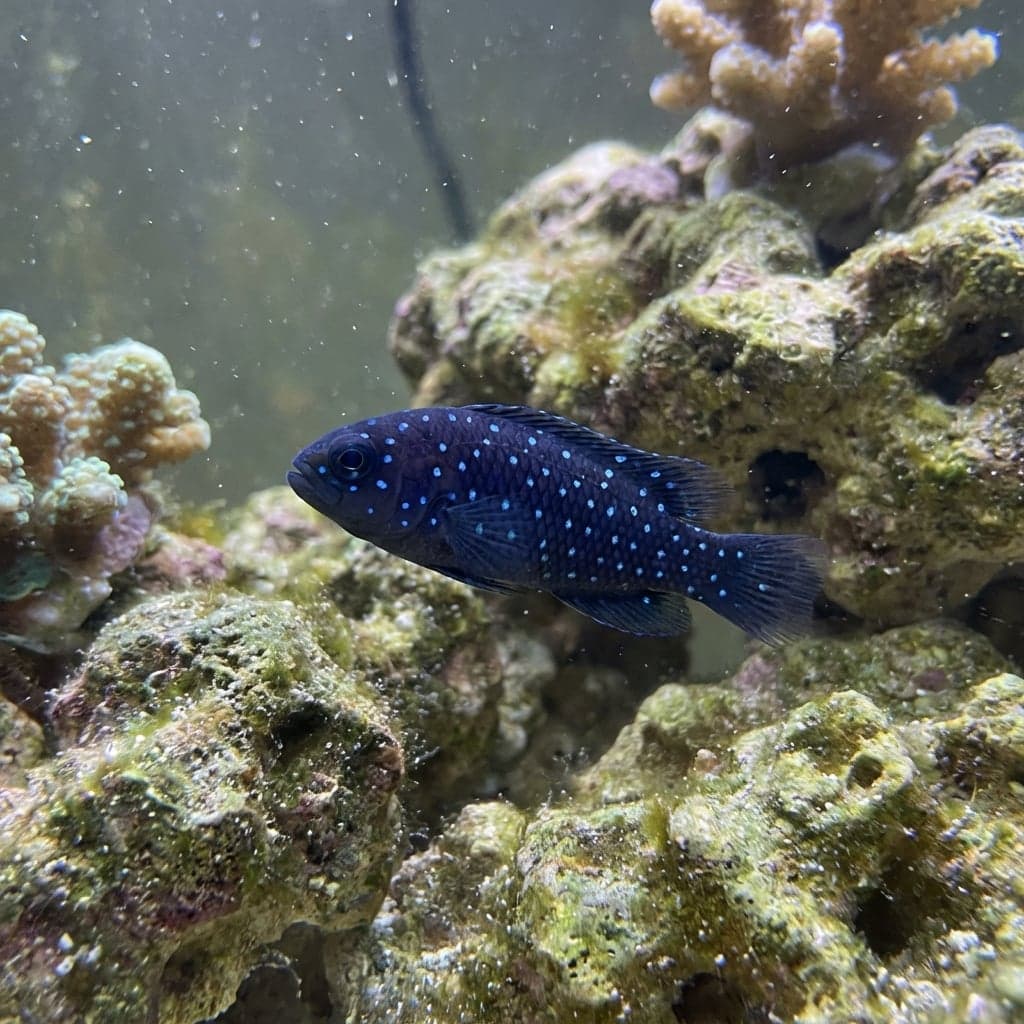
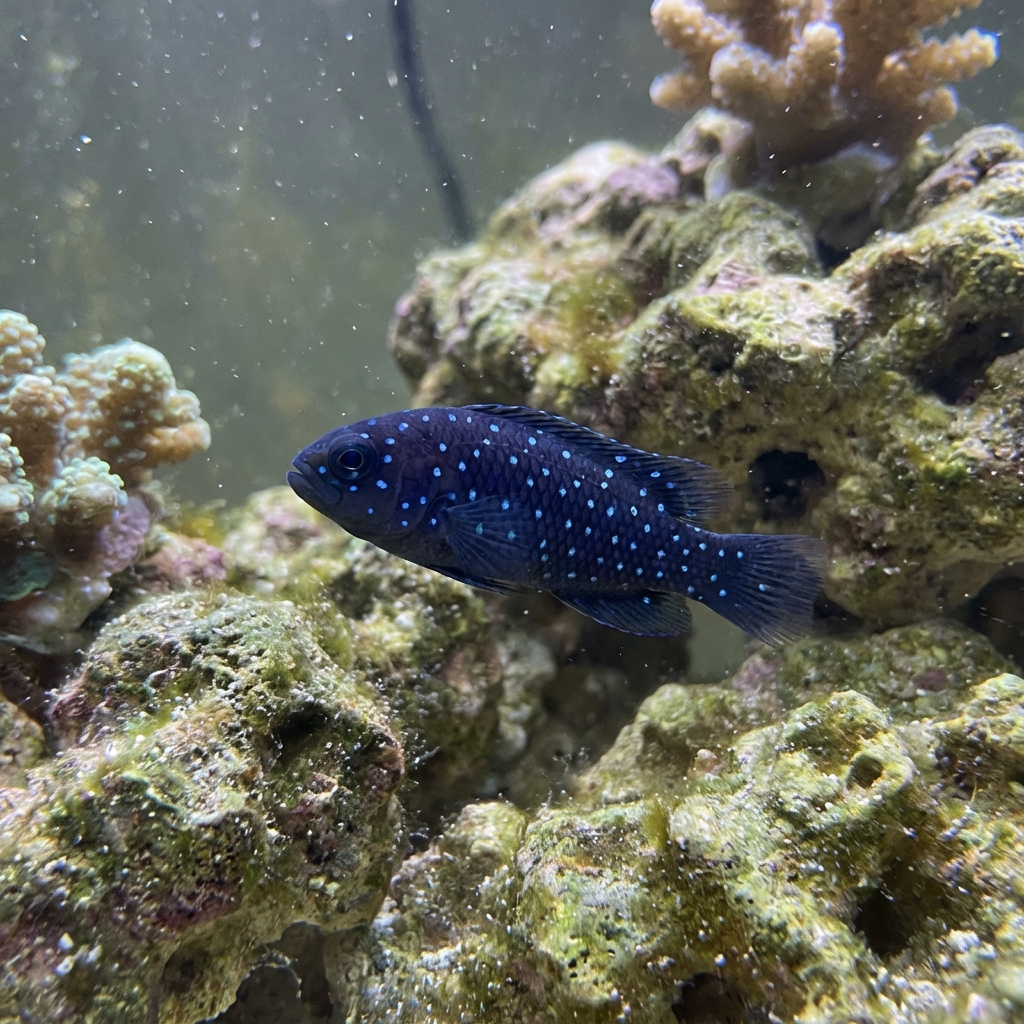
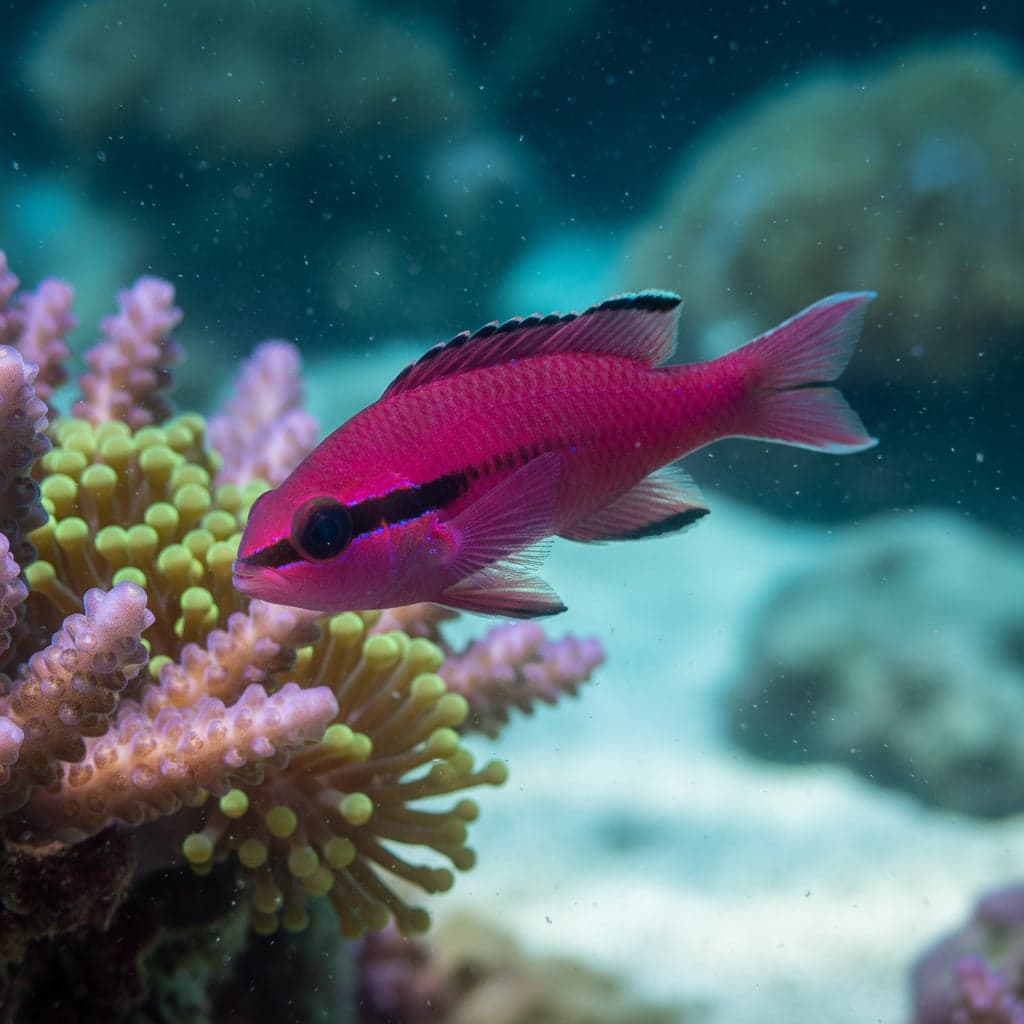
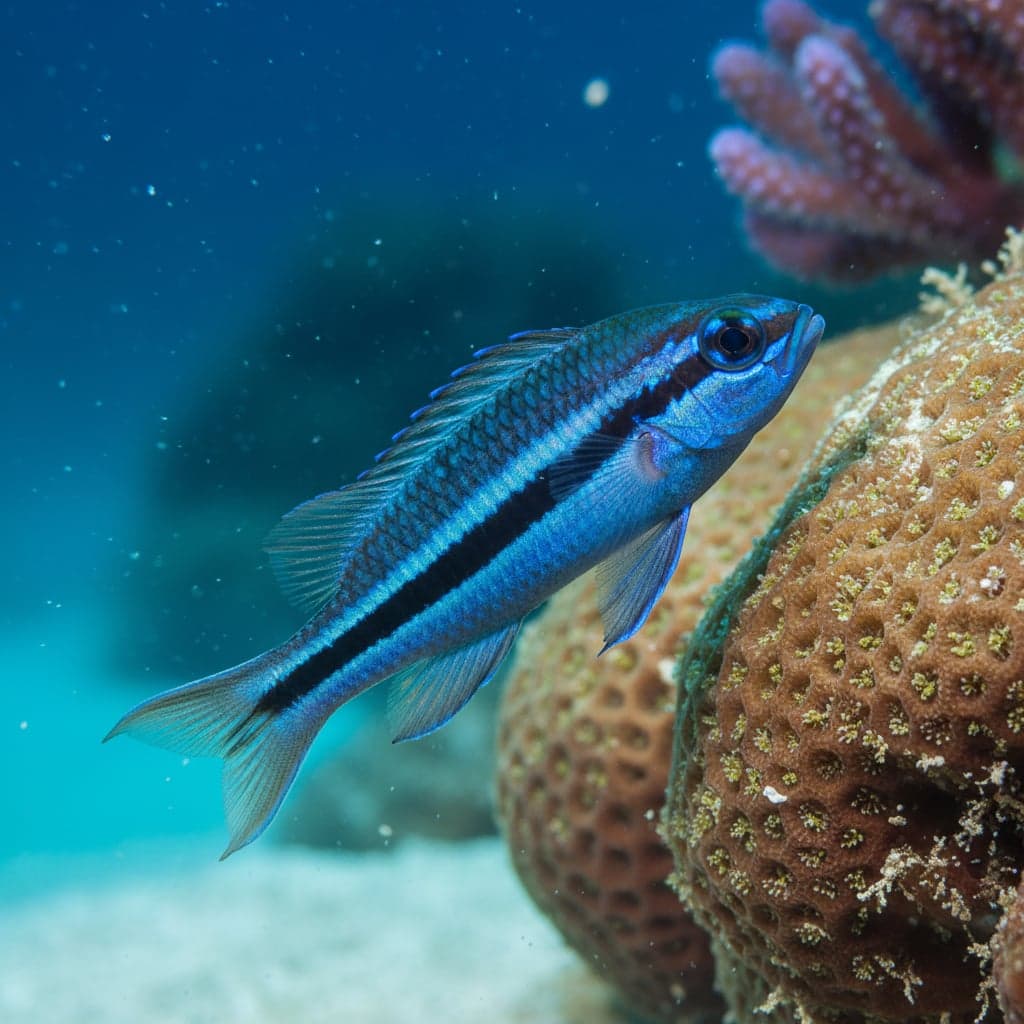
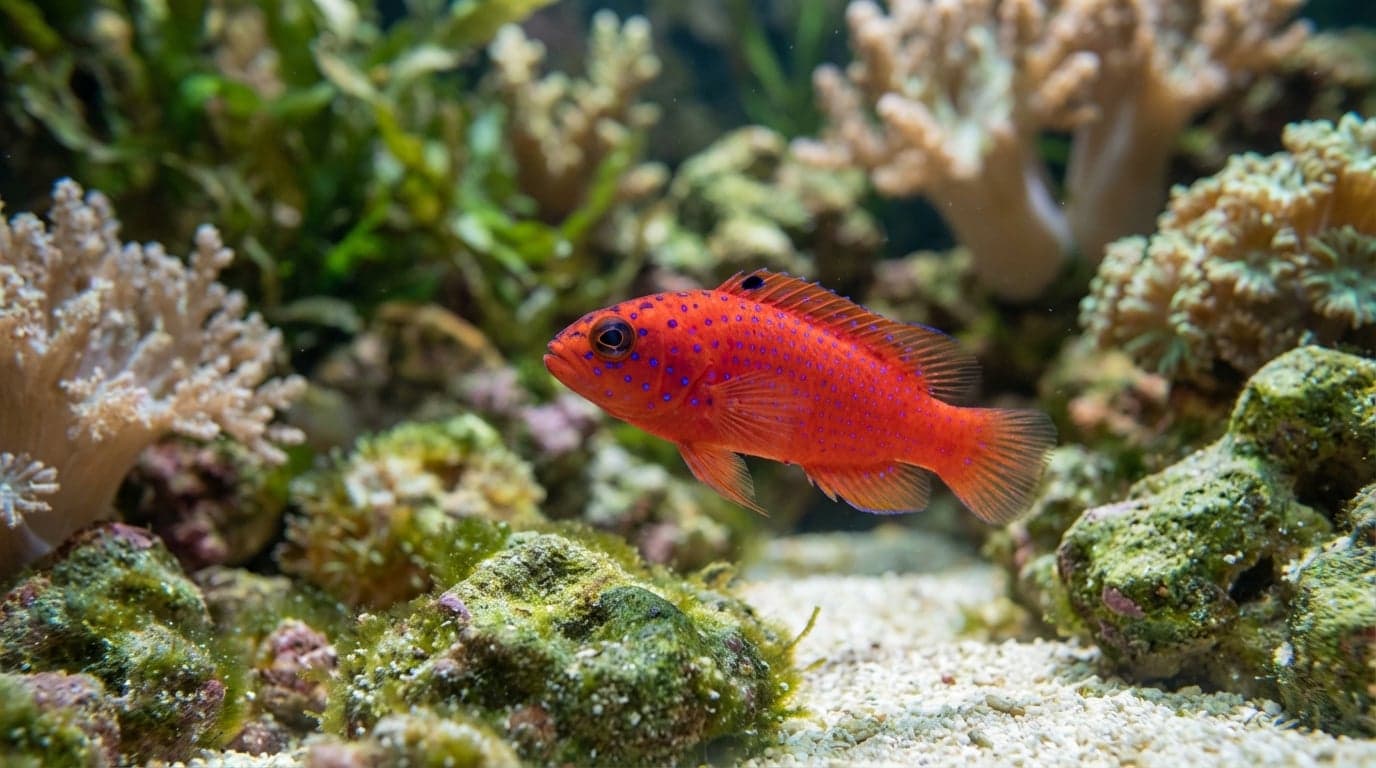
The Arabian Dottyback (Pseudochromis aldabraensis) is a stunning saltwater fish known for its unique appearance and behavior.

Studio Scaped
Arabian Dottyback

Arabian Dottyback

The Arabian Dottyback, scientifically known as Pseudochromis fridmani, is a vibrant and captivating marine fish that has made a significant mark in the aquarium hobby. Native to the reefs of the Red Sea, this species is particularly known for its eye-catching coloration, typically showcasing a stunning mix of purple and yellow hues with distinctive markings. The Arabian Dottyback's bright and appealing appearance makes it a favorite among aquarists, drawing enthusiasts seeking to add a splash of color to their reef tanks. Beyond its aesthetic charm, this fish also plays an essential role in its natural ecosystem, contributing to the balance of marine life by preying on small invertebrates.

In addition to its beauty, the Arabian Dottyback is a hardy fish, making it a suitable choice for both beginners and seasoned aquarists. Its manageable size, usually reaching about 3 inches in length, allows it to thrive in various tank setups, while its active nature adds lively dynamics to any aquarium. As a species that has garnered attention for its unique traits, the Arabian Dottyback acts as a gateway for hobbyists interested in the wider world of marine fishkeeping. Its significance in the hobby is underpinned by its relative ease of care and compatibility with a diverse range of tank mates, ensuring that it continues to be a popular choice for marine aquarists.

Natural Habitat & Origin

The Arabian Dottyback is naturally found in the Red Sea, specifically along coastlines of Saudi Arabia, Egypt, and Sudan. This fish inhabits shallow, coral-rich areas where it utilizes crevices and caves for shelter. Typically, it thrives in warm, saline waters characterized by stable temperatures between 24°C and 28°C (75°F - 82°F) and a salinity level of around 1.020 to 1.025 specific gravity. The Arabian Dottyback prefers environments where there is moderate to strong water movement, such as outer reef slopes and around rocky substrates, where it can find ample food sources and secure hiding spots to evade potential predators.

In the wild, the Arabian Dottyback lives in both soft and hard coral formations, showcasing its adaptability to different microhabitats within the reef ecosystem. The fish often occupies an ecological niche that allows it to forage for small invertebrates, helping to maintain the balance of the reef's inhabitants. This unique ecological context makes the Arabian Dottyback an interesting subject for study and an essential species in promoting healthy reef environments.

Care Requirements

To successfully keep the Arabian Dottyback in an aquarium, several care requirements must be met. The ideal water parameters include a pH level ranging from 8.1 to 8.4, a temperature between 24°C and 28°C (75°F - 82°F), and a hardness of 8-12 dGH. As for tank size, a minimum of 30 gallons is recommended to provide ample swimming space and territory, especially if multiple fish are to be housed. The tank should include a sandy or fine-grained substrate, with plenty of rock formations and caves to simulate its natural habitat and provide hiding spots.

Lighting should be moderate to bright, which encourages the growth of corals and invertebrates that the Arabian Dottyback may interact with. Incorporating live plants and natural decor not only enhances the tank's aesthetics but also contributes to the fish's sense of security. Maintaining excellent water quality through regular monitoring and filtration is crucial, as Arabian Dottybacks are sensitive to changes in their environment.

Diet & Feeding

The Arabian Dottyback is primarily a carnivorous fish, feeding on small crustaceans, zooplankton, and other protein-rich foods in the wild. In captivity, a varied diet is essential for its health and vibrant coloration. High-quality frozen or live foods, such as brine shrimp, mysis shrimp, and finely chopped seafood, should make up the majority of its diet. Additionally, quality pellets and flakes formulated specifically for marine fish can be offered as supplementary nutrition. Feeding the Arabian Dottyback a diverse range of foods not only ensures optimal growth and health but also encourages natural foraging behavior.

To promote a healthy feeding routine, it is best to provide small amounts of food several times a day rather than large quantities once a day. This feeding strategy mimics their natural feeding habits and helps prevent obesity, which can lead to health issues over time. Keeping the diet varied will enhance their coloration and overall vitality, making the Arabian Dottyback a lively and attractive addition to the aquarium.

Behavior & Temperament

The Arabian Dottyback is known for its assertive and curious behavior, often exploring its environment while claiming its territory. While generally not a schooling fish, it exhibits a social nature, particularly when kept with a few compatible species. That said, it can be territorial, especially during breeding or when space is limited, and may exhibit aggression toward other dottybacks or similarly sized fish. Therefore, care should be taken when introducing new tank mates to prevent conflicts.

In terms of vertical placement, the Arabian Dottyback is typically found in the upper to mid levels of a tank. They enjoy darting around rocks and corals, so providing both horizontal and vertical swimming space is crucial. These fish often establish specific territories within the tank, making it essential to include plenty of hiding spots and structures where they can exhibit their natural behaviors and feel secure within their environment.

Tank Mates

When selecting tank mates for the Arabian Dottyback, it is important to consider compatibility concerning temperament and size. Suitable tank mates include peaceful species such as clownfish, gobies, hardy wrasses, and various species of small angel fish. Additionally, other small reef-safe fish like anthias and some bicolor dottybacks can cohabitate well with the Arabian Dottyback, given they have enough space and structures to define territories.

Conversely, it is advisable to avoid keeping the Arabian Dottyback with overly aggressive species or larger fish that might intimidate or outcompete it for food. Species to avoid include larger wrasses, triggers, and other dottybacks that exhibit similarly aggressive tendencies. Establishing a peaceful community tank requires careful planning and observation of individual behaviors to ensure harmonious interactions.

Breeding

Breeding the Arabian Dottyback in captivity can be a rewarding endeavor, though it requires specific conditions to be successful. In the wild, these fish exhibit a spawning behavior where males prepare a nesting site within a suitable crevice or cave among rocks. To replicate these conditions in a home aquarium, a laid-back environment with stable water parameters and sufficient hiding spots must be provided. It is crucial to house a male and female Arabian Dottyback together, as they engage in elaborate courtship rituals prior to spawning.

Successful breeding typically occurs at a temperature of around 26°C (79°F) with good water quality maintained through regular changes. After spawning, the female releases eggs, which the male will then guard and aerate. The eggs usually hatch after 3 to 5 days, with larvae needing appropriate care in a separate rearing tank, where they can survive off of rotifers and other small food sources until they grow large enough to transition to larger foods.

Common Health Issues

The Arabian Dottyback is generally a hardy species; however, it is not without potential health issues. Common diseases that may affect its well-being include marine ich

ADA
Aqua One
Chihiros
Dennerle
EHEIM
Fluval
Oase
Seachem
Tropica
Twinstar
UNS
ADA
Aqua One
Chihiros
Dennerle
EHEIM
Fluval
Oase
Seachem
Tropica
Twinstar
UNS
ADA
Aqua One
Chihiros
Dennerle
EHEIM
Fluval
Oase
Seachem
Tropica
Twinstar
UNS
ADA
Aqua One
Chihiros
Dennerle
EHEIM
Fluval
Oase
Seachem
Tropica
Twinstar
UNS