Fish

Asfur Angelfish

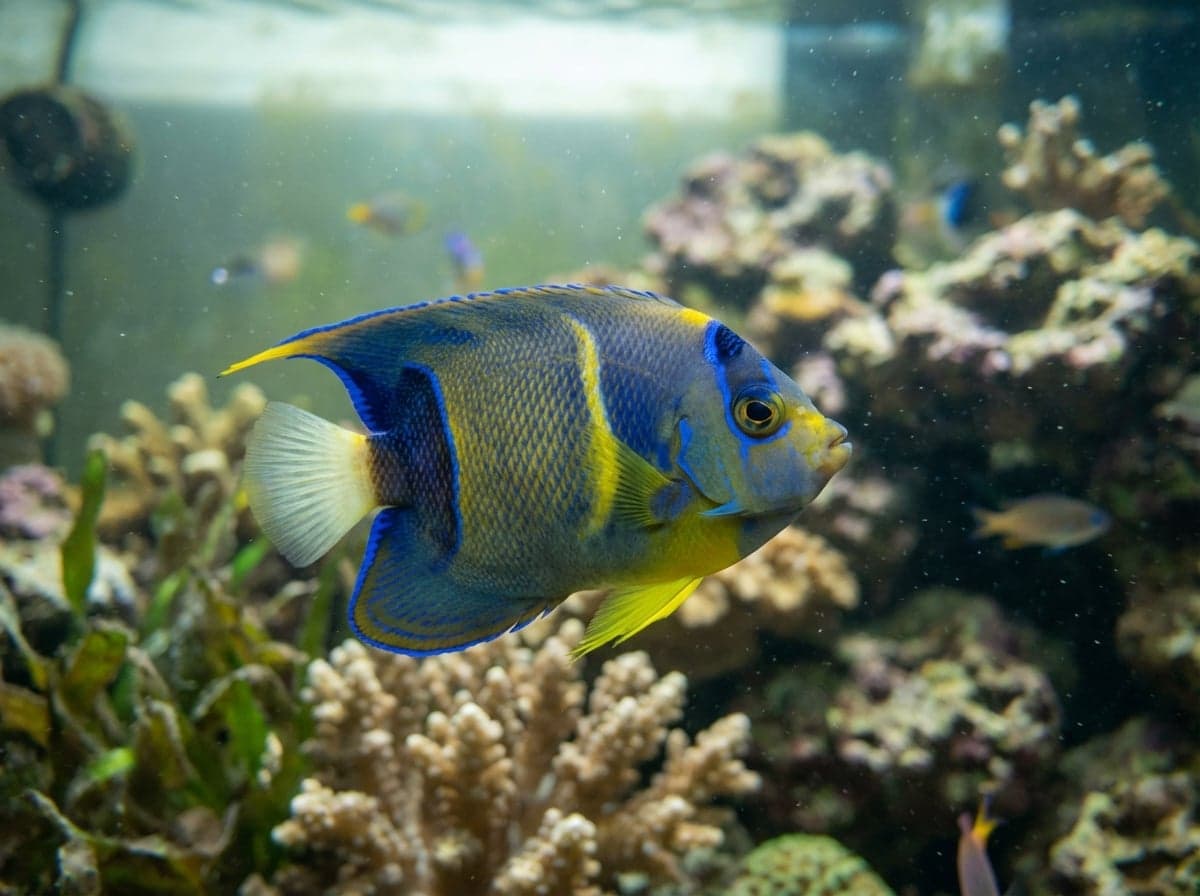
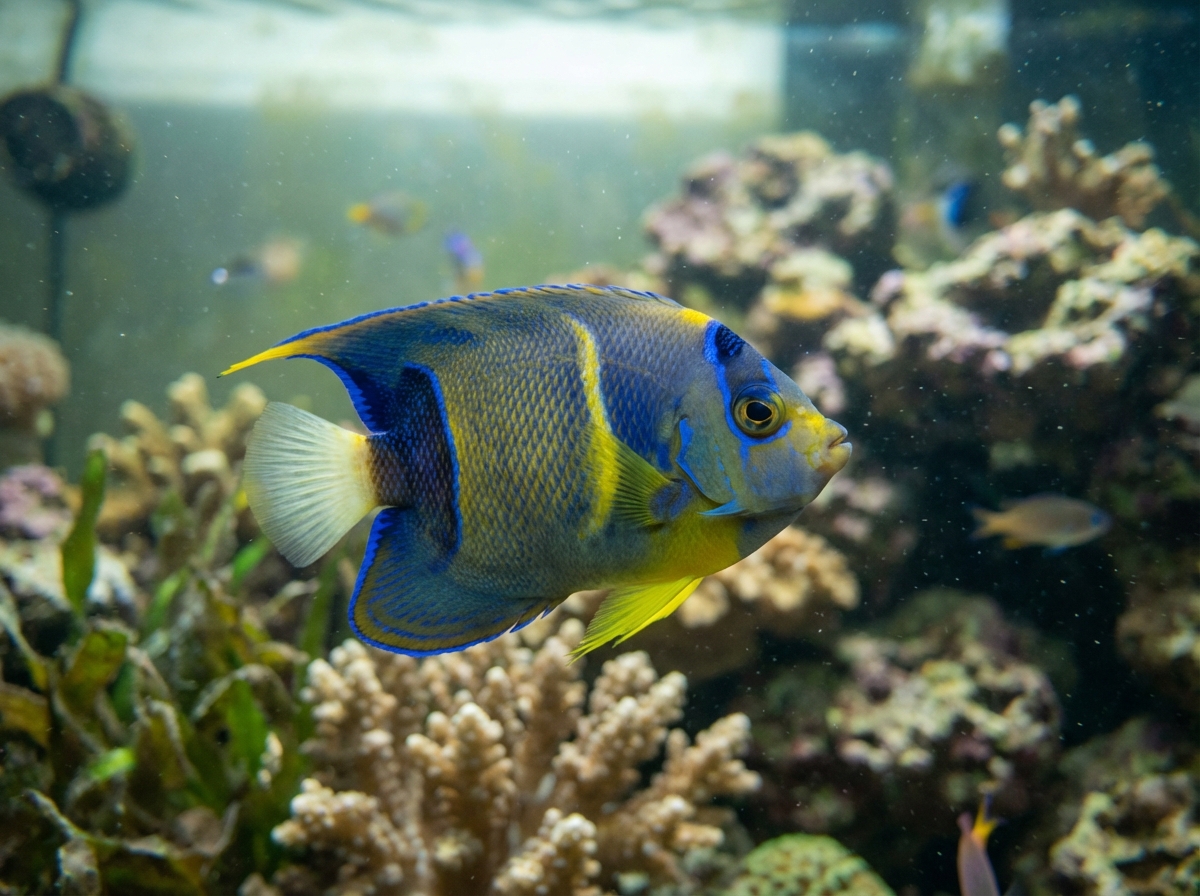
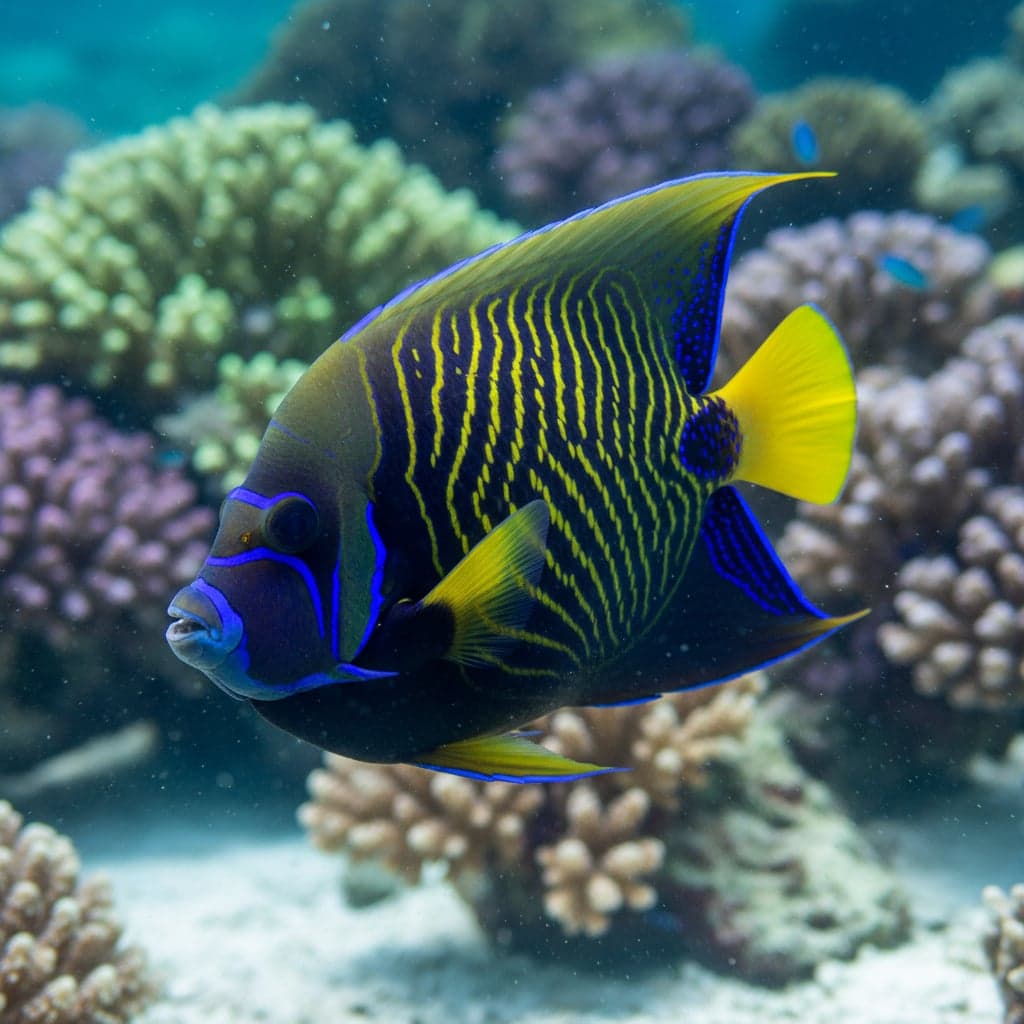
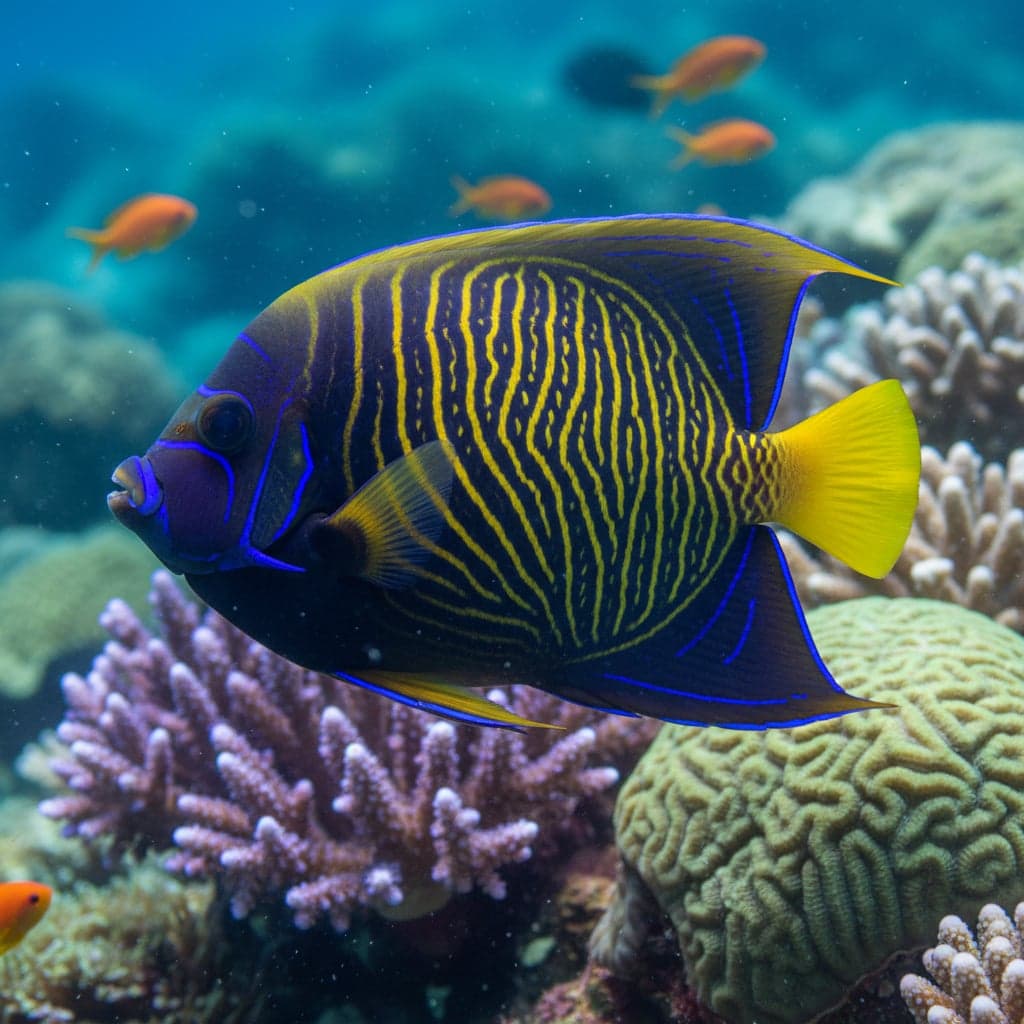
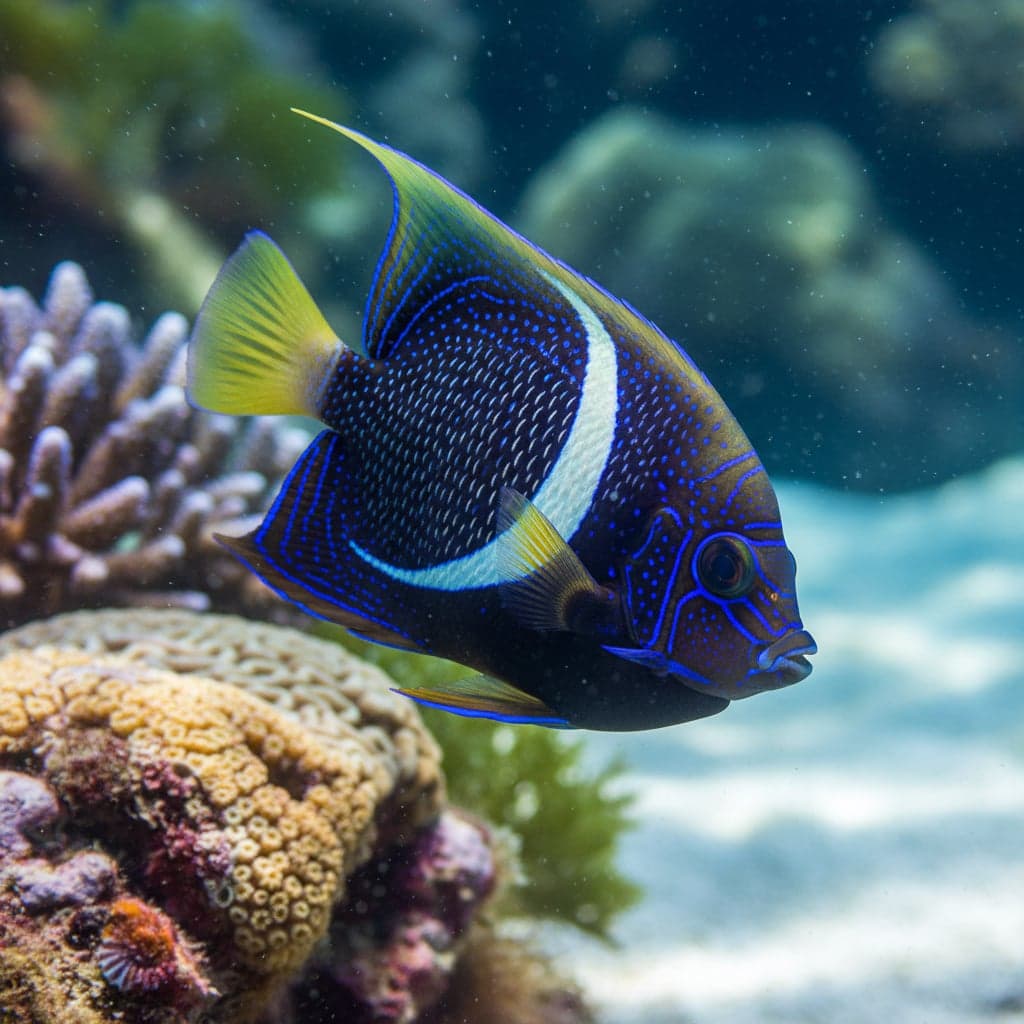
The Asfur Angelfish (Pomacanthus asfur) is a stunning saltwater fish known for its unique appearance and behavior.

Studio Scaped
Asfur Angelfish

Asfur Angelfish

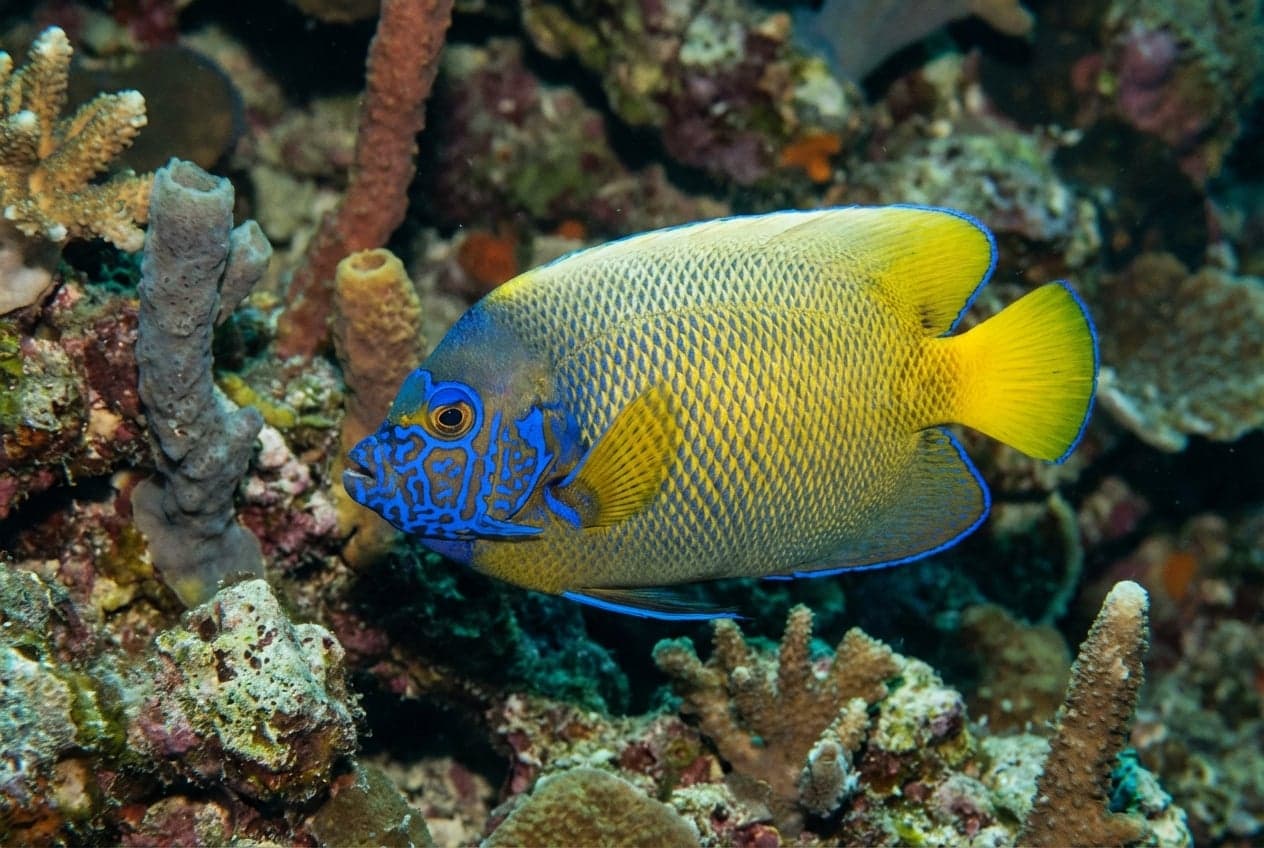
The Asfur Angelfish (Centropyge asfur), also known as the African Pygmy Angelfish, is a striking marine fish that captivates aquarists with its vivid coloration and dynamic behavior. Native to the warm waters of the East African coastline, this fish features a remarkable blend of deep blue and bright yellow-orange hues, making it a stunning addition to any saltwater aquarium. Mature individuals can grow to about 5-6 inches in length and exhibit slightly different color patterns, with some showing intricate patterns of blue spots or stripes. Their visual appeal, paired with their vibrant personality, has made them favorites among aquarists and a staple species for marine reef tanks.

In the aquarium hobby, the Asfur Angelfish holds significance not only for its aesthetic beauty but also for its role in maintaining ecological balance in marine environments. As herbivorous and omnivorous feeders, they help control algae growth on reefs, contributing to the overall health of the coral ecosystem. Breeding efforts in captivity have increased their availability, making them a more viable option for aquarists. However, due to their specific care requirements and territorial behavior, they are best suited for experienced aquarists who can provide them with a suitable environment.

Natural Habitat & Origin

The Asfur Angelfish is native to the coral reefs of the Red Sea and the tropical waters of the Indian Ocean, particularly around Madagascar and the Seychelles. These fish thrive in clear, warm waters, typically found in reef habitats characterized by rocky outcrops and complex coral structures. Unlike some species that inhabit murky, nutrient-rich environments, the Asfur Angelfish prefers clean, well-aerated waters with good visibility, which helps them forage for food and avoid predators. As a reef-dwelling species, they often seek shelter among corals and crevices, utilizing these spaces for safety and hunting.

In terms of environmental conditions, Asfur Angelfish prefer waters with temperatures ranging from 75°F to 82°F (24°C to 28°C). The pH of their natural habitat ranges between 8.1 and 8.4, and the salinity generally falls around 1.020 to 1.025 specific gravity. Understanding these factors is essential for replicating their natural conditions in a home aquarium, ensuring they remain healthy and exhibit their full range of behaviors.

Care Requirements

The Asfur Angelfish requires specific water parameters for optimal health. The ideal pH level should range between 8.1 to 8.4, with a temperature maintained between 75°F and 82°F (24°C to 28°C). Hardness should ideally be around 8 to 12 dGH, replicating the conditions of their natural habitat. A minimum tank size of 50 gallons is recommended, allowing ample swimming space and territorial establishment.

For the tank setup, a sandy substrate is ideal which mimics the sandy bottoms of coral reefs. Live rock is essential to create hiding spaces and encourage natural behavior, with numerous nooks and crannies for the fish to explore. Proper lighting not only enhances the aesthetic appeal of the aquarium but also aids the growth of photosynthetic organisms that the fish may interact with. Incorporating appropriate marine plants like macroalgae can provide additional cover, contributing to a bioactive environment that promotes the Asfur Angelfish's health.

Diet & Feeding

The Asfur Angelfish is an omnivorous fish, thriving on a varied diet that includes both plant and animal matter. In captivity, it is essential to provide a balanced diet to ensure optimal health and vibrant coloration. High-quality flakes or pellets specifically formulated for marine fish should form the backbone of their diet. Additionally, incorporating frozen or live foods such as brine shrimp, mysis shrimp, and spirulina can greatly enhance their nutrition and encourage natural foraging behaviors. Feeding small amounts multiple times a day is advisable to prevent overfeeding and maintain a clean aquarium environment.

Furthermore, it is essential to offer algae sheets or dried seaweed, as these are crucial for their dietary needs and help mimic their natural foraging behavior. Regularly supplementing their diet with various food types not only promotes a well-rounded nutritional profile but also encourages the Asfur Angelfish's natural personality.

Behavior & Temperament

The Asfur Angelfish is known for its lively and engaging behavior. They are generally described as semi-aggressive and can exhibit territorial tendencies, particularly as they mature. In the aquarium setting, they may assert dominance over other species or even their own kind if the tank is not adequately sized or lacks hiding spots. Therefore, providing an environment with plenty of rock structures for shelter and territories will help mitigate aggressive encounters.

These fish tend to occupy the mid to upper levels of the tank but will frequently dive down to explore crevices, showcasing their inquisitive nature. While they may not be schoolers, Asfur Angelfish can coexist with certain types of fish, especially if introduced into the aquarium at the same time. Observing their behavior is critical for assessing their compatibility with tank mates and ensuring a harmonious environment.

Tank Mates

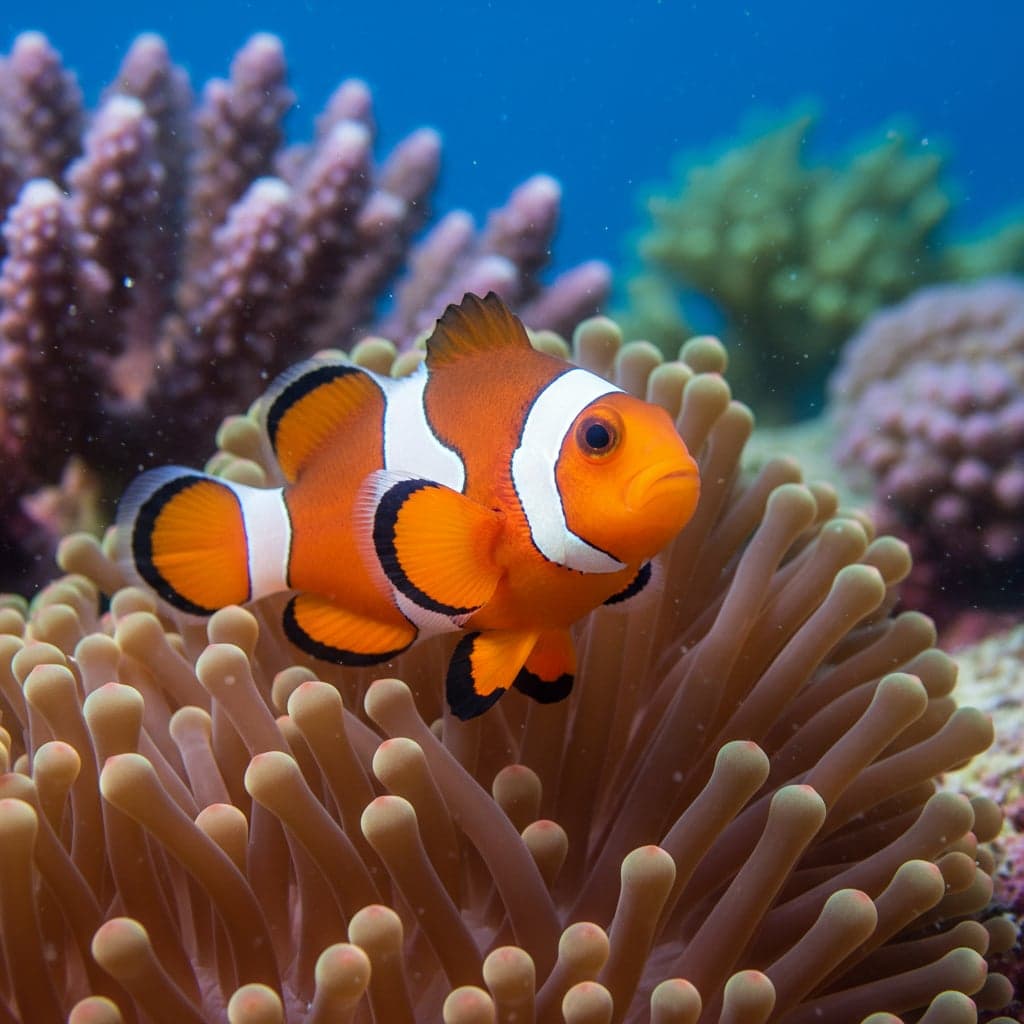
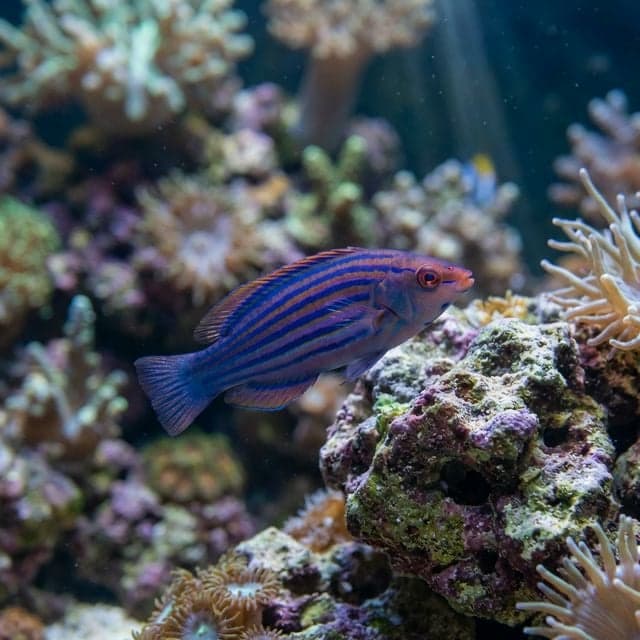
Selecting the right tank mates for Asfur Angelfish is pivotal to maintaining a peaceful community aquarium. Compatible species typically include other moderately aggressive fish such as clownfish, wrasses, and certain gobies, which can adapt well to similar conditions and social hierarchies. Caution should be exercised when considering other angelfish, as these can prompt territorial disputes, particularly if there is not enough space or visual barriers in the tank.

Conversely, it is advisable to avoid keeping the Asfur Angelfish with overly aggressive species like damselfish or triggers, which may harass them. Additionally, small, slow-moving fish like gobies should be monitored carefully, as the Asfur may view them as prey. Creating a balanced community tank requires careful thought and planning to ensure all species coexist without undue stress or aggression.

Breeding

Breeding Asfur Angelfish in captivity can be a challenging yet rewarding endeavor. These fish exhibit carnal spawning behavior, typically requiring a well-established tank with stable water parameters and ample hiding spots. The ideal conditions for breeding involve a temperature of around 78°F to 80°F (26°C to 27°C) and slightly elevated pH levels.

To successfully encourage spawning, aquarists should ensure that the fish are well-fed, promoting optimal health and readiness for reproduction. During the breeding process, the female will lay eggs on flat surfaces, usually in the early morning hours. After fertilization, the male will guard the area, actively chasing any potential predators away. Once spawning occurs, it is necessary to separate the breeding pair from the main tank, as parental care is minimal, and eggs can become prey for other tank inhabitants.

Common Health Issues

As with many marine species, the Asfur Angelfish is prone to specific health issues, most notably ich (Ichthyophthirius multifiliis), which presents as white spots on the skin and fins. Stress from poor water quality can exacerbate such diseases, underscoring the importance of maintaining pristine water conditions. Regular monitoring of water parameters and conducting routine water changes will aid in disease prevention.

Another common concern is fin rot, which may arise from injuries or a stressful environment. Ensuring a spacious, well-decorated tank can

ADA
Aqua One
Chihiros
Dennerle
EHEIM
Fluval
Oase
Seachem
Tropica
Twinstar
UNS
ADA
Aqua One
Chihiros
Dennerle
EHEIM
Fluval
Oase
Seachem
Tropica
Twinstar
UNS
ADA
Aqua One
Chihiros
Dennerle
EHEIM
Fluval
Oase
Seachem
Tropica
Twinstar
UNS
ADA
Aqua One
Chihiros
Dennerle
EHEIM
Fluval
Oase
Seachem
Tropica
Twinstar
UNS