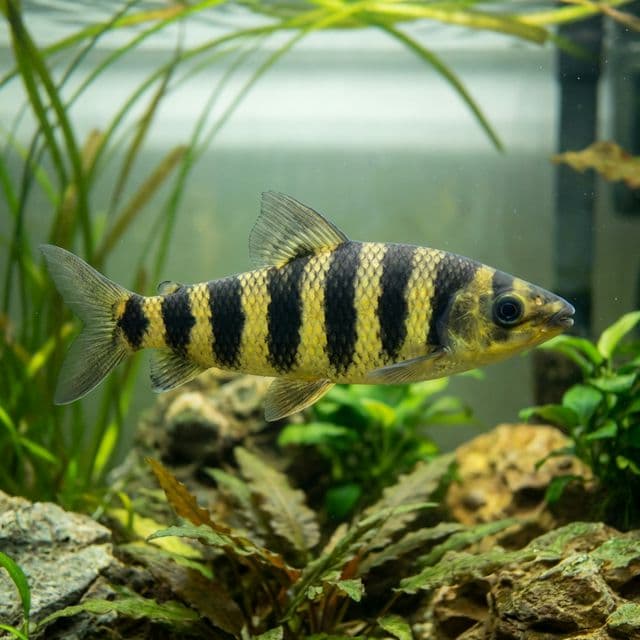
Asian Bumblebee Catfish: Pseudomystus siamensis
A striking catfish with black and yellow bands. Unlike its SA cousin, this one can be a bit more aggressive.
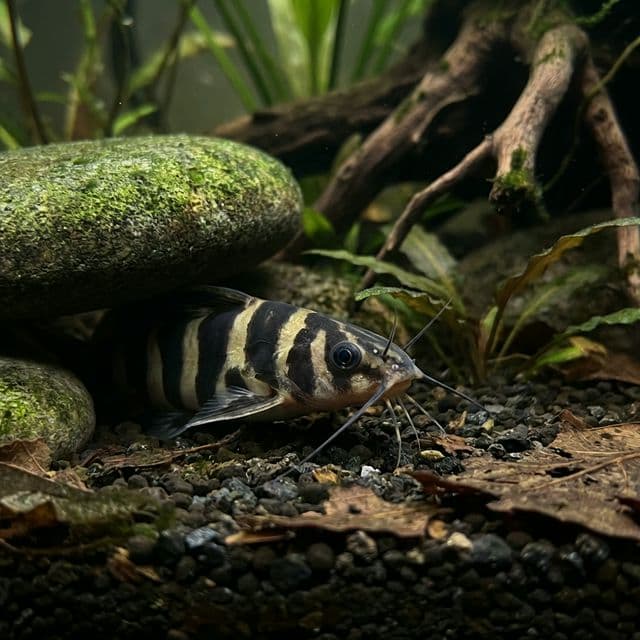
Asian Bumblebee Catfish
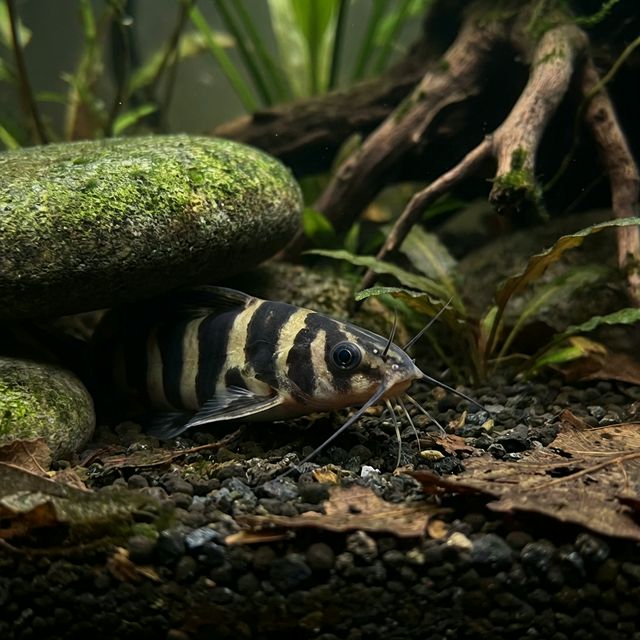
The Asian Bumblebee Catfish, scientifically known as Pseudomystus siamensis, is a captivating species native to the waters of Southeast Asia. Its striking visual appeal stems from its unique coloration and patterns. Typically adorned in a combination of rich yellow and black stripes, this catfish resembles a bumblebee, hence the name. This eye-catching appearance makes the Asian Bumblebee Catfish a popular choice among aquarists who desire to add a dynamic and visually appealing element to their aquariums. Furthermore, its active behavior contributes to its fame in the aquarium hobby, as it expresses an engaging personality that entertains both novice and experienced fish keepers alike.
Beyond its aesthetics, the Asian Bumblebee Catfish holds a significant place in the aquarium industry. Its adaptability to various water parameters and its relatively straightforward care requirements have made it a staple for many aquarists. Unlike many other species that require highly specialized conditions, this catfish thrives in a range of setups, contributing to its popularity. The unique qualities of the Asian Bumblebee Catfish not only appeal to those seeking beauty and charm in their aquariums but also represent the ever-growing interest in freshwater species that are both exotic and manageable for home aquarists.
Natural Habitat & Origin
The Asian Bumblebee Catfish is primarily found in the rivers and lakes of Southeast Asia, particularly in areas such as Thailand, Cambodia, and Laos. This species prefers freshwater habitats with a mix of flowing and still waters, typically characterized by the presence of submerged structures such as logs and vegetation. In the wild, the Asian Bumblebee Catfish inhabits environments that are often low in light, which makes it a suitable candidate for aquariums where dim lighting mimics its natural surroundings.
In terms of water conditions, the Asian Bumblebee Catfish is generally found in slightly acidic to neutral pH levels, ranging from 6.5 to 7.5. The ideal temperature for this fish usually falls between 24°C to 30°C (75°F to 86°F), mimicking the warm tropical climates of its native region. Additionally, it thrives in soft to moderately hard water, making it relatively adaptable compared to many other freshwater species.
Care Requirements
To maintain optimal health and longevity for the Asian Bumblebee Catfish, certain water parameters and tank conditions must be adhered to. The preferred pH range is between 6.5 and 7.5, with the temperature maintained at approximately 24°C to 30°C (75°F to 86°F). The hardness of the water should ideally be between 5-15 dGH, accommodating its natural habitat's variable conditions.
When considering the tank setup, a minimum aquarium size of 100 liters (approximately 26 gallons) is recommended, providing ample swimming space and hiding spots. A soft, sandy substrate is ideal to replicate its natural environment and minimize injury to its whiskers. Dim lighting can be provided with subdued LED or fluorescent fixtures, ideally supplemented with live plants or décor to create shaded areas. Suitable aquatic vegetation includes hardy species such as Java fern, Anubias, or various types of crypts that can withstand the fish’s activity.
Diet & Feeding
The Asian Bumblebee Catfish is considered an omnivore, which allows for a diverse diet consisting of both plant and animal matter. In the aquarium, it thrives on a mixture of high-quality sinking pellets, flakes, and a variety of frozen or live foods such as bloodworms, brine shrimp, and earthworms. Providing a balanced diet helps in maintaining its health and vibrancy while also enhancing growth and coloration.
It is advisable to feed adult Asian Bumblebee Catfish 2-3 times a week, while younger specimens may require daily feeding due to their higher metabolic needs. Ensuring a varied diet not only keeps them engaged but also encourages natural foraging and hunting behaviors, further complementing their active demeanor.
Behavior & Temperament
The Asian Bumblebee Catfish is known for its inquisitive and somewhat playful nature. While it is generally a peaceful species, it may display some territorial tendencies, particularly among males during the breeding season or in confined spaces. This fish does well in small groups but can also thrive individually.
Typically, these catfish occupy the bottom and mid-level areas of the tank, often utilizing rocks and plants for cover. They exhibit nocturnal feeding behavior, showing high activity levels during the night. To provide the best environment for this fish, ensuring that the tank has enough hiding spots and territories will help maintain a harmonious atmosphere.
Tank Mates
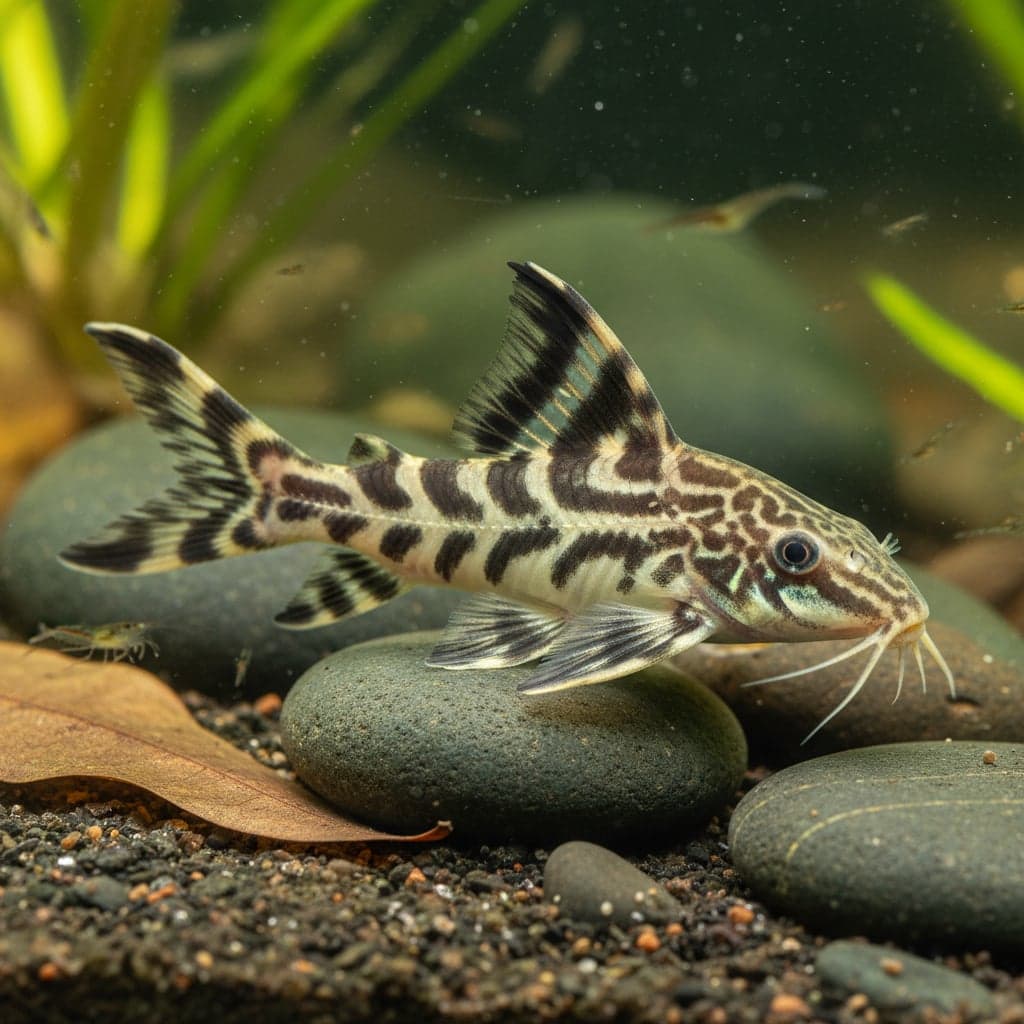
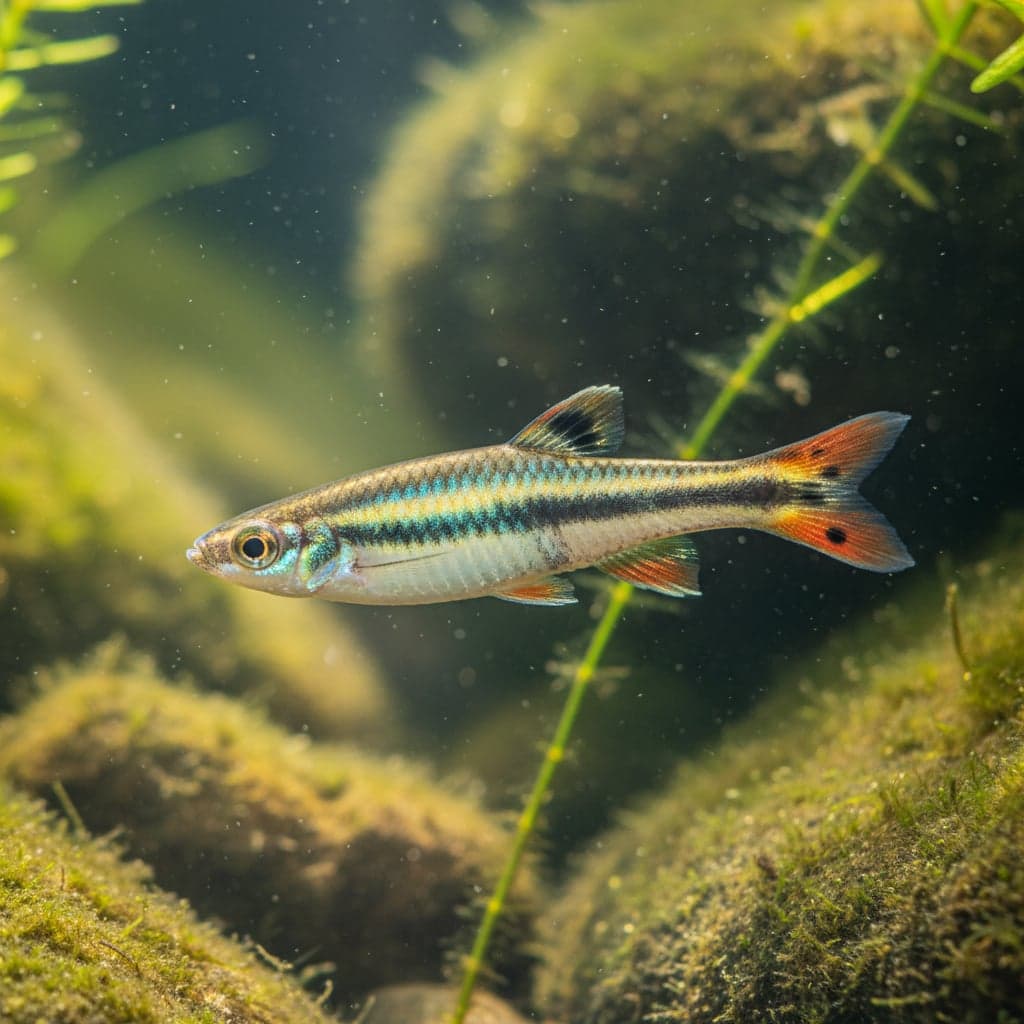
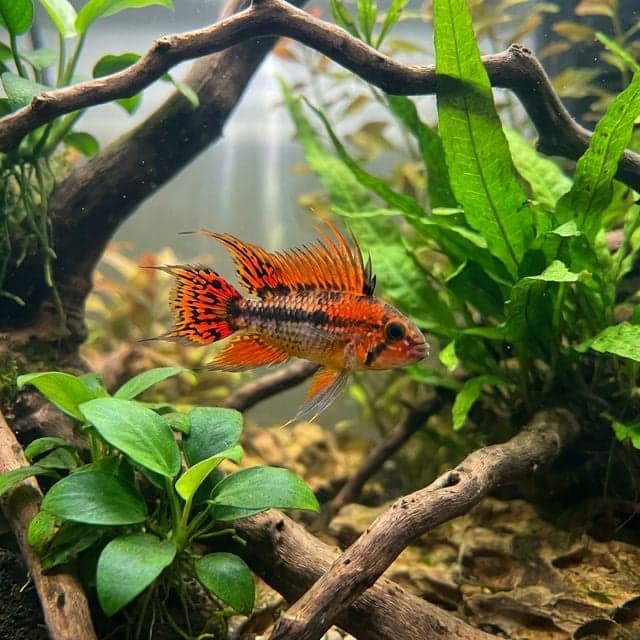
When selecting tank mates for the Asian Bumblebee Catfish, it is essential to choose species that share compatible water requirements and behavioral characteristics. Ideal tank mates include various species of tetras, barbs, danios, gouramis, and peaceful cichlids, as these fish tend to swim in mid to upper levels, leaving the bottom area for the catfish.
Species to avoid include aggressive or very large fish, such as some varieties of cichlids or larger catfish, which may intimidate or bully the Asian Bumblebee Catfish. Additionally, due to its smaller size, potential fin-nippers, like certain barbs, should also be avoided to prevent stress or injury.
Breeding
Breeding the Asian Bumblebee Catfish in captivity can be challenging but is achievable when the right conditions are met. To promote spawning, create a breeding tank with dim lighting, gentle water movement, and a soft substrate where they can lay eggs. Ensuring stable water conditions—around 25°C (77°F) with a pH of approximately 6.5—can encourage breeding behavior.
During the breeding ritual, males will exhibit courtship behaviors, such as chasing females and performing displays. After a successful pairing, females will lay eggs in hidden spots among the substrate or vegetation. The eggs are usually adhesive and will hatch within a few days under optimal conditions, allowing for proper care of the fry until they can eat larger foods.
Common Health Issues
Like many freshwater species, the Asian Bumblebee Catfish can be prone to certain health issues, including ich, fin rot, and bacterial infections. Regular water quality checks and maintaining a clean tank environment can help prevent these ailments. It is crucial to quarantine new arrivals before introducing them to the main tank to minimize the risk of disease transfer.
Maintaining a balanced diet and minimizing stress by providing ample hiding spots will further bolster the fish's immune system. In case of sickness, swift action like adjusting tank parameters or seeking treatment from a veterinarian specializing in fish can aid in recovery. Regular monitoring and proper husbandry practices are key to ensuring the long-term health of the Asian Bumblebee Catfish.