Fish

Bannerfish

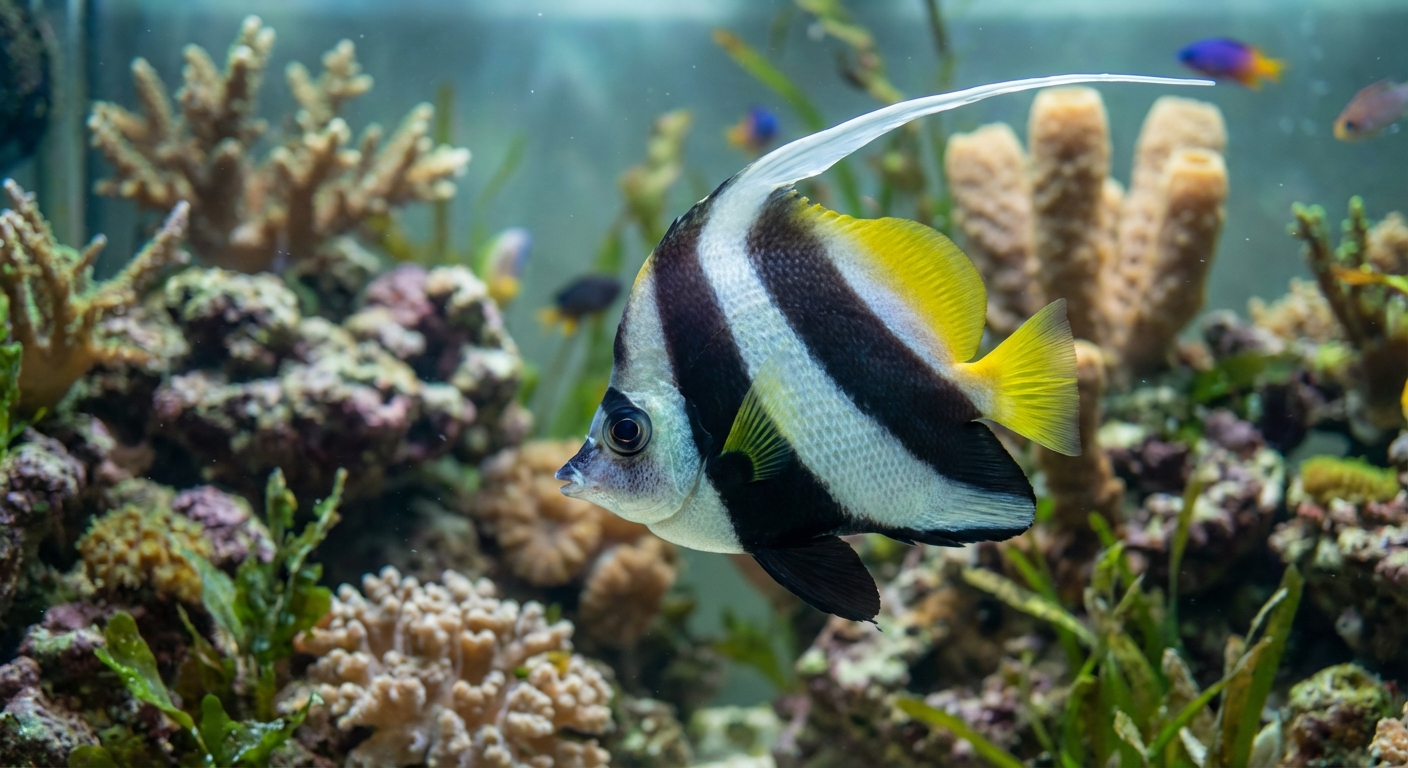
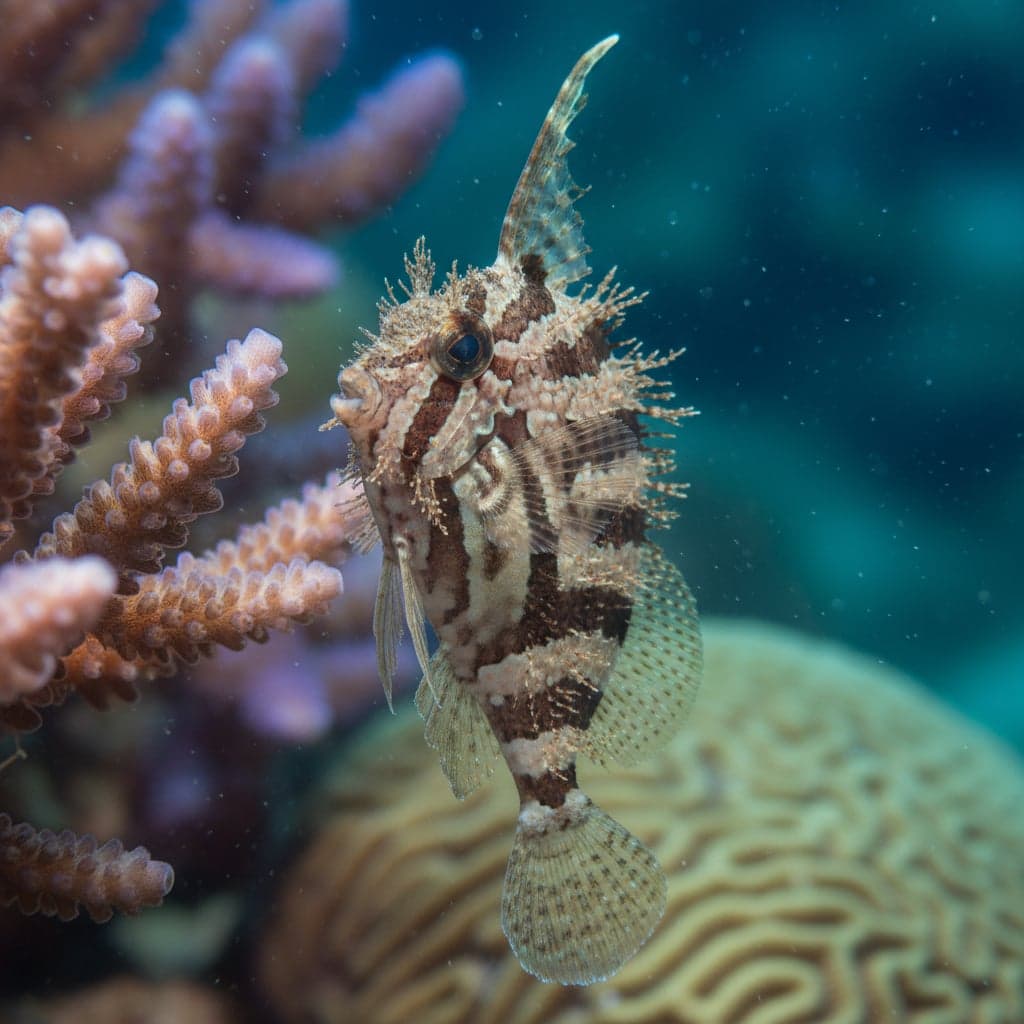
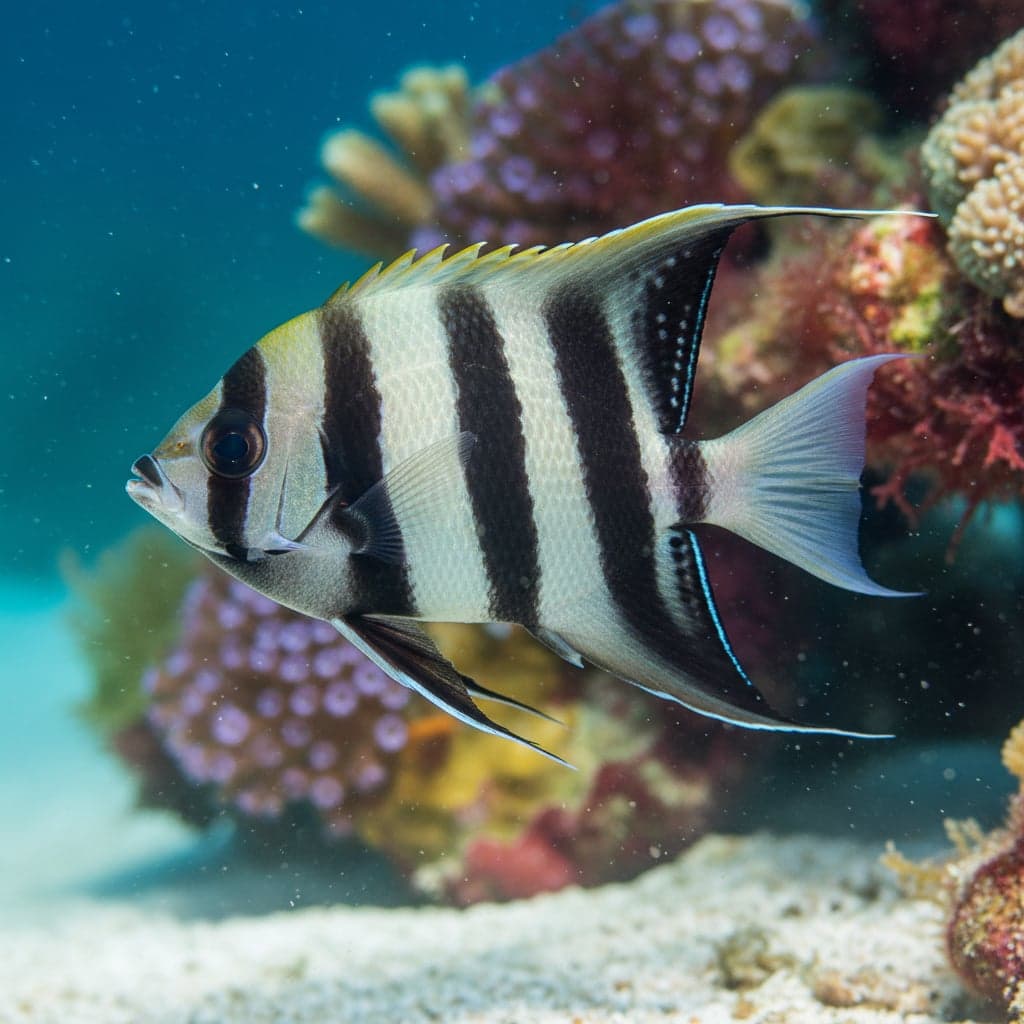
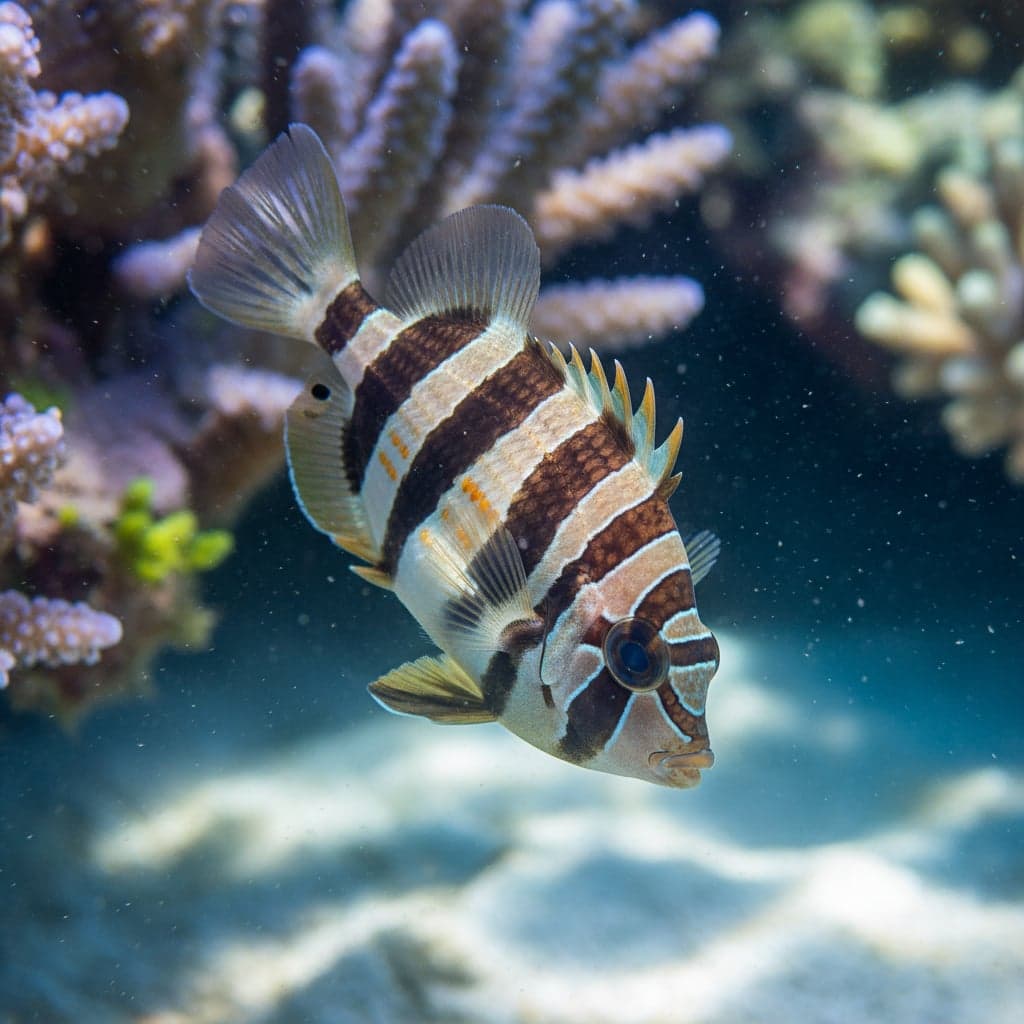
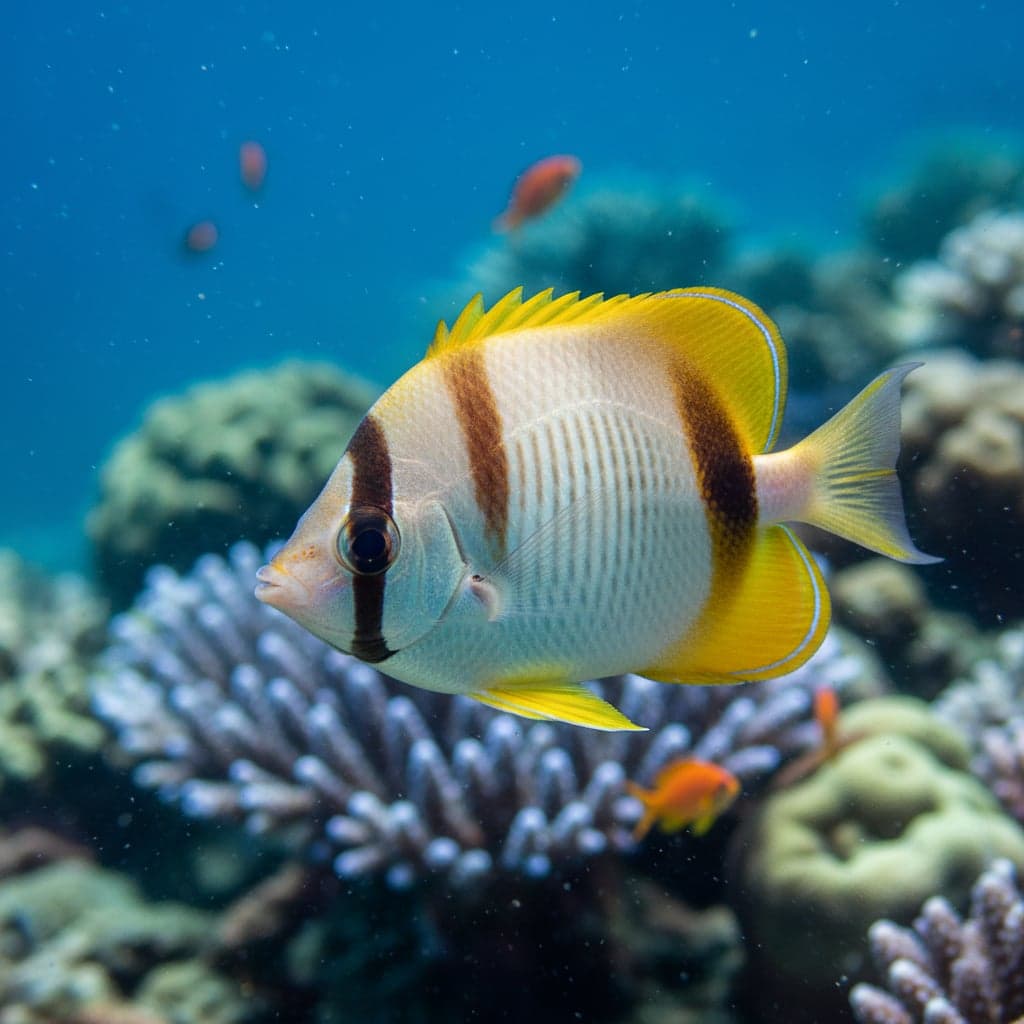
The Bannerfish (Heniochus acuminatus) is a stunning saltwater fish known for its unique appearance and behavior.

Studio Scaped
Bannerfish

Bannerfish

The Bannerfish, known scientifically as Heniochus diphreutes, is a visually striking marine species popular in the aquarium hobby for its distinctive coloration and graceful movements. This fish typically showcases a dramatic combination of black, white, and yellow coloring, which resembles a flowing banner, hence its name. Its elongated bodies and elongated dorsal fins give it a unique and captivating appearance, making it an excellent choice for both novice and experienced aquarists. The Bannerfish is not just a feast for the eyes; it also plays a vital role in marine ecosystems as a grazier of algae and a consumer of small invertebrates.

In the aquarium setting, the Bannerfish's vibrant colors and active swimming behavior endear it to fish enthusiasts. They thrive in well-maintained marine tanks, where their dynamic presence can contribute to the overall beauty of the aquatic environment. As a species often found around coral reefs, the Bannerfish injects life into reef aquariums, and their ability to adapt makes them resilient pets for both display and educational purposes.

Natural Habitat & Origin

Bannerfish are typically found in the warm, shallow waters of the Indo-Pacific region, including areas such as the Great Barrier Reef, the Red Sea, and around islands in Polynesia. Their natural habitat includes coral reefs and rocky substrates, where they can find ample hiding spots and grazing opportunities. This species prefers clear water that is rich in nutrients and supports a diverse array of marine life. The environmental conditions of their natural habitat range from pristine coral reefs with stable salinity and temperature to slightly more variable coastal waters.

These fish are predominantly found at depths of 3 to 20 meters and are known to inhabit both inshore and offshore environments. Their feeding habits are closely linked to the availability of algae and small invertebrates, which flourish in their natural ecosystems. As an integral part of the reef community, the Bannerfish interacts with various species, showcasing the harmony and balance essential to vibrant marine life.

Care Requirements

When it comes to caring for the Bannerfish in captivity, maintaining optimal water parameters is crucial for their health and longevity. Ideal conditions include a pH range of 8.1 to 8.4, a temperature between 24°C to 28°C (75°F - 82°F), and a water hardness of 8-12 dGH. A well-cycled marine aquarium of at least 200 liters (around 53 gallons) is recommended to provide sufficient space and stability for these active swimmers.

For tank setups, a sandy substrate mimicking the ocean floor is ideal, as it allows for natural behavior and provides a comfortable environment. The lighting should replicate natural daylight, promoting health and simulating the fish's native habitat. To enhance the aesthetic appeal and offer hiding places, incorporating live rocks, corals, and suitable aquatic plants, such as macroalgae, will not only beautify the tank but also create a more comfortable environment for the Bannerfish.

Diet & Feeding

Bannerfish are primarily omnivores, with a diet that includes both plant-based and meaty food sources. In captivity, they thrive on a varied diet consisting of high-quality marine flakes, pellets, frozen foods, and live offerings. Specifically, they enjoy brine shrimp, mysis shrimp, and finely chopped seafood, which should be offered several times a day in small portions to prevent overfeeding. A balanced diet rich in nutrients is essential for their vibrant coloration and overall health.

To mimic their natural feeding behavior, incorporating regular feedings of live and frozen foods will not only enhance their color but also promote proper digestive health. Additionally, providing them with algae-based supplements can help satisfy their grazing instincts and supplement their diet with the necessary vitamins and minerals.

Behavior & Temperament

Bannerfish are generally known for their peaceful and social behavior, making them suitable for community tanks. They often display a schooling tendency when kept in groups; however, it's essential to note that they may establish a hierarchy among themselves. These fish are active swimmers and tend to occupy the mid to upper levels of the aquarium, where they can move freely and explore their environment.

While the Bannerfish is typically non-aggressive, tensions can arise, especially if housed with more territorial species. Adequate space and complex environments help reduce aggression, allowing these attractive fish to thrive alongside compatible community members. Providing multiple hiding spots and line-of-sight breaks can also assist in minimizing stress within the tank.

Tank Mates

When selecting tank mates for the Bannerfish, it’s important to consider species that share similar water parameter requirements and temperaments. Compatible species include peaceful fish like clownfish, gobies, and wrasses. Other gentle reef dwellers, including certain types of blennies and anthias, can also coexist harmoniously with Bannerfish.

However, caution must be taken to avoid housing them with aggressive or overly territorial species, such as certain damselfish, angelfish, and butterflyfish, which may bully or harass them. Ensuring a well-balanced community will enhance the well-being of the Bannerfish and promote a healthy tank ecosystem.

Breeding

Breeding Bannerfish in captivity can be a rewarding but challenging endeavor, as they tend to exhibit specific spawning behaviors that require optimal conditions. They are known to be egg layers, typically spawning in pairs on a flat surface or rock near their designated territory. For successful breeding, specific water conditions must be maintained, including stable salinity, temperature, and pH levels, mirroring their natural habitat.

Creating a dedicated breeding tank can improve the chances of success. This tank should be equipped with appropriate hiding spots, minimal disturbances, and water circulation that mimics their natural spawning sites. Generally, after spawning, the parents will guard the eggs until they hatch, typically within 24 to 48 hours, and fry can be fed on infusoria or specially formulated fry foods until they are large enough to take more substantial feeds.

Common Health Issues

While Bannerfish are relatively hardy, they may still be susceptible to certain health issues, especially if not maintained in optimal conditions. Common diseases include marine ich, brooklynella, and other parasitic infections that can plague the species. To prevent these health issues, maintaining good water quality through regular testing and water changes is essential.

Additionally, quarantining new fish before introducing them to the main tank can significantly reduce the risk of disease transmission. Providing a stress-free environment, balanced diet, and avoiding overcrowding can also help prevent health-related issues, promoting a long and healthy life for your Bannerfish. Regular observation of their behaviors and eating habits is crucial for early disease detection and intervention.

ADA
Aqua One
Chihiros
Dennerle
EHEIM
Fluval
Oase
Seachem
Tropica
Twinstar
UNS
ADA
Aqua One
Chihiros
Dennerle
EHEIM
Fluval
Oase
Seachem
Tropica
Twinstar
UNS
ADA
Aqua One
Chihiros
Dennerle
EHEIM
Fluval
Oase
Seachem
Tropica
Twinstar
UNS
ADA
Aqua One
Chihiros
Dennerle
EHEIM
Fluval
Oase
Seachem
Tropica
Twinstar
UNS