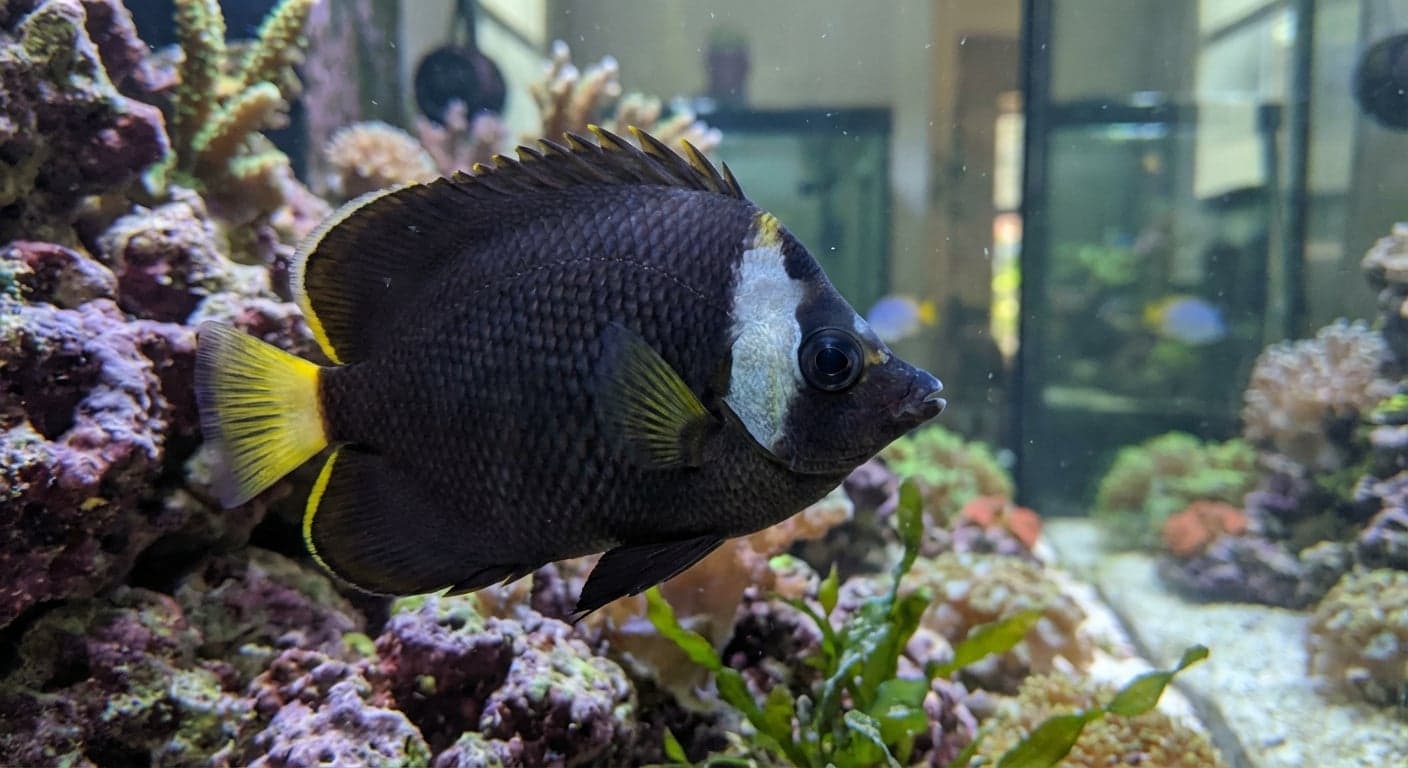
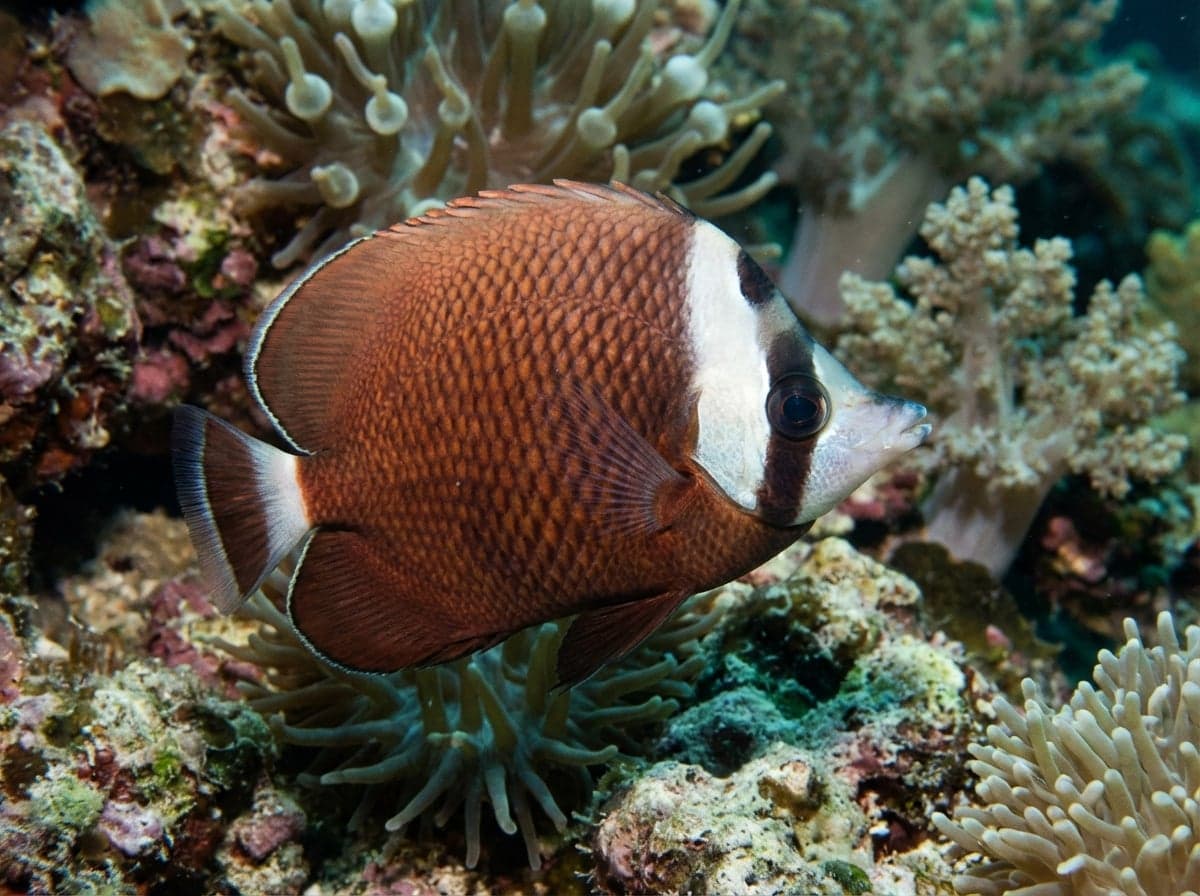
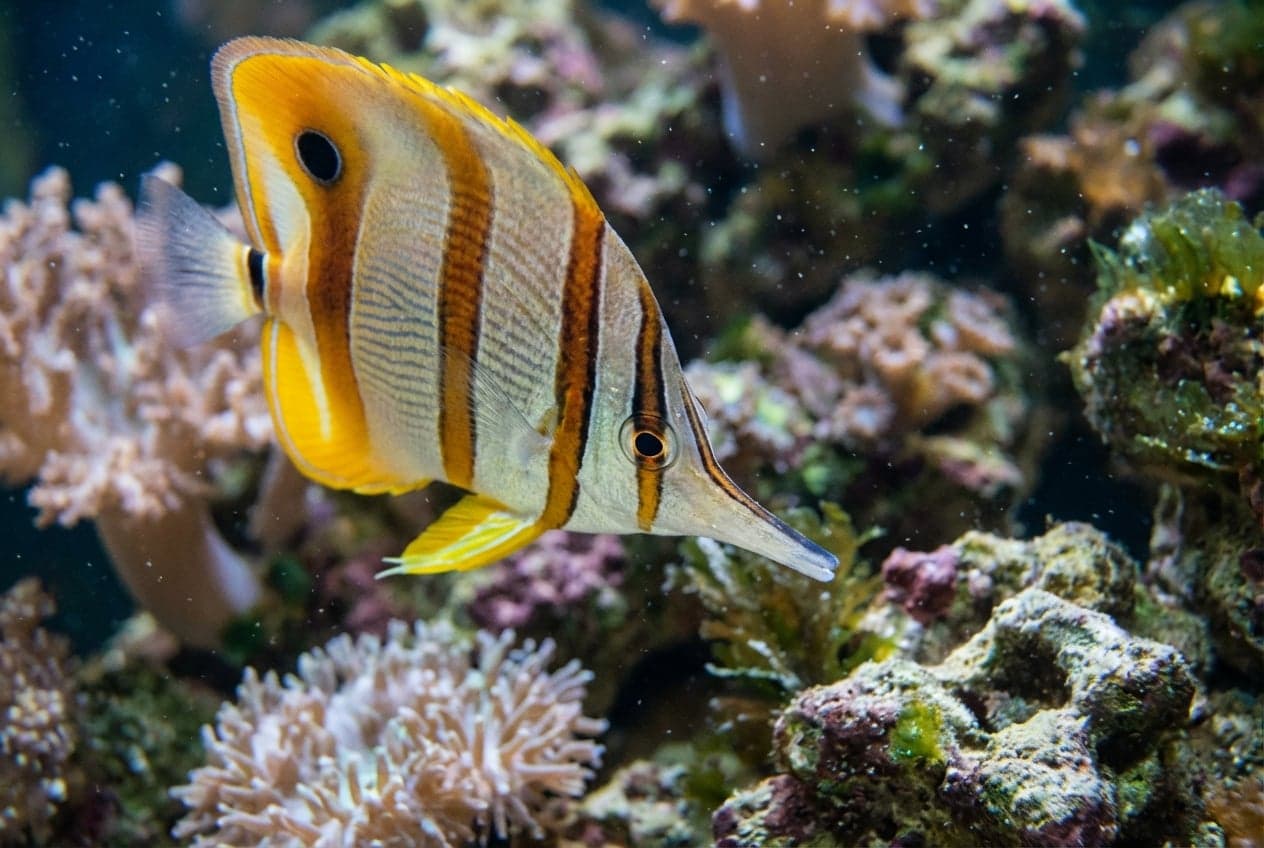
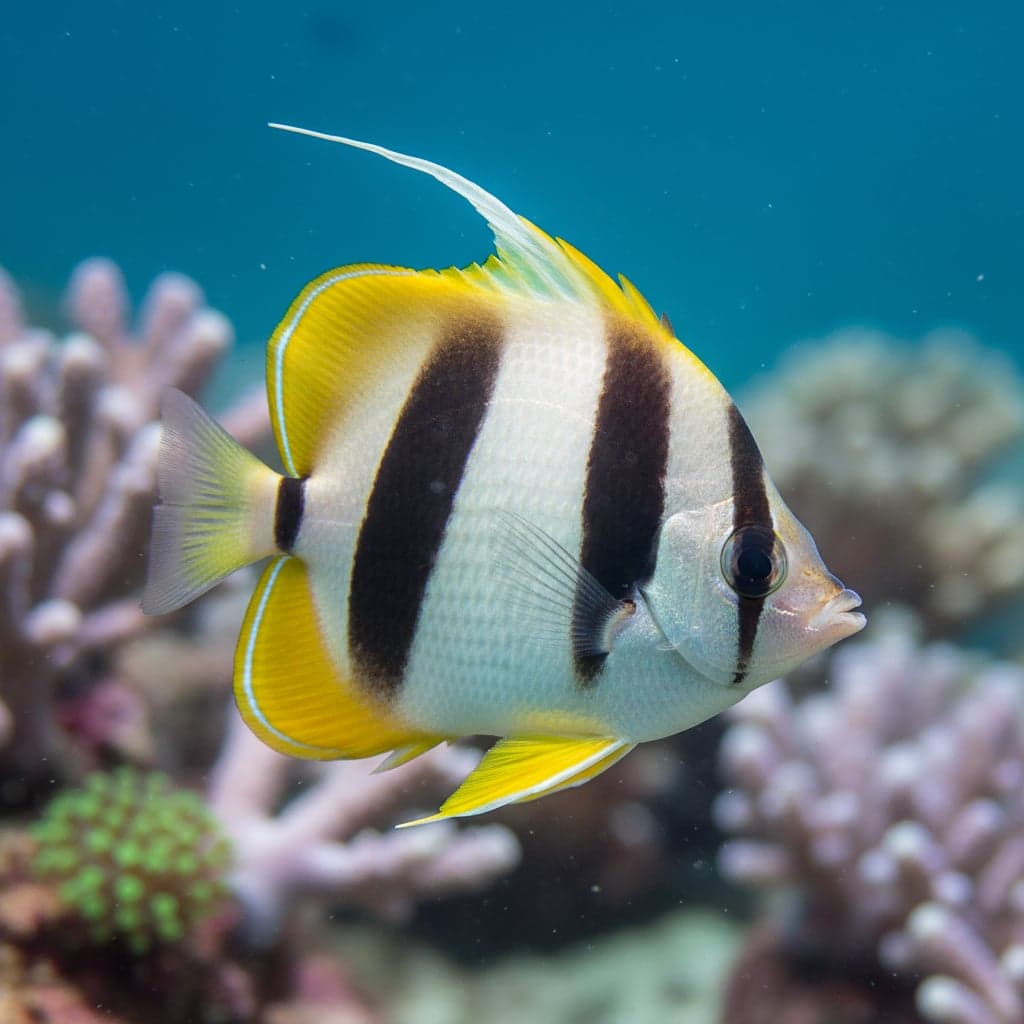
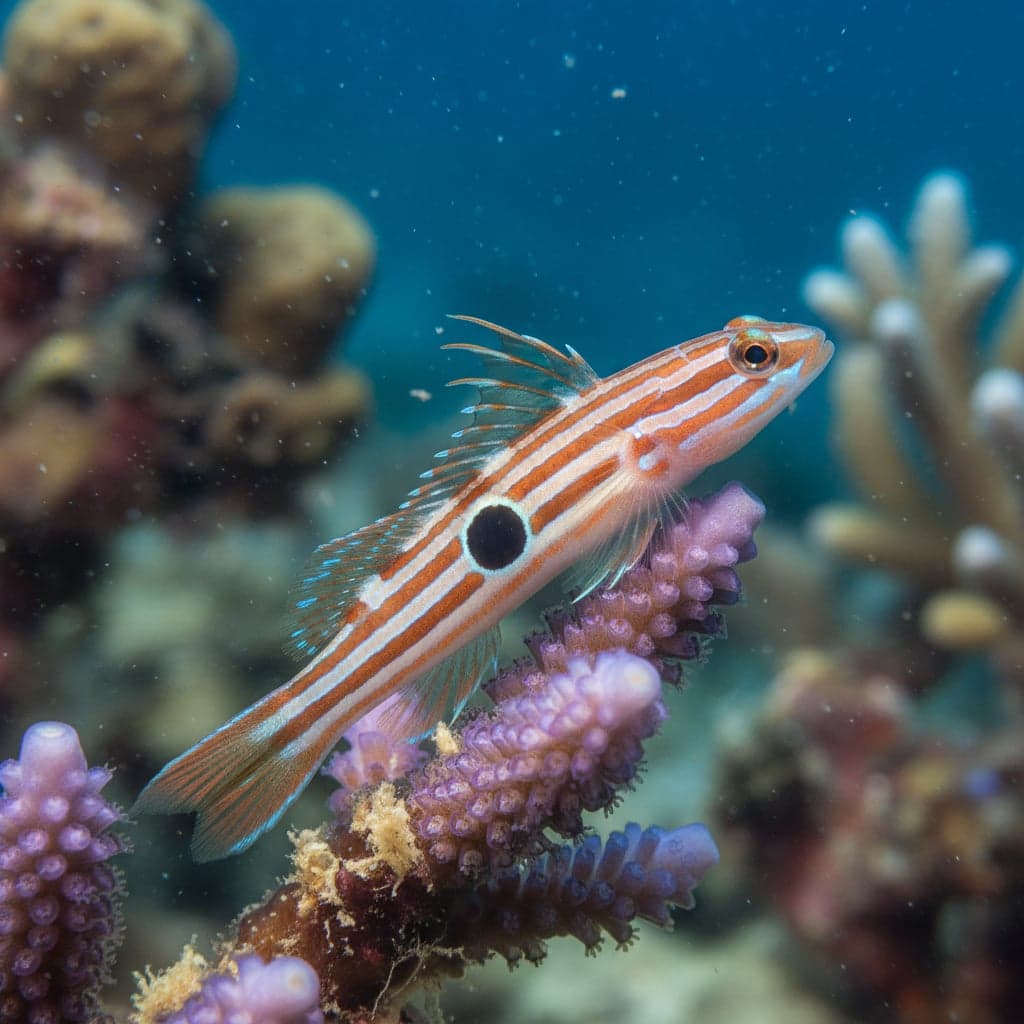
Big Longnose Butterflyfish
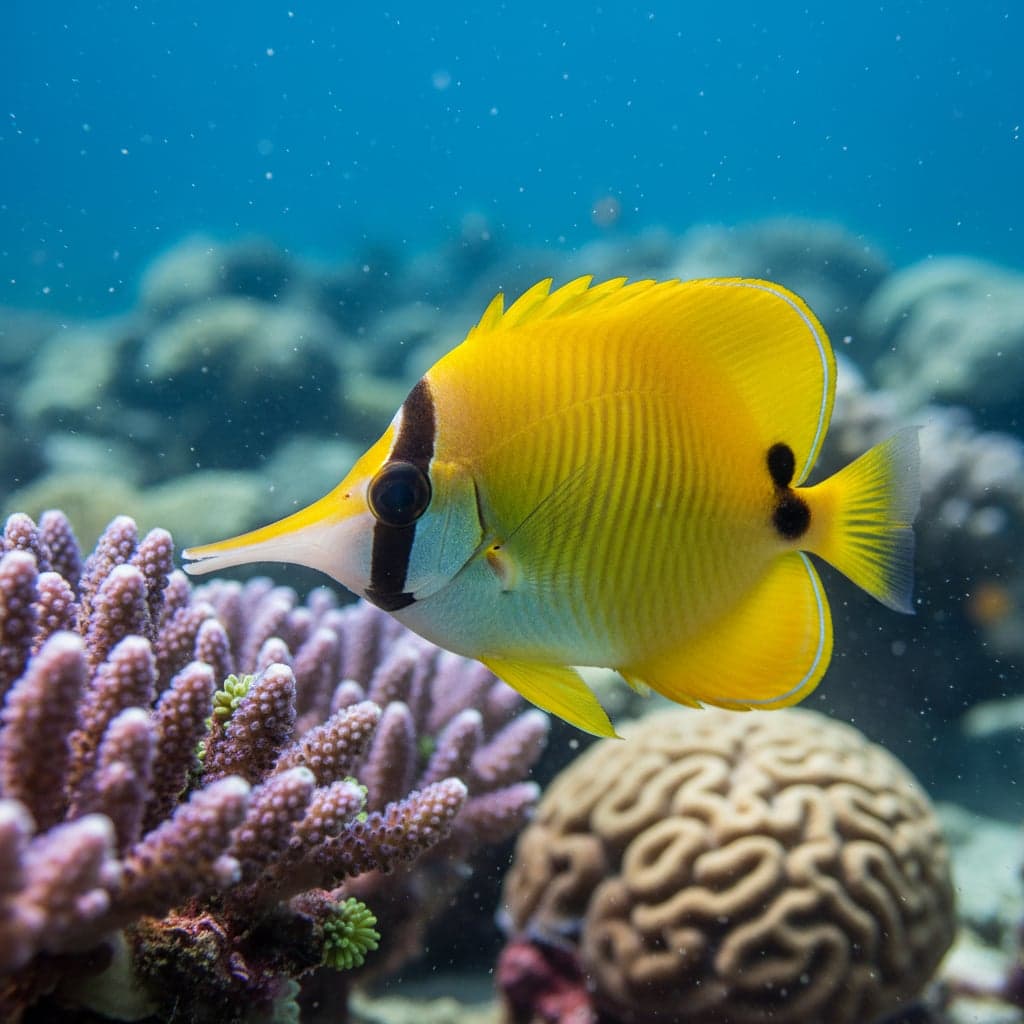
A 22cm butterflyfish with an elongated snout for picking prey out of crevices. Needs 400L+ and is a doubtful bet in a reef.
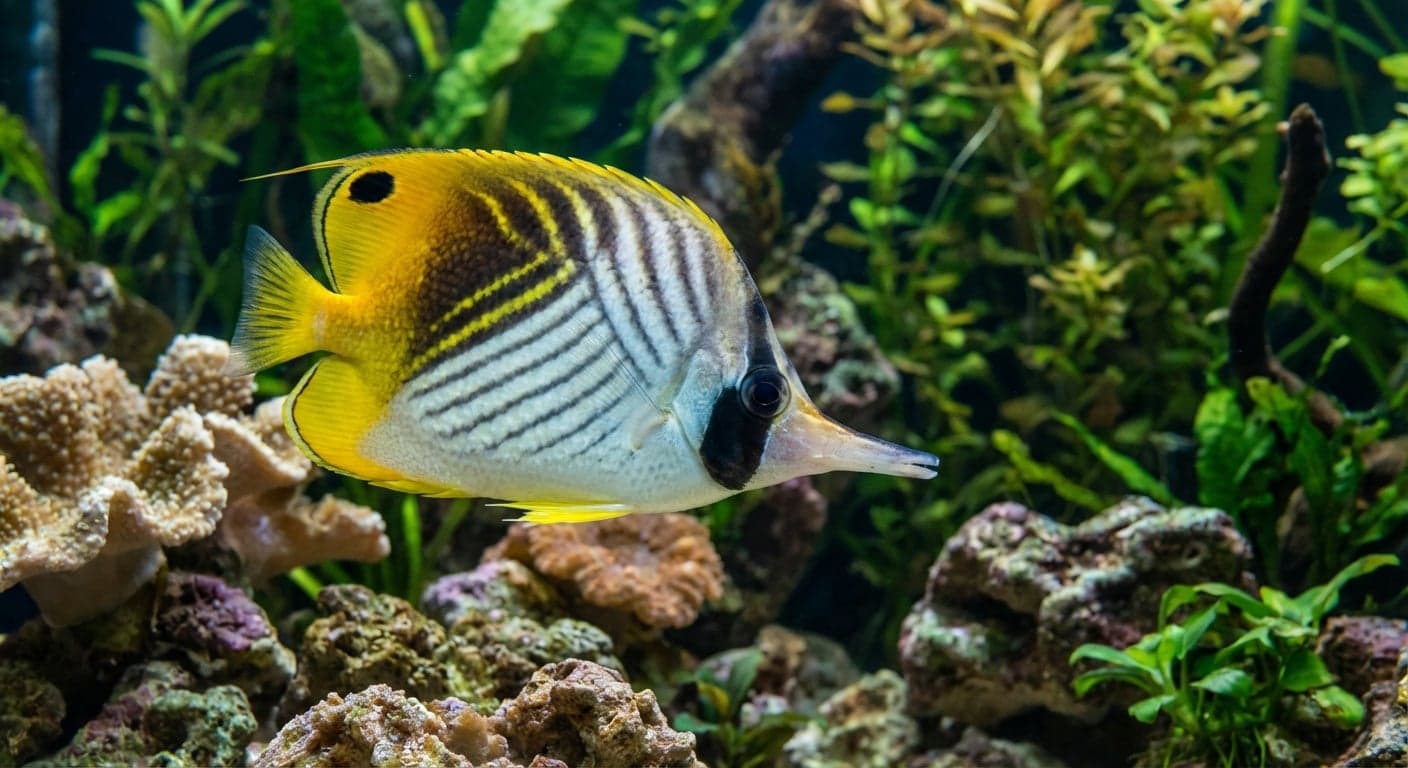
Big Longnose Butterflyfish
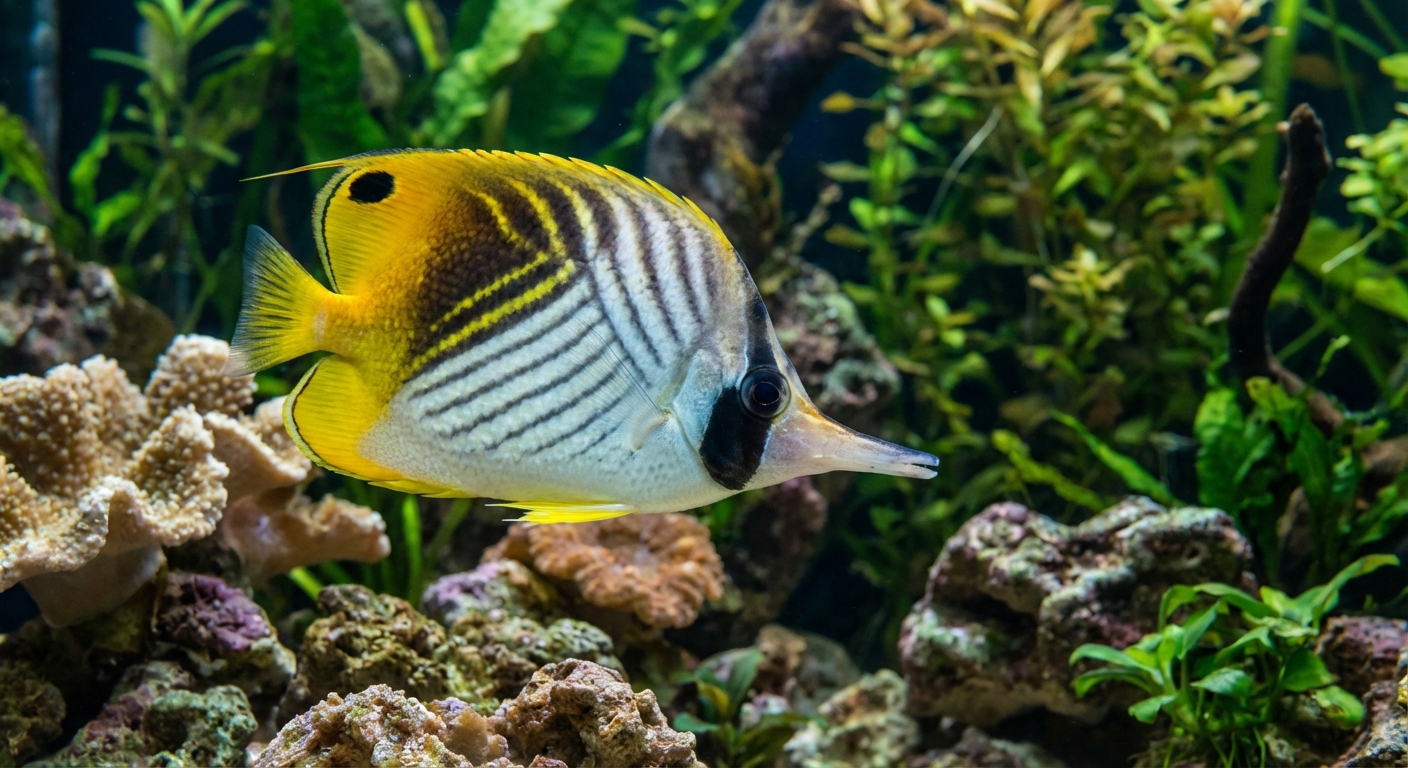
The Big Longnose Butterflyfish (Forcipiger longirostris) is a fascinating marine species renowned for its striking beauty and distinct morphology. With a slender body and an elongated snout, this fish showcases a vibrant palette of yellows, blues, and blacks, making it a prized specimen in the aquarium hobby. Grown adults can reach lengths of up to 8 inches (20 cm), exhibiting an enchanting personality that captivates both novice and experienced aquarists alike. Its graceful swimming patterns and elegant movements further enhance its appeal, marking the Big Longnose Butterflyfish as a centerpiece in marine displays.
In the aquarium setting, the Big Longnose Butterflyfish serves not only an aesthetic purpose but also plays an essential role in educating hobbyists about marine ecosystems. This species is often associated with coral reefs, thus highlighting the importance of preserving reef habitats and biodiversity. Aquarists value the Big Longnose Butterflyfish for its vibrant colors and unique behaviors, contributing to the popularity of marine tanks that closely mimic natural environments. Understanding the needs and characteristics of this enchanting fish is crucial for ensuring its health and well-being in captivity.
Natural Habitat & Origin
The Big Longnose Butterflyfish is native to the warm waters of the Indo-Pacific region, with notable populations in areas such as the Great Barrier Reef, Hawaii, and the Coral Triangle. It primarily inhabits coral-rich environments where it can find ample food sources and shelter from predators. This species thrives in clear to moderately turbid waters, often found at depths ranging from 10 to 50 meters (30 to 164 feet). The geographical range of the Big Longnose Butterflyfish underscores its adaptability to varying marine conditions, emphasizing its reliance on vibrant, structurally complex habitats as critical to its survival.
Environmental contexts suitable for the Big Longnose Butterflyfish typically include coral reefs and rocky substrates, where it can find its preferred food: small invertebrates and algae. These habitats provide the necessary resources for the fish to exhibit its natural behaviors, such as foraging and hiding. As a result, replicating these environments in aquariums enhances the overall well-being of the fish, increasing its chances of thriving in captivity.
Care Requirements
When maintaining the Big Longnose Butterflyfish in an aquarium, specific water parameters are essential to replicate its natural environment. The ideal pH range is between 8.1 and 8.4, with a temperature of 73°F to 82°F (23°C to 28°C) and a water hardness of 8 to 12 dKH. A minimum tank size of 50 gallons is recommended, as this species needs ample space to swim and explore. The tank setup should include live rock, sandy substrate, and ample hiding spots, ideally created using rock formations that mimic a reef.
Lighting should be moderate to bright, facilitating the growth of beneficial algae and marine life that contribute to the ecosystem. Incorporating corals and other marine plants can also enhance the aesthetic appeal of the tank while providing additional shelter for the fish. Regular water changes and filtration are crucial to maintain the water quality and stability necessary for the health of the Big Longnose Butterflyfish, as these aspects directly influence its overall well-being and longevity.
Diet & Feeding
The Big Longnose Butterflyfish is primarily classified as an omnivore, but it leans more towards carnivorous feeding habits. In the wild, it feeds on small invertebrates, plankton, and algae. In an aquarium setting, it is crucial to provide a varied diet that includes high-quality marine flakes, pellets, and specialty frozen or live foods like brine shrimp, mysis shrimp, and chopped seafood. Ensuring a mix of protein-rich and algae-based foods will replicate its natural diet and optimize its health.
It's important to feed the Big Longnose Butterflyfish multiple small meals throughout the day rather than one large feeding. This approach mimics their natural foraging behavior and helps prevent stress or competition with tank mates. A well-balanced and varied diet will not only support their striking coloration but also enhance their immune system, promoting longevity in captive environments.
Behavior & Temperament
The Big Longnose Butterflyfish exhibits a generally peaceful temperament but can display individual variation in behavior, especially based on tank conditions and social structures. These fish tend to be solitary or form small groups, with established pairings often evident in larger tanks. They are not known for aggressive behavior towards other species; however, they can exhibit territoriality towards their own kind, especially in smaller spaces. It is advisable to keep them in larger tanks with plenty of hiding spots to minimize any potential squabbles.
In terms of vertical placement, the Big Longnose Butterflyfish typically occupies the mid to upper levels of the aquarium, where it can freely swim while maintaining its intriguing hunting and foraging behaviors. It is essential to monitor interactions with other fishes, as some species may provoke stress or aggressive responses. Proper tank design and thoughtful fish selection can facilitate a peaceful community tank environment for the Big Longnose Butterflyfish.
Tank Mates
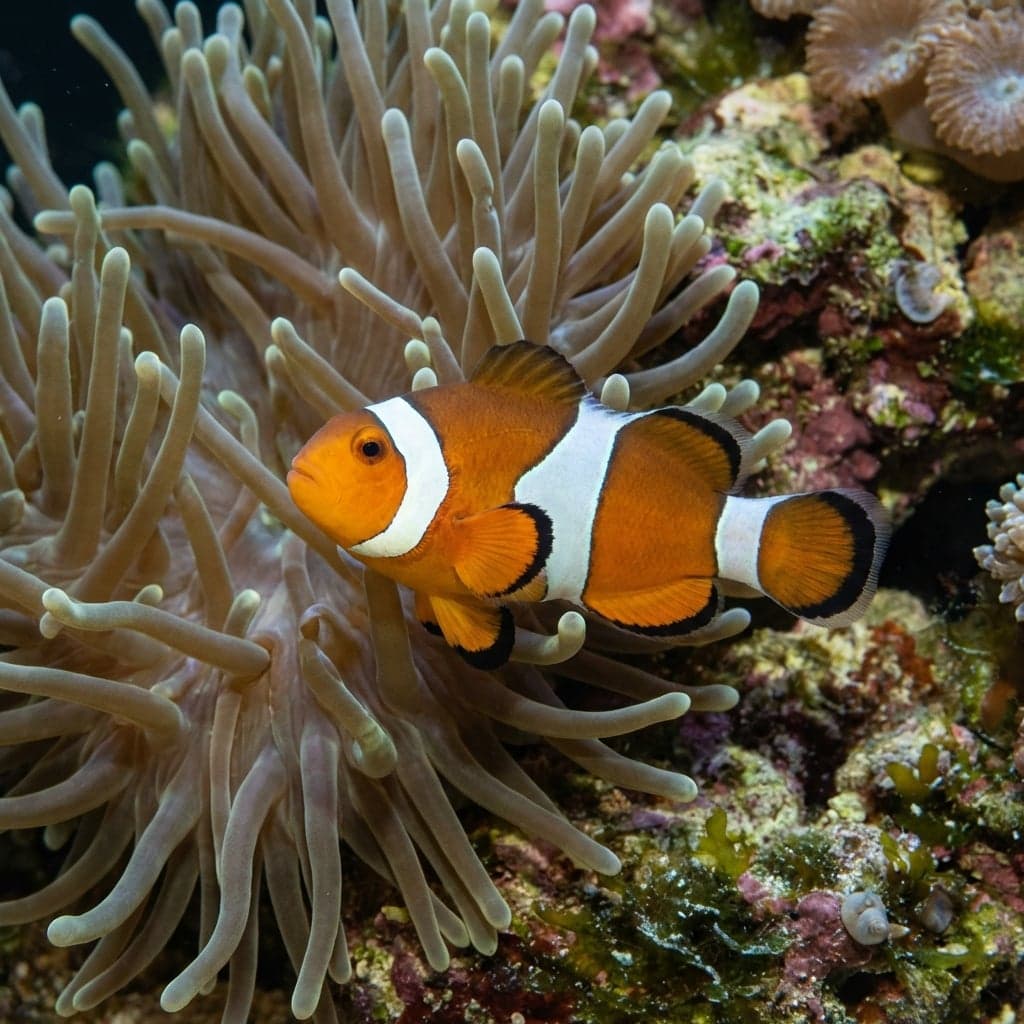
Choosing compatible tank mates for the Big Longnose Butterflyfish involves selecting species that are similarly peaceful and occupy different niches within the aquarium ecosystem. Ideal companions include smaller reef-safe fish such as clownfish, damselfish, gobies, and certain types of wrasses. Additionally, using peaceful invertebrates like snails and hermit crabs can enhance the tank's biodiversity without disturbing the delicate balance.
Conversely, species to avoid when housing the Big Longnose Butterflyfish include more aggressive or fin-nipping fish, such as angelfish, lionfish, and certain triggerfish. Additionally, avoid keeping multiple Big Longnose Butterflyfish in the same aquarium, as this can lead to stress and territorial disputes. Ensuring proper compatibility will create a harmonious environment, allowing the Big Longnose Butterflyfish to thrive alongside its companions.
Breeding
Breeding the Big Longnose Butterflyfish in captivity remains a challenging task, primarily because this species is not known for readily spawning outside of their natural habitats. In the wild, they are known to form monogamous pairs during mating seasons, and spawning typically occurs during the spring and summer. To promote breeding in captivity, it is essential to replicate these environmental conditions, focusing on water quality and maintaining stable parameters alongside a well-planted tank to provide privacy.
Successful breeding requires a separate breeding tank of at least 20 gallons with ample hiding spots and a substrate for eggs to adhere to. Additionally, the introduction of suitable live foods or high-quality frozen foods leading up to the breeding process can stimulate the Big Longnose Butterflyfish to spawn. However, due to their pelagic larval stage, raising the fry can be challenging and requires specialized care and feeding, often necessitating infusoria or newly hatched brine shrimp.
Common Health Issues
Like many marine fish, the Big Longnose Butterflyfish can be susceptible to certain diseases, including marine ich (Cryptocaryon irritans), flukes, and bacterial infections. A good understanding of preventative measures is crucial for maintaining the health of the fish. Observing proper hygiene practices during tank maintenance, quarantine procedures for new arrivals, and maintaining water quality can significantly reduce disease risks.
Regular monitoring of their behavior and appearance will help catch any potential health issues early. Signs of illness might include changes in appetite, lethargy, abnormal swimming patterns, or visible lesions. Prompt treatment in consultation with a veterinarian or seasoned marine aquarist, utilizing targeted copper therapies or freshwater dips in a dedicated quarantine tank, will prevent infections from spreading. In addition, their elongated snouts can be vulnerable to physical damage during transport or rough handling, which can easily lead to secondary bacterial mouth rot. Providing a spacious, peaceful environment with smooth rockwork and stable water parameters (pH 8.1–8.4, 24–26°C) ensures this graceful butterflyfish remains vibrant and disease-free.