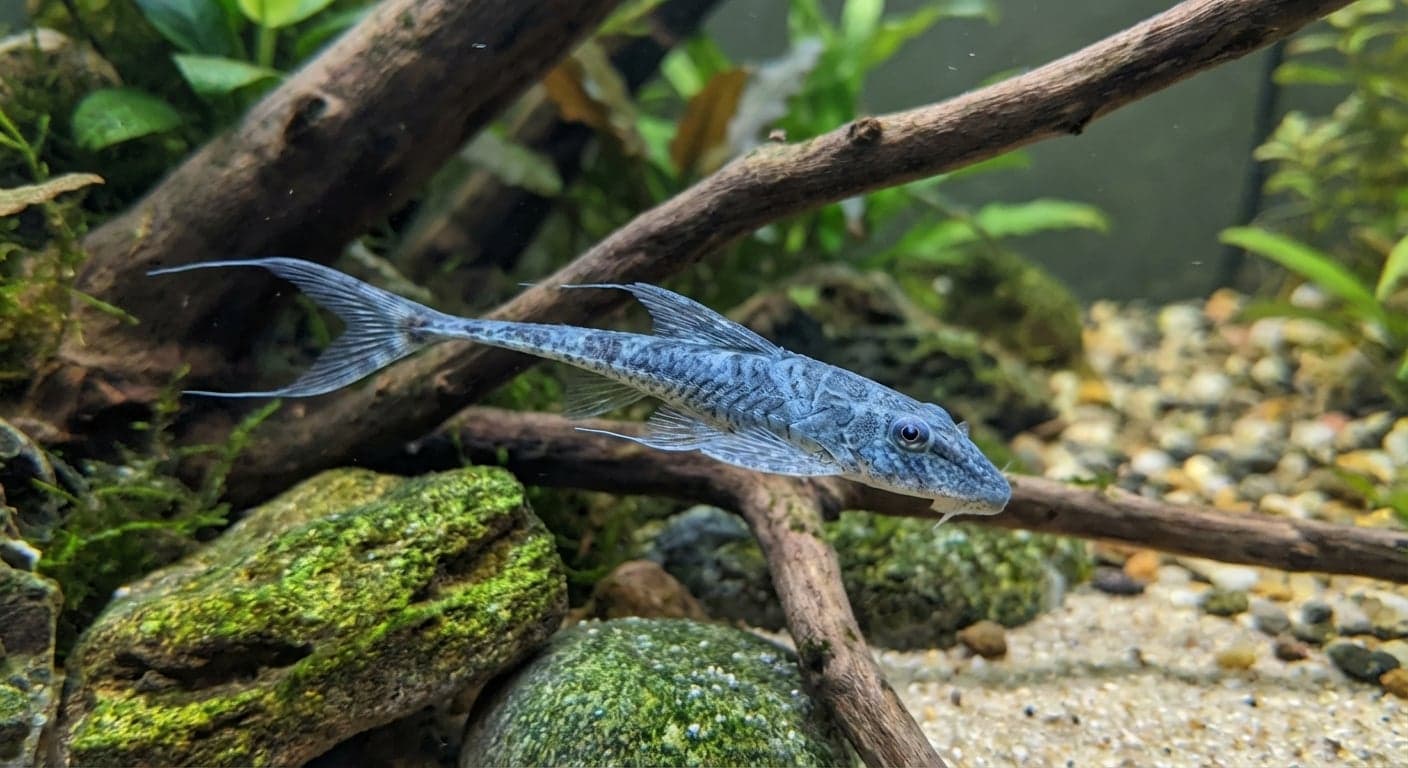
Bignose Unicornfish
A 60cm surgeonfish that outgrows almost every home aquarium. Needs 1,500L or more to swim properly — this is a public-aquarium fish.

Bignose Unicornfish
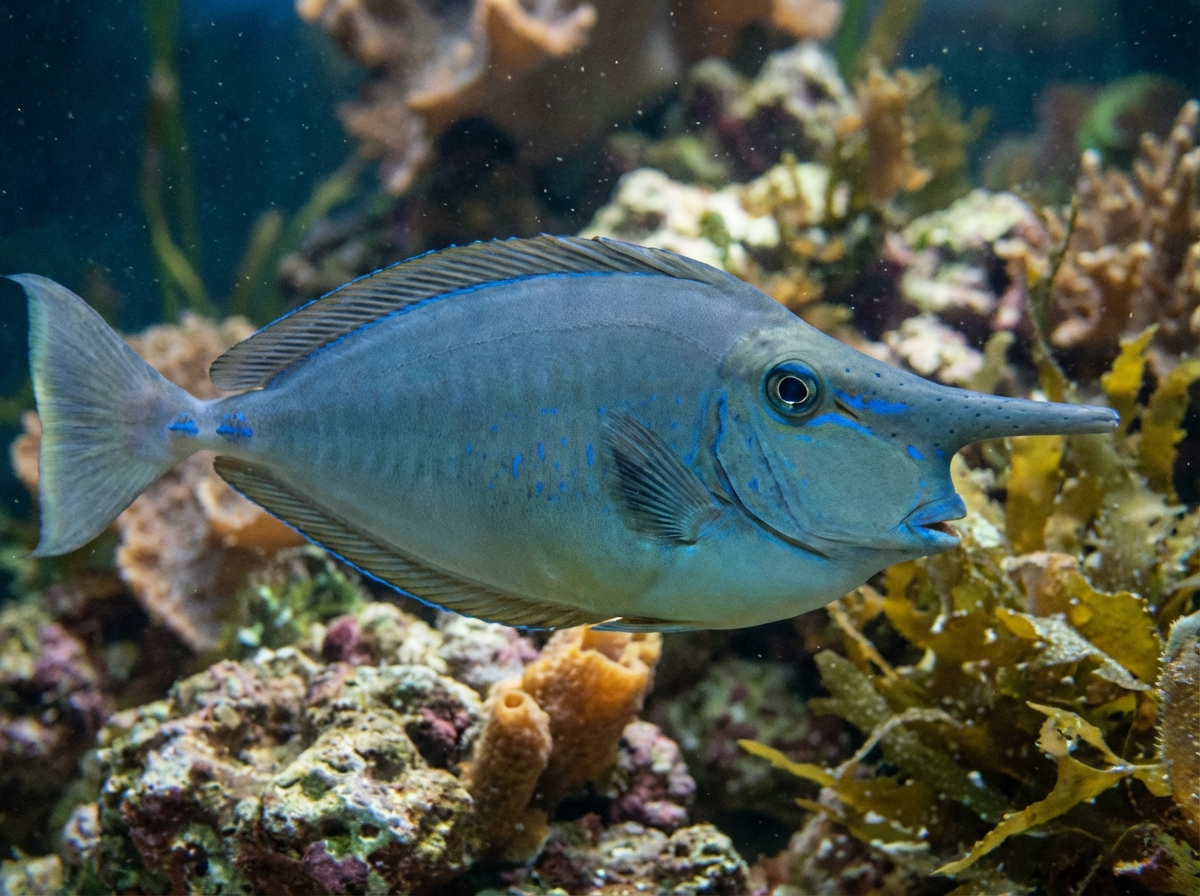
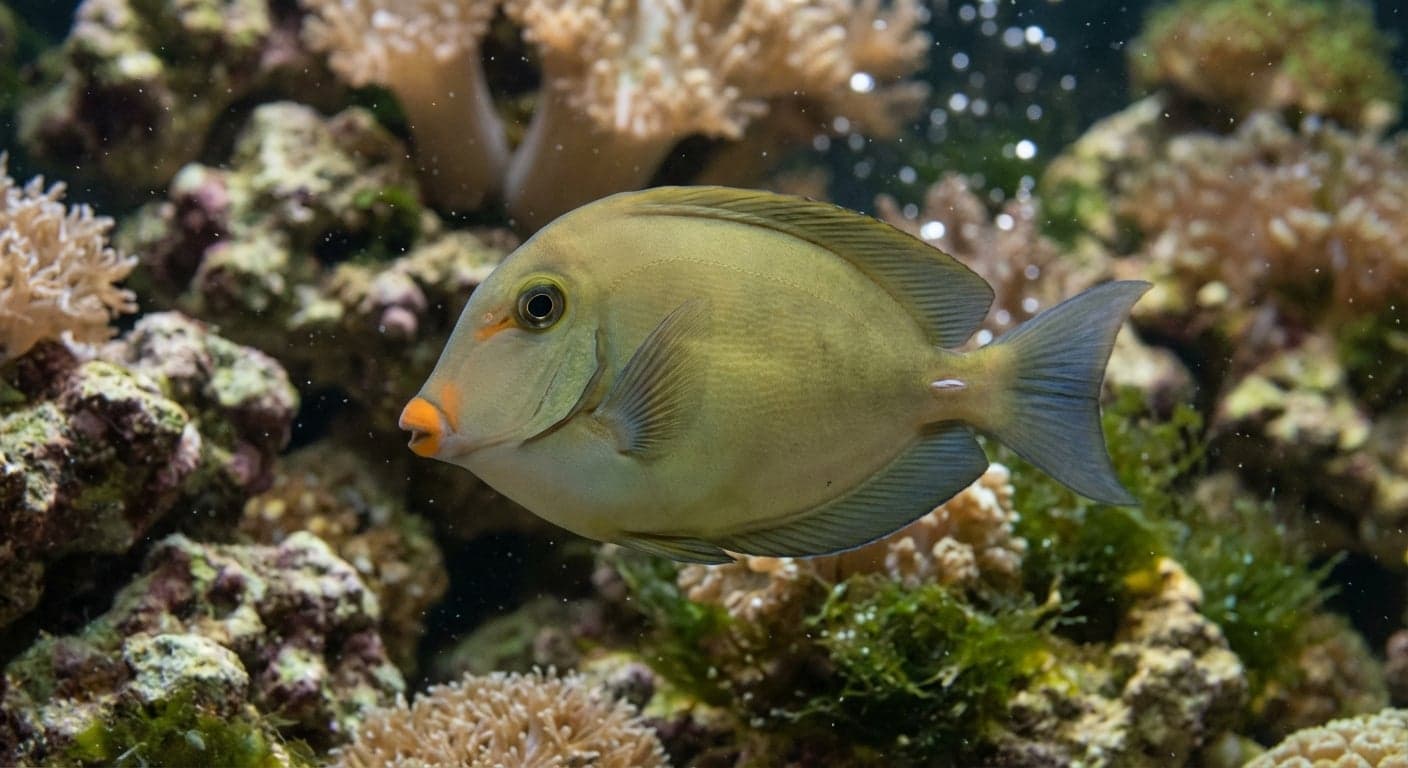
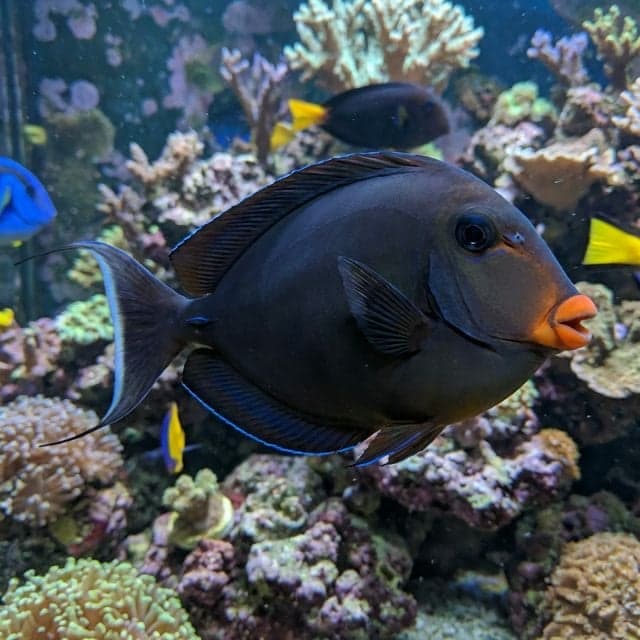
The Bignose Unicornfish (Naso vlamingii) is a stunning marine species highly sought after in the aquarium hobby due to its striking appearance and graceful swimming style. Featuring a distinctive elongated snout, the fish is adorned with vibrant colors ranging from deep blues to bright yellows, making it a true centerpiece in any saltwater aquarium. Mature Bignose Unicornfish display elaborate body shapes and markings, further enhancing their visual appeal. Their unique morphology, especially the prominent horn found on mature males, adds an element of intrigue that captivates both novice and experienced aquarists alike.
Beyond their aesthetic charm, Bignose Unicornfish hold significant ecological and cultural importance. They are primarily found in coral reef ecosystems throughout the Indo-Pacific region, where they play a vital role in maintaining the health of reef communities. As herbivores, they graze on algae, helping to control algal blooms and promote coral growth. Their presence is thus essential for the wellbeing of marine environments, and by keeping them in aquariums, enthusiasts can raise awareness about reef conservation and biodiversity.
Natural Habitat & Origin
Bignose Unicornfish are naturally distributed across the coral reefs of the Indo-Pacific region, including areas such as the Great Barrier Reef, Fiji, and parts of the Red Sea. They thrive in warm waters that typically range between 24°C to 28°C (75°F to 82°F) and prefer coral-rich environments in shallow lagoons and reef slopes. These fish usually inhabit zones with ample rock formations, where they can find shelter and food. They rely heavily on clean, clear waters and can often be found in both open water and near the substrate, foraging for algae.
The environmental context in which Bignose Unicornfish exist is crucial for their survival. Coral reefs are not only their home but also an ecosystem teeming with diverse marine life that contributes to the overall health of the ocean. These fish prefer areas with stable water conditions, including moderate currents, which enable them to thrive while also allowing for effective algae grazing on the reef.
Care Requirements
When it comes to keeping Bignose Unicornfish in captivation, water parameters are key. They thrive in saltwater aquariums, with pH levels ideally between 8.1 to 8.4, temperatures ranging from 24°C to 28°C (75°F to 82°F), and a water hardness of approximately 8-12 dGH. The Bignose Unicornfish requires a minimum tank size of 1,500 litres (400 gallons); it reaches 60cm and swims almost constantly, which puts it beyond the reach of nearly every home aquarium. A large aquarium not only provides enough swimming space but also mimics its natural environment.
The tank setup should include a sandy or fine gravel substrate, along with plenty of live rock to recreate the rocky, reef-like structures they are accustomed to. Lighting can be moderate to bright, simulating natural sunlight to encourage the growth of algae, which is an essential part of their diet. Incorporating live plants may not only enhance aesthetics but also contribute to the overall health of the tank; however, remember that Bignose Unicornfish are primarily herbivorous and will graze on preferred plant types.
Diet & Feeding
Bignose Unicornfish are primarily herbivores, feeding on algae and other plant material found in their natural habitat. In captivity, they thrive on a varied diet that includes high-quality marine flakes, spirulina-based pellets, and frozen or live foods such as brine shrimp and mysis shrimp to ensure a balanced nutrient intake. Offering a mixture of these food types helps to replicate their natural feeding habits and maintain their vibrant colors and overall health.
To promote the health of your Bignose Unicornfish, it’s recommended to provide them with fresh nori or other sea vegetables that can be attached to rocks or feeding clips within the aquarium. Regular feeding routines should be established, with smaller portions multiple times a day rather than one large meal to mimic their natural grazing behavior.
Behavior & Temperament
The Bignose Unicornfish exhibits a generally peaceful disposition, making it suitable for well-planned community tanks. However, they can display territorial behavior, especially as they mature, and may show signs of aggression towards similarly shaped fish or other herbivorous species. It’s best to keep them in a tank with spacious swimming areas, as they are active swimmers that prefer to occupy the middle to upper regions of the aquarium.
In terms of social structure, Bignose Unicornfish can be kept singly or in small groups, but caution should be exercised to prevent territorial disputes. Observing their social dynamics is essential for maintaining harmony within the tank. Proper vertical swimming space must be provided, as these fish enjoy gliding through the water column and often benefit from open swimming areas.
Tank Mates
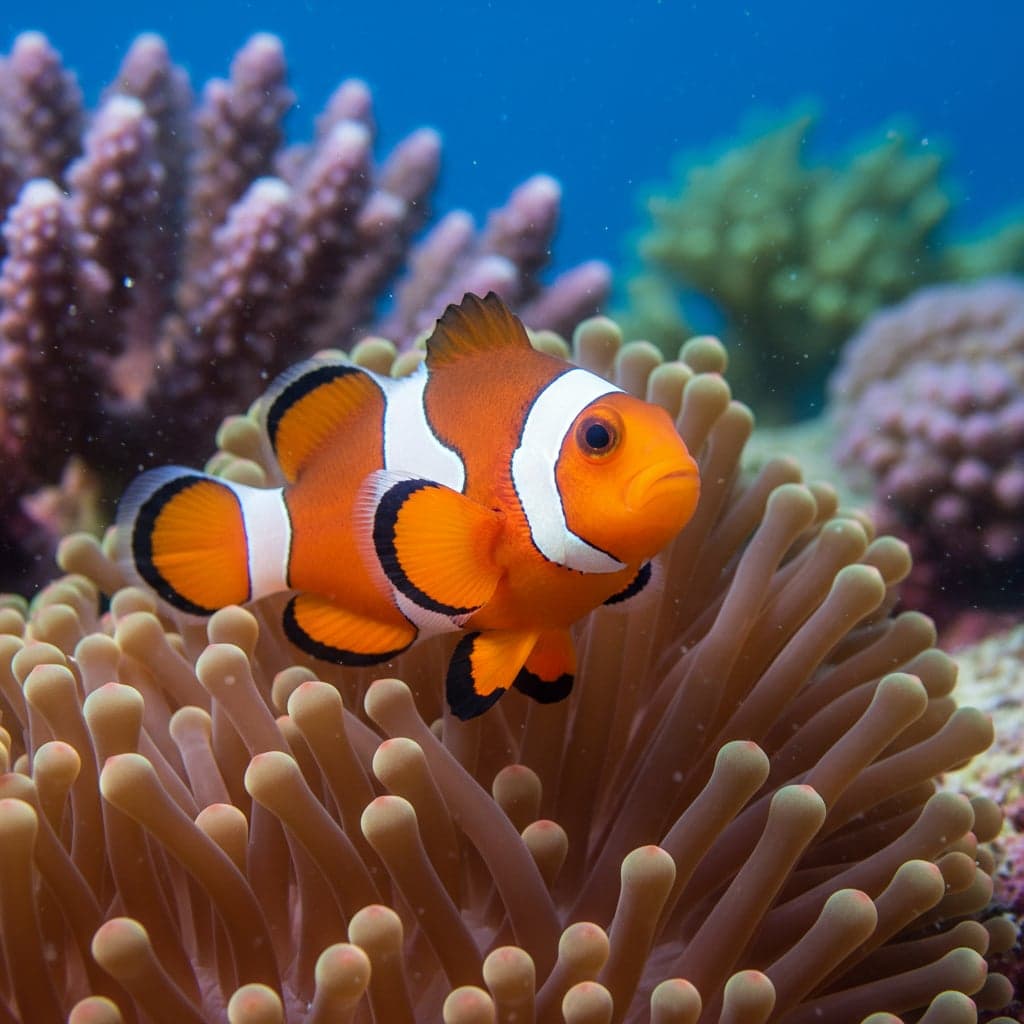
When choosing tank mates for Bignose Unicornfish, compatibility is crucial. They do well with other peaceful fish species that are not aggressive or similarly shaped. Suitable tank mates may include various wrasses, clownfish, and blennies. Avoid keeping them with aggressive species, such as large groupers or lionfish, as well as smaller fish that might be viewed as prey.
Additionally, it’s advisable to avoid hosting multiple members of the same species, as this may lead to territorial disputes. Careful selection will enhance the community dynamics of the aquarium and ensure a peaceful environment for all inhabitants.
Breeding
Breeding Bignose Unicornfish in captivity remains a challenging endeavor, primarily due to their specific requirements for spawning. In the wild, these fish are known to spawn in open waters, often forming large aggregations during breeding seasons. Successful breeding in captivity requires large, well-maintained tanks with stable water conditions.
Creating a stimulating and expansive environment that mimics their natural habitat will make it easier for potential breeding behavior to occur. Males typically display courtship behaviors such as circling and changes in coloration to attract females, and maintaining a balanced male-to-female ratio is essential for successful spawning. Proper water quality and temperature are crucial, along with a nutritious diet leading into breeding conditions to promote healthy reproductive success.
Common Health Issues
Bignose Unicornfish can be susceptible to several health concerns common in marine fish, including marine ich (Cryptocaryon irritans), flukes, and other parasitic infections. Regular monitoring of water parameters and maintaining optimal tank conditions are intrinsic to disease prevention.
It's vital to observe their feeding habits and social interactions closely, as changes may indicate stress or illness. Quarantine new additions to the aquarium and make sure to regularly clean and maintain the tank to prevent outbreaks of disease. Additionally, providing a varied diet rich in vitamins can help bolster their immune systems, enhancing overall health and longevity.