Birdmouth Wrasse
A 30cm wrasse with an elongated snout for probing crevices. Fast, hardy, needs 700L+, and it eats shrimp and small crustaceans.
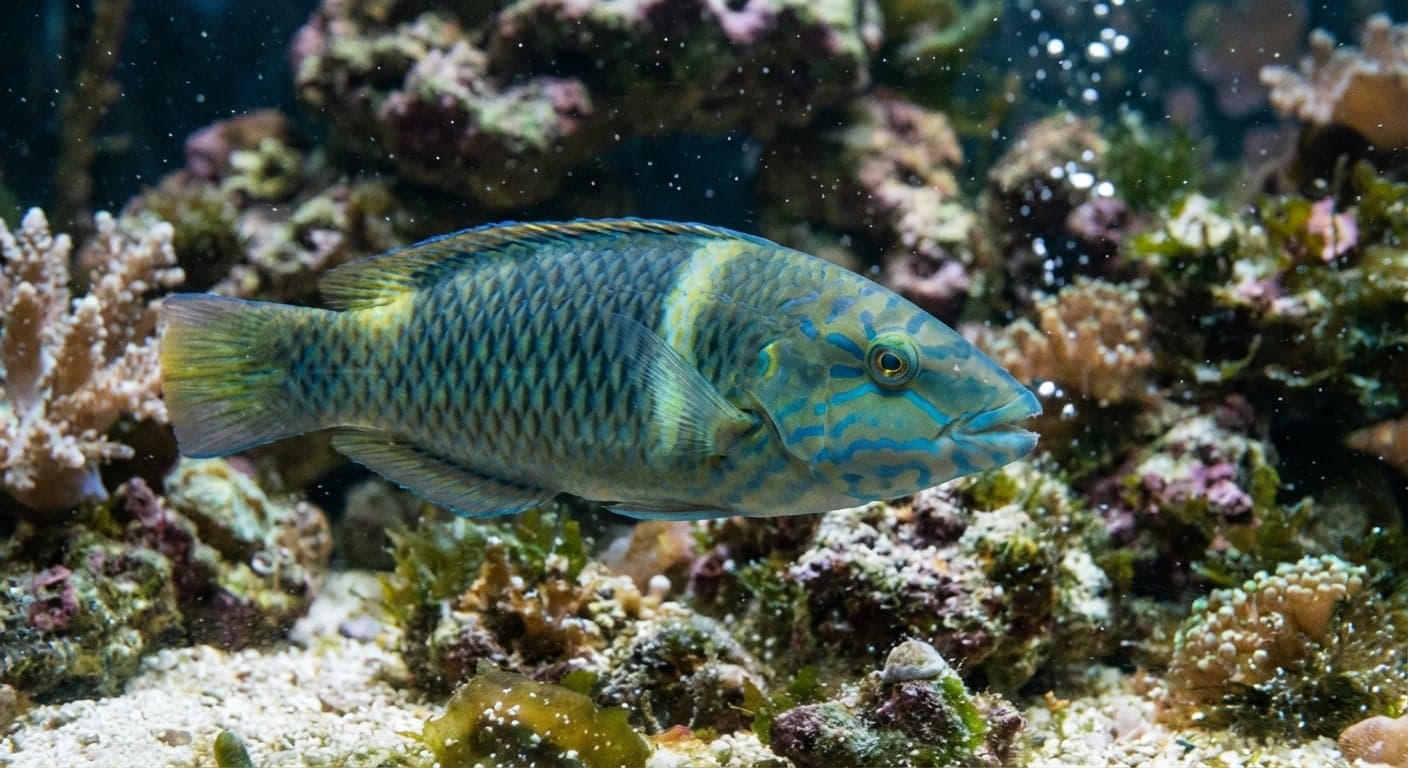
Birdmouth Wrasse
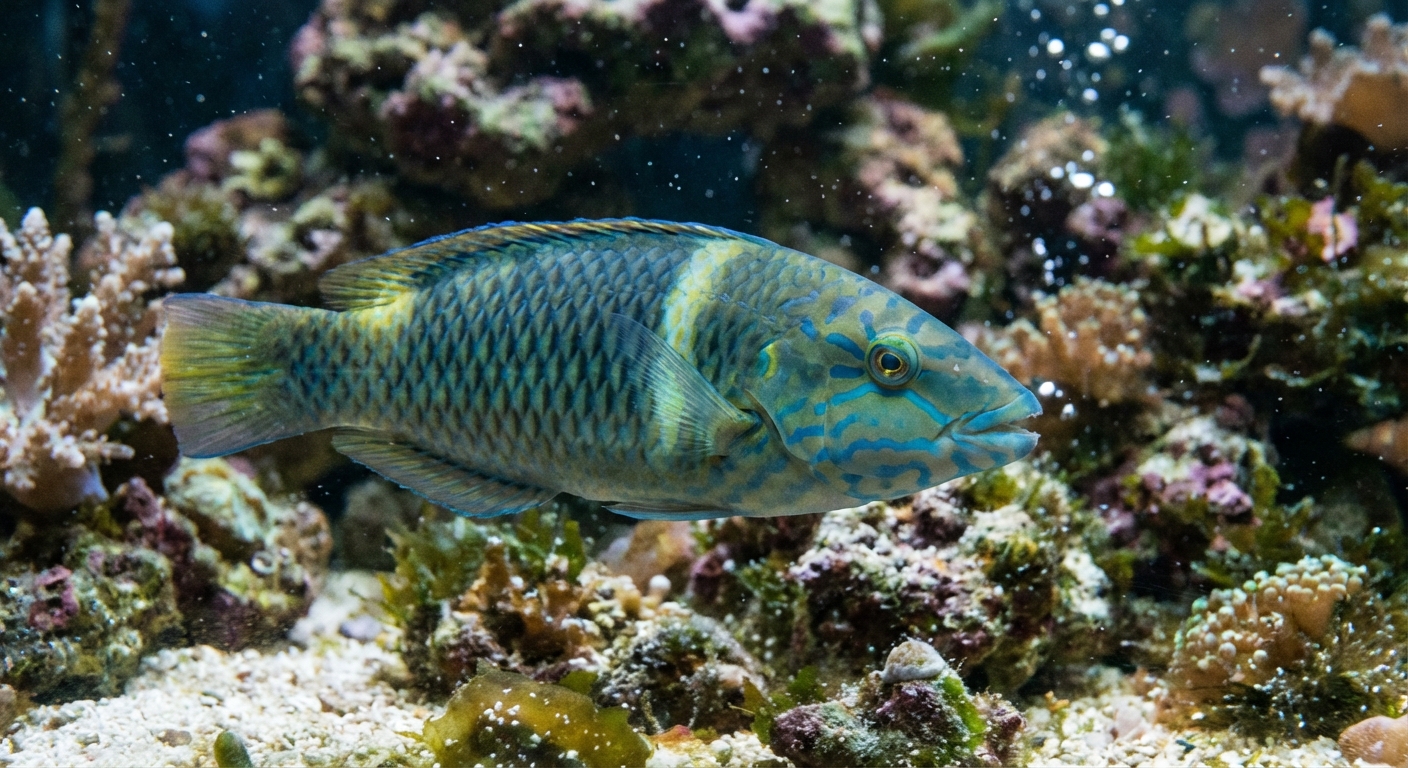
The Birdmouth Wrasse (Gomphosus varius) is a striking reef inhabitant known for its elongated body and vibrant coloration, making it a highly sought-after species in the marine aquarium community. This fish features a unique beak-like mouth, adapted for foraging among coral and rocky substrate, primarily in search of small invertebrates and algae. With its stunning hues that can include shades of green, blue, and yellow, the Birdmouth Wrasse captures the attention of aquarists and visitors alike, making it a centerpiece of any marine display.
In addition to its aesthetic appeal, the Birdmouth Wrasse plays a significant role in maintaining the health of coral reef ecosystems. As a cleaner species, it participates in the natural cleaning of parasites from other fish, which contributes to the harmonious balance within reef habitats. This ecological importance, paired with its striking appearance, has solidified the Birdmouth Wrasse's desirability in the aquarium hobby, promoting conservation awareness and appreciation for marine life.
Natural Habitat & Origin
The Birdmouth Wrasse is endemic to the warm waters of the Indo-Pacific region, specifically found in habitats stretching from the Red Sea and East African coast to the islands of the Pacific. Preferring coral-rich environments, these fish thrive in shallow waters, typically between 1 to 30 meters in depth, where they can encounter a plethora of invertebrates. This species is often observed in clear waters with good visibility, favoring areas with plentiful coral structures and sandy substrates where it can forage effectively. The Birdmouth Wrasse’s natural habitat is characterized by diverse marine flora, which provides both food and shelter, making it vital for their growth and survival in the wild.
Care Requirements
Proper care for the Birdmouth Wrasse includes replicating its natural environment to ensure its health and longevity. The recommended water parameters for this species are a pH of 8.1-8.4, a temperature range of 75-80°F (24-27°C), and a water hardness of 8-12 dGH. A minimum tank size of 700 litres (185 gallons) is suggested for this 30cm Gomphosus — adults need that swimming length for their active, probing lifestyle, not a mid-size reef. The tank should be well-structured with live rock formations providing hiding spots and a sandy substrate to mimic the ocean floor. Adequate lighting that highlights the vibrant colors of the Birdmouth Wrasse is crucial, and incorporating live plants can enhance the aesthetic while also maintaining water quality.
Diet & Feeding
Omnivorous by nature, the Birdmouth Wrasse has a diverse diet that should be replicated in captivity for optimal health. In the aquarium, they thrive on a combination of high-quality pellets or flakes, supplemented with frozen or live foods such as brine shrimp, mysis shrimp, and other small invertebrates. Feeding should be done several times a day in small amounts to maintain their energy and prevent waste buildup. Providing a varied diet not only ensures proper nutrition but also mimics their natural foraging behavior, promoting a healthy and active fish.
Behavior & Temperament
The Birdmouth Wrasse is known for its active and dynamic personality. Typically exhibiting a diurnal lifestyle, these fish are most active during the day, often seen swimming freely throughout the tank. While they may display a level of territoriality, especially in smaller environments, they can be relatively peaceful when housed with compatible species; thus, they are often best kept in pairs or small groups. It’s also worth noting that the Birdmouth Wrasse prefers the upper and middle levels of the tank, which emphasizes the necessity of a well-structured aquarium to accommodate their natural swimming habits.
Tank Mates
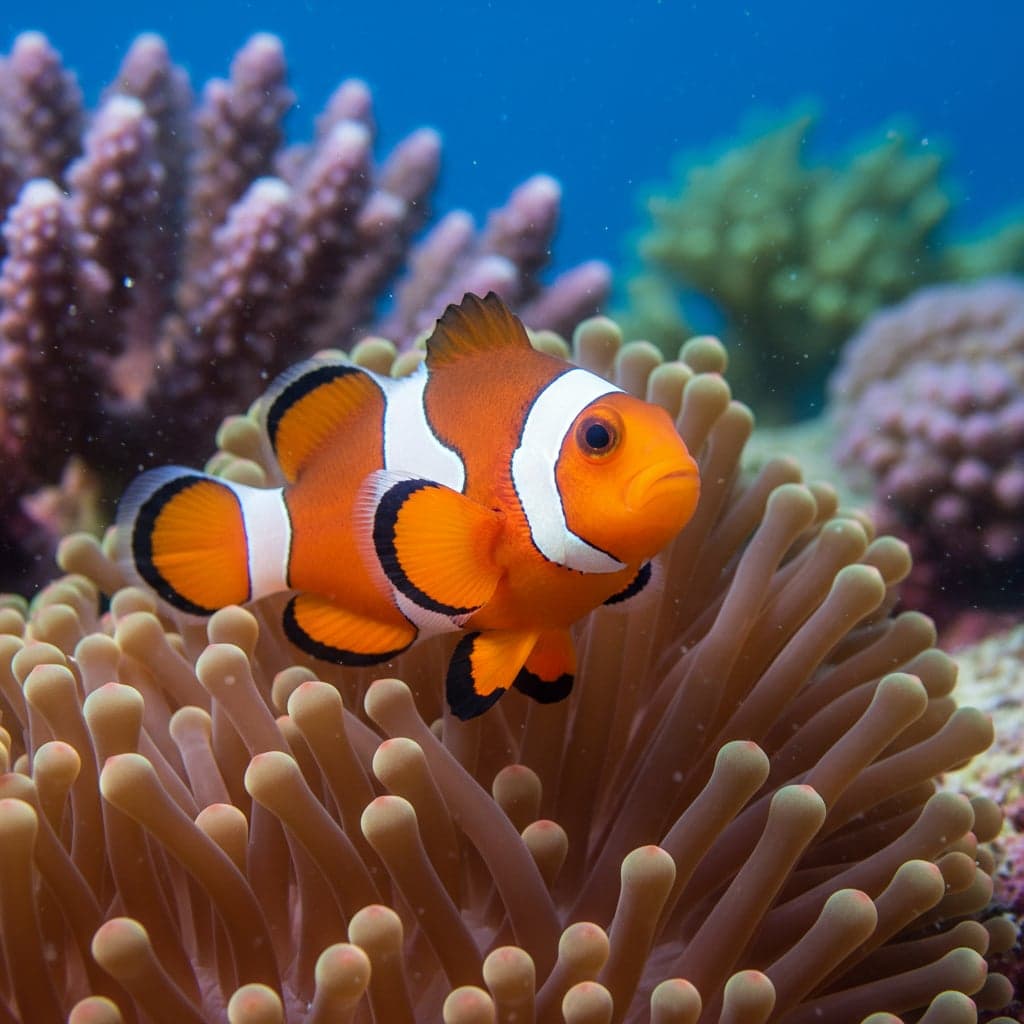
When selecting tank mates for the Birdmouth Wrasse, it is crucial to choose compatible species that can coexist peacefully. Compatible fish include various wrasses, clownfish, gobies, and damselfish, as well as other reef safe species. Conversely, avoid aggressive species or those known to exhibit territorial behavior, such as larger triggers or groupers, as these can provoke stress or aggression in the Birdmouth Wrasse. Careful consideration of each fish's behavior and habitat requirements will lead to a harmonious aquarium environment.
Breeding
Breeding the Birdmouth Wrasse in captivity can be a challenging yet rewarding endeavor. These fish exhibit a natural spawning behavior where a male will court a female with displays of color changes and body movements. Successful breeding requires a separate breeding tank to minimize stress on the fish, along with stable water conditions similar to their natural habitat. Males often form harems in the wild, so it's beneficial to maintain a small group of females for one male to encourage natural mating behavior. After spawning, the eggs will typically adhere to rocks or substrate, necessitating a protective environment to allow for hatching and fledging.
Common Health Issues
The Birdmouth Wrasse is generally resilient; however, it can be prone to certain health issues commonly seen in marine fish. Some of the typical diseases include ich (Ichthyophthirius multifiliis), marine velvet, and various parasitic infections. Preventative measures include maintaining excellent water quality through regular testing and water changes, ensuring a balanced diet, and avoiding stress through careful tankmate selection. Regular monitoring and immediate treatment of any abnormalities can help ensure the longevity and health of your Birdmouth Wrasse.