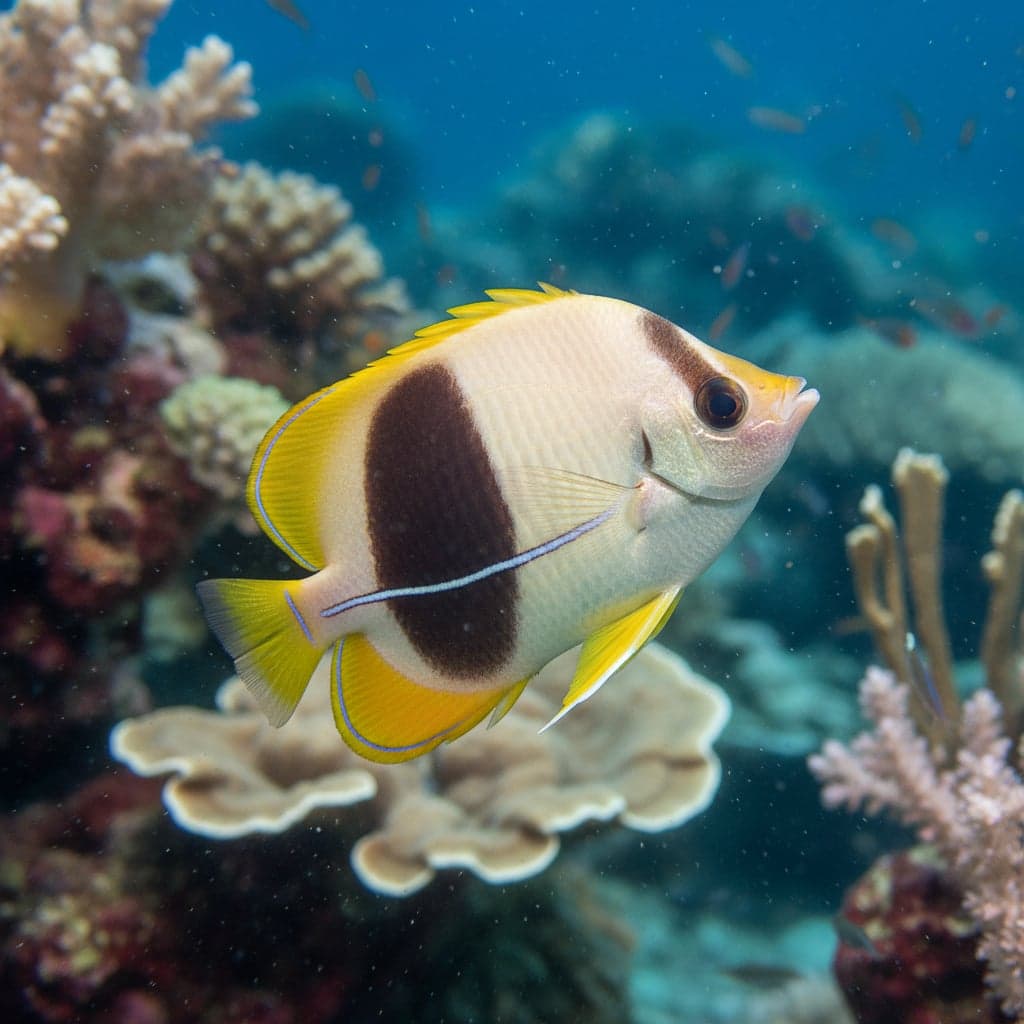
Black Butterflyfish
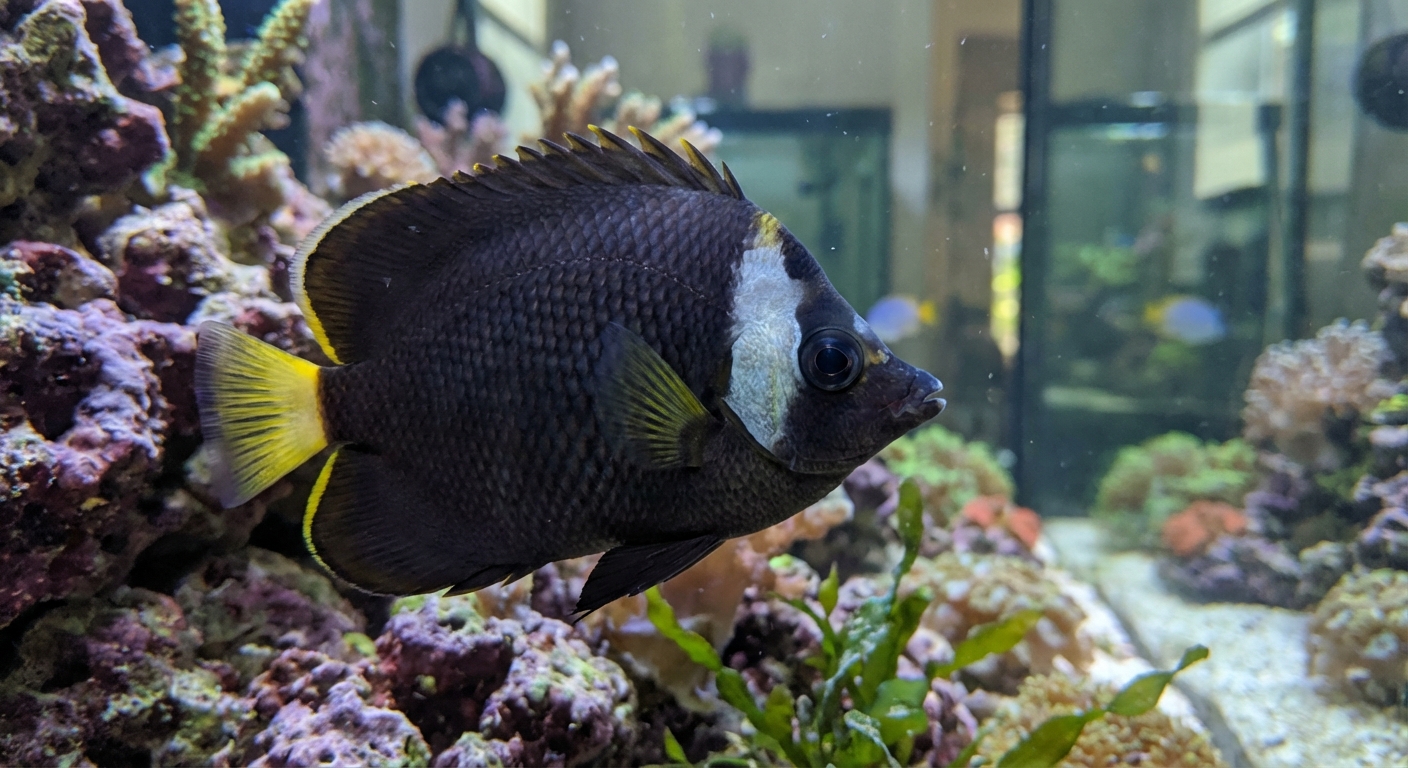
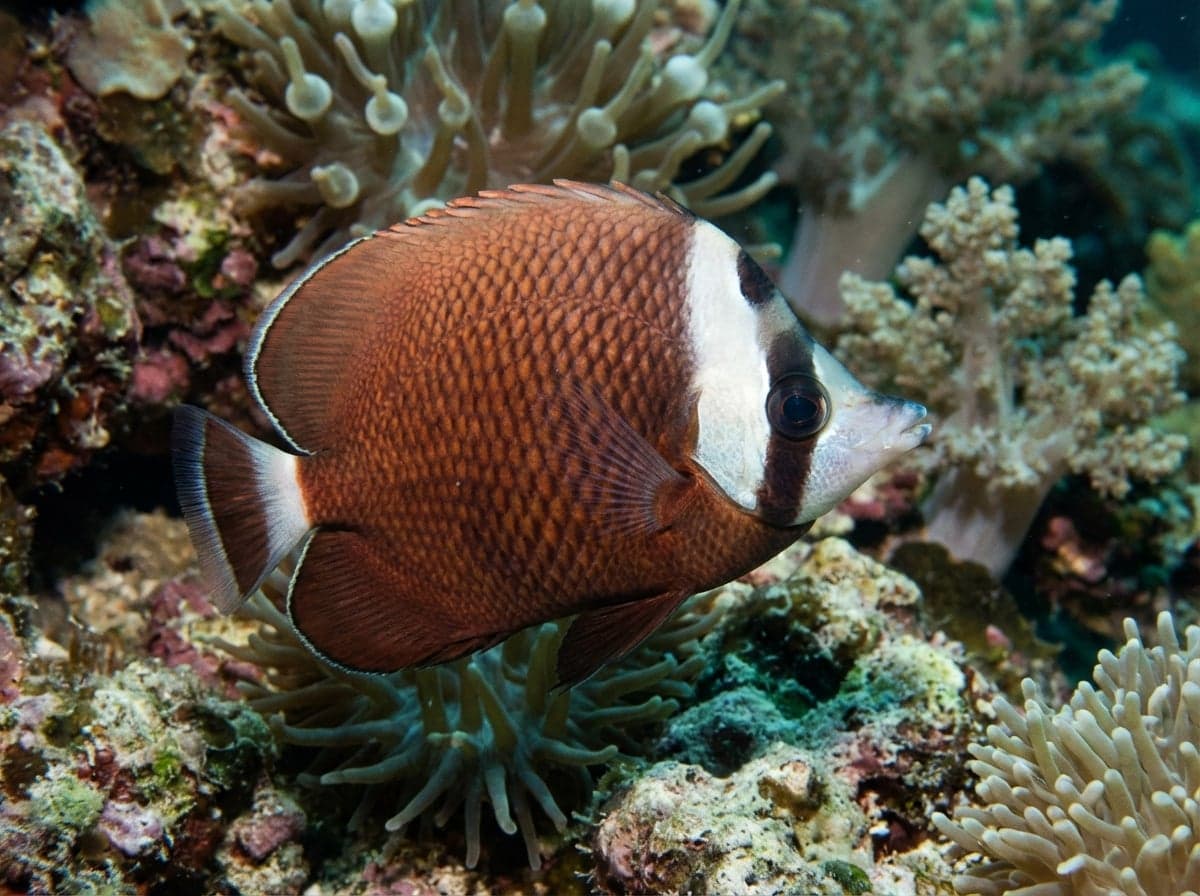
A 16cm Pacific butterflyfish that darkens with age until the body is nearly black. Picks at polyps, so it belongs in a fish-only system.
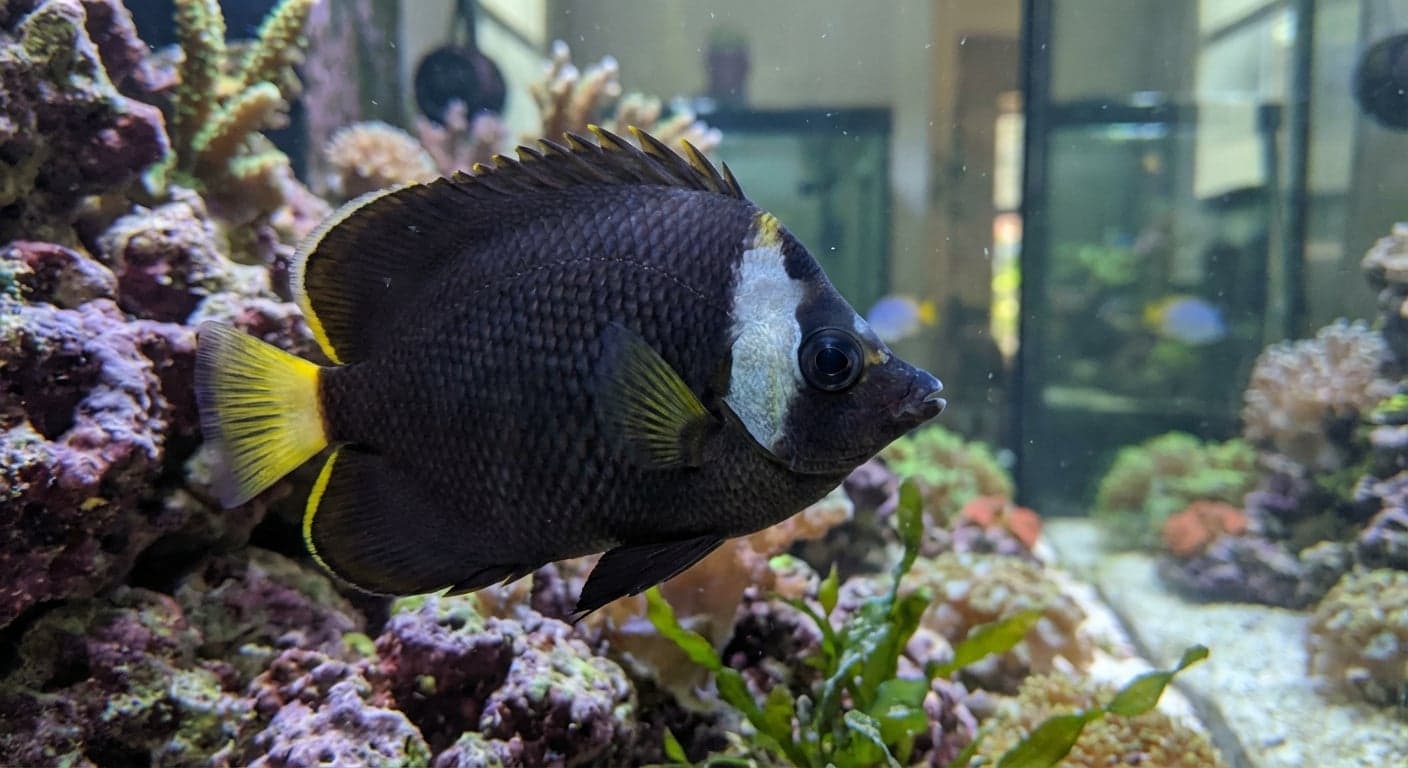
Black Butterflyfish
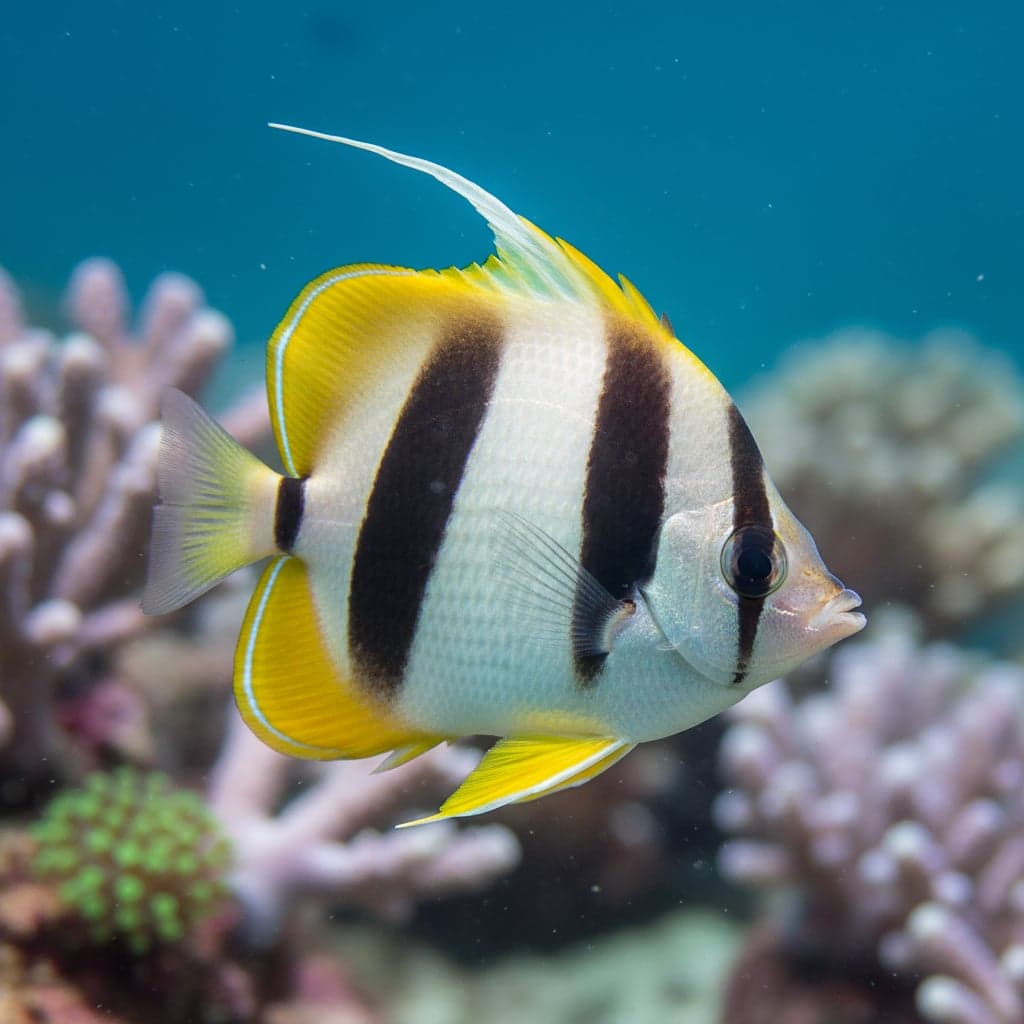
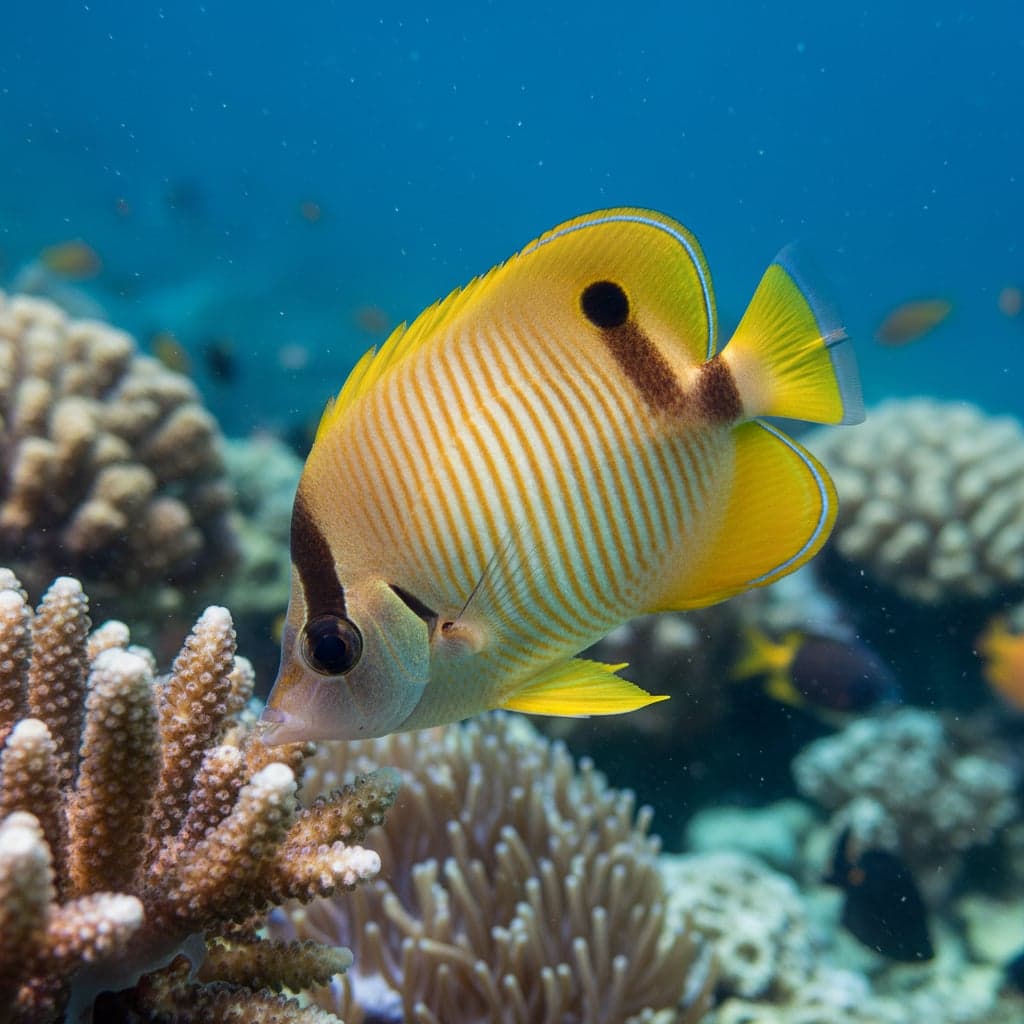
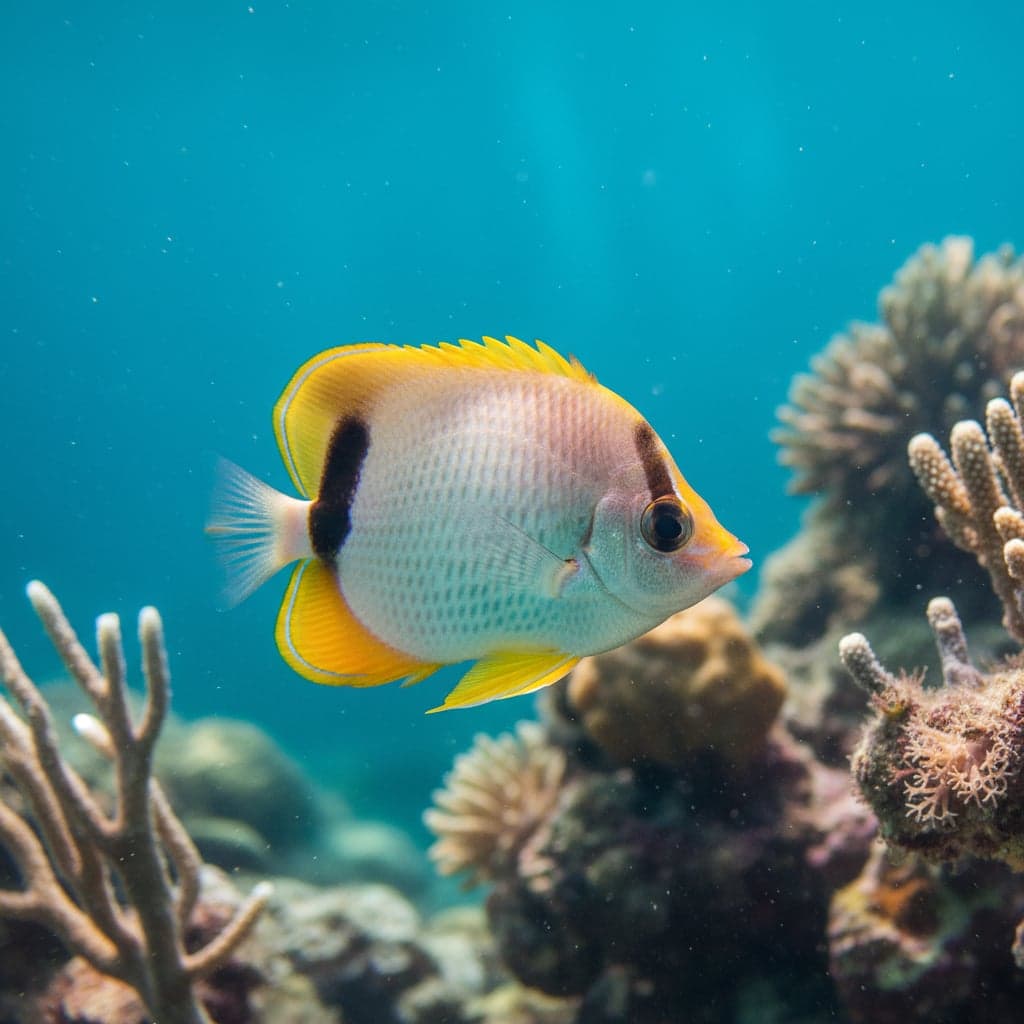
The Black Butterflyfish, a strikingly beautiful species found in the tropical waters of the Indo-Pacific region, has become a popular choice among aquarium enthusiasts due to its unique aesthetics and captivating behavior. With a deep, rich black body adorned with vibrant yellow banding and striking white markings, this fish is an eye-catching addition to both reef and marine tanks. Its graceful swimming patterns and intriguing interaction with its environment make it a sought-after specimen for aquarists striving for a dynamic and visually appealing aquatic display. The Black Butterflyfish not only enhances the beauty of an aquarium but also plays a significant role in the ecosystem by controlling algae growth and contributing to coral health.
Considered a captivating presence in the aquarium hobby, the Black Butterflyfish boasts aesthetic significance that is both functional and ornamental. Its striking color palette allows it to stand out against a backdrop of corals and rocks, while its sociable demeanor provides ongoing entertainment for viewers. Furthermore, this species complements other reef fish by forming mutualistic relationships that enhance the biodiversity of marine setups, making it a valuable addition for enthusiasts aiming to simulate natural habitats within their aquariums.
Natural Habitat & Origin
The Black Butterflyfish is indigenous to the warm coral reefs and lagoons of the Indo-Pacific region, particularly prominent around Indonesia, the Philippines, and the Great Barrier Reef of Australia. This species thrives in areas where rich biodiversity flourishes, often inhabiting the outer edges of coral reefs as well as shallow lagoons with plenty of niches for exploration. Preferring clear, clean waters, the Black Butterflyfish is typically found at depths ranging between 3 to 30 meters. The natural habitat of these fish includes diverse rock formations, corals, and ample hiding spaces, where they can retreat to avoid predators and assure a safe environment while foraging.
Ecologically, the Black Butterflyfish plays a vital role in its habitat, as its feeding behavior helps regulate algal growth and keep the coral reef ecosystem in balance. Given its origin in vibrant, biodiverse ecosystems, this fish requires a carefully curated aquarium setup that mimics its natural environment to ensure its long-term health and wellbeing.
Care Requirements
To successfully care for the Black Butterflyfish, aquarists should aim for specific water parameters that closely resemble its natural habitat. The ideal pH level for the tank should be maintained between 8.1 and 8.4, along with a temperature range of 24°C to 28°C (75°F to 82°F). Additionally, a water hardness level of 8 to 12 dKH is recommended to ensure optimal health. The tank size is paramount for this species; a minimum of 400 litres (105 gallons) is advised for this 16cm Chaetodon flavirostris — FOWLR swimming room, since it picks at polyps.
In terms of tank setup, using a sandy substrate can help replicate the ocean floor aesthetics while allowing for natural burrowing behavior. Adequate rock formations and live corals should be included for hiding spots and grazing opportunities. Ambient lighting that simulates natural sunlight is best to encourage healthy growth of any living corals or algae, creating a thriving environment for the Black Butterflyfish. Proper filtration and regular water changes are also essential to maintain water quality and clarity, ideal for their health.
Diet & Feeding
The Black Butterflyfish is primarily considered an omnivore, with a diet that consists of a variety of foods to ensure balanced nutrition. In the wild, it feeds on coral polyps, small invertebrates, and algae. Therefore, in captivity, it’s crucial to provide a mixed diet that includes high-quality marine flakes, pellets, and frozen foods. Options such as mysis shrimp, brine shrimp, and other small crustaceans should be offered to make up a significant part of their diet. Live foods can also be used occasionally to encourage natural hunting behavior while enhancing their dietary variety.
To promote optimal health, aquarists should feed the Black Butterflyfish several small meals throughout the day rather than one large feeding. This keeps their energy levels high and helps to prevent aggressive behavior that may arise from competition for food. Ensuring that the diet is supplemented with fresh algae or herbivore preparations can further support their nutritional needs and contribute to their overall vibrancy.
Behavior & Temperament
The Black Butterflyfish exhibits peaceful and curious behavior, making it a relatively amiable addition to community tanks. However, while these fish are not overly aggressive, they can show territorial tendencies, particularly as they assert their dominance in smaller spaces. In larger aquariums, it is advisable to keep them in pairs or small groups to allow them to exhibit more natural social behaviors. They prefer to swim around the mid to upper levels of the tank, actively exploring and grazing on corals and live rock surfaces.
Schooling is not a primary behavior for the Black Butterflyfish, but they thrive in environments where they can interact with similarly sized and temperamented fish. Maintaining a harmonious community requires careful consideration of their tank mates and the overall dynamics of the aquarium environment.
Tank Mates
When selecting tank mates for the Black Butterflyfish, it’s essential to choose species that match their peaceful temperament and size. Compatible fish include small to medium-sized reef-safe species such as clowns, gobies, and damselfish. Other suitable tank mates can include squirrelfish, wrasses, and smaller species of angelfish that do not pose a threat to their coral eating habits.
Species to avoid include larger or aggressive fish such as triggerfish, lionfish, and certain groupers, as they may pose a predatory threat. Additionally, it is best to keep other butterflyfish species to a minimum to prevent territorial disputes. In well-planned setups with ample space and hiding spots, the Black Butterflyfish can flourish with appropriate companions.
Breeding
Breeding the Black Butterflyfish in captivity can be quite challenging, primarily due to their specific reproductive requirements. In their natural habitat, these fish exhibit a unique spawning behavior where they engage in elaborate courtship rituals before releasing eggs and sperm into the water column. Typically, the male will display vibrant colors and perform intricate swimming patterns to attract the female.
For successful breeding in captivity, aquarists must replicate optimal conditions, including stable water parameters with minimal disturbances. Spawning often takes place early in the morning, so providing a well-established environment with plenty of natural structures (like live rock) is essential. Additionally, the presence of a breeding pair and a diet enriched with high-quality foods can stimulate reproductive behavior. However, due to their brood size being relatively small, and the care required for fry, breeding these fish poses significant challenges that often lead many aquarists to admire them in a non-breeding context.
Common Health Issues
While the Black Butterflyfish is generally robust, it can be prone to various health issues that often affect marine fish. Common diseases include marine ich (Cryptocaryon irritans), velvet disease (Oodinium), and bacterial infections. Prevention strategies include maintaining optimal water quality through regular changes and effective filtration, as well as ensuring a varied and nutritious diet to bolster immune function.
Stress can also lead to susceptibility to disease, so aquarists should ensure adequate space, hiding spots, and a low-stress environment free from aggressive tank mates. Quarantine procedures are essential for new fish introduced into the aquarium, minimizing the risk of introducing pathogens. Regular observation for any signs of illness, such as changes in behavior or appetite, will allow for timely intervention to address health issues efficiently. Keep salinity and temperature rock-steady, and never introduce unquarantined livestock to a reef or fish-only display. Offer sponge, frozen mysis, and nori-based foods to support nutrition and immunity in these often delicate feeders. Watch for white spots, rapid breathing, clamped fins, or sudden appetite loss, and move afflicted fish to a hospital system for marine-safe treatment. With pristine water and peaceful tank mates, Black Butterflyfish remain elegant, active reef grazers for years.