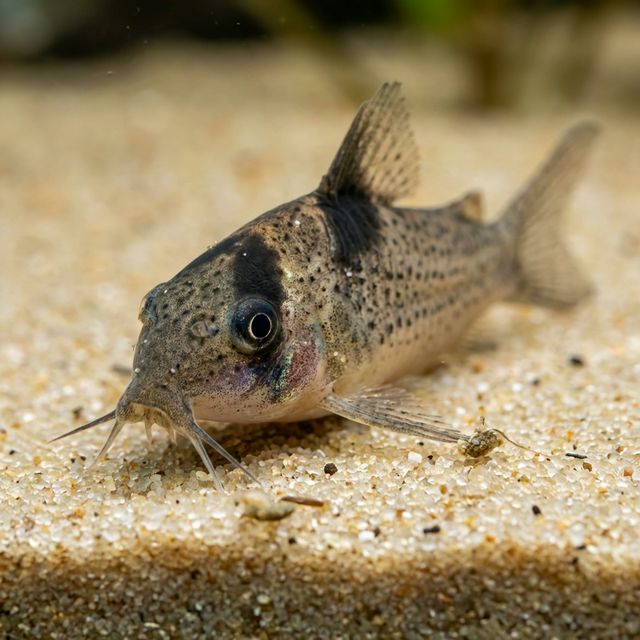
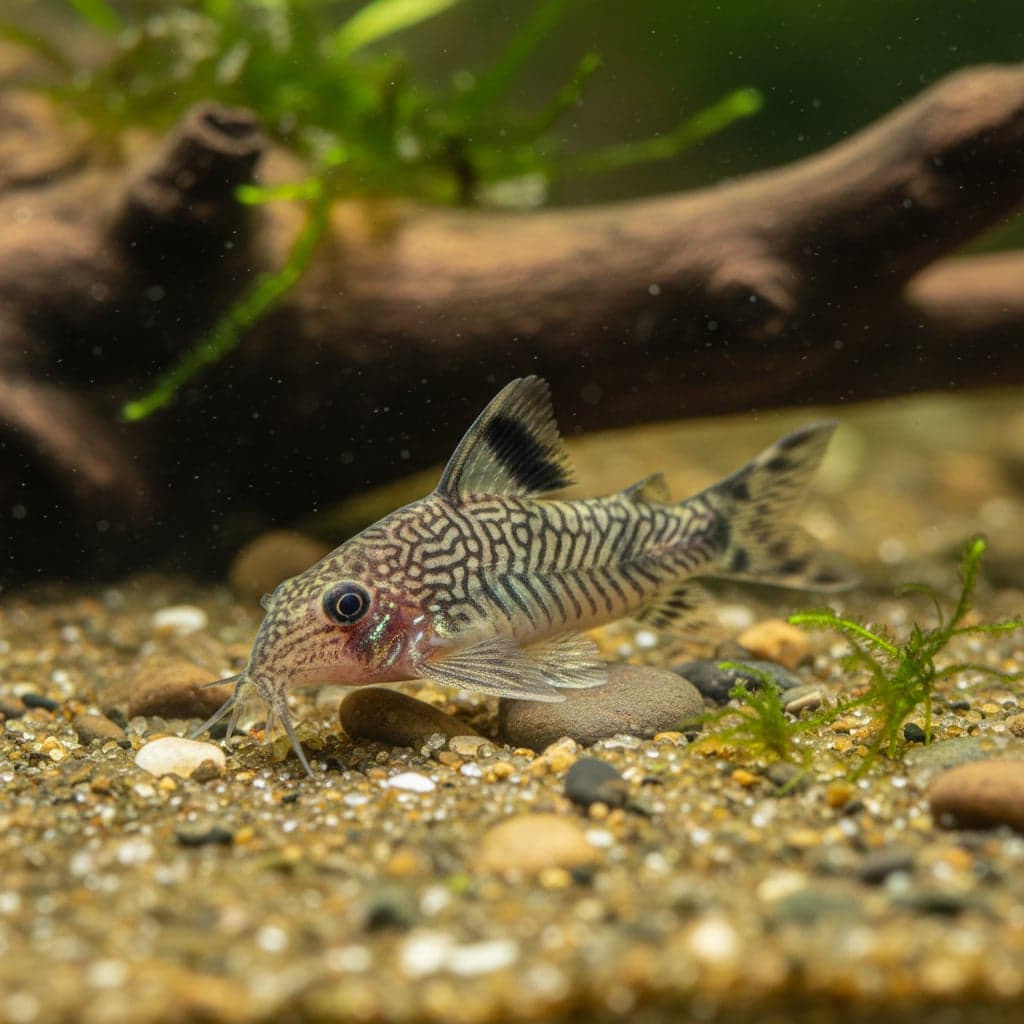
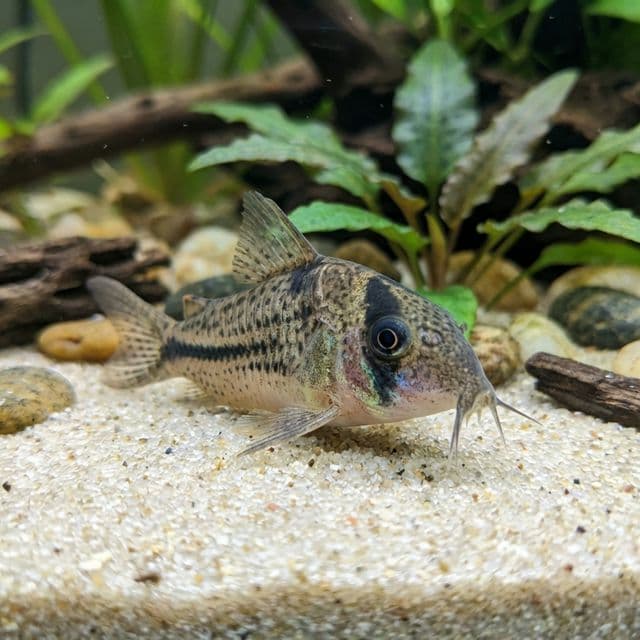
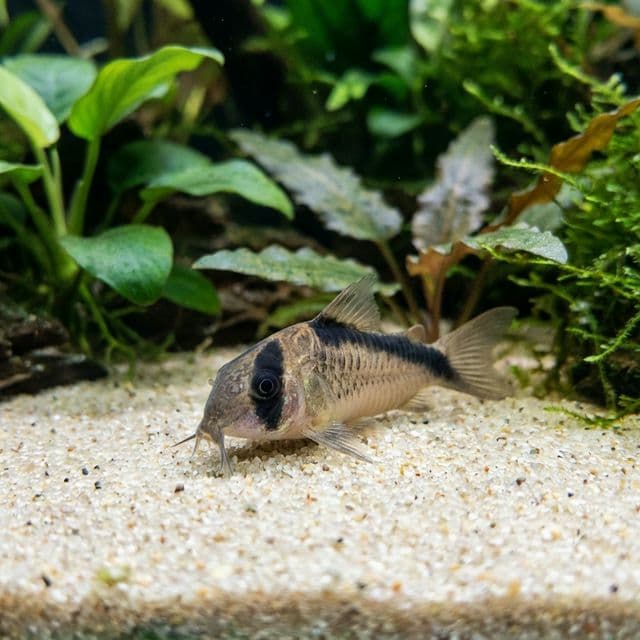
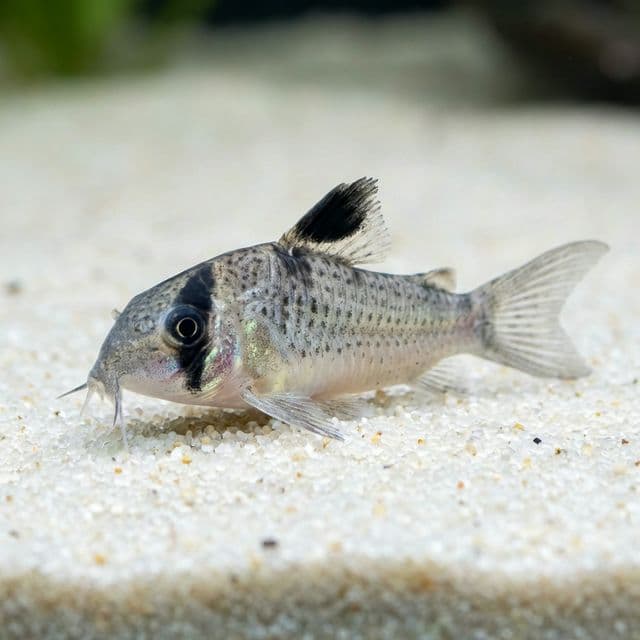
Black-saddled Cory: Hoplisoma sp. CW051
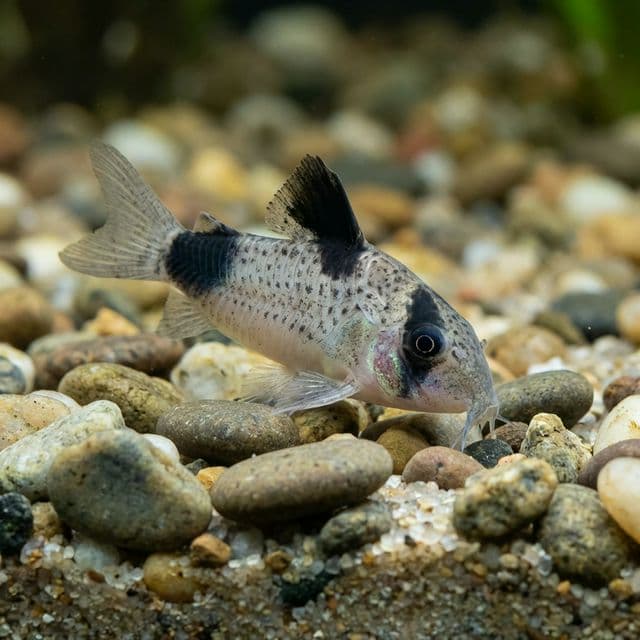
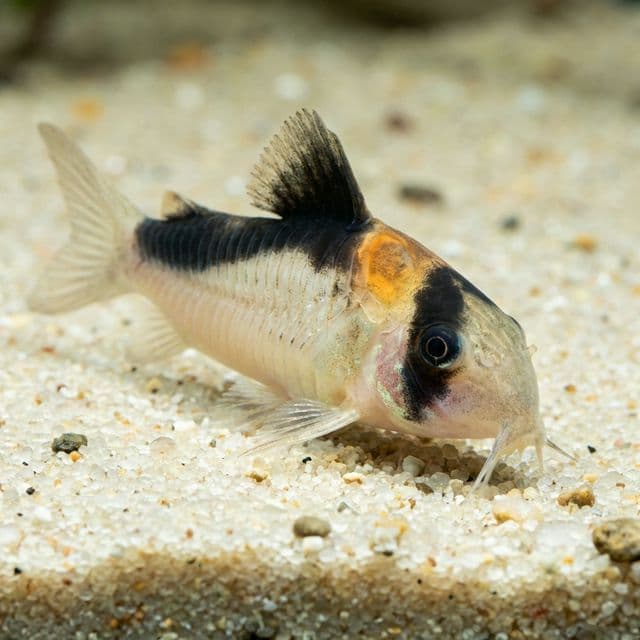
A beautiful, rare corydoras with a massive black saddle patch. Also known as the New Panda Cory.

Hoplisoma sp. CW051
Hoplisoma sp. CW051, commonly known as the Black-saddled Cory, is a captivating freshwater fish that has garnered attention from aquarium enthusiasts due to its unique coloration and active behavior. This species features a striking pattern of dark saddles set against a lighter body, often creating a visually appealing contrast that enhances any aquascape. The Black-saddled Cory serves not only as an ornamental addition to home aquariums but also plays a functional role by aiding in algae control and substrate cleaning. Its curious disposition and playful antics make it a delightful species to observe, making it an increasingly popular choice amongst both novice and experienced aquarists.
The significance of Hoplisoma sp. CW051 in the aquarium hobby extends beyond its aesthetic appeal. As a member of the broader Corydoras family, it represents the biodiversity found in South America’s river systems. This species can attract attention for conservation efforts as well, as awareness grows regarding the environmental challenges facing its natural habitats. Furthermore, the Black-saddled Cory serves as an excellent ambassador for educating aquarists about species care, aquatic ecosystems, and sustainable fishkeeping practices, reinforcing the importance of responsible aquarium management.
Natural Habitat & Origin
Hoplisoma sp. CW051 is indigenous to the Amazon River basin, primarily in Brazil. This species is typically found in slow-moving waters characterized by a blackwater environment, resulting from the decomposition of organic matter such as leaves and wood. The tannins released into the water impart a dark color while simultaneously lowering pH levels and creating a unique ecosystem filled with diverse flora and fauna. These blackwater conditions contribute to the overall well-being of Hoplisoma sp. CW051, influencing their behavior and development.
The natural habitat of the Black-saddled Cory usually consists of shallow, densely planted areas, where they can find ample hiding spots and foraging opportunities. In this lush, submerged world, their diet primarily includes small invertebrates, detritus, and organic matter found within the substrate. Replicating these environmental conditions within an aquarium is crucial for the health and vitality of Hoplisoma sp. CW051, making an understanding of their native habitat paramount for any aquarist.
Care Requirements
When caring for Hoplisoma sp. CW051, maintaining appropriate water parameters is essential for their health. The ideal pH range for this species is between 5.5 and 7.0, with a temperature preference of 24°C to 28°C (75°F to 82°F). Water hardness should be kept within the range of 2 to 10 dGH to mimic their natural habitat. A well-maintained aquarium is crucial; regular water changes and filtration will help keep water quality optimal.
In terms of tank setup, a minimum size of 80 liters (approximately 21 gallons) is recommended to provide ample swimming space and habitat complexity. A fine, soft substrate is ideal for permitting burrowing behaviors, while live plants such as Java fern, Anubias, and floating varieties can offer cover and contribute to water quality. The lighting should be moderated to recreate the dimly lit conditions found in their natural blackwater environments, creating a serene atmosphere that encourages active behaviors.
Diet & Feeding
Hoplisoma sp. CW051 is classified as an omnivorous species, requiring a balanced diet for optimal health and growth. In the wild, these fish consume a variety of food sources, including detritus, small invertebrates, and plant matter. For aquarium maintenance, quality-flake foods, sinking pellets, and high-quality frozen or live foods such as bloodworms, brine shrimp, and daphnia can provide the necessary nutrition for the Black-saddled Cory.
Aquarists are encouraged to implement a varied feeding strategy to ensure these fish receive a well-rounded diet. Offering multiple small meals throughout the day will help mimic their natural foraging habits while preventing overfeeding. Providing a range of food types will not only enhance their color but also improve their overall health and immune system resilience.
Behavior & Temperament
The behavior of Hoplisoma sp. CW051 is typically characterized by peaceful and social tendencies. These fish are best kept in groups of at least six individuals to promote a healthy environment conducive to schooling behaviors. The Black-saddled Cory exhibits a playful disposition and often engages in social interactions, displaying curious nature as they explore their surroundings.
In terms of aggression, this species is non-aggressive and can coexist harmoniously with similar temperamental species. In an aquarium setting, they prefer to inhabit the lower and middle strata of the tank, often foraging and rummaging through the substrate for food. Their sociable nature and low-stress levels make them suitable for community tanks, blending well with other peaceful species.
Tank Mates
When selecting tank mates for Hoplisoma sp. CW051, it is essential to choose compatible species to create a harmonious ecosystem. Coexisting peacefully with other calm fish species, ideal tank mates include Tetras, Guppies, Dwarf Cichlids, and various species of Rasboras. Smaller catfish and livebearers can also complement their social behaviors without causing conflict.
Conversely, it is advisable to avoid keeping Black-saddled Corys with aggressive or overly boisterous fish, such as Cichlids, large Barbs, and fast-moving species that could stress or outcompete them for food. Careful consideration in tank mate selection will result in a vivacious and thriving community aquarium, benefiting all inhabitants.
Breeding
Breeding Hoplisoma sp. CW051 in captivity can be a rewarding endeavor for dedicated aquarists. To create successful spawning conditions, it is advisable to provide a separate breeding tank with optimized water parameters—lowered pH levels around 5.5 to 6.5 and slightly softer water. The tank should include fine-leaf plants or spawning mops to facilitate egg-laying. Generally, females will lay eggs in small clusters, which the males subsequently fertilize.
After spawning, it is essential to remove the adults to prevent them from consuming the eggs. The eggs will usually hatch within 3 to 5 days, given optimal conditions. The fry will require finely crushed food or specialized fry food until they are large enough to consume regular foods. Understanding the breeding behavior of the Black-saddled Cory is vital for those aiming to propagate this unique species successfully.
Common Health Issues
Despite being a hardy species, Hoplisoma sp. CW051, like many freshwater fish, may be prone to certain health issues. Common ailments include ich, fin rot, and bacterial infections. Maintaining excellent water quality through regular maintenance and monitoring can significantly reduce the risk of these diseases.
Preventative measures may include quarantining new arrivals, ensuring proper acclimatization, and providing a stress-free environment through optimal tank conditions. Regular routines of water testing, coupled with a balanced diet, are paramount in fortifying the immune systems of Black-saddled Corys, minimizing their susceptibility to health problems in the aquarium setting.