Black Tang
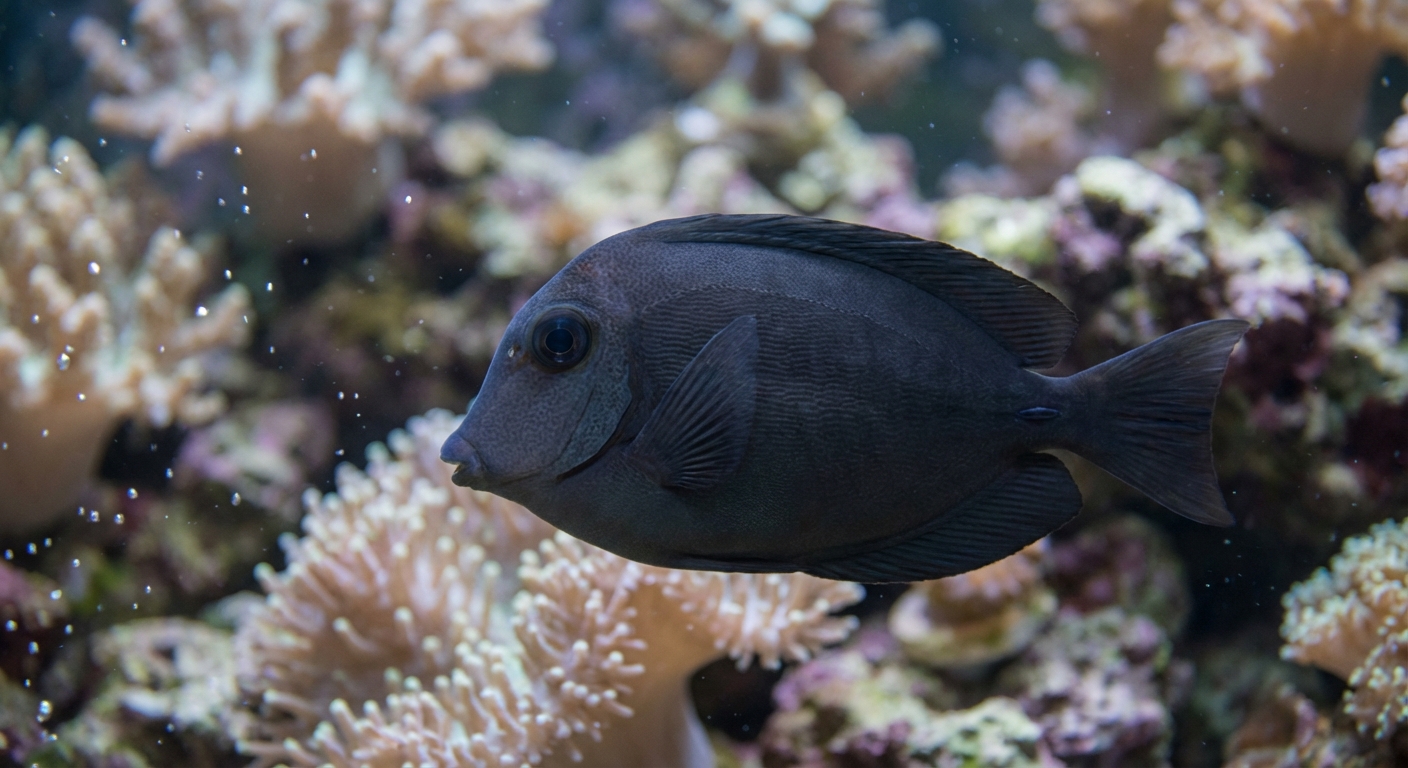
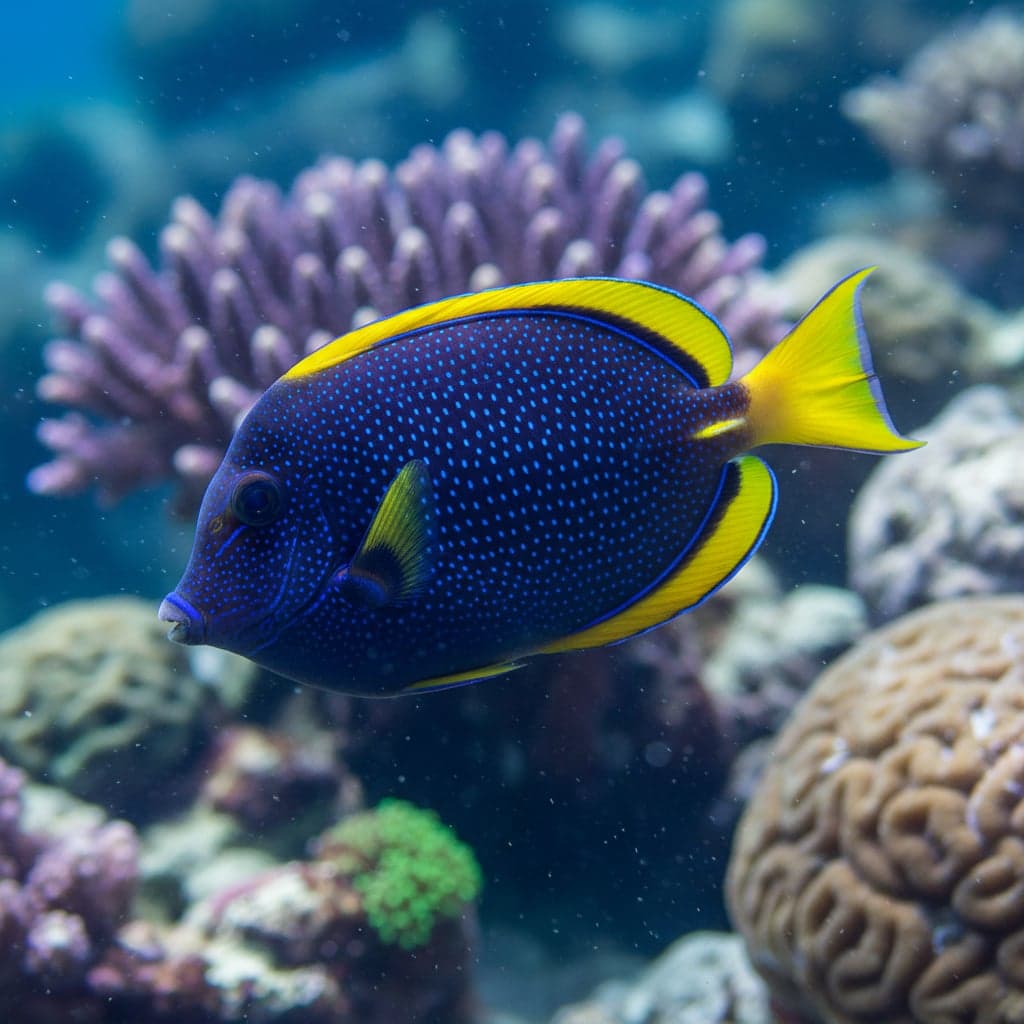
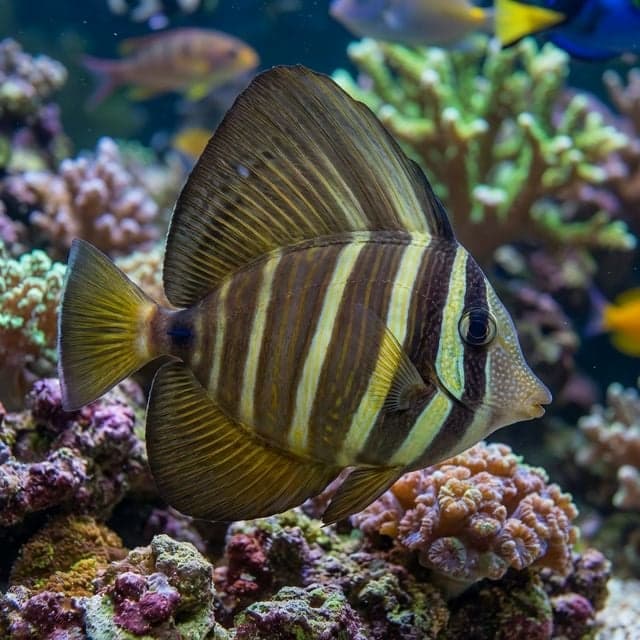
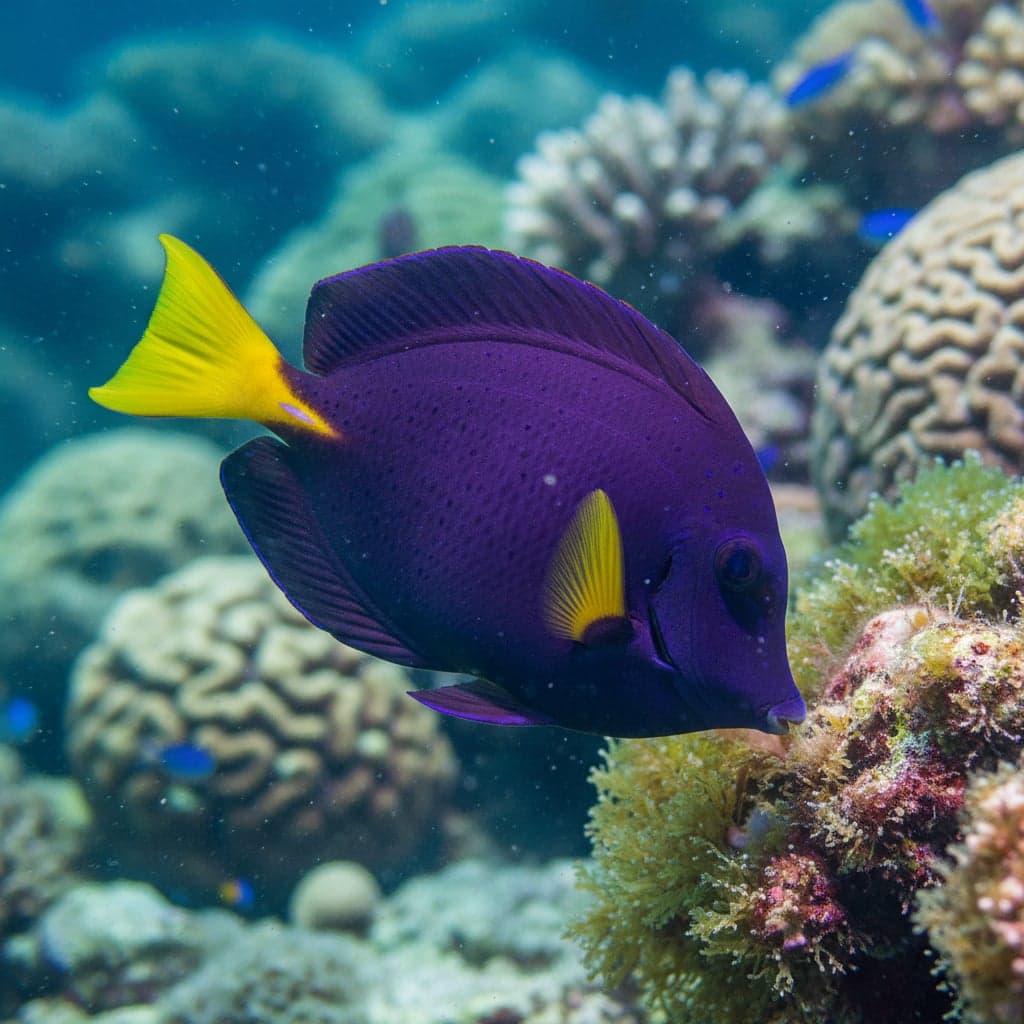
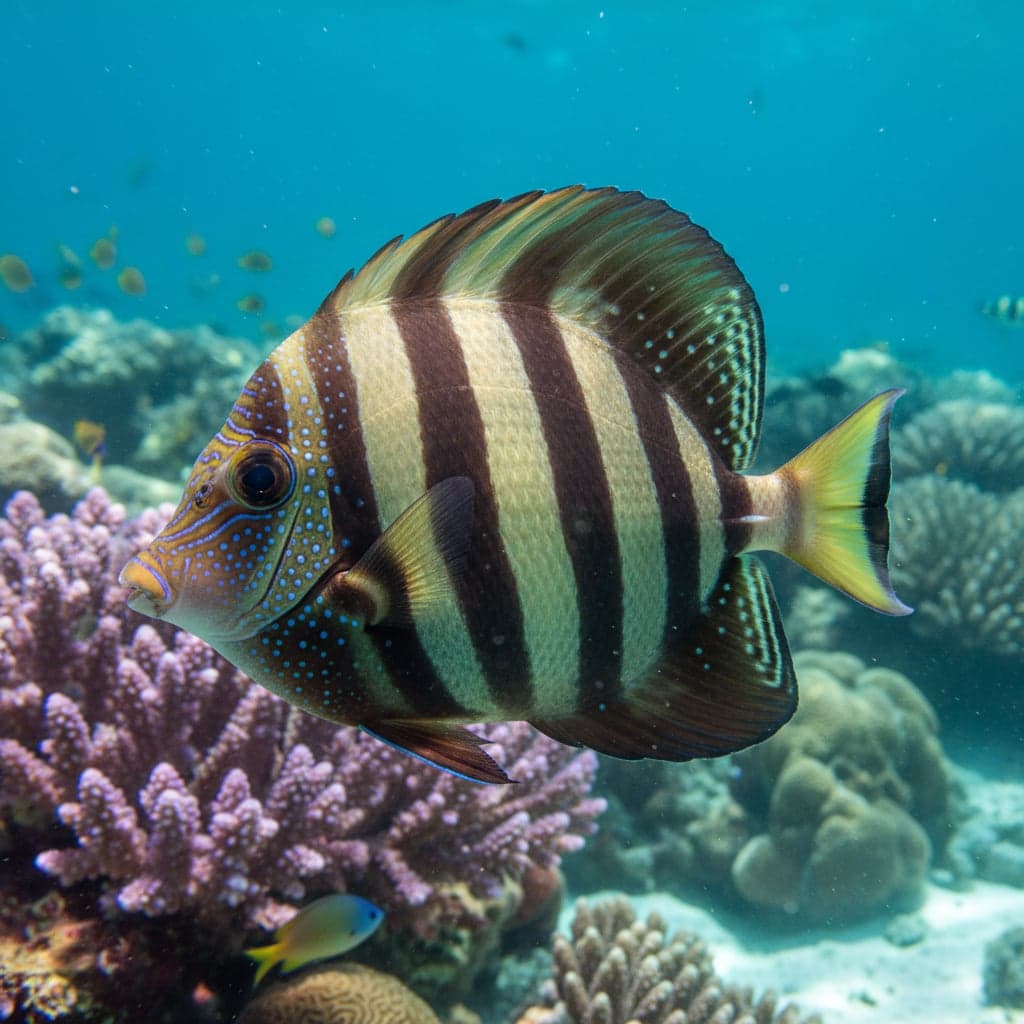
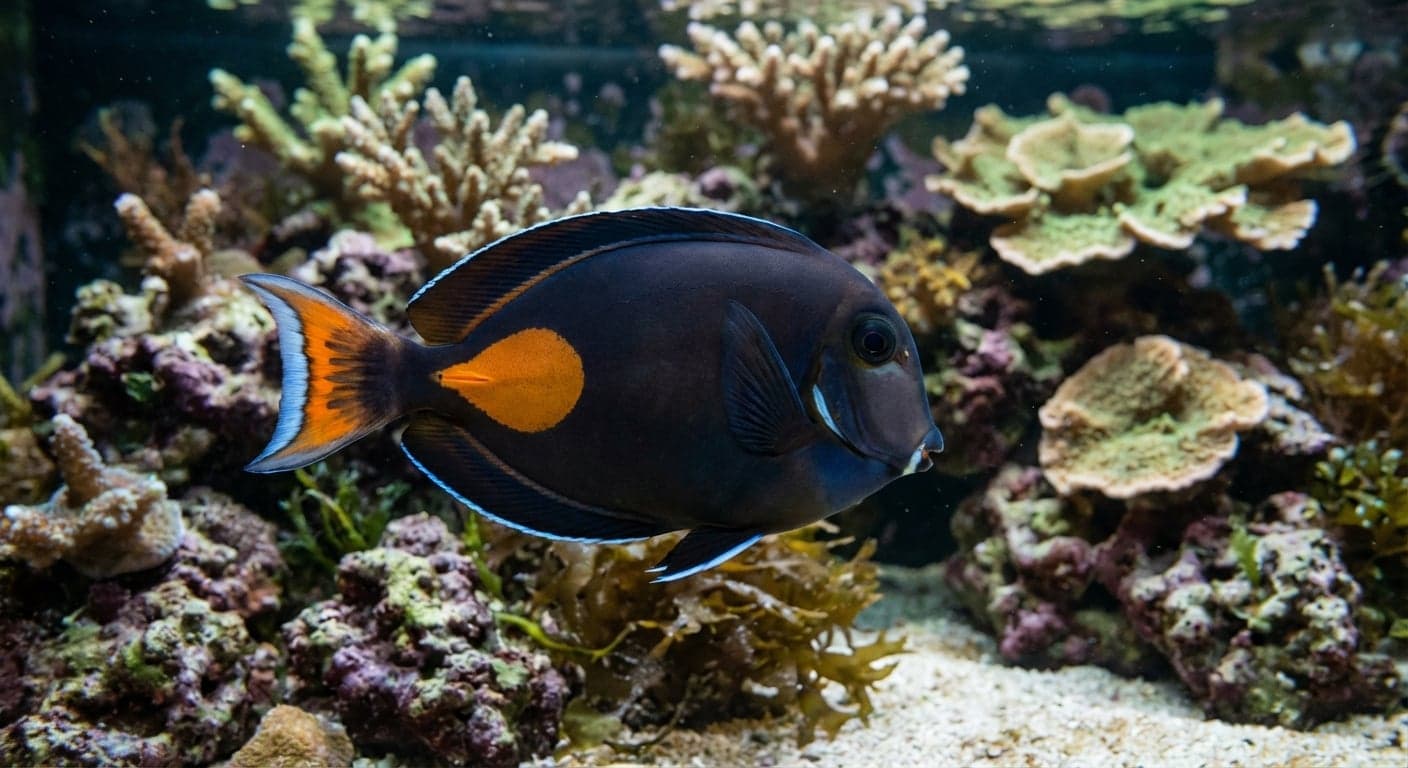
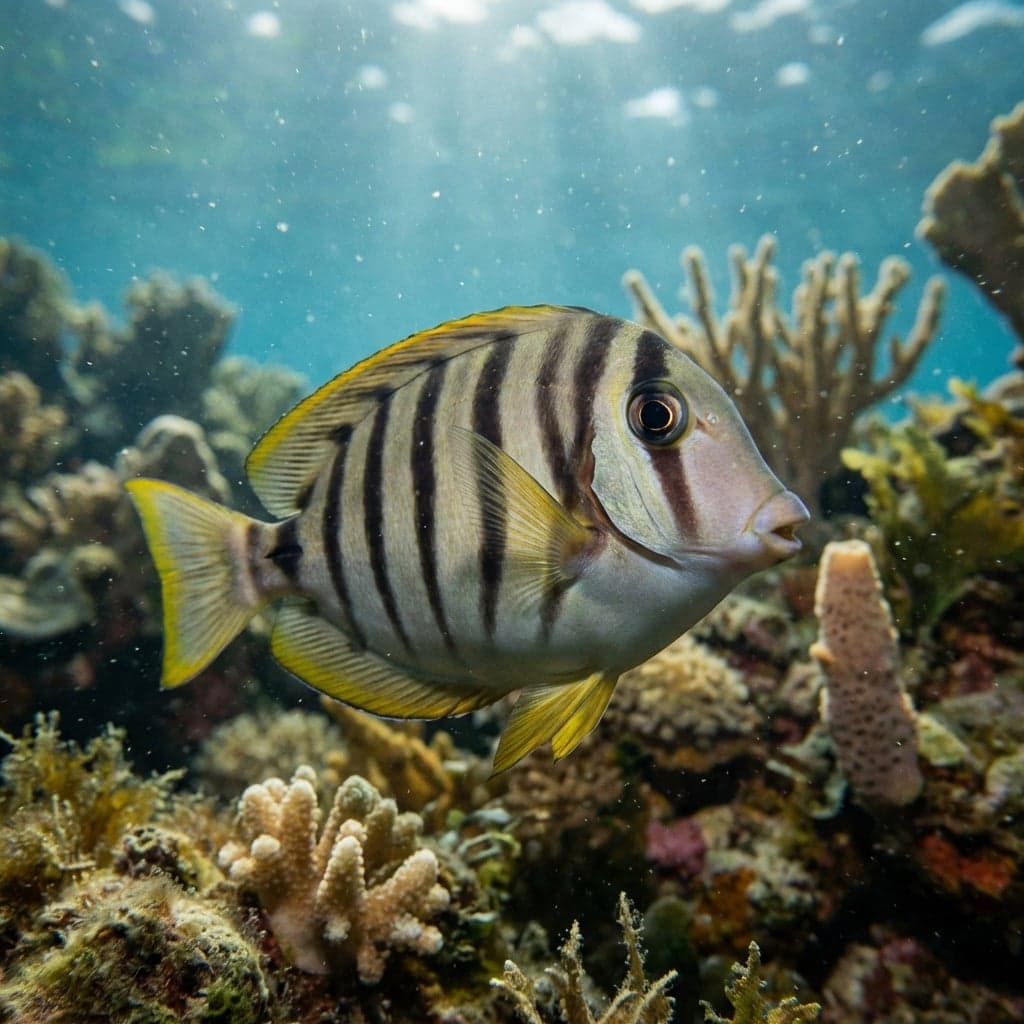
The Black Tang (Zebrasoma rostratum) is a stunning saltwater fish known for its unique appearance and behavior.

Black Tang
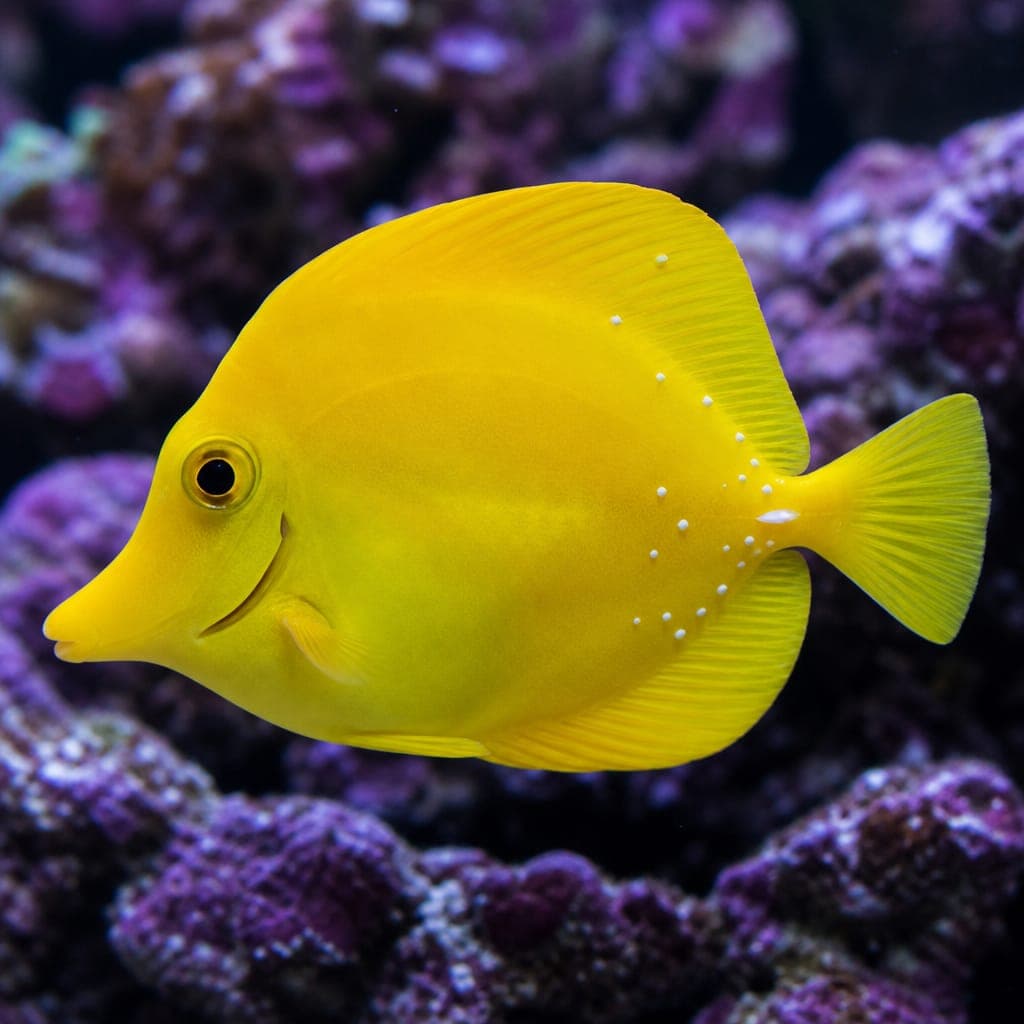
The Black Tang (Zebrasoma flavescens) is an exquisite species of marine fish that has garnered popularity among aquarists due to its striking appearance and vibrant personality. This fish is renowned for its deep, jet-black body, accented by a distinctive, bright yellow tail that gives it a unique visual aesthetic in any aquarium setting. The Black Tang, sometimes referred to as the "Black Surgeonfish," is not just a feast for the eyes; it plays a significant role in coral reef ecosystems, contributing to the health of marine environments by grazing on algae.
In the aquarium hobby, the Black Tang holds a special significance as a showcase species that often symbolizes the allure of marine biodiversity. Its presence elevates the aesthetic quality of aquascapes and captivates viewers with its sleek and dynamic swimming style. However, the allure of the Black Tang extends beyond its beauty; it also serves as a reminder of the complex interplay between marine species and their environments, emphasizing the importance of conservation and responsible aquaculture practices.
Natural Habitat & Origin
The Black Tang is indigenous to the warm, tropical waters of the Pacific Ocean, particularly found around the islands of Hawaii and the Marquesas. These fish thrive in shallow coral reefs, where they inhabit both the outer reef slopes and the lagoon areas. The natural habitat is characterized by clear, warm waters, typically ranging from 74°F to 82°F (23°C to 28°C), which are rich in plankton and algae, providing an optimal feeding ground. The Black Tang is particularly adept at navigating the complex landscapes of coral formations, utilizing its sharp spines for defense against predators.
These fish are predominantly found in clearwater environments, as their physiological adaptations enable them to thrive in well-oxygenated waters teeming with life. The structures of coral reefs provide essential shelter and breeding grounds for diverse marine organisms, making it crucial for the Black Tang's survival. Understanding their natural habitat is imperative for aquarists seeking to replicate these conditions in a home aquarium, ensuring the health and longevity of this mesmerizing species.
Care Requirements
Caring for Black Tangs requires attention to specific water parameters to ensure their health and well-being. The ideal pH level for a Black Tang is between 8.0 and 8.4, with a temperature range of 74°F to 82°F (23°C to 28°C) and a water hardness of 8 to 12 dGH. To create an optimal environment, a minimum tank size of 100 gallons is recommended, as these fish can be territorial and benefit from ample swimming space. A sandy substrate mimicking the ocean floor, combined with live rock for grazing and shelter, enhances the habitat.
Lighting should provide a gentle intensity to mimic natural sunlight, which helps promote the growth of any live algae that the Black Tang may graze on. Additionally, incorporating aquatic plants and corals into the tank not only enriches the visual appeal but also provides hiding spots and territories that can help reduce aggression among tank mates. Regular water changes and maintenance of filtration systems are vital to maintain water quality, thereby fostering a healthy environment for the Black Tang.
Diet & Feeding
The Black Tang is primarily an herbivore, feeding on marine algae in its natural habitat. In captivity, it is essential to replicate this diet to ensure optimal health. Aquarists should provide a varied diet consisting of high-quality algae-based flakes, pellets, and frozen foods that are rich in spirulina and other essential nutrients. Incorporating live macroalgae, such as nori (seaweed), is encouraged as it closely resembles their natural feeding habits.
Offering a variety of food types helps maintain their health and alleviates boredom, ensuring that the Black Tang remains active and engaged. Twice a day feeding is recommended, adjusting portions to prevent overfeeding. Healthy dietary practices contribute to the fish’s vibrant colors, activity levels, and overall longevity in the aquarium setting.
Behavior & Temperament
The Black Tang is known for its lively and active demeanor, often seen swimming in a graceful, agile manner. While these fish are generally peaceful, they can exhibit territorial behavior, especially when establishing their space within the tank. They are best kept in larger aquaria where they have sufficient room to swim and establish territories without excessive aggression towards their tank mates.
Socially, Black Tangs can be kept in groups, though this should be done with caution, as introducing multiple individuals into a smaller tank can lead to disputes over territory. They typically occupy the mid to upper regions of the aquarium, where they feel empowered to swim freely. Proper tank dynamics should be monitored, and introducing them alongside other tangs should be approached carefully to mitigate potential conflicts.
Tank Mates
When selecting tank mates for the Black Tang, opt for species that are similarly sized and peaceful. Compatible species include:
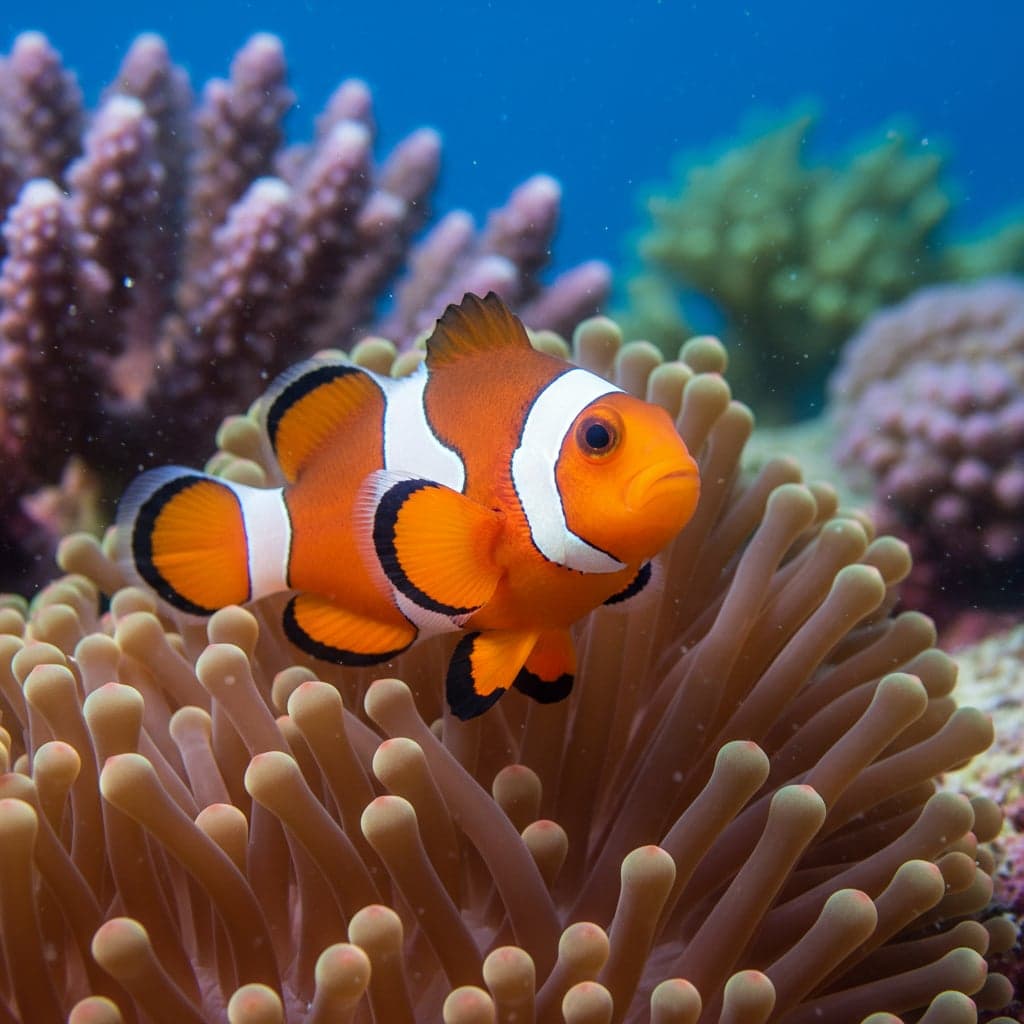
- Clownfish
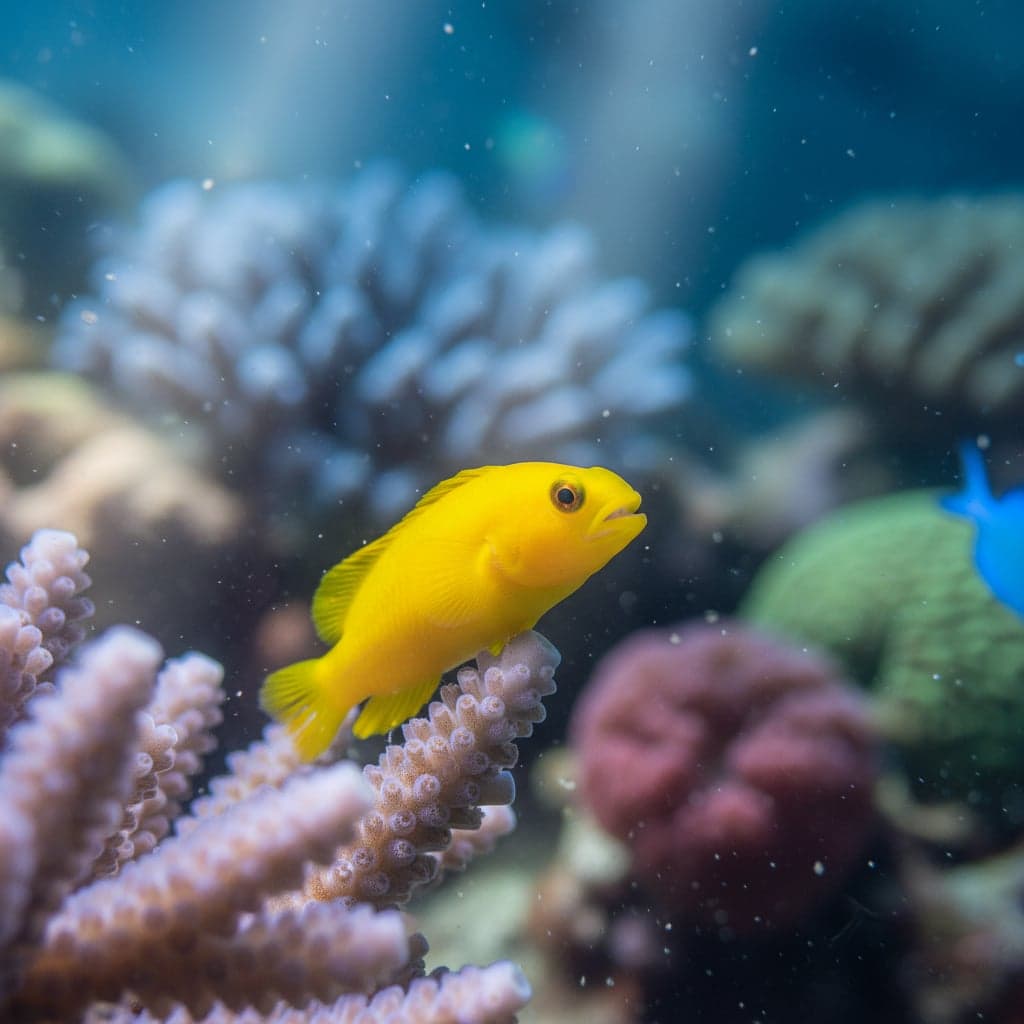
- Gobies
- Triggerfish
- Parrotfish
- Various species of wrasses
It is essential to avoid aggressive species and those that may compete for the same resources. Fish such as angelfish, other surgeonfish, and overly territorial species are generally to be avoided, as they can cause stress and aggression within the tank environment.
Breeding
Breeding Black Tangs in captivity has proven to be challenging due to their specific spawning requirements. They practice a form of external fertilization, with males and females forming mating pairs during spawning events, which typically occur with the full moon. To initiate breeding in captivity, it is vital to maintain optimal water quality and stable environmental conditions that mimic their natural habitat.
Creating a breeding environment should include open areas with ample swimming space, as well as hiding spots that promote nesting behaviors. Although successful breeding in aquariums is rare, providing a varied and nutritious diet can encourage pairs to display courtship behaviors. Observing them during specific lunar phases can also increase the chances of witnessing spawning.
Common Health Issues
Although the Black Tang is relatively hardy, it is prone to certain health issues, such as ich (Ichthyophthirius multifiliis), marine velvet, and fin rot. The stress of a poor environment, sudden changes in water quality, or inadequate diet can exacerbate these issues. Preventative measures include maintaining proper water parameters, quarantining new additions, and regular monitoring for signs of disease.
It is crucial to ensure a balanced and nutritious diet to bolster immune health and reduce the likelihood of illness. In the case of infection, seeking immediate veterinary advice and employing appropriate treatments can help manage and resolve health concerns swiftly, allowing for a thriving aquarium environment for the Black Tang.