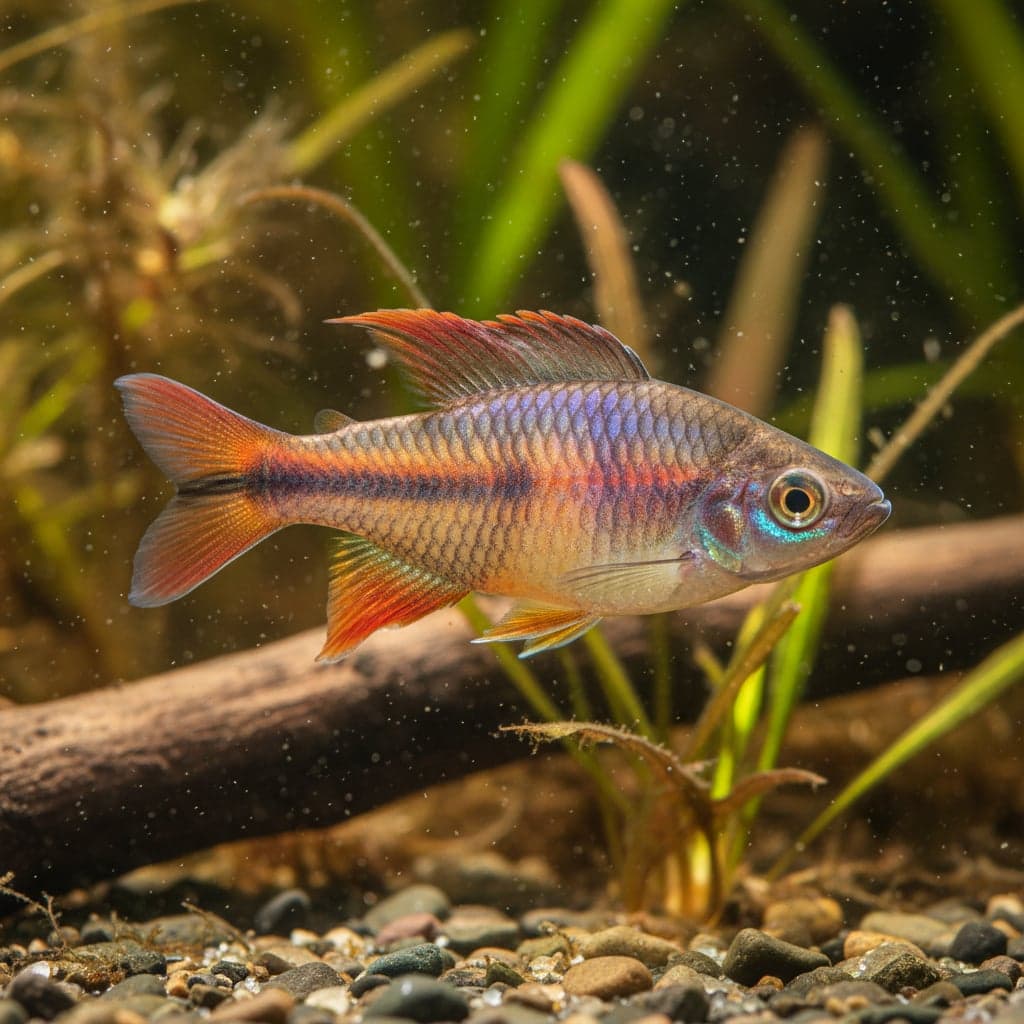
Bleher's Rainbowfish: Chilatherina bleheri
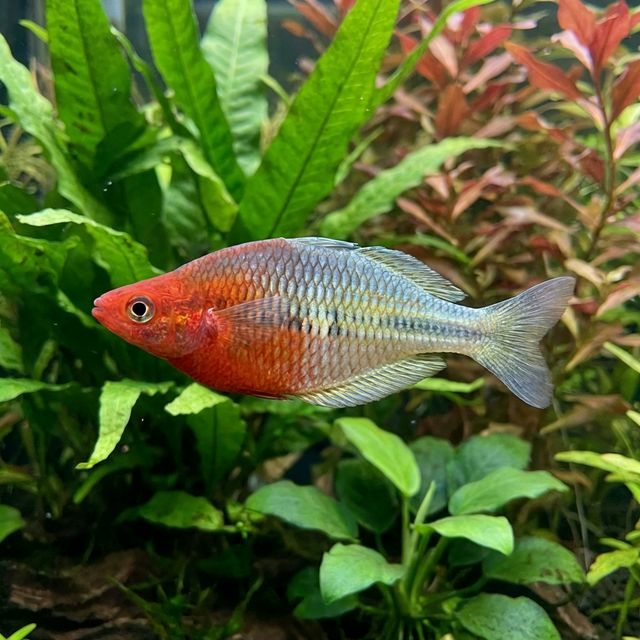
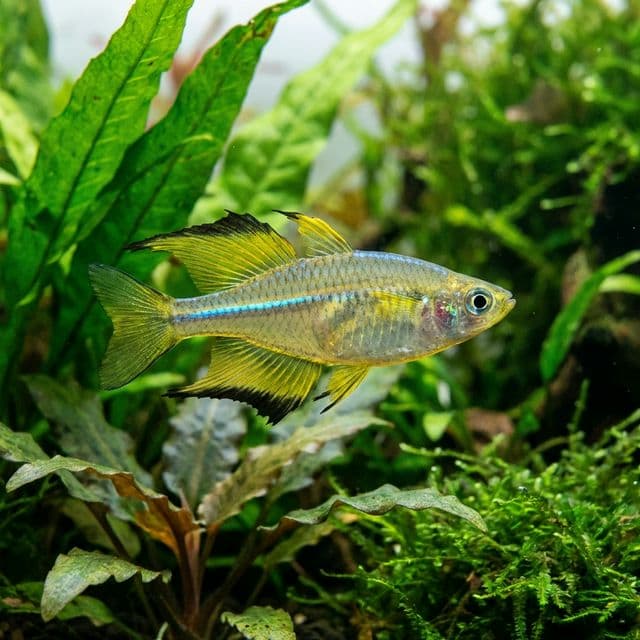
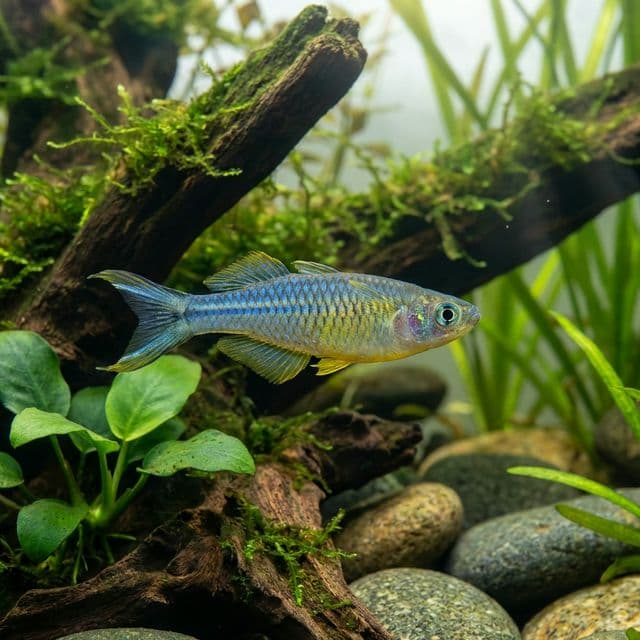
A stunning rainbowfish with a bi-color body: green front and orange/red rear. Named after Heiko Bleher.
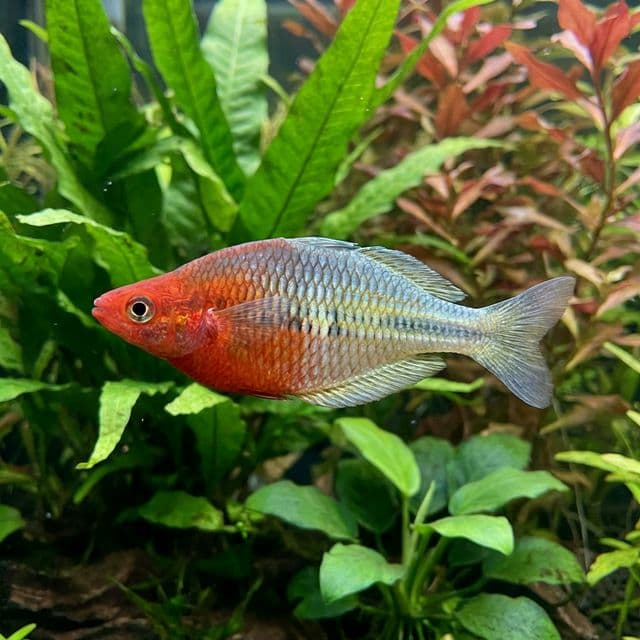
Bleher's Rainbowfish
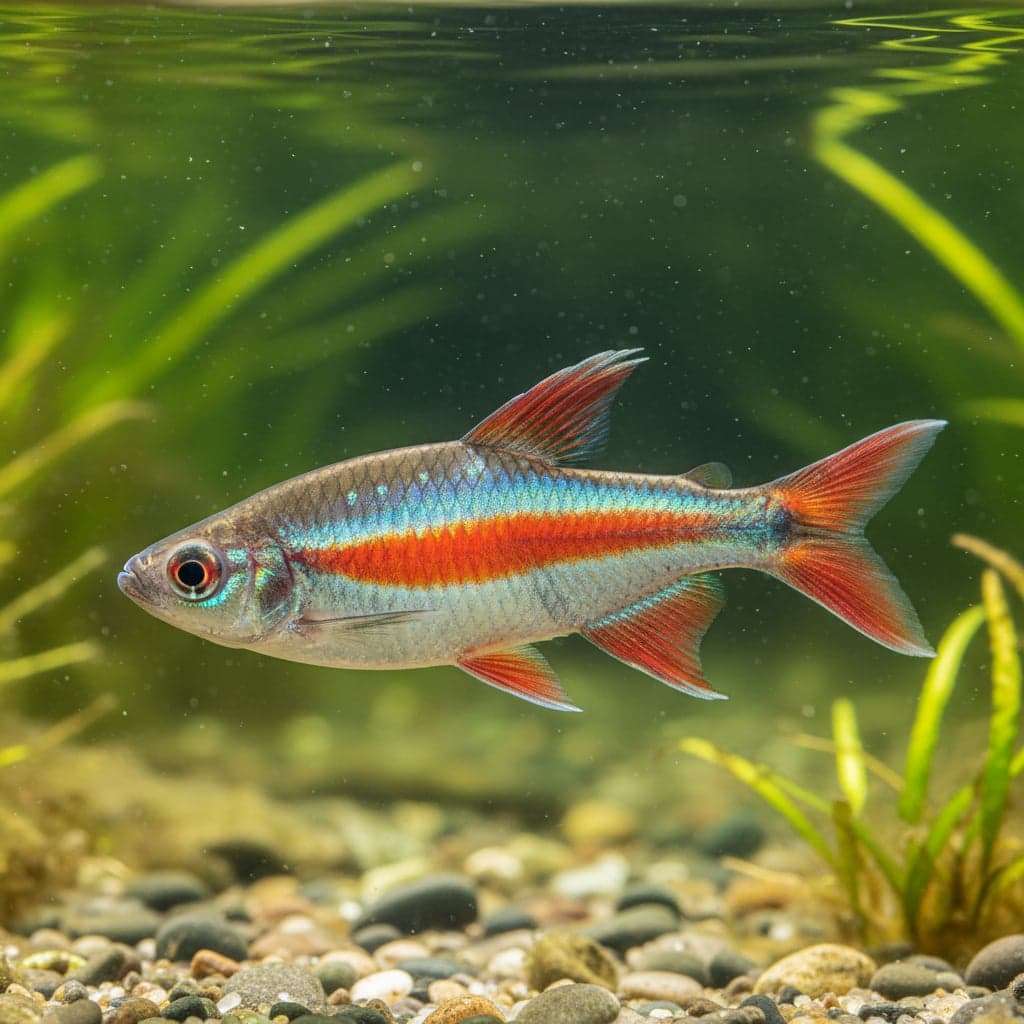
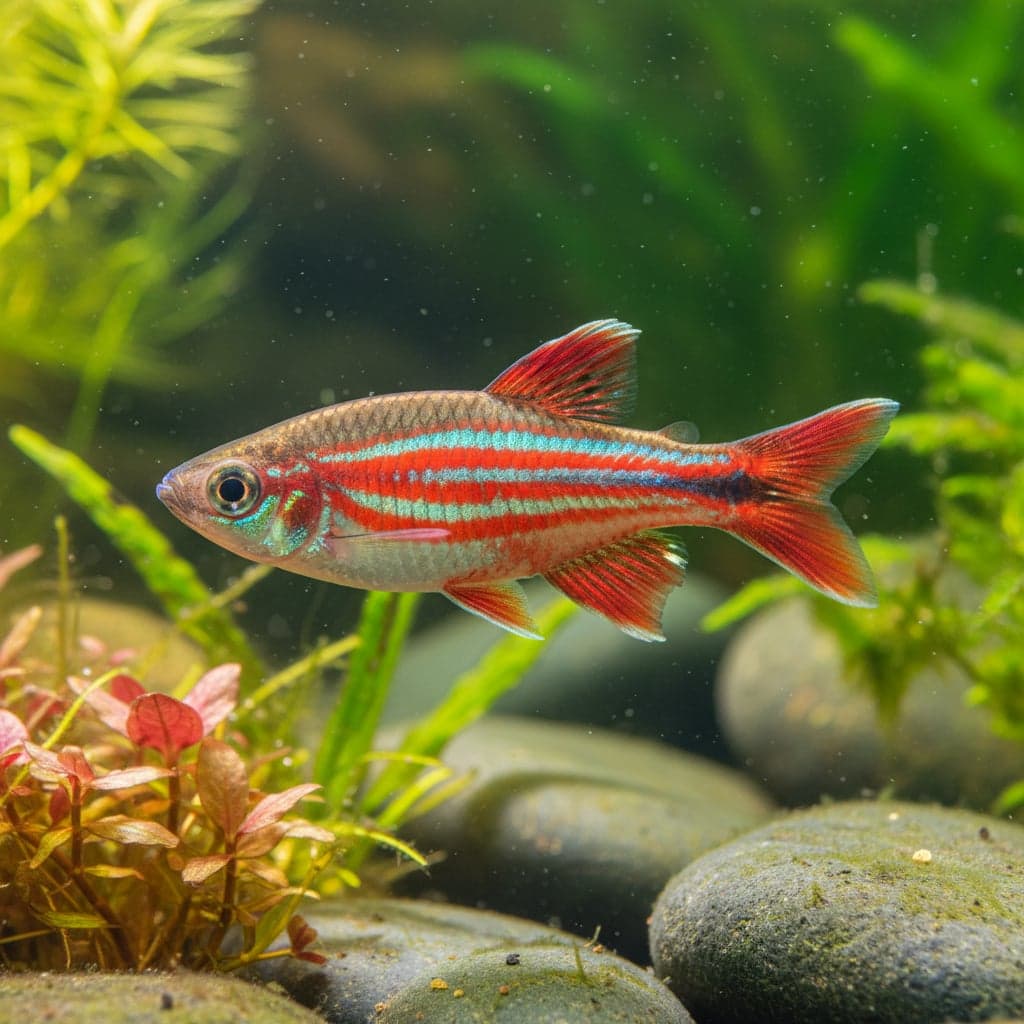
Bleher's Rainbowfish (Chilatherina bleheri) is a stunningly vibrant freshwater fish that has captured the hearts of aquarium enthusiasts around the globe. Named after renowned ichthyologist and fish collector Heiko Bleher, this species is characterized by its vivid coloration, particularly the iridescent blue, green, and orange hues that adorn its body. These striking colors, especially when viewed in a well-lit aquarium, contribute to its status as a popular choice for both novice and experienced aquarists alike. Its graceful swimming style and lively personality enhance the visual spectacle in any aquarium setup, making Bleher's Rainbowfish not just a fish but a centerpiece.
In addition to its aesthetic appeal, the Bleher's Rainbowfish holds significance in the aquarium hobby due to its unique natural behavior and charm. Its sociable nature provides an engaging observation opportunity, as it thrives in groups and actively interacts within its environment. This fish not only contributes beauty to aquatic ecosystems but also serves as a model species for education regarding habitat preservation, particularly in the context of its native environments. Understanding its care needs and behavior is crucial for keeping this magnificent fish healthy and thriving in a home aquarium.
Natural Habitat & Origin
Bleher's Rainbowfish is endemic to the freshwater rivers and streams of Papua New Guinea. These waterways are characterized by their warm, clear waters often rich in vegetation and shaded timber, creating a captivating underwater landscape. The fish is primarily found in areas with dense aquatic plants and a mixture of both slow and fast-moving waters. Its natural habitat typically features soft, acidic water with a pH around 6 to 7, further supporting its thriving presence in balanced aquatic ecosystems.
The environmental context in which Bleher's Rainbowfish lives is fascinating and vital for understanding its well-being in captivity. These fish prefer habitats that provide ample cover, which helps them feel secure and promotes healthier social interactions. The combination of stable temperatures ranging from 24°C to 28°C (75°F to 82°F), alongside specific water chemistry that mirrors their natural surroundings, is essential for successful breeding and overall health in aquarium settings.
Care Requirements
To provide optimal care for Bleher's Rainbowfish, it is crucial to maintain appropriate water parameters. The ideal pH level should be between 6.0 and 7.5, with a temperature range of 24°C to 28°C (75°F to 82°F). Hardness can vary, but a general guideline is to keep it on the softer side, within a range of 2 to 12 dGH. Bleher's Rainbowfish is moderately sensitive to water quality, making regular water changes and good filtration essential components of their care.
In terms of tank setup, a minimum aquarium size of 100 liters (about 26 gallons) is recommended to accommodate a small school of these fish. A well-planted tank is ideal, incorporating a soft substrate and ample hiding places using both live and artificial plants. Good lighting enhances their colors, but be cautious with intensity since too much light can stress out these sensitive fish. Additionally, providing open swimming space will support their natural behavior and vitality, allowing them to express their lively disposition fully.
Diet & Feeding
Bleher's Rainbowfish are omnivorous, thriving on a varied diet that includes high-quality flakes, pellets, frozen food, and live food options. A balanced diet is crucial for maintaining their vibrant colors and vigorous health. Daily feeding should consist of small amounts of both flake and pellet food to ensure they receive essential nutrients. Supplementing their diet with frozen or live foods, such as daphnia, brine shrimp, or bloodworms, can enhance their growth and coloration.
To prevent overfeeding, aquarists should provide quantities that can be consumed within a few minutes, two to three times a day. It's important to observe their eating habits to ensure all fish receive sufficient food and to avoid any disruptions in social dynamics, as dominant fish may hog food resources.
Behavior & Temperament
Bleher's Rainbowfish are known for their peaceful and social behavior. They are schooling fish that thrive in groups, which not only boosts their confidence but also ensures a more natural display of their behaviors. Keeping them in groups of at least six to eight individuals is advisable to reduce stress and create a lively aquarium environment. Their enthusiasm and playful nature make them active swimmers, often seen darting about the mid to upper levels of the tank.
Despite their peaceful disposition, Bleher's Rainbowfish can exhibit moderate territoriality, particularly during breeding. They are generally non-aggressive but may show slight competitive behavior over food and space. As active swimmers, they prefer the upper regions of the aquarium and should be kept in well-maintained environments that allow for their natural behaviors without undue stress.
Tank Mates
When selecting tank mates for Bleher's Rainbowfish, it is crucial to consider species that share similar aquatic requirements and temperament. Compatible species include other peaceful fish such as tetras (like Neon Tetras and Rummy Nose Tetras), rasboras, small catfish (like Corydoras), and some peaceful barbs. Given their friendly nature, they can also coexist with tranquil species like certain Gouramis and small Cichlids.
Conversely, it is crucial to avoid housing them with aggressive or territorial fish that may harass or stress them. Fish such as larger cichlids, aggressive barbs, or any variety of fin-nipping species should be excluded from their tank environment. A carefully selected community tank will ensure that Bleher's Rainbowfish flourish while allowing all inhabitants to thrive without fear of aggression.
Breeding
Breeding Bleher's Rainbowfish in captivity can be a rewarding experience, although it requires specific conditions for success. To promote spawning, provide a breeding tank with fine-leaved plants that can serve as egg-laying sites. The water conditions should align with their natural habitat, typically soft, slightly acidic, and clean to promote healthy spawn development. When the female is ready, she will lay sticky eggs on the plants, which will be fertilized by the male.
After spawning, it's important to remove the parent fish, as they may consume the eggs or fry. Maintaining stable water conditions and providing nutrients in the form of infusoria or finely crushed flakes will help the fry grow. With careful attention, Bleher's Rainbowfish can reproduce successfully, highlighting their adaptability and resilience in aquarium settings.
Common Health Issues
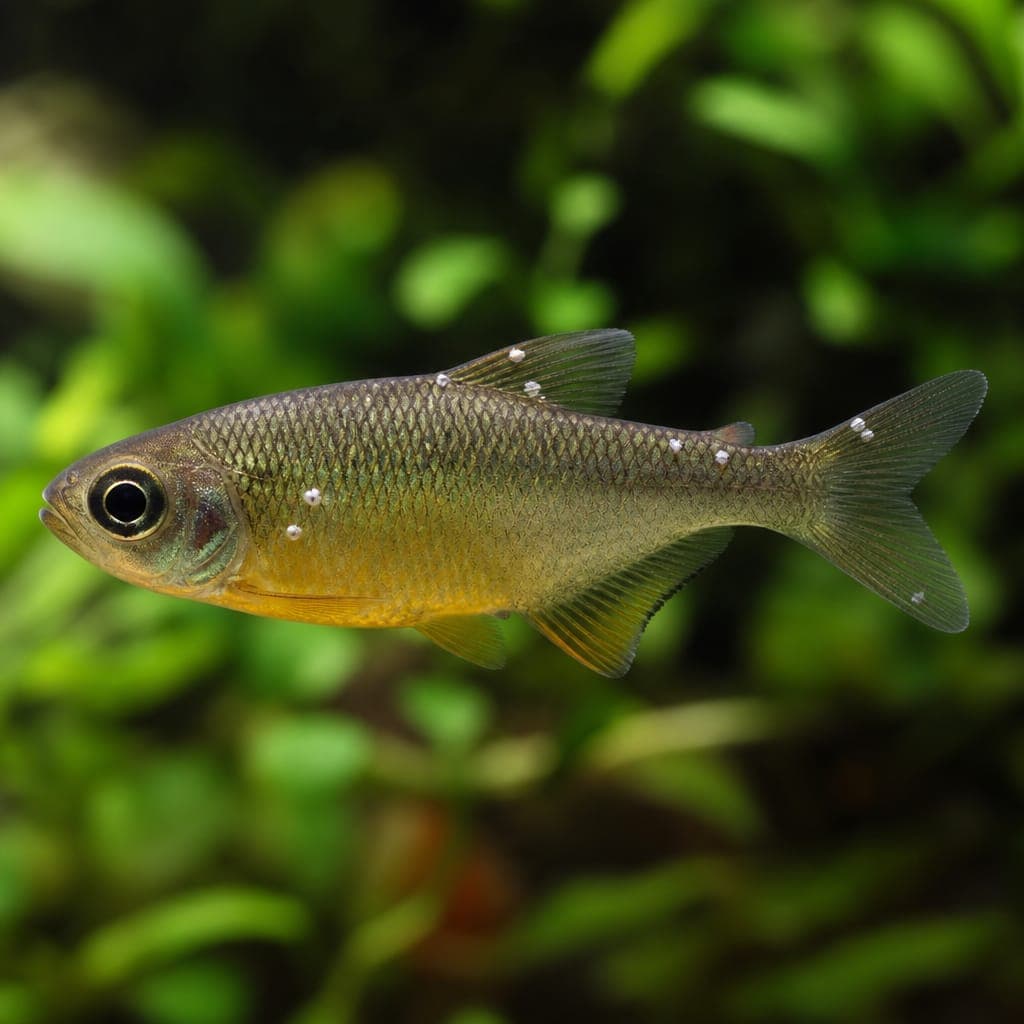
While Bleher's Rainbowfish are generally resilient, they may still face some health challenges common to freshwater fish. Among these concerns are ich (Ichthyophthirius multifiliis), fin rot, and various bacterial infections. Maintaining excellent water quality and promptly performing water changes is essential for prevention, as high stress can exacerbate health issues.
Regular monitoring of fish behavior and physical appearance can help catch early signs of trouble. Quarantine new arrivals and treat any affected fish quickly to mitigate the spread of disease. Additionally, providing a balanced diet and reducing stress factors will significantly enhance their overall health and longevity. Regular tank maintenance and proactive care are the keys to keeping Bleher's Rainbowfish thriving in your aquarium.