Fish

Blue-eyed Tang

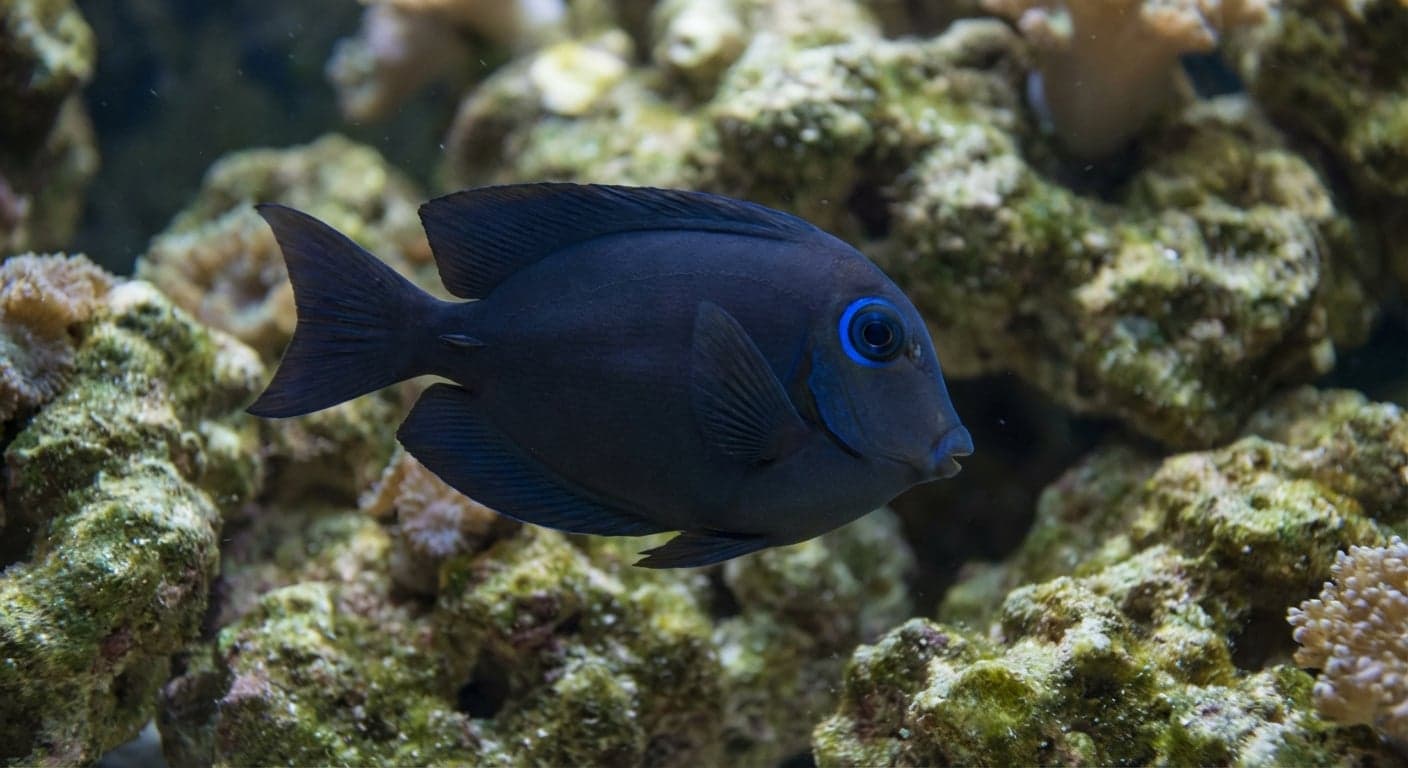
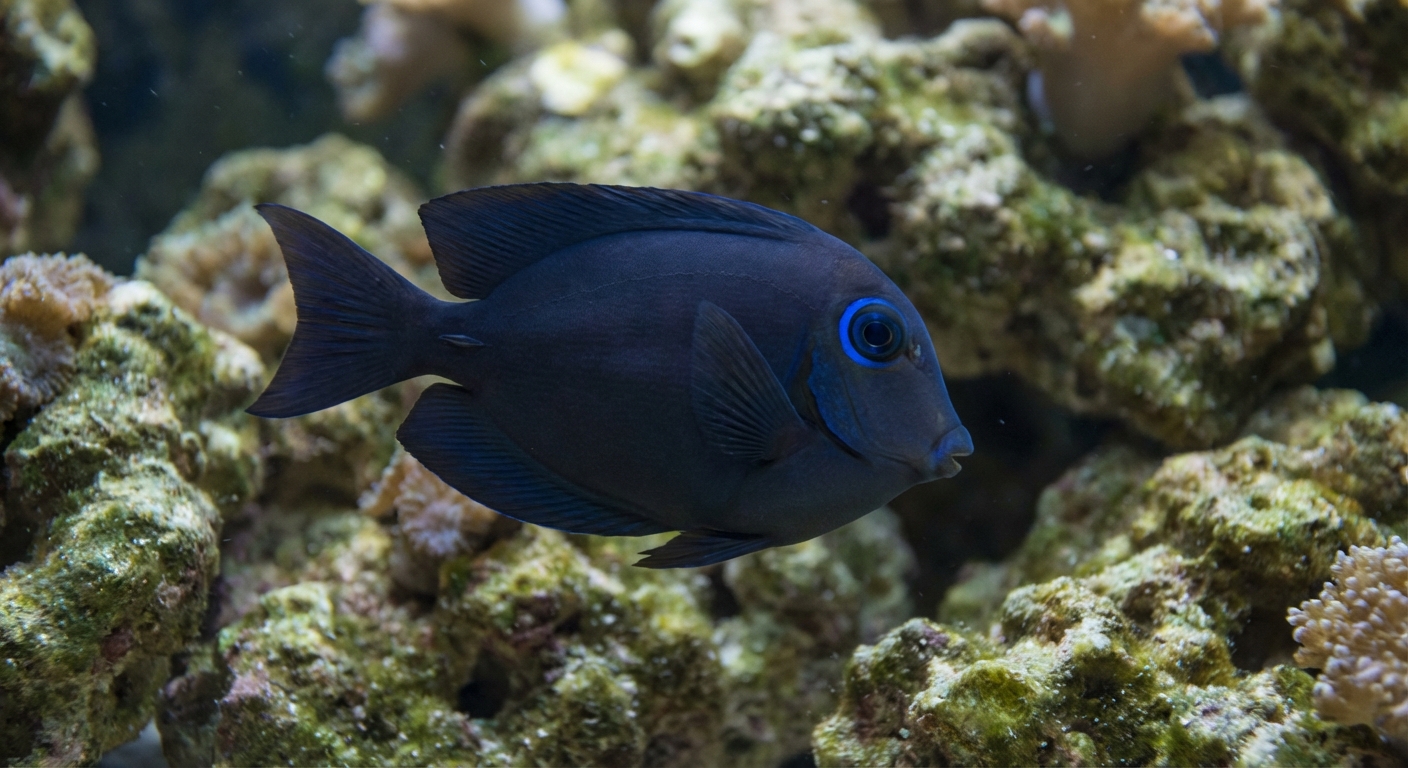
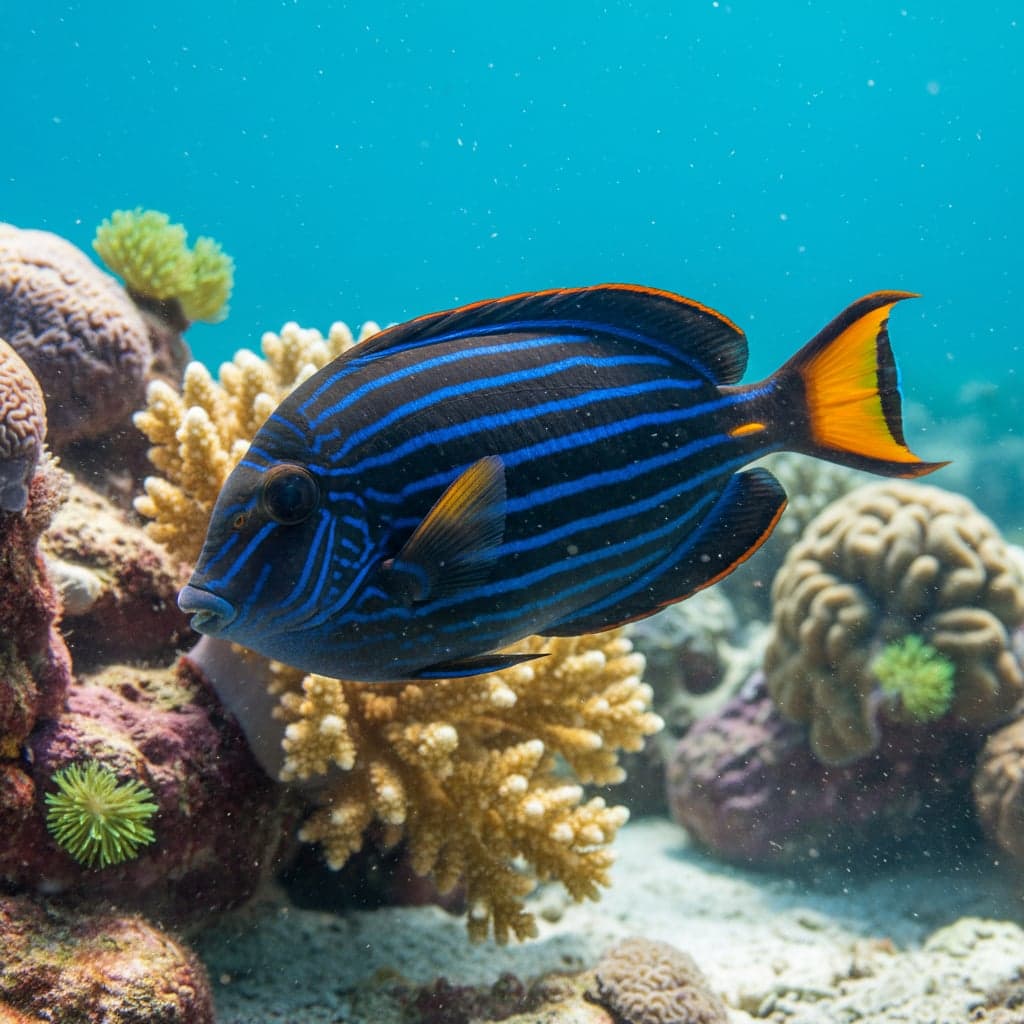
The Blue-eyed Tang (Ctenochaetus binotatus) is a stunning saltwater fish known for its unique appearance and behavior.

Studio Scaped
Blue-eyed Tang

Blue-eyed Tang

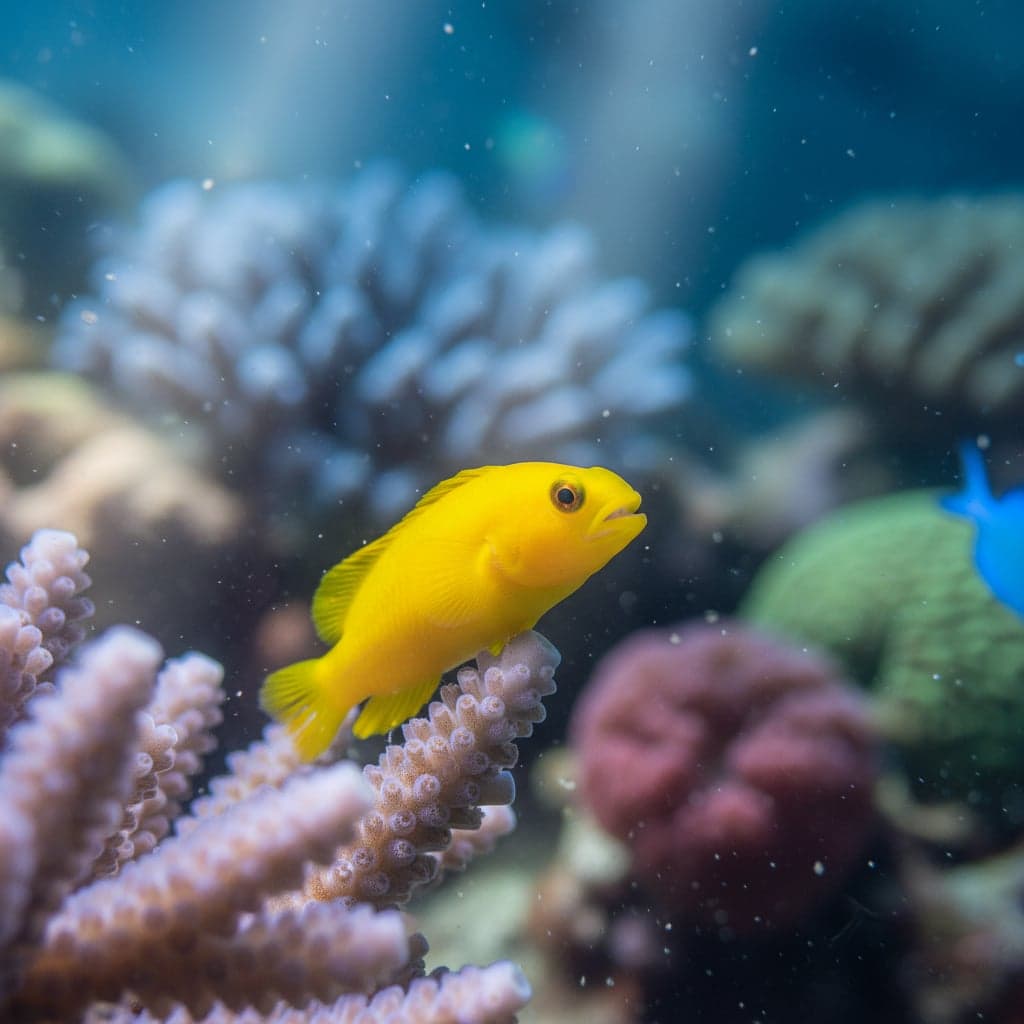
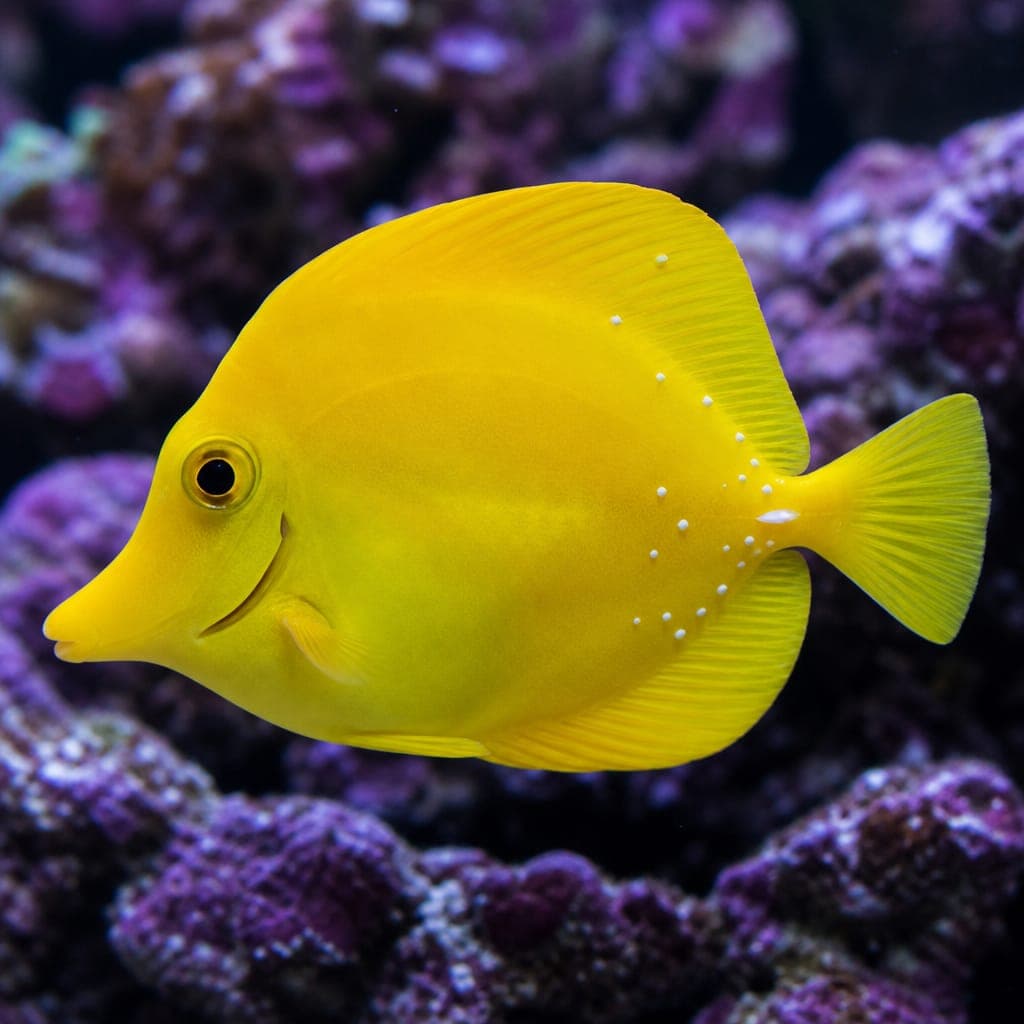
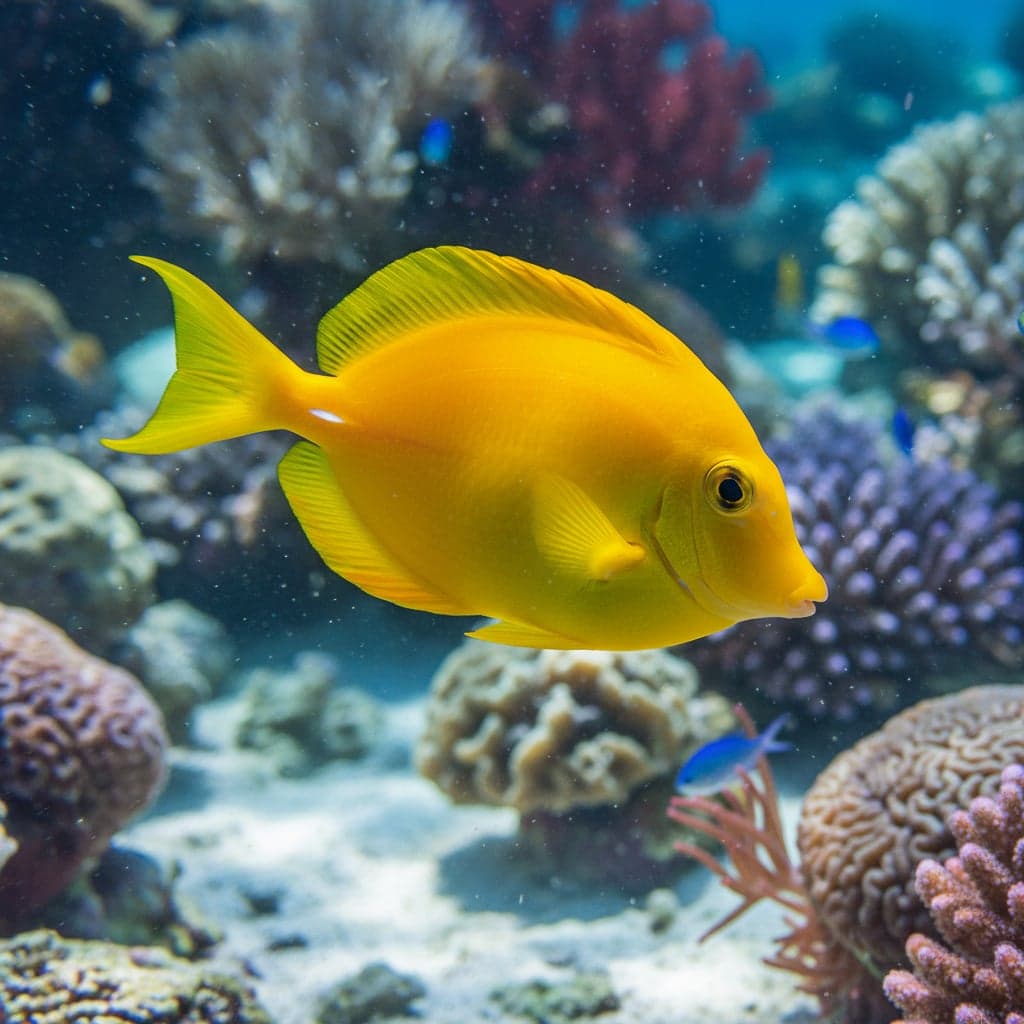
The Blue-eyed Tang, scientifically known as Zebrasoma xanthurum, is a vibrant and eye-catching species within the marine aquarium hobby. This fish is renowned for its striking electric blue eyes, which contrast beautifully with its deep yellow body and the distinctive black markings along its dorsal fin. The combination creates a visually stunning specimen that adds a pop of color and liveliness to any marine aquarium. Beyond its aesthetic appeal, the Blue-eyed Tang is also appreciated for its role in controlling algae growth within the aquarium, making it a valuable addition for both novice and experienced aquarists alike.

In the aquarium trade, the Blue-eyed Tang symbolizes both elegance and vitality, earning a special place in enthusiasts’ hearts. Its lively behavior and interactive nature further enhance its popularity; the fish often displays playful movements and engages with tank mates, turning it into a captivating centerpiece in a marine setup. Overall, caring for the Blue-eyed Tang not only brings visual delight to the aquarist's world but also fosters an appreciation for marine ecosystems and encourages responsible aquarium management.

Natural Habitat & Origin

The Blue-eyed Tang is native to the reefs of the Indo-Pacific region, specifically found across a variety of locations from the waters surrounding Fiji to the Eastern Pacific islands. Its preferred habitats include rocky outcrops and sandy bottoms, typically found at depths between 10 to 30 meters. This species thrives in clear waters rich in coral and other marine structures which provide both shelter and foraging opportunities. The environmental context of its natural habitat is crucial for understanding its care and needs in captivity.

Living primarily in environments with stable temperatures and moderate water flow, the Blue-eyed Tang favors areas with plenty of algae and microalgae to graze upon. It is important to replicate this aspect of its habitat by providing appropriate tank conditions that mimic a healthy marine ecosystem. This includes maintaining water quality and stability, as fluctuations can lead to stress and health issues in this sensitive species.

Care Requirements

The Blue-eyed Tang requires specific water parameters to thrive, including a pH level between 8.1 and 8.4, a temperature range of 24°C to 28°C (75°F to 82°F), and a general hardness of 8 to 12 dGH. When setting up a tank for this species, a minimum size of 150 gallons is recommended to provide adequate swimming space, as Blue-eyed Tangs are active swimmers. A fine, sandy substrate simulates their natural environment, and incorporating live rock not only enhances aesthetics but also serves as a source of beneficial bacteria.

Lighting is another essential aspect to consider. Since the Blue-eyed Tang is accustomed to bright, sunlight-filled waters, providing moderate to bright lighting is essential for promoting the growth of macroalgae and maintaining the overall health of the aquarium's ecosystem. Utilizing a mix of LEDs (light-emitting diodes) and fluorescent lights can create a dynamic lighting environment that supports both plant health and the innate behavior of the fish.

Diet & Feeding

As an omnivorous species, the Blue-eyed Tang thrives on a varied diet that mimics its natural eating habits. It primarily feeds on algae, including spirulina and other seaweeds, which should be supplemented with high-quality flakes or pellets designed for herbivores. In addition to these, providing nori (seaweed sheets) can be beneficial and should be part of a well-rounded diet.

To further enrich the diet, offering frozen or live food items, such as mysis shrimp or brine shrimp, can stimulate natural foraging behavior and improve overall health. Ensure that food is provided multiple times a day in small portions to avoid overfeeding, as these fish can be prone to digestive issues if not monitored. A varied and nutritious diet is essential for maintaining the vivid coloration and health of the Blue-eyed Tang.

Behavior & Temperament

The Blue-eyed Tang exhibits a generally peaceful temperament and is known for its active and social nature. It tends to be best kept in groups or with other compatible species, although introductions should be handled carefully to avoid territorial disputes. This species commonly occupies the mid to upper levels of the tank and may exhibit occasional displays of dominance, particularly among other tangs.

In terms of schooling behavior, Blue-eyed Tangs are not strictly schoolers, but they do enjoy the company of their own kind. Providing ample swimming space and hiding spots can help reduce aggression and create a more harmonious community environment. Observing their interactions can reveal unique social dynamics and enhance the overall aquarium experience for both the owner and the fish.

Tank Mates

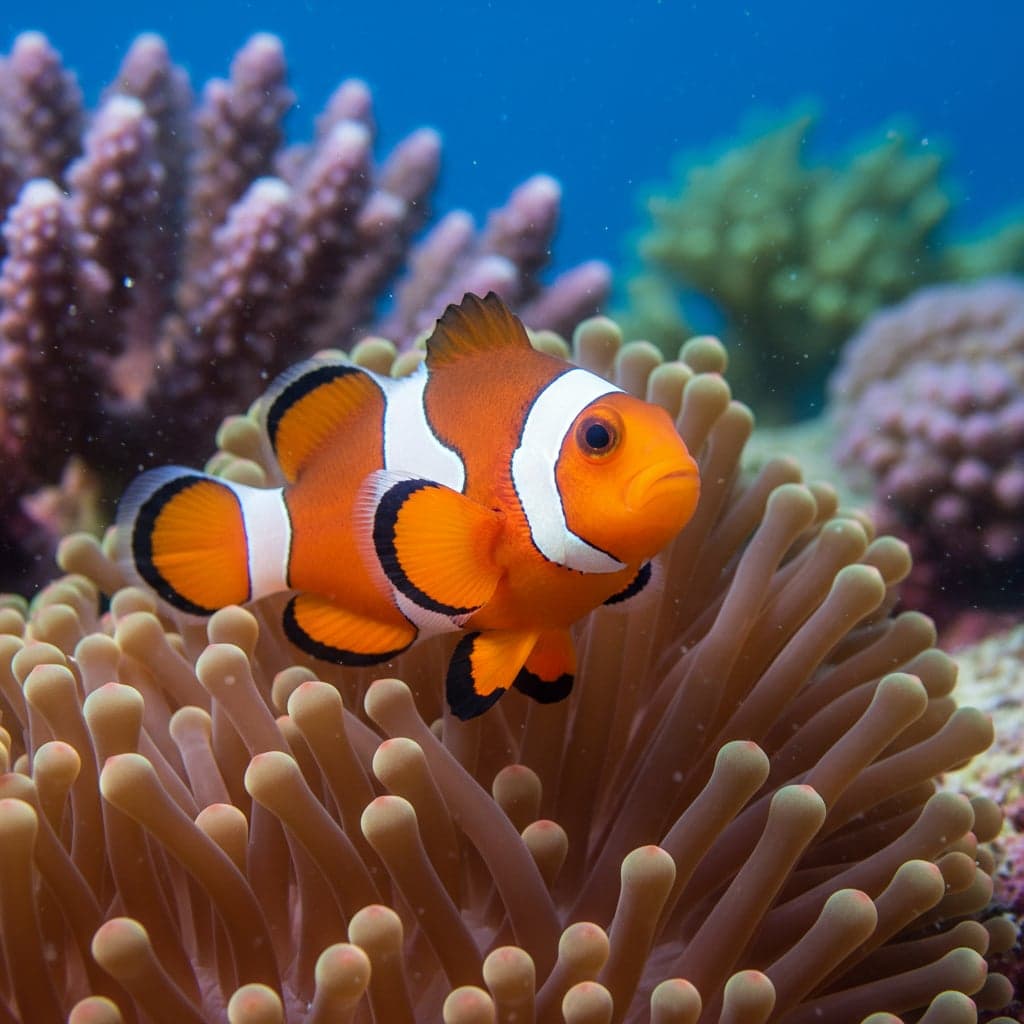
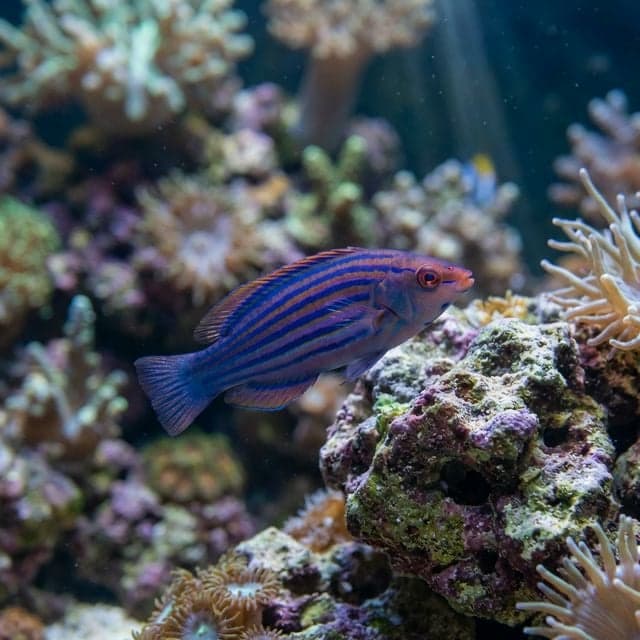
Choosing compatible tank mates for the Blue-eyed Tang is crucial to ensure a peaceful aquatic environment. Suitable companions include other peaceful species such as clowns (e.g., Ocellaris Clownfish), gobies, and various types of wrasses. However, care should be taken to avoid pairing with overly aggressive species like large angelfish or predatory fish that may pose a threat.

Furthermore, it is advisable to limit the number of tang species in the same tank, as they can be territorial. If multiple tangs are desired, introducing them simultaneously or using a larger tank can help minimize aggression. It is essential to create a balanced community where all species can thrive without stressing one another.

Breeding

Breeding the Blue-eyed Tang in captivity can be challenging, as it requires specific conditions and knowledge of its spawning behavior. These fish are known to form pairs during the breeding season and engage in synchronized swimming displays during courtship. Successful breeding often occurs in a spacious aquarium with excellent water quality and ample hiding spaces.

To induce spawning, maintaining stable water parameters and offering a nutrient-rich diet is vital. Providing a dedicated breeding area within the tank—such as a secluded cave or flat surface—can encourage the fish to lay eggs. While some aquarists have reported success with breeding in captivity, it's essential to prepare for the complexities of raising the fry, which may require specialized care and feeding.

Common Health Issues

The Blue-eyed Tang, like other marine species, can be prone to certain health issues such as ich (marine white spot disease), marine velvet, and fin rot. Prevention is key, and maintaining pristine water quality through regular water changes and proper maintenance can significantly reduce the risk of these ailments.

Quarantining new arrivals before introducing them to the main tank can also minimize stress and the spread of diseases. Additionally, providing a balanced diet rich in essential vitamins and minerals boosts the immune system, ensuring that the Blue-eyed Tang remains healthy and vibrant. Regular observation of behavior and appearance can help identify any issues early, allowing for prompt intervention.

ADA
Aqua One
Chihiros
Dennerle
EHEIM
Fluval
Oase
Seachem
Tropica
Twinstar
UNS
ADA
Aqua One
Chihiros
Dennerle
EHEIM
Fluval
Oase
Seachem
Tropica
Twinstar
UNS
ADA
Aqua One
Chihiros
Dennerle
EHEIM
Fluval
Oase
Seachem
Tropica
Twinstar
UNS
ADA
Aqua One
Chihiros
Dennerle
EHEIM
Fluval
Oase
Seachem
Tropica
Twinstar
UNS