Blue Rainbowfish: Melanotaenia lacustris
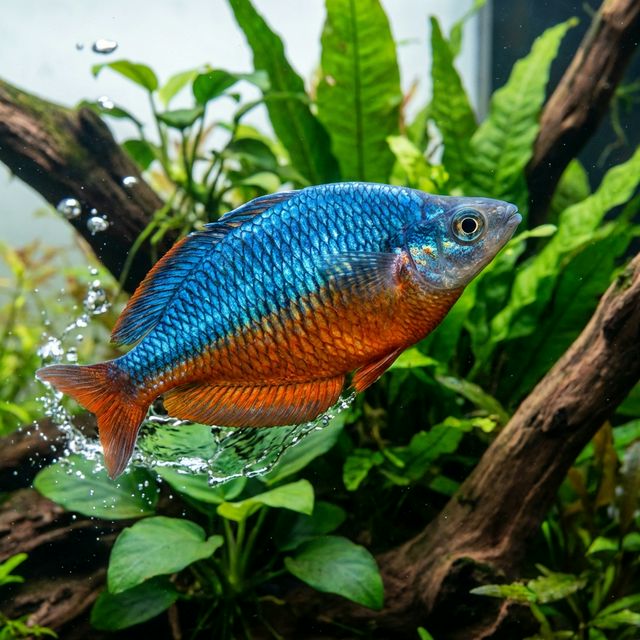
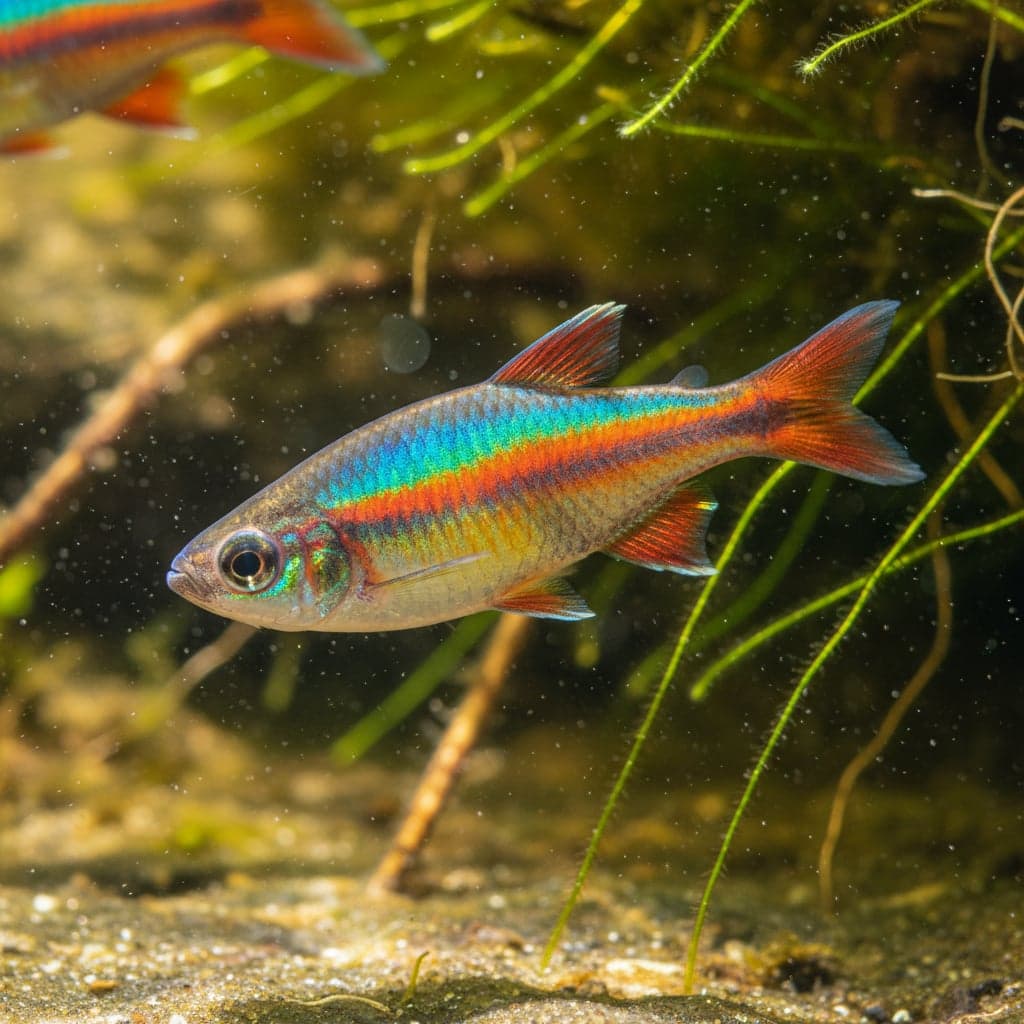
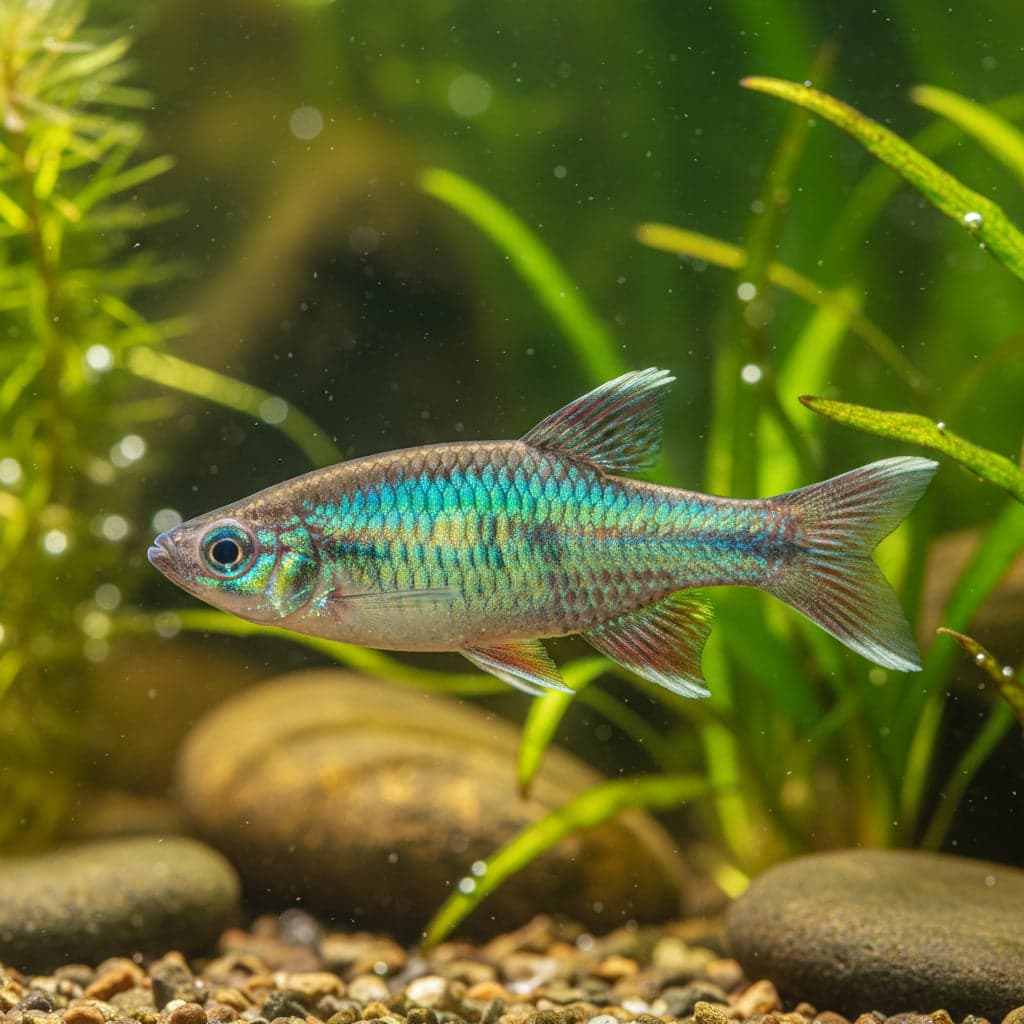
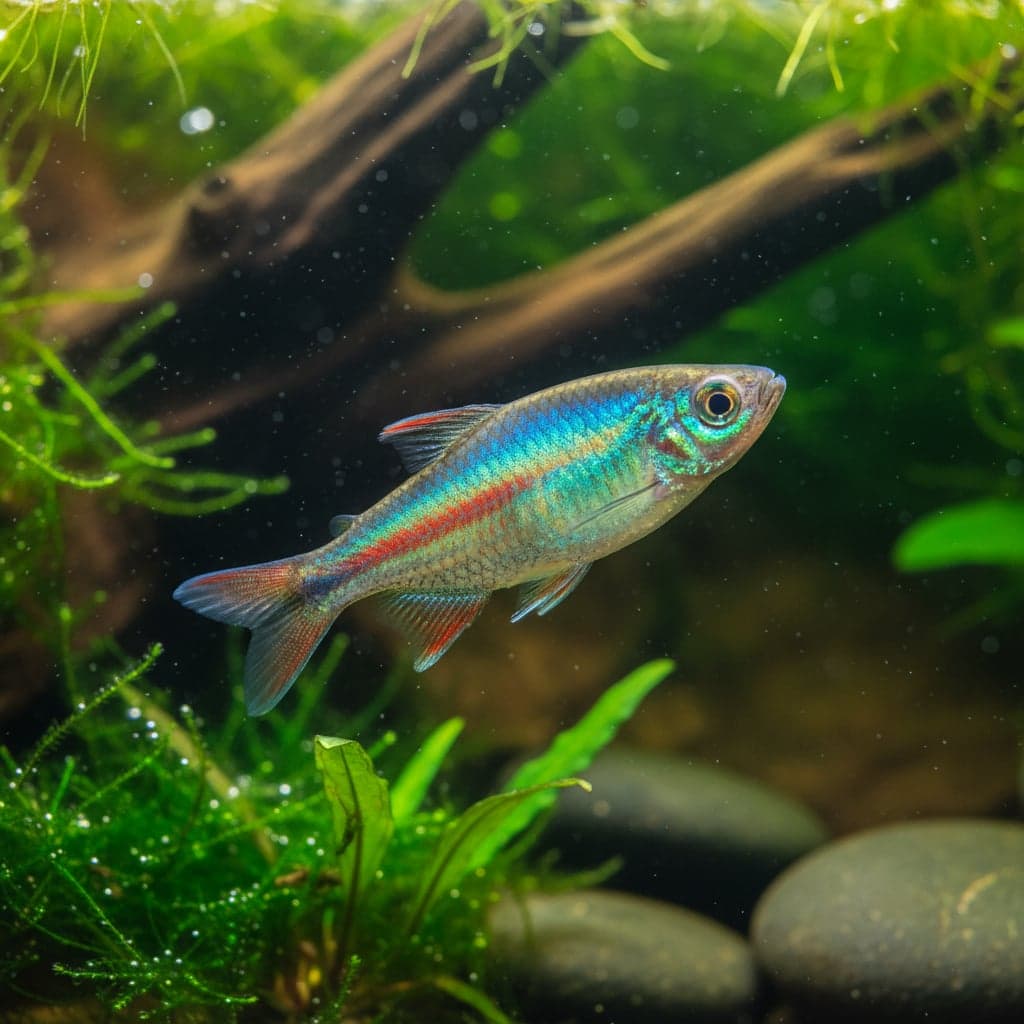
Also known as the Lake Kutubu Rainbowfish. A brilliant turquoise blue shoaling fish.
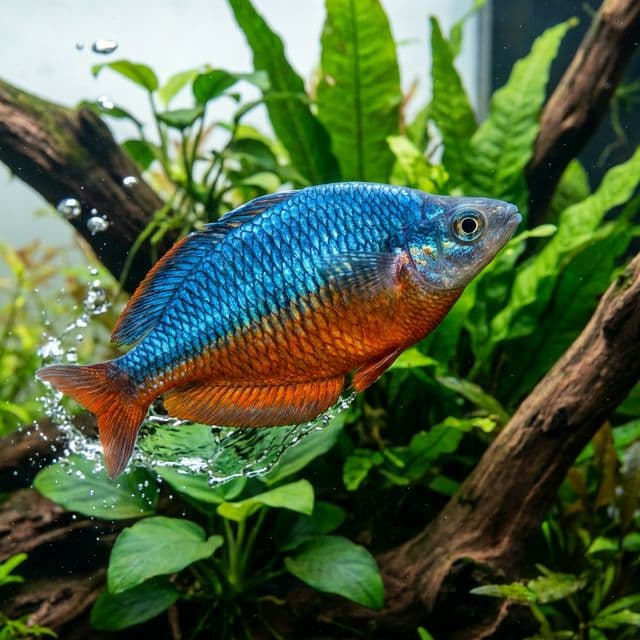
Blue Rainbowfish
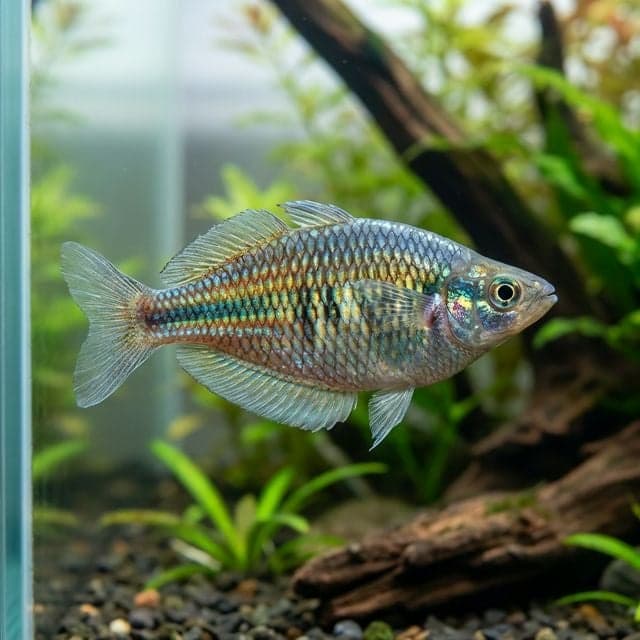
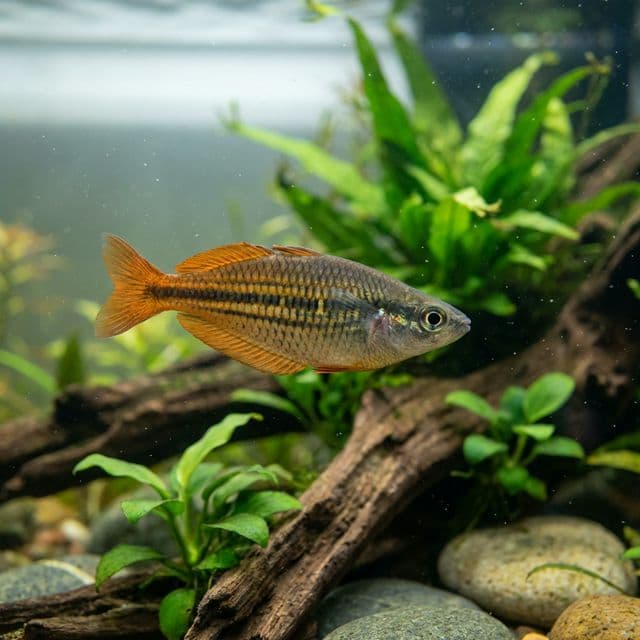
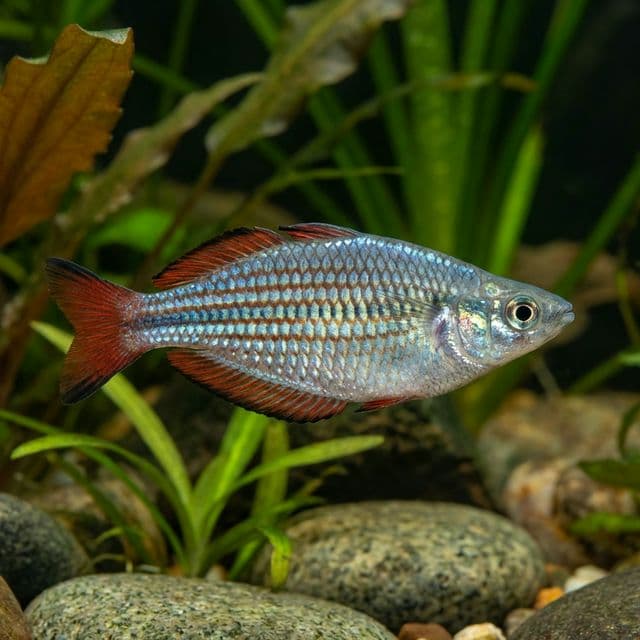
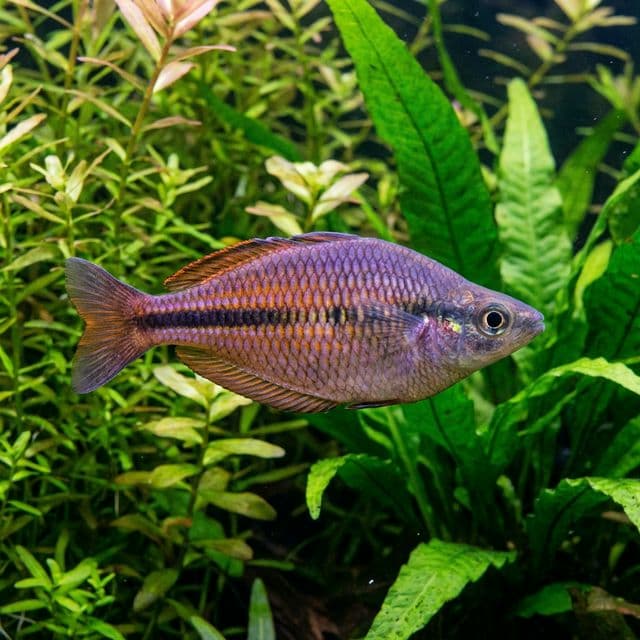
The Blue Rainbowfish, scientifically known as Melanotaenia lacustris, is a captivating species that captivates aquatic enthusiasts with its vibrant colors and dynamic behavior. Native to the freshwater lakes of Papua New Guinea, this fish features brilliant blue to turquoise body hues adorned with shimmering highlights that often reflect sunlight beautifully. Its iridescent coloration not only enhances the visual appeal of an aquarium but also allows it to stand out as one of the prized inhabitants in many freshwater setups. With its striking looks and playful swimming patterns, the Blue Rainbowfish exemplifies the allure of tropical fish for aquarists around the globe.
In addition to its aesthetic value, the Blue Rainbowfish holds significant importance in the aquarium hobby due to its hardiness and adaptability. This species is known for thriving in a variety of aquatic conditions and has become increasingly popular among both novice and experienced aquarists. Their peaceful nature and active behavior make them ideal candidates for community tanks, allowing hobbyists to create diverse and visually colorful environments. Maintaining a healthy population of Blue Rainbowfish can lead to a stunning display of color and movement that’s sure to enchant all who observe their graceful movements.
Natural Habitat & Origin
The Blue Rainbowfish hails from the lakes and rivers of Papua New Guinea, specifically from Lake Kutubu, which is known for its unique ecosystems characterized by high biodiversity. These freshwater habitats are generally clear to slightly tannin-stained waters, providing a conducive environment for this species. The natural habitats are largely influenced by the surrounding rainforest, which contributes to organic matter in the water, creating an environment that fosters a rich community of aquatic life. The waters are typically soft, with low to moderate hardness levels, making it essential for aquarists to replicate these conditions to ensure the well-being of the Blue Rainbowfish in captivity.
Geographically, the presence of Blue Rainbowfish is limited to specific regions, making them a valuable species in the aquarium trade. They inhabit areas with plenty of vegetation, such as submerged plants, which offer them shelter and a natural foraging ground. Understanding their natural habitat allows aquarists to effectively mimic the ecological conditions necessary for these fish to thrive, highlighting the importance of a well-maintained tank setup.
Care Requirements
For optimal care, the ideal water parameters for Blue Rainbowfish include a pH range of 6.0 to 7.5, a temperature between 75°F to 82°F (24°C to 28°C), and a hardness of 5 to 15 dGH. When setting up their aquarium environment, it is advisable to choose a minimum tank size of 30 gallons to accommodate their active swimming behavior. A sandy or fine gravel substrate is recommended, as it allows for easy digging and foraging. To mimic their natural habitat effectively, the aquarium should be well-planted with lush vegetation and include open swimming areas. Floating plants can also be introduced to provide some shaded areas while allowing light penetration.
Lighting should be moderate, as Blue Rainbowfish thrive in environments with gentle illumination. A well-arranged aquascape will not only encourage their natural behaviors but also create a visually appealing setup that showcases their vibrant coloration. Ensuring stable water quality through regular maintenance and quality filtration is paramount, as Blue Rainbowfish are sensitive to drastic changes in their environment.
Diet & Feeding
Blue Rainbowfish are omnivorous, making them relatively easy to feed as they accept a variety of food types. In the wild, their diet consists of small invertebrates, algae, and plant matter, which should be replicated in captivity. A balanced diet comprising high-quality flakes and pellets designed for tropical fish is essential to maintain their health and vibrancy. Additionally, offering supplemental foods such as frozen or live foods—like brine shrimp, daphnia, and bloodworms—can enhance their coloration and overall well-being.
To ensure a varied and nutritious diet, hobbyists should incorporate a mix of high-quality prepared foods and natural options. Feeding should occur 2-3 times a day, but it's important not to overfeed. Maintenance of a clean tank environment by removing uneaten food will also contribute to the health of the Blue Rainbowfish, reducing the risk of water quality issues that could compromise their health.
Behavior & Temperament
The Blue Rainbowfish exhibits a lively and social disposition, making it one of the most engaging species to keep. This fish is known for its schooling behavior and thrives in groups, ideally consisting of six or more individuals; this number not only prevents stress but also encourages natural behaviors. Blue Rainbowfish are peaceful in nature, although they can exhibit some slight territorial behaviors during breeding periods or when establishing pecking orders.
In terms of tank placement, Blue Rainbowfish generally inhabit the middle and upper levels of the aquarium, showcasing their dynamic swimming patterns as they dart around the tank. While they are primarily non-aggressive, it's essential to monitor their interactions with other species to ensure a harmonious tank environment.
Tank Mates
Choosing compatible tank mates for Blue Rainbowfish is crucial in establishing a successful community tank. They thrive in peaceful setups, and therefore, suitable companions include species like Tetras, Corydoras, Guppies, and other small to medium-sized peaceful fish. Avoiding aggressive or fin-nipping species, such as Cichlids or larger fish, is advisable as these can stress or harm the Blue Rainbowfish.
Care should also be taken in selecting tank mates that occupy similar water parameter preferences. Keeping Blue Rainbowfish with fish that require similar conditions allows for a more harmonious and stable environment, benefiting all species involved in the tank.
Breeding
Breeding Blue Rainbowfish in captivity can be a rewarding endeavor, though it requires a few specific conditions to encourage spawning behavior. To successfully breed this species, a separate spawning tank of at least 10 gallons is recommended, equipped with gentle filtration and a well-planted environment to provide hiding spots for the eggs. Males typically exhibit bright colors and display courtship behaviors to woo females, which can involve rapid swimming and fin displays.
Once the female is sufficiently stimulated, she will scatter eggs among the plants, which can number from 40 to 100 eggs per spawning event. After spawning, it is important to remove the adult fish, as they may consume the eggs. The incubation period for the eggs generally lasts 7 to 10 days, after which the fry can be fed infusoria or finely crushed flakes until they are large enough for more substantial food.
Common Health Issues
While Blue Rainbowfish are generally hardy, they can be prone to certain health issues, particularly if environmental conditions are inadequate. Common ailments include Ich (white spot disease), fin rot, and stress-related disorders. It is crucial to maintain optimal water quality through regular testing and partial water changes to prevent the onset of diseases.
Preventive measures—such as maintaining a stable environment, ensuring a balanced diet, and quarantining new arrivals—can significantly mitigate the risk of disease. Observing the behavior of the Blue Rainbowfish and monitoring their physical appearance will help in early detection of issues, allowing for prompt treatment and further safeguarding the health of the aquarium community.