Blue Ribbon Tetra: Hyphessobrycon sp. Blue Ribbon
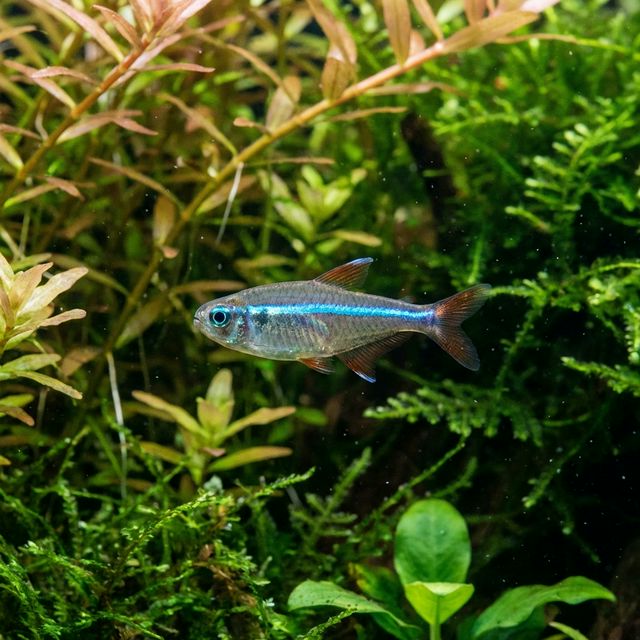
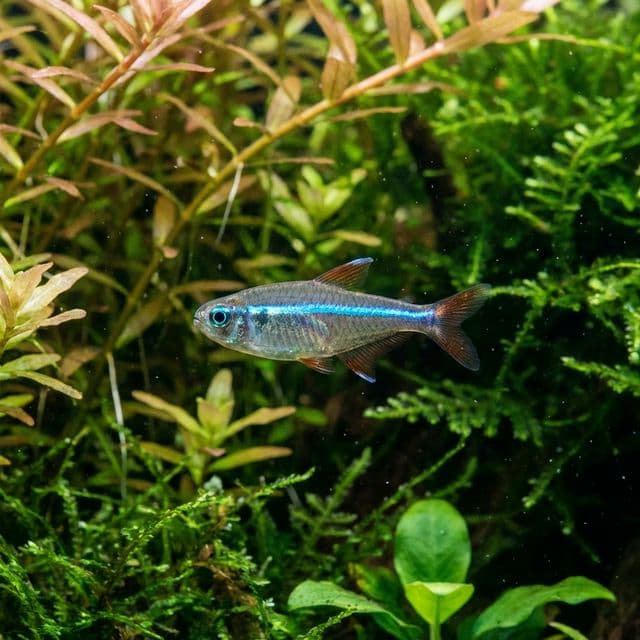
A newer, rare tetra with a metallic blue ribbon stripe. Subtle but beautiful.
Hyphessobrycon sp. Blue Ribbon
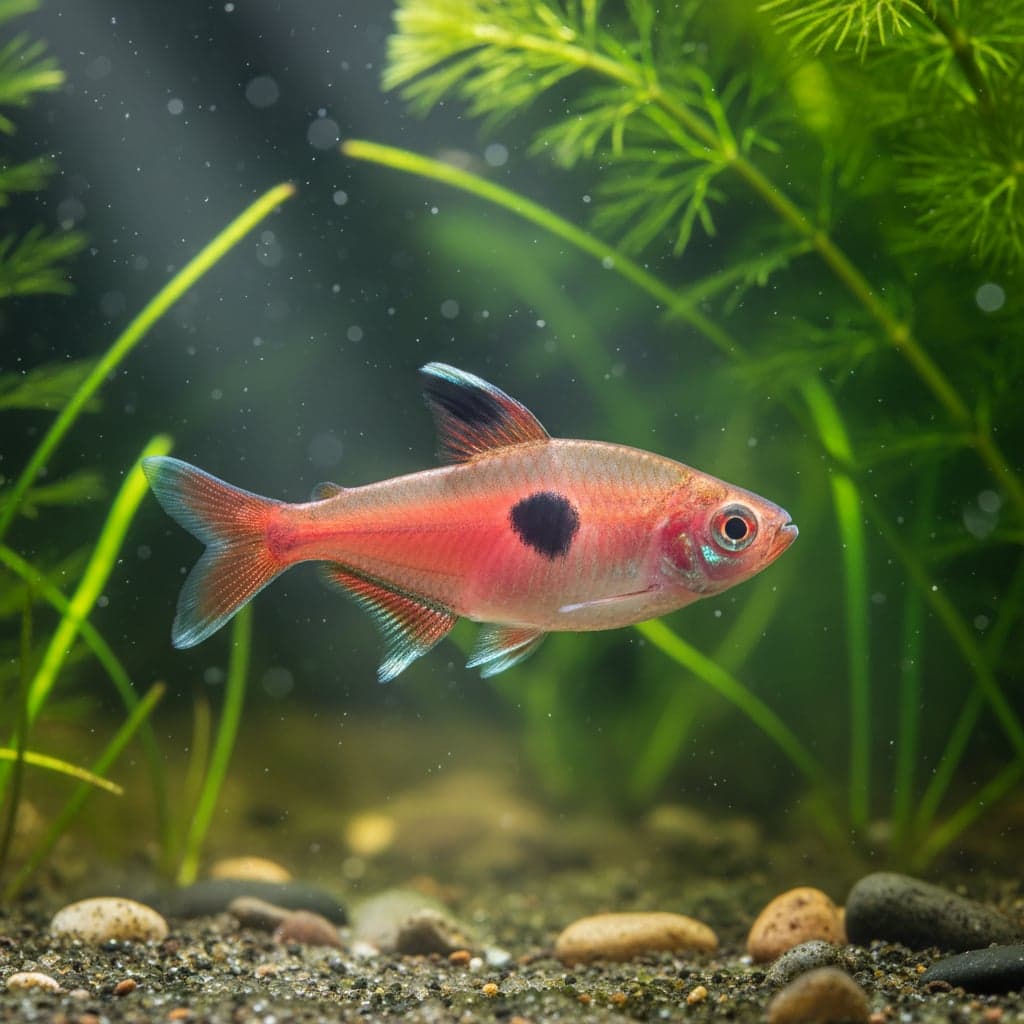
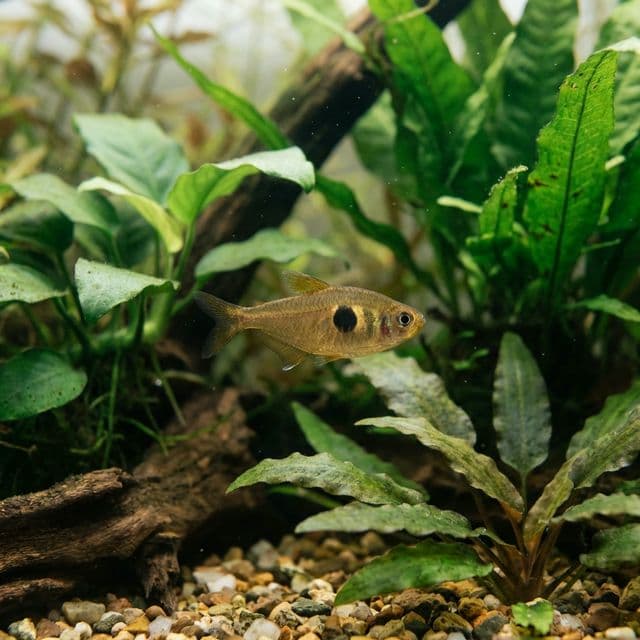
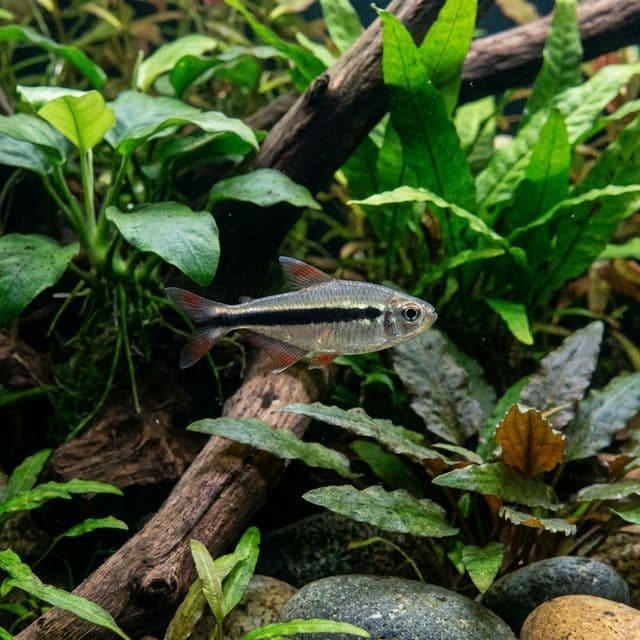
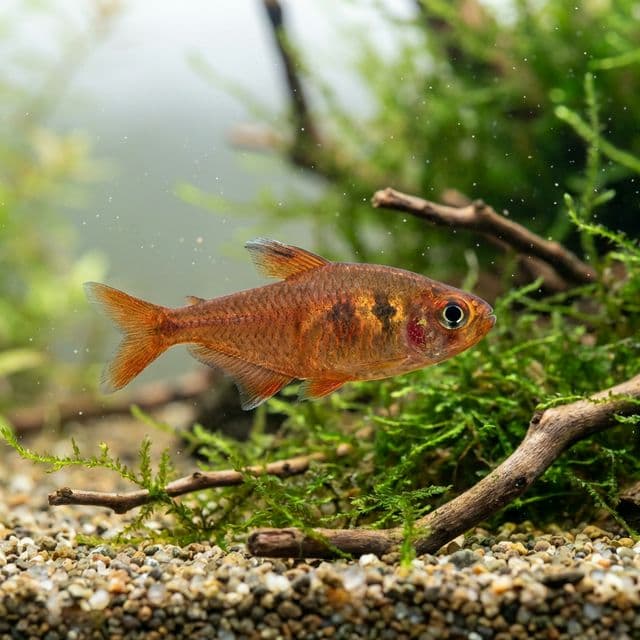
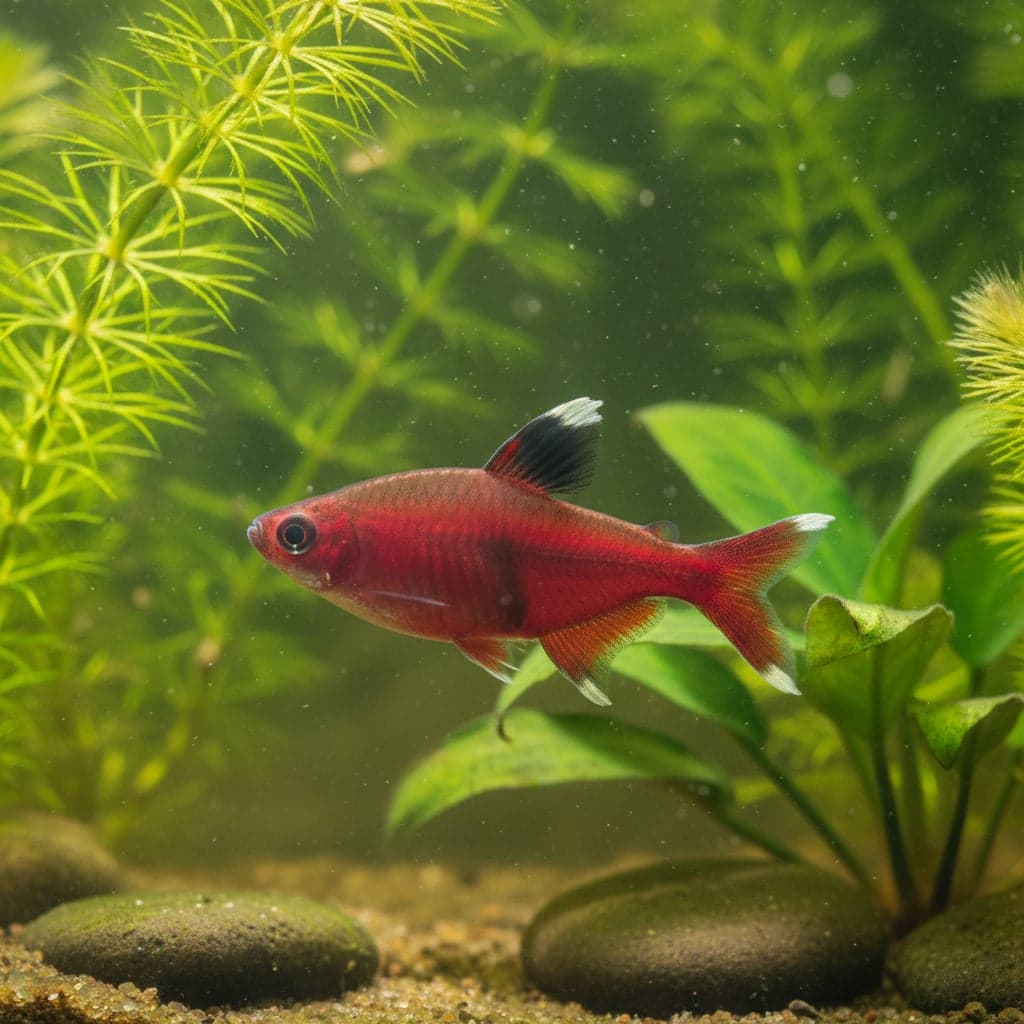
The Hyphessobrycon sp. Blue Ribbon, commonly known as the Blue Ribbon Tetra, is a stunning freshwater fish that has captivated aquarists and enthusiasts alike. Renowned for its remarkable coloration, this species features a deep blue hue complemented by a vibrant yellow or gold stripe running along its lateral line. The combination of colors not only enhances the aesthetic appeal of community tanks but also adds an extraordinary dynamic to aquascapes. As a relatively peaceful species, the Blue Ribbon Tetra has become a popular choice among hobbyists looking to create a lively aquarium environment filled with vibrant activity.
In addition to its aesthetic qualities, the significance of the Hyphessobrycon sp. Blue Ribbon extends beyond surface beauty. It thrives in densely planted aquariums, which mimics its natural habitat and provides ample hiding spots. This species is also an excellent choice for aquarists interested in maintaining a peaceful community tank. Their moderate size and tranquil nature make them compatible with various other species, while their shoaling behavior encourages captivating schooling displays, which can be a rewarding experience to observe over time.
Natural Habitat & Origin
The Hyphessobrycon sp. Blue Ribbon is native to the Amazon Basin, particularly in the regions of Brazil and Peru. These enchanting fish dwell primarily in slow-moving streams, blackwater rivers, and tributaries surrounded by lush vegetation. The soft, acidic waters in their natural habitat are rich in dissolved organic material, contributing to the characteristic brownish tint typically seen in blackwater ecosystems. The combination of low light conditions and dense vegetation creates safe environments for this fish, allowing it to thrive while foraging for food among fallen leaves and submerged roots.
In terms of environmental context, the Blue Ribbon Tetra prefers temperatures ranging from 22°C to 28°C (72°F to 82°F) and an acidic to neutral pH ranging from 6.0 to 7.5. These parameters emulate its natural setting and are vital for maintaining its health and vibrancy in home aquariums. Through understanding this species' natural habitat, aquarists can better recreate the conditions necessary for its wellbeing and longevity.
Care Requirements
Caring for the Hyphessobrycon sp. Blue Ribbon requires attention to specific water parameters and tank setup to ensure its well-being. For optimal health, the water should maintain a temperature between 22°C and 28°C (72°F to 82°F), with a preferred pH range of 6.0 to 7.5. Additionally, the water hardness should be kept between 2-15 dGH. Regular monitoring of these parameters is crucial, as fluctuations can stress the fish and compromise its immune system.
For tank setup, a minimum aquarium size of 20 gallons is recommended to accommodate a small school of Blue Ribbon Tetras. A sandy or fine substrate will replicate their natural environment, while subdued lighting with plenty of floating plants can help reduce stress levels. Planting lush vegetation, including species such as Java Fern, Anubias, and Amazon Sword, provides essential cover, promotes natural behavior, and enhances the overall aesthetic of the aquarium.
Diet & Feeding
The Hyphessobrycon sp. Blue Ribbon is classified as an omnivore, which means its diet consists of both plant and animal matter. In the aquarium, it thrives on high-quality flake foods, which should form a staple part of its diet. To give added variety and nutrition, frozen foods such as brine shrimp, daphnia, and bloodworms can be offered. Live foods provide enrichment and can entice even the pickiest eaters.
While flakes and pellets will suffice, supplementary foods such as spirulina and blanched vegetables, like zucchini or spinach, can enhance their dietary variety and overall health. Feed the Blue Ribbon Tetras small amounts two to three times daily, being cautious not to overfeed, as uneaten food can lead to deteriorating water conditions.
Behavior & Temperament
The Hyphessobrycon sp. Blue Ribbon exhibits a peaceful temperament, making it an ideal addition to community tanks. Known for their sociable nature, these tetras prefer to be in groups, ideally comprising at least six to eight individuals, which helps reduce stress and allows for natural schooling behavior. They tend to congregate in the mid to upper levels of the aquarium while exhibiting playful antics as they dart around the tank.
While generally non-aggressive, they may display slight territorial behaviors when kept in smaller groups or overcrowded setups. It’s important to provide ample swimming space and hiding spots to minimize stress and promote a more natural environment. Observing their interactions can be delightful, as they often engage in schooling patterns and social behaviors typical of tetras.
Tank Mates
Choosing the right tank mates for the Hyphessobrycon sp. Blue Ribbon is crucial in maintaining a peaceful aquarium environment. Compatible species include other small to medium tetras, such as Neon Tetras or Rummy Nose Tetras, as well as rasboras, dwarf cichlids, and peaceful community fish like guppies and endler's livebearers. These species share similar water parameters, dietary needs, and temperament, making them ideal companions.
However, it is best to avoid aggressive and larger fish, such as cichlids or larger barbs, which may see the Blue Ribbon as food or potentially harass them. Additionally, predatory species—like larger catfish or certain species of larger gouramis—should also be avoided to ensure the safety and well-being of the Blue Ribbon Tetras.
Breeding
Breeding the Hyphessobrycon sp. Blue Ribbon can be a rewarding challenge for dedicated aquarists. These fish are egg scatterers, spawning in groups among fine-leaved plants or spawning mops. To condition them for breeding, separate males and females into a breeding tank with optimal conditions: slightly acidic water (pH 5.5-6.5), higher temperatures (around 27°C/80°F), and ample hiding spots.
After a successful spawning, female Blue Ribbon Tetras can lay hundreds of eggs, which will adhere to plants or the substrate. It’s important to transfer the parents back to the main tank after spawning to prevent them from consuming their eggs. The eggs typically hatch within 24 to 36 hours, and once the fry are free-swimming (usually about 5 days later), they can be fed infusoria or finely crushed flake food to support their growth.
Common Health Issues
Like many aquarium fish, the Hyphessobrycon sp. Blue Ribbon can be susceptible to several health issues, including ich (Ichthyophthirius multifiliis), fin rot, and bacterial infections. Maintaining stable water conditions is critical in preventing these diseases. Unstable parameters, poor water quality, and overcrowded tanks are common stressors that can compromise fish health.
To minimize health risks, regular water changes (approximately 20% weekly) and careful monitoring of water quality are essential. Quarantining new fish before introducing them to the main tank, as well as providing a balanced diet supplemented with vitamins, can also significantly reduce the risk of health issues while promoting a vibrant and healthy aquarium.