Blue Spotted Jawfish
A 10cm jawfish that builds a rubble burrow and needs cooler water than most reef fish. A determined jumper, so the lid must seal.
Blue Spotted Jawfish
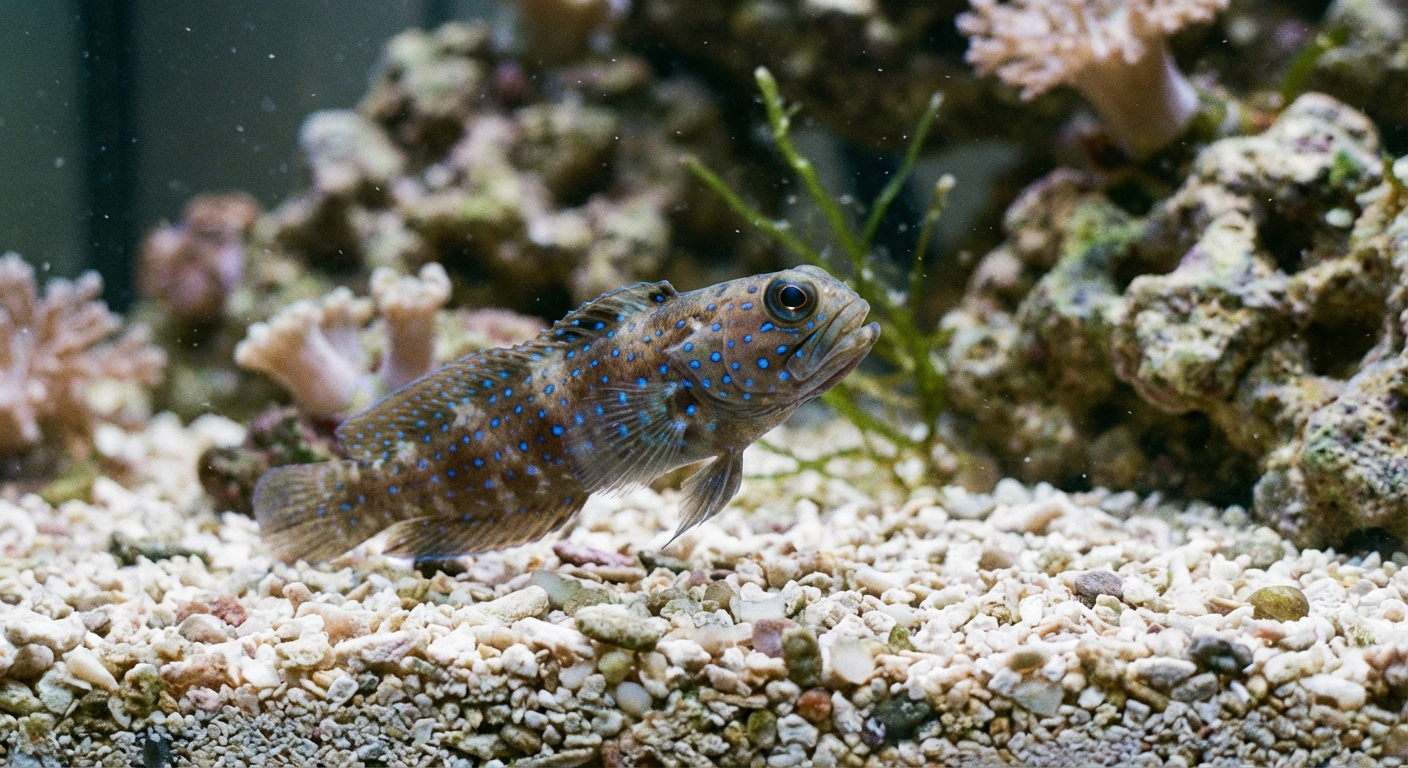
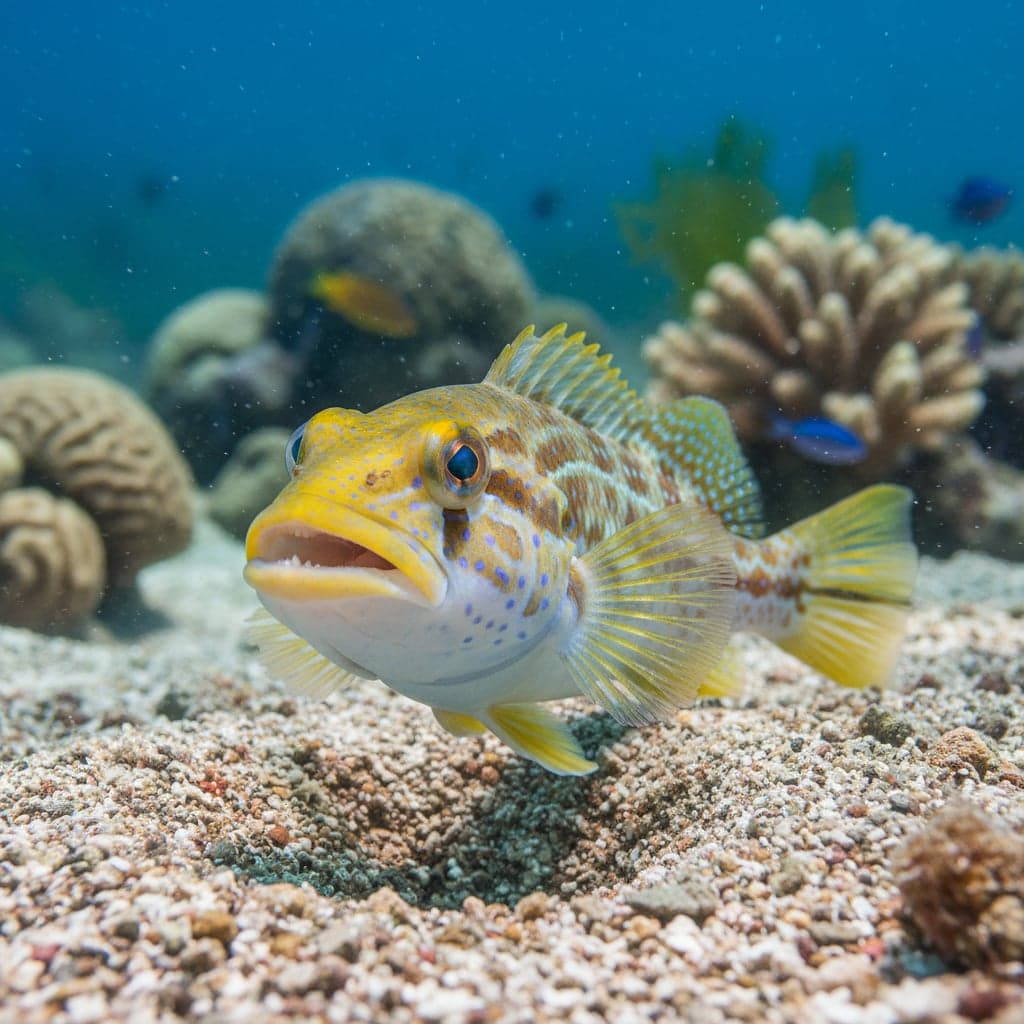
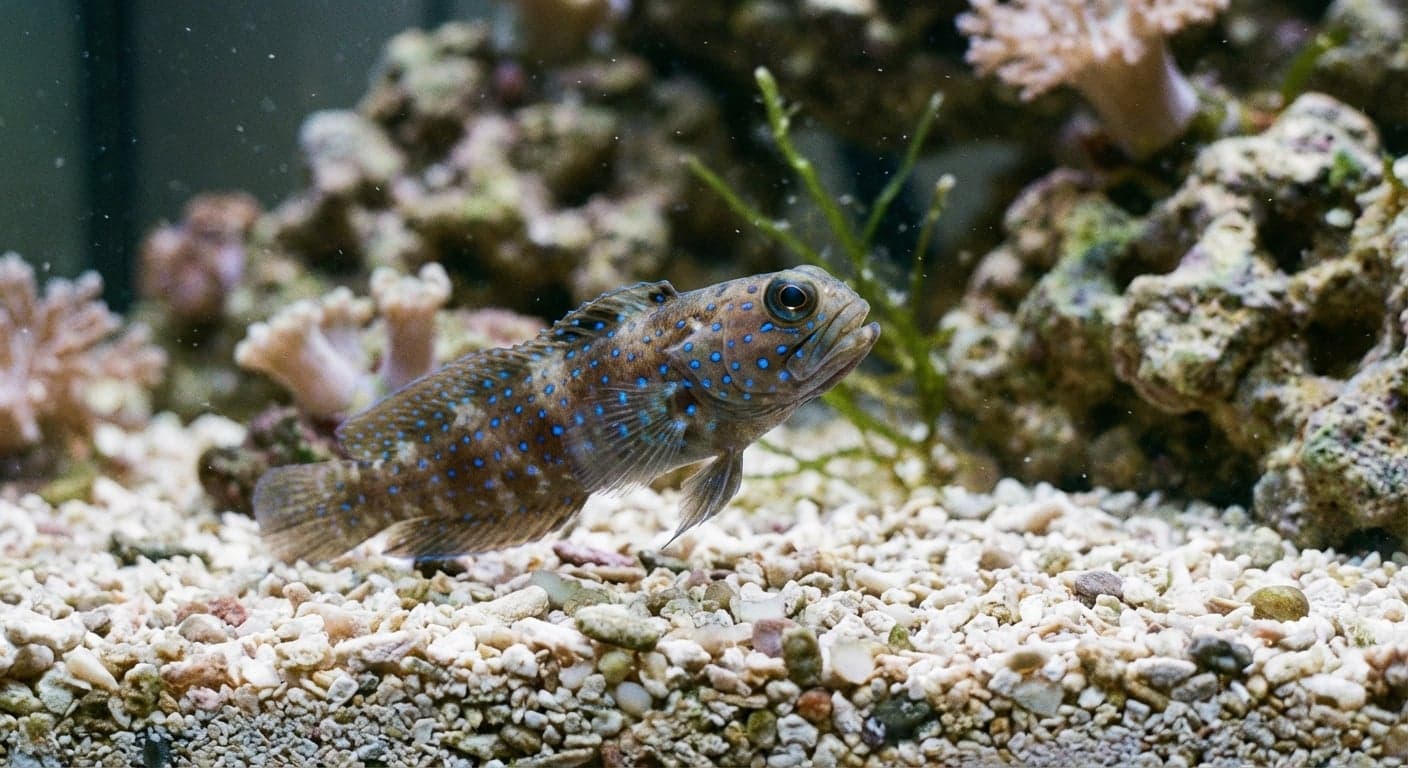
The Blue Spotted Jawfish (Opistognathus rosenblatti) is a captivating marine fish that has rightfully earned its place in the spotlight among aquarium enthusiasts. Known for its striking blue spots that adorn an otherwise beige to light-brown body, this fish is not only visually appealing but also showcases intriguing behavior that enhances any home aquarium. Its peaceful nature combined with a playful personality makes it a favored choice for both novice and experienced aquarists. This jawfish's penchant for burrowing in the substrate adds an extra layer of fascination, as observers can often see it darting in and out of its sandy retreats.
In the aquarium hobby, the Blue Spotted Jawfish holds significant value due to its unique appearance and engaging behaviors. Its distinct coloration and charming antics can breathe life into a well-designed marine tank. Furthermore, this species serves as an ambassador for the diverse ecosystems it represents, helping to educate and inspire responsible marine fishkeeping. As conservation efforts grow more critical, keeping species like the Blue Spotted Jawfish not only provides beauty to our aquariums but also highlights the necessity of protecting marine habitats.
Natural Habitat & Origin
The Blue Spotted Jawfish hails from the tropical waters of the Caribbean, specifically around reefs and sandy bottoms in locales such as the Bahamas and the Florida Keys. These fascinating creatures are predominantly found at depths ranging from 10 to 60 feet, where they carve out burrows in the sandy substrates. The environments they thrive in are generally characterized by clear waters with good light penetration, which is conducive to their foraging habits and social interactions. The reef systems provide essential food sources and shelters, acting as a perfect backdrop for their natural behaviors.
This fish's habitat is also notable for its biodiversity and stability, which are crucial for its development and health. The Blue Spotted Jawfish has adapted to live in a dynamic ecosystem where it can exhibit its natural behaviors, engaging in both solitary and social interactions. Understanding its native environment is vital for replicating the necessary conditions in an aquarium setting, ensuring optimal health and longevity.
Care Requirements
Successfully caring for the Blue Spotted Jawfish necessitates specific water parameters and tank conditions to replicate its natural habitat. Ideal water conditions include a pH range of 8.1 to 8.4, a temperature range of 75°F to 80°F (24°C to 27°C), and moderate hardness between 8-12 dGH. These factors contribute to creating a balanced environment where this fish can thrive.
In terms of tank setup, a minimum of 120 litres (32 gallons) is recommended for this 10cm Opistognathus — provide deep sand for its rubble burrow and a sealed lid, since jawfish are notorious jumpers. A sandy substrate is crucial, as it allows the Blue Spotted Jawfish to create and inhabit burrows, mimicking its natural behavior. While they prefer subdued lighting to feel secure, some low-light plants, such as seagrasses, can be added to create a more natural environment without overwhelming their habitat. Additionally, providing caves or overhangs will enhance their comfort and security, making them more likely to exhibit natural behaviors.
Diet & Feeding
The Blue Spotted Jawfish is primarily carnivorous but will also consume plant matter, classifying it as an omnivore in some contexts. In captivity, a varied diet is essential for maintaining their health and vibrancy. High-quality flake or pellet foods specifically formulated for marine species can form the foundation of their diet. Additionally, incorporating a range of frozen or live foods, such as brine shrimp, mysis shrimp, and finely chopped seafood, can stimulate their natural hunting instincts and provide essential nutrients.
Feeding should occur several times a day in small portions to prevent waste and maintain water quality. This feeding regimen mimics the constant foraging behavior seen in the wild, ensuring they receive adequate nutrition and stay active. Keeping a balanced and diverse diet will not only keep the Blue Spotted Jawfish healthy but also enhance its coloration and activity levels in the aquarium.
Behavior & Temperament
Behaviorally, the Blue Spotted Jawfish is known for its intriguing and engaging nature. These fish are generally peaceful, making them suitable candidates for community tanks, but they can exhibit territorial behavior, especially around established burrows. They prefer to occupy the lower strata of the aquarium, using both vertical space and substrate to establish a sense of security.
Socially, Blue Spotted Jawfish can interact favorably with other species, but care should be taken to monitor interactions, particularly as they establish their territories. It is common for them to be seen popping in and out of their burrows, showcasing their natural behavior and personality. While they do not form schools or shoals, keeping them in pairs or small groups can lead to exciting displays of social behavior, particularly during feeding times.
Tank Mates
When selecting tank mates for the Blue Spotted Jawfish, it is crucial to consider species that occupy different layers of the tank to reduce competition and potential territorial disputes. Compatible species include small, docile fish such as clownfish, gobies, and certain wrasse species that can thrive in a similar environment. Additionally, peaceful invertebrates like snails and shrimp can coexist well with Blue Spotted Jawfish, as long as they do not disturb the fish's burrowing activities.
However, certain species should be avoided to protect the well-being of the Blue Spotted Jawfish. Larger, aggressive fish or those that can disturb or invade its burrow will likely cause stress or injury. Predatory species such as larger groupers or triggers should not be kept in the same tank, as they may view the Blue Spotted Jawfish as a potential meal. Ideal tank mates will create a harmonious environment where the Blue Spotted Jawfish can thrive.
Breeding
Breeding the Blue Spotted Jawfish in captivity can be a rewarding yet challenging endeavor. These fish are known to form monogamous pairs, which is a crucial factor for successful breeding. Spawning generally occurs in a burrow context, where the female lays fertilized eggs that the male guards fiercely. This natural behavior must be replicated in captivity, requiring sufficient space for burrow construction and an environment where pairs can feel secure.
Creating optimal breeding conditions involves maintaining stable water parameters, including a pH of 8.1 to 8.4, a temperature around 78°F to 81°F (25°C to 27°C), and a well-oxygenated tank. Introducing high-quality foods will promote breeding readiness, and once a pair has formed, it is essential to minimize stress and disturbances around their habitat. Successful breeding may involve isolating the pair in a breeding tank to ensure a controlled environment, allowing the eggs to be monitored and cared for as they develop.
Common Health Issues
While the Blue Spotted Jawfish is generally hardy, it is not immune to certain health issues commonly faced by aquarium fish. These may include diseases like ich (ichthyophthirius multifiliis), marine velvet, and bacterial infections. Factors such as poor water quality, stress from tank mates, or sudden changes in the environment can increase susceptibility to these issues.
Preventative measures are critical when maintaining the health of the Blue Spotted Jawfish. Regular water changes, maintaining stable parameters, and ensuring a properly cycled aquarium will create a robust environment. Quarantine new additions before introducing them into the main tank can prevent the introduction of diseases. Additionally, observing the Blue Spotted Jawfish daily for changes in appetite, coloration, or reluctance to leave its burrow helps catch problems early. Treat marine ich or velvet promptly in a quarantine system, and avoid copper overdose around invertebrates if the jawfish shares a reef display. A deep sand bed for burrowing, stable salinity, and a meaty diet of frozen and live foods keep Blue Spotted Jawfish healthy, curious, and securely established in a peaceful marine aquarium.