Fish

Blueheaded Tilefish

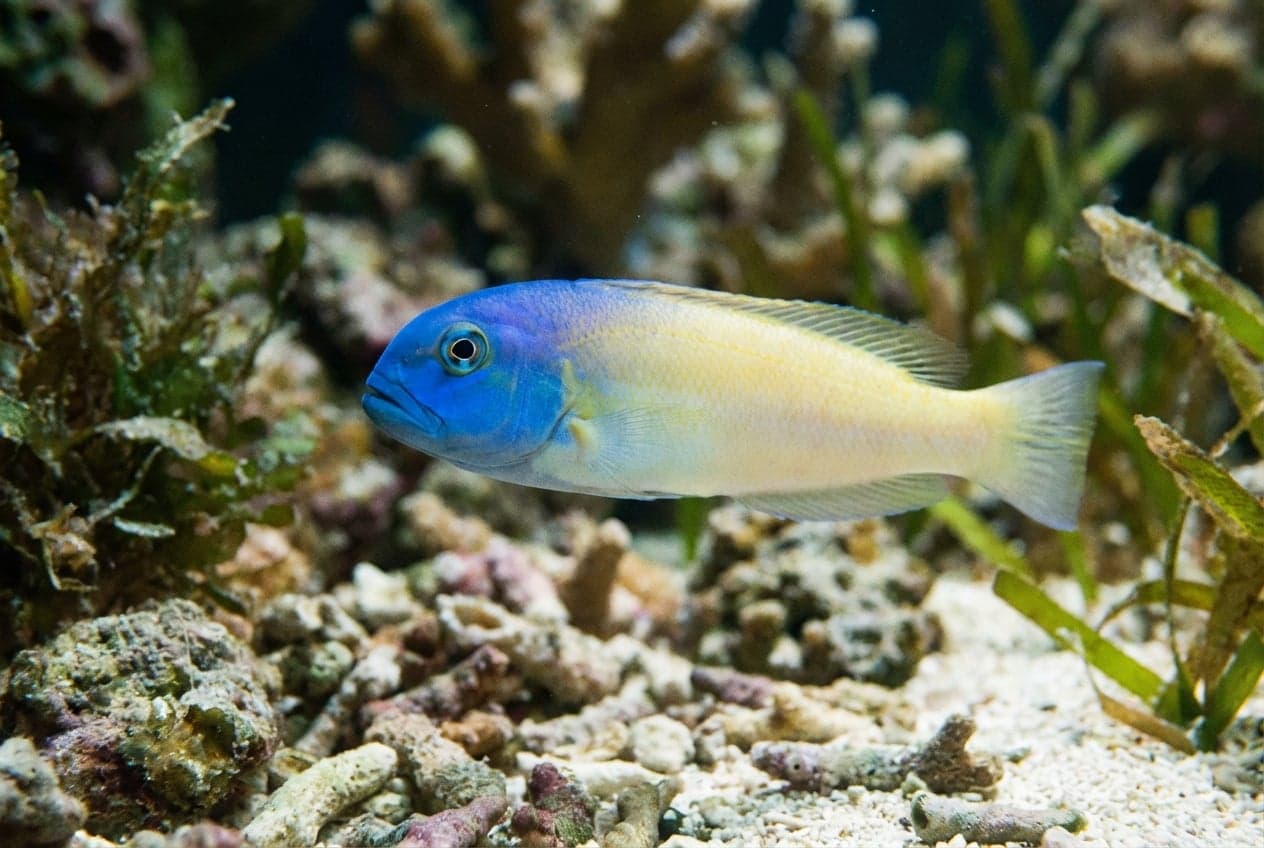
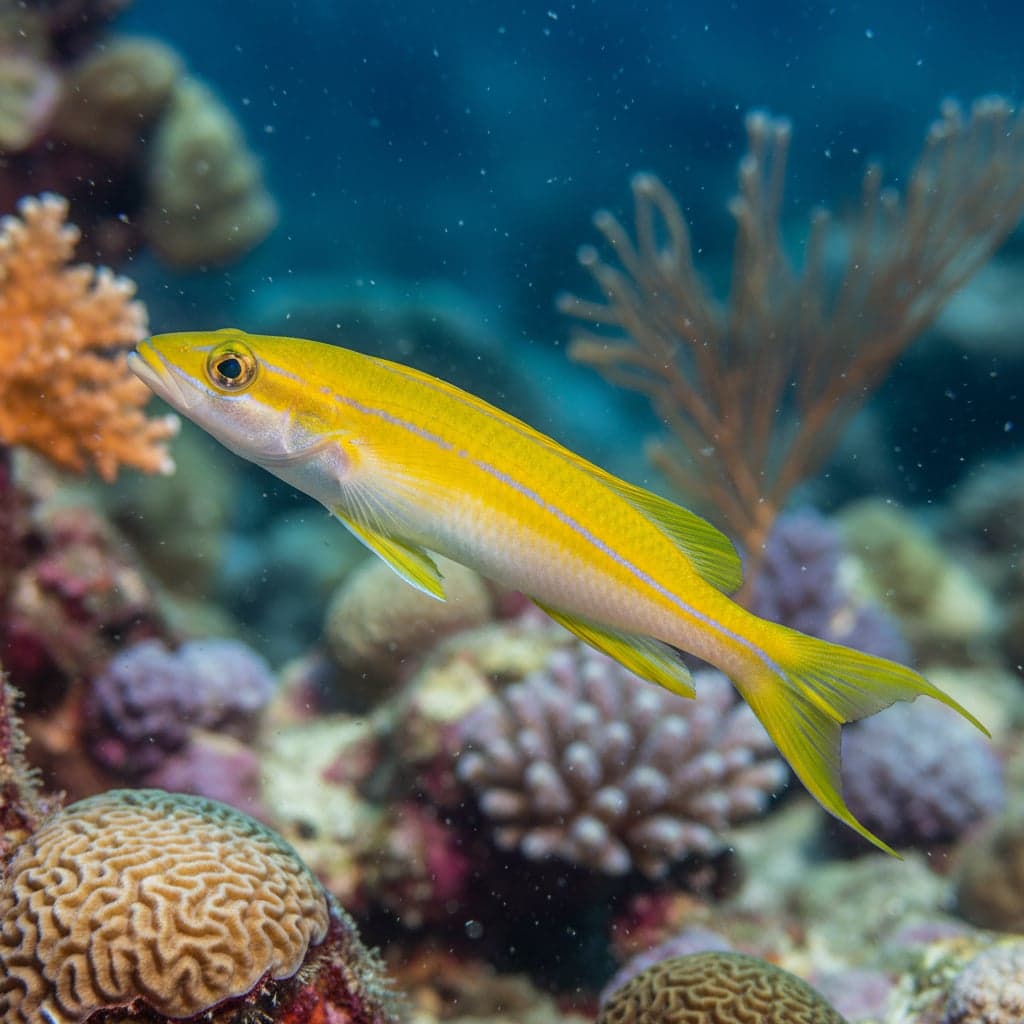
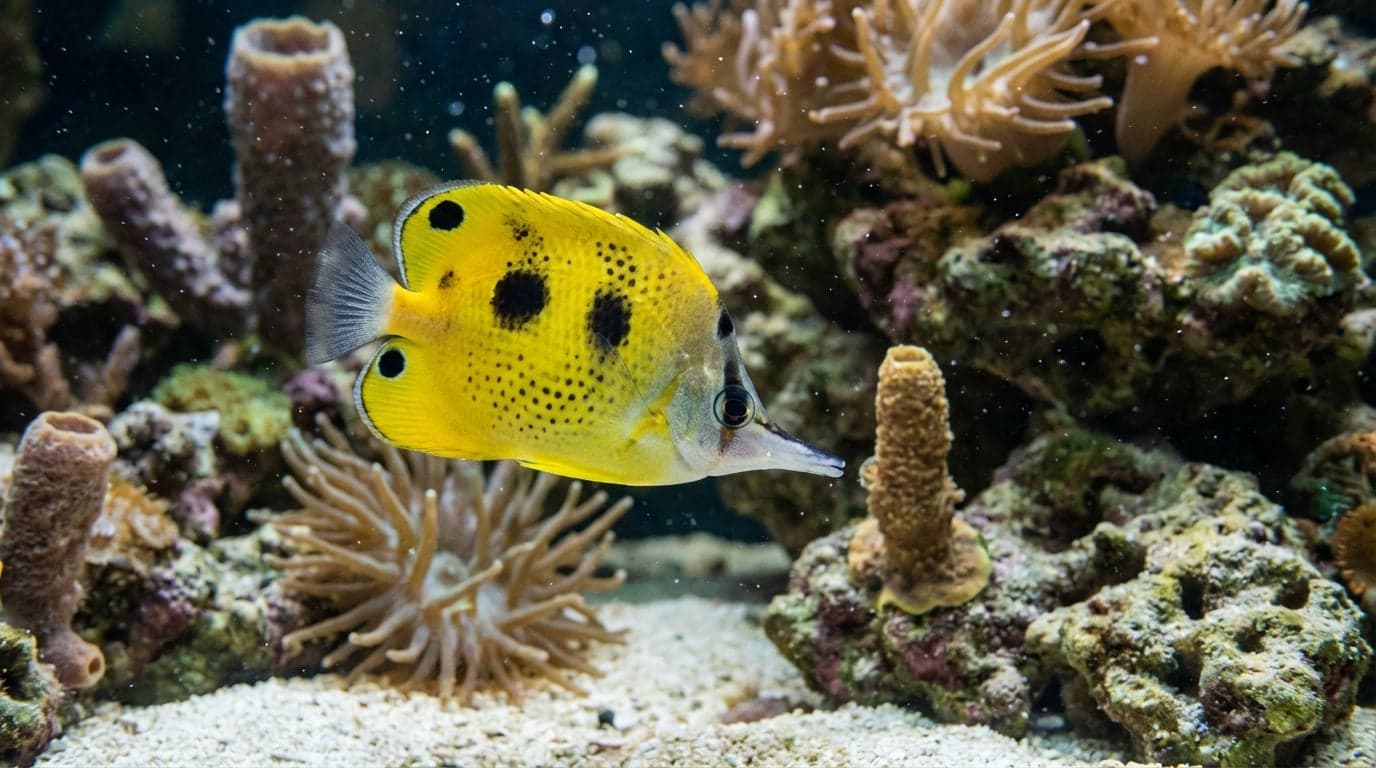
The Blueheaded Tilefish (Hoplolatilus starcki) is a stunning saltwater fish known for its unique appearance and behavior.

Studio Scaped
Blueheaded Tilefish

Blueheaded Tilefish

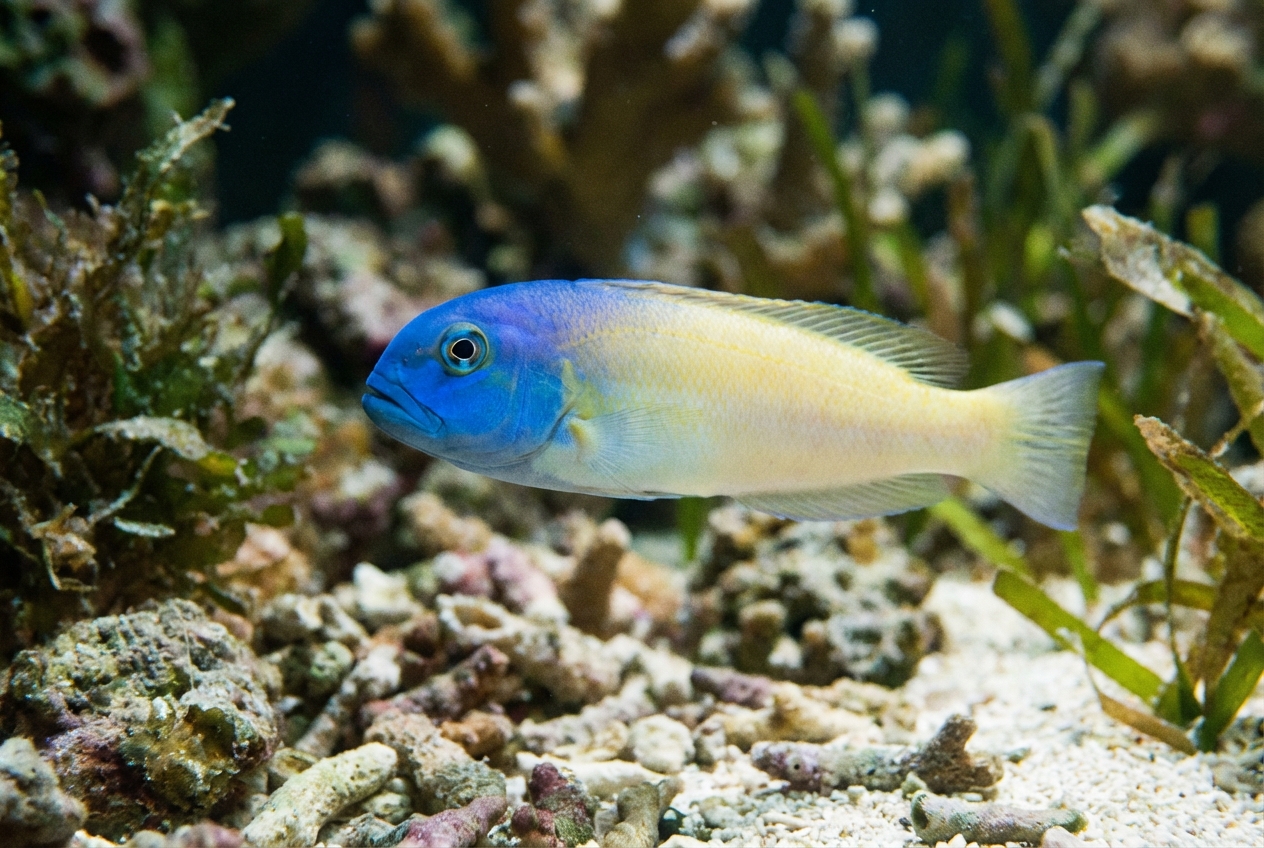
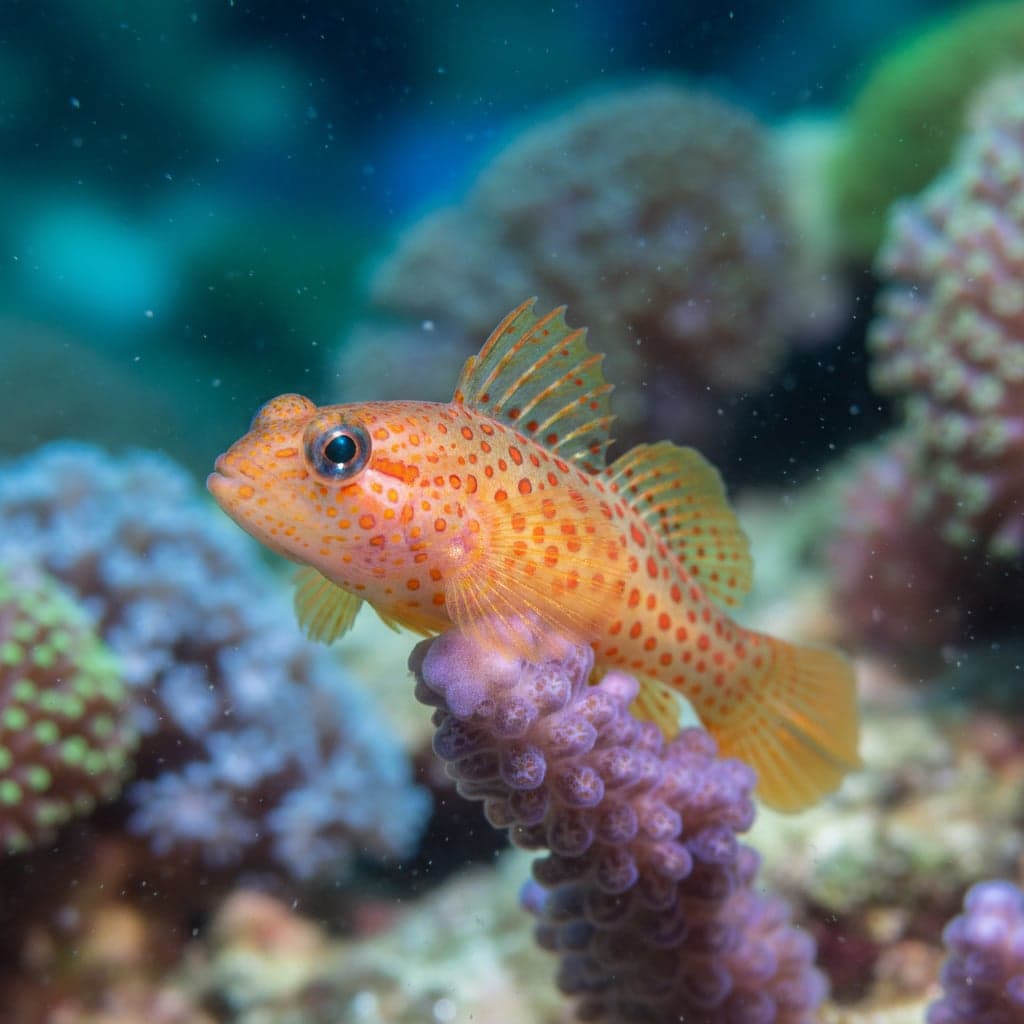
The Blueheaded Tilefish (Choeroichthys blaaski) is a striking marine fish that captivates aquarists with its vibrant coloration and unique morphology. Known for their distinct blue heads, these fish exhibit a gradient of colors that transition from bright yellows and oranges along the body to the electric blue of the head—making them a standout feature in any reef aquarium. Their visually appealing appearance combined with their interesting behavior makes the Blueheaded Tilefish a sought-after species for both novice and advanced aquarists.

In addition to their allure, the Blueheaded Tilefish plays a significant role in the reef ecosystems of their natural habitat. They often inhabit complex structures like coral reefs, where they feed on small invertebrates and detritus. In the aquarium hobby, they symbolize the beauty of marine biodiversity and highlight the importance of sustainable practices in fishkeeping. Understanding their needs and behaviors enhances the overall experience of housing these beautiful fish while contributing to conservation efforts.

Natural Habitat & Origin

The Blueheaded Tilefish is native to the warm waters of the Indo-Pacific region, specifically found around the coral reefs of the Central and Western Pacific Oceans. Countries such as Japan, the Philippines, and various islands in the Coral Triangle serve as the primary habitats for this species. They thrive in clear, shallow waters where they can easily navigate among the crevices and caverns of coral structures. This fish prefers environments with high visibility, making it a common sight in areas with plentiful sunlight filtering through the water, helping to promote the growth of algae and microorganisms they feed upon.

These tilefish are particularly fond of rocky substrates where they can establish territories and hunt for food. They usually inhabit depths of 20 to 60 meters, showcasing their affinity for the edges of reefs where they can engage in social behaviors and find refuge from predators. Maintaining an environment that mimics these natural settings is essential for their successful assimilation into aquarium life.

Care Requirements

To ensure a healthy and thriving environment for the Blueheaded Tilefish, specific water parameters must be maintained. The ideal pH level should range between 8.1 and 8.4, with a temperature of 24°C to 28°C (75°F to 82°F). It is also crucial to maintain moderate hardness with a dKH of 8 to 12. A well-established tank with a minimum size of 75 gallons is recommended to provide adequate space for swimming and territorial behaviors.

In terms of tank setup, Blueheaded Tilefish prefer a sandy or fine-gravel substrate that allows for digging and foraging. Incorporating live rock or artificial structures can create hiding spots and territories. Strong lighting can assist in the growth of any live corals or algae, which are crucial for their well-being. In addition, this fish benefits from a moderately moving water environment to simulate natural currents found in their ocean habitats. While adding plants to the tank is not necessary, incorporating some hardy decor can enhance the visual appeal of the aquarium.

Diet & Feeding

The Blueheaded Tilefish is an opportunistic omnivore, exhibiting a preference for both protein-rich and plant-based foods. In the wild, they mainly consume small invertebrates, crustaceans, and algae. For a well-rounded diet in captivity, a combination of high-quality flakes, pellets, frozen foods, and occasional live foods, such as brine shrimp or mysis shrimp, is recommended. Feeding should be done 2-3 times a day to mimic their natural foraging instincts and ensure they receive adequate nutrition.

It’s essential to provide a variety of foods to promote health and prevent dietary deficiencies. Additionally, supplementing their diet with algae-based foods or spirulina can support their nutritional needs and encourage vibrant coloration. Observation during feeding time can help assess their preference for specific food types, allowing aquarists to adjust their diet accordingly.

Behavior & Temperament

The Blueheaded Tilefish is characterized by its semi-aggressive nature and territorial behavior. While they are generally peaceful towards similar-sized fish, they can become assertive when defending their territory, especially during breeding seasons. They exhibit a predominantly solitary lifestyle but can display social behavior in more extensive setups, where they may group with other individuals of their species.

In the aquarium, the Blueheaded Tilefish tends to occupy the mid to upper levels of the tank, frequently exploring rocky outcroppings and hiding among corals. They are less likely to interact with bottom-dwelling species, making them ideal for community tanks that cater to a similar swimming level. Care should be taken to ensure they are not housed with overly aggressive or fin-nipping species that may stress them.

Tank Mates

When choosing tank mates for the Blueheaded Tilefish, consider species that complement its temperament and natural behaviors. Compatible tank mates include clownfish, certain wrasses, damselfish, and small angelfish. Ideally, these fish should be of similar size to avoid intimidation and encourage a harmonious community.

However, avoid housing the Blueheaded Tilefish with overly aggressive species such as large groupers or lionfish, which may pose a threat. Additionally, other tilefish or closely related species may lead to territorial disputes, making them unsuitable companions unless ample space and hiding areas are provided. A well-planned mix of species will create an engaging and visually stunning aquarium display.

Breeding

Breeding the Blueheaded Tilefish in captivity can be challenging, primarily due to their specific environmental requirements and social behavior. In favorable conditions, males will develop a more vibrant coloration, and the established pair will engage in courting displays. The spawning process typically occurs during the early morning hours, where the female lays eggs in sheltered areas among rocks or coral structures, and the male fertilizes them shortly after.

For successful breeding, conditions such as stable water parameters, appropriate tank size to reduce stress, and the provision of ample hiding places and territories are critical. Post-spawning care involves removing the parents to prevent them from eating the eggs, as nurturing behaviors are not typical for this species. Raising fry requires specialized care, including live foods and suitable hiding spots to promote healthy growth.

Common Health Issues

Like many marine fish, the Blueheaded Tilefish can be susceptible to specific health issues, including ich (marine white spot disease), flukes, and bacterial infections. Regular monitoring of water parameters and maintaining overall tank cleanliness are crucial preventive measures. Quarantining new arrivals before introducing them to the main tank can also help minimize stress and disease transmission.

Providing a balanced diet enriched with vitamins will bolster their immune system, reducing susceptibility to diseases. Observing behaviors for signs of illness—such as changes in appetite, lethargy, or unusual swimming patterns—can aid in early detection and treatment. Implementing routine tank maintenance and ensuring optimal conditions will contribute significantly to the health and longevity of the Blueheaded Tilefish in captivity.

ADA
Aqua One
Chihiros
Dennerle
EHEIM
Fluval
Oase
Seachem
Tropica
Twinstar
UNS
ADA
Aqua One
Chihiros
Dennerle
EHEIM
Fluval
Oase
Seachem
Tropica
Twinstar
UNS
ADA
Aqua One
Chihiros
Dennerle
EHEIM
Fluval
Oase
Seachem
Tropica
Twinstar
UNS
ADA
Aqua One
Chihiros
Dennerle
EHEIM
Fluval
Oase
Seachem
Tropica
Twinstar
UNS