Bluestriped Angelfish
The Bluestriped Angelfish (Chaetodontoplus septentrionalis) is a handsome subtropical Western Pacific marine angel — best kept cool-ish, with reef caution, by experienced keepers.
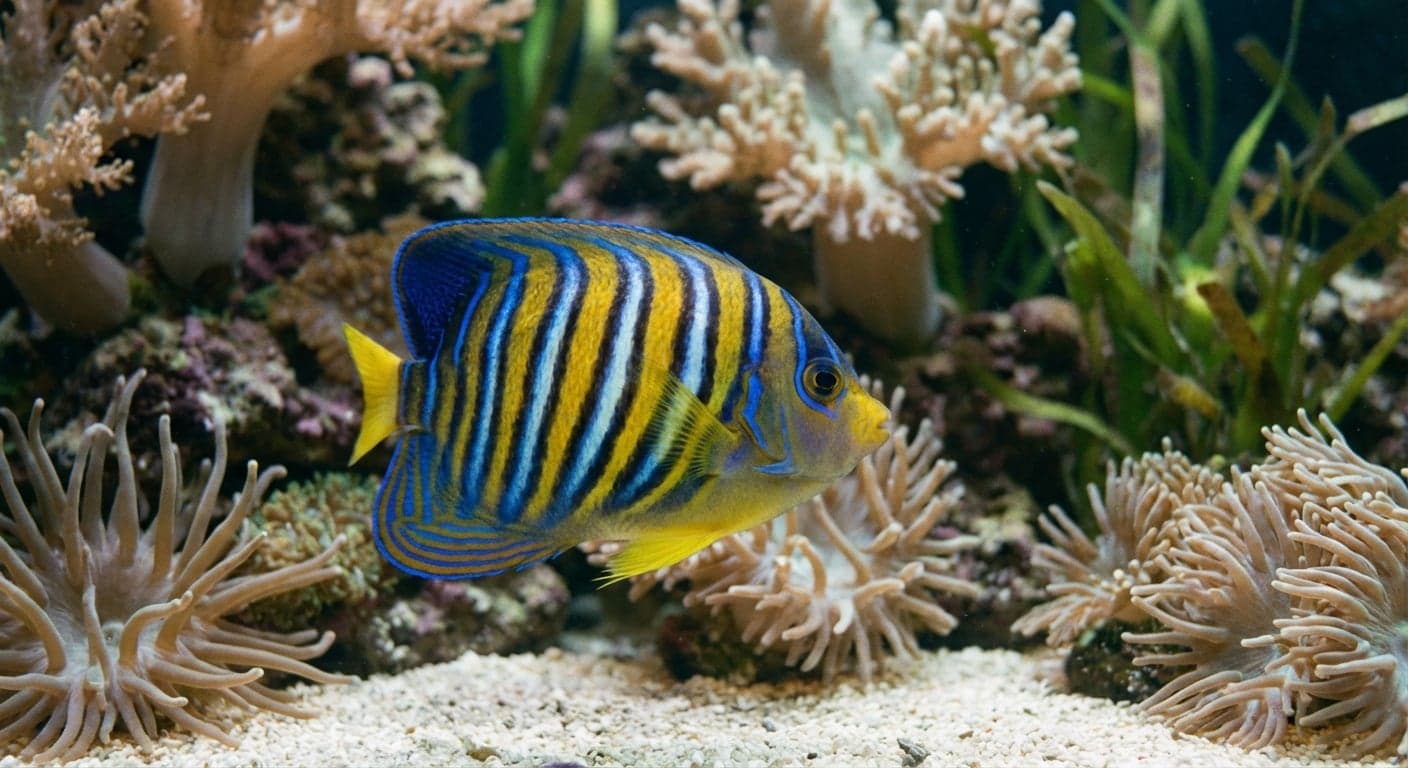
Bluestriped Angelfish
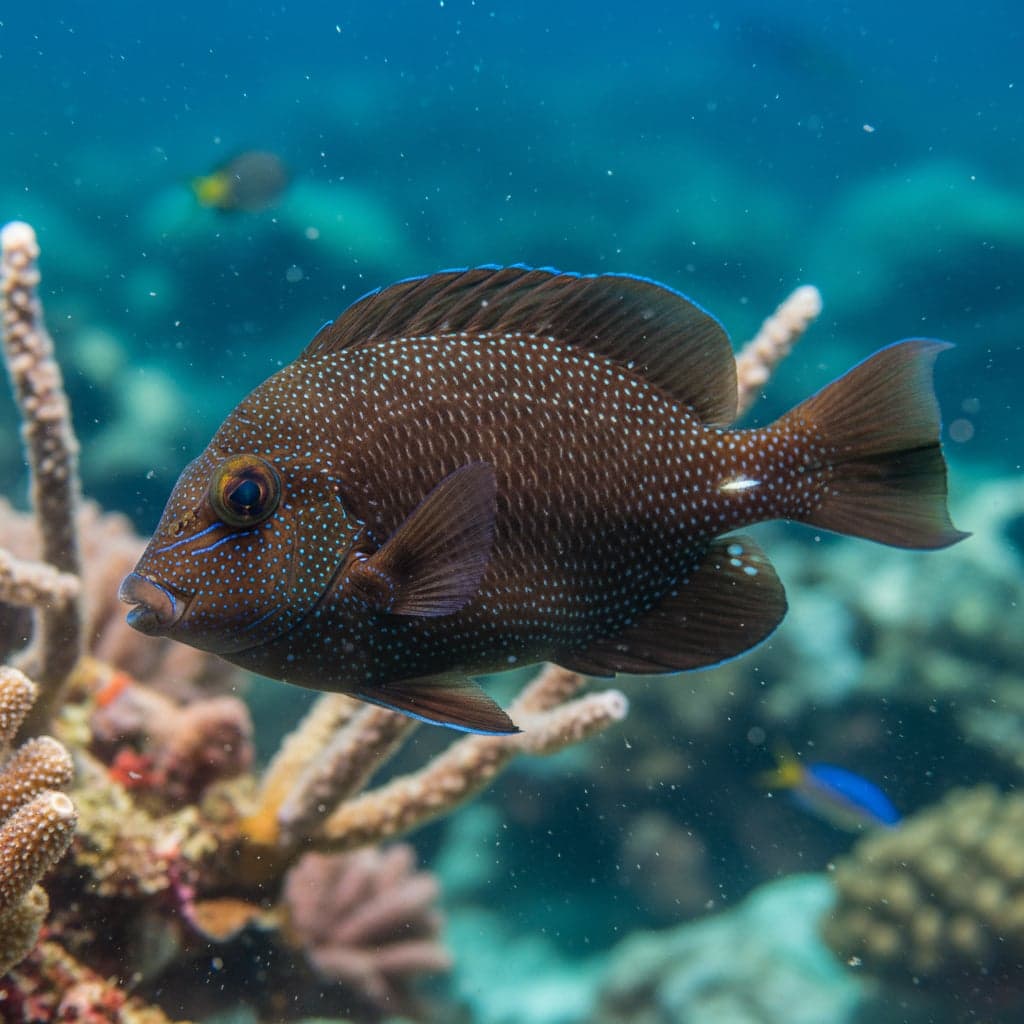
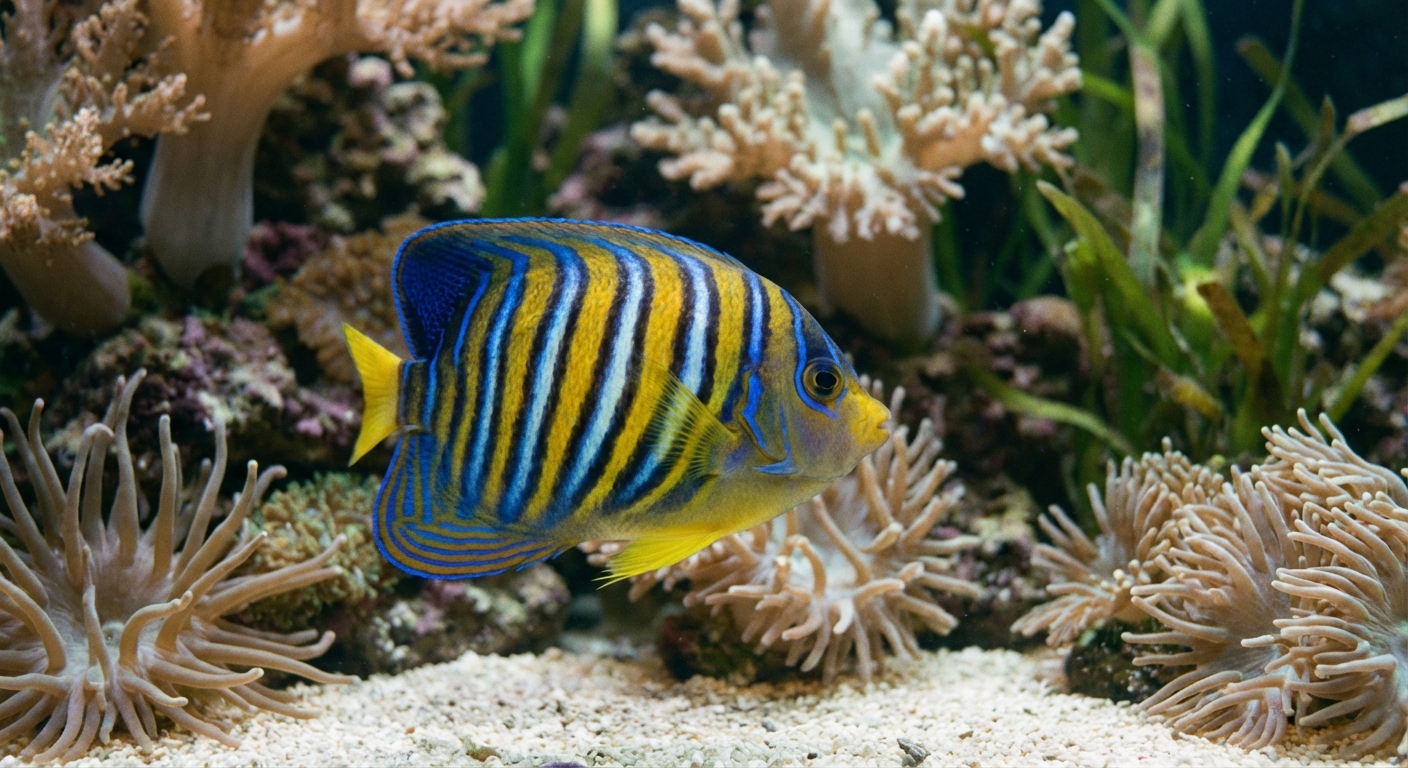
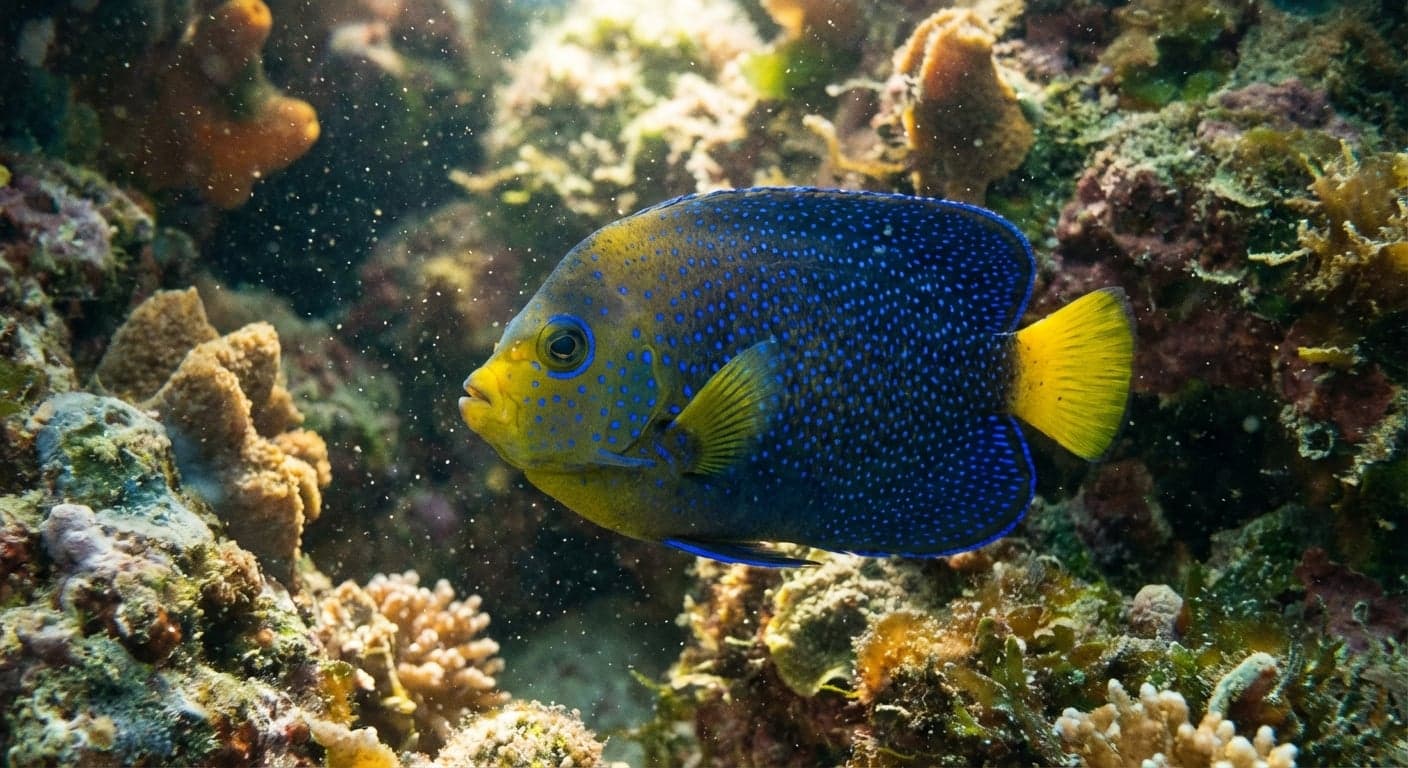
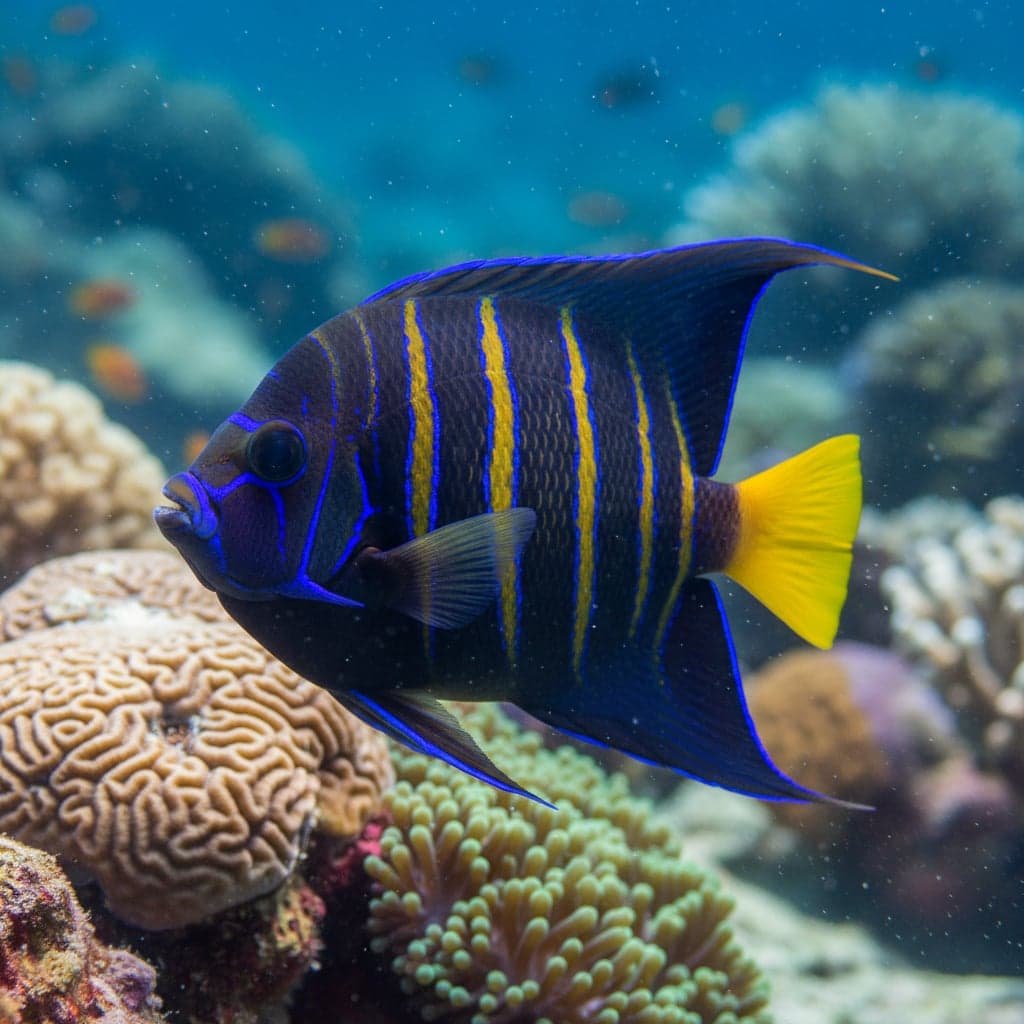
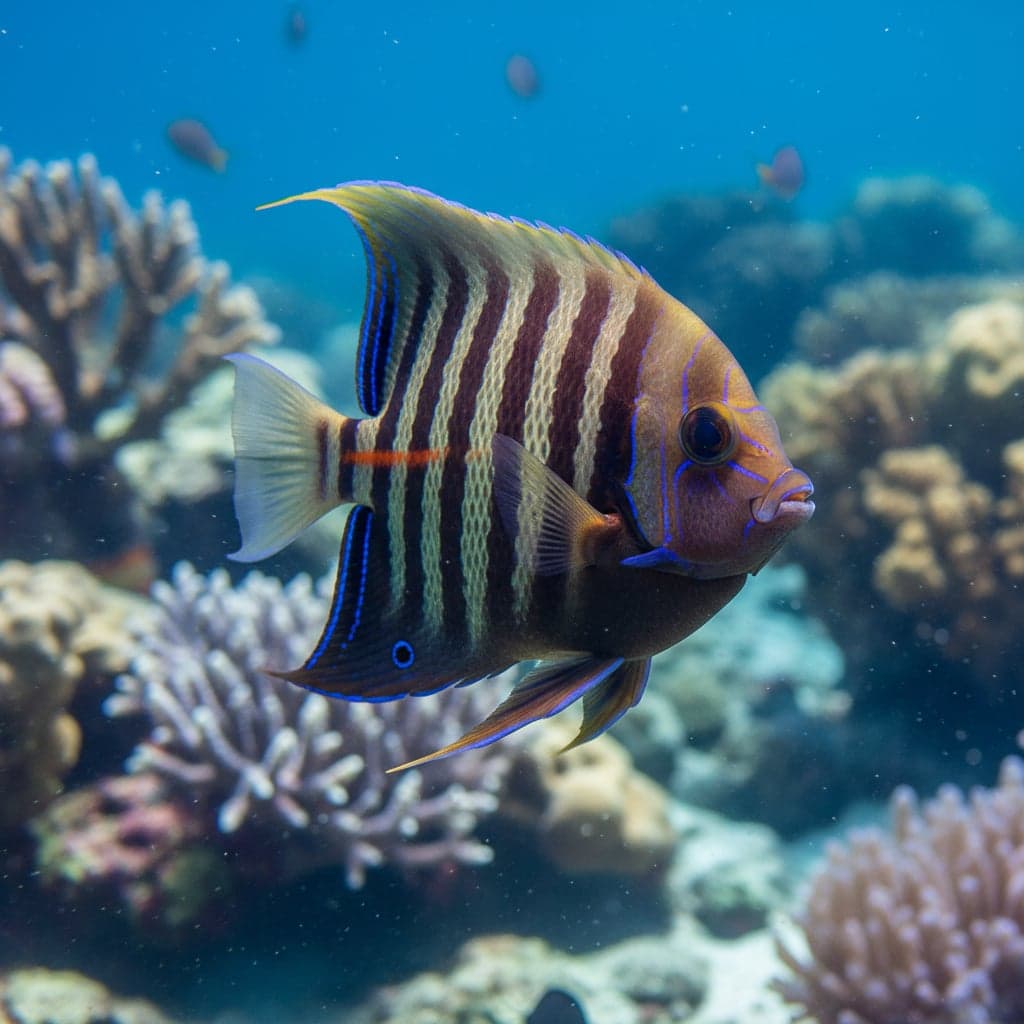
The Bluestriped Angelfish (Chaetodontoplus septentrionalis), also called the blue-stripe or bluelined angelfish, is a refined Western Pacific angel — bronze to brown body, wavy electric-blue scribble lines, bright yellow tail. It sits in the same genus as velvet and scribbled angels: sponge-leaning omnivores with real dietary demands and only partial reef manners. Handsome, characterful and not a tropical-reef default fish.
Temperature is the first honesty check. This species is subtropical; pushing it to a steady 27–28°C tropical reef because “everything else likes it” is how imports fade and fail. Frontmatter lists Solitary because one Chaetodontoplus of this type is the safe default unless the system is truly large.
As with other sponge-associated angels, diet difficulty and mature live rock are the real price of admission. Cooler stable water is the second. This is an intermediate fish for keepers who will actually meet those needs — not a pretty impulse add to a hot SPS tank.
Natural Habitat & Origin
Chaetodontoplus septentrionalis ranges the subtropical Western Pacific — southern Japan, Taiwan, China, Korea — on rocky and coral reefs, often around caves and rich invertebrate growth in cooler water than classic equatorial reefs. It is usually alone or in pairs, grazing sponges, tunicates and algae.
In the aquarium recreate a mature rockscape with grazing surface, caves and steady, slightly cooler temperatures. A brand-new sterile tank with nothing to pick and blazing heat fights every instinct this fish has. Live rock is not decoration here; it is part of the feeding and settling strategy.
Care Requirements
Stable marine water: salinity about 1.024–1.026, pH 8.1–8.4, and temperature toward the cooler reef band — about 22–25°C (72–77°F), matching frontmatter and the fish’s origin. Adults reach around 22 cm (9 inches). Plan on about 340 litres (around 90 US gallons) or more with substantial rockwork. Length for territory and swimming beats a short, crowded cube.
A well-established system improves odds. Newly imported Chaetodontoplus can be shy and picky; mature rock and calm tankmates help them start grazing. Quarantine is mandatory. Angels are classic importers of marine ich (Cryptocaryon irritans) and marine velvet (Amyloodinium ocellatum). Treat or observe in QT before the display — medications belong in hospital tanks, not as copper dumped on a reef after white spots appear.
Use the Aquarium Tracker to log temperature especially — creep upward from heaters shared with tropical livestock is a silent failure mode for subtropical angels — plus salinity and feeding response. A fish that ate sponge preparations in QT and then goes off food in a hot display is giving you data, not attitude.
Diet & Feeding
Omnivore with a sponge problem in the best sense: wild diet includes sponges, tunicates and algae, and captivity fails when that is ignored. Base feeding on quality marine angelfish preparations that include sponge, plus herbivore foods, spirulina, nori, frozen mysis and enriched blends. Offer small amounts several times a day and leave mature rock for grazing between meals.
Diet difficulty is the make-or-break for this genus. Buy a feeding specimen. Prove sponge-inclusive foods in quarantine before the display. A bluestriped angel that only picks occasionally at flake is on a slow decline even if it still swims. Body shape tells the truth: a pinched dorsal profile is an emergency nutrition problem, not a “slimming colour phase.”
Do not assume reef algae alone will carry an adult. Natural film helps; it does not replace prepared sponge foods. Rotate items so the fish cannot hold out for one favourite and ignore the rest.
Behavior & Temperament
Generally peaceful toward unrelated fish, territorial toward other angels and similar competitors. Keep one of this type per tank unless volume and aquascape truly split territories. Introduce thoughtfully — a shy new import added to an established aggressive community may never leave the rock.
Newly imported fish often need calm and cover. Crowding, heat and competition at the food clip turn a manageable semi-aggressive angel into a hidden, thinning problem. Frontmatter Semi-aggressive is about angel-on-angel pressure and resource defence, not random community murder — but undersized tanks erase that distinction.
Tank Mates
Suitable companions are robust, peaceful to semi-aggressive fish that tolerate cooler water: tangs, larger wrasses, anthias and similarly sized community fish. Avoid other angels in modest systems. Reef safety is caution-flagged: like other Chaetodontoplus, it may nip coral polyps, soft corals and clam mantles. Safest homes are fish-only or FOWLR, or reefs stocked only with hardy corals the keeper is willing to risk.
Do not trust charts that mark every medium angel “reef safe with caution” and then stock expensive Acropora and maximas beside a hungry sponge grazer. Caution means accept nipping risk or choose a planktivorous Genicanthus instead.
Breeding
Chaetodontoplus septentrionalis is a pelagic spawner and is not a practical home-aquarium breeding species. Trade specimens are wild-collected. Captive breeding of large angels remains specialist work, not a reason to skip quarantine or diet proofing.
Common Health Issues
Reasonably durable when temperature, space and sponge-inclusive diet are met; fragile when any of those slip. Marine ich and marine velvet hit stressed, warm, freshly imported fish hard. Starvation from refused prepared foods is the quiet killer. Quarantine every fish. Keep water pristine, cooler and stable.
A bluestriped angel that will not take sponge foods is not “waiting to blossom” — it is a fish at risk. Prove feeding in QT, hold temperature in the low-to-mid 20s °C, give the 22 cm adult honest volume, and this scribbled Chaetodontoplus is a handsome intermediate showpiece. Run it hot on a tropical SPS schedule with no sponge in the diet and it becomes another faded subtropical angel story.