Bumblebee Cichlid: Pseudotropheus crabro
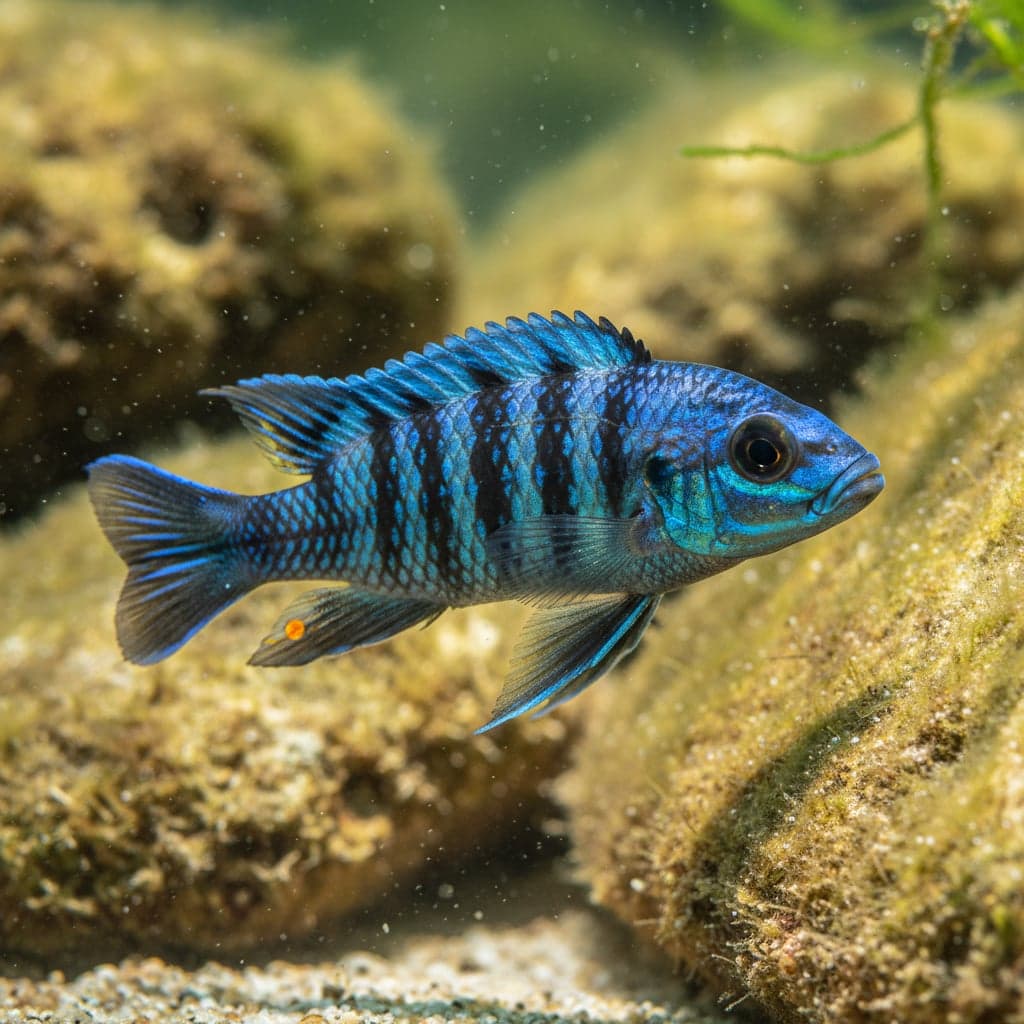
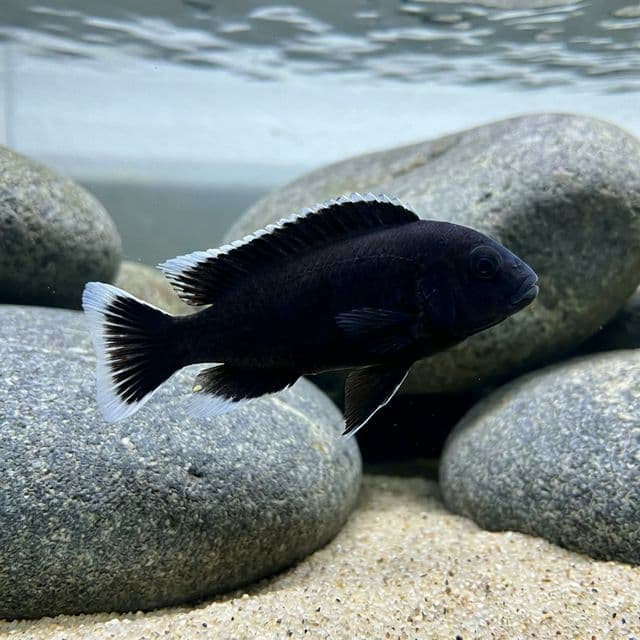
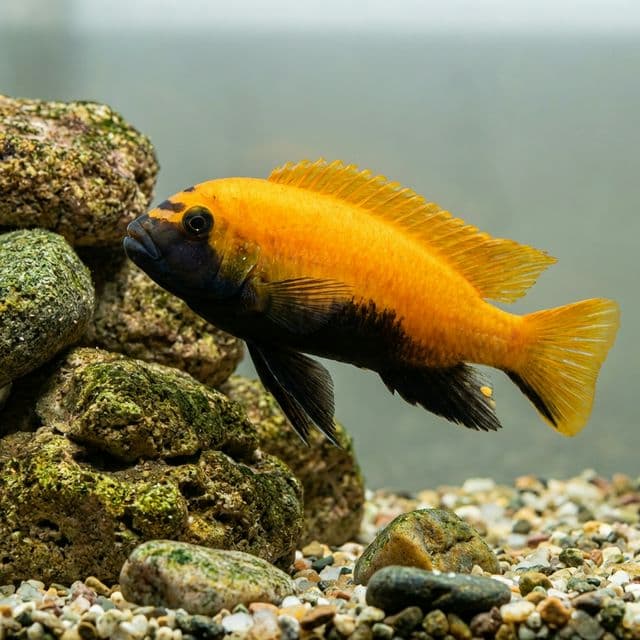
A large, aggressive Mbuna from Lake Malawi. Colors change quickly with mood.

Bumblebee Cichlid
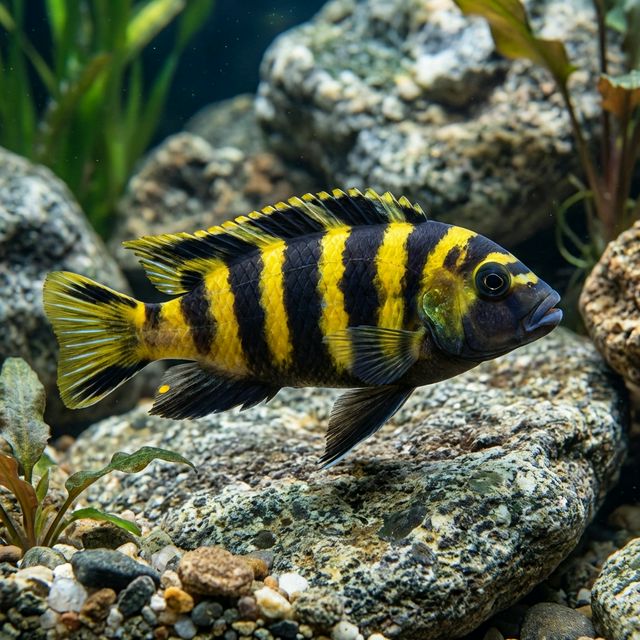
The Bumblebee Cichlid, scientifically known as Pseudotropheus crabro, is a vibrant and striking freshwater fish that has captivated aquarists since its introduction to the hobby. Known for its unique color pattern reminiscent of its namesake bee, this cichlid exhibits a stunning combination of yellow and black stripes, making it a showstopper in any aquarium. Adult specimens can reach lengths of about 6 inches and exhibit sexual dimorphism, with males often displaying brighter and more pronounced coloration compared to females. This stunning appearance not only brings visual interest to tanks but also adds incredible diversity to the cichlid enthusiast's collection, solidifying its significance in the aquarium hobby.
In addition to its visual appeal, the Bumblebee Cichlid carries ecological and cultural weight, as it is native to the rocky shores of Lake Malawi in East Africa. The fish plays an essential role in its ecosystem, contributing to the balance of herbivorous and carnivorous species in its environment. Due to its adaptability and unique behaviors, the Bumblebee Cichlid has captured the interest of fishkeepers around the world, and as a result, it has become a staple within aquariums focused on African cichlids. This fish not only enhances the aesthetics of aquatic life but also promotes awareness of the need to preserve their natural habitats.
Natural Habitat & Origin
The Bumblebee Cichlid hails predominantly from Lake Malawi, located in southeastern Africa. This lake is renowned for its incredible biodiversity, particularly among cichlids, and is characterized by its clear, mineral-rich waters. The natural habitat of the Bumblebee Cichlid involves rocky substrates, where it can find shelter among the crevices and caves. These areas provide both protection and breeding grounds, essential for the species’ survival. The water in Lake Malawi typically has a neutral to slightly alkaline pH, with minimal turbidity, reflecting the clearwater environment in which this species thrives.
Environmental factors such as water temperature and hardness are also crucial to understanding the Bumblebee Cichlid's habitat. In their native range, these fish prefer temperatures around 75°F to 82°F (24°C to 28°C) and inhabit areas where the water is moderately hard due to the presence of calcium and other minerals. Such conditions are instrumental in maintaining the health and well-being of Bumblebee Cichlids, both in the wild and within aquaria.
Care Requirements
To provide optimal care for the Bumblebee Cichlid, it is vital to replicate the conditions of its natural environment. The ideal water parameters should ideally fall within a pH range of 7.5 to 8.5, with a general hardness between 10 to 20 dGH, and a stable temperature between 75°F and 82°F (24°C to 28°C). Regular water changes and filtration that maintains high water quality are essential for keeping this cichlid healthy and vigorous.
For tank setup, a minimum tank size of 50 gallons is recommended for a small group of Bumblebee Cichlids, as they can be territorial. Provide plenty of hiding spaces using rocks, caves, and structured decorations to allow individual fish to establish their territories. A sandy substrate mimics their natural habitat effectively and minimizes the risk of injury. Lighting should be moderate to highlight the enchanting colors of the fish without causing undue stress. Live plants can be added, but they should be hardy species; otherwise, the Bumblebee Cichlid may uproot or consume them as they scavenge for food.
Diet & Feeding
Bumblebee Cichlids are primarily carnivorous, but they are omnivorous in the aquarium setting, which allows for a diverse diet. In the wild, they graze on algae and consume small invertebrates, while in captivity, they thrive on high-quality flakes and pellets designed for cichlids. It is encouraged to supplement their diet with frozen or live foods such as brine shrimp, daphnia, and bloodworms to maintain robust growth and health.
Feeding should occur two to three times a day, but it is essential to provide smaller portions that can be consumed within a few minutes. Overfeeding can lead to health issues, so monitoring portion sizes is critical. Additionally, it may also be beneficial to include spirulina-based foods, as they help to enhance coloration and support overall health.
Behavior & Temperament
The Bumblebee Cichlid exhibits a complex range of social behaviors and can be quite territorial. They thrive in a social environment but are known to display aggressive tendencies, especially males that will defend their territories vigorously. This behavior can lead to larger rivalries amongst tank mates, so adequate space and hiding spots are crucial to minimize tension.
In terms of tank placement, Bumblebee Cichlids are generally found in the mid to upper regions of the tank. They may occasionally venture near the substrate but are more prone to displaying their elegant swimming patterns higher up, enhancing the visual appeal of the aquarium.
Tank Mates
When selecting tank mates for the Bumblebee Cichlid, it is essential to consider species that can tolerate similar water parameters and possess a compatible temperament. Peaceful fishes like synodontis catfish, rainbowfish, and certain barbs can often coexist without much issue. However, avoid keeping them with overly aggressive or large species, as this can lead to increased stress and conflict.
Some species to avoid include larger cichlids with aggressive tendencies, such as the Jaguar Cichlid or other Malawi cichlids like the Mbuna, which can compete for territory and food. Maintaining a balanced community that ensures ample space and shelters will promote harmony within the aquarium settings.
Breeding
Breeding Bumblebee Cichlids in captivity can be a rewarding pursuit with the right conditions. To encourage spawning, provide an environment conducive to their natural reproductive habits, such as flat rocks or ceramic discs where females can lay their eggs. Males exhibit courtship behaviors through vibrant displays and territorial posturing to attract potential mates.
The female Bumblebee Cichlid is a mouthbrooder, carrying fertilized eggs and fry in her mouth until they are ready to be released. Water conditions must remain stable during this time, with parameters kept in check to prevent stress on the breeding pair. Once the fry are released, it is vital to provide appropriate food sources such as powdered flakes or infusoria to support their initial growth stages.
Common Health Issues
Bumblebee Cichlids may be susceptible to several health issues common among freshwater fish, including ich (Ichthyophthirius multifiliis), fin rot, and swim bladder disease. Maintaining excellent water quality through regular changes and filtration is critical for disease prevention. Additionally, observe your fish frequently for signs of stress or illness, such as a lack of appetite or abnormal swimming behavior.
To prevent common ailments, ensure that tank mates are compatible to minimize aggressiveness that can lead to injuries, implement a nutritious diet, and provide ample hiding spaces to make them feel secure. Regular health check-ups and prompt treatment for any signs of disease will help keep your Bumblebee Cichlid lively and healthy.