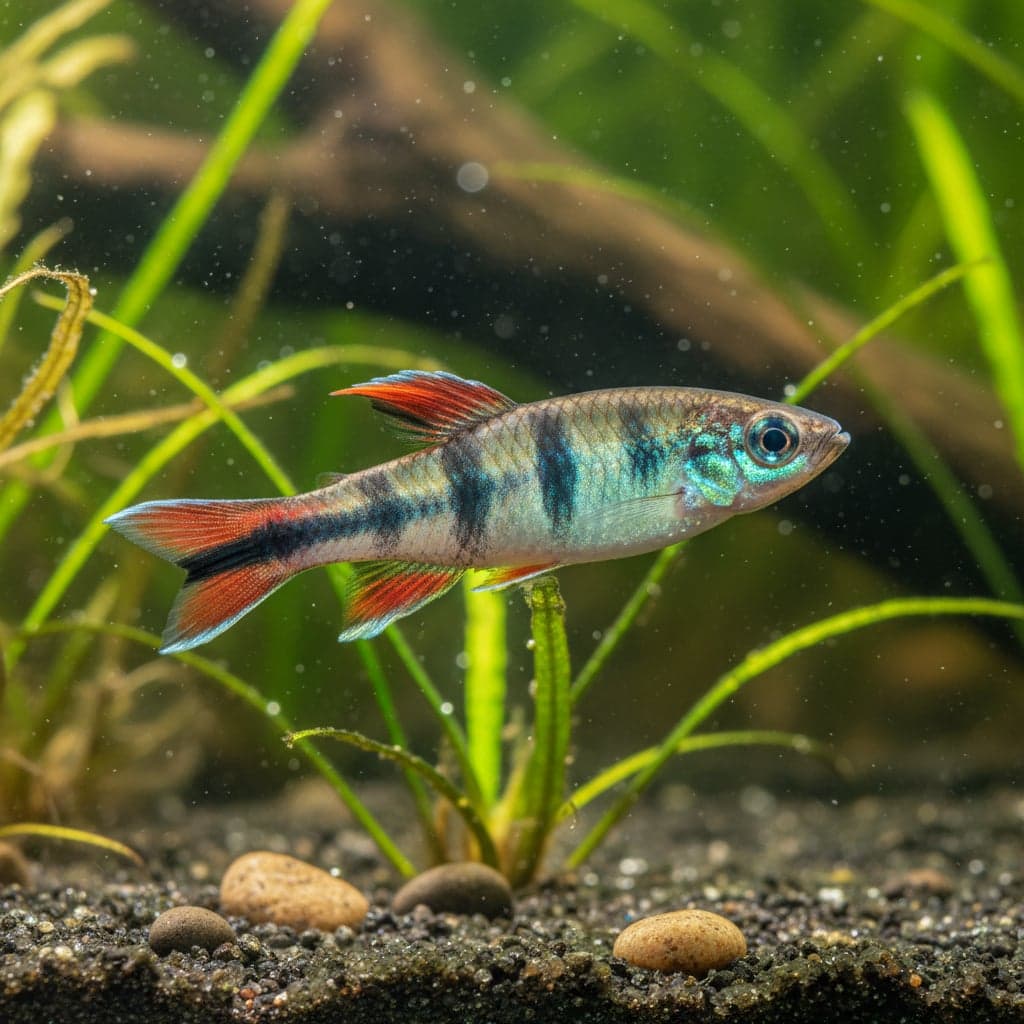
Calliurus Shelldweller: Neolamprologus calliurus
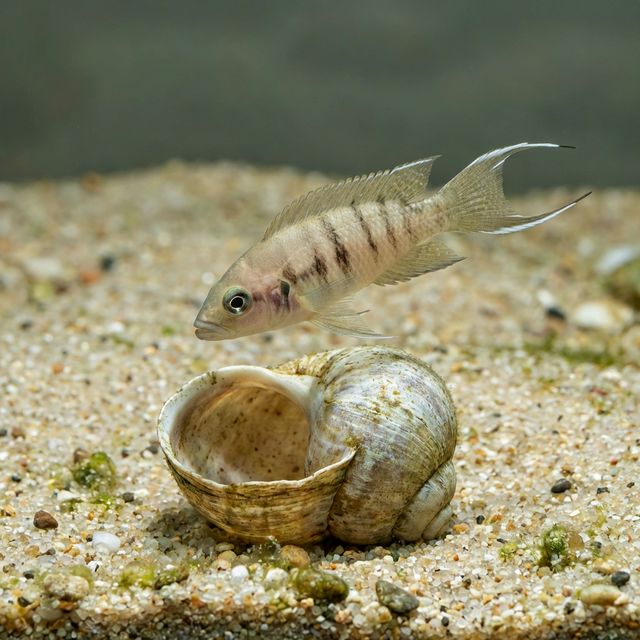
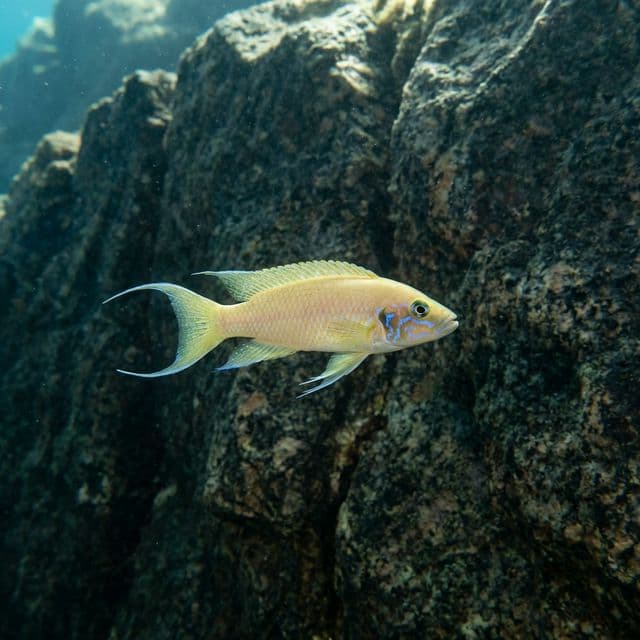
A larger shell dweller from Lake Tanganyika. Males have a lyre-tail and are significantly larger than females.
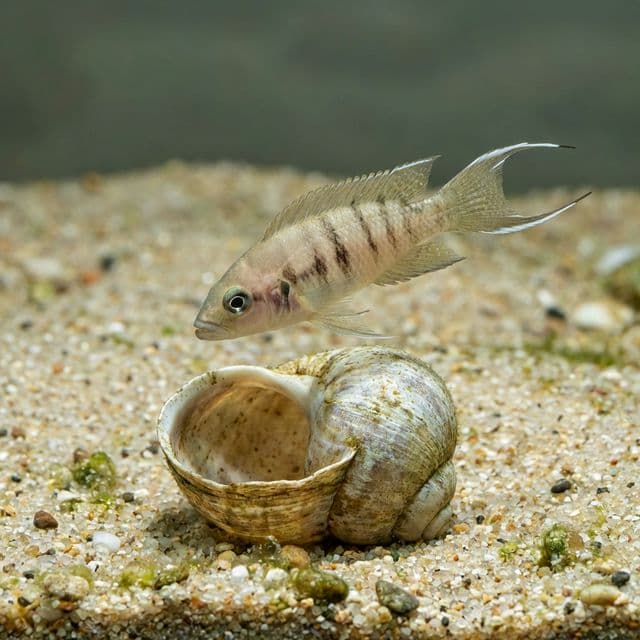
Calliurus Shelldweller
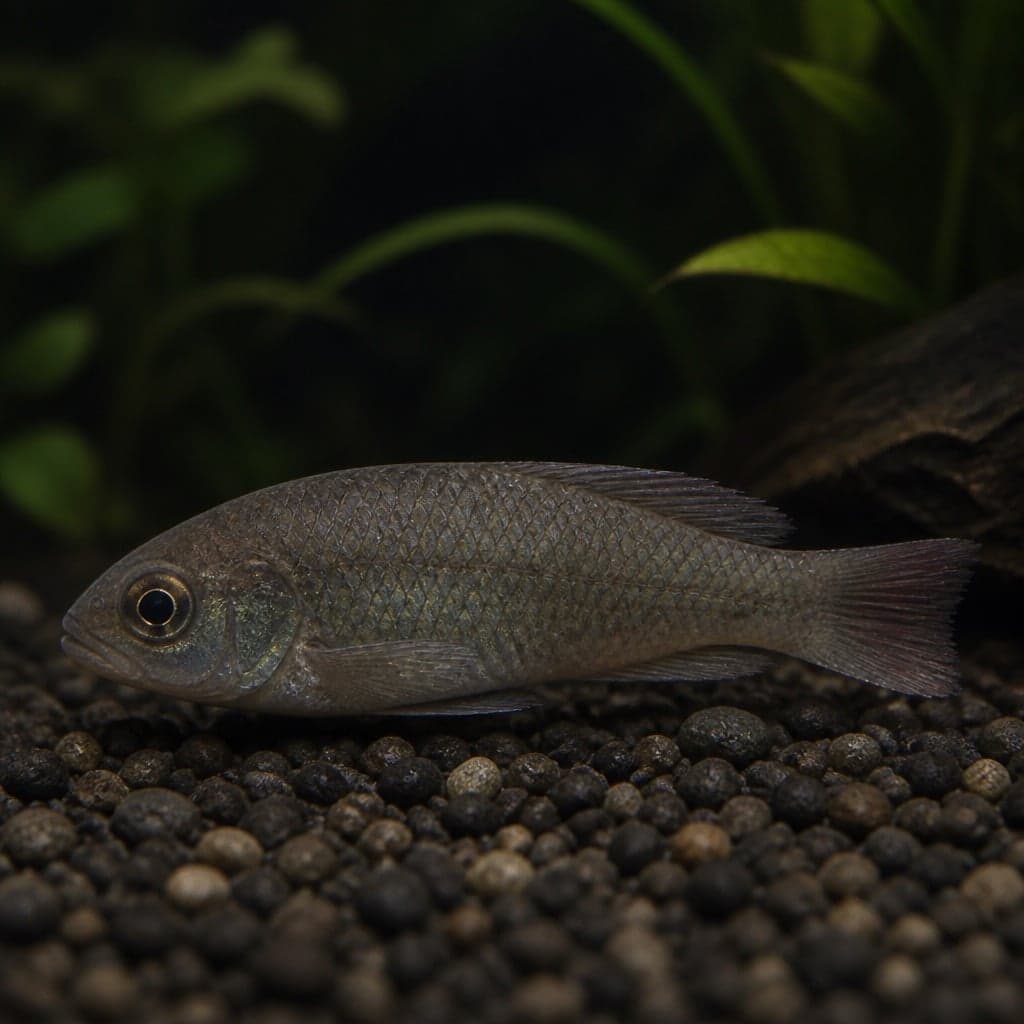
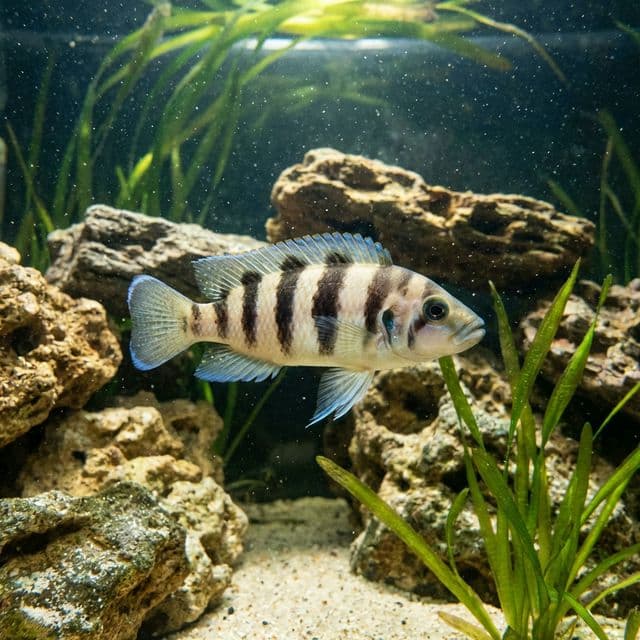
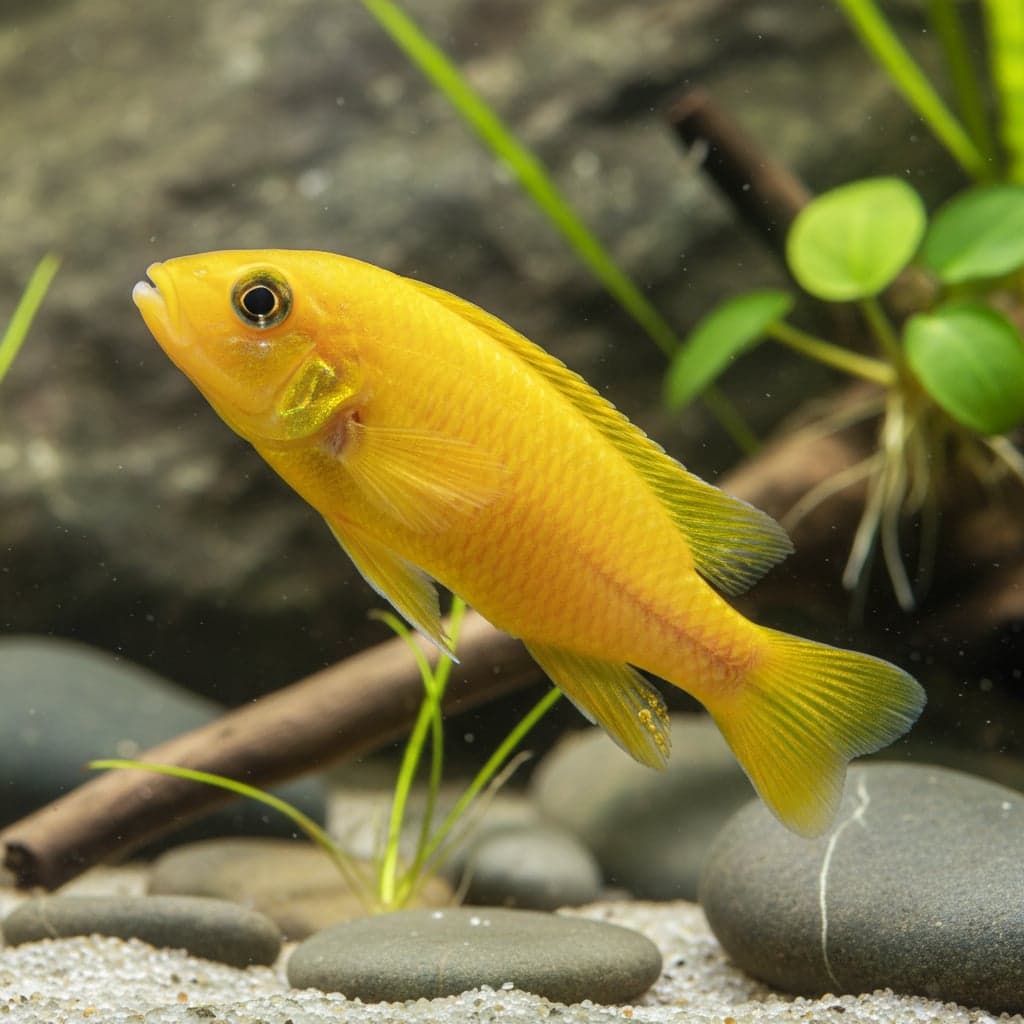
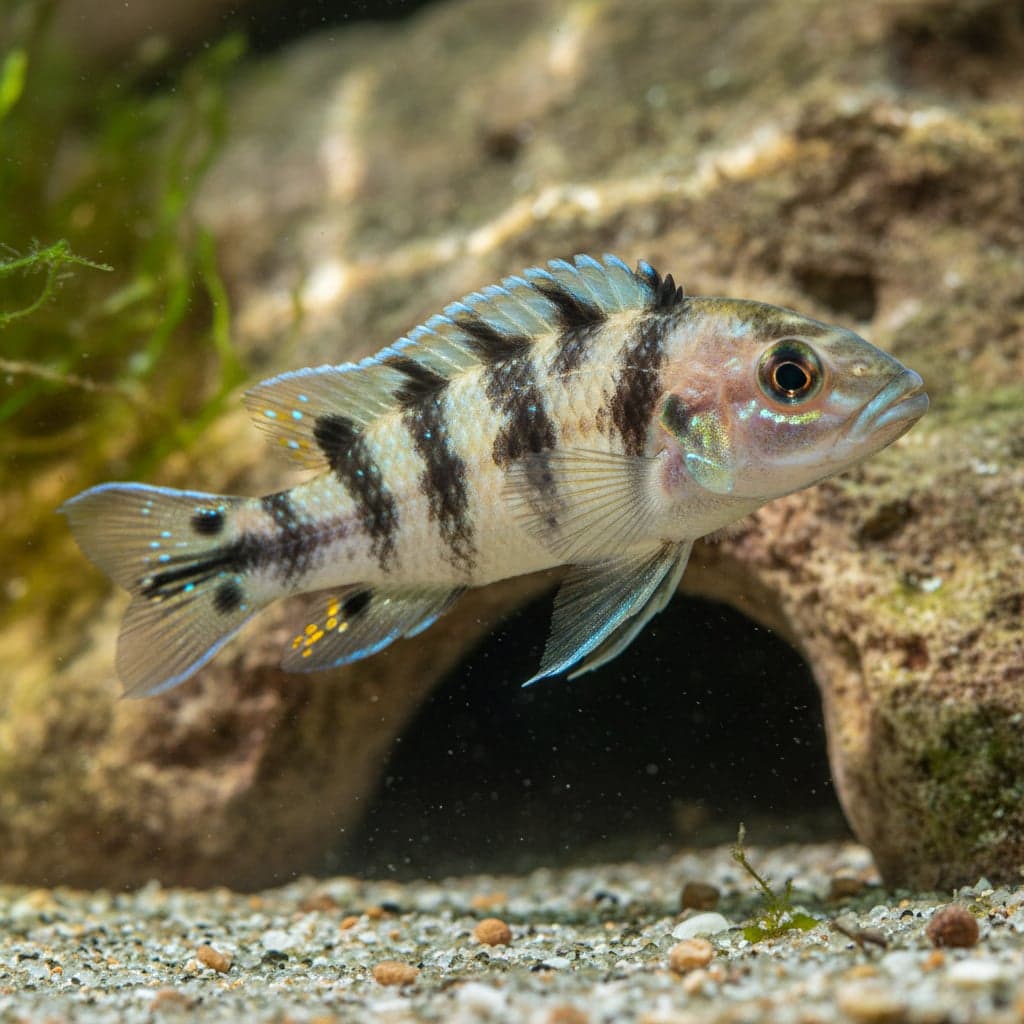
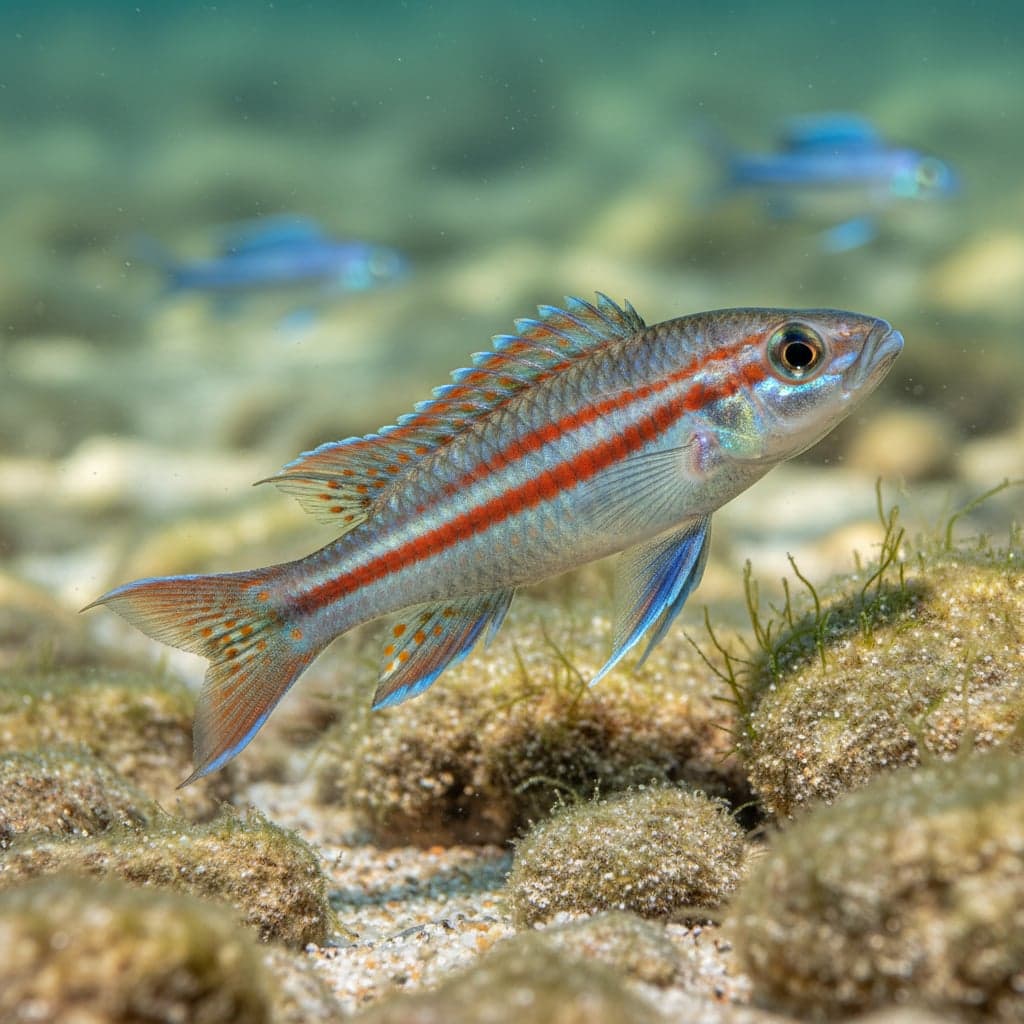
The Calliurus Shelldweller, scientifically known as Neolamprologus calliurus, is a mesmerizing cichlid that hails from the depths of Lake Tanganyika in East Africa. This fascinating species captivates aquarists with its unique morphology and vibrant coloration. The Calliurus Shelldweller is characterized by its slender body and striking blue-grey hue, accented by vibrant yellow markings on the fins and body. These color traits make it not only a stunning addition to any aquarium but also a true showcase of nature's beauty. As a shell-dwelling cichlid, its behavior and habitat play an integral role in the aesthetics and dynamics of a well-planned aquascape, making it a popular choice among both novice and seasoned hobbyists.
Beyond its visual appeal, the Calliurus Shelldweller holds significant importance within the aquarium hobby for its unique ecological adaptations and behavioral patterns. This species is known for its interesting interactions with the substrate and its tendency to dwell within empty shells, making it a natural architect in its aquatic environment. By providing a glimpse into the complexities of Lake Tanganyika's ecosystem, the Calliurus Shelldweller not only enriches the aquarium experience but also fosters a deeper appreciation for the conservation of its natural habitat. For many aquarists, keeping this species is not just about display but also about honoring and replicating the delicate ecological balance found in its native waters.
Natural Habitat & Origin
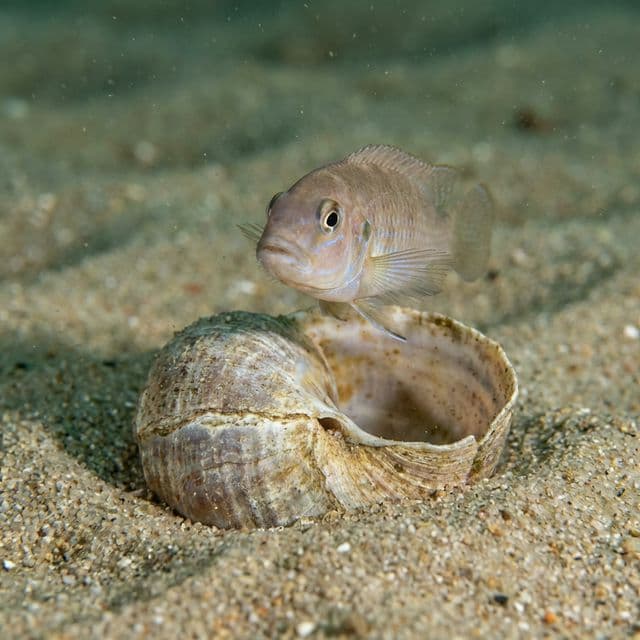
The Calliurus Shelldweller is endemic to Lake Tanganyika, the second deepest lake in the world and a unique biosphere known for its high mineral content and diverse aquatic life. This species primarily inhabits areas rich in rocky substrates, often finding refuge in empty snail shells, which it uses for breeding and shelter. The waters of Lake Tanganyika are generally clear, alkaline, and well-oxygenated, showcasing a pH typically ranging from 7.8 to 9.0. Temperatures in its natural habitat generally range from 22°C to 28°C (72°F to 82°F), making it essential for aquarists to replicate these conditions to ensure the well-being of the Calliurus Shelldweller in captivity.
In addition to its unique geological context, Lake Tanganyika presents an array of microhabitats influenced by its depth and varying substrate compositions. The Calliurus Shelldweller thrives specifically in shallow waters where it can have access to shells and rocky crevices for hiding. This specialization makes it particularly sensitive to changes in water conditions and highlights the importance of maintaining stable aquarium parameters to simulate its natural environment.
Care Requirements
To successfully maintain the Calliurus Shelldweller in a home aquarium, it is critical to replicate the parameters of its natural habitat. Water quality should be closely monitored with a pH level between 7.8 and 9.0, a temperature between 24°C and 28°C (75°F to 82°F), and a hardness range of 10 to 15 dGH. An appropriate filtration system can help maintain these conditions, as well as facilitate the removal of waste. Given their natural affinity for rocky environments, a minimum tank size of 75 liters (20 gallons) is recommended to provide ample space for swimming and digging.
The tank setup should include a sandy substrate which facilitates their natural behavior of burrowing, as well as ample hiding spots created from crushed coral, rocks, and empty shells. Shells from species like the Neritina or Apple Snail can provide not only shelter but also induce spawning behavior. Lighting in the aquarium should be moderate to mimic the natural light conditions of Lake Tanganyika, allowing for the growth of hardy plants like Anubias and Java Fern that can thrive in these environments without overpowering the fish’s natural shell-dwelling behavior.
Diet & Feeding
The Calliurus Shelldweller is predominantly an omnivore, with a diet that consists of both plant and animal matter. In the aquarium environment, high-quality flake foods, pellets specifically designed for cichlids, and live or frozen foods such as brine shrimp and bloodworms can comprise their daily nutrition. To ensure balanced dietary intake, it is advisable to supplement their diet with spirulina-based foods or vegetable flakes to promote optimal health and coloration.
Feeding should be conducted once or twice daily, and care should be taken to avoid overfeeding, as uneaten food can pollute the water and affect overall tank conditions. Variety is key to maintaining the fish’s health, and introducing different food types not only enhances their nutritional profile but also encourages natural foraging behaviors that are often seen in the wild. Moreover, ensuring that food reaches the bottom of the tank will cater to their natural inclination to scavenge for leftovers.
Behavior & Temperament
The Calliurus Shelldweller exhibits a range of intriguing social behaviors that can be both mutually beneficial and competitive. This species tends to be somewhat territorial, especially during breeding seasons, and can exhibit mild aggression towards tank mates, particularly those that encroach upon their chosen shells or nesting areas. They thrive best in social settings, ideally within groups of 6-8 individuals, as this mimics their natural herd structure and reduces stress levels.
While they are not typically schooling fish, the Calliurus Shelldweller may display vertical swimming patterns within the tank, favoring the mid to bottom levels where they feel most secure. Their social dynamics can lead to observing fascinating interactions as they establish hierarchies among themselves. Creating an environment that includes both hiding spots and open swimming areas will help minimize territorial disputes and give them the confidence to explore the tank fully.
Tank Mates
When selecting tank mates for the Calliurus Shelldweller, it is essential to choose species that are compatible with their temperament and environmental needs. Suitable companions include smaller cichlids, such as Lamprologus species (like Lamprologus ocellatus or Lamprologus multifasciatus), as well as peaceful bottom-dwelling species like Corydoras or smaller Tetra species. The key is to avoid aggressive or larger fish that may pose a threat to the Calliurus Shelldweller or invade its territory.
Conversely, it is crucial to avoid keeping the Calliurus Shelldweller with overly aggressive species or those that require significantly different water parameters. Larger, aggressive cichlids such as Oscars, Flowerhorns, or severe territorial fish can lead to fatal encounters. Additionally, fast-swimming fish may disturb the Calliurus Shelldweller, leading to stress. A well-considered selection of tank mates will foster a harmonious community tank that enhances the beauty and intrigue of the Calliurus Shelldweller.
Breeding
Breeding the Calliurus Shelldweller can be a rewarding experience for aquarists willing to create the right environment. This species exhibits interesting breeding behaviors, including nesting within empty shells. To encourage spawning, it is essential to have a dedicated breeding setup that includes a tank with ample shells, a sandy substrate, and stable water conditions mimicking those of their natural habitat.
Mating typically occurs when the female lays eggs—which can range from 30 to 100—within a shell, with the male guarding the perimeter. After fertilization, both parents will participate in caring for the eggs until they hatch inside the shell. Provide ample empty shells, keep hard alkaline Tanganyika parameters stable, and offer finely crushed flakes to free-swimming fry.
Common Health Issues
Calliurus Shelldwellers can develop ich, fin rot, or stress-related illness when shells are scarce or water quality declines. Quarantine newcomers, keep water pristine, and avoid sudden parameter swings. Watch for white spots, clamped fins, or lethargy, and treat promptly. A stable Tanganyika setup with enough shells keeps them healthy for years.