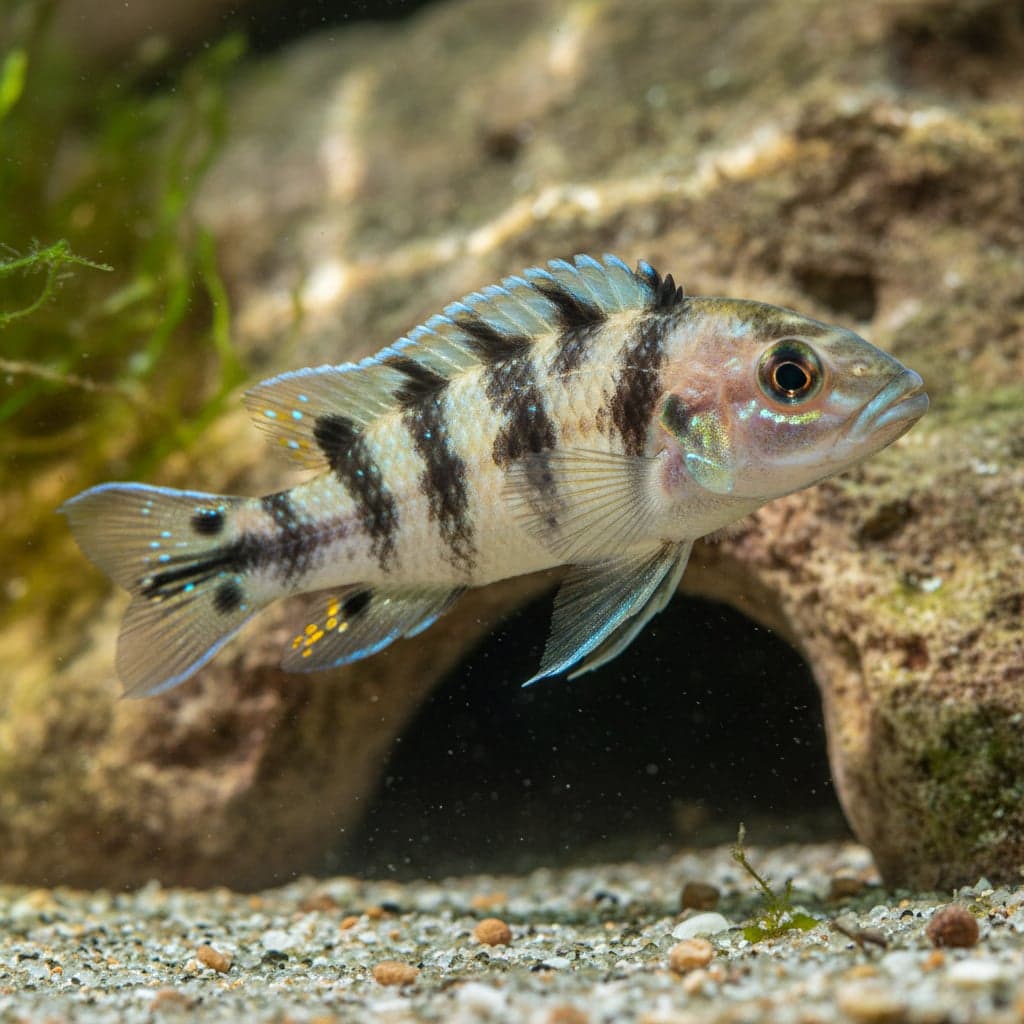
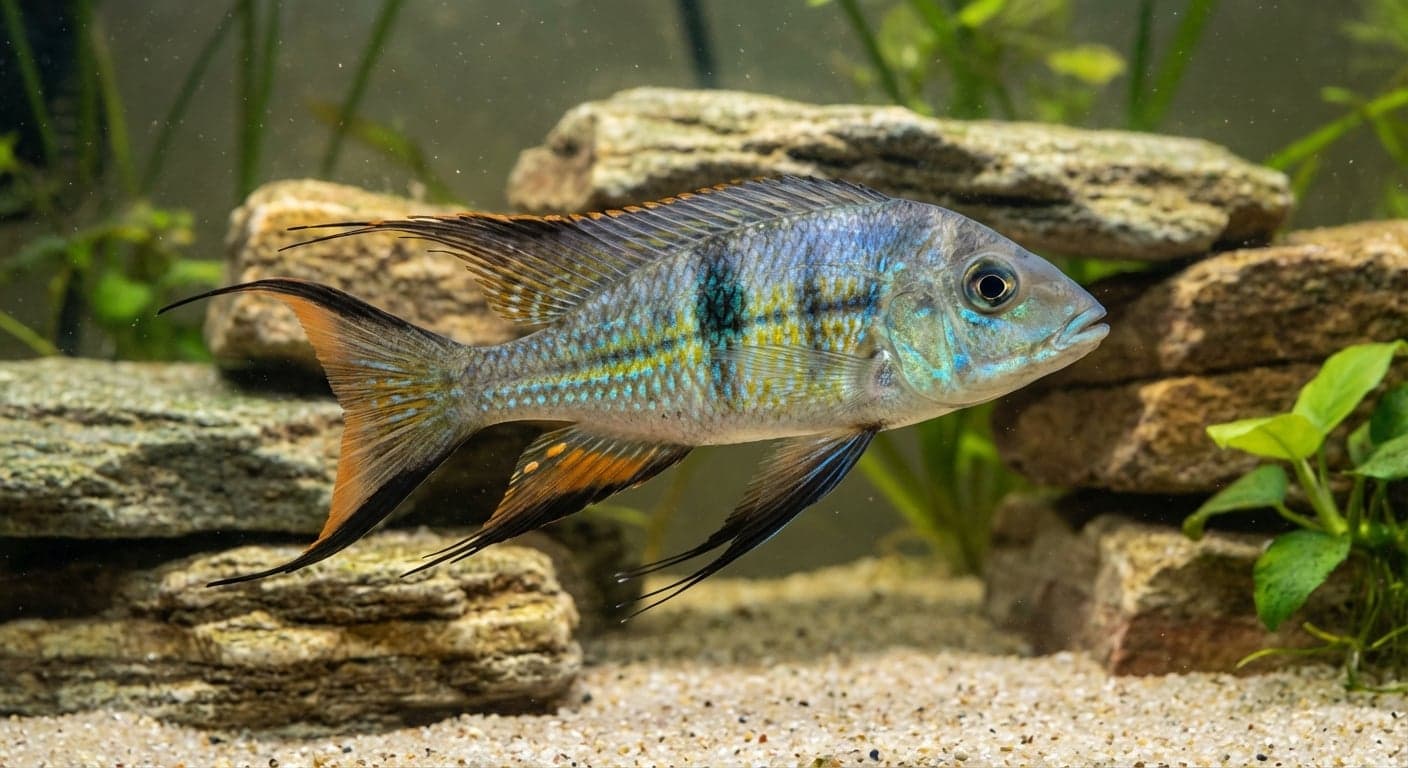
Calvus Cichlid: Altolamprologus calvus
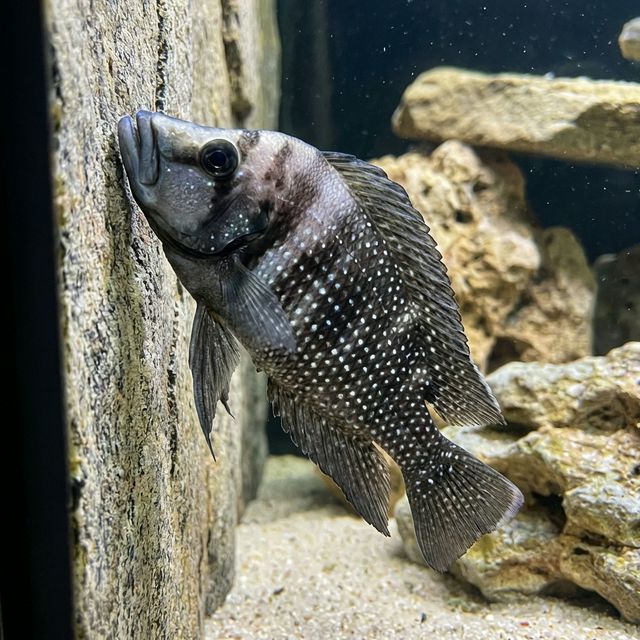
A compressed, laterally flattened predator from Lake Tanganyika. Distinctive shape and pearly spots.
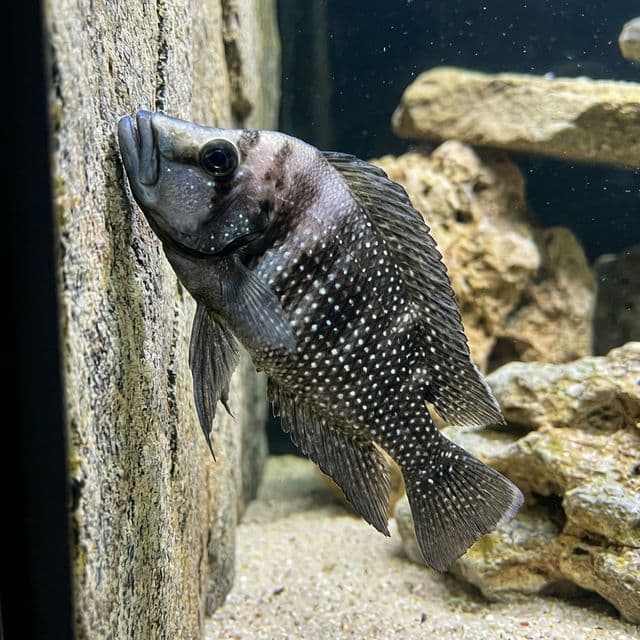
Calvus Cichlid
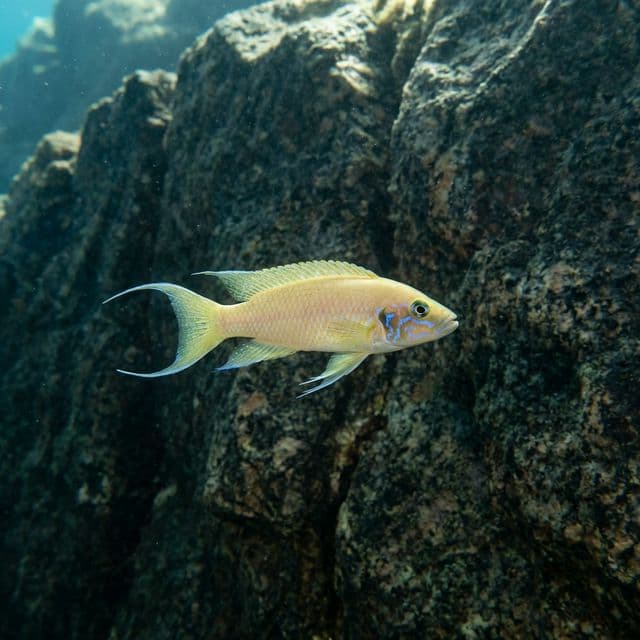
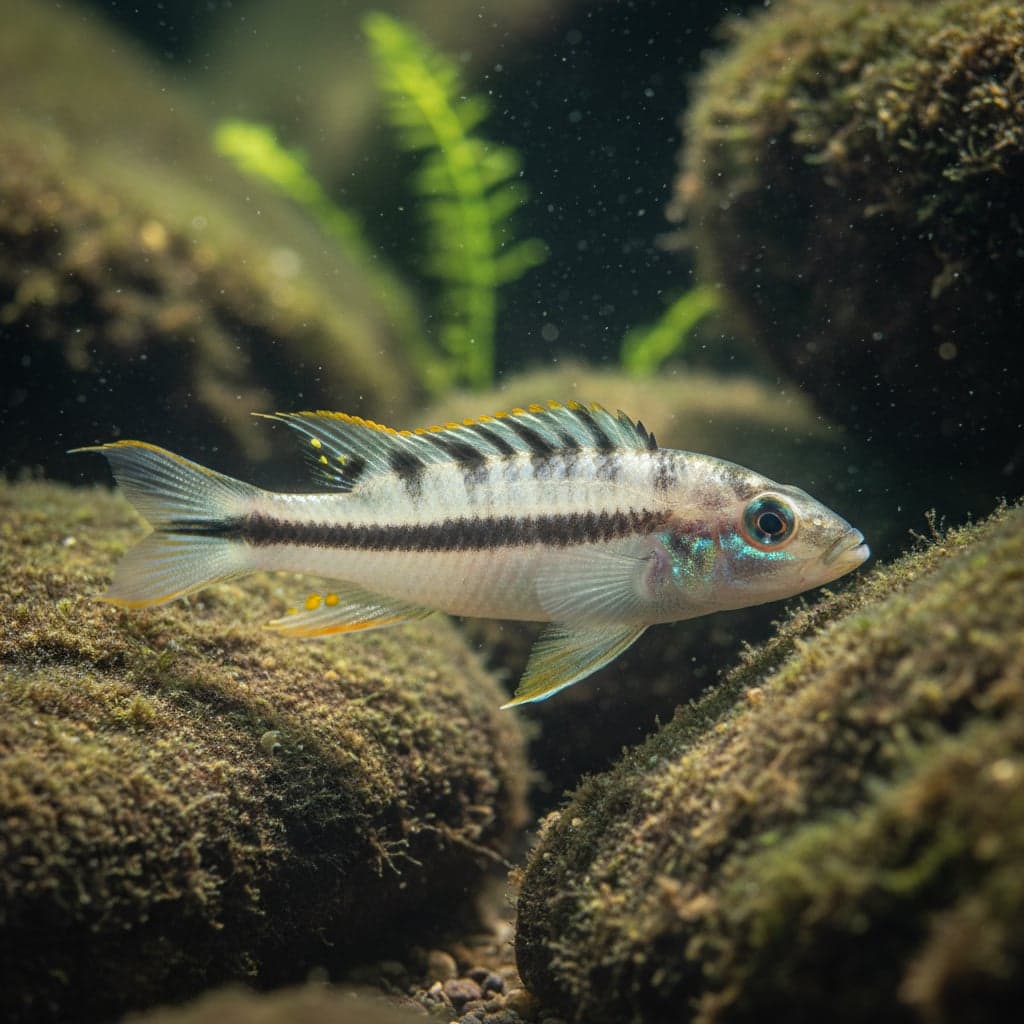
The Calvus Cichlid, known scientifically as Altolamprologus calvus, is a captivating species native to the deep waters of Lake Tanganyika in East Africa. Renowned for its unique body shape and intriguing coloration, the Calvus Cichlid displays a combination of sleek elegance and striking beauty that makes it a favorite among aquarists. Its elongated body is typically adorned in hues of silver and black, complemented by prominent, high fins that enhance its graceful swimming style. With its ability to adapt to various water conditions while retaining its aesthetic allure, this cichlid is not only visually appealing but also holds a significant position in the aquarium hobbyist community.
What sets the Calvus Cichlid apart from other cichlid species is its distinct behavior and social structure. Calvus Cichlids exhibit a variety of personalities, ranging from curious and bold to shy and reclusive. These traits contribute to their popularity, as they present a dynamic element in community tanks. Moreover, their presence serves an educational purpose, allowing aquarists to observe the nuanced behaviors and interactions typical of cichlids, which are often characterized by intricate social hierarchies and territorial displays.
Natural Habitat & Origin
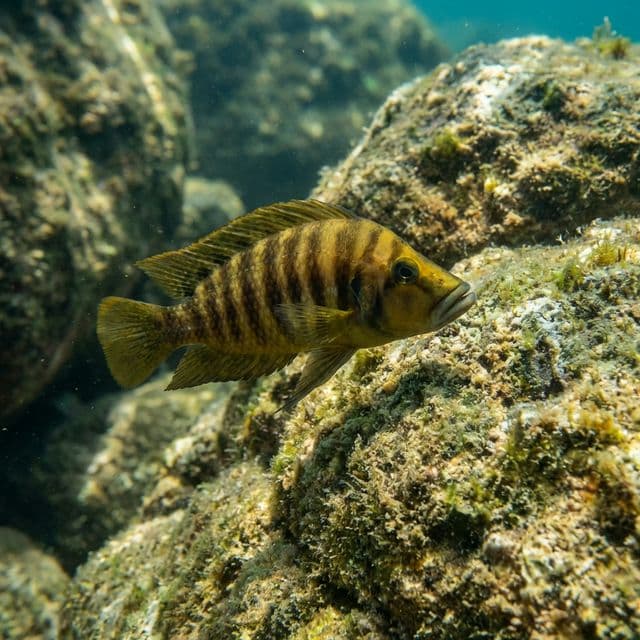
The natural habitat of the Calvus Cichlid is the waters of Lake Tanganyika, surrounded by countries such as Zambia, Burundi, Tanzania, and the Democratic Republic of the Congo. Found primarily at depths of 15 to 50 meters, they thrive in rocky substrates where they can find hiding spots and breeding grounds. The water in Lake Tanganyika is characterized as clear, mineral-rich, and alkaline, with a pH typically ranging between 8.5 to 9.5. This environment fosters a diverse array of life and directly influences the development of the Calvus Cichlid's unique adaptations, including its specialized diet and social hierarchy.
In their natural setting, Calvus Cichlids are often observed inhabiting regions with sandy or rocky bottoms, which provide them with ample opportunities for foraging and shelter. The clear waters of the lake allow for high light penetration, supporting the growth of algal and plant life that plays a crucial role in the ecosystem. These environmental factors not only shape the physical characteristics of the Calvus Cichlid but also contribute to its fascinating behavior, which aquarists must consider when recreating a suitable habitat in captivity.
Care Requirements
Successfully keeping Calvus Cichlids requires attention to specific water parameters and tank setup. Ideal water conditions include a pH level of 8.5 to 9.5, a temperature range of 75°F to 80°F (24°C to 27°C), and moderate hardness, ideally between 10 to 15 dGH. Stable water conditions are vital for their health, so regular testing and maintenance are recommended. A minimum tank size of 50 gallons is advisable, providing ample swimming space and territorial zones, which are necessary to reduce aggression among tank mates.
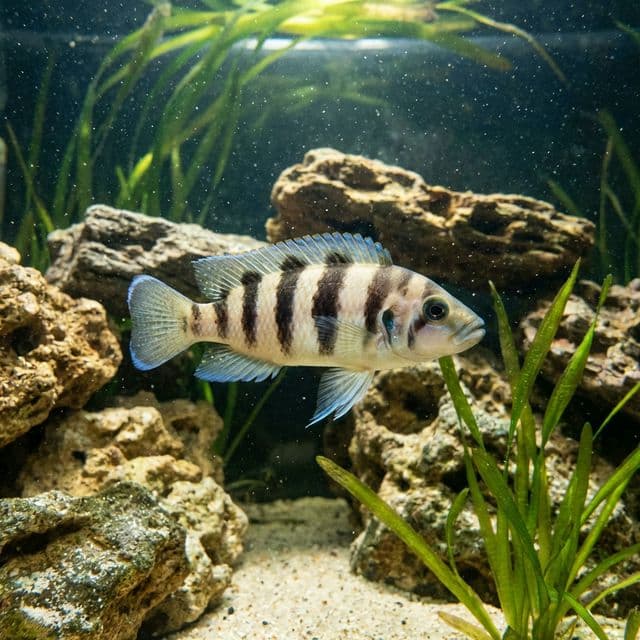
When setting up the tank, a sandy substrate is preferred to mimic their natural habitat, allowing the fish to sift through the substrate. Incorporating hiding spaces made from rocks or caves is essential for providing shelter and security. While Calvus Cichlids appreciate some lighting, it’s best to avoid overly bright conditions; subdued lighting can help them feel more secure. Adding hardy plants like Anubias or Java Fern can enhance the aesthetic of the tank, but care should be taken to secure them, as the cichlids may occasionally disturb them during their exploration or breeding rituals.
Diet & Feeding
The Calvus Cichlid is primarily a carnivore, with a diet that consists of small invertebrates, crustaceans, and occasionally plant matter. In captivity, they thrive on a varied diet that can include high-quality flake or pellet foods specifically formulated for cichlids. Supplementing their diet with frozen or live foods such as brine shrimp, bloodworms, or daphnia will not only provide nutritional diversity but also stimulate their natural hunting instincts. It’s crucial to prioritize a balanced diet, as this will promote healthy growth and vibrant coloration.
To ensure that these fish receive sufficient nutrition, feeding should occur once or twice daily, providing only what they can consume in a few minutes. Overfeeding should be avoided, as this can lead to water quality issues and health problems. Incorporating a variety of food types helps mimic their natural feeding habits and promotes their overall well-being.
Behavior & Temperament
Calvus Cichlids exhibit a mixed temperament, often characterized as semi-aggressive. They typically prefer to establish a territory within the tank, which can lead to territorial disputes, especially during breeding periods. Despite their occasionally aggressive tendencies, they can coexist peacefully in larger tanks with appropriate tank mates. These fish generally prefer the vertical space of the aquarium, often hovering near rocky structures or plants, making their positioning dynamic and fascinating to observe.
While Calvus Cichlids are not known for being a schooling species, they do often thrive in small groups. A well-planned environment with appropriate hiding spots allows them to feel secure and reduces stress. Interactions can vary from peaceful coexistence to displays of aggression, especially among males, so providing visual barriers and ample territories can help mitigate potential conflicts.
Tank Mates
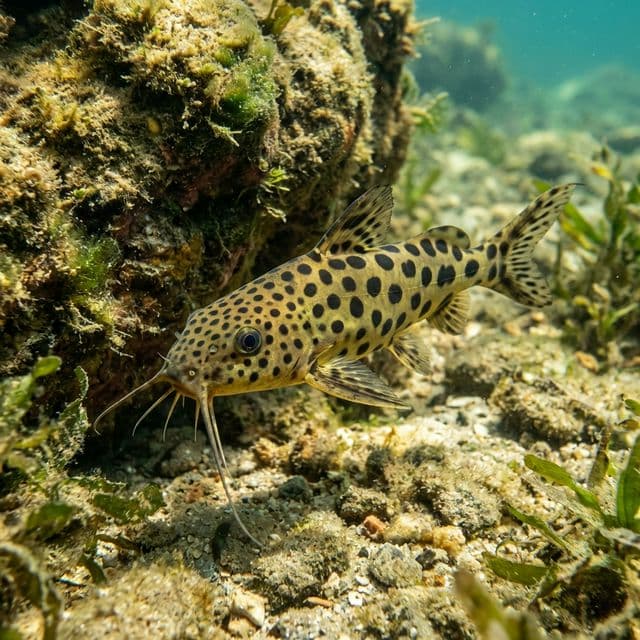
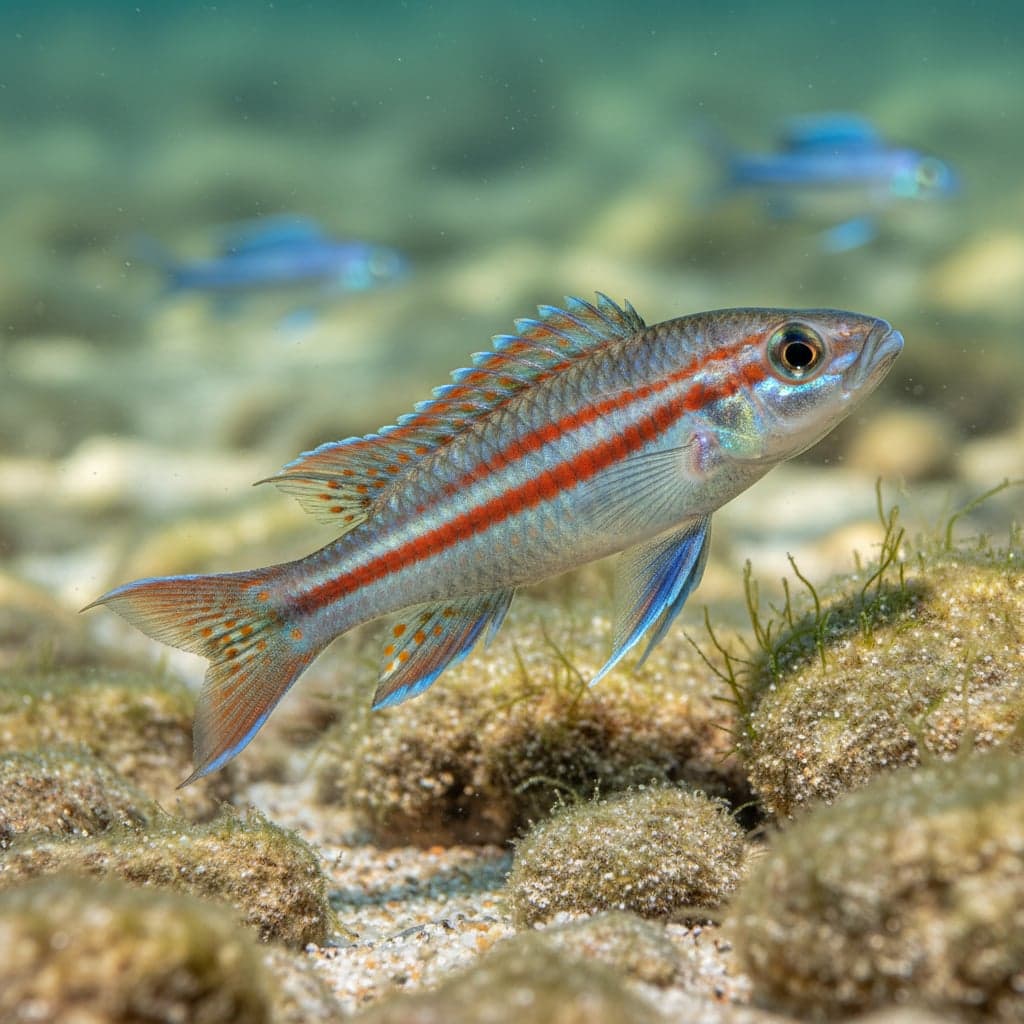
Choosing compatible tank mates for the Calvus Cichlid is essential for maintaining harmony in the aquarium. Suitable tank mates include other Lake Tanganyika cichlids such as Neolamprologus species, Julidochromis, and Cyprichromis, as these species often thrive in similar water conditions and exhibit compatible temperaments. Additionally, catfish species like Synodontis can coexist well with Calvus Cichlids, providing a dynamic ecosystem.
On the other hand, it would be prudent to avoid keeping Calvus Cichlids with overly aggressive species, larger fish that may bully them, or smaller, more delicate species that could be targeted. Fast-moving or brightly colored fish may provoke territorial behavior in Calvus Cichlids, potentially leading to stress and harm. Precaution should be taken to select tank mates that can sustain a peaceful coexistence in a shared environment.
Breeding
Breeding Calvus Cichlids in captivity can be rewarding, but it requires careful attention to detail regarding environmental conditions. These cichlids are substrate spawners, often laying eggs on flat surfaces or within caves. To encourage breeding behavior, it is crucial to provide optimal water conditions similar to their natural habitat, with a pH level around 8.5 to 9.5, a temperature of approximately 78°F (26°C), and stable hardness levels.
Creating a breeding setup might involve providing several caves or breeding spaces where the female can lay her eggs, which she will typically guard vigorously. After spawning, both parents often take part in the care of the eggs and fry, defending them against potential threats. It’s essential to provide a conducive environment for the fry by ensuring that the main tank inhabitants are less aggressive or removed during the early stages of the fry's development.
Common Health Issues
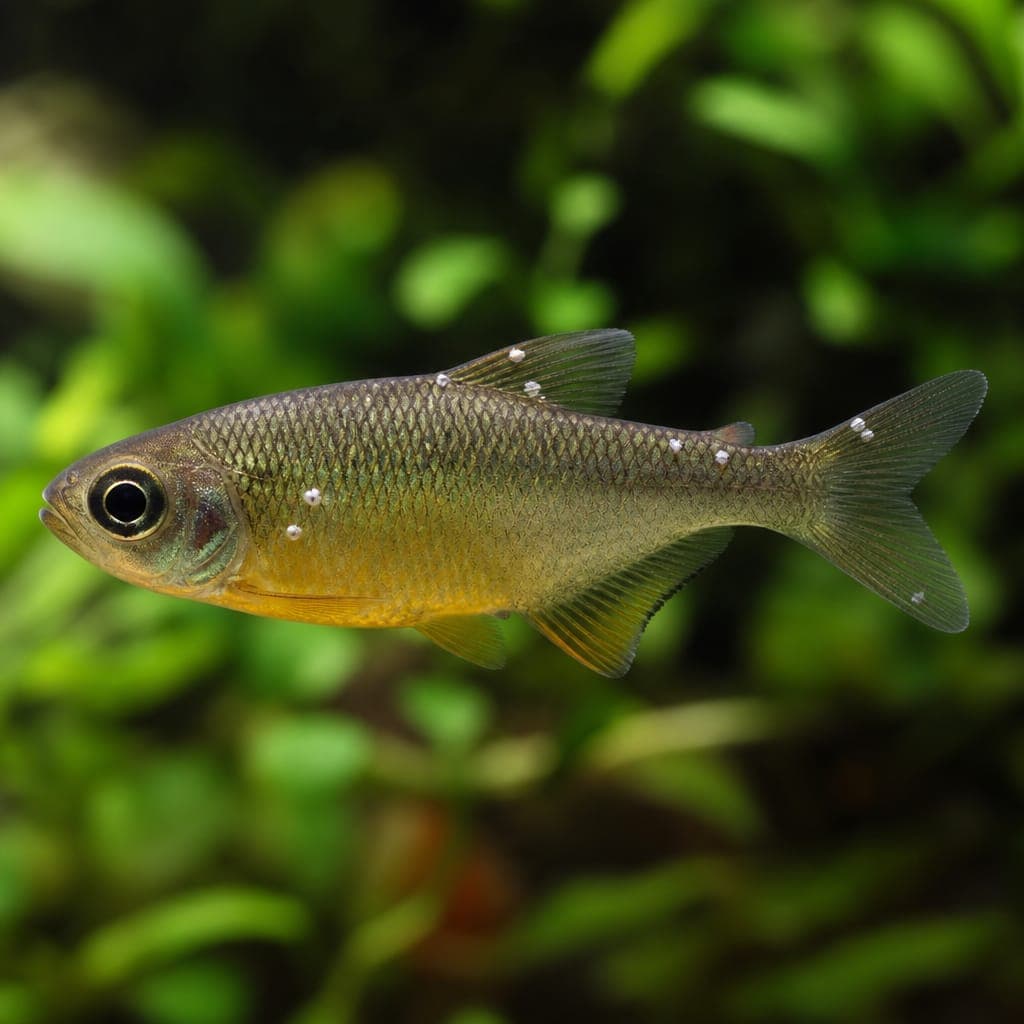
Calvus Cichlids, like many fish species, can be prone to certain health issues, including ick (ichthyophthirius), fin rot, and bacterial infections linked to poor water quality or stress. Maintain stable alkaline parameters typical of Lake Tanganyika, avoid overcrowding, and quarantine newcomers. Early intervention with appropriate medication and pristine water usually restores health quickly.