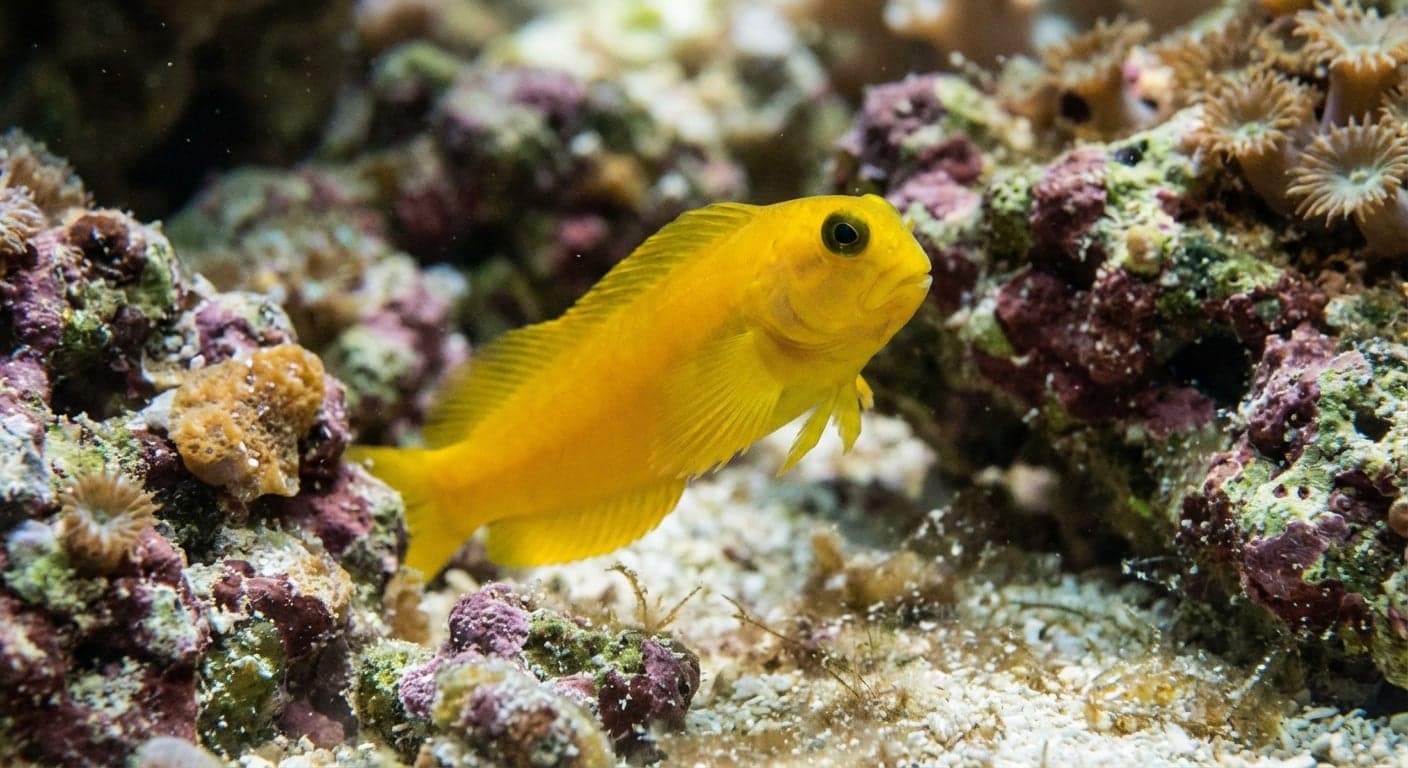
Canary Blenny
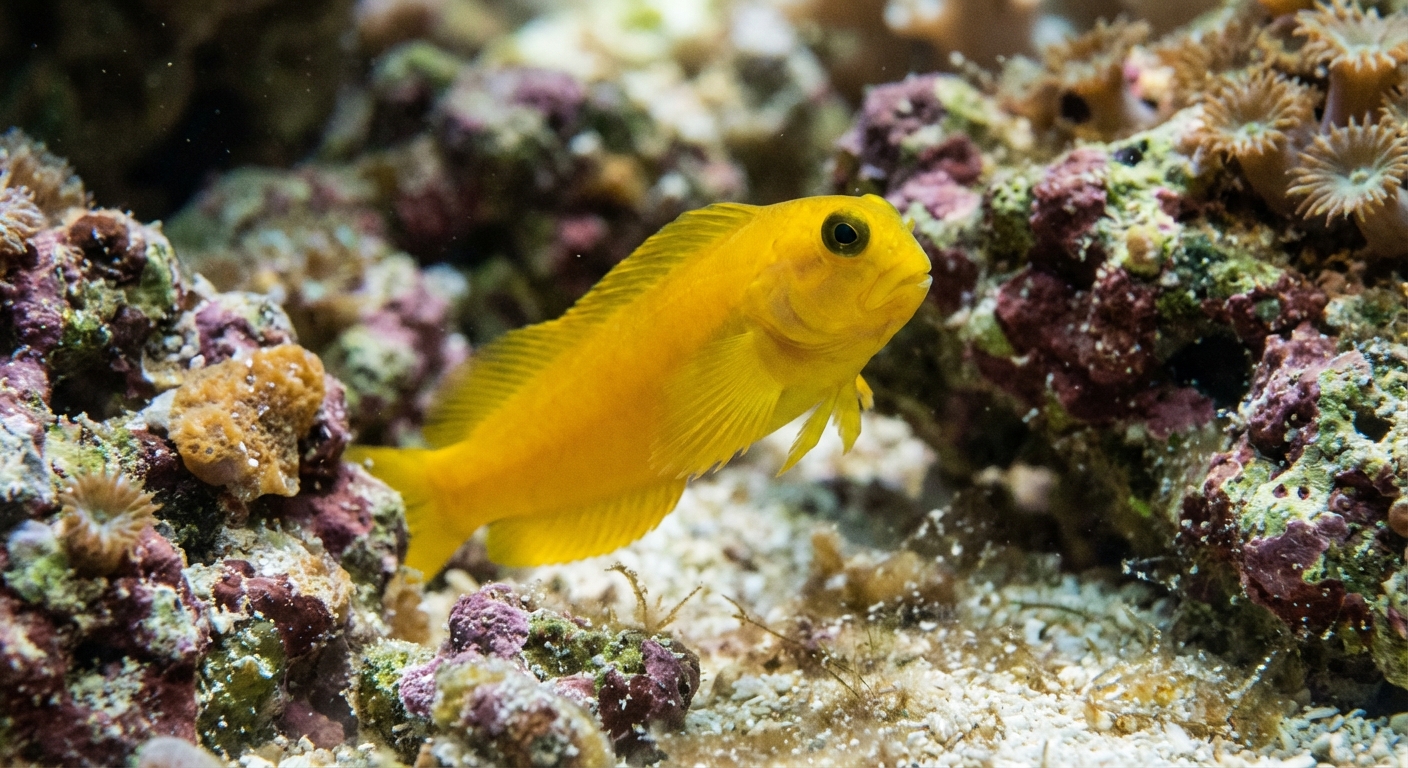
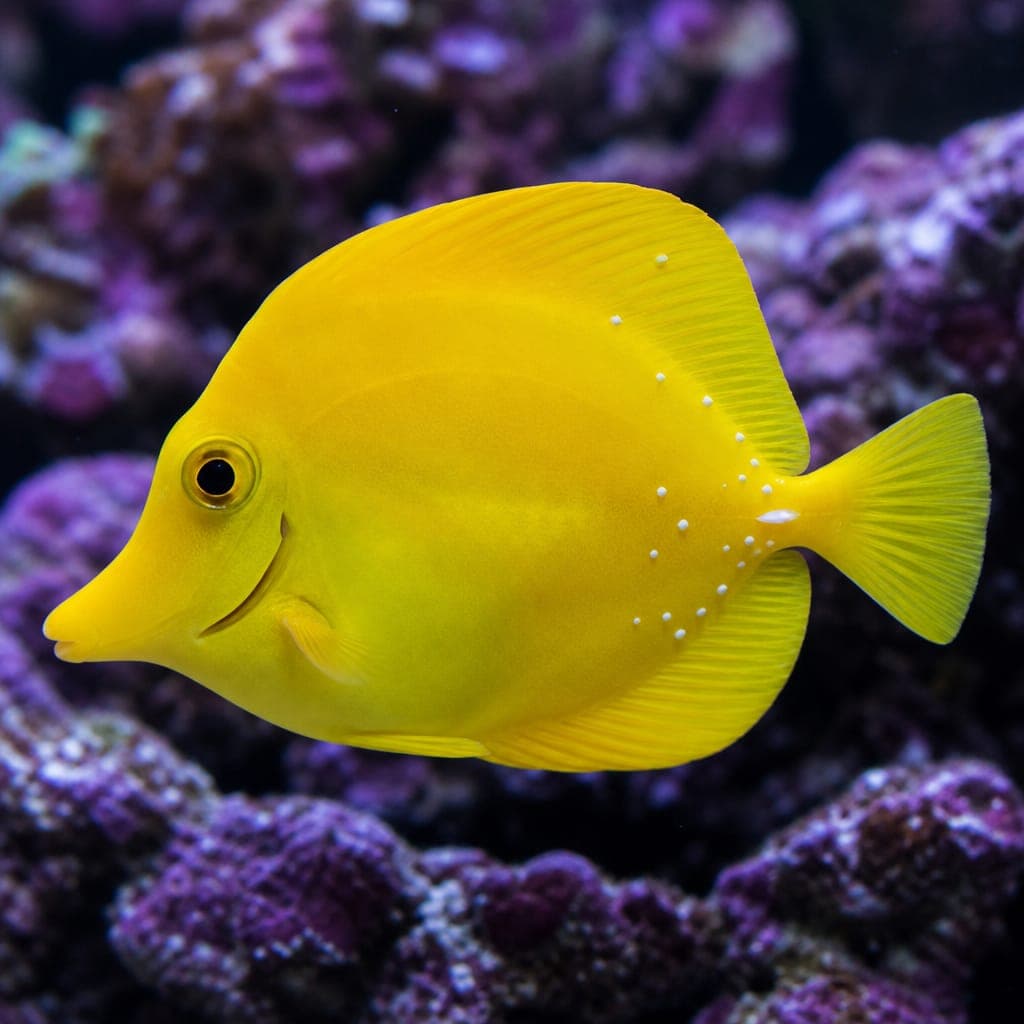
A 10cm bright yellow fang blenny with venomous canines, so predators leave it alone. Peaceful, reef safe, and it hovers in open water.
Canary Blenny
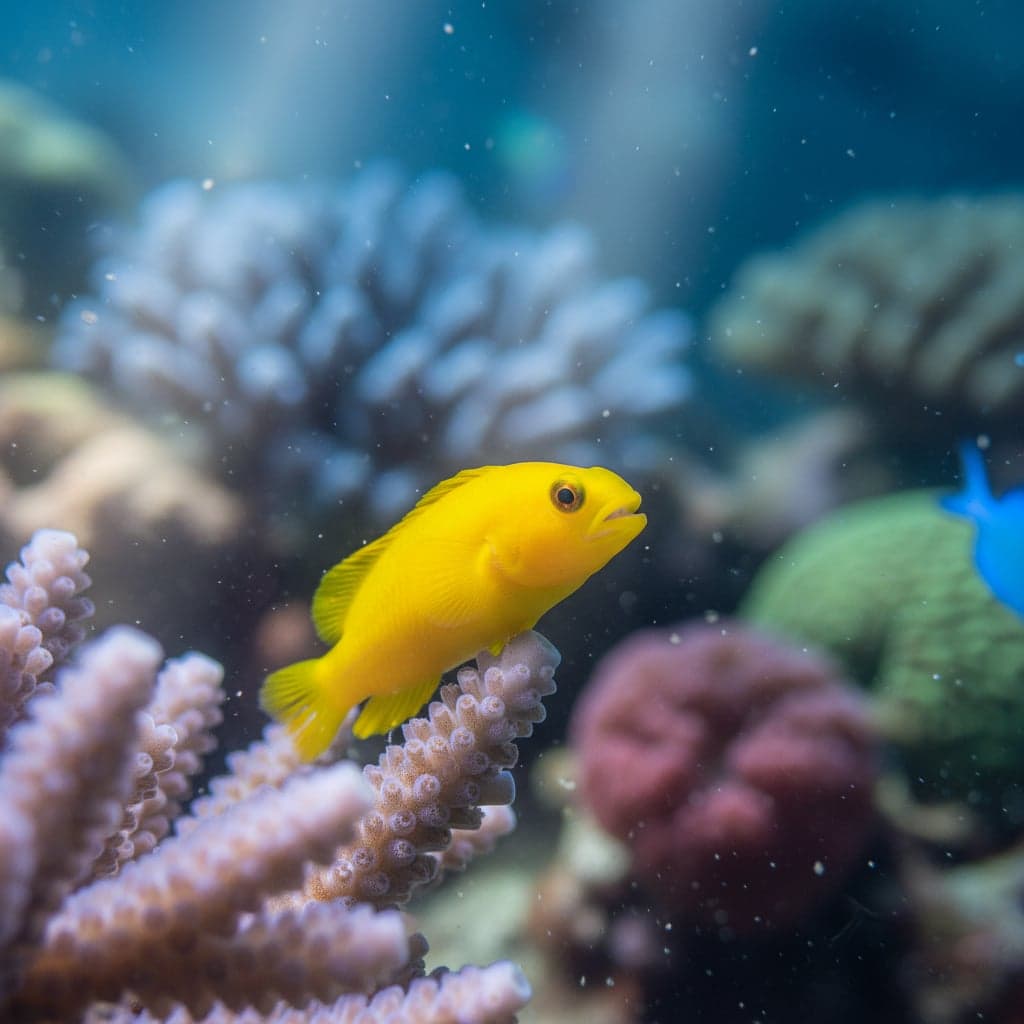
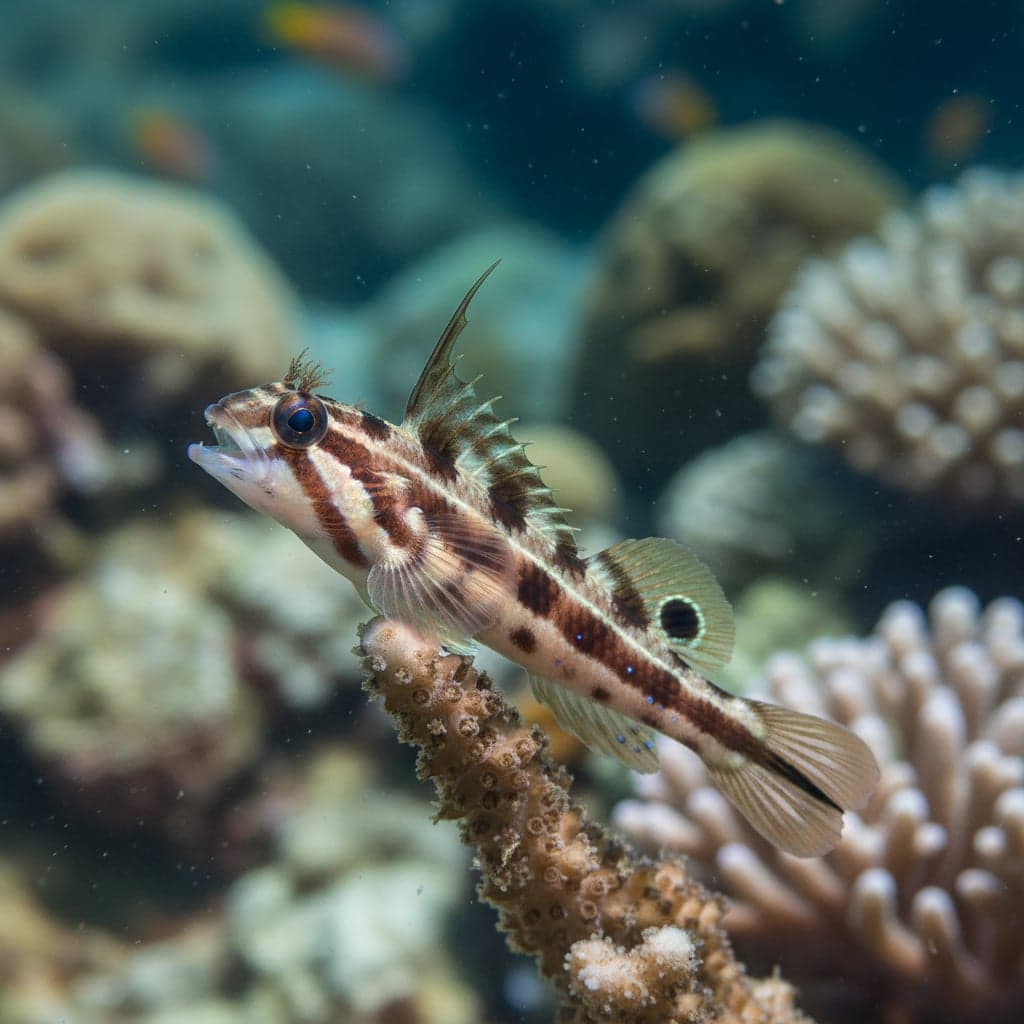
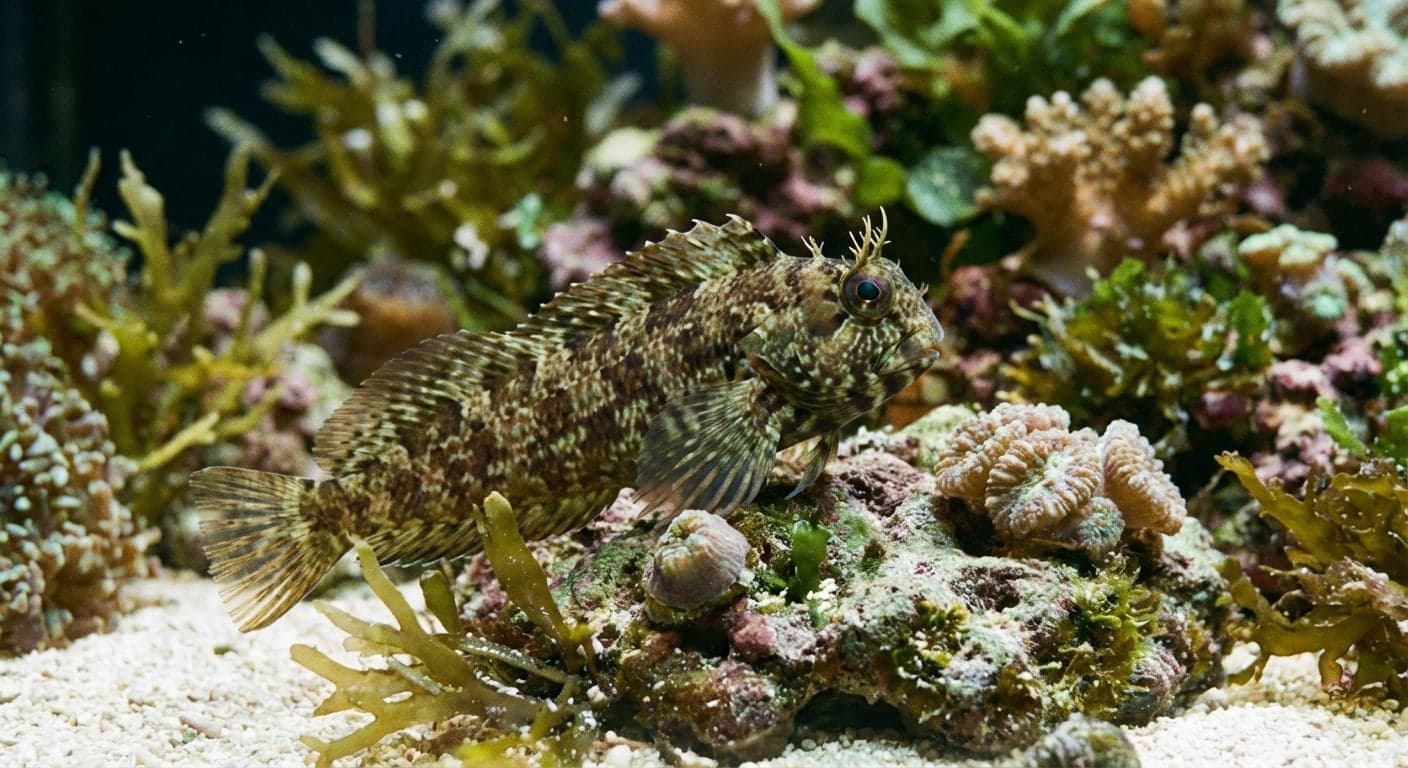
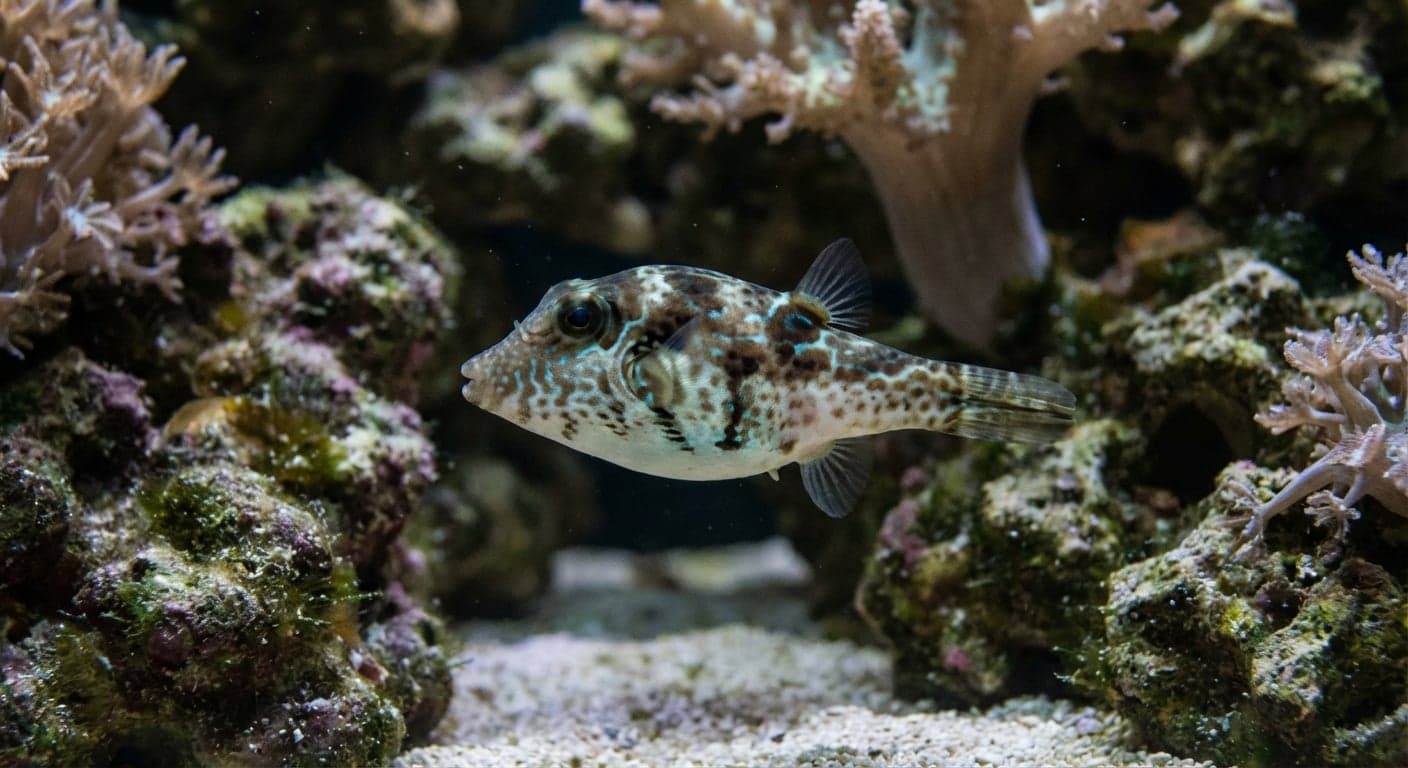
The Canary Blenny, also known as the Meiacanthus oualanensis, is a strikingly vibrant saltwater fish that has captured the attention of aquarium enthusiasts. Sporting a yellow body adorned with distinct black markings, this species offers a unique aesthetic appeal that makes it a popular choice for reef aquariums. Typically growing to a size of around 3 inches, the Canary Blenny can easily stand out with its lively colors and playful demeanor. Its elongated body shape and angular fins further enhance its visual charm, making it an eye-catching addition to any marine setup.
In addition to its stunning appearance, the Canary Blenny holds a significant place in the aquarium hobby. Known for its engaging behavior, it often perches on live rock or coral, mimicking a sentinel, which adds dynamic movement to the tank. Its peaceful nature makes it an excellent option for community tanks, provided that it is paired with compatible tank mates. The Canary Blenny's relatively easy care requirements and compatibility with other reef inhabitants allow hobbyists of varying experience levels to appreciate its beauty and charm.
Natural Habitat & Origin
The Canary Blenny is native to the coral reefs of the Pacific Ocean, specifically found around the islands of the Indo-Pacific region, such as Fiji, Tahiti, and the Great Barrier Reef. This species typically inhabits shallow, clear waters at depths ranging from 2 to 30 meters. The blenny is often found in areas with abundant corals and rocky crevices, which provide both shelter and feeding grounds. Over time, their adaptation to these diverse environments has made them a staple in marine aquariums, allowing hobbyists to recreate a slice of their natural habitat.
Primarily residing in warm, tropical waters, the Canary Blenny thrives in environments characterized by stable water parameters. The surrounding ecosystem features clean, well-oxygenated water with good flow and diverse habitats that encourage a variety of marine life. It is essential for aquarists to replicate these conditions in captivity to promote the health and well-being of their Canary Blennies.
Care Requirements
The care requirements for the Canary Blenny are fairly straightforward, which makes them a suitable choice for aquarists of all experience levels. They thrive in a tank with a temperature range of 74-82°F (23-28°C), a pH level of 8.1-8.4, and a specific gravity of 1.020-1.025. The hardness of the water should ideally be between 8-12 dGH. To provide a stable environment for the Canary Blenny, it is crucial to maintain consistent water parameters through regular testing and water changes.
For tank setup, a minimum of 75 litres (20 gallons) is recommended for this 10cm fang blenny — enough swimming room and territory without oversizing for a mid-water hoverer. A sandy substrate provides a natural feel, while plenty of live rock and coral formations create hiding spots and territories for the fish. Adequate lighting, such as LED or T5 fixtures, is essential, as it promotes the growth of coralline algae and enhances the visual appeal of the aquarium. Incorporating live plants, although not essential, can further enrich the habitat and provide additional cover.
Diet & Feeding
Canary Blennies are primarily omnivorous, and their diet should reflect this diversity to ensure optimal health and vibrant coloration. In captivity, they will thrive on a varied diet that includes high-quality flakes, pellets, and freeze-dried or frozen foods like brine shrimp, mysis shrimp, and spirulina. Supplementing their diet with live foods occasionally, such as small crustaceans or worms, can encourage natural foraging behavior and keep them active.
To maintain the bright coloration and overall health of a Canary Blenny, it is recommended to feed them small portions multiple times a day. Each feeding should be just enough to be consumed within a few minutes to prevent water quality issues caused by uneaten food. A balanced diet will not only keep your Canary Blenny happy but also enhance its beauty and vitality.
Behavior & Temperament
The Canary Blenny is known for its captivating behavior and relatively peaceful temperament. Typically non-aggressive, these fish are best kept in pairs or small groups, as they exhibit interesting social dynamics. They prefer to occupy individual territories, often posting themselves on rocks or coral formations to survey their surroundings. While they may engage in mild displays of dominance, their interactions are generally non-confrontational.
In terms of tank placement, Canary Blennies are primarily lateral swimmers but enjoy utilizing all layers of the tank—their active nature encourages them to explore both the substrate and higher areas. They have been known to lock into formations with their fellow tank mates, and giving them ample territories will minimize stress and aggression.
Tank Mates
When selecting tank mates for the Canary Blenny, it is essential to choose species that share similar water parameters and temperament. Compatible tank mates include small to medium-sized fish such as clownfish, gobies, and some wrasses, as these species typically have a peaceful nature. Invertebrates like snails, crabs, and shrimps also coexist well with the Canary Blenny, as they do not view them as threats or food.
However, certain species should be avoided to prevent conflicts. Aggressive fish, such as large wrasses, angelfish, and dottybacks, can pose a significant threat to the Canary Blenny, leading to stress or injury. Additionally, other blenny species may compete for territory, potentially resulting in aggression. Choosing the right tank mates ensures a harmonious and thriving aquarium ecosystem.
Breeding
Breeding the Canary Blenny in captivity can be challenging, as it requires specific conditions that mimic their natural spawning behaviors. Typically, they exhibit a form of monogamous breeding, pairing up during the spawning process. To encourage breeding, a secluded and well-established environment filled with live rock and suitable breeding sites should be provided. An established tank with stable water conditions and plenty of food will also support the success of breeding attempts.
During breeding, the female will lay eggs in small crevices or on flat surfaces, while the male remains nearby to fertilize them. After spawning, it is crucial to separate the breeding pair to reduce stress on the female before the eggs hatch, which generally occurs within a few days. Fry care involves providing suitable food, such as infusoria or finely crushed flakes, to ensure a healthy start in their challenging early life stages.
Common Health Issues
Like all fish, the Canary Blenny can be prone to specific health issues, although they are generally hardy. Common concerns include fin rot, marine ich, and stress-related problems. Maintaining excellent water quality, a stable environment, and a well-balanced diet are essential in preventing these health issues. Regular monitoring for any signs of visible distress or illness is critical; early detection can lead to effective treatment options.
Preventative measures, such as quarantining new fish, maintaining proper hygiene through routine tank cleaning, and ensuring plenty of hiding spots, contribute significantly to the health and longevity of your Canary Blenny. Recognizing stress symptoms, such as a loss of color or unusual behavior, can help you take swift action to resolve potential health issues before they escalate.