Cherryspot Tropheus: Tropheus sp. Black Bulu Point
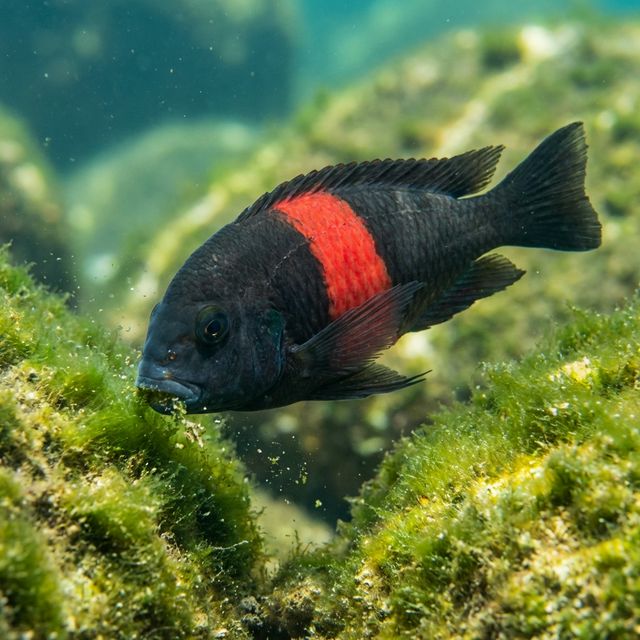
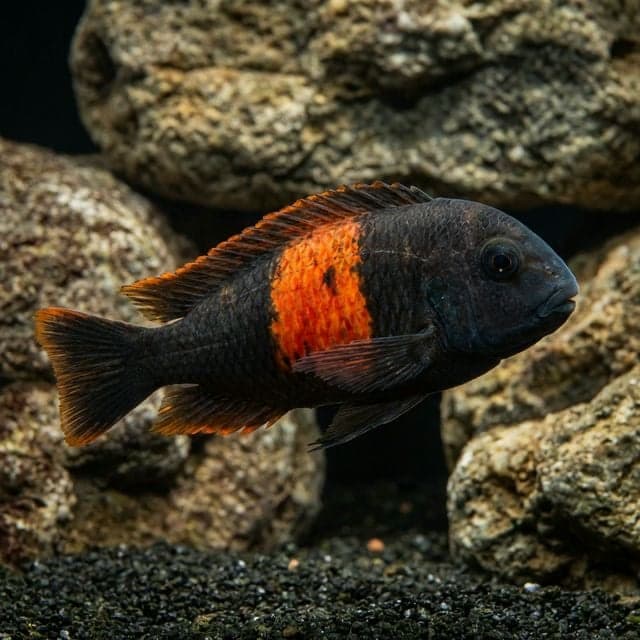
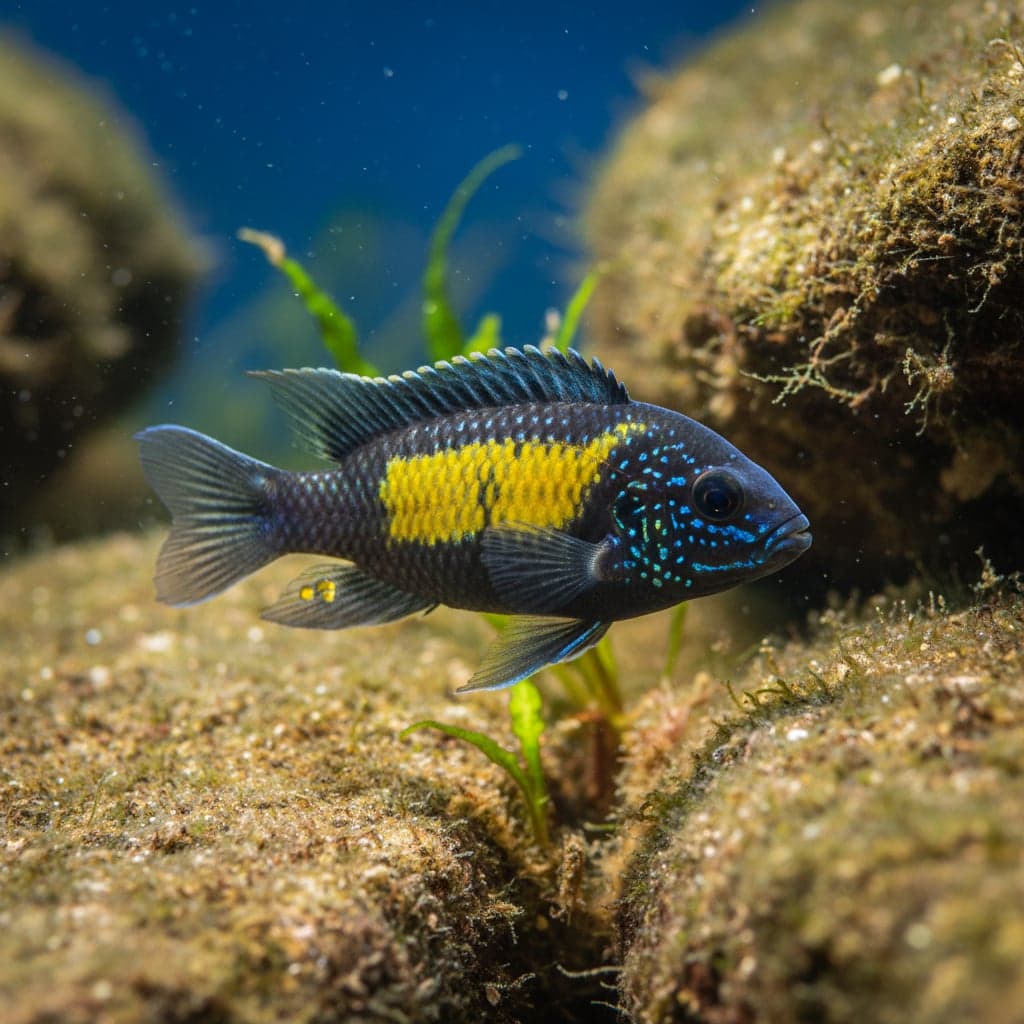
Often called the Tropheus Bulu Point. Features distinct red spots on a black body.

Tropheus sp. Black Bulu Point
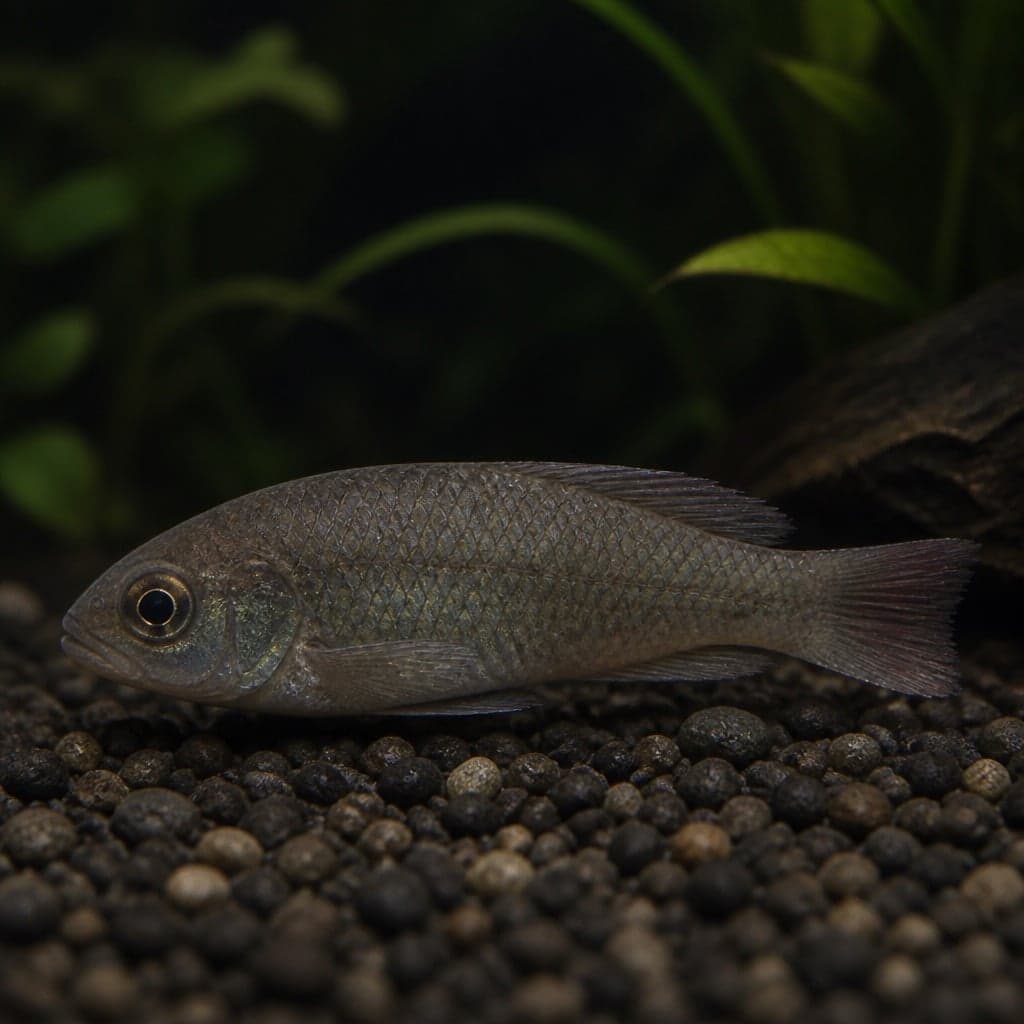
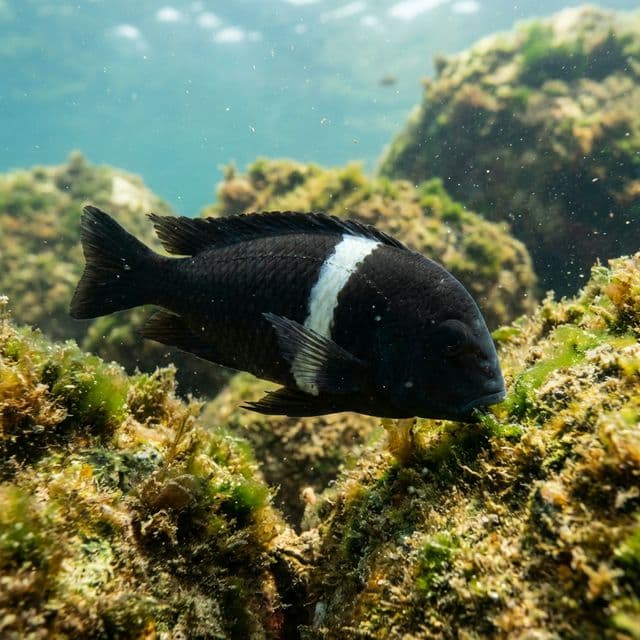
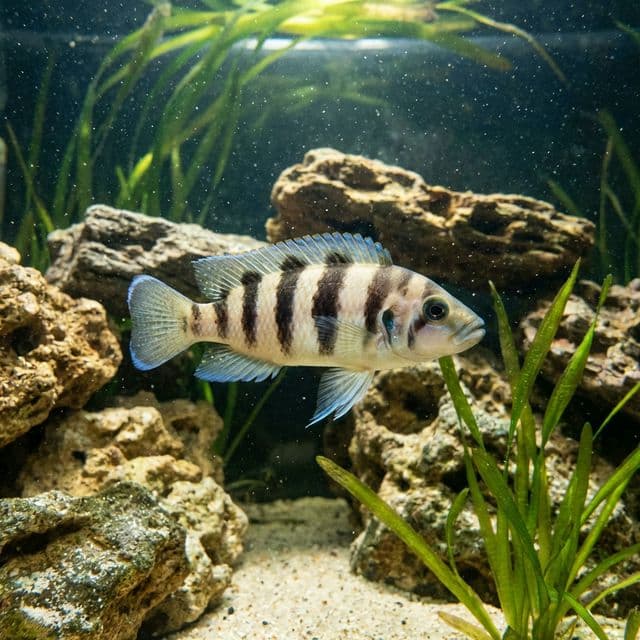
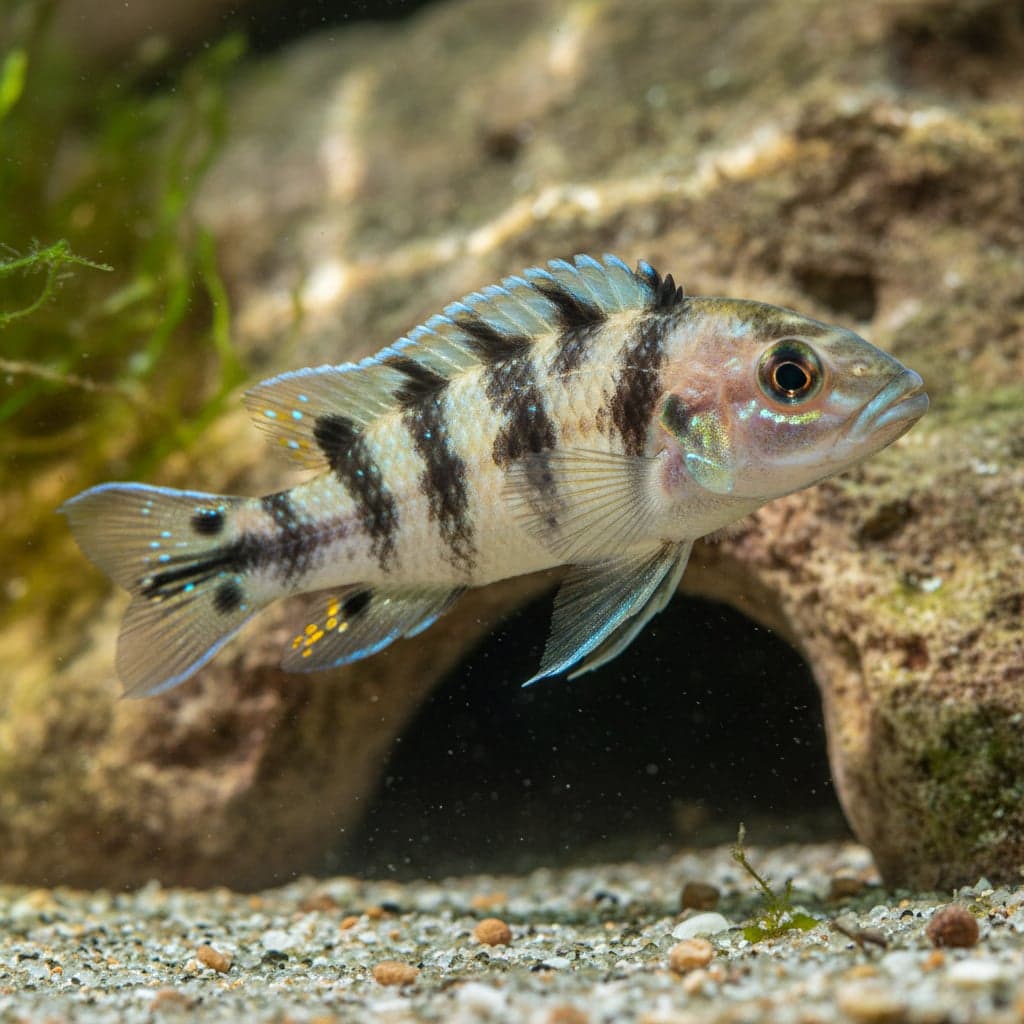
The Tropheus sp. Black Bulu Point, commonly referred to as the Cherryspot Tropheus, is a striking freshwater fish native to the rocky shores of Lake Tanganyika in East Africa. This species is part of the Tropheus genus, which is highly regarded among aquarium enthusiasts for its vibrant coloration and engaging behaviors. The Cherryspot Tropheus is particularly appealing due to its unique coloration; featuring a glossy black body dotted with vibrant red or orange spots, it serves as a stunning centerpiece in any aquarium. This visual allure, combined with their interesting social dynamics, makes them coveted additions to both novice and experienced aquarists.
In the aquarium hobby, the Tropheus sp. Black Bulu Point holds a place of significance not only for its beauty but also for its requirement of specific care, which helps cultivate a deeper level of interest and dedication among fishkeepers. Known for their lively interactions and territorial nature, these fish capture the attention of observers and provide a glimpse into the diverse ecological behaviors found within the African Great Lakes. Their captivating presence in an aquarium setup is complemented by their distinctiveness as a species that thrives under parameters mimicking their natural environment, which is vital for their health and longevity.
Natural Habitat & Origin
The Tropheus sp. Black Bulu Point is indigenous to Lake Tanganyika, one of Africa's Great Lakes, situated between four countries: Burundi, the Democratic Republic of Congo, Zambia, and Tanzania. This lake is characterized by its clear, mineral-rich waters that are considerably stable in terms of temperature and pH levels. Tropical in nature, the water temperature typically ranges from 23°C to 28°C (73°F to 82°F), and the mineral content contributes to a slightly alkaline environment, with pH levels generally between 7.8 and 9.0. The natural habitat of the Cherryspot Tropheus consists of rocky substrates and structures, allowing the fish to exhibit their natural behaviors such as hiding and grazing, which is crucial for their overall well-being.
The environmental context of Lake Tanganyika is particularly vital in understanding the needs of the Tropheus sp. Black Bulu Point. The lake's unique geological features provide essential resources such as algae that the species forage on. Understanding this environment emphasizes the importance of replicating these conditions in a captive setting, which promotes not only the physical health of the fish but also their behavioral traits.
Care Requirements
To thrive, the Tropheus sp. Black Bulu Point requires a well-maintained aquarium that simulates its natural habitat. A minimum tank size of 75 gallons is recommended for a small group to ensure ample swimming space and to reduce territorial aggression. The tank should be set with a sandy or fine gravel substrate, mimicking the lake's bed and allowing for the natural behavior of foraging. Incorporating ample rocks and caves is essential for providing hiding spots and territories, as these fish can be quite territorial. Ideal lighting is moderate to enhance their vibrant colors while closely resembling their natural environment; plants should be selected carefully, with harder species like Java fern or Anubias being preferable due to the potential for substrate disturbance.
In terms of water parameters, attention to detail is paramount. The optimal pH should be kept between 7.8 and 9.0, with a general hardness (GH) around 10-20 dGH. The water temperature should be maintained between 24°C and 28°C (75°F to 82°F), with routine water changes and high water quality being maintained via reliable filtration.
Diet & Feeding
The diet of the Tropheus sp. Black Bulu Point should reflect its natural foraging behavior, which primarily consists of algae and other plant matter. Therefore, they are classified as herbivorous, requiring a nutrient-rich diet catered to their needs. High-quality spirulina-based flakes or pellets should form the bulk of their diet, supplemented with occasional vegetable matter such as blanched zucchini or spinach. Furthermore, live or frozen foods, such as brine shrimp or daphnia, can be provided as treats to enhance their nutritional intake. It is essential to feed them small quantities multiple times a day rather than offering a large portion at once, as this mimics their natural grazing behavior and ensures higher food absorption.
Special attention must be given to the feeding regime, as overfeeding can lead to digestive issues and impact water quality negatively. Regular monitoring of their health and engagement during feeding time will help ensure a balanced diet, crucial for their growth and vibrant coloration.
Behavior & Temperament
The Tropheus sp. Black Bulu Point exhibits distinctive social behavior and is generally best kept in groups of at least six individuals to promote a stable social hierarchy. However, it is essential to monitor their interactions, as this species can be notably aggressive, especially during breeding or territorial disputes, with males often vying for dominance. These fish display a fascinating vertical placement while swimming, often preferring to maintain a mid to upper level in the tank, where they can graze on algae-covered surfaces or aquatic vegetation. Their social structure often mirrors that of their natural environment, making for an engaging viewing experience as they interact within a group.
Due to their territorial nature, care should be taken to ensure that their tank includes enough hiding spots and territories to minimize aggression. In mixed species setups, it is advisable to maintain a larger school size to reduce individual aggression toward tank mates.
Tank Mates
When considering tank mates for the Tropheus sp. Black Bulu Point, compatibility and temperament should be carefully assessed. Suitable tank mates include other Tropheus variants, cichlids from the Tanganyika region, such as Julidochromis or Neolamprologus, and calmer community fish that prefer similar water conditions. The ideal companions will also possess a deterministic nature to withstand their sometimes aggressive social behaviors. Species like Synodontis catfish can also coexist well, as they tend to occupy differing ecological niches within the tank.
However, it is crucial to avoid pairing them with smaller or more timid species, as these fish can become targets for aggression. Discourage adding other highly territorial species to the aquarium, as this can lead to stress and potential aggression.
Breeding
Breeding the Tropheus sp. Black Bulu Point in captivity can be both a rewarding and challenging endeavor. These fish are mouthbrooders; females typically incubate the fertilized eggs in their mouths until hatching occurs. To promote successful breeding, it’s vital to provide a breeding group consisting of multiple females for each male to reduce stress during mating. The spawning typically occurs after a vigorous courtship display, where males will showcase their vibrant colors and dominance.
For optimal breeding conditions, maintain slightly elevated water temperatures around 26°C to 29°C (79°F to 84°F), with a stable pH level conducive to breeding. Providing a separate breeding tank might be advantageous to protect the fry, thus ensuring a higher survival rate. Once the fry are free-swimming, they can be fed finely crushed flakes or specially formulated fry food.
Common Health Issues
Tropheus sp. Black Bulu Point can be susceptible to specific health issues when not kept in ideal conditions or faced with inadequate care. Some common diseases include Malawi bloat, a serious condition related to improper diet or water quality, and external parasites, such as ich. Regular monitoring of water parameters, maintaining high-quality filtration, and providing a balanced diet are essential steps toward preventing Malawi bloat and keeping the colony thriving. Feed a vegetable-rich diet with spirulina and avoid high-protein foods that stress the digestive system. Quarantine new arrivals and keep hard alkaline water stable with frequent water changes. Watch for bloating, white stringy feces, clamped fins, or lethargy, and respond quickly with improved diet and water quality. With attentive husbandry, Cherryspot Tropheus stay active, colourful grazers for years in a proper African cichlid setup.