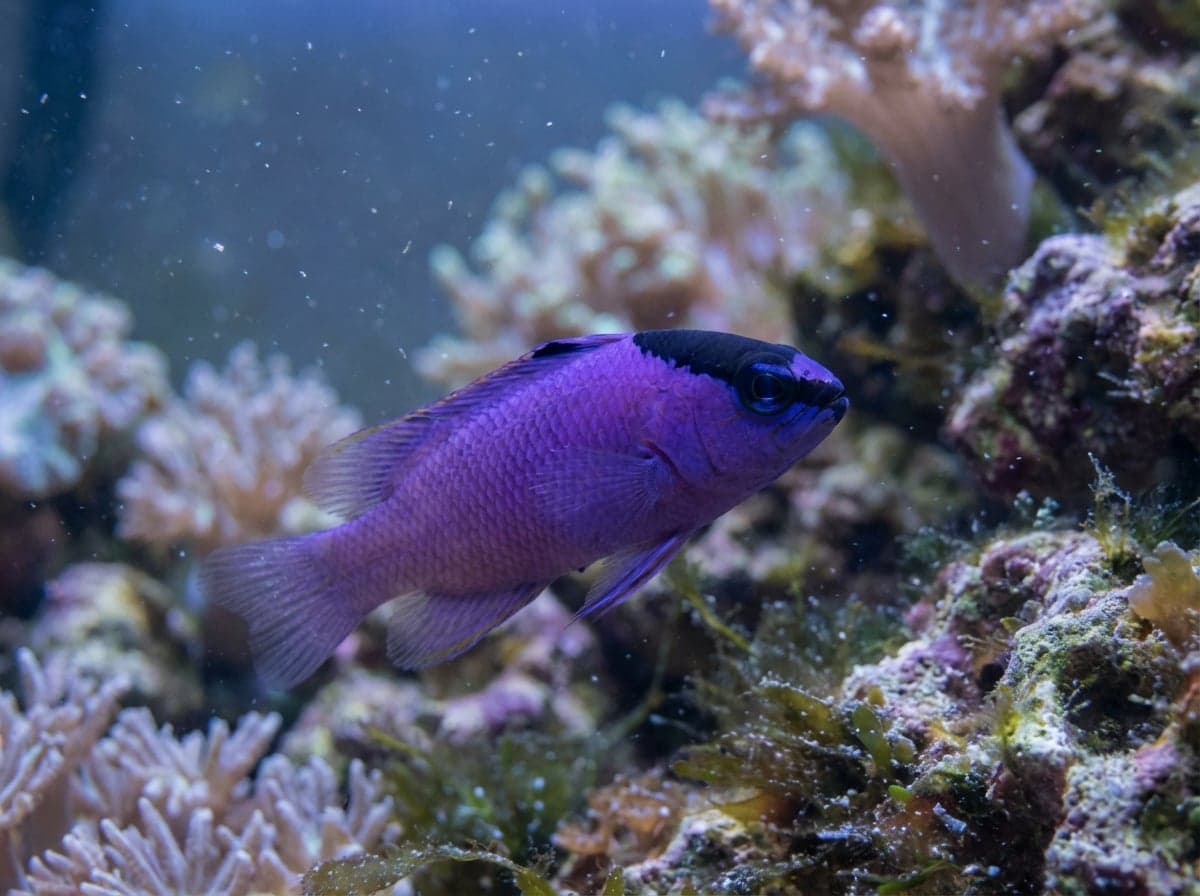
Chevron Tang
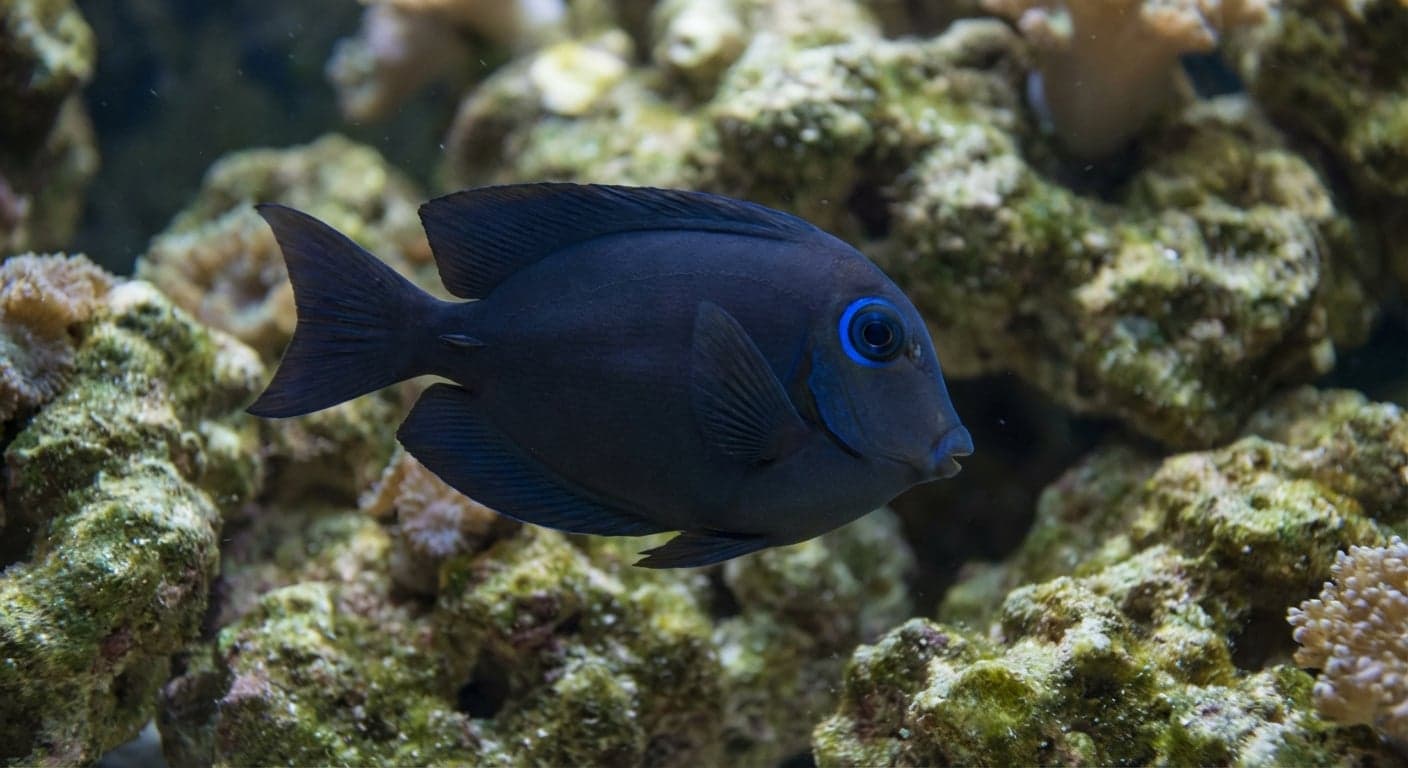
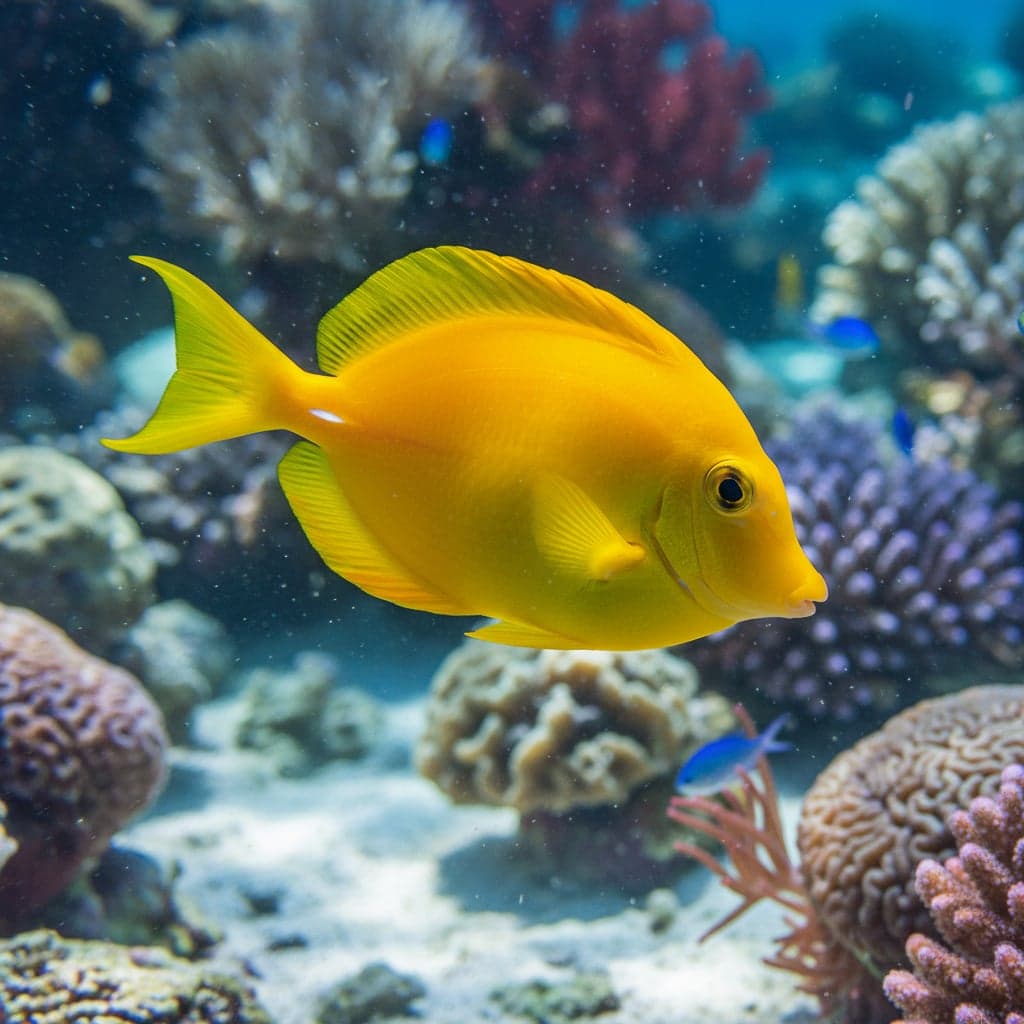
A 28cm Hawaiian tang whose orange juvenile bears no resemblance to the dark adult. Expensive, needs 750L+, and grazes film algae rather than sheet.

Chevron Tang
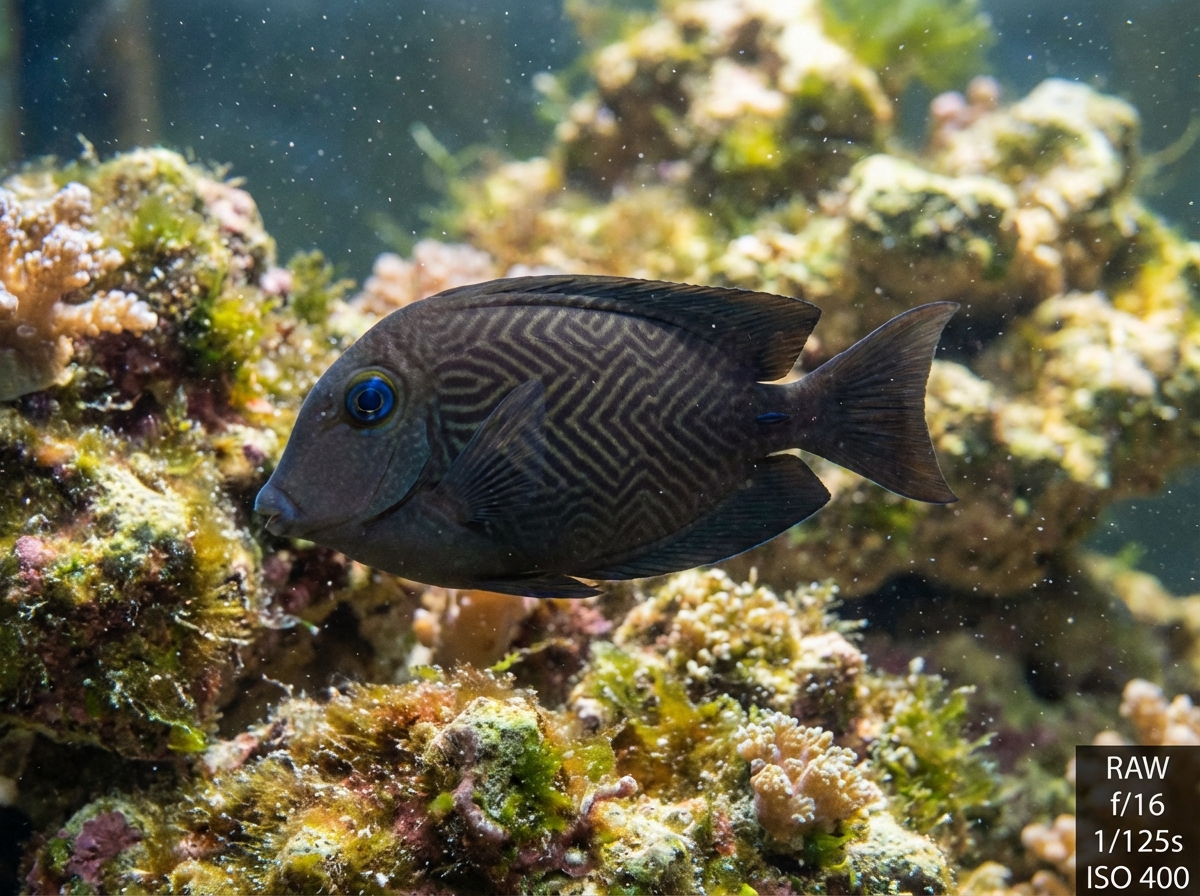
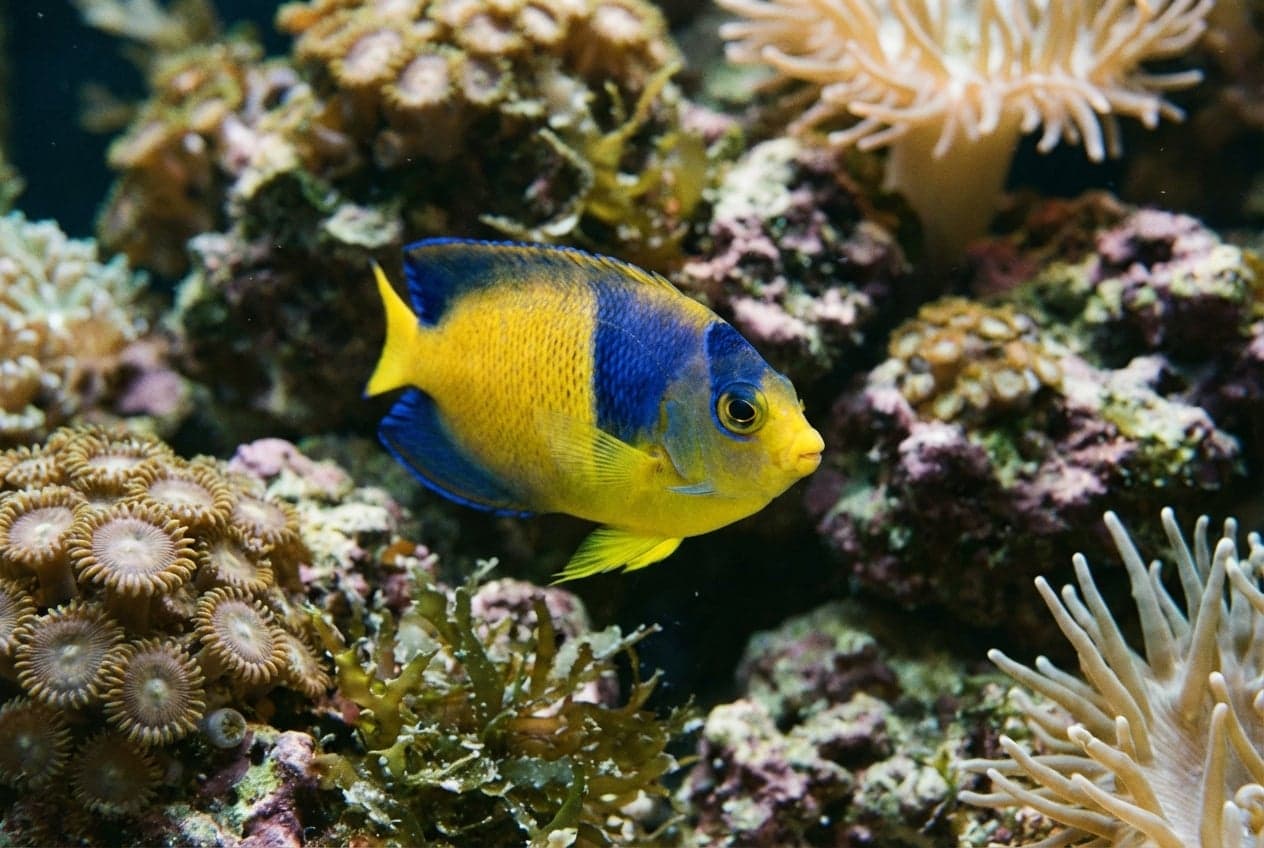
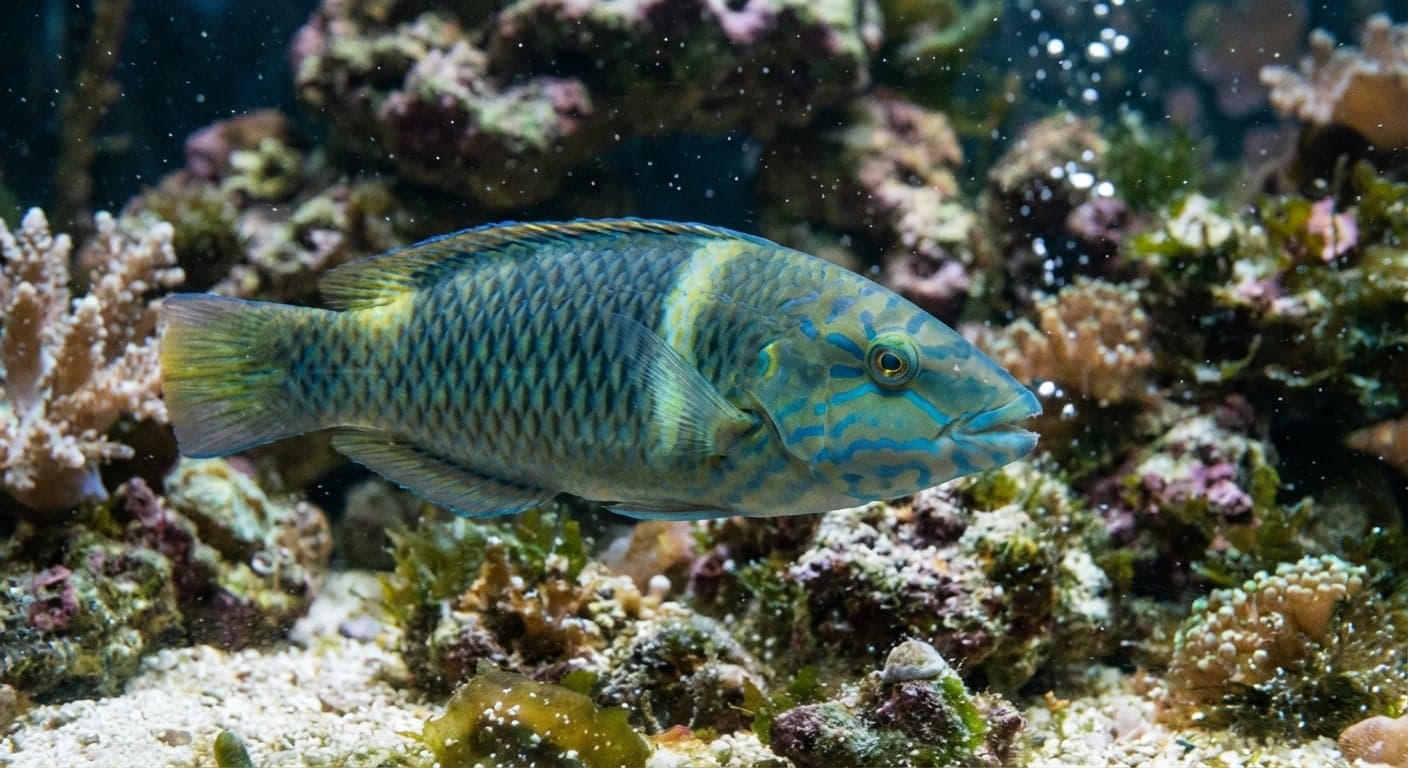
The Chevron Tang, also known as the Ctenochaetus hawaiiensis, is a striking marine fish that belongs to the surgeonfish family, Acanthuridae. This elegant species is renowned for its distinctively ornate body adorned with vibrant coloration and intricate patterns. With a body that features an intricate combination of blue, green, and yellow hues, this fish can add a stunning visual appeal to any reef aquarium. Its unique scale pattern, which forms chevron-like stripes, not only enhances its beauty but also makes it easily identifiable among marine enthusiasts. The Chevron Tang's aesthetic qualities have made it a prized addition to both public aquariums and home marine setups.
In addition to its visual appeal, the Chevron Tang holds considerable significance in the aquarium hobby. As a natural algae eater, it plays a vital role in maintaining a balanced and healthy ecosystem in the tank by controlling algal growth. This functionality makes it not just an ornamental fish but also a beneficial one for aquarists aiming to maintain water quality and prevent unwanted algae blooms. Due to its hardiness and adaptability, the Chevron Tang serves as an excellent choice for both novice and experienced aquarium enthusiasts looking to establish a vibrant marine environment.
Natural Habitat & Origin
The Chevron Tang is native to the warm waters of the Pacific Ocean, predominantly found around the Hawaiian Islands and other central Pacific regions. It typically inhabits coral reefs, where it thrives in shallow waters, often at depths ranging from 10 to 40 meters. These environments are characterized by clear waters that provide ample sunlight necessary for the growth of the algae that this species feeds on. The natural habitat of the Chevron Tang consists of rocky crevices and coral formations that offer shelter and foraging opportunities, making it vital for its survival in the wild.
In terms of environmental context, the water in which Chevron Tangs live is generally saline, with a stable temperature between 24°C to 28°C (75°F to 82°F). The clarity of the water is crucial as it affects not only their foraging ability but also their social interactions. As a social species, they often form groups or small schools, using their vibrant colors for communication and mating displays against the backdrop of their natural coral reef environments.
Care Requirements
To successfully care for a Chevron Tang, it's essential to replicate its natural habitat as closely as possible. The recommended water parameters include a pH level of 8.1 to 8.4, a temperature range of 24°C to 28°C (75°F to 82°F), and a hardness of 8 to 12 dGH. Monitoring these water parameters is crucial for the health and well-being of the fish. A minimum tank size of 750 litres (200 gallons) is recommended: this tang reaches 28cm, grazes almost continuously, and needs a long, open swimming run if territorial aggression is to stay manageable.
The tank setup should include live rock and hiding spots created using coral structures, which simulate their natural environment. A sandy substrate is preferred to mimic the ocean floor; it allows for natural foraging behavior. Lighting should be moderate to bright, as it supports the growth of beneficial algae while keeping the fish active. It’s also beneficial to incorporate live plants or algae pieces, providing additional grazing areas for the Chevron Tang.
Diet & Feeding
The Chevron Tang is classified as an herbivore, primarily feeding on algae and plant material in the wild. In captivity, it is essential to provide a varied diet that includes high-quality marine flakes, spirulina, and algae sheets to ensure proper nutrition. Supplementing with frozen or live foods, such as brine shrimp or mysis shrimp, can also encourage healthy growth and vibrant coloration. Adult Chevron Tangs have substantial grazing habits, so it’s recommended to offer feed multiple times daily in small amounts to mimic natural feeding behavior. Ensuring a balanced diet will contribute to the fish's overall health and vitality.
Behavior & Temperament
Chevron Tangs exhibit a generally peaceful temperament; however, they can display territorial behavior, especially during breeding or feeding. This species is best kept with other similarly sized fish to prevent potential aggression. Chevron Tangs appreciate swimming space, often occupying the mid to upper levels of the tank. When placed in a larger aquarium with ample hiding spaces, they can engage in natural social behaviors, including shoaling and playful interactions with tank mates. Their curious nature makes them active swimmers, often seen exploring their environment and grazing on available algae.
Tank Mates
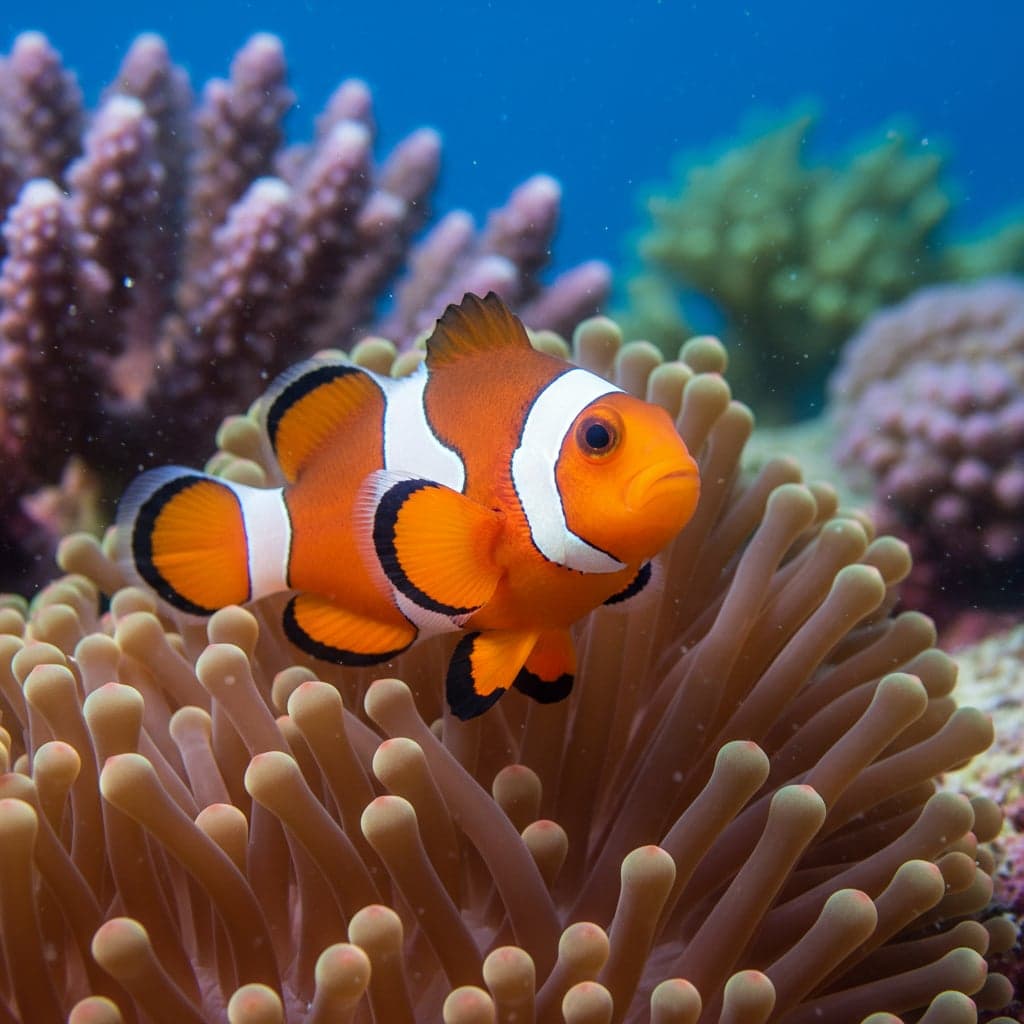
When selecting tank mates for a Chevron Tang, it’s crucial to choose compatible species that can coexist peacefully in a marine setup. Suitable companions include other peaceful reef fish such as clownfish, gobies, and wrasses. It is best to avoid aggressive species or those with similar body shapes like other tangs, which may trigger territorial disputes. Larger community fish, such as angelfish and surgeonfish, may also coexist well, provided ample space and hiding spots are incorporated in the tank design.
However, beginners should refrain from pairing Chevron Tangs with known bullies, such as damselfish or certain cichlids, as these can stress the tang and lead to health issues. Maintaining a balanced and harmonious community will help foster a healthy and visually stunning aquarium environment conducive to the well-being of all inhabitants.
Breeding
Breeding Chevron Tangs in captivity can be a challenging endeavor due to their natural spawning behavior, which typically occurs during specific lunar phases. They require ample swimming space and a well-established environment for successful breeding. In their natural habitat, they engage in spawning in pairs or groups during twilight hours, where males exhibit vibrant displays to attract females.
For aquarists attempting to breed them, maintaining pristine water quality and proper lighting is essential. Additionally, the inclusion of spawning substrates, such as flat rocks or coral surfaces, can encourage reproductive behaviors. While breeding success in captivity is rare, attentive aquarists can facilitate an environment that promotes natural spawning behavior to increase the chances of raising fry.
Common Health Issues
Chevron Tangs are relatively hardy fish; however, they are susceptible to certain health issues common within the aquarium trade. One such issue is marine ich (Cryptocaryon irritans), a parasitic disease that can manifest as white spots on the body and fins. To prevent marine ich, it's important to maintain optimal water conditions and quarantine any new fish before introducing them to the main tank. Other health concerns include flukes and bacterial infections. Regular water changes, proper feeding, and a stress-free environment can significantly decrease the likelihood of these health issues arising. Monitoring fish behavior and appearance regularly will help aquarists catch any potential health problems early.