Cobalt Zebra: Maylandia callainos
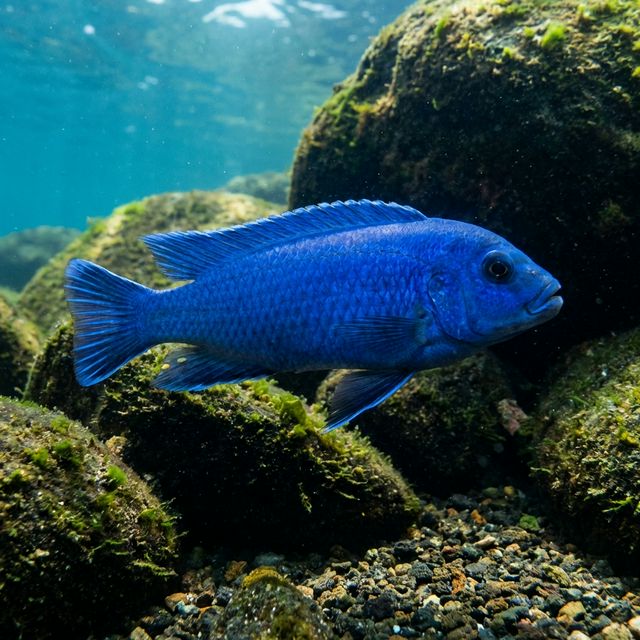
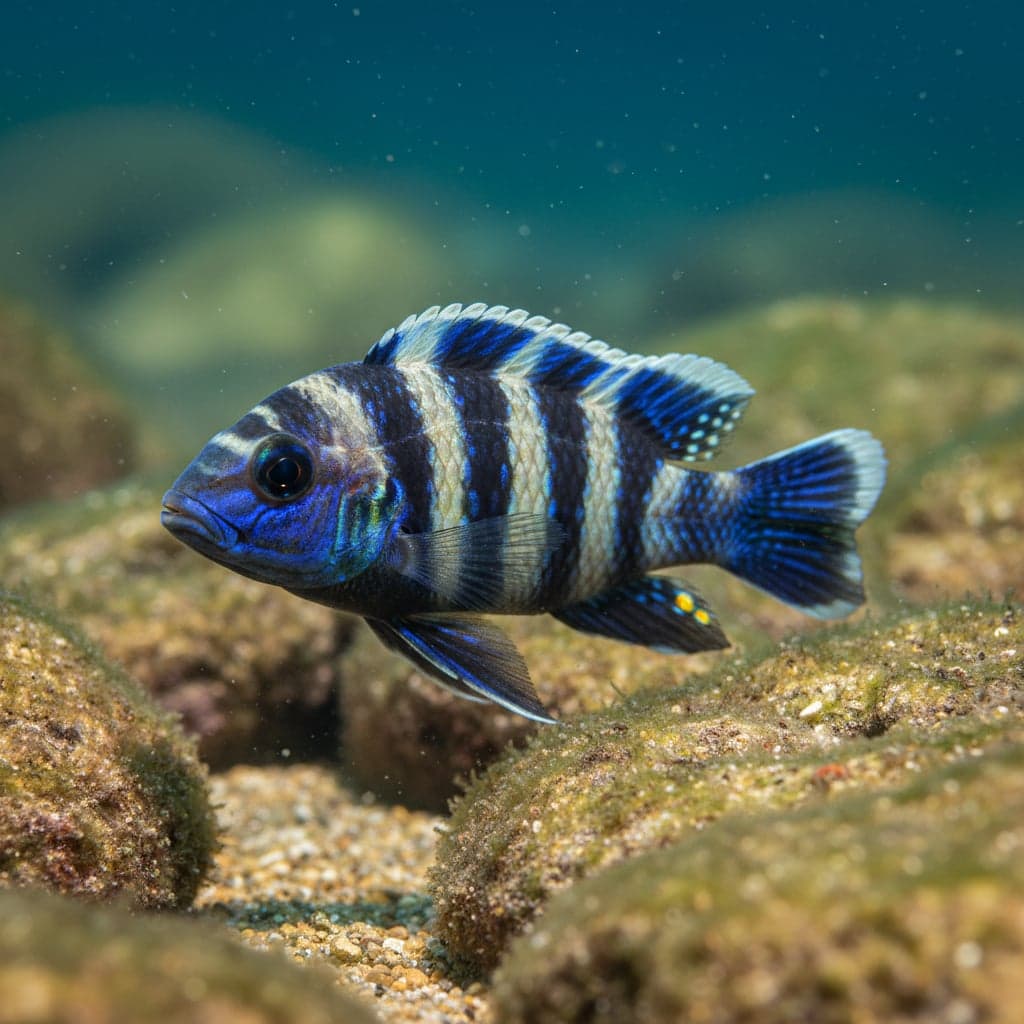
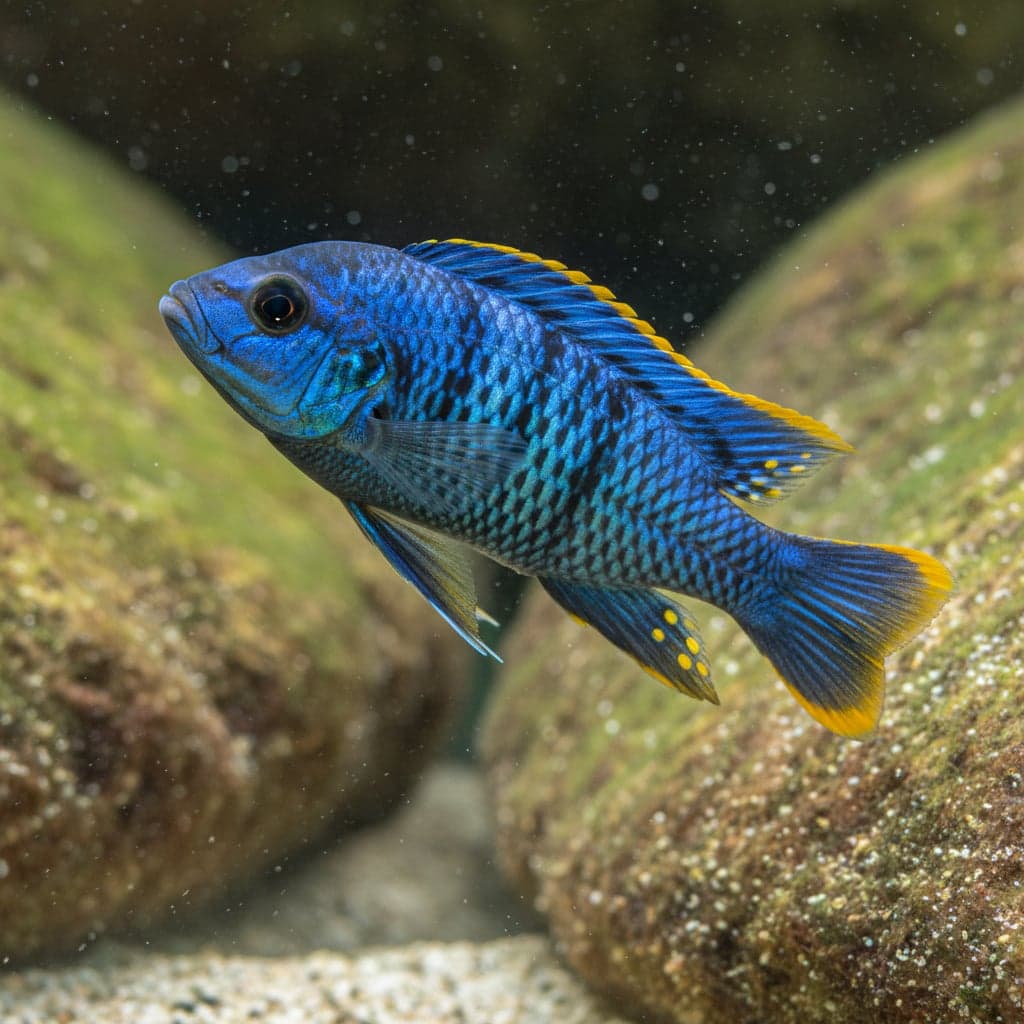
A stunning electric blue Mbuna from Lake Malawi. Also known as the Cobalt Blue Cichlid.
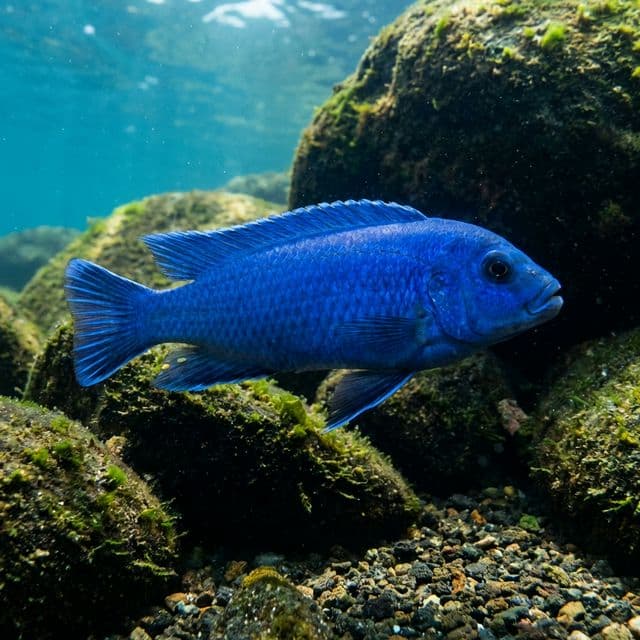
Cobalt Zebra
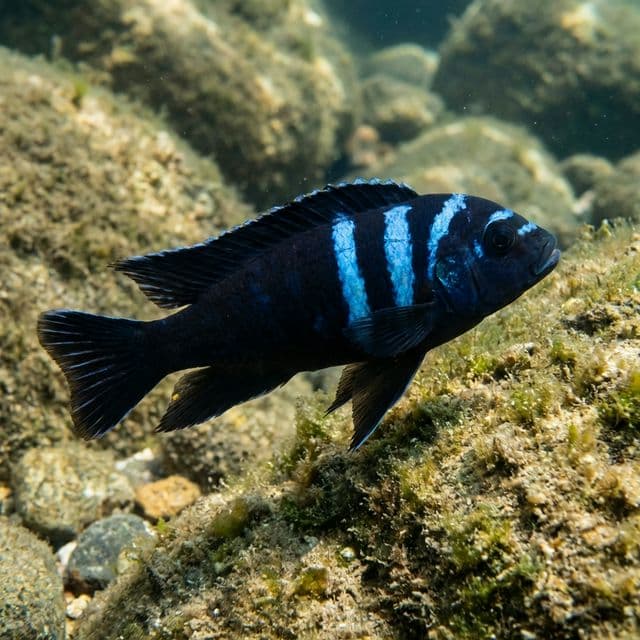
The Cobalt Zebra, scientifically known as Maylandia callainos, is a stunning freshwater fish that is highly sought after in the aquarium hobby. This vibrant species is native to Africa's Lake Malawi, known for its striking cobalt blue coloration interspersed with horizontal black stripes. The brilliance of the Cobalt Zebra creates a captivating display in any aquarium, making it a favorite among aquarists looking for visually appealing inhabitants. Beyond its aesthetic appeal, the Cobalt Zebra is significant in the aquarium trade not only for its colors but also for its hardiness and adaptability to aquarium life, inspiring enthusiasts to create stunning cichlid tanks.
Cobalt Zebras are a part of the larger family of cichlids, which are known for their diverse body shapes and behaviors. These fish are not just beautiful; they possess a dynamic presence in the aquarium, exhibiting energetic movements and inquisitive behavior. Due to their social nature and interactive demeanor, Cobalt Zebras can create a vibrant community within a well-planned tank. Their importance in the aquarium hobby transcends mere aesthetics; they also play a crucial role in educating aquarists about the delicate balance of maintaining a healthy ecosystem that mirrors their natural environment.
Natural Habitat & Origin
Cobalt Zebras originate from the rocky substrates of Lake Malawi in Eastern Africa, one of the largest and oldest lakes in the world. This inland lake is characterized by its clear waters and diverse aquatic habitats, providing an ideal environment for many cichlid species, including the Cobalt Zebra. The water here is typically alkaline with a pH range between 7.6 and 8.6, contributing to the cichlid's adaptability in aquariums when parameters are properly maintained. The natural habitat consists of rocky outcroppings, which provide hiding spots and territories for breeding and asserting dominance, making it vital for aquarists to replicate these conditions in captivity.
In terms of environmental context, Lake Malawi is a unique ecosystem marked by a rich array of endemic species, showcasing incredible biodiversity that has evolved over thousands of years. The mixture of rocky habitats and sandy bottoms offers various micro-environments, which is crucial for juvenile and adult Cobalt Zebras as they search for food and establish territories. The clear-water environment is essential for their visual hunting strategies, so aquarists should aim for clarity in their home tanks, utilizing filtration systems that maintain water quality and reduce cloudiness.
Care Requirements
To keep Cobalt Zebras healthy, aquarists must provide specific water parameters that closely resemble their natural habitat. An ideal temperature range for these fish is between 24°C to 28°C (75°F to 82°F), while the pH level should be maintained between 7.6 and 8.6. Hardness is also a crucial factor, with a general hardness (GH) of 10-20 dGH being advisable. When setting up a tank for Cobalt Zebras, a minimum size of 75 gallons is recommended to ensure ample swimming space and territories, especially if multiple specimens are kept.
For substrate, a sandy or fine gravel bottom mimics their natural environment and facilitates their foraging behavior. Rock formations and caves should be included to provide hiding spots, as Cobalt Zebras often seek refuge in these areas during stressful times. Well-placed rocks will also create natural territories essential for their social structure. Lighting should be moderate, mimicking the natural lighting conditions of Lake Malawi, and can be augmented with plants such as Anubias or Java ferns, but be sure to plant them strategically to avoid overcrowding and maintain ample swimming zones.
Diet & Feeding
Cobalt Zebras are primarily omnivorous, possessing a diverse diet in their natural habitat that primarily consists of algae, small invertebrates, and plant matter. In captivity, it is essential to provide a balanced diet to maintain their vibrant coloration and overall health. High-quality pellets designed for cichlids can serve as a staple food. Flake food can be offered; however, it's crucial to ensure that it includes spirulina to support their natural dietary needs. Additionally, incorporating frozen or live foods, such as brine shrimp, daphnia, and bloodworms, can enhance their nutrition and stimulate natural hunting behaviors.
It's recommended to feed adult Cobalt Zebras twice a day while ensuring not to overfeed, as they can be prone to obesity. Juvenile fish may require more frequent feeding, about three to four times daily, to support their growth. Offering a varied diet not only helps with nutritional intake but also promotes behavioral enrichment, keeping them active and healthy in a captive environment.
Behavior & Temperament
Cobalt Zebras are known for their exuberant behavior and complex social interactions. They are generally semi-aggressive, especially during breeding periods and when establishing territory. They thrive in group settings, making them suitable for a community tank with adequate space; however, it’s crucial to maintain a ratio of one male to multiple females to reduce aggression among males. Their schooling habits typically involve forming loose groups, although they will establish individual territories in the tank.
In terms of swimming behavior, Cobalt Zebras are primarily mid- to upper-water column swimmers, often seen darting to and from rock formations. Observing their interactions provides valuable insight into their social dynamics and established hierarchies, with dominant males often displaying more vibrant colors and engaging in territorial displays. Ensuring they have space to swim and mark their territory is essential for their well-being and overall happiness.
Tank Mates
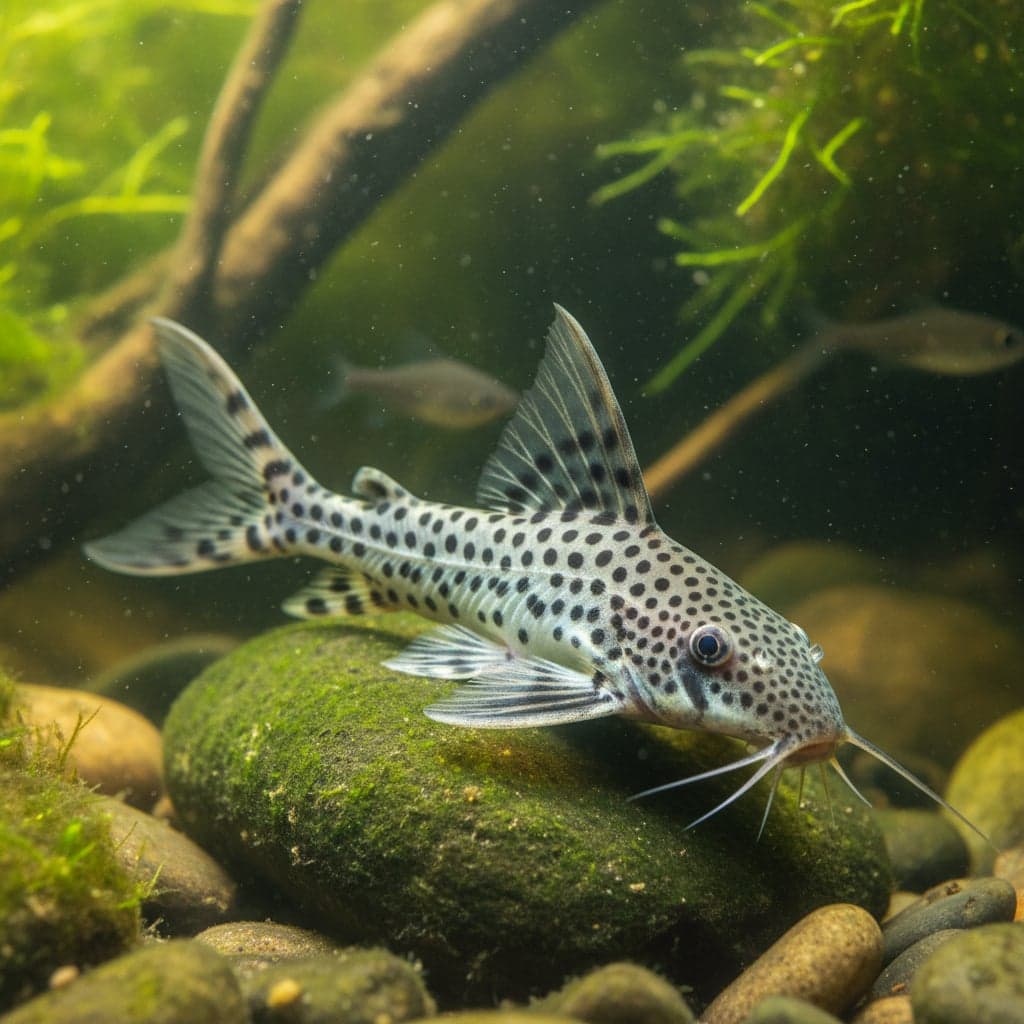
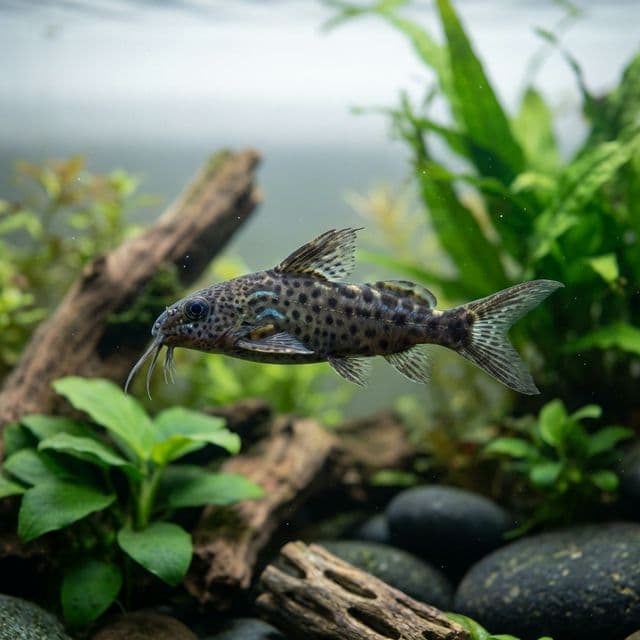
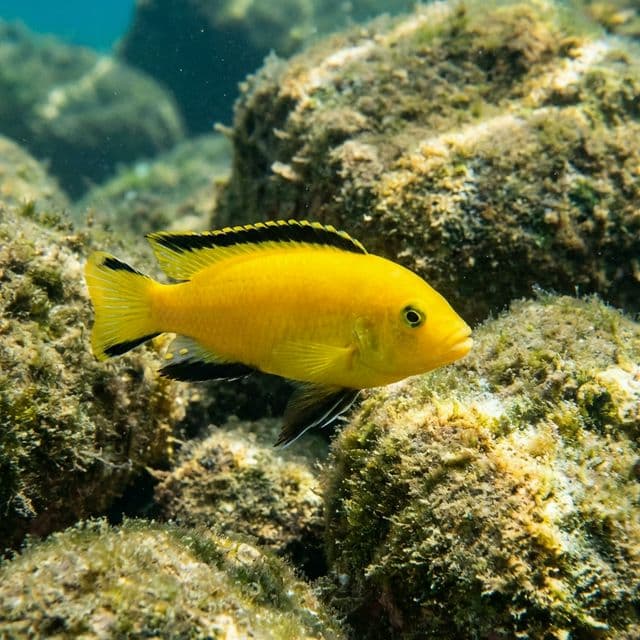
When selecting tank mates for Cobalt Zebras, it is important to choose species that can withstand similar water parameters and exhibit compatible temperaments. Ideal tank mates include other African cichlids, such as Acei (Pseudotropheus ceruleus), Demasoni (Pseudotropheus demasoni), and Yellow Labs (Labidochromis caeruleus). These species can coexist as both prefer similar water conditions and share an active swimming behavior. Additionally, catfish species like Synodontis can complement the community tank, provided they are not too small to avoid being harassed.
It is advised to avoid keeping them with overly aggressive species such as larger cichlids (e.g., Jaguar cichlid) and fish that occupy the same vertical space. Peaceful bottom-dwellers might also be considered, but take care to monitor interactions to prevent stress or aggression. Keeping a balanced community with consideration for the natural behaviors of Cobalt Zebras will lead to a thriving aquarium environment.
Breeding
Breeding Cobalt Zebras in captivity can be rewarding but requires careful attention to detail. They are mouthbrooders, meaning the female incubates fertilized eggs in her mouth until they are ready to swim independently. To induce spawning, create a breeding environment that includes numerous hiding spots, and offer plenty of rocky areas where females can feel secure. The ideal conditions for breeding include maintaining stable water parameters with a slightly higher temperature of around 27°C (81°F) and clean, well-oxygenated water.
A typical spawning event involves the male displaying to a female through a series of color changes and courtship behaviors, such as tail shaking. Once the female is receptive, she will lay her eggs in a secure location, which the male fertilizes. After fertilization, the female will collect the eggs in her mouth for incubation, usually lasting about three weeks.