Collare Butterflyfish
A 18cm butterflyfish, hardier than most and often kept in fish-only systems. It eats polyps, so it is not reef safe.
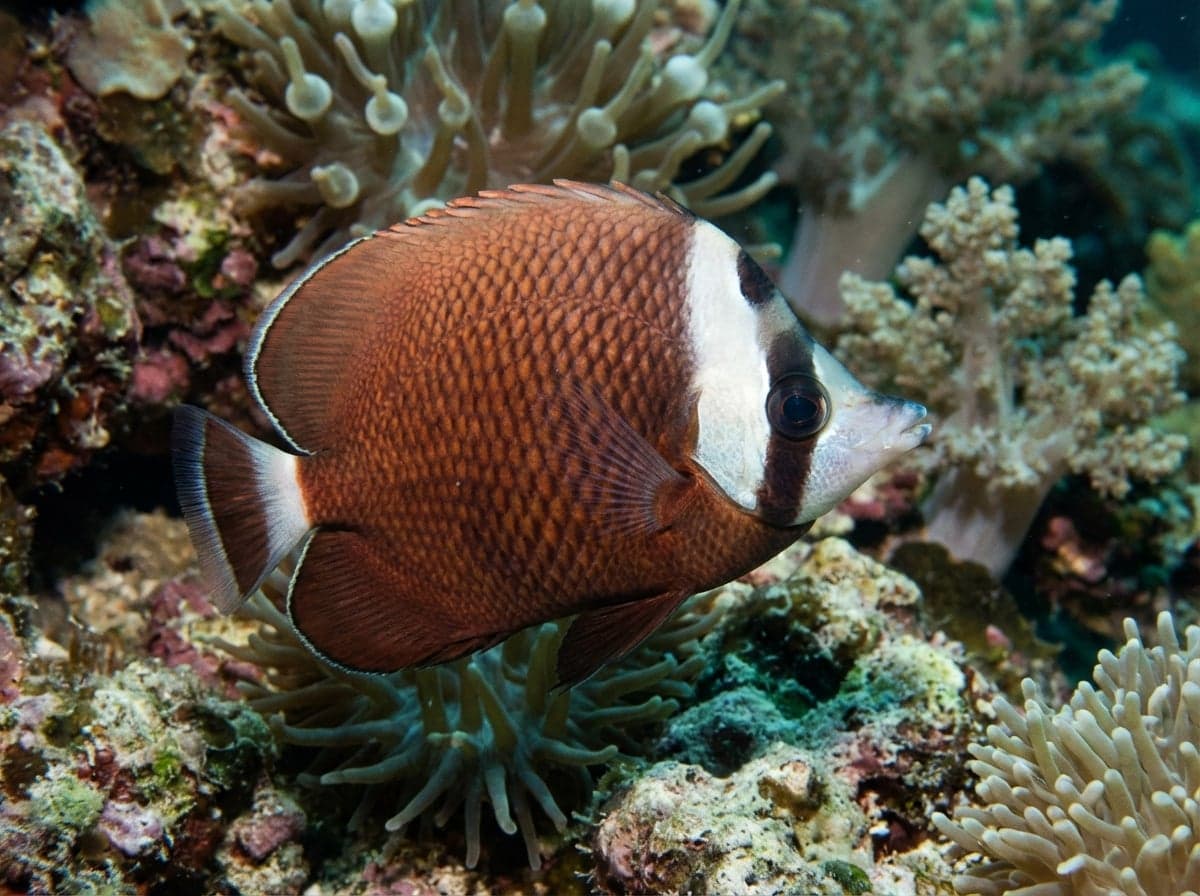
Collare Butterflyfish
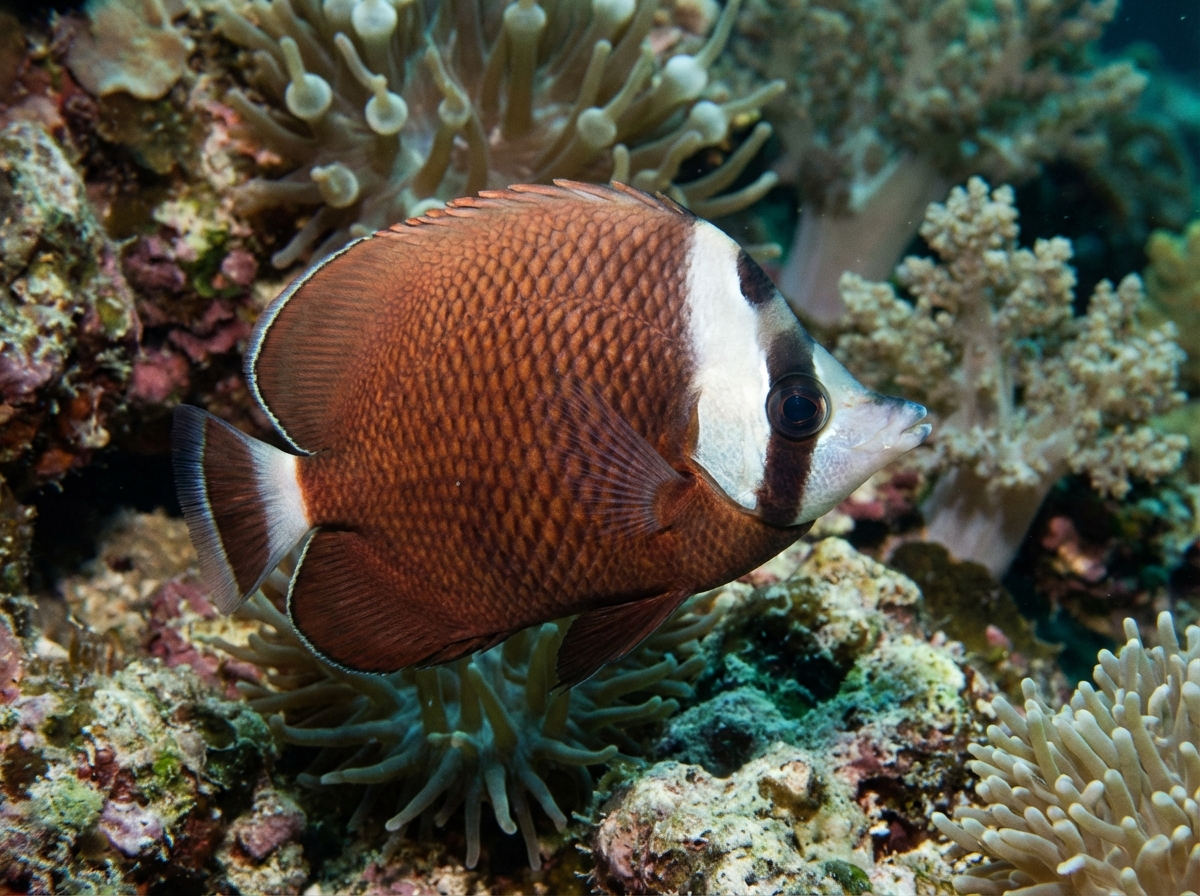
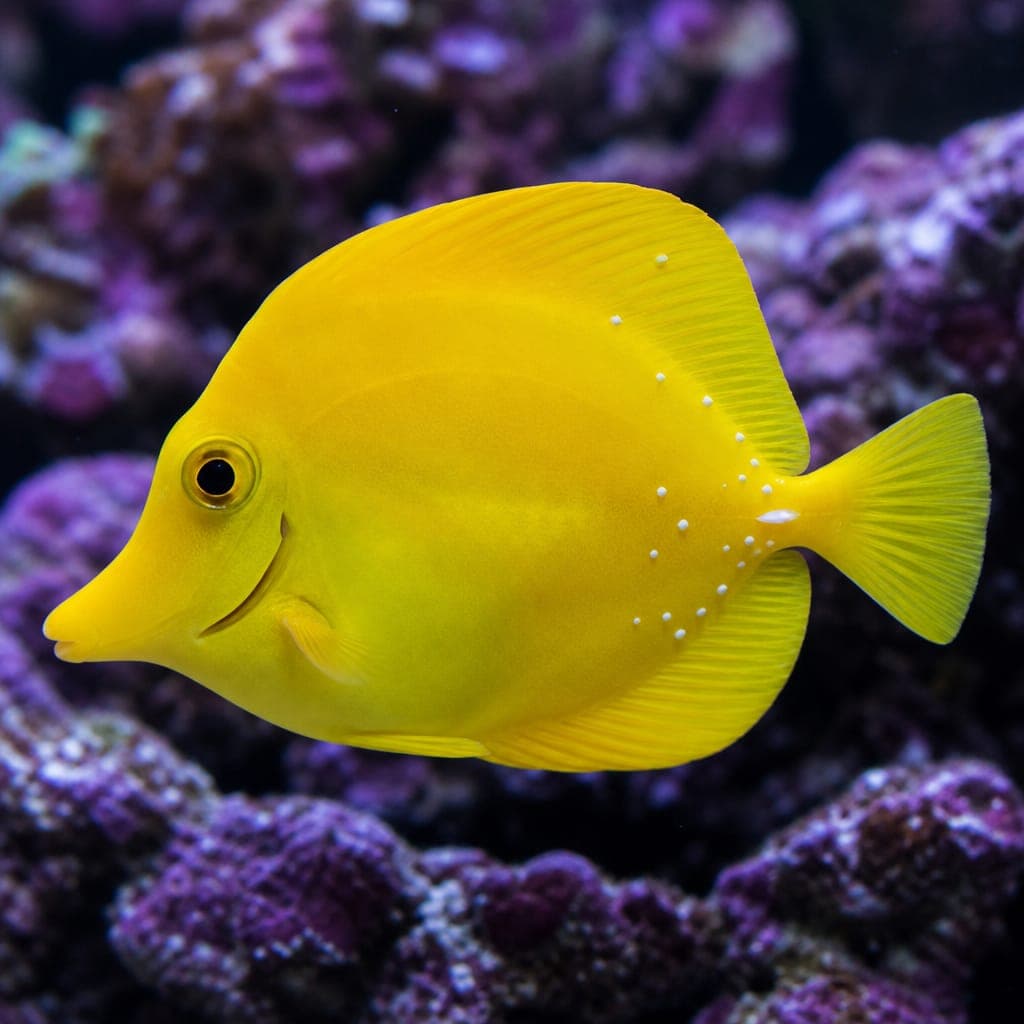
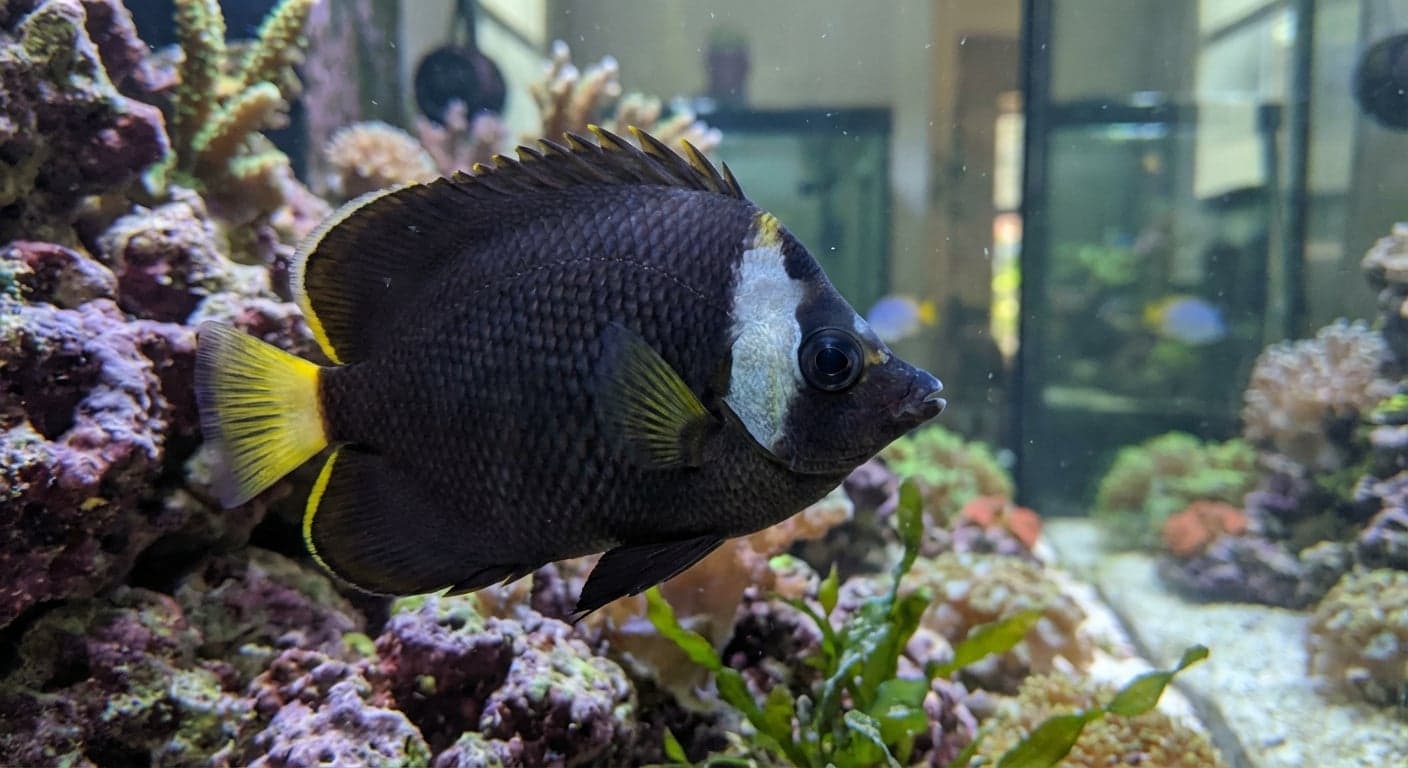
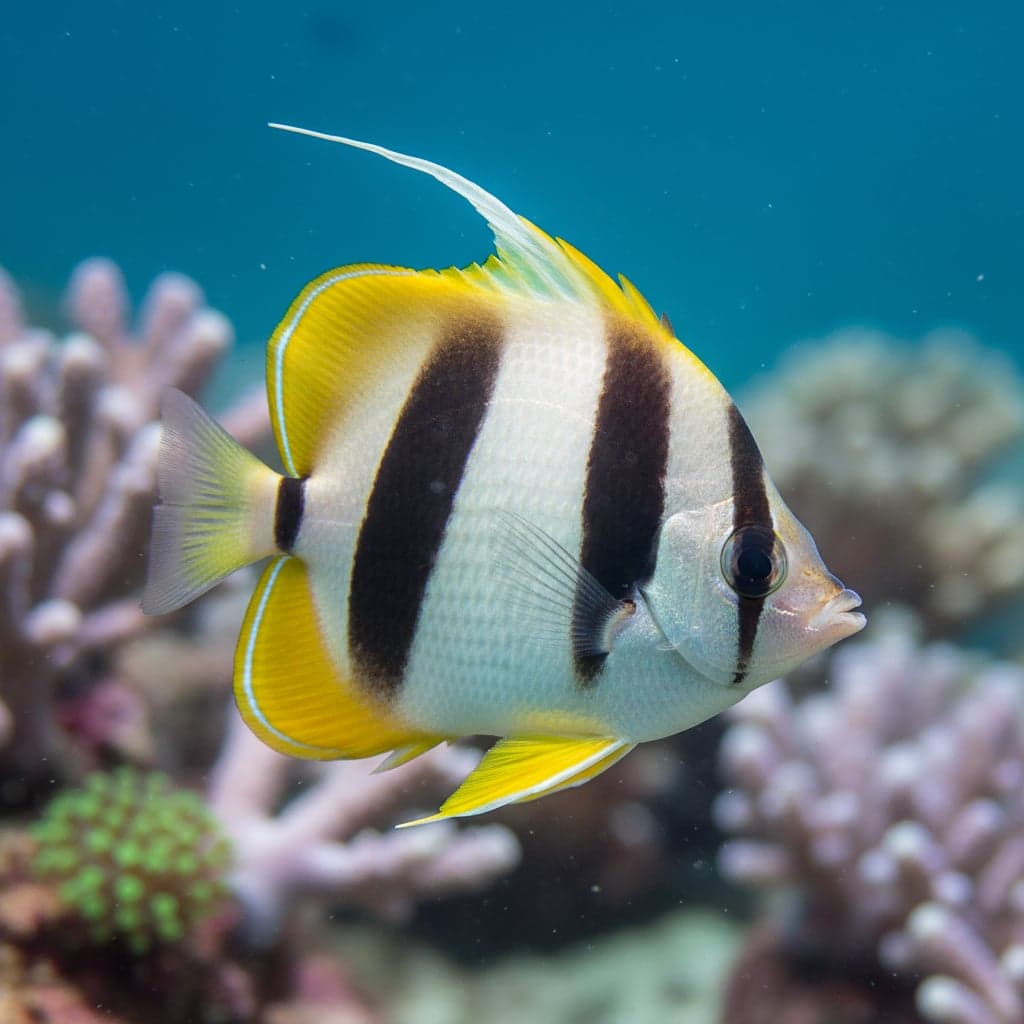
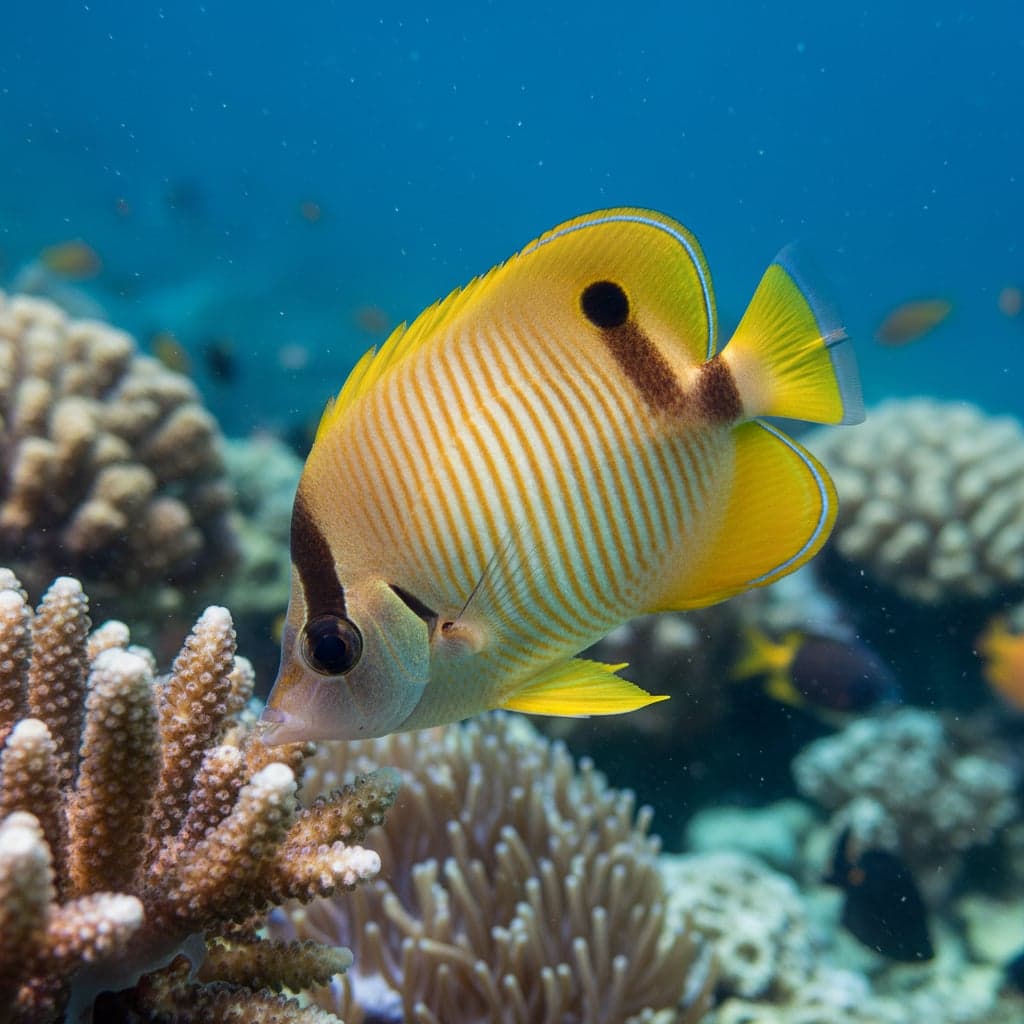
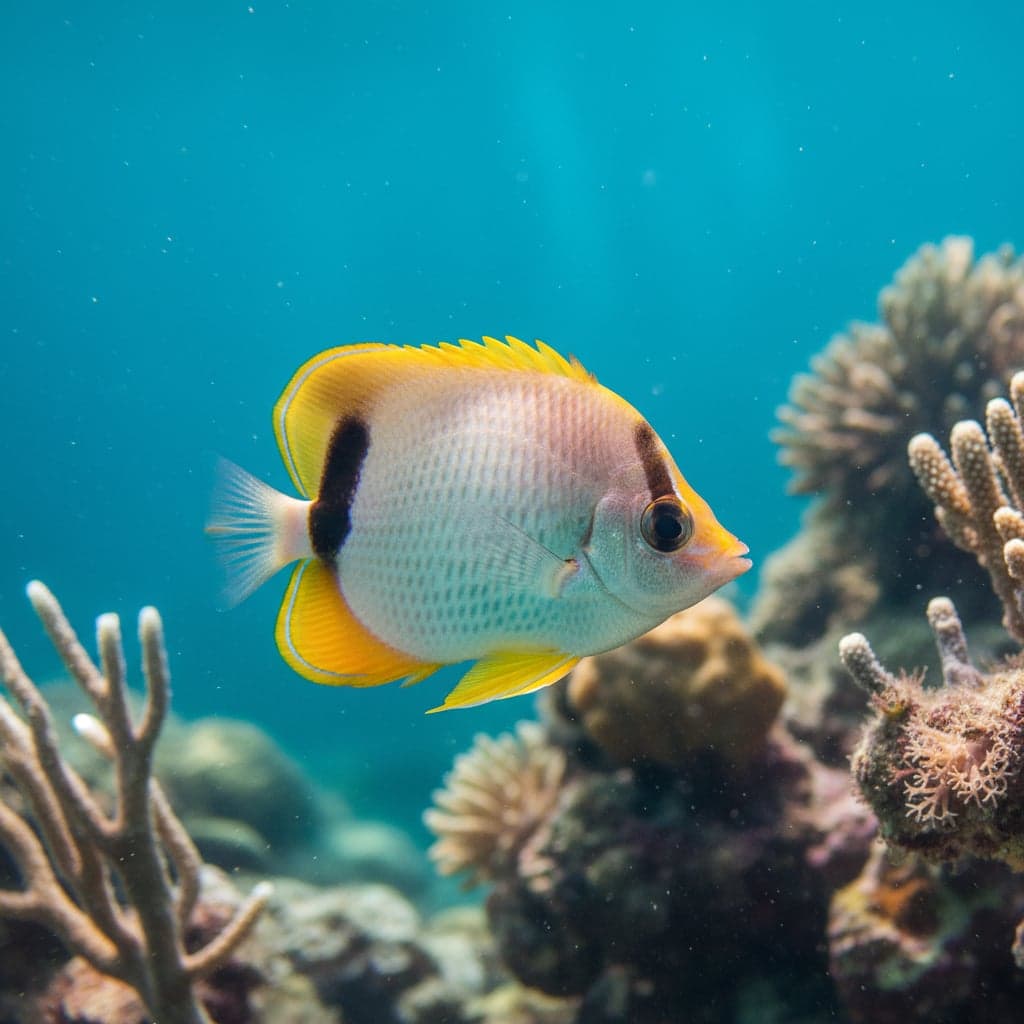
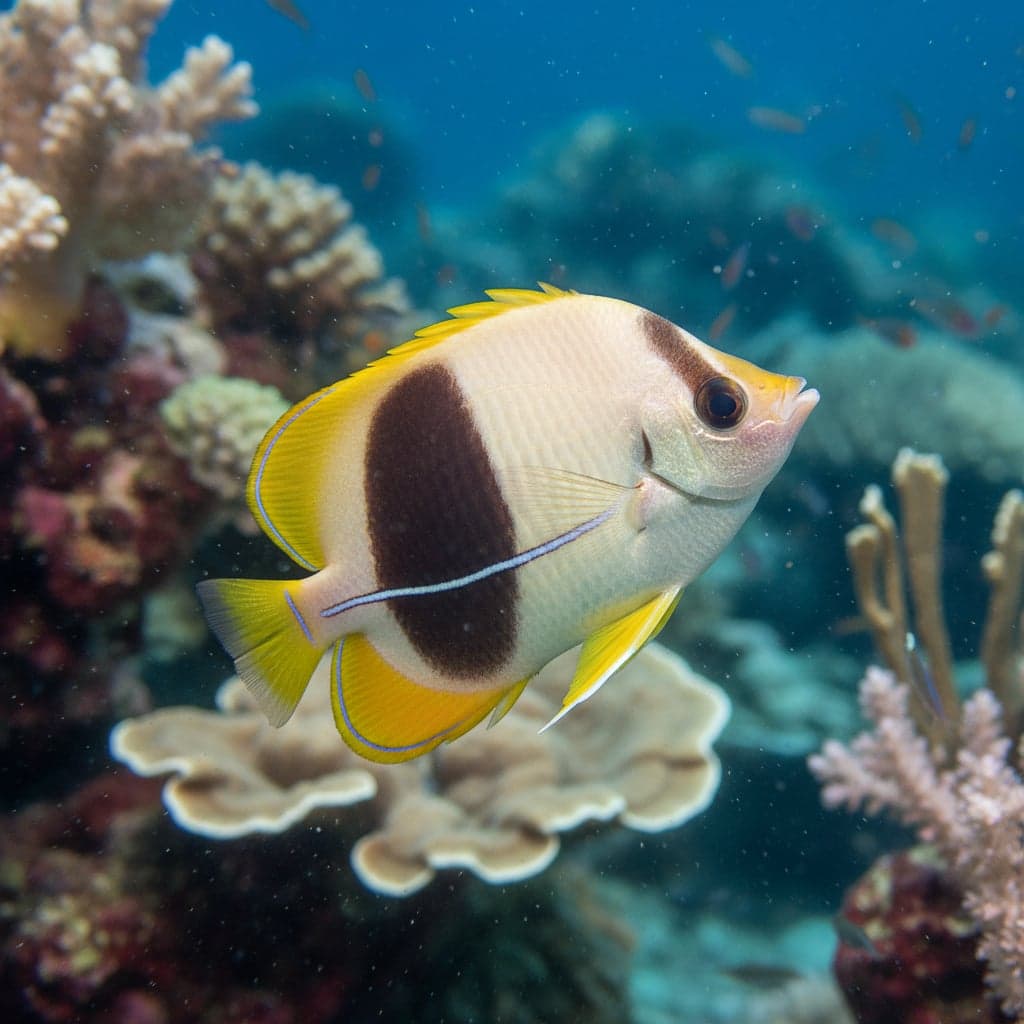
The Collare Butterflyfish, scientifically known as Chaetodon collare, is a striking marine fish that captivates both novice aquarists and seasoned fish keepers with its vibrant colors and distinct markings. Characterized by its yellow body adorned with black vertical stripes and a prominent black "collar" mark around its neck, this species serves as an exceptional addition to any reef aquarium. Its visual allure, complemented by unique swimming patterns, creates a dynamic focal point in marine displays, allowing hobbyists to appreciate its beauty and grace.
Not only is the Collare Butterflyfish aesthetically appealing, but it also holds a significant place in the aquarium hobby due to its relatively peaceful nature and compatibility with a variety of tank mates. As a member of the Chaetodontidae family, it serves as a gateway species for aquarists looking to delve into keeping butterflyfish. With proper care, these fish can thrive in captivity, offering a glimpse into the biodiversity of coral reef ecosystems, which are becoming increasingly appreciated as key environments to protect and preserve.
Natural Habitat & Origin
The Collare Butterflyfish is primarily found in the warm, tropical waters of the Indo-Pacific region, including areas surrounding the Philippines, Indonesia, and Micronesia. These vibrant fish prefer to inhabit coral reefs, typically residing in depths ranging from 10 to 50 meters. They favor clear, nutrient-rich waters that support the growth of corals, their primary source of food. The Collare Butterflyfish thrives in environments with plenty of hiding spots and structural complexity, enabling it to evade predators while foraging amongst the corals.
In terms of water type, the natural habitat of the Collare Butterflyfish is predominantly clearwater, with good water circulation and stable conditions. The reef environment provides this species with an ecological niche filled with diverse marine life, which influences its behavior and interactions within the aquarium setting. Understanding these characteristics is essential for recreating a suitable habitat in captivity.
Care Requirements
To ensure the Collare Butterflyfish thrives in an aquarium setting, specific care requirements must be met. Ideal water parameters should include a pH ranging from 8.1 to 8.4, temperatures between 24°C to 28°C (75°F to 82°F), and a salinity level of 1.020 to 1.025. A minimum tank size of 400 litres (105 gallons) is recommended for this 18cm Chaetodon collare in a FOWLR setup — enough swimming run for a larger butterfly that patrols open water all day.
When setting up their tank, a sandy substrate with ample live rock is recommended to replicate the natural reef environment. Additionally, soft lighting is preferable to mimic natural day-night cycles, and providing live plants or coral structures can enhance the habitat further. Regular water changes and proper filtration are crucial for maintaining water quality, as staple elements like nitrate and phosphates should be monitored carefully.
Diet & Feeding
The Collare Butterflyfish is an omnivore with a varied diet essential for its health and vibrant coloration. In the wild, its primary food sources include coral polyps, small invertebrates, and algae. In captivity, it is essential to replicate this varied diet to promote optimal health. Quality marine flakes and pellets that are high in protein should form the basis of its diet, supplemented with frozen foods like brine shrimp, mysis shrimp, and chopped seafood. Occasionally offering small quantities of vegetable matter, such as spirulina or other frozen marine algae, can further enhance its nutrition.
Feeding frequency should be well-planned, with small portions provided two to three times daily, ensuring the fish can consume its meal within a few minutes. Avoid overfeeding, as butterflyfish can be prone to health issues related to poor water quality and obesity. A diverse diet will keep the Collare Butterflyfish vibrant and active within the aquarium.
Behavior & Temperament
The Collare Butterflyfish is known for its generally peaceful demeanor, making it suitable for community tanks. This species typically engages in social behavior and can often be found swimming in pairs or small groups in the wild. They exhibit a degree of territoriality, especially during breeding or if housed with other butterflyfish species. In an aquarium setting, it’s best to keep them with similar-sized, non-aggressive fish to minimize stress and potential conflicts.
In terms of vertical placement within the tank, the Collare Butterflyfish tends to inhabit the mid to upper levels of the aquarium, often utilizing available structures to explore or seek refuge. This behavior makes careful selection of tank décor essential to create an enriching environment that satisfies their natural curiosity and swimming patterns.
Tank Mates
When selecting compatible tank mates for the Collare Butterflyfish, it is crucial to consider its non-aggressive nature yet acknowledge potential territorial behaviors. Suitable companions include docile fish species such as clownfish, gobies, and other reef-safe fish that occupy various niches in the aquarium. Additionally, peaceful wrasses and other butterflyfish species can coexist if introduced carefully to avoid aggression.
Conversely, species to avoid include aggressive fish like territorial damselfish, large angelfish, and predatory species that may view the Collare Butterflyfish as potential prey. It is also wise to avoid housing multiple butterflyfish of the same species unless in a large tank with sufficient space to establish territories.
Breeding
Breeding the Collare Butterflyfish in captivity can be challenging, as they exhibit specific spawning behaviors that require appropriate conditions. In the wild, these fish typically breed in pairs. To successfully breed them in an aquarium, a spacious setup of at least 400 litres (105 gallons), with plenty of hiding spots and open water for swimming is necessary.
Spawning occurs when the female releases eggs into the water column, where the male fertilizes them. Providing stable water parameters, good water quality, and a varied diet will encourage breeding behaviors. However, due to the complexities of raising fry, hobbyists interested in breeding Collare Butterflyfish should be well-prepared and have the capability to rear the offspring without disrupting the existing community in the tank.
Common Health Issues
The Collare Butterflyfish can be prone to a few health issues commonly found in marine aquaria. These include ich (Cryptocaryon irritans), marine velvet disease (Oodinium), and bacterial infections. Maintaining good water quality through regular testing and changes is vital for preventing such diseases. Additionally, quarantining new fish before introducing them to a main tank can minimize stress and disease spread.
Ensuring a nutritious diet rich in vitamins and minerals can also boost the immune system and overall health of the Collare Butterflyfish. Regular monitoring for signs of distress or disease—such as changes in behavior, appetite loss, or visible lesions—enables prompt intervention. Proper preventive measures will help keep this stunning species thriving in a captive environment.