The Compressiceps Cichlid: Altolamprologus compressiceps
A specialized predator from Lake Tanganyika with a bizarrely flattened, blade-like body. A stealth hunter that slides into narrow rock cracks.
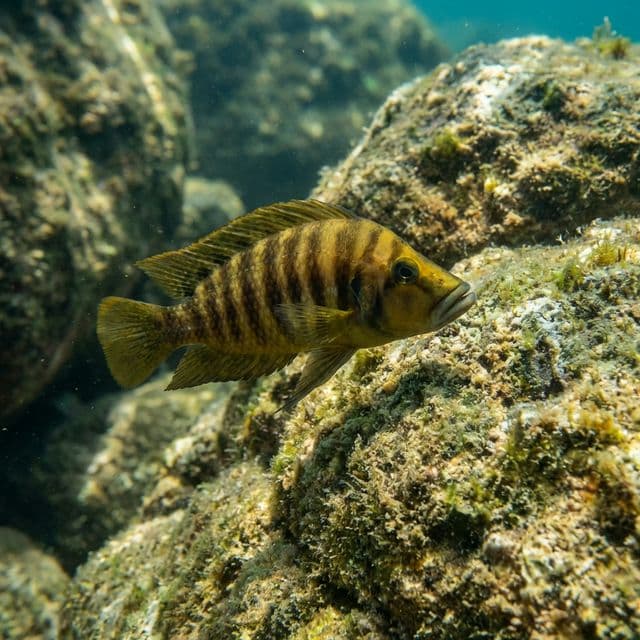
Compressiceps Cichlid
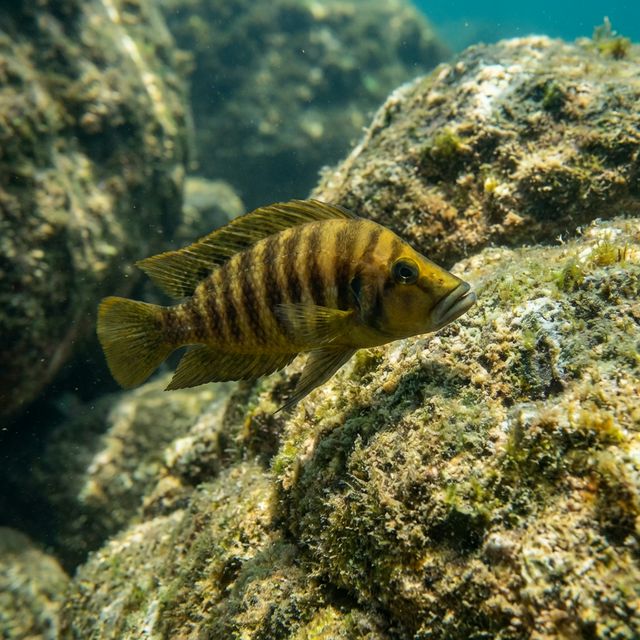
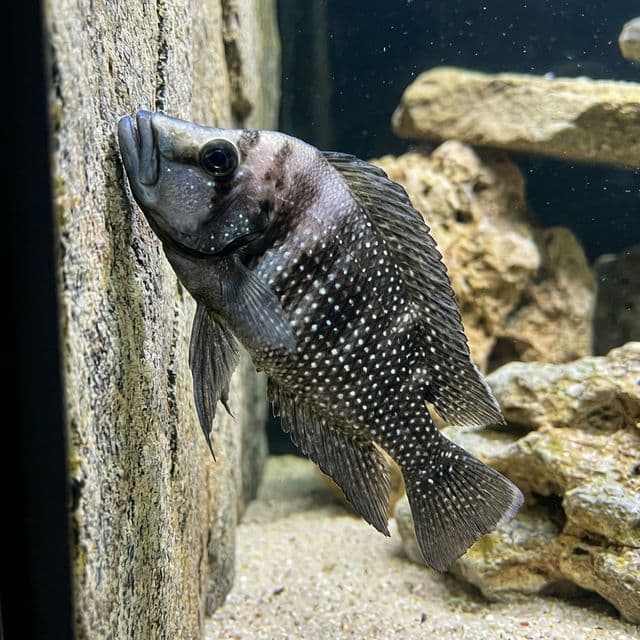
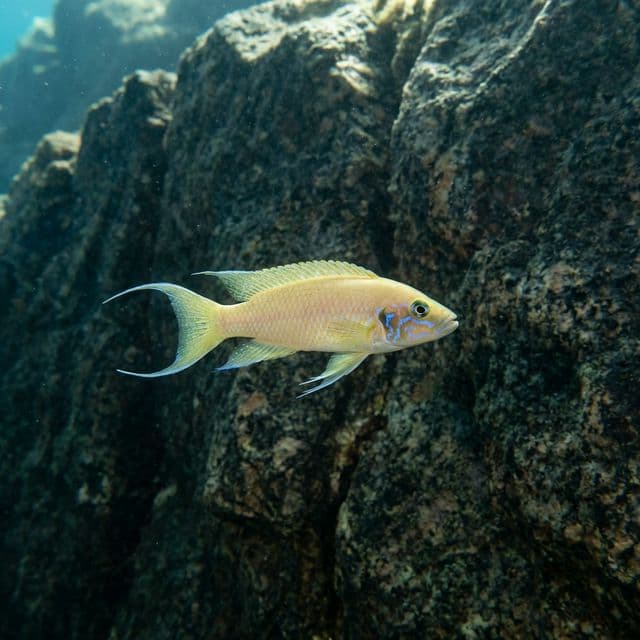
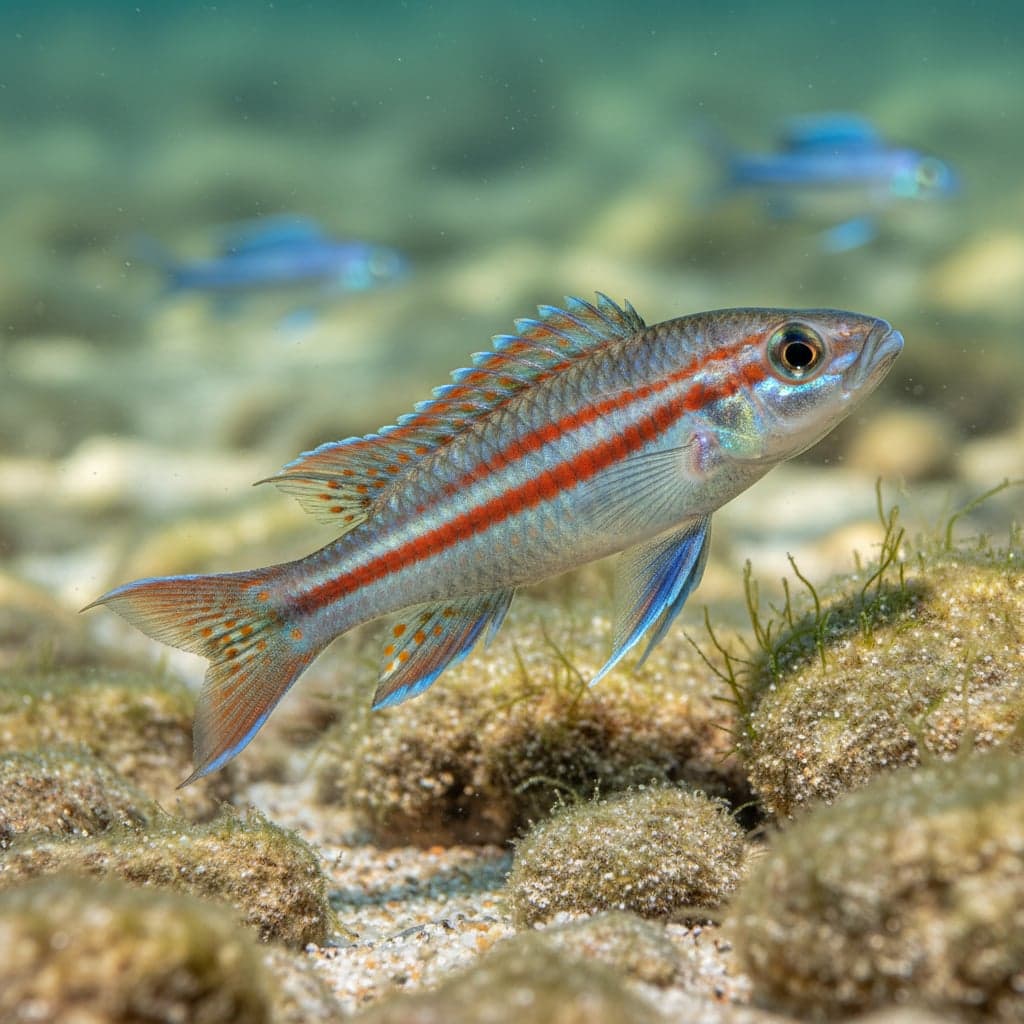
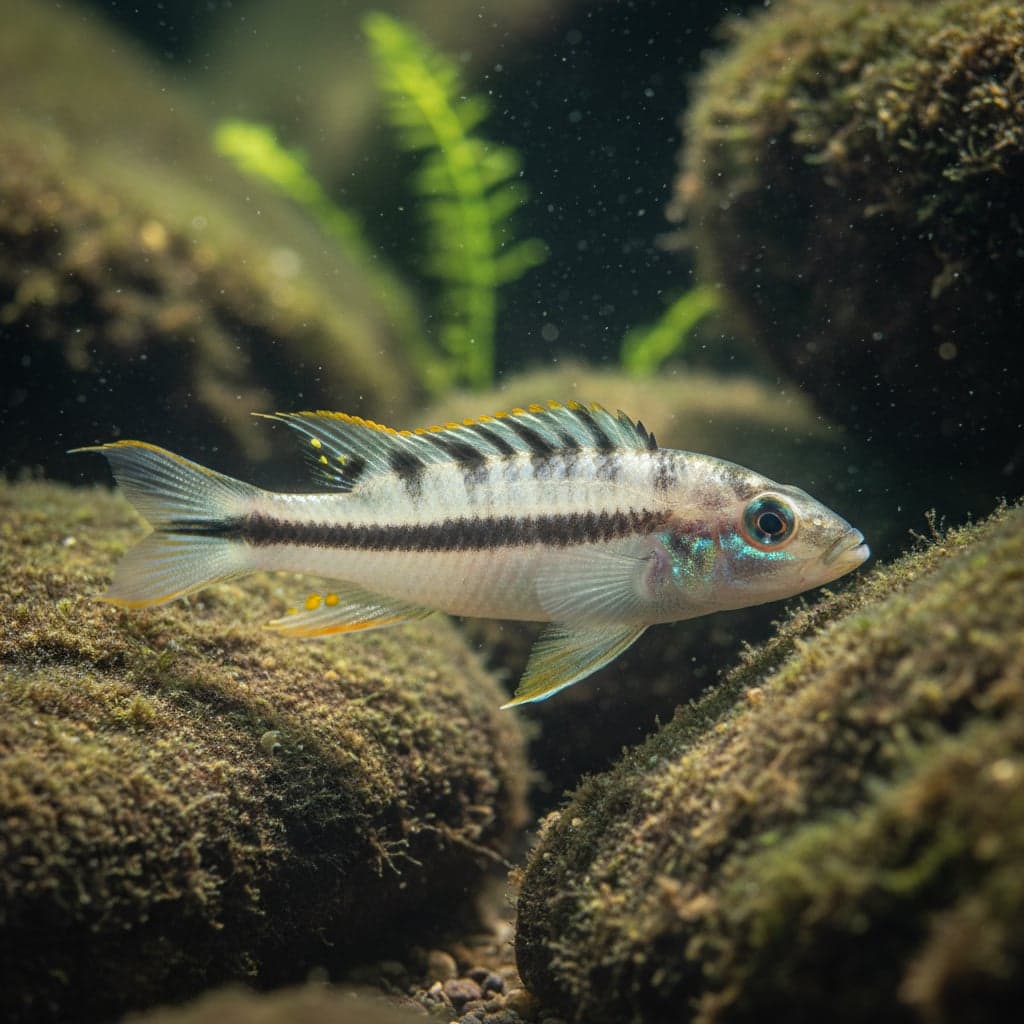
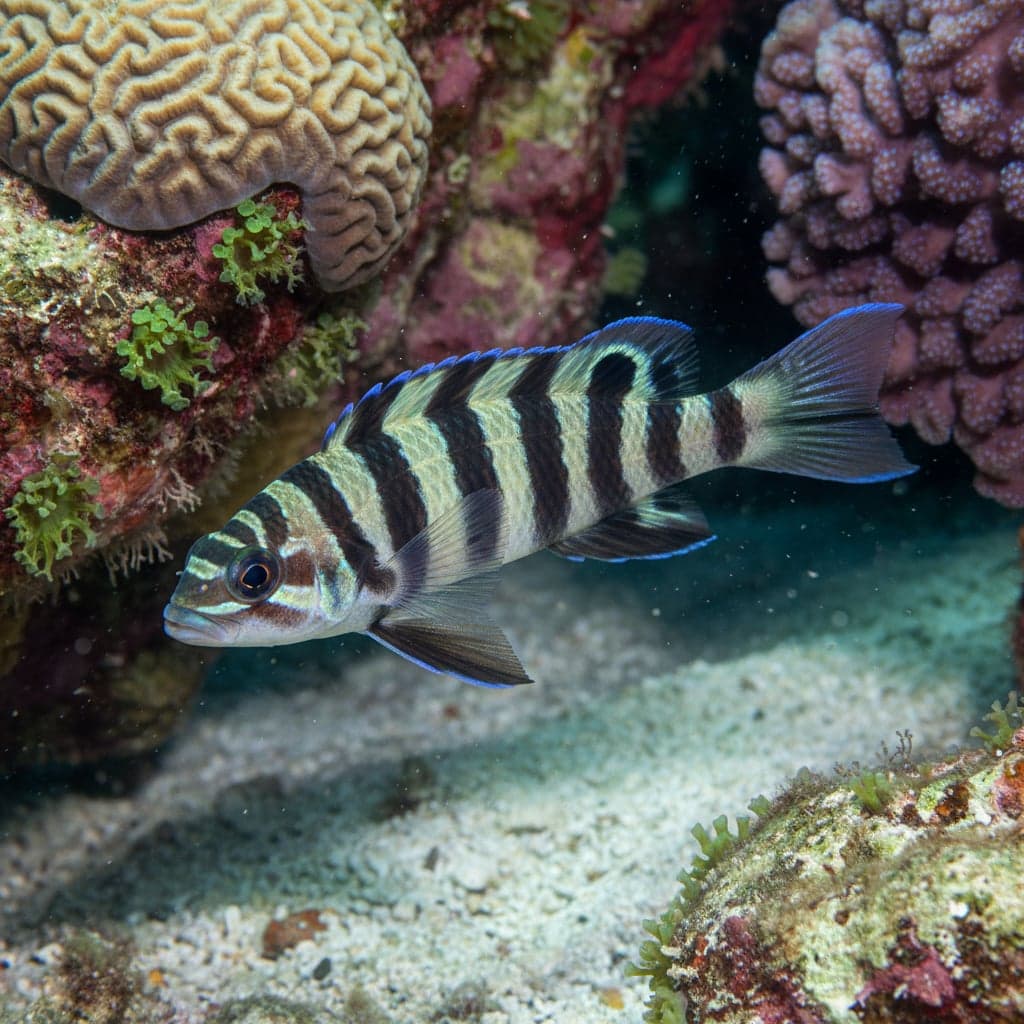
The Compressiceps Cichlid, scientifically known as Altolamprologus compressiceps, is a stunning freshwater fish that primarily hails from the rocky environments of Lake Tanganyika in East Africa. This cichlid species is renowned for its unique elongated body shape and its striking coloration, which typically features a bright yellow and blue hue that can vary slightly among individual fish. Adult Compressiceps Cichlids exhibit a distinctive flattened profile, which allows them to navigate through rocky crevices with ease. These aesthetic characteristics make them a favorite among aquarists who appreciate not only their beauty but also their fascinating behaviors.
In addition to their visual appeal, Compressiceps Cichlids hold significant importance in the aquarium hobby for their unique adaptations to their natural habitats. They are recognized for their intriguing breeding behaviors and their ability to thrive in well-maintained aquascapes that mimic their natural rocky environments. This species not only adds a splash of color and character to community tanks but also serves as an excellent ambassador for biodiversity from Lake Tanganyika, encouraging aquarists to learn more about ecosystem conservation.
Natural Habitat & Origin
The Compressiceps Cichlid originates from the diverse and unique ecosystems of Lake Tanganyika, one of the oldest and most biodiverse lakes in the world. This African lake is characterized by its clear, alkaline water, often with a pH ranging from 8.5 to 9.5, and temperatures typically hovering around 24°C to 28°C (75°F to 82°F). The lake's unique geological features create a variety of habitats, from rocky outcrops to sandy bottoms. In its natural habitat, the Compressiceps Cichlid can be found at depths ranging from 5 to 30 meters, where it thrives in areas with plenty of rock structures that provide shelter and breeding sites.
In these rock-laden environments, the Compressiceps Cichlid has evolved specialized behaviors, such as using its slender body to navigate through crevices and its keen eyesight to hunt for small invertebrates and crustaceans. This fish's adaptation to its clearwater habitat makes it particularly sensitive to water quality; therefore, replicating these conditions in captivity is critical for their health and vitality.
Care Requirements
To successfully keep a Compressiceps Cichlid in captivity, a well-maintained aquarium is essential. The minimum tank size recommended is 75 gallons, as these cichlids can be territorial and require adequate space to establish their own territories. The ideal water parameters include a pH of 8.5 to 9.5, a temperature range of 24°C to 28°C (75°F to 82°F), and hardness levels between 10 to 15 dGH. The tank setup should mimic their natural environment with a sandy substrate and plenty of rocky structures or caves that provide shelter and hiding spots.
Lighting should be moderate, as bright light can stress these fish, especially if it exposes them to open areas without cover. Incorporating live plants can enhance the tank aesthetic and provide additional hiding places, though care should be taken to select robust plants that can withstand the cichlid's digging behavior. A well-aerated and filtered aquarium is crucial for maintaining high water quality, as Compressiceps Cichlids are sensitive to water pollution.
Diet & Feeding
The Compressiceps Cichlid is primarily a carnivore, thriving on a diet rich in protein. In the wild, they primarily feed on small invertebrates found among the rocks. In captivity, a balanced diet should consist of quality pellets, flakes, and frozen or live foods. High-protein options such as brine shrimp, daphnia, and bloodworms are excellent for providing essential nutrients. Incorporating spirulina-based preparations can also ensure they receive vital fiber and vitamins, promoting overall health. It is recommended to offer a varied diet to keep the fish excited about their meals and encourage natural foraging behavior.
Feeding should occur once or twice a day, with the amount consumed within a few minutes to avoid excessive waste buildup. Care should also be taken not to overfeed, as this can lead to poor water quality and health issues. Providing a high-quality diet ensures that the Compressiceps Cichlid remains vibrant and healthy, making for a thriving aquarium centerpiece.
Behavior & Temperament
The Compressiceps Cichlid is known for its semi-aggressive temperament, especially during breeding periods or when establishing territory. They are relatively solitary and may display aggressive behavior toward other tank mates, particularly those of similar size or shape. When kept in a well-structured tank with plenty of hiding spots, these fish often exhibit less aggression and create a more peaceful environment.
Socially, Compressiceps Cichlids are not schooling fish, but they can coexist peacefully with compatible species given proper space and resources. They are bottom dwellers and prefer vertical space in the tank, often occupying the middle to lower levels while utilizing rock formations for shelter. Observing their behaviors, like territorial displays or nesting rituals, can be a fascinating aspect of keeping these cichlids.
Tank Mates
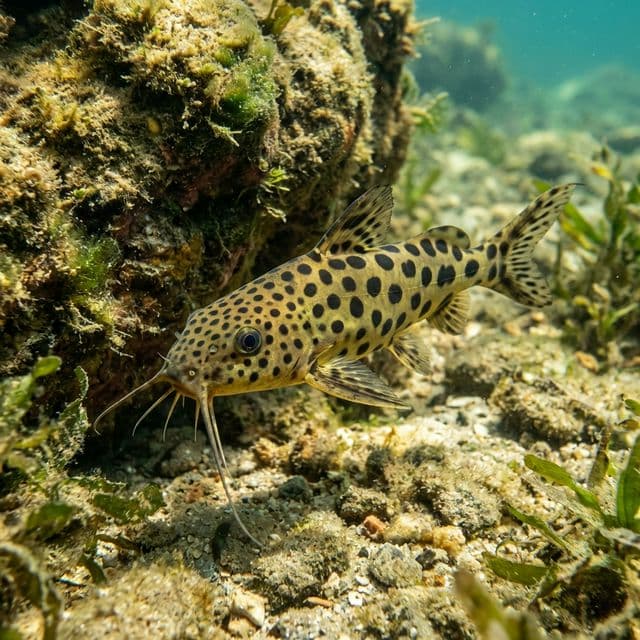
When it comes to choosing tank mates for the Compressiceps Cichlid, careful consideration is essential due to their semi-aggressive nature. Suitable companions include peaceful cichlids from Lake Tanganyika, such as Neolamprologus species like Neolamprologus brichardi and Neolamprologus leleupi. Additionally, other species such as the Synodontis catfish and certain larger peaceful freshwater fish can coexist well.
On the contrary, it is advisable to avoid smaller, more passive fish, which may become targets for aggression, as well as other cichlids that are equally territorial, which could lead to conflict. It’s also crucial to avoid overly colorful species, as this may provoke the Compressiceps Cichlid's aggressive behaviors further. Ensuring adequate space and reclusive environments can help maintain a peaceful community tank atmosphere.
Breeding
Breeding the Compressiceps Cichlid can be a rewarding endeavor for dedicated aquarists. In their natural habitat, they exhibit mouthbrooding behavior, where the female lays eggs in a sheltered crevice and subsequently carries the fertilized eggs in her mouth until they hatch. To encourage breeding in captivity, providing a specific breeding site, such as a flat rock or a cave within a semi-private area of the tank, is essential.
While breeding, it is crucial to maintain optimal water conditions, as stress can inhibit spawning. As the female lays eggs, the male will fertilize them, and the female will collect the eggs, carrying them in her mouth for about three weeks until they hatch. During this time, it is vital to maintain a quiet environment to minimize disturbances. Once the fry are free-swimming, they can be fed with finely crushed flakes or specialized fry foods to ensure healthy growth.
Common Health Issues
Like many fish species, the Compressiceps Cichlid can be susceptible to certain health issues, including ich (Ichthyophthirius multifiliis), fin rot, and swim bladder disorders. Ich is a common parasitic infection characterized by white spots on the fish's body and fins. Maintaining good water quality and observing proper tank hygiene are crucial preventative measures against such diseases.
Additionally, stress caused by poor environmental conditions or aggressive tank mates can lead to various health problems. Regular monitoring of water parameters, combined with stable alkalinity and consistent maintenance, helps catch problems before they escalate. Quarantine new fish and provide ample rockwork to limit aggression-related injuries so Compressiceps Cichlids stay robust.