Convict Blenny
Not a blenny but an engineer goby, reaching 30cm and excavating tunnels that will collapse loose rockwork. Buy in a group and secure the aquascape.
Also known as: convict blenny · Pholidichthys leucotaenia

Convict Blenny
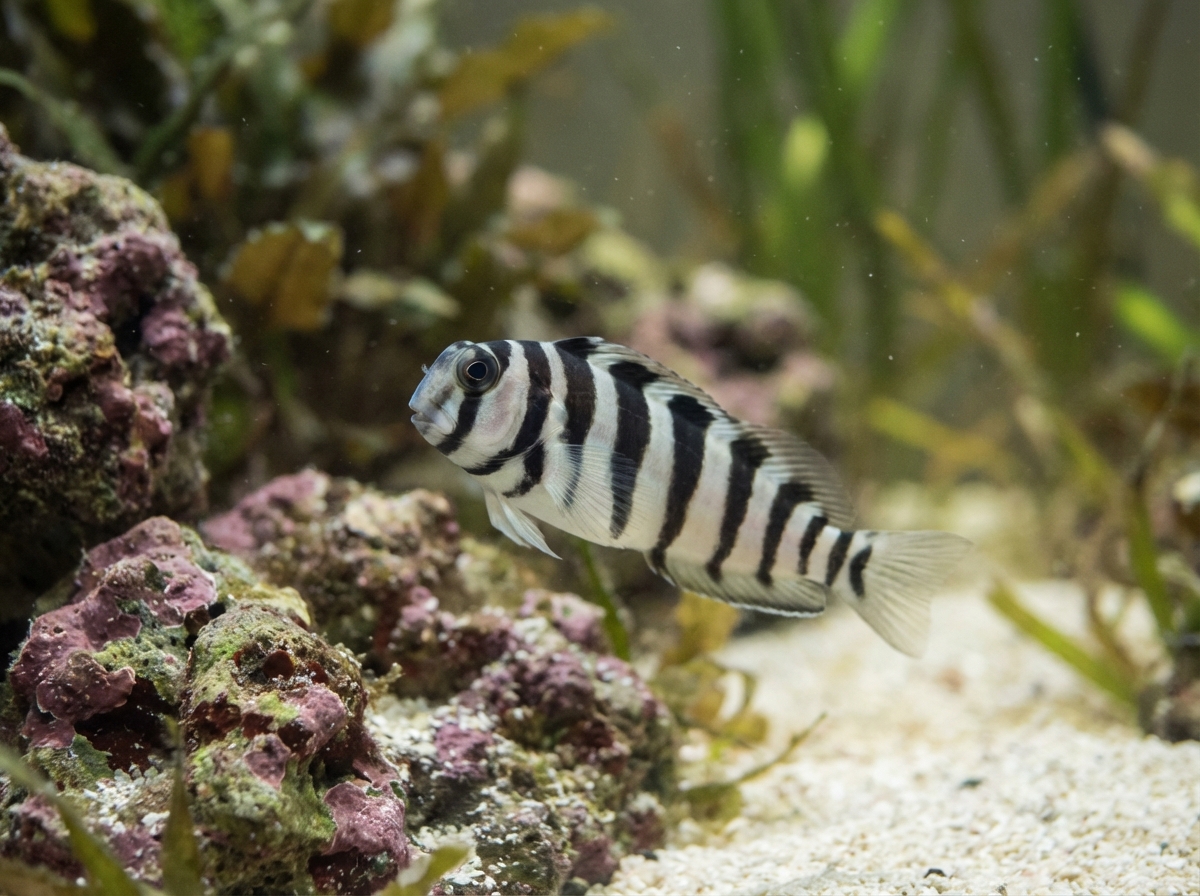
The Convict Blenny (Pholidichthys leucotaenia) is a small, attractive marine fish that has captured the attention of both novice and experienced aquarists alike. Known for its striking coloration, the Convict Blenny typically showcases a vivid pattern of black and white stripes, which serves as both a visual attraction and an effective form of camouflage within its natural habitat. This captivating marine inhabitant thrives in the reef ecosystems of the Indo-Pacific region, making it a desirable addition to a community aquarium. The fish's playful behavior and unique swimming style—using its pectoral fins to glide gracefully—add to its charm, establishing it as a favorite among aquarists.
In the aquarium hobby, the Convict Blenny holds significance beyond its aesthetic appeal. This species plays a vital role in maintaining the ecological balance of its environment, as it consumes algae and detritus. Its hardy nature and adaptability make it an excellent choice for individuals new to marine aquariums, as well as for seasoned fish keepers looking to diversify their tanks. Many aquarists appreciate the Convict Blenny not only for its beauty but also for its contributions to the overall health of their aquatic ecosystems.
Natural Habitat & Origin
The Convict Blenny is primarily found in the coral reefs and rocky substrates of the Indo-Pacific Ocean, specifically in regions like the Great Barrier Reef, Fiji, and the Hawaiian Islands. These areas are characterized by clear, warm waters rich in biodiversity. The natural habitat of the Convict Blenny encompasses shallow lagoons and coastal reefs, often where there is plenty of algae growth. The fish thrives in environments with stable water conditions, making it well-suited for life in captivity when these parameters are replicated accurately.
The water in its natural habitat is typically saline and clear, often with low sediment load to allow for adequate light penetration for algae growth. Therefore, replicating these conditions in a home aquarium can help ensure the well-being and longevity of the Convict Blenny. Maintaining good water quality is crucial for mimicking its natural environment, promoting optimal health and vibrant coloration.
Care Requirements
When caring for a Convict Blenny, it is essential to maintain specific water parameters. Ideally, the pH should be between 8.1 and 8.4, with a temperature range of 74°F to 82°F (23°C to 28°C). The water hardness should be maintained between 8 to 12 dGH. To create a suitable habitat, a minimum tank size of 450 litres (120 gallons) is recommended — this is not a true blenny but an engineer goby that reaches 30cm, is best kept in a group, and excavates tunnel systems beneath the rockwork.
The tank setup should feature a sandy substrate, enabling the Convict Blenny to exhibit its natural behavior of burrowing and exploring. Adding live rock provides additional surfaces for algae growth, which is crucial for its diet. Lighting should be moderate, mimicking the natural light conditions of shallow reefs, allowing for healthy algae proliferation. Plants can be sparse, as the Convict Blenny prefers open areas for swimming but can benefit from some hardy marine macroalgae that can serve as both hiding spots and food sources.
Diet & Feeding
The Convict Blenny is known to be an omnivorous fish, primarily feeding on algae, small invertebrates, and detritus in the wild. In an aquarium setting, a balanced diet is essential for optimal health and coloration. High-quality sinking pellets, both herbivore and omnivore formulations, make an excellent staple diet. Additionally, offering algae sheets, frozen foods such as brine shrimp, and live foods like copepods or amphipods can provide variety and stimulate natural foraging behavior, promoting a more vibrant and healthy fish.
To ensure proper nutrition and growth, it's recommended to feed the Convict Blenny multiple small meals throughout the day rather than one large serving. This approach mimics their natural feeding habits and encourages active foraging, which not only enriches their life but aids in maintaining their robust health.
Behavior & Temperament
Convict Blennies are generally peaceful and exhibit social behavior, often seen hovering around rocks or swimming playfully in the water column. They tend to establish territory but are less aggressive than many other species, making them suitable for community tanks. They are best kept in small groups or pairs, as they can display interesting social interactions. However, they may exhibit some territoriality, particularly as they mature, and this can involve chasing other fish away from preferred areas.
In the tank, Convict Blennies typically occupy the lower and middle water column, using their adept fin movements to navigate their environment. Providing plenty of hiding spots and visual barriers will help reduce stress and promote natural behaviors, allowing them to thrive in a captive environment.
Tank Mates
When selecting tank mates for the Convict Blenny, consider species that share a similar temperament and environmental needs. Compatible fish include other small reef inhabitants such as clownfish, gobies, and dwarf angelfish. However, it is advisable to keep them away from more aggressive species like larger wrasses, triggerfish, or damselfish, which may bully or outcompete the Convict Blenny for food and territory.
Conversely, avoiding overly territorial or aggressive species is crucial for maintaining harmony in the aquarium. Tank mates that require similar water parameters, such as other blennies, small wrasses, and peaceful reef fishes, are ideal choices. Proper planning and consideration of compatibility will foster a peaceful community tank environment.
Breeding
Breeding Convict Blennies in captivity can be a rewarding experience for aquarists. These fish are known to be egg scatterers, and successful spawning typically occurs when males have established a territory. The breeding conditions mimic their natural environment, necessitating ideal water parameters and a suitable breeding area. Providing flat surface areas made from rocks or coral where the female can lay her eggs is crucial.
After the pre-spawning behavior, where males may engage in displays to attract females, the female will scatter her eggs on the selected surfaces. After fertilization, the male will guard the eggs, which usually hatch within 3 to 4 days. Ensuring excellent water quality and maintaining low light levels during this period can help improve the survival rate of the hatchlings. Once the fry are free-swimming, they can be fed with finely crushed flakes or liquid fry food.
Common Health Issues
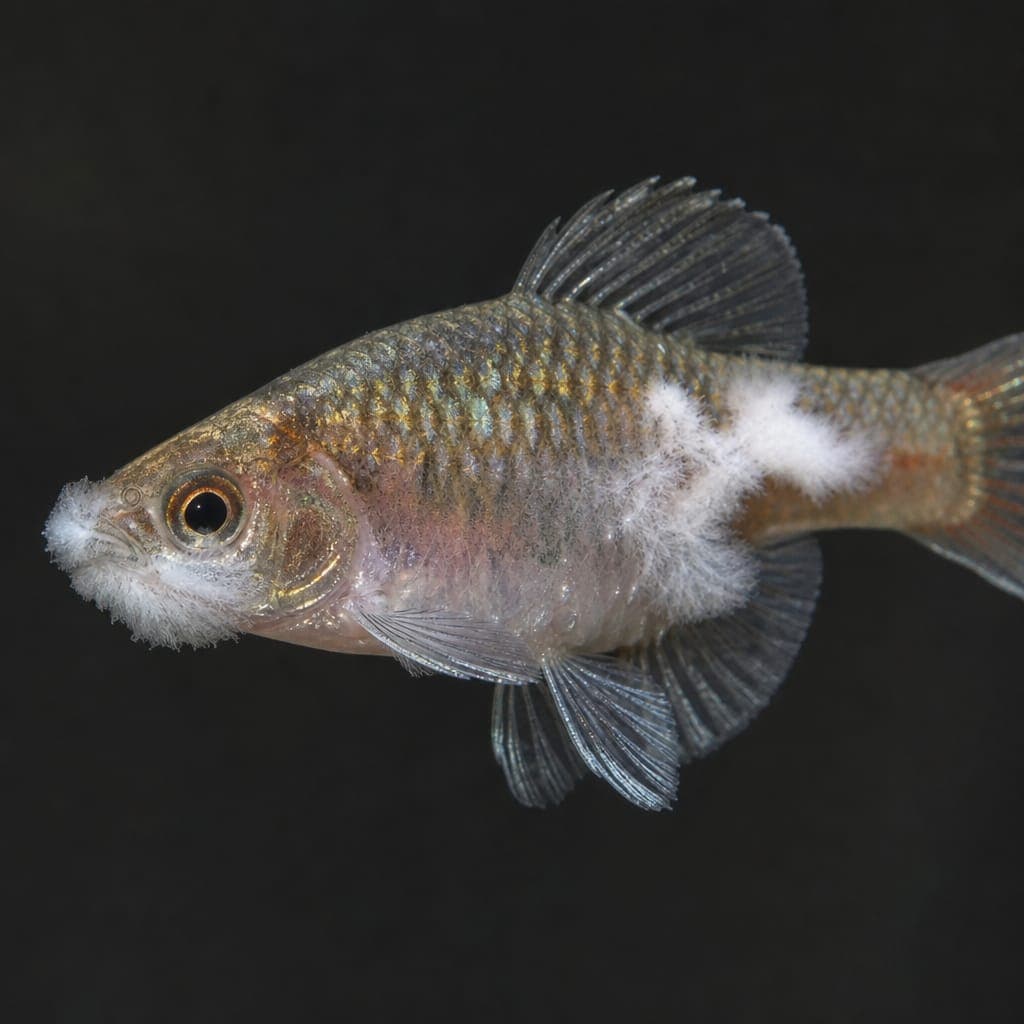
The Convict Blenny can be prone to certain health issues, as is common with many marine fish. Ich, or marine white spot disease, is a common issue that can occur in fish under stress or with poor water conditions. Maintaining stable water parameters and a good diet can significantly reduce the risk of illness. Other health concerns include fin rot and fungal infections, which are often caused by poor water quality.
Preventive care is key: regularly testing water quality, performing routine water changes, and ensuring the tank is properly cycled can help in avoiding these issues. Maintaining a stable environment and minimizing stress will significantly contribute to the overall health of the Convict Blenny, allowing it to thrive in a home aquarium setting.