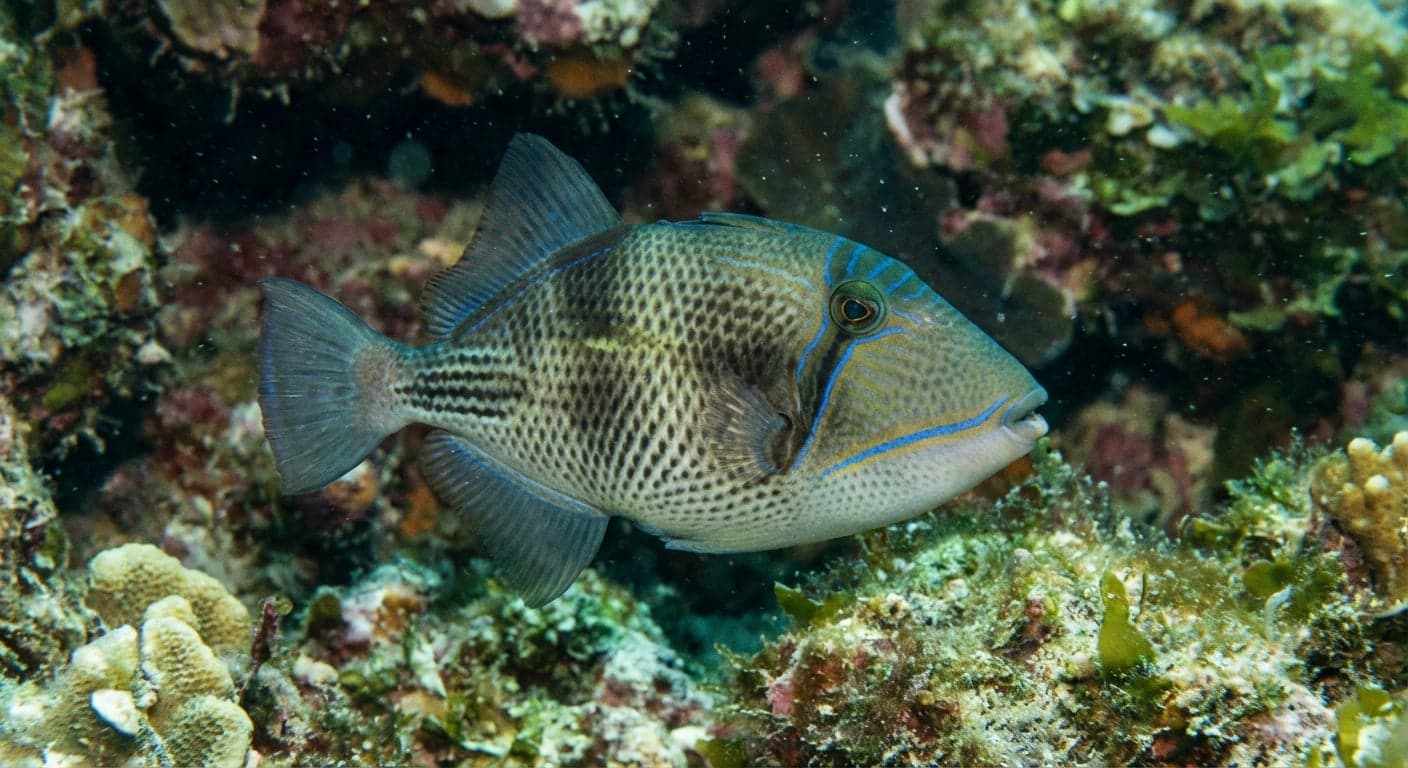
Creole Wrasse
A 30cm Caribbean wrasse that shoals in open water and eats plankton. Needs a very large tank with long, unobstructed swimming room.
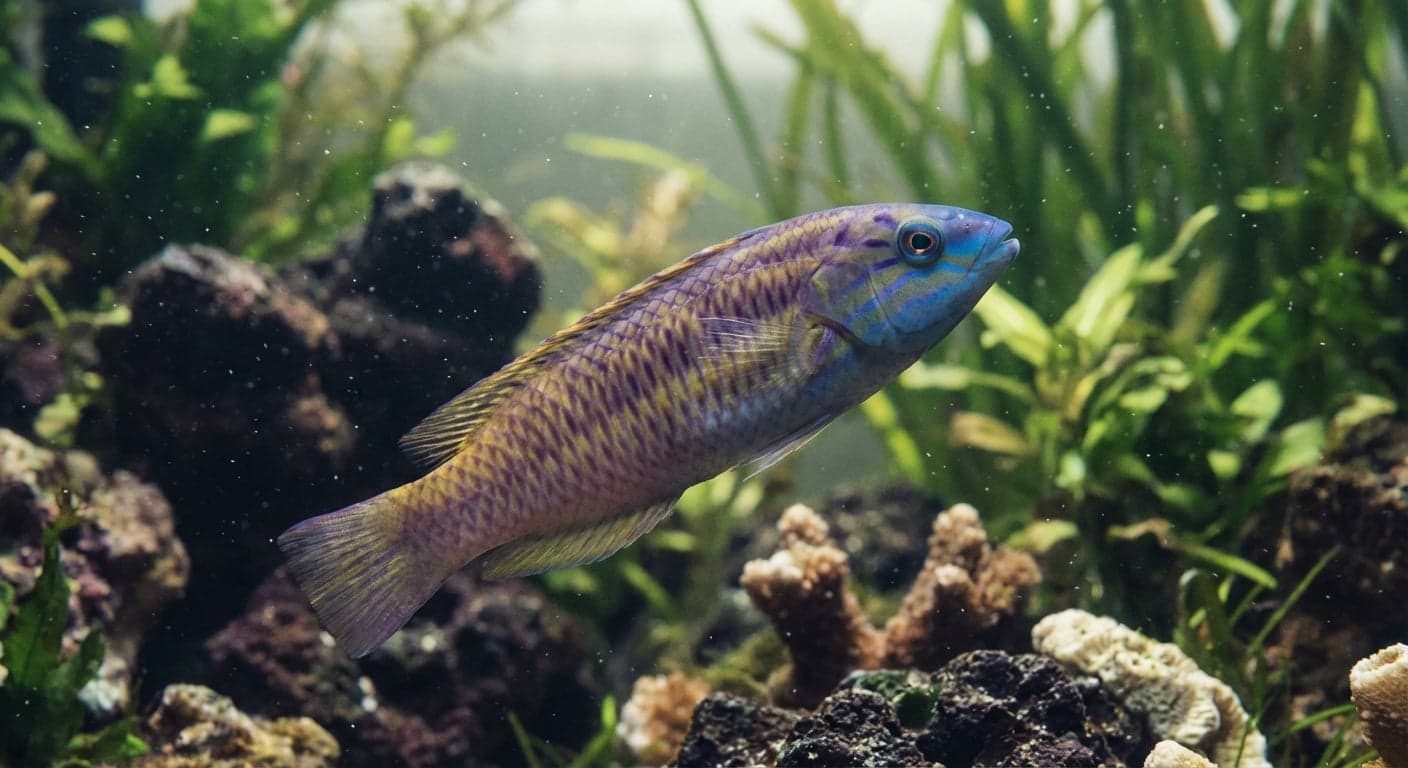
Creole Wrasse
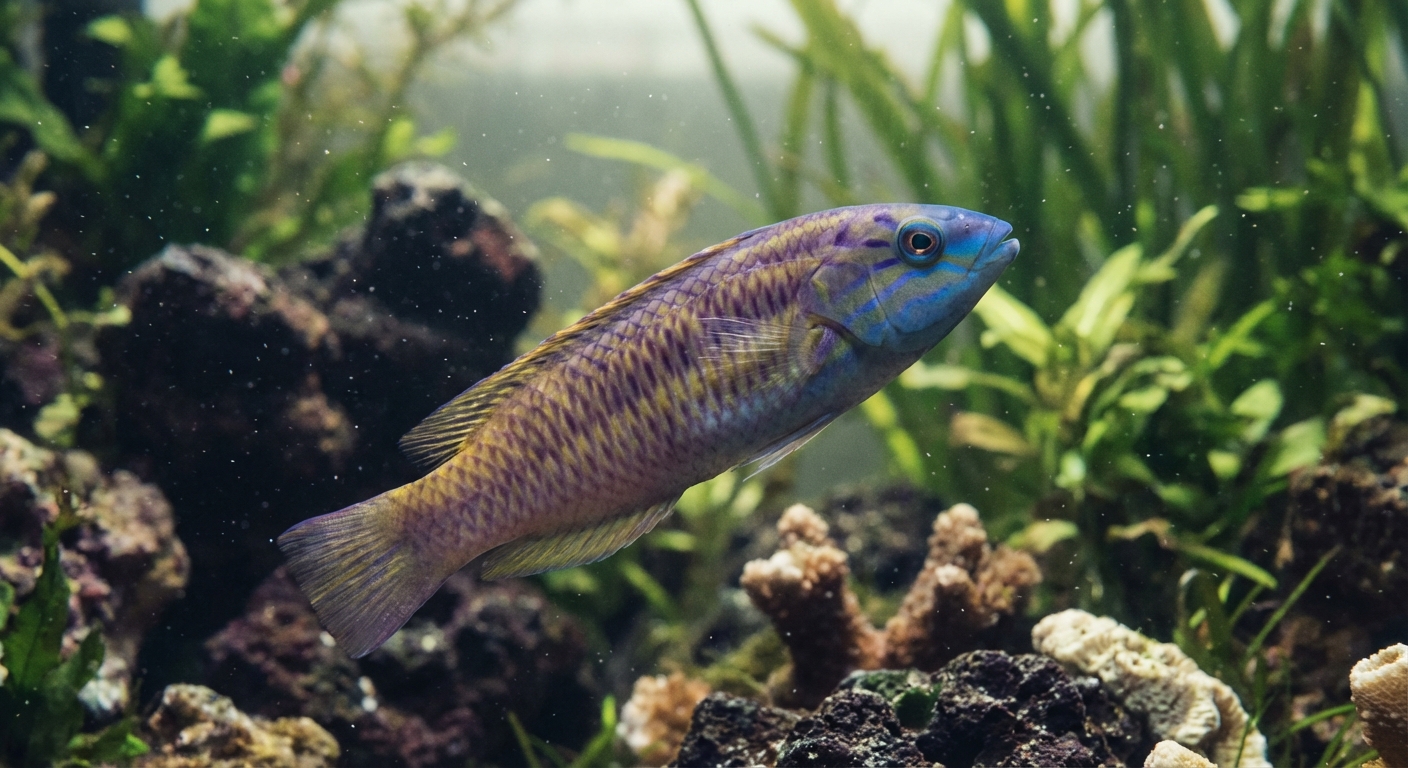
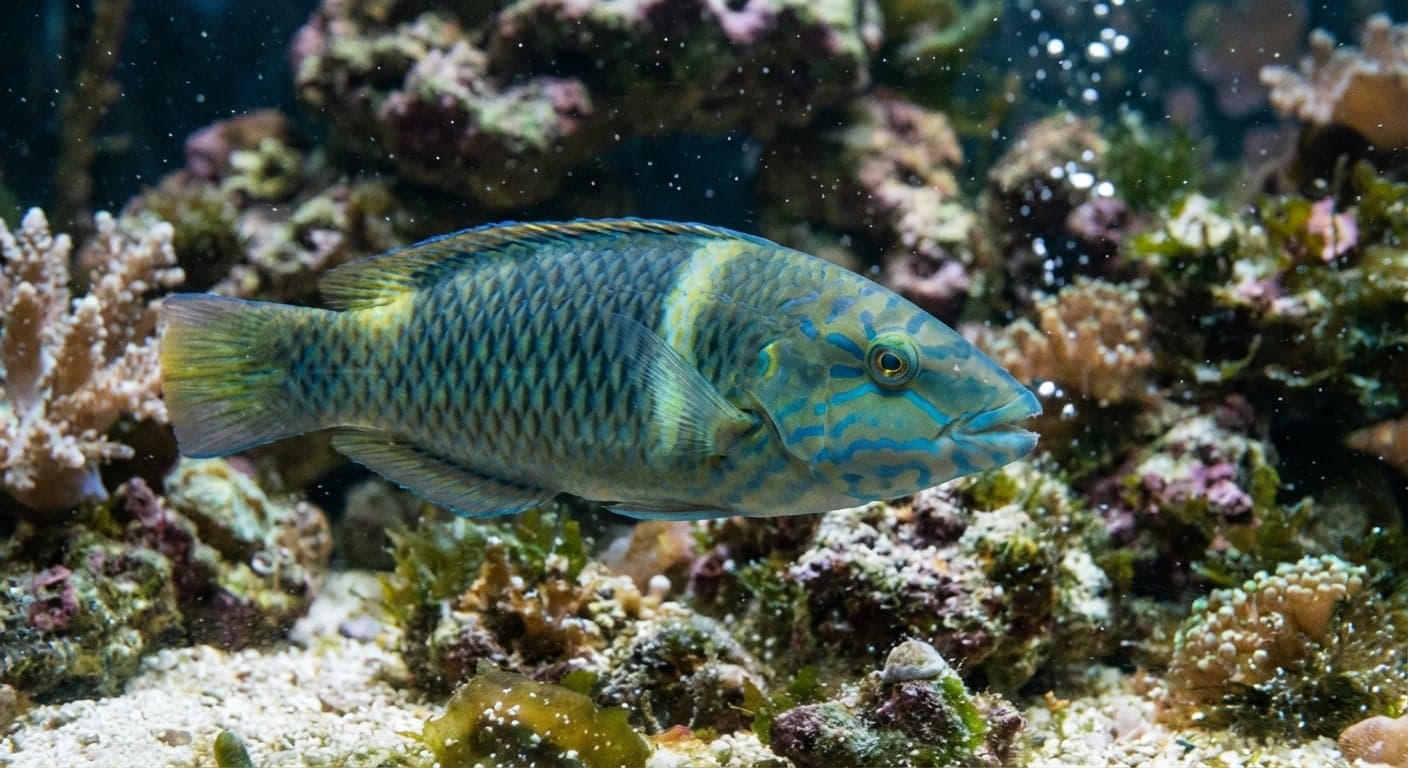
The Creole Wrasse, or Clepticus parrae, is a captivating species renowned for its stunning coloration and dynamic swimming behavior. This fish presents a vibrant palette of solid teal, bluish hues, and bright yellow accents, which can enchant even the most discerning aquarists. Adult Creole Wrasse can reach lengths of up to 10 inches (25 cm), making them a notable centerpiece in a marine aquarium. Their beauty not only enhances the visual appeal of a tank, but their active nature also provides endless entertainment for enthusiasts and casual viewers alike, contributing to their increasing popularity in home aquariums.
In addition to their aesthetic value, Creole Wrasses play an essential role in maintaining a healthy marine ecosystem. They are primarily found in coral reef environments, where they help control algae growth and partake in the cleaning of other reef inhabitants. This attribute is especially appreciated, as it fosters biodiversity within the aquarium as well. In the aquarium hobby, keeping a Creole Wrasse can symbolize the commitment to replicating natural habitats, thus promoting marine conservation awareness.
Natural Habitat & Origin
Creole Wrasses are native to the warm, shallow waters of the western Atlantic Ocean. Their geographical presence spans from Florida and the Gulf of Mexico down through the Caribbean Islands and along the coast of South America all the way to Brazil. These fish thrive in coral reefs, where they inhabit areas rich in diverse marine life. Typically, the environment is characterized as clearwater, where sunlight penetrates the surface, supporting the growth of algae and corals that form the basis of their food chain.
In their natural habitat, Creole Wrasses prefer habitats with plenty of nooks and crannies provided by coral formations. They tend to blend seamlessly with their surroundings, using the reef as both a source of food and a refuge from potential predators. Maintaining conditions that emulate these natural environments in captivity will help these fish thrive in an aquarium setting.
Care Requirements
To ensure the health and well-being of your Creole Wrasse, it's vital to provide optimal water parameters. The ideal pH level for their aquarium should be maintained between 8.1 and 8.4, with a temperature range of 75°F to 82°F (24°C to 28°C). Hardness should be within 8 to 12 dKH to mimic their natural habitat.
Regarding tank setup, a minimum tank size of 700 litres (185 gallons) is recommended for this 30cm Clepticus — it needs a very large open-water tank with long, unobstructed swimming room. Utilize sandy substratum that is gentle on their bodies, as they sometimes like to burrow. The lighting can be moderate to bright, as they thrive in illuminated conditions. Incorporating live rock, coral structures, and plants like macroalgae can help simulate their natural habitat and provide essential hiding spots.
Diet & Feeding
The Creole Wrasse is primarily an omnivore, enjoying a varied diet consisting of both plant-based and protein-rich foods. In captivity, they should be offered a mix of high-quality flakes or pellets specifically designed for marine fish, along with frozen or live foods such as brine shrimp, mysis shrimp, and finely chopped marine flesh.
To ensure complete nutrition, it's vital to provide a diverse diet that includes spirulina-based foods to promote color and health. Feeding them two to three times a day is recommended, observing their feeding behavior to adjust quantities appropriately. Providing a varied diet will not only keep the Creole Wrasse healthy but also encourage natural foraging behavior.
Behavior & Temperament
The Creole Wrasse is known for its curious and active disposition, often darting about the tank and exploring every crevice. Though they can exhibit a level of territoriality, especially towards their own species, they are generally considered peaceful compared to other marine fish. They do well in territorial and moderately sized tanks, often displaying a tendency to engage with their tank mates.
In terms of vertical placement within the tank, the Creole Wrasse is a mid-water swimmer, frequenting the upper two-thirds of the aquarium as they search for food and interact with their environment. It is essential to ensure that the tank is equipped with ample swimming space and hiding spots to make them feel secure.
Tank Mates
When considering tank mates for your Creole Wrasse, aim for peaceful species that share similar environmental needs. Suitable companions include small to medium-sized reef-safe fish such as clownfish, dottybacks, gobies, and blennies. These species typically coexist harmoniously, provided the aquarium is spacious and offers hiding spots for each fish.
Conversely, avoid housing Creole Wrasses with aggressive or overly territorial species like lionfish, groupers, and certain triggers, as these fishes can impose stress and potential harm. Similarly, avoid pairing them with their conspecifics unless you have a very large tank where ample territories can be established.
Breeding
Breeding Creole Wrasses in captivity can be a challenging endeavor due to their unique spawning behavior. In their natural habitat, they typically exhibit a behavior known as "lekking," where multiple males compete for the attention of females. To create conditions conducive to breeding, a mature, well-established aquarium that mimics natural environmental cues is essential.
For successful reproduction, aquarists need to provide a stable and spacious setup, with suitable spawning sites such as mature live rock. Although captive breeding is rare, many aquarists have seen success with groups of one male and several females, ensuring minimum competition. Regularly performing water changes and maintaining optimal water quality will further encourage a healthy breeding environment, although external triggers, such as changes in light or food availability, may be necessary to stimulate spawning.
Common Health Issues
The Creole Wrasse, while generally hardy, can be prone to certain health issues, such as ich (Cryptocaryon irritans), marine velvet (Amyloodinium), and bacterial infections. Stress from poor water quality or inadequate tank size can increase their susceptibility to these diseases.
Preventing health issues starts with regular maintenance of water quality, conducting routine tank checks, and offering a balanced diet. Quarantining new arrivals before introducing them to a communal tank is advisable to minimize the spread of potential pathogens. Lastly, keeping an eye on their behavior for signs of illness, like changes in appetite or external lesions, allows swift identification and treatment of any health concerns.