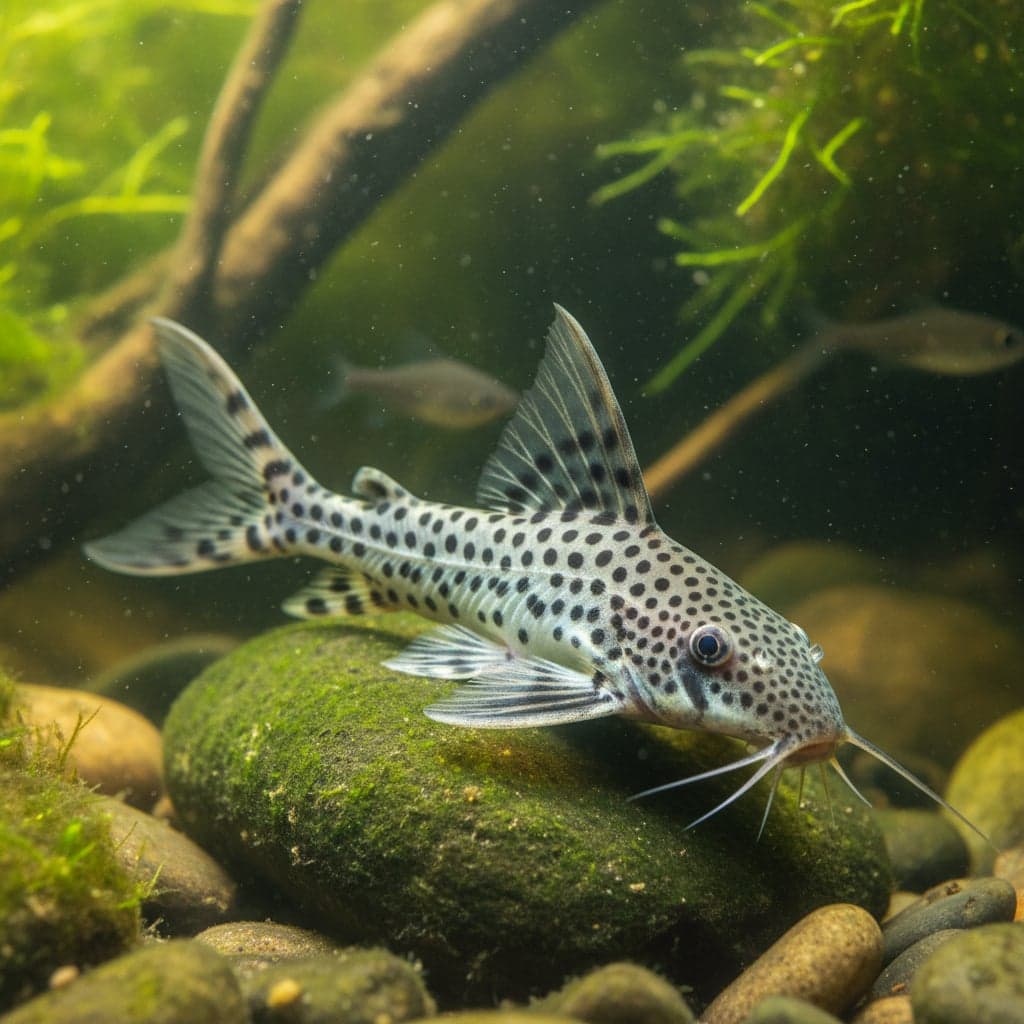
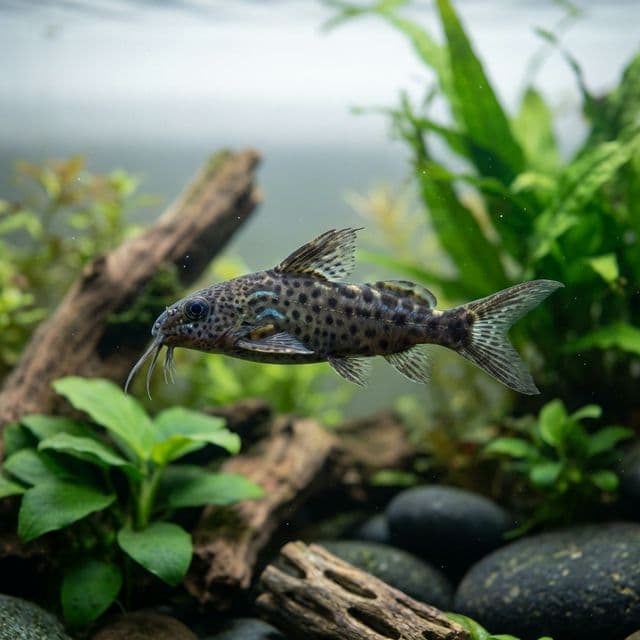
Daktari: Maylandia sp. Daktari
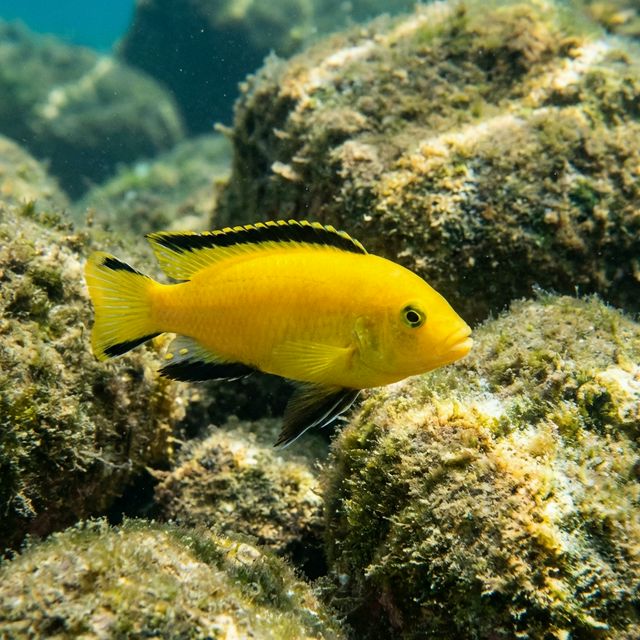
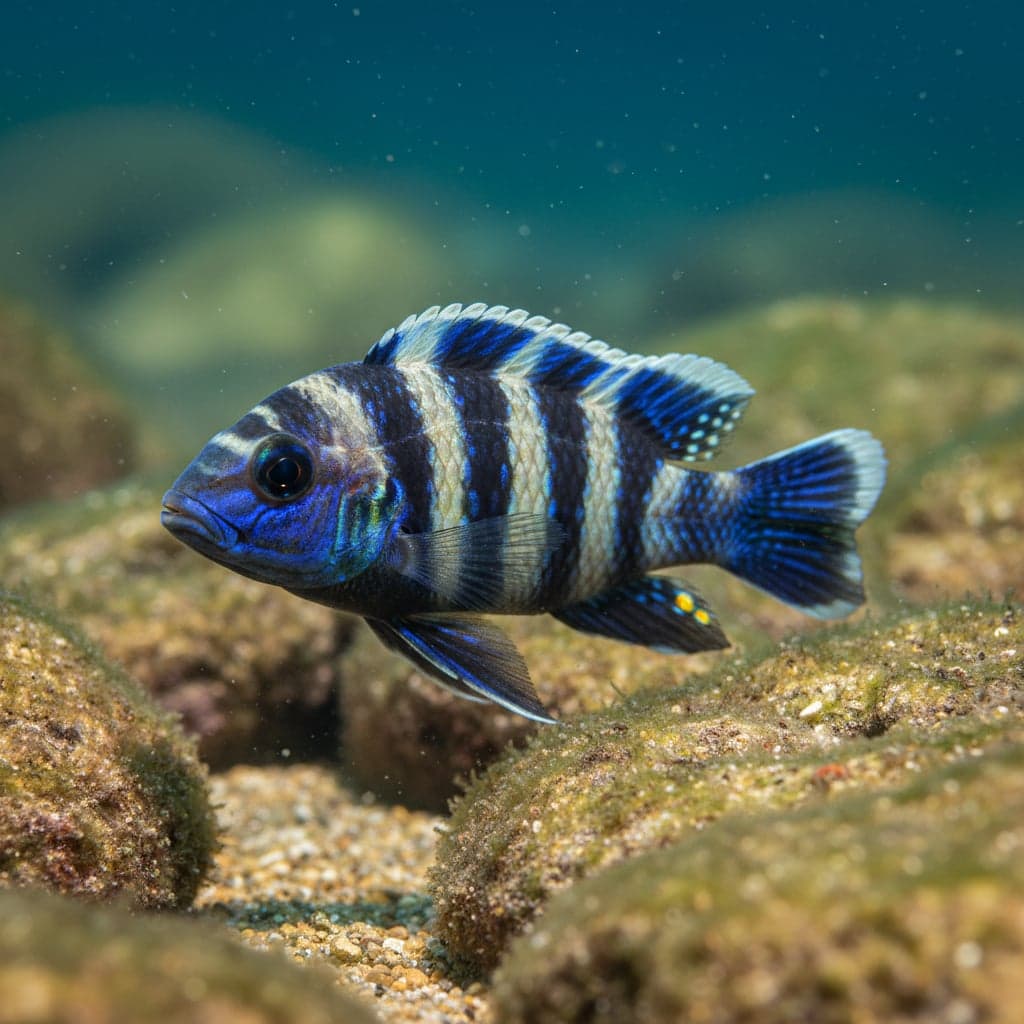
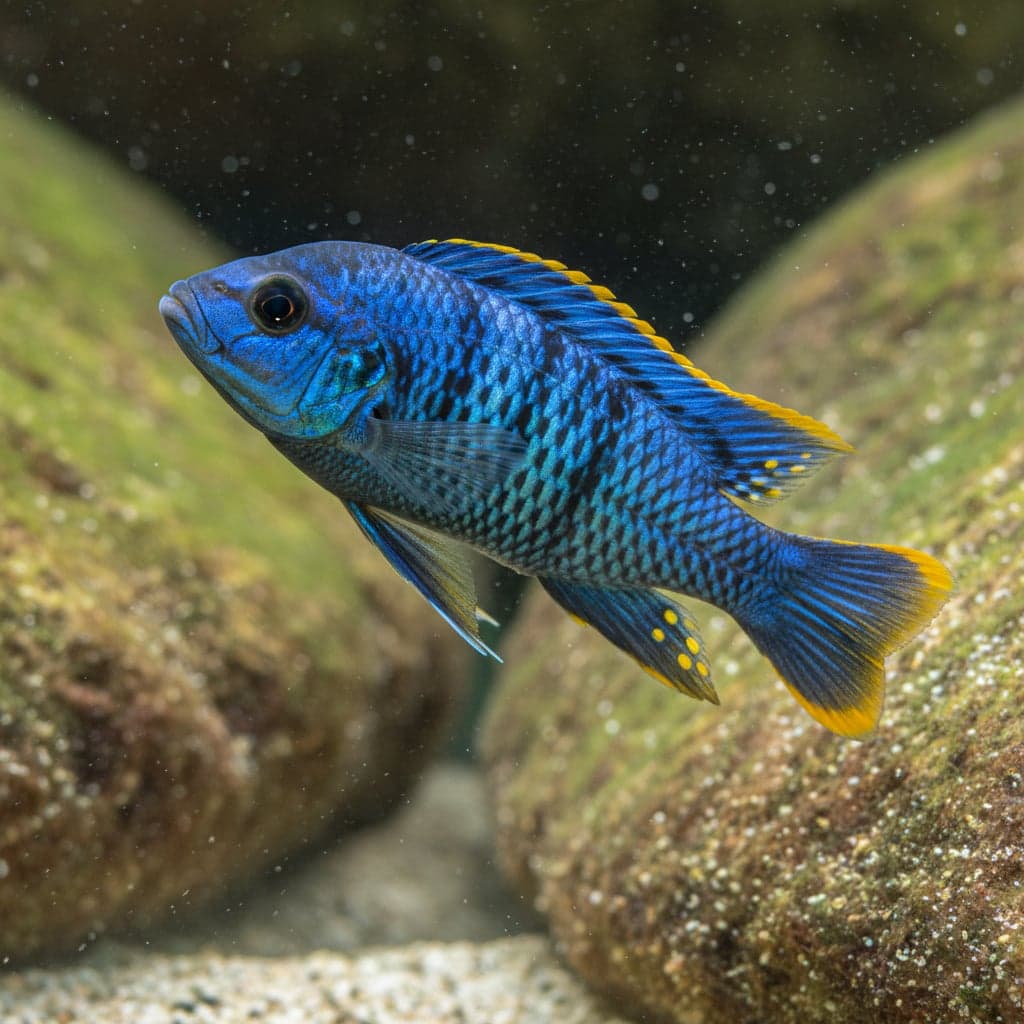
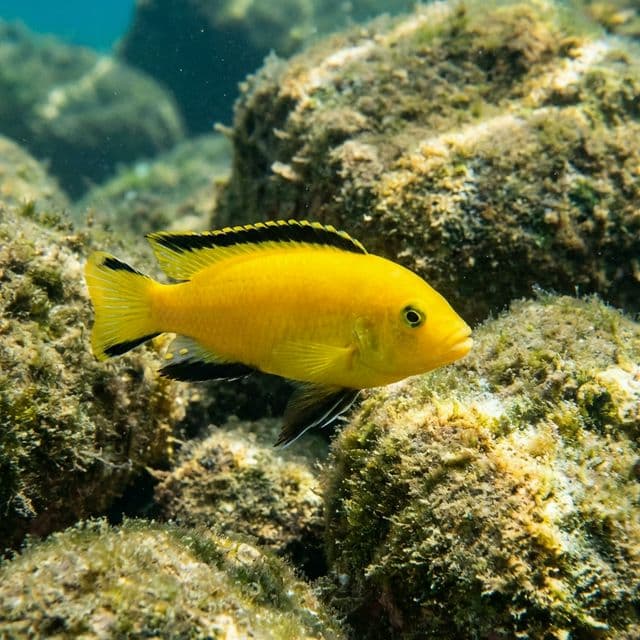
A yellow-bodied Mbuna from Lake Malawi. Active and robust.
Maylandia sp. Daktari
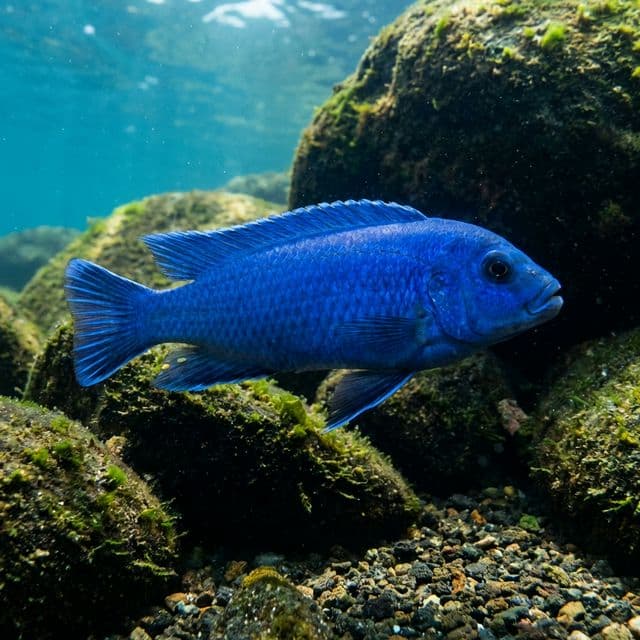
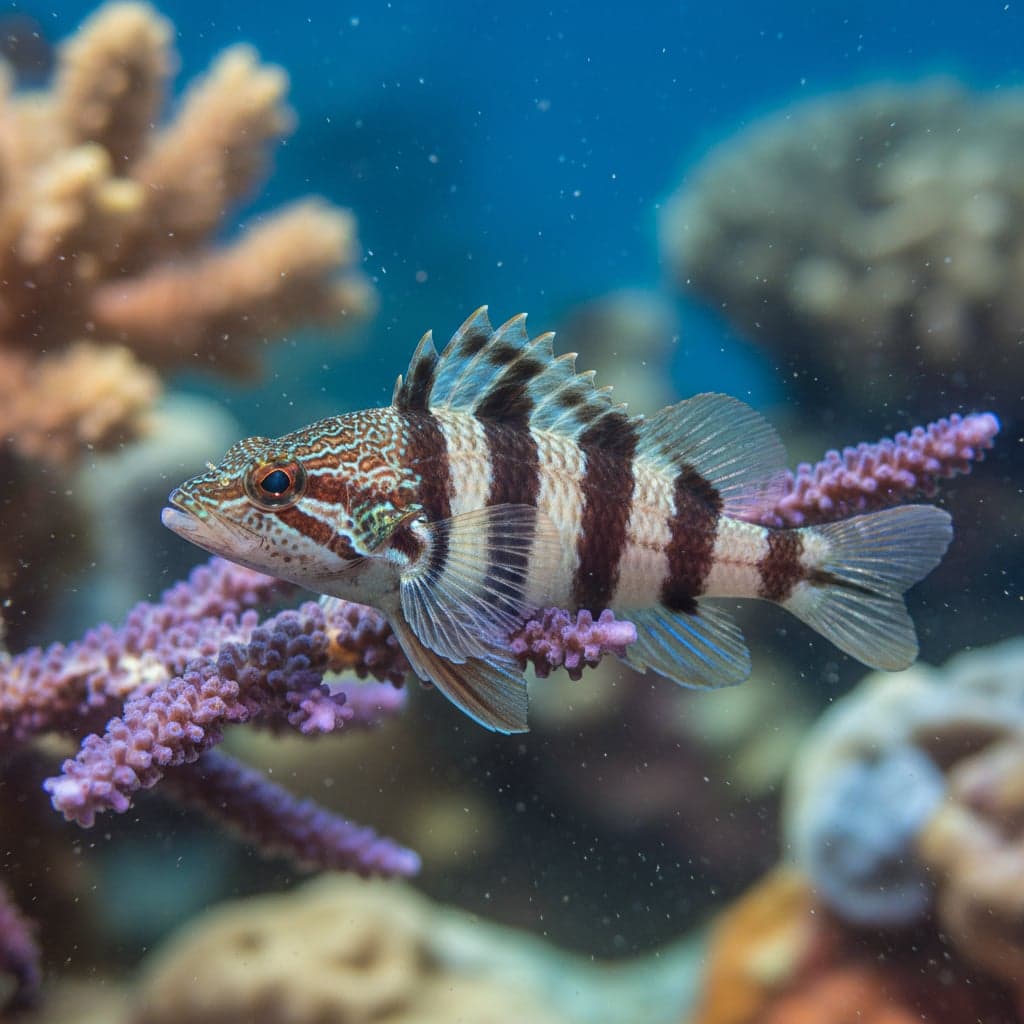
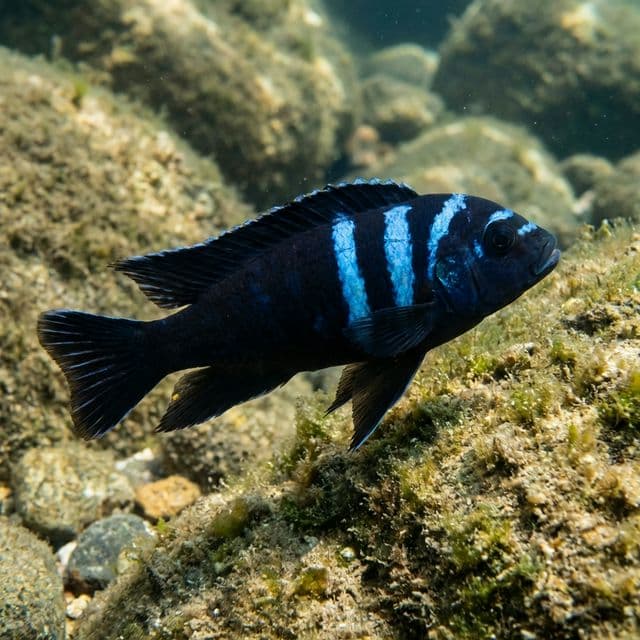
Maylandia sp. Daktari, commonly known as Daktari cichlid, is a vibrant and captivating freshwater fish that originates from the sandy shores of Lake Malawi in East Africa. Recognized for its striking coloration, this cichlid displays an array of hues ranging from electric blues to deep yellows, with adults showcasing a highly defined pattern that enhances its visual appeal in any aquarium setting. The combination of its lively colors and intriguing body shape makes the Daktari a prized addition to many aquarists' collections.
In addition to its aesthetic qualities, the Daktari cichlid holds significant importance in the aquarium hobby due to its relatively hardy nature and unique behavioral characteristics. This species not only brings dynamic coloration to community tanks but also engages hobbyists with its interesting social behavior and breeding activities. As a popular representative of the African cichlids, Maylandia sp. Daktari continues to attract both novice and experienced aquarists looking for a fish that embodies both beauty and engaging nature.
Natural Habitat & Origin
The Daktari cichlid is indigenous to Lake Malawi, one of the Great African Lakes, known for its incredible biodiversity. This species thrives in the rocky and sandy substrates of the lake's shallow waters, often found between 5 to 15 meters in depth. The natural environment of Lake Malawi is characterized by clear, well-oxygenated waters with a stable temperature typically ranging from 24°C to 28°C (75°F to 82°F). The unique geological formation of the lake, along with its varied habitats of rocks, sandy areas, and vegetation, contributes to the rich ecological niches that the Daktari cichlid occupies.
In terms of water quality, Maylandia sp. Daktari prefers slightly alkaline conditions, with a pH typically between 7.5 and 8.5. The presence of some calcium in the water due to the limestone found in the area further supports the health and growth of this species, making it essential for aquarists to replicate these environmental conditions closely for optimal fish health and vitality.
Care Requirements
To successfully keep Maylandia sp. Daktari in captivity, specific water parameters must be maintained. The ideal pH level for Daktari cichlids should be between 7.5 and 8.5, with temperatures ranging from 24°C to 28°C (75°F to 82°F). A hardness level between 10 to 20 dGH is also crucial, as this mimicry of their natural habitat promotes optimal health.
When setting up the aquarium, a minimum tank size of 75 gallons is recommended to provide adequate swimming space and territorial areas. Substrates like crushed coral or sandy gravel not only provide a natural aesthetic but also help maintain proper pH levels. The tank should be well-structured with rocks and caves, allowing for hiding spots that help reduce stress among the fish. Lighting should be moderate, as Daktari cichlids prefer to stay near the bottom and mid-levels of the tank, while plenty of open swimming space should be available for them to display their territorial behaviors.
Diet & Feeding
Maylandia sp. Daktari is an omnivore, thriving on a diverse diet that includes both plant and animal matter. In captivity, these fish do well with high-quality pellets specifically formulated for African cichlids. Additionally, incorporating spirulina flakes, frozen bloodworms, brine shrimp, and live food such as daphnia will ensure a balanced diet rich in essential nutrients. It is critical to feed them small portions multiple times throughout the day rather than one large feeding session, as this helps prevent overfeeding and maintains their health and activity levels.
Experimenting with different food types can also stimulate natural foraging behaviors, which is important for their psychological well-being. Providing a varied diet not only ensures their nutritional needs are met but also enhances their vibrant coloration and overall health.
Behavior & Temperament
Daktari cichlids exhibit intriguing social behavior characterized by a combination of territoriality and social interactions. They are known to be moderately aggressive, particularly males, especially during breeding times or when establishing their territory. These cichlids thrive best in groups, where establishing a social hierarchy can be observed; however, it is crucial to maintain a proper male-to-female ratio to reduce aggressive behaviors.
In terms of vertical placement within the tank, Maylandia sp. Daktari are generally found in the middle to lower levels, often taking refuge among rocks and caves. This behavior emphasizes the importance of providing ample hiding spots in their environment, as it allows them to feel secure while also showcasing their vibrant colors during social interactions or feeding times.
Tank Mates
Finding compatible tank mates for Maylandia sp. Daktari can significantly enhance a community aquarium’s appeal. Ideal companions for Daktari cichlids include other Malawi cichlid species such as Labidochromis, Metriaclimas, and Pseudotropheus, provided they are of similar size and temperamental nature. Furthermore, it’s advisable to keep them with species that have similar water parameter requirements to ensure a harmonious living environment.
Conversely, it is essential to avoid species that are known to provoke aggression in cichlids, such as slower-moving fish or those with long fins, which can become targets for nips. Small tetras, bettas, or any soft-bodied fish should be excluded to prevent stress and potential injuries within the tank.
Breeding
Breeding Maylandia sp. Daktari in captivity can be a rewarding endeavor for aquarists. These fish are mouthbrooders, where females incubate the eggs in their mouths after spawning. To encourage breeding, a separate breeding tank can be set up with conditions similar to their natural habitat—stable temperature, appropriate pH levels, and optimal hardness. Providing rocky structures in the form of caves or flat surfaces will facilitate spawning, often occurring when the female lays her eggs on a smooth rock and the male fertilizes them.
Once eggs are laid, the female will collect them back in her mouth for about 2 to 3 weeks until the fry are ready to be released. During this time, it’s crucial to provide the mother with a bit of isolation to minimize stress while ensuring she has a safe environment. Once the fry are released, brine shrimp and finely crushed flakes can be provided as suitable food options, allowing for healthy growth.
Common Health Issues
Despite their hardiness, Maylandia sp. Daktari may be prone to specific health issues commonly faced by cichlids. These include ich (white spot disease), fin rot, and malawi bloat, a condition often stemming from dietary issues and overfeeding. To prevent ich, maintaining a stable water temperature and parameters is essential, along with regular aquarium maintenance and water changes.
Properly managing the diet is crucial to preventing malawi bloat; sticking to high-quality foods and avoiding overfeeding will keep the Daktari cichlids in optimal health. Regular observation of the fish for any signs of stress or disease can also enable early detection and treatment, ensuring a healthy and thriving aquarium ecosystem.