Domino Damselfish
An 11cm damsel, cheap and hardy and famously aggressive as it matures. Often the first fish bought and the first that has to be removed.
Domino Damselfish
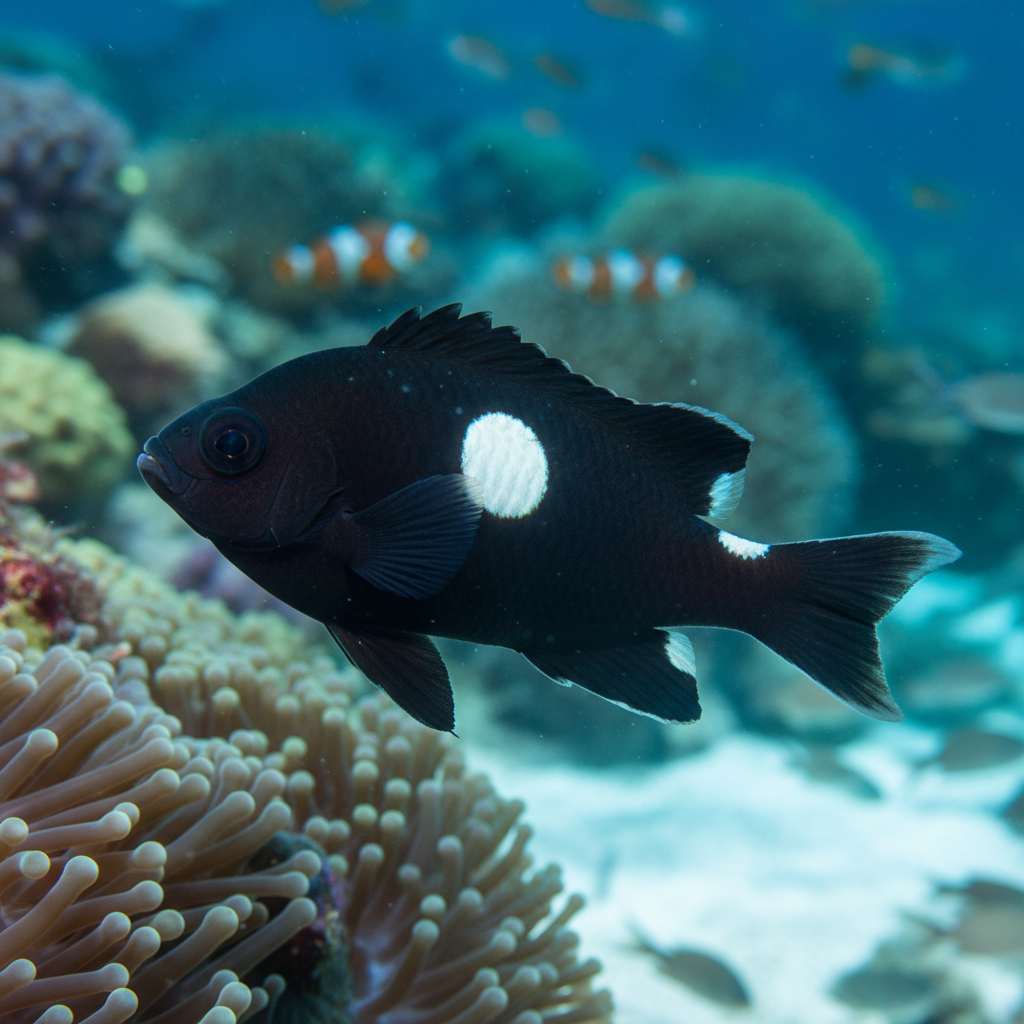
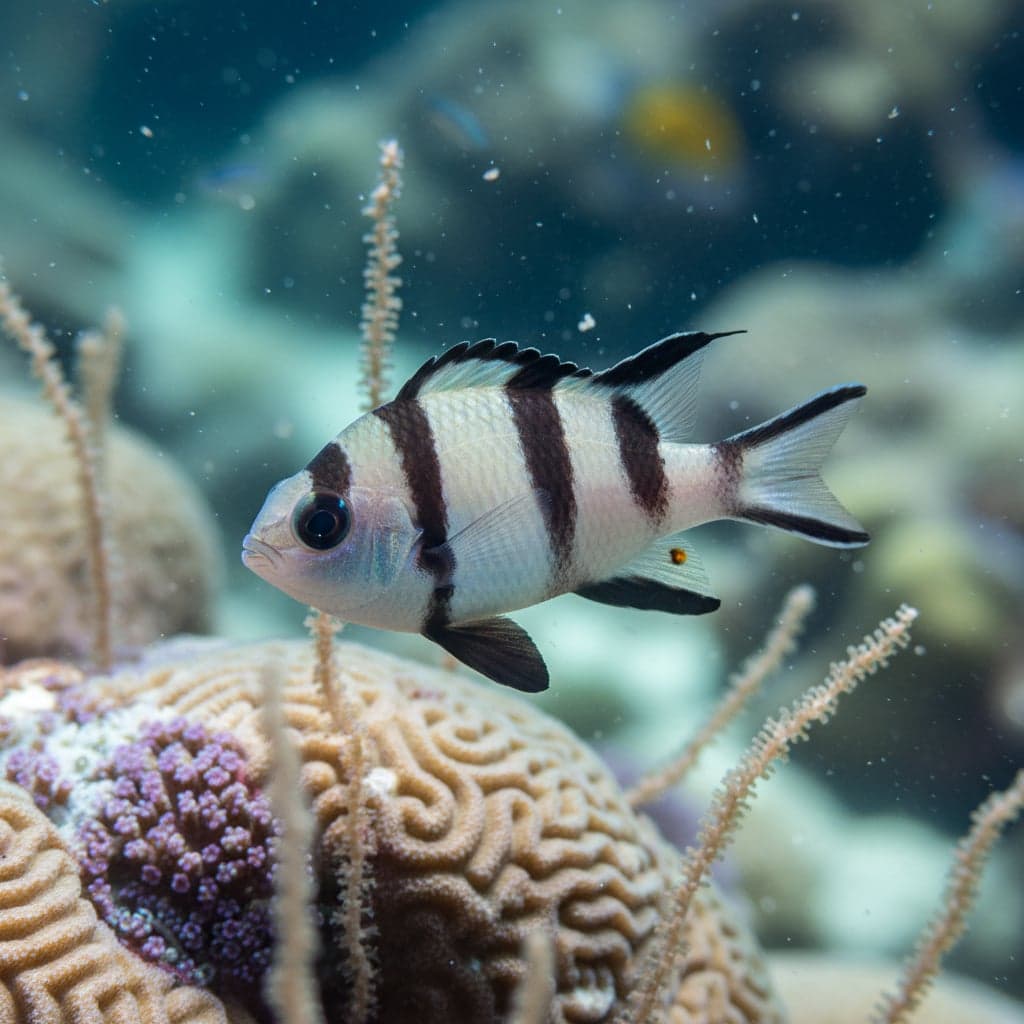
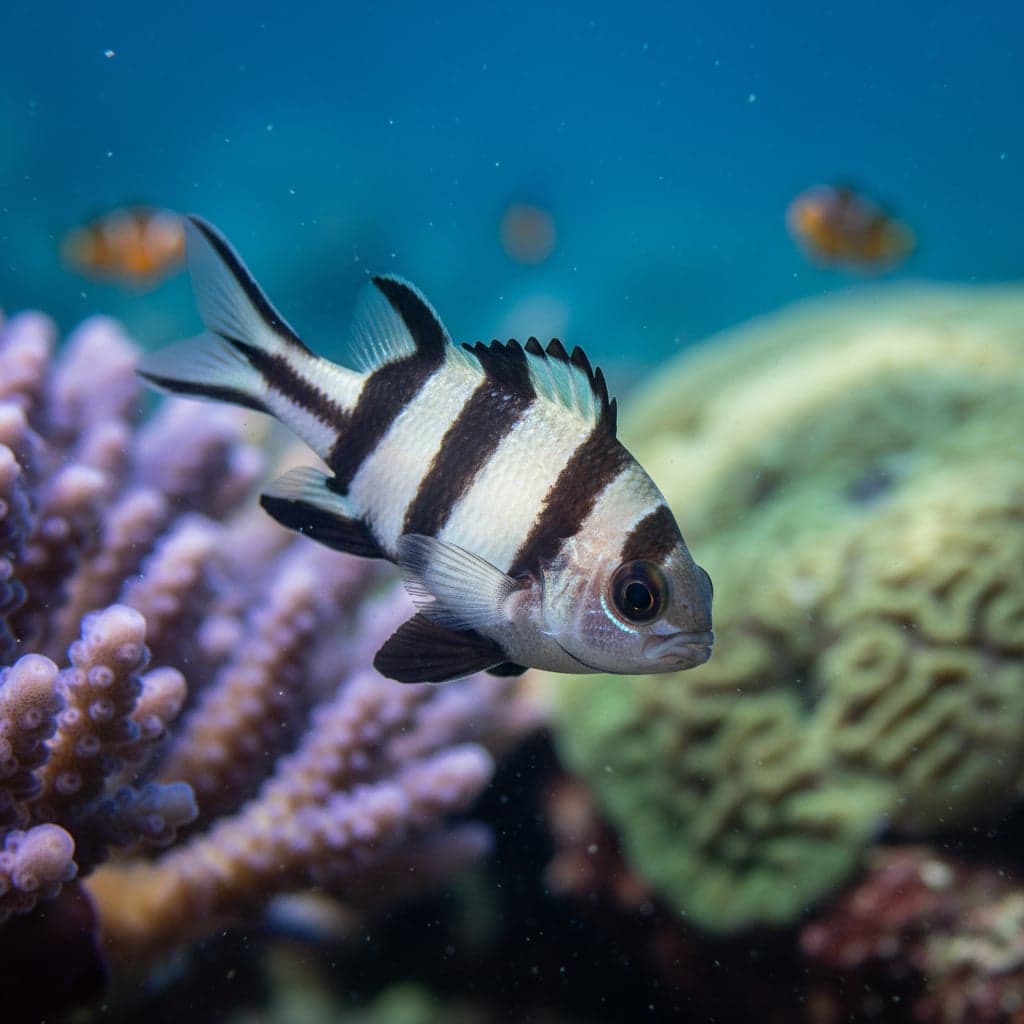
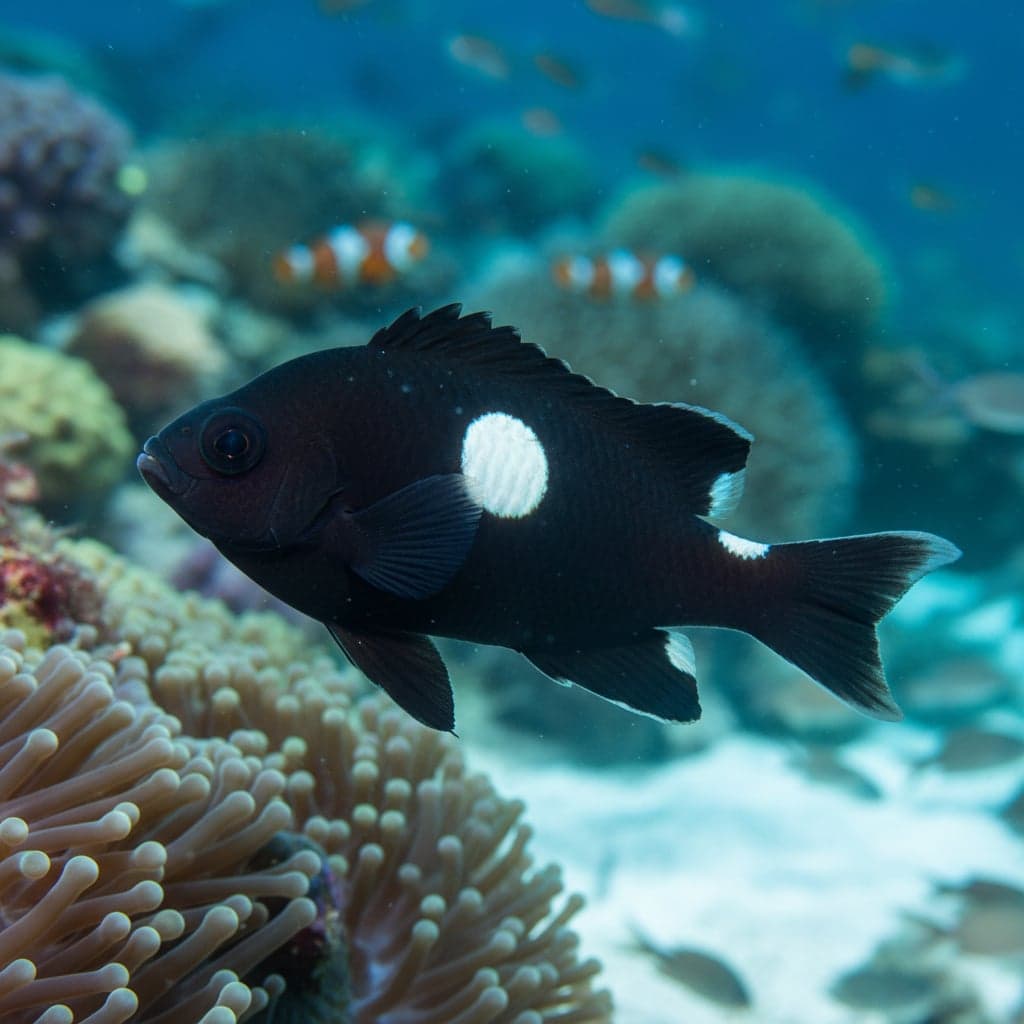
The Domino Damselfish (Dascyllus trimaculatus) is a vibrant and visually appealing marine species native to the shallow reefs of the Indo-Pacific region. Known for its striking black body adorned with white spots, this fish exudes a unique elegance that captivates both novice and experienced aquarists alike. Its contrasting colors not only enhance the aesthetic of an aquarium but also serve as a natural defense mechanism, allowing it to blend seamlessly with its rocky coral environment. Due to its eye-catching appearance and hardy nature, the Domino Damselfish has become a staple in marine aquariums, adding both beauty and activity to underwater habitats.
Significantly, the Domino Damselfish plays a vital role in the aquarium hobby for several reasons. Firstly, its robustness makes it an excellent choice for beginners learning the ropes of marine aquascaping. Secondly, its relatively low-maintenance care requirements contribute to its popularity among hobbyists. Moreover, the species exhibits interesting behaviors that can provide observational enjoyment, such as territorial displays and interactions with other tank inhabitants. Overall, the Domino Damselfish represents an ideal combination of visual appeal and engaging behavior, making it a cherished addition to any marine tank.
Natural Habitat & Origin
The Domino Damselfish is predominantly found in the waters surrounding the Indo-Pacific region, including islands in the Philippines, Fiji, and Papua New Guinea. Thriving in the warm, shallow coral reefs, this species typically inhabits depths ranging from 1 to 30 meters. The environmental context of its natural habitat encompasses clear, warm waters enriched with ample coral formations, providing both shelter and food. These fish prefer areas characterized by abundant crevices and rocky surfaces where they can take refuge from potential predators, showcasing their affinity for complex aquatic environments.
Being a reef-associated species, the Domino Damselfish thrives in waters with a salt concentration of approximately 35 parts per thousand. The clarity of the water in their natural habitat fosters a diverse ecosystem in which they can interact with various organisms, thereby enriching their diet and promoting healthy growth. Understanding its natural habitat helps aquarists replicate similar conditions in home aquariums, facilitating the well-being and longevity of this colorful fish.
Care Requirements
For optimal care of the Domino Damselfish, precise water parameters are essential. The ideal pH level ranges between 8.1 and 8.4, while the temperature should be maintained between 76°F and 82°F (24°C to 28°C). Additionally, a water hardness of around 8-12 dGH is recommended to ensure a stable environment conducive to the fish's health. When setting up an aquarium, a minimum tank size of 120 litres (30 gallons) is recommended for this 11cm territorial damsel; aggression increases as it matures, so the volume helps keep disputes manageable.
In terms of tank setup, a sandy substrate is preferred, mimicking the natural conditions of their reef habitat. Providing stable rock structures and coral arrangements creates hiding spots and encourages natural behaviors. Proper lighting is crucial, too; a moderate intensity mimicking natural daylight will suffice. Incorporating live rock, hardy corals, and some aquatic plants into the tank can enhance the ecosystem while offering additional shelter for the Domino Damselfish, ensuring an environment that supports their active lifestyle.
Diet & Feeding
The Domino Damselfish is an omnivore, thriving on a varied diet that includes both plant-based and animal-based foods. In their natural habitat, they consume an array of algae, zooplankton, and small invertebrates; hence, it’s essential to replicate this diverse diet in captivity. A high-quality flake or pellet food formulated for marine fish serves as an excellent staple diet. Complementing this with frozen or live foods such as brine shrimp, mysis shrimp, and finely chopped marine vegetables will promote optimal health and vibrant coloration.
Feeding should occur two to three times per day, ensuring portions are appropriate to minimize waste. Careful observation during feeding times can provide insight into the fish’s health and activity level. Encouraging foraging behavior by scattering food among the rocks and substrates can keep the Domino Damselfish engaged and provide necessary mental stimulation within the aquarium environment.
Behavior & Temperament
Domino Damselfish exhibit dynamic social behavior that is characterized by both territoriality and schooling tendencies. They are known to be relatively aggressive towards other fish, particularly their own kind, as they establish clear hierarchies within their territories. It is advisable not to house multiple Domino Damselfish unless in a large aquarium to minimize fighting and stress. In a well-planned environment, they can coexist with other non-aggressive tank mates.
In terms of tank positioning, the Domino Damselfish prefers to occupy the mid to upper levels of the aquatic environment, often claimed as territory around rock structures. Observing their swimming patterns can provide insight into their social interactions, as they frequently engage in displays to assert dominance or attract potential mates. Their active nature makes them engaging subjects for observation, enriching the overall aquarium experience.
Tank Mates
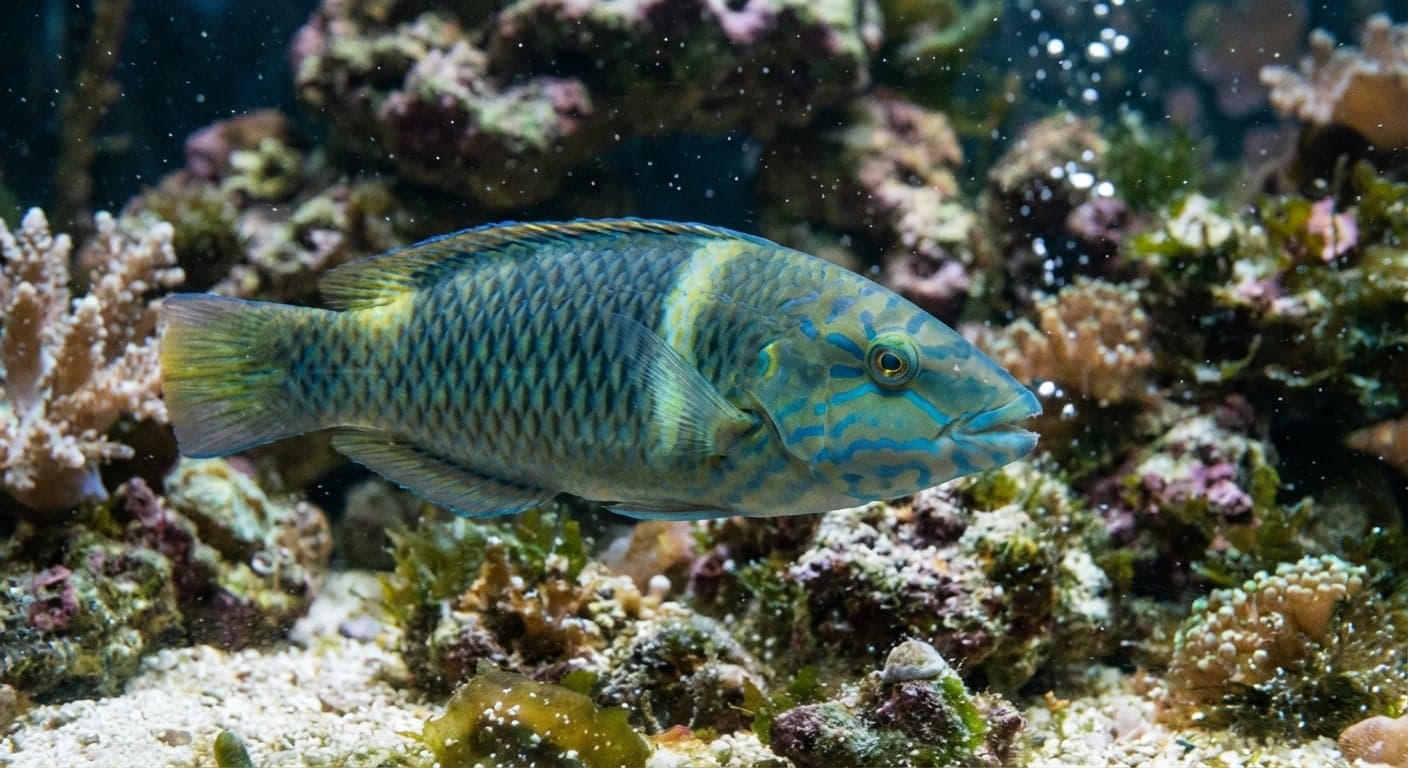
When selecting tank mates for the Domino Damselfish, compatibility is key to maintaining harmony within the aquarium. Suitable companions include small, peaceful species such as clownfish, gobies, and certain wrasse varieties. Other compatible tank mates might include tangs and blennies, as their temperaments generally mesh well with that of the Domino Damselfish. It is advised to avoid housing them with other damselfishes unless a very large tank permits an appropriate social structure.
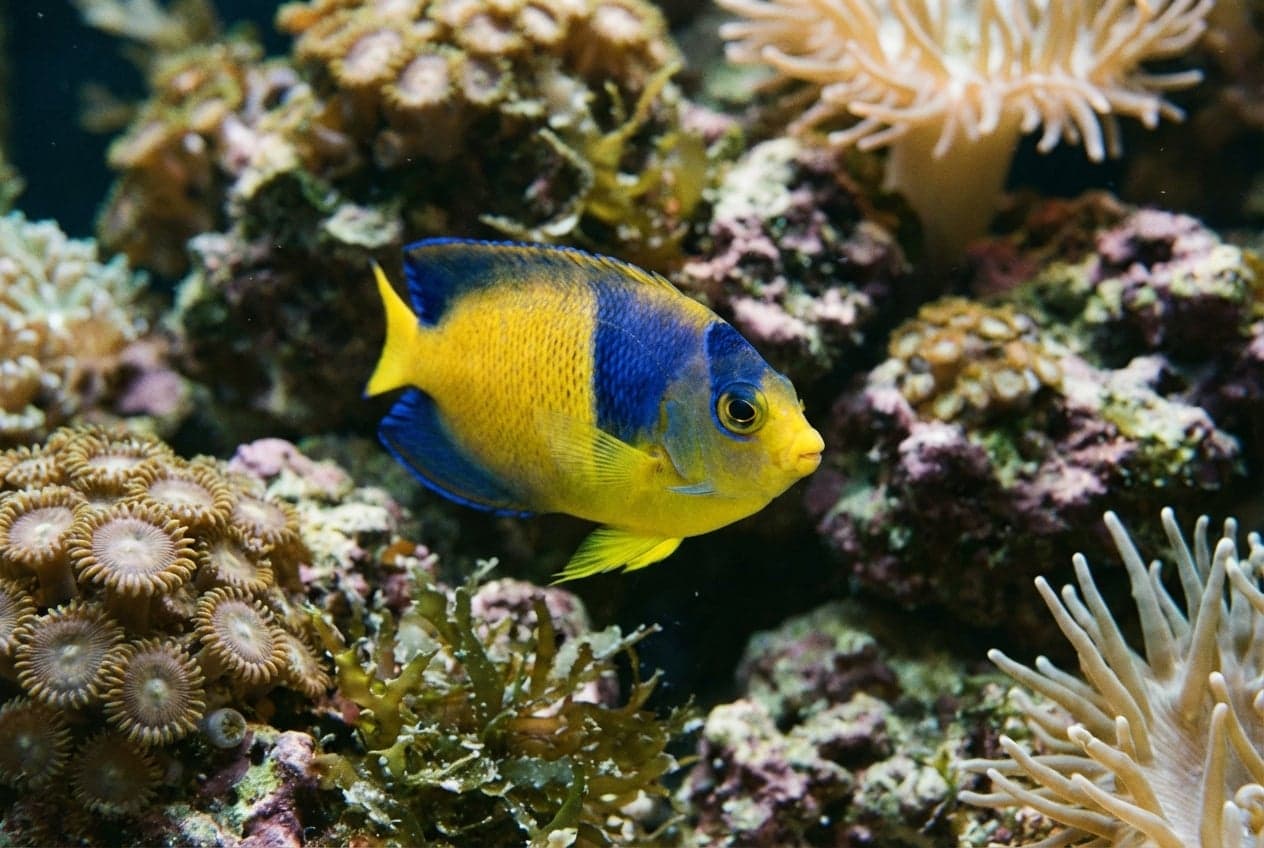
Conversely, aggressive species like puffers, triggers, and larger angelfish should be avoided, as they may provoke stress and territorial disputes. Additionally, slow-moving or more docile fish may become targets of aggression from the more assertive Domino Damselfish. Creating a well-planned community tank with considered species inclusion can lead to a thriving, peaceful environment for all inhabitants.
Breeding
Breeding the Domino Damselfish in captivity can be a rewarding endeavor, provided the right conditions are established. They exhibit considerable parental care, with the male taking on the role of guarding the eggs once fertilization has occurred. To entice breeding, it is beneficial to maintain water parameters within the optimal range and provide dense structures for nesting, such as rocks or artificial spawning sites.
During breeding, the female will lay clusters of adhesive eggs on suitable surfaces, which the male will subsequently fertilize and protect from potential threats. The eggs typically hatch within 6 to 8 days, leading to the emergence of free-swimming larvae. Providing a separate breeding tank with appropriate flow and wildlife food sources like rotifers can increase the chances of juvenile survival, ensuring the continuation of this colorful species.
Common Health Issues
Like many marine species, the Domino Damselfish can be prone to specific health issues if not properly cared for. Common diseases include marine ich (Ichthyophthirius multifiliis), which can manifest as white spots on the fish’s body and fins. To prevent outbreaks, maintaining optimal water quality and ensuring suitable tank mates are crucial. Regular monitoring of the fish's behavior and appearance can aid in the early detection of health problems.
Another potential issue is flukes, a type of parasite that can cause lethargy and loss of appetite. Quarantining new arrivals and practicing good tank hygiene can significantly reduce the risk of introducing diseases. Additionally, providing a balanced diet and minimizing stress in the aquarium environment can boost the overall immunity of the Domino Damselfish. With attentive care, stable salinity, and prompt treatment when symptoms appear, these hardy damsels remain colorful, active reef inhabitants for years.