Dot-Dash Blenny
A 10cm blenny that perches on rock and grazes film algae. Peaceful, reef safe, and it needs mature rock to graze on.
Dot-Dash Blenny
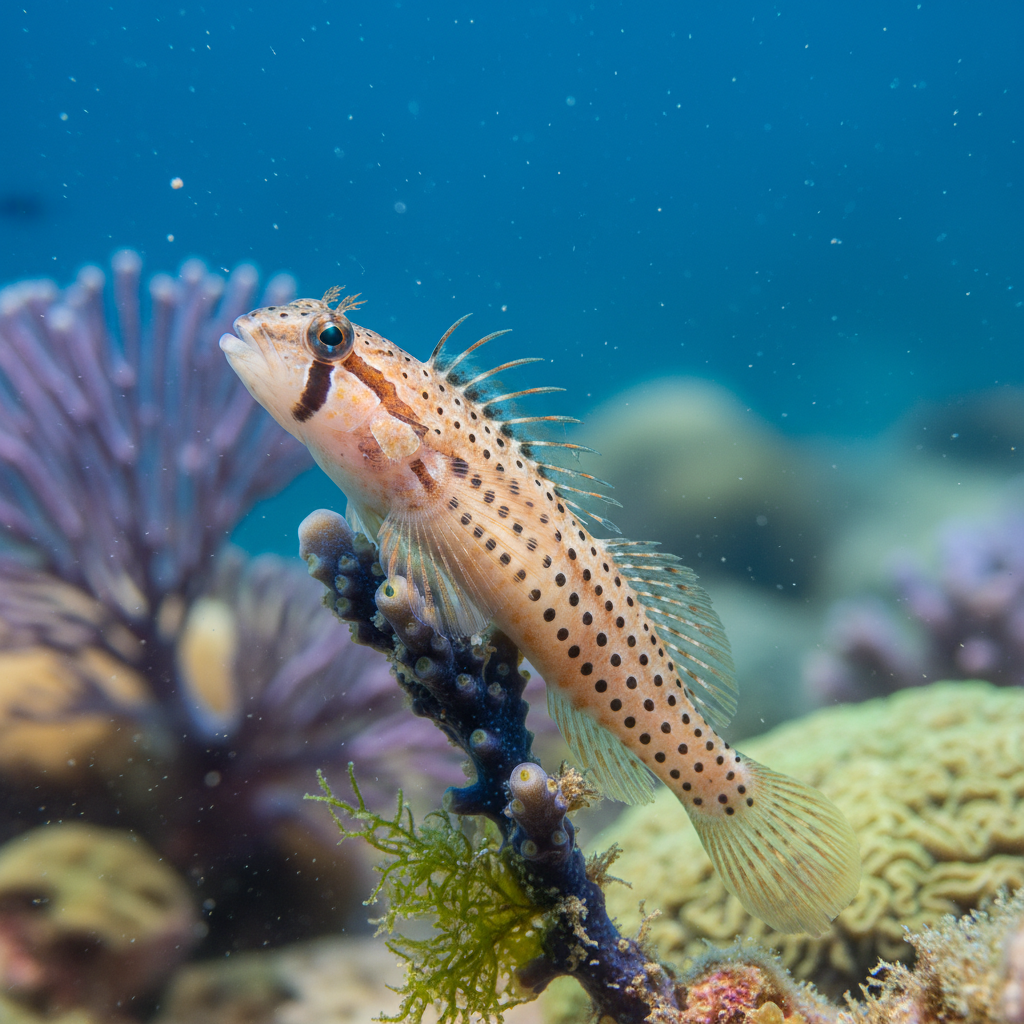
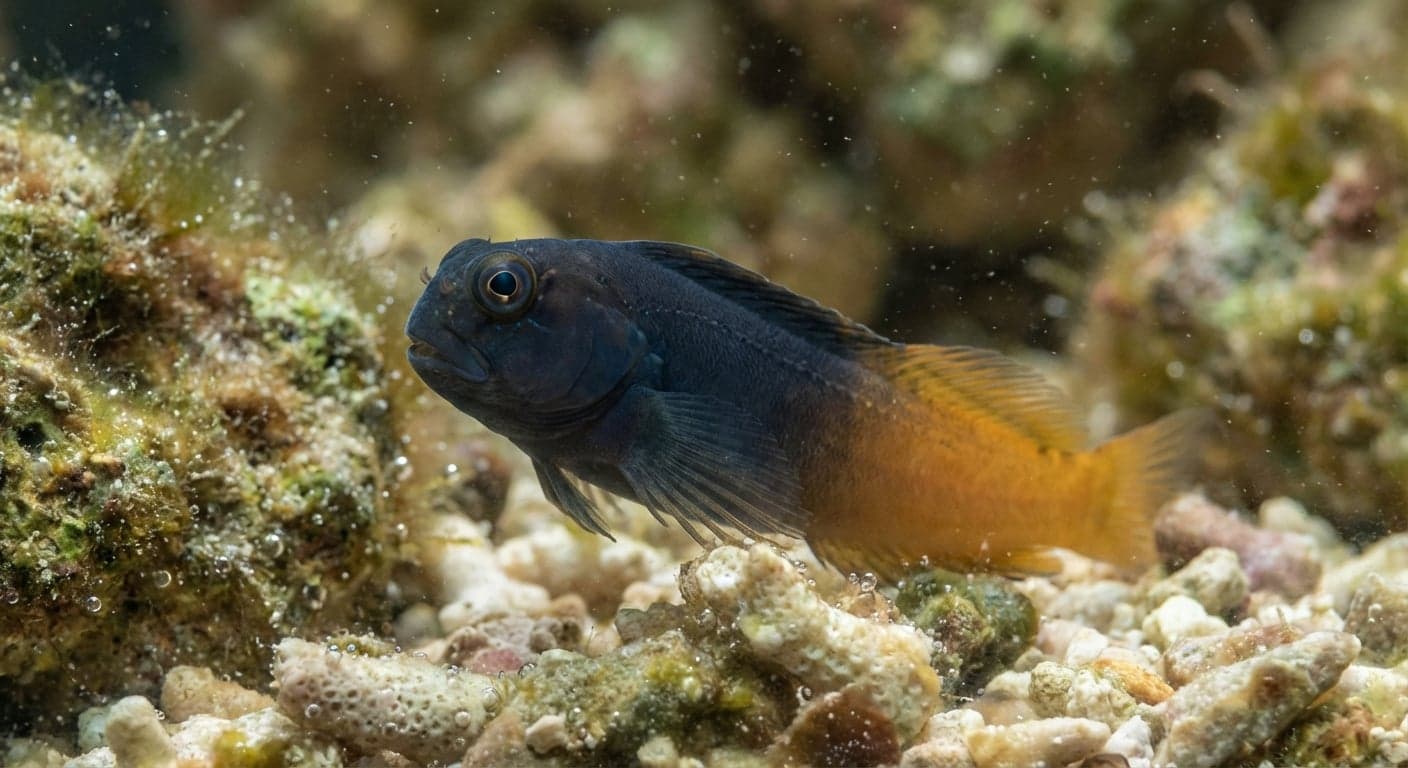
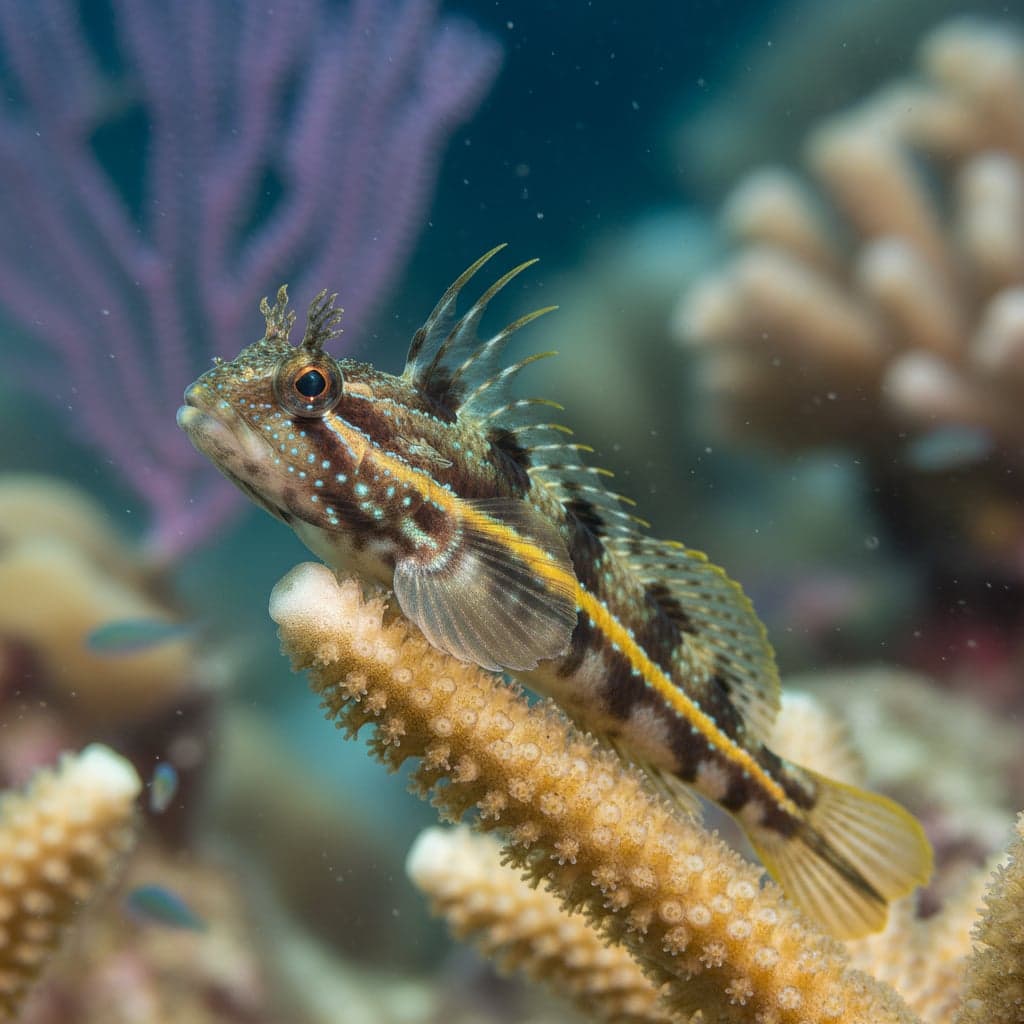
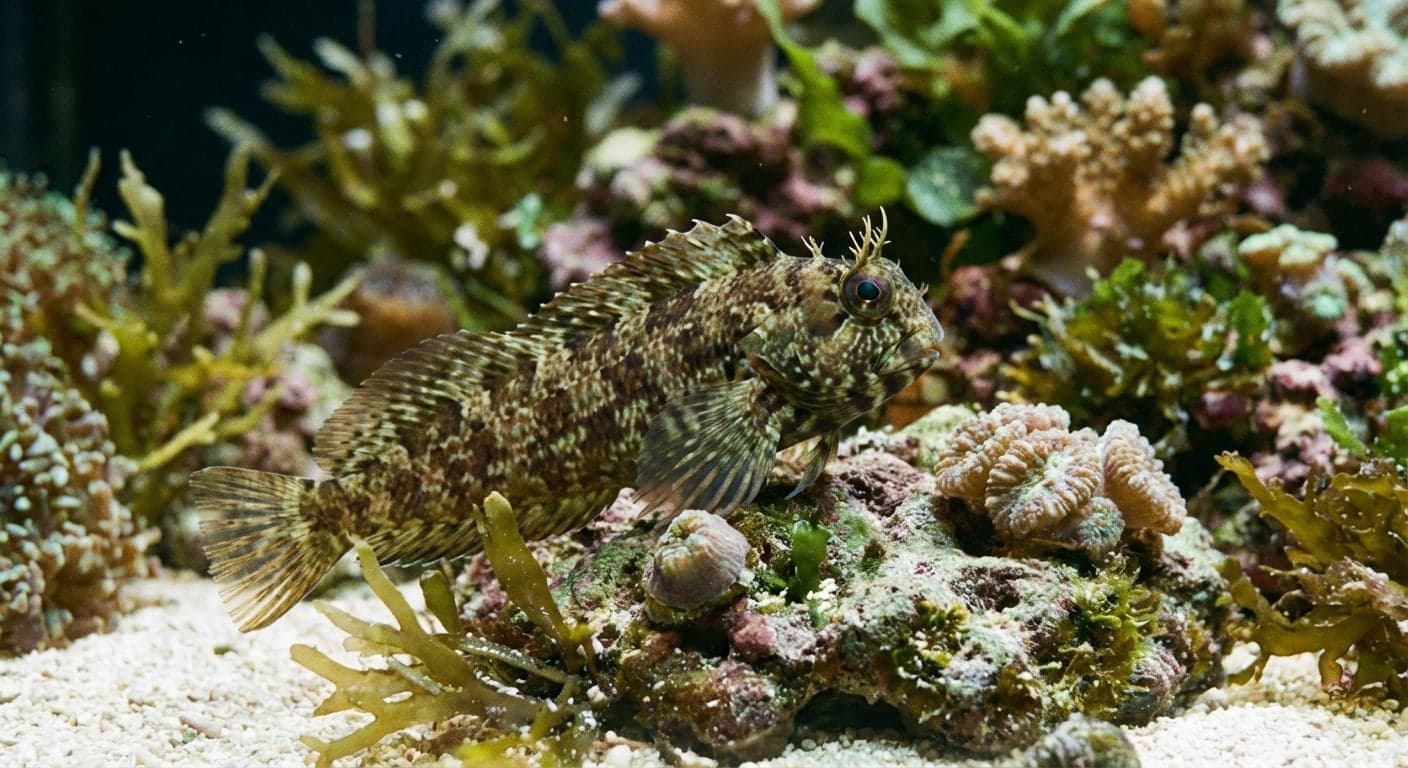
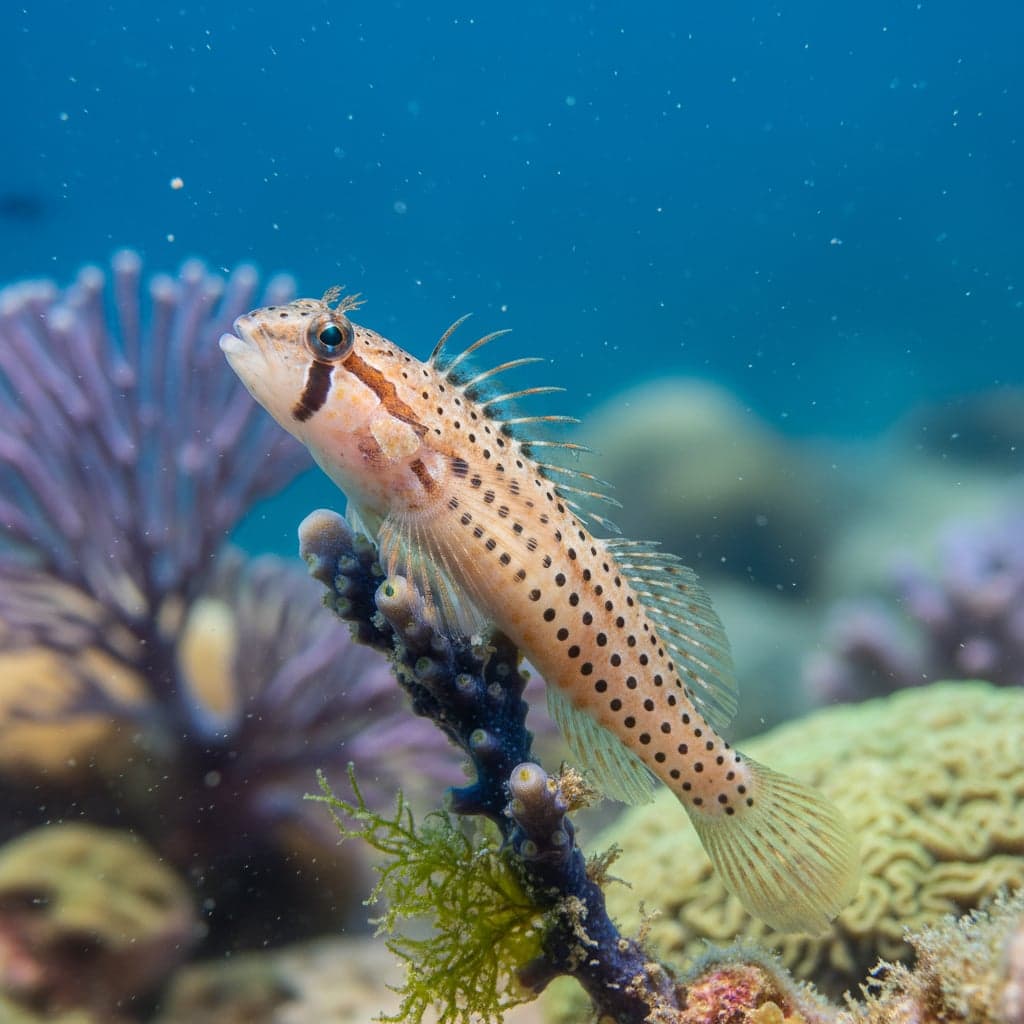
The Dot-Dash Blenny (Ecsenius lineatus) is a small and captivating marine fish that has garnered attention and admiration in the aquarium hobby. Recognized for its striking pattern of dots and dashes adorning its body, this fish showcases a vivid combination of colors that can range from shades of yellow and orange to deep blues and greens. The Dot-Dash Blenny not only adds aesthetic appeal to an aquarium but also brings a lively and engaging presence to any marine setup. Its unique appearance and intriguing behaviors make it a popular choice for aquarists looking to diversify their marine life collections.
Many enthusiasts value the Dot-Dash Blenny for its hardiness and adaptability in captivity, making it an excellent option for both novice and experienced aquarists. As a bottom-dwelling fish, it often occupies crevices and rocky substrate, and its elongated body shape and distinctive features make it easily identifiable within a vibrant aquascape. By understanding its needs and characteristics, aquarists can successfully keep this fascinating fish, ensuring an enriching experience both for the fish and the observer.
Natural Habitat & Origin
The Dot-Dash Blenny hails primarily from the coral reefs and rocky substrates of the Indo-Pacific region, with a notable presence around the Great Barrier Reef and the waters surrounding the Solomon Islands. This species thrives in clear, warm waters that provide access to abundant algae and small invertebrates, which form a key part of its diet. The typical environment includes shallow reef systems where natural light penetrates, supporting a diverse range of marine life.
The Dot-Dash Blenny is commonly found among the crevices of rocks and corals, which not only provide shelter from predators but also contribute to its feeding habits by offering a suitable habitat for foraging. These environments are often characterized by stable water conditions, making them ideal for breeding and growth.
Care Requirements
To maintain the health and vitality of the Dot-Dash Blenny, specific water parameters are essential. The ideal pH level for their aquarium should range between 8.1 and 8.4, while the water temperature should be kept between 75°F to 82°F (24°C to 28°C). Hardness should ideally be around 8 to 12 dGH to mimic their natural habitat, promoting their well-being and vibrant coloration.
When setting up an aquarium for the Dot-Dash Blenny, a minimum tank size of 75 litres (20 gallons) is recommended for this 10cm Ecsenius lineatus — a rock perch and film-algae grazing beat raw open volume. Utilizing a sandy or fine gravel substrate allows these fish to burrow, which is a natural behavior. Adequate lighting that simulates their natural environment will benefit plants and algae growth, while the addition of live rock, corals, and various decorations will help create a stimulating aquascape that encourages natural behaviors.
Diet & Feeding
The Dot-Dash Blenny is classified as an omnivore, exhibiting a varied diet that includes algae, small invertebrates, and the occasional meaty food. In captivity, high-quality flakes, small pellets, and frozen foods should form the basis of their diet. Seaweed sheets and spirulina, in particular, are excellent supplements to provide essential nutrients and promote healthy growth.
Aquarists are encouraged to offer a balanced diet that includes both plant-based and protein-rich foods to mimic the natural feeding habits of the Dot-Dash Blenny. Live foods, such as brine shrimp and mysis shrimp, are great occasional treats that can stimulate their hunting instincts and encourage natural behavior in the aquarium setting.
Behavior & Temperament
The Dot-Dash Blenny is known for its curious and social nature, often seen grazing on the substrate or exploring its surroundings. They are generally peaceful fish, although they may exhibit territorial behavior when paired with other bottom-dwellers. As a result, it is advisable to provide ample hiding spots and territories within the aquarium to minimize aggressive interactions, especially during feeding times.
Socially, Dot-Dash Blennies may prefer to occupy the lower levels of the tank, where they can feel safe among rocks and coral structures. When kept in multiple pairs, ensuring enough space and dividing territories can help reduce tension and facilitate a more harmonious community.
Tank Mates
When choosing tank mates for the Dot-Dash Blenny, select species that share similar water parameters and are peaceful in nature. Compatible companions include Clownfish, Gobies, and various types of Wrasses. These fish can commonly coexist with the Dot-Dash Blenny due to their non-aggressive temperaments and similar habitat preferences.
On the other hand, it is advisable to avoid keeping the Dot-Dash Blenny with overly aggressive fish species like Angels or larger predatory fish, which may outcompete them for food or see them as prey. Additionally, avoid housing multiple Dot-Dash Blennies in smaller tanks, as this can result in territorial disputes.
Breeding
Breeding the Dot-Dash Blenny in captivity can be a rewarding yet challenging endeavor. These fish typically exhibit courtship behaviors, with males performing dancing displays to attract females. Given their commitment to breeding, specific conditions are required to encourage successful spawning.
Creating a breeding environment involves maintaining stable water parameters, offering plenty of hiding places, and providing a separation from other tank mates during the breeding period. The female will lay eggs on flat surfaces or in crevices, which the male will subsequently fertilize. After spawning, the male may guard the eggs until they hatch, which usually occurs within a few days.
Common Health Issues
Like all aquarium fish, the Dot-Dash Blenny may be prone to certain health issues if not kept under optimal conditions. Common ailments include ich (white spot disease), fin rot, and various parasitic infections. To prevent these health problems, maintaining clean water conditions through regular water changes, proper filtration, and a stable pH is critical.
Quarantine new arrivals before introducing them to the main tank to minimize the risk of disease transmission. A balanced diet rich in vitamins and nutrients can also enhance the fish's immune system, reducing susceptibility to infections.