Dragon Wrasse
A 30cm wrasse whose ornate juvenile becomes a destructive adult that flips rock and eats invertebrates. Needs 700L+ and a fish-only tank.
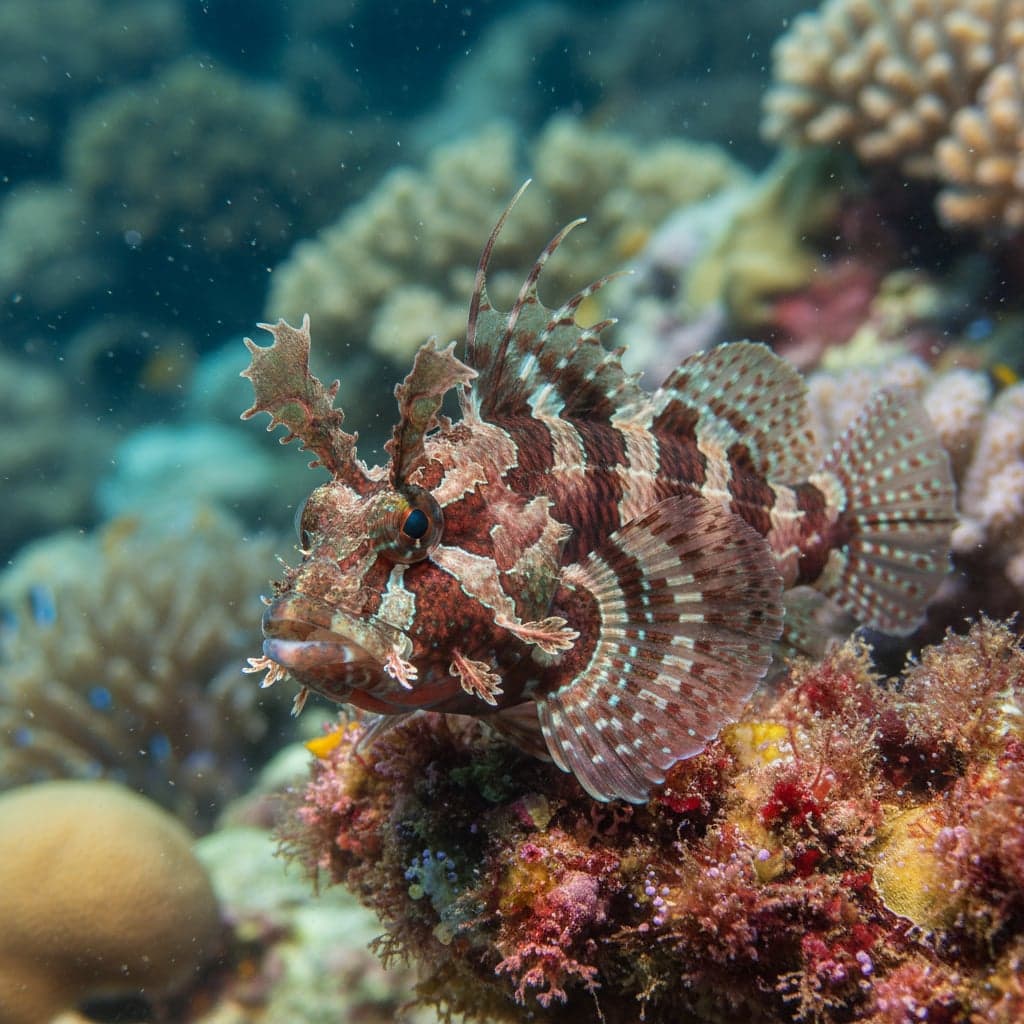
Dragon Wrasse
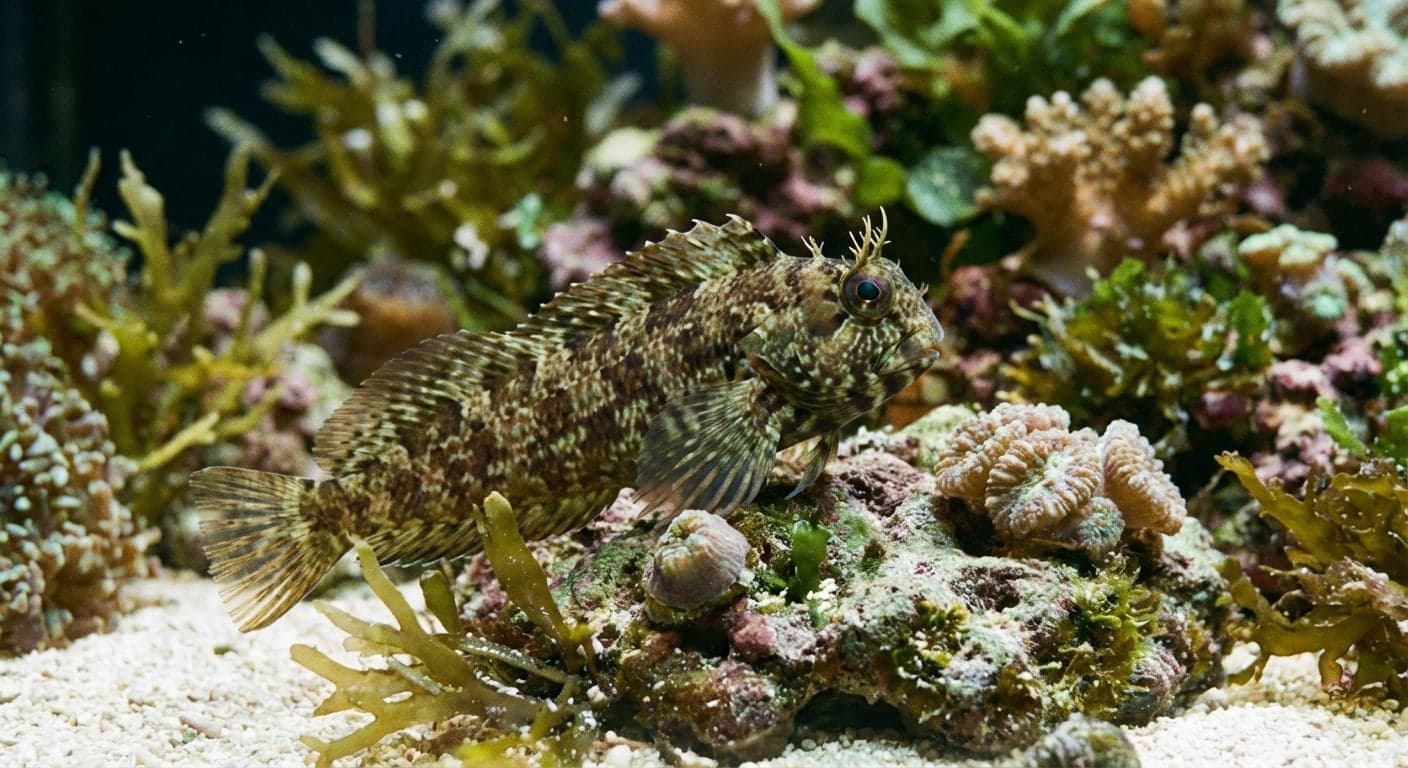
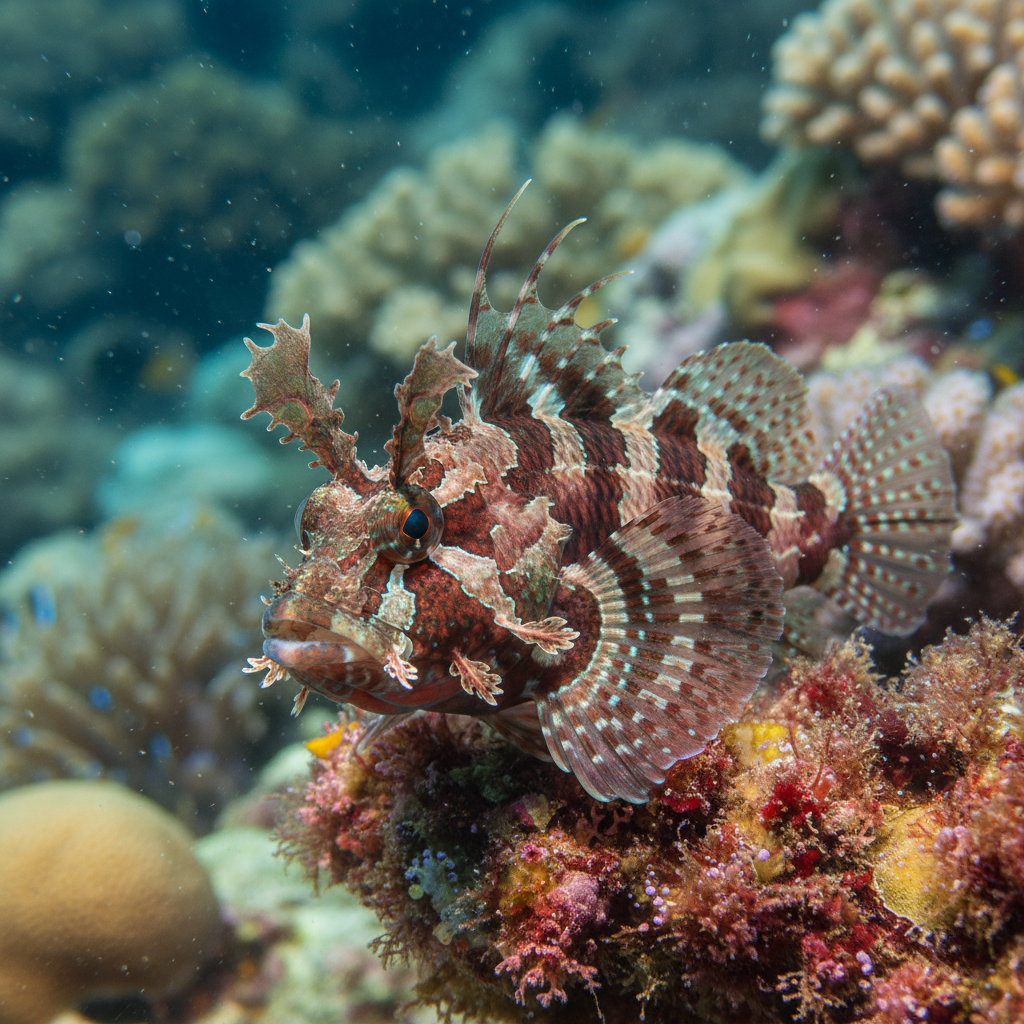
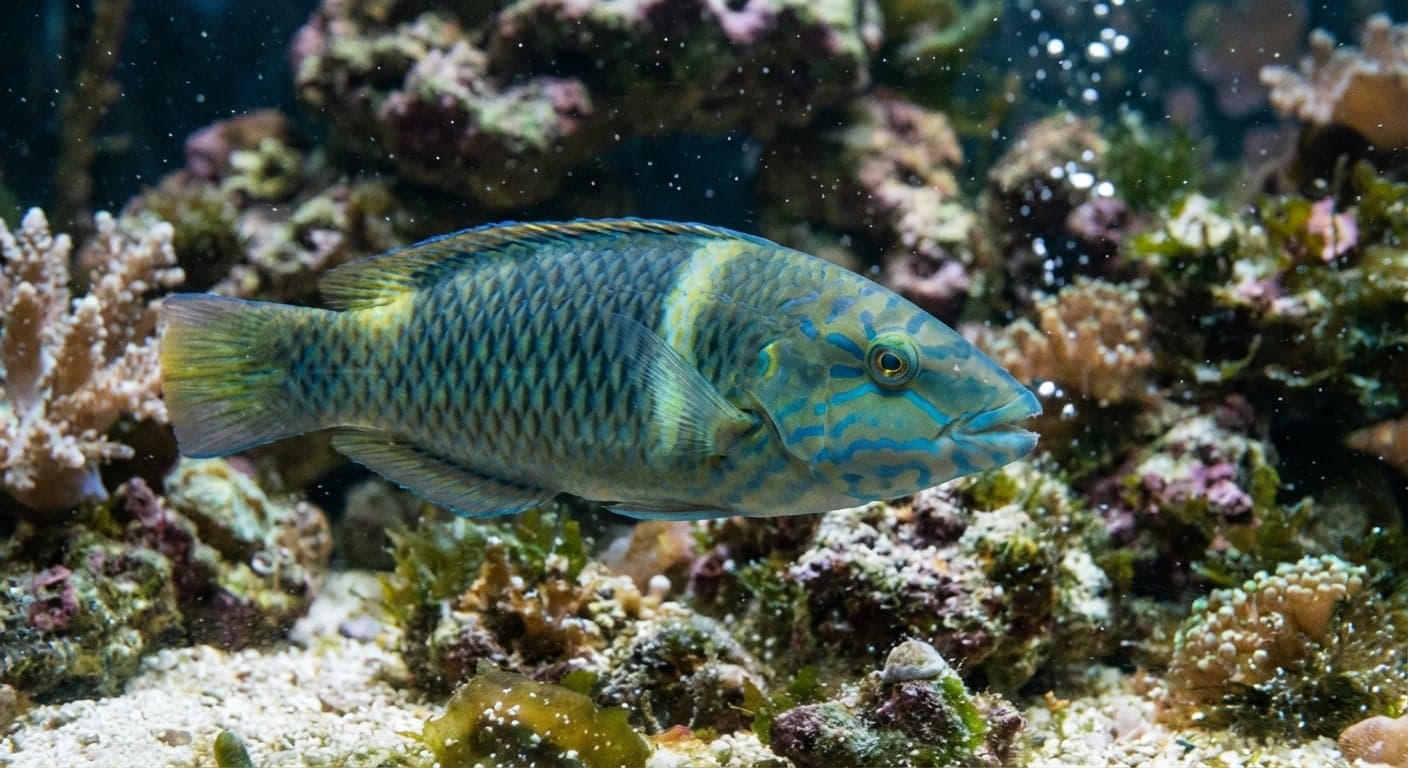
The Dragon Wrasse, scientifically known as Novaculichthys taeniourus, is an extraordinary addition to the marine aquarium that captivates hobbyists with its vibrant colors and unique morphology. With a robust body covered in iridescent shades of green, blue, and brown, this fish is immediately recognizable. Its elongated snout and elongated dorsal fins give it a dragon-like appearance, which also contributes to its name. The Dragon Wrasse is a striking visual centerpiece in any aquarium, showcasing a fascinating blend of beauty and character. This fish thrives in a well-maintained environment, making it not only visually appealing but also significant within the aquarium hobby for its adaptability and active nature.
In addition to its visual allure, the Dragon Wrasse plays an important ecological role within its natural habitat. Found in coral reefs and rocky substrates, this fish is known for its behavior of turning and flipping over stones, which helps to disturb and expose hidden food sources. This natural foraging behavior can also translate to interesting dynamics in a home aquarium, where the Dragon Wrasse displays both agility and intelligence. As a popular choice among marine enthusiasts, understanding its specific care requirements is crucial for maintaining its health and vibrancy in a captive environment.
Natural Habitat & Origin
The Dragon Wrasse is primarily found in the Indo-Pacific region, with significant populations around coral reefs in areas such as the Red Sea, the eastern coast of Africa, and various islands in the Pacific Ocean. Preferring shallow waters, these fish are typically found at depths ranging from 1 to 20 meters (3 to 66 feet), often residing in sandy or rubble substrates near rocky outcroppings. The natural waters are typically warm and clear, with a salinity of around 35 ppt, which is essential for their health and longevity.
The environmental context of the Dragon Wrasse’s habitat is vital for its well-being; they thrive in areas with moderate to strong water movement. The presence of natural elements like corals, sponges, and seaweed provides both shelter and foraging opportunities. In the aquarium, replicating this natural environment by imitating the substrate and overall aesthetics found in coral reefs can encourage natural behaviors and improve the well-being of these captivating fish.
Care Requirements
To keep a Dragon Wrasse healthy, maintaining specific water parameters is crucial. Ideal conditions include a pH of 8.1 to 8.4, a temperature range of 24 to 28 degrees Celsius (75 to 82 degrees Fahrenheit), and a general hardness (GH) between 8-12 dGH. The tank size should be a minimum of 700 litres (185 gallons) for this 30cm Novaculichthys — adults need FOWLR space to flip rock and roam, not a mid-size reef.
When setting up the tank, a substrate of sandy or fine gravel is recommended, as it allows the Dragon Wrasse to engage in natural digging behaviors. Including live rock and hiding spots, such as caves and overhangs, provides security and places for them to explore. Adequate lighting with a balanced spectrum can enhance the colors of the Dragon Wrasse, while also promoting the growth of beneficial algae and corals. Planting hardy marine vegetation can also contribute to the tank's aesthetic and provide additional grazing opportunities.
Diet & Feeding
The Dragon Wrasse is primarily carnivorous, with a diet that consists mainly of small invertebrates and crustaceans in the wild. In captivity, they can be fed a varied diet incorporating high-quality pellets, flakes, and frozen-thawed foods such as brine shrimp, mysis shrimp, and chopped seafood. Supplementing their diet with live foods on occasion can enhance their feeding response and coloration. Regular feeding should encompass a mix of both protein-rich and occasional plant-based foods to cater to their natural foraging instincts and nutritional needs.
While they can adapt to processed foods, it’s essential for aquarists to provide a diverse diet to ensure optimal health and vitality. Offering smaller, more frequent meals rather than one larger meal can also mimic their natural feeding patterns and promote healthier digestion.
Behavior & Temperament
The Dragon Wrasse exhibits unique social behaviors and temperament traits that make it both captivating and challenging to keep. They are known to be generally aggressive towards their own kind, especially males, which can lead to territorial disputes in confined spaces. They do, however, coexist well with other species if provided ample room and hiding spots. Dragon Wrasses are known to display a semi-solitary nature, often preferring the vertical space of the tank where they can perch on rocks or reside within crevices.
Due to their active swimming habits, they thrive in aquariums where they have ample room to explore. Observing their dynamic and curious nature can be a highlight for any aquarist, but it is crucial to monitor their interactions with tank mates to prevent aggression or stress-related issues.
Tank Mates
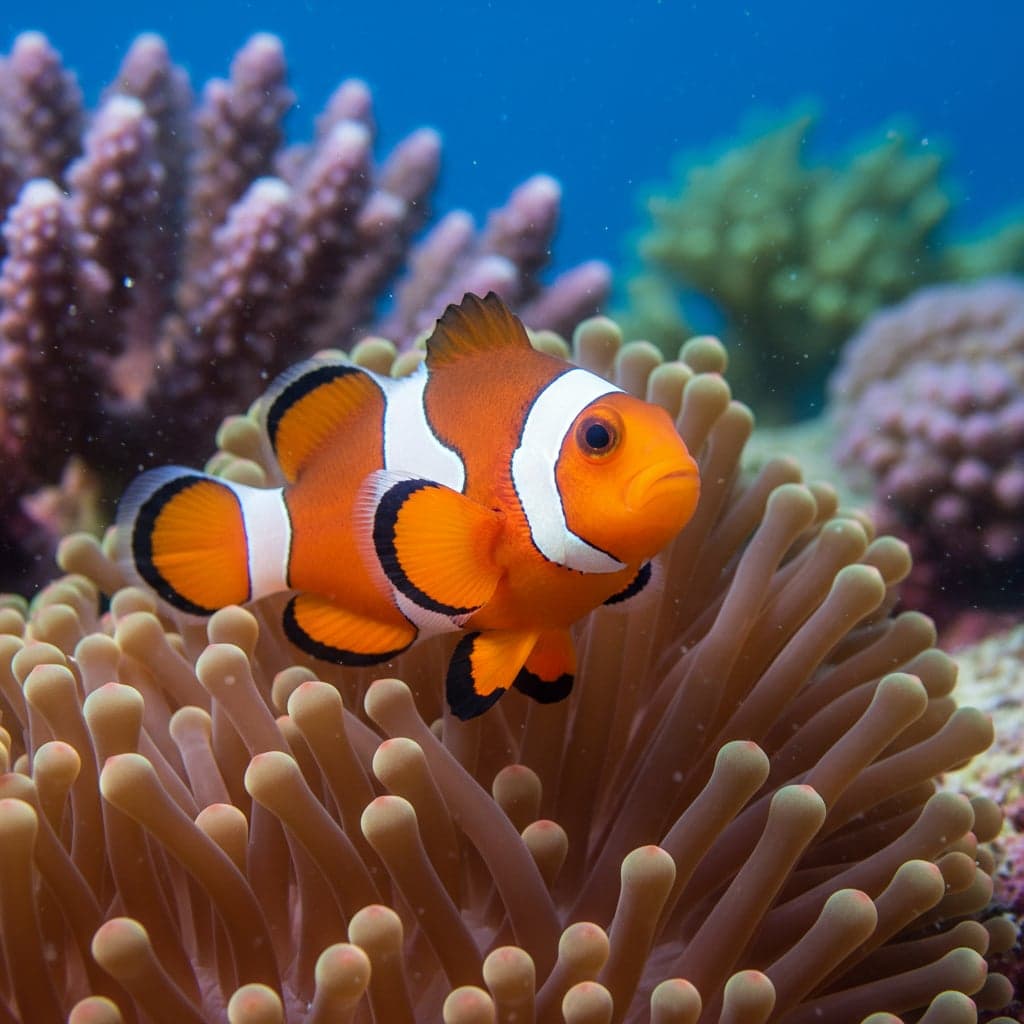
When selecting tank mates for the Dragon Wrasse, it is important to consider their aggressive tendencies. Compatible species often include more robust fish that are not easily intimidated, such as Clownfish, Surgeonfish, and some species of Wrasses. Other good tank mates may include larger gobies, angelfish, and certain types of triggers, provided there is enough space for everyone.
Species to avoid include smaller or more docile fish that could become targets, as well as other Wrasses or similar-shaped species that might provoke territorial battles. Additionally, it is advisable to refrain from including any slow-moving or sedentary fish, as they may experience undue stress or aggression from the more active Dragon Wrasse.
Breeding
Breeding the Dragon Wrasse in captivity presents a significant challenge, as they are known to be more difficult to spawn than many other species. Their breeding behavior typically involves a courtship display where males will engage in elaborate swims to attract females. Conditions that may encourage breeding include providing ample hiding spots and creating stable water parameters similar to their natural habitat.
To ensure successful spawning, maintaining a healthy population ratio of one male to several females can help reduce aggression and improve the chances of breeding. However, due to their elusive nature and the complexities involved, most hobbyists find themselves with challenging prospects regarding breeding this species in captivity.
Common Health Issues
Dragon Wrasses can be susceptible to several common health issues, particularly if not maintained in optimal conditions. They can experience problems such as ich (white spot disease), marine velvet, and parasitic infections due to stress or poor water quality. Additionally, they may suffer from injuries related to territorial disputes or accidental encounters with tank decorations.
Prevention is key; maintaining stable water parameters, ensuring proper tank hygiene, and providing a stress-free environment can significantly reduce the likelihood of health problems. Regularly monitoring fish behavior and appearance for any signs of illness will enable prompt interventions and treatment options when necessary. Regular feeding of high-quality foods can also bolster their immune systems, aiding in the prevention of many common aquatic diseases.