Dusky Angelfish
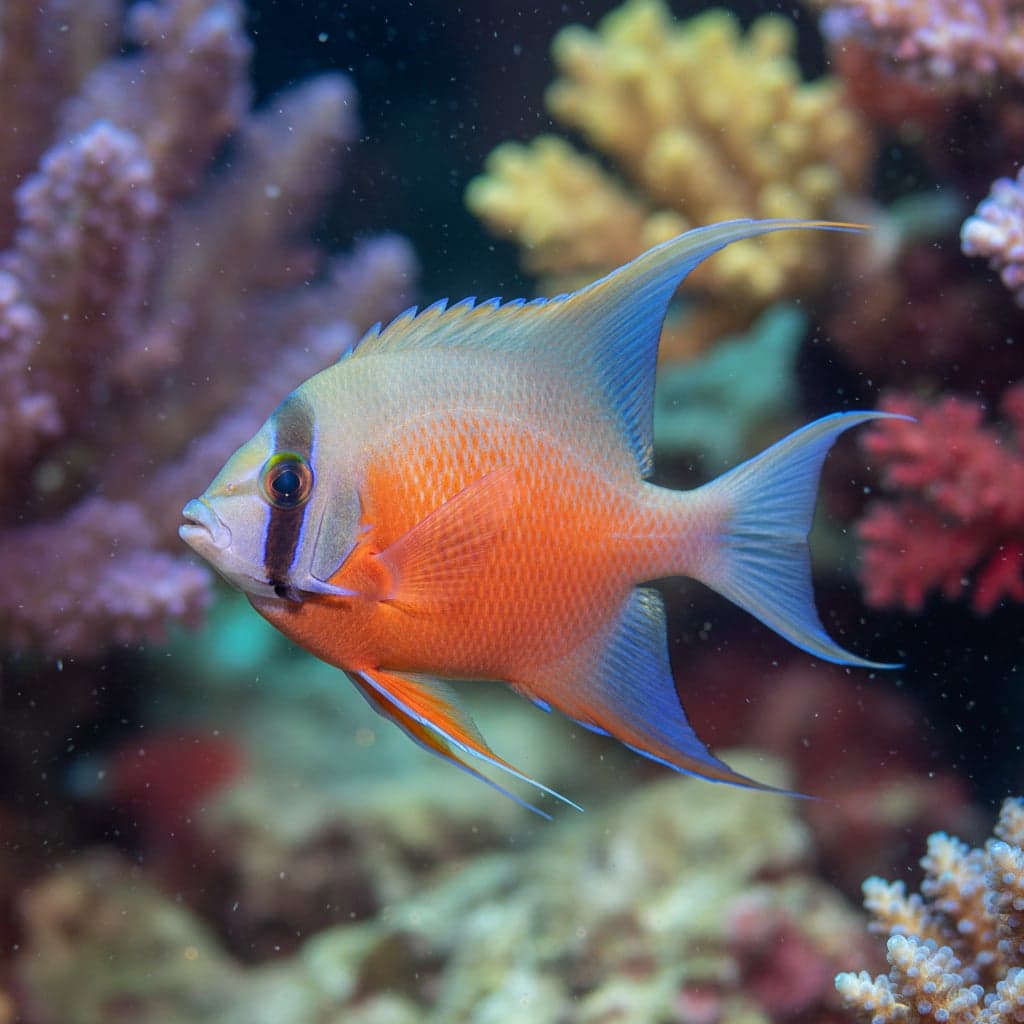
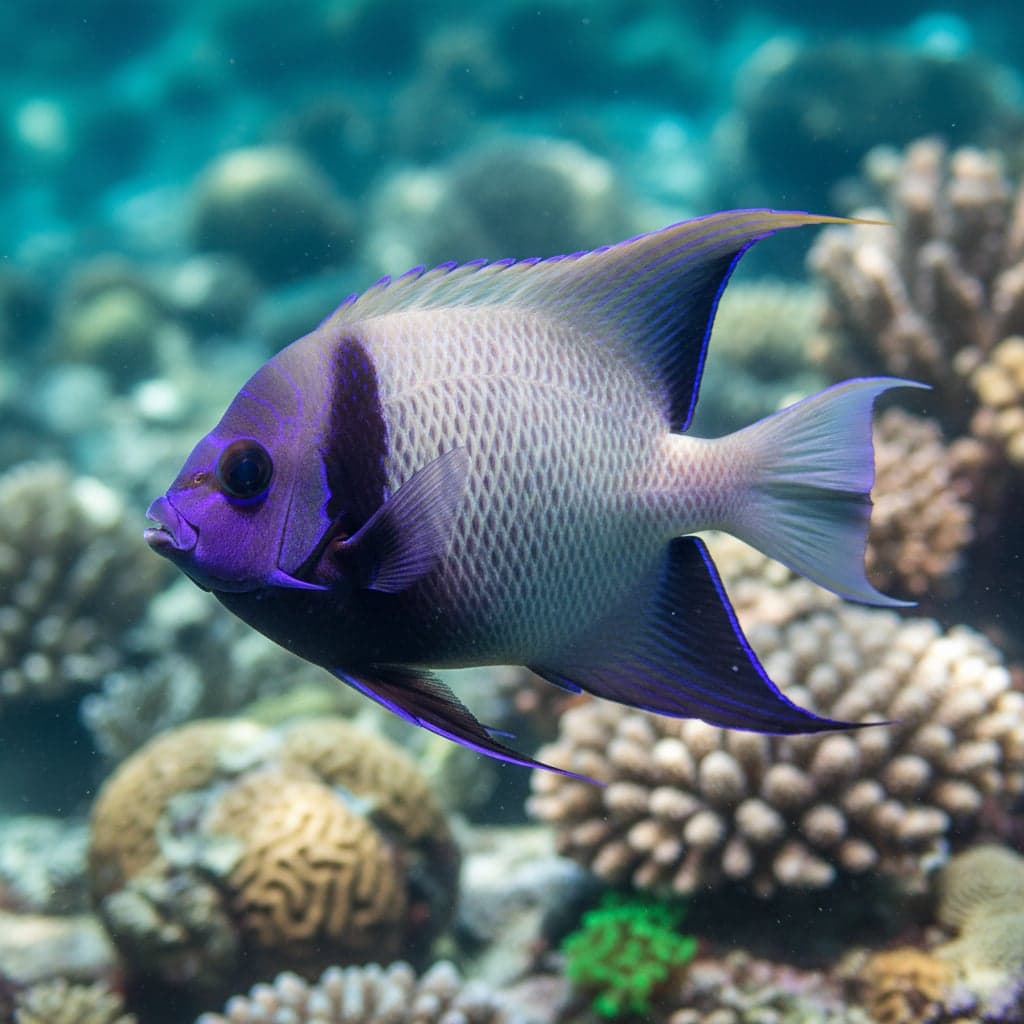
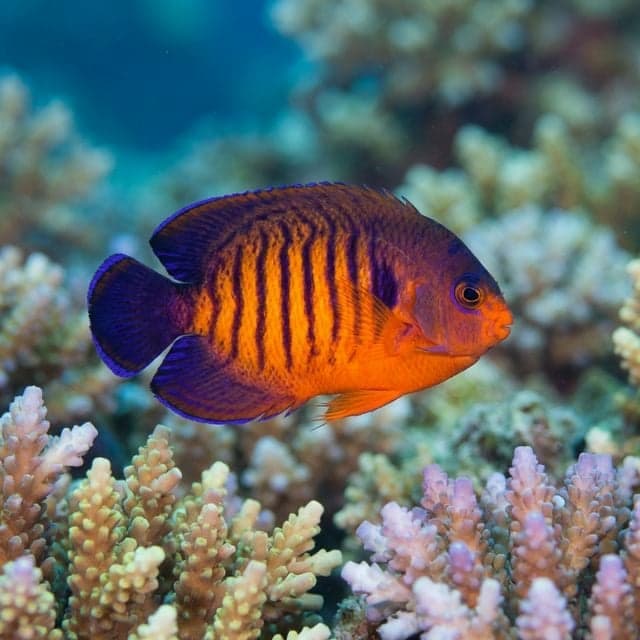
A 10cm dwarf angelfish, orange and blue. Hardy and widely kept, needs 150L+ and mature rock, and it will sample coral.
Dusky Angelfish
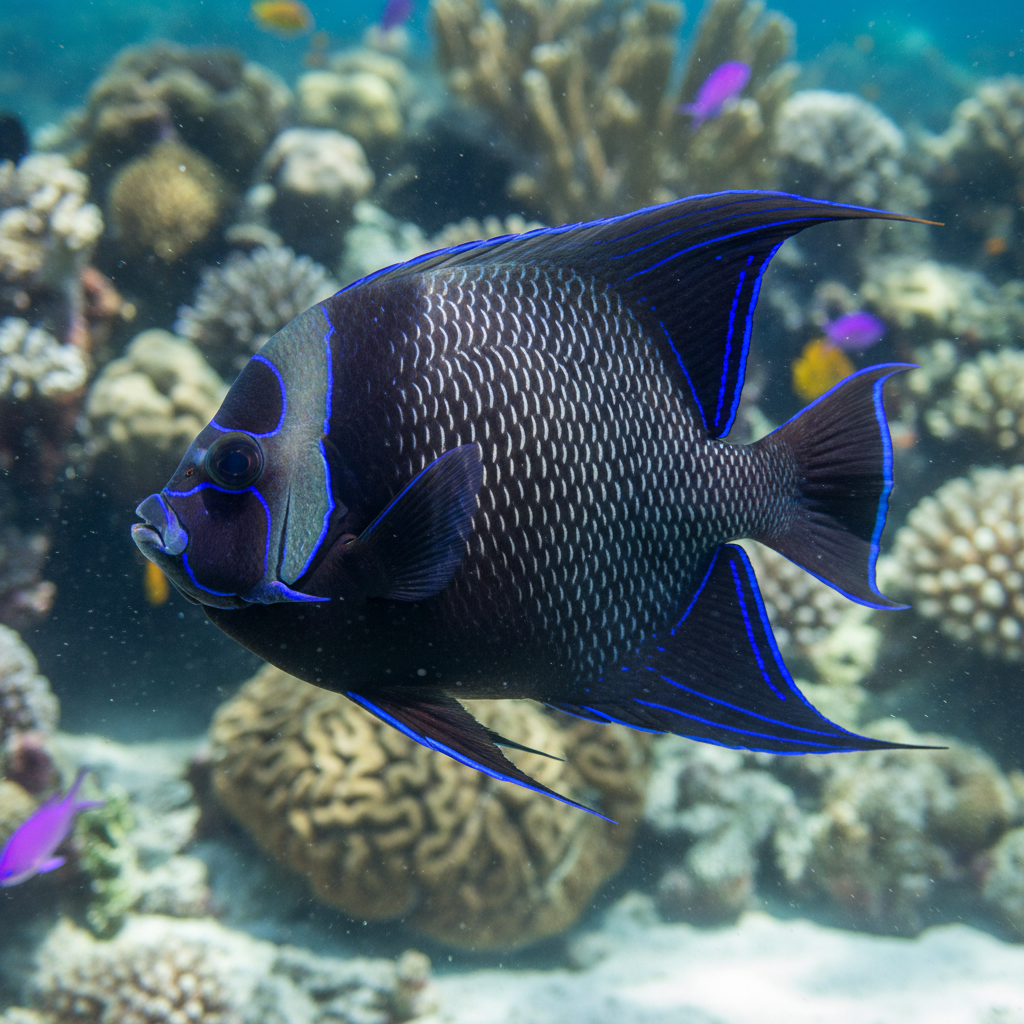
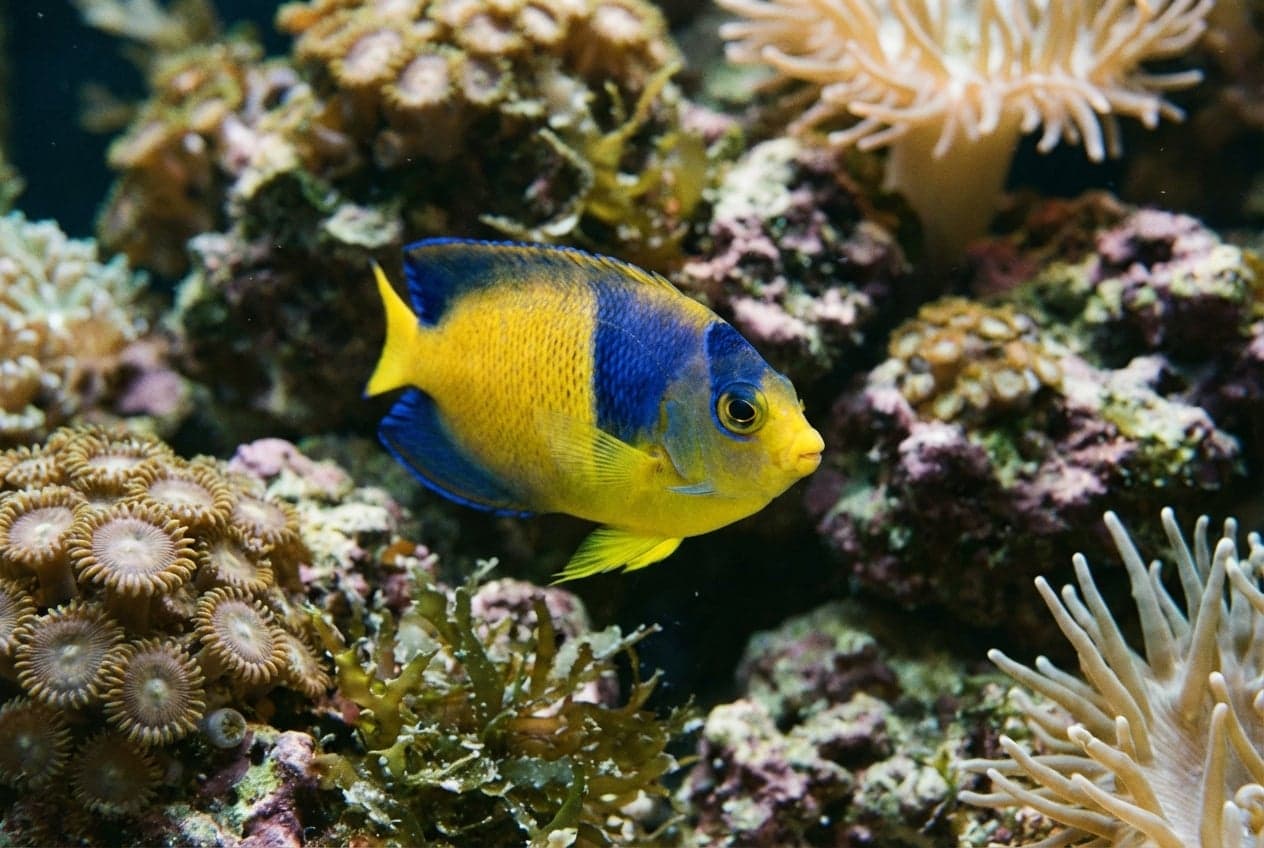
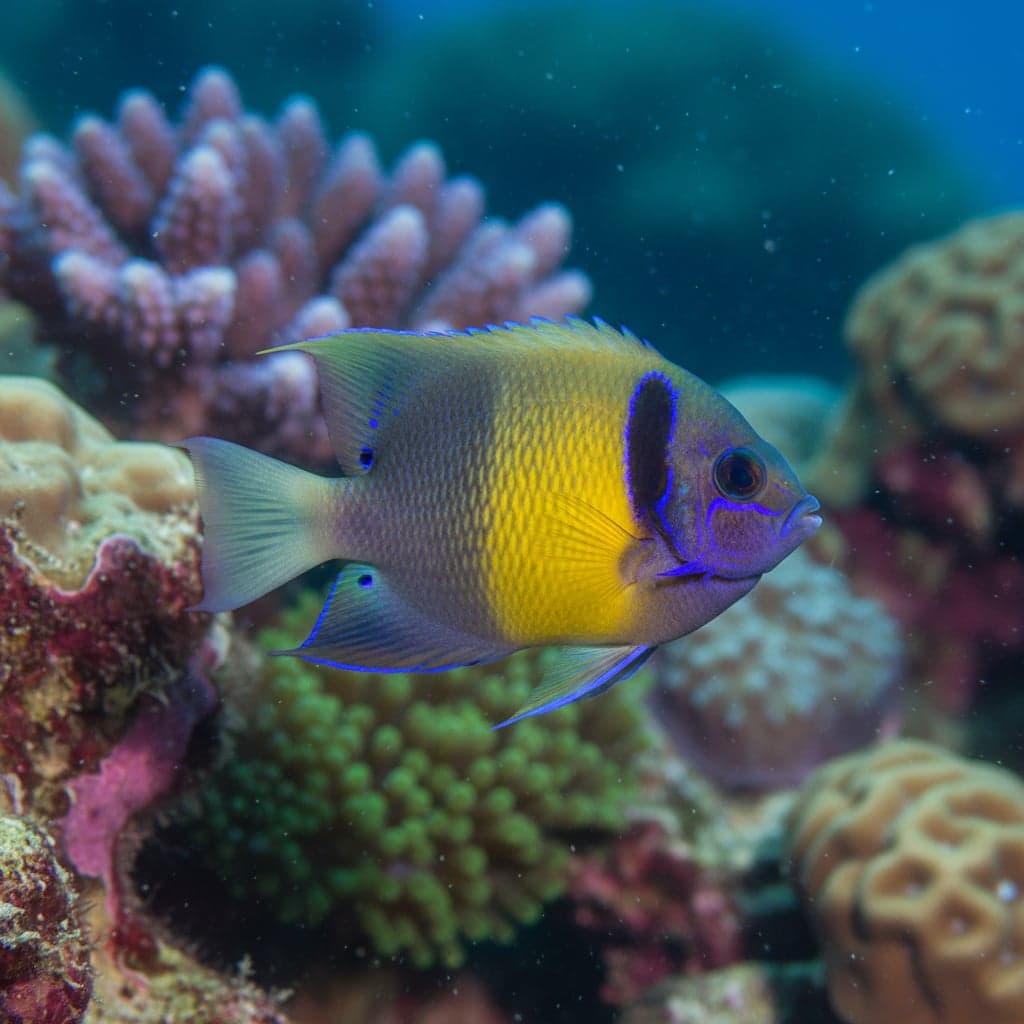
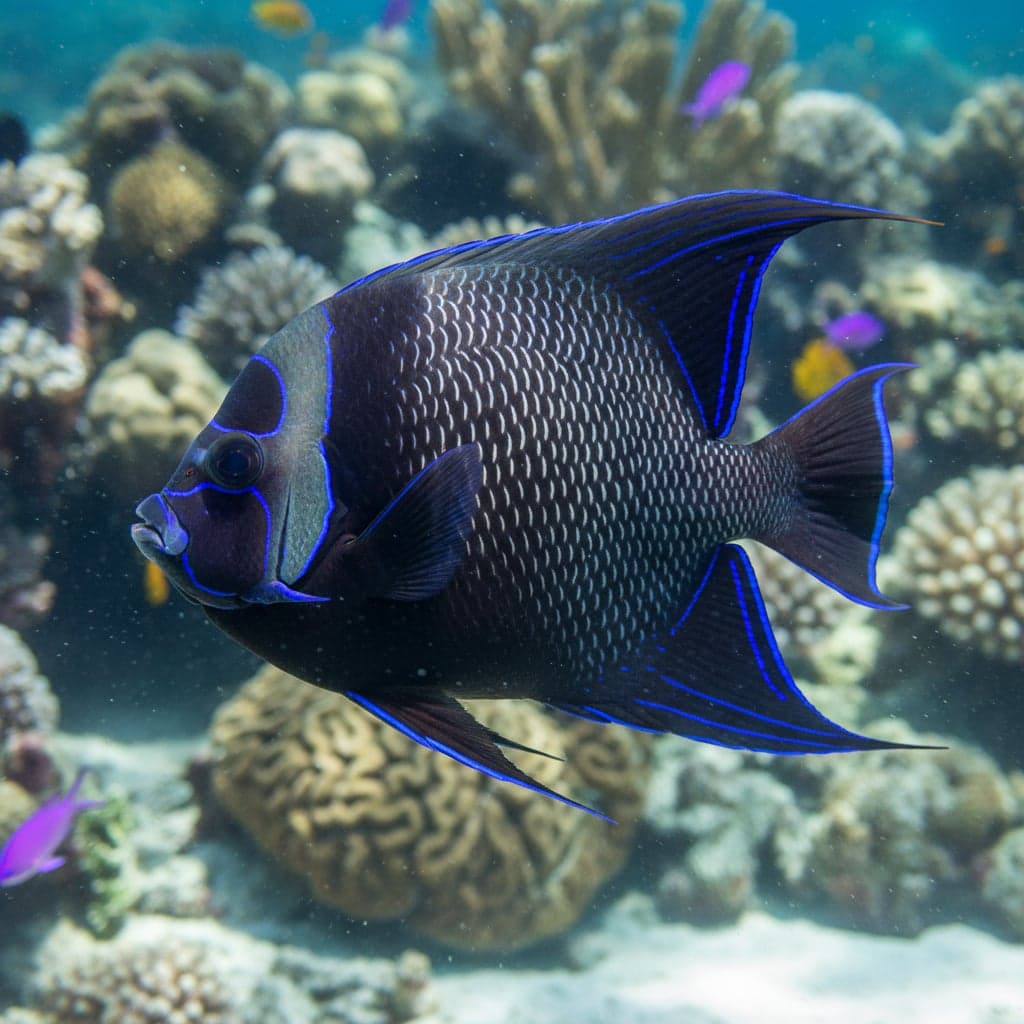
The Dusky Angelfish (Centropyge multispinis) is a captivating marine species belonging to the Pomacanthidae family. Known for its distinct coloration and graceful swimming patterns, it captivates both novice and experienced aquarists alike. Typically exhibiting a rich blue to dark gray body adorned with bright orange-yellow accents on the edges of its fins and dorsal spine, this species provides an eye-catching display in any aquarium. Its beauty and diminutive size—growing up to 4 inches in length—make the Dusky Angelfish a favored choice for reef and fish-only aquariums alike.
Significance in the aquarium hobby extends beyond aesthetics; the Dusky Angelfish is relatively hardy and adaptable, which adds to its appeal for aquarists. As a peaceful yet semi-territorial fish, it offers an engaging personality that brings life to the tank. Its striking visual appeal, combined with its manageable care requirements, make it a staple in marine aquariums, underscoring its importance in the educational and recreational aspects of aquatic life.
Natural Habitat & Origin
The Dusky Angelfish is native to the coral reefs of the Indo-Pacific region, particularly around islands and coastal areas such as Palau, the Solomon Islands, and parts of Indonesia. These fish thrive in clear waters rich with coral structures and rocky substrates. They inhabit depths ranging from 30 to 200 feet, where they seek shelter among the crevices and overhangs of coral formations. The natural environment is typically characterized by warm waters with plenty of hiding spots, potentially blackwater conditions appearing from the decaying vegetation, providing essential elements for their development.
Their origin in diverse marine ecosystems emphasizes the importance of replicating their natural environment in captivity. The inherent biodiversity of their native habitat plays a crucial role in their health and behavior, making it vital for aquarists to understand the conditions these fish are accustomed to and to strive for a similar setup in their tanks.
Care Requirements
To successfully maintain the Dusky Angelfish, specific water parameters must be adhered to: pH levels should range from 8.1 to 8.4, with a temperature of 75°F to 82°F (24°C to 28°C), and a water hardness of around 8 to 12 dGH. The tank setup should provide a minimum of 150 litres (40 gallons) for this 10cm Centropyge multispinis dwarf angel, giving it room to claim territory among mature live rock. Utilizing a sandy substrate is recommended, as it mimics their natural habitat while offering a stable base for live rock.
Lighting in the aquarium should ideally mimic natural cycles, with moderate to bright lighting being suitable. Additionally, incorporating live rock, coral formations, and hiding spaces using caves or overhangs will create a comfortable environment for the Dusky Angelfish. Live plants can also enhance the aesthetic appeal of the tank, but care should be taken, as some angelfish may nibble on softer plant leaves.
Diet & Feeding
Dusky Angelfish are primarily omnivorous, which means their diet consists of both plant matter and small animal proteins. In captivity, a balanced diet can be achieved by providing high-quality flake or pellet foods specifically formulated for marine fish, along with frozen or live foods like brine shrimp, mysis shrimp, and spirulina. Feeding should be done two to three times a day in small amounts to avoid overfeeding and maintain water quality. Including natural algae and greens, such as blanched spinach or marine-based seaweed, can also enhance their diet and promote overall health.
A varied diet is crucial for the Dusky Angelfish to ensure optimal coloration and vitality. Depending on individual fish preferences and aquarium conditions, incorporating various food types will also encourage natural foraging behavior, making feeding time a more dynamic and engaging experience.
Behavior & Temperament
The Dusky Angelfish exhibits a fascinating mix of social behavior and territorial traits, making them an engaging species to observe. While they are generally peaceful, they can display semi-aggressive behavior, especially towards conspecifics or other fish that resemble them. It is advisable to introduce them into a well-established aquarium where they can establish territories without stress.
Dusky Angelfish tend to occupy the mid to upper levels of the tank, gracefully swimming among corals and other structures. They thrive when given the opportunity to explore and display their natural behaviors, benefiting from having hiding spots to retreat into when they feel threatened.
Tank Mates
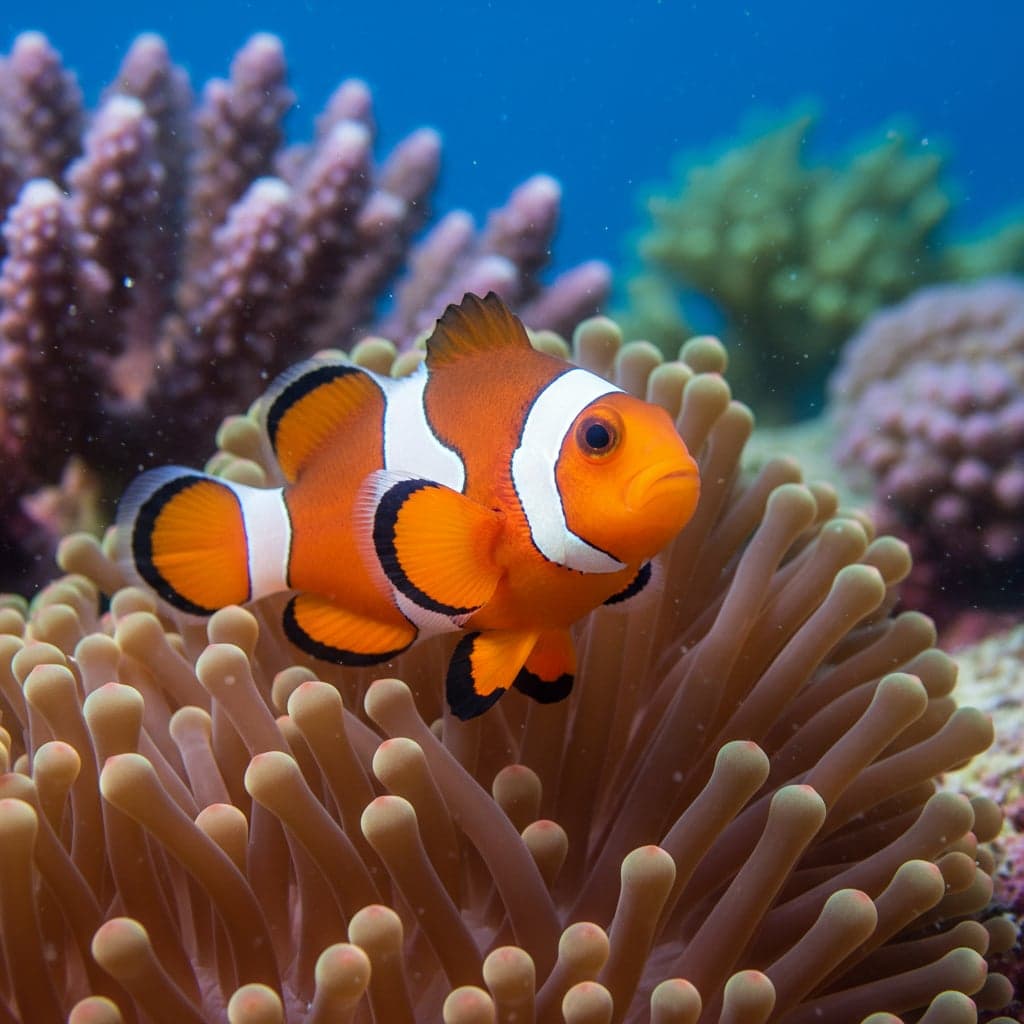
When considering tank mates for the Dusky Angelfish, it is essential to choose species that are non-aggressive and able to coexist peacefully within the same ecosystem. Suitable tank mates include clownfish, gobies, wrasses, and peaceful dwarf angels. It is important to avoid keeping them with overly aggressive fish, such as larger angelfish, wrasses, and triggers, which may pose a threat to their wellbeing.
Moreover, it is advisable to avoid other fish with a similar body shape or coloration, as this can trigger territorial disputes. Maintaining a balanced community tank with a variety of species can help minimize aggression and provide a harmonious environment for the Dusky Angelfish.
Breeding
Breeding the Dusky Angelfish in captivity can be a challenging endeavor, as they are known to be brood hiders. A breeding pair will require a spacious aquarium set-up that includes plenty of live rock and hiding spaces for spawning. The water conditions should be optimal, mirroring the natural habitat with stable parameters, good water quality, and adequate lighting to encourage breeding behavior.
During spawning, the female lays eggs on flat surfaces, often in a secluded area of the tank. After fertilization, the male will protect the eggs, which will hatch within a few days. It's essential to ensure that the breeding environment remains stable and undisturbed during this critical time to achieve successful breeding results.
Common Health Issues
Dusky Angelfish can be prone to several common health issues, including Ich, Marine Velvet, and bacterial infections. Regular monitoring of water quality is vital to prevent stress and disease outbreaks. Providing a well-maintained aquarium with stable water parameters can significantly reduce the risk of such illnesses.
Preventative measures should include acclimating new fish properly, quarantine procedures for incoming specimens, and maintaining a balanced diet to boost immune health. Additionally, it is advisable to keep an eye out for signs of illness such as changes in behavior, loss of appetite, and physical abnormalities to ensure timely intervention and treatment when necessary.