Dusky Wrasse
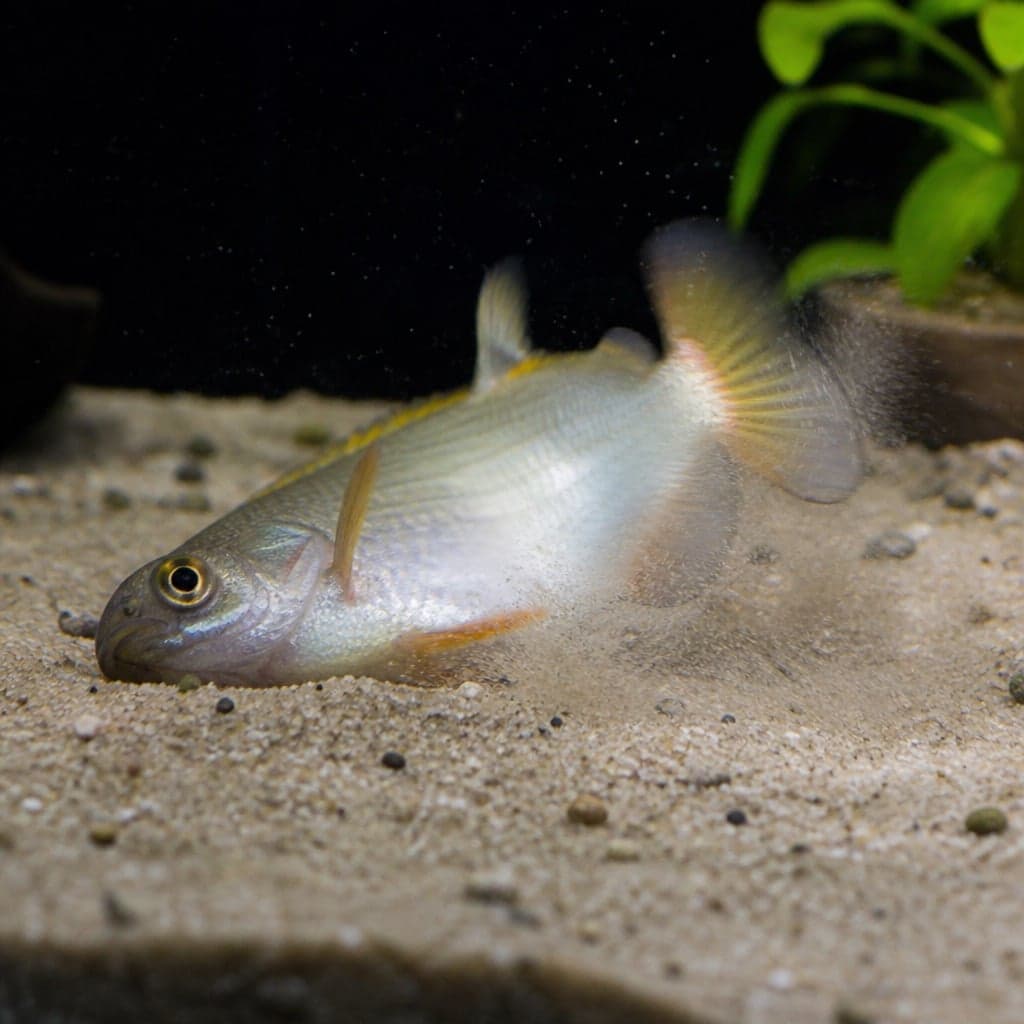
A 17cm wrasse that hunts pests across the rockwork. Reef safe with corals but not with ornamental shrimp, and it sleeps buried in sand.

Dusky Wrasse
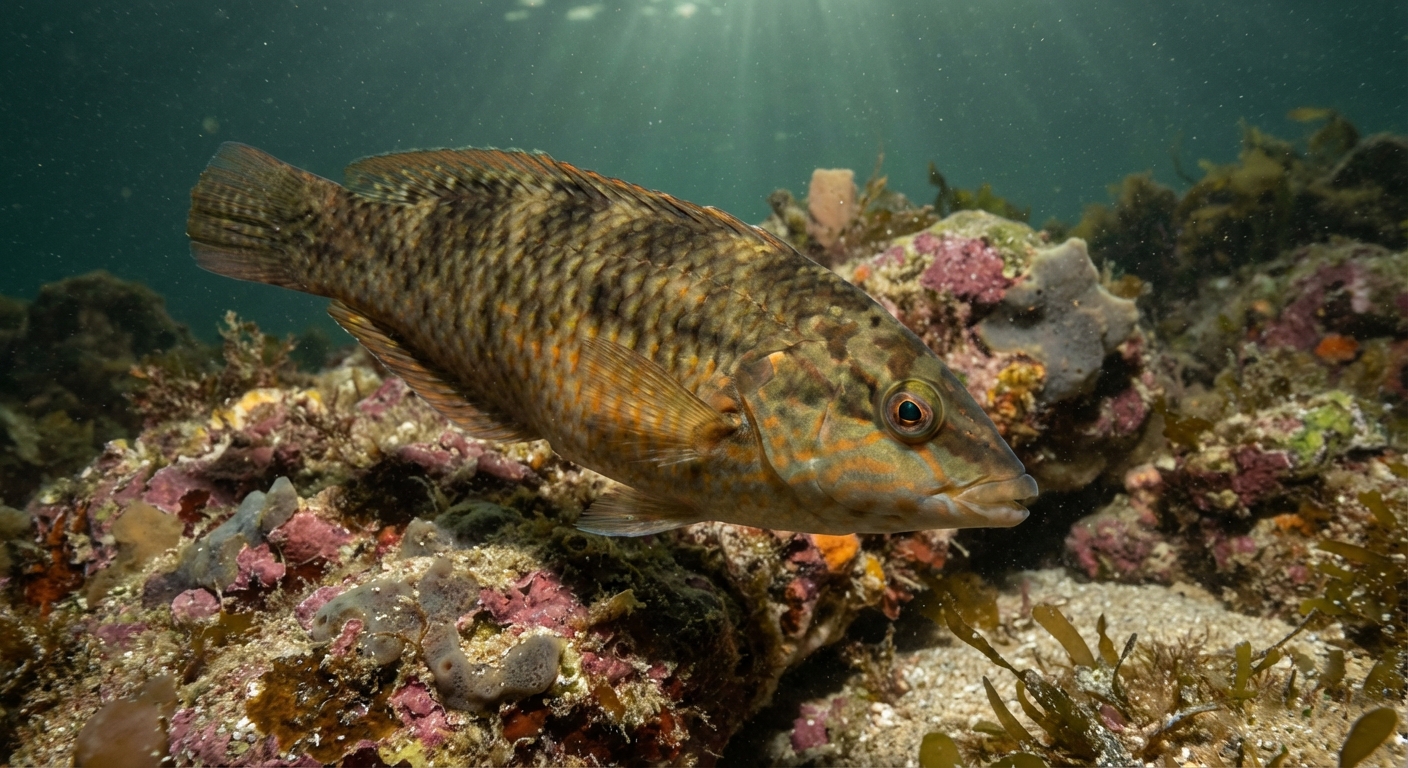
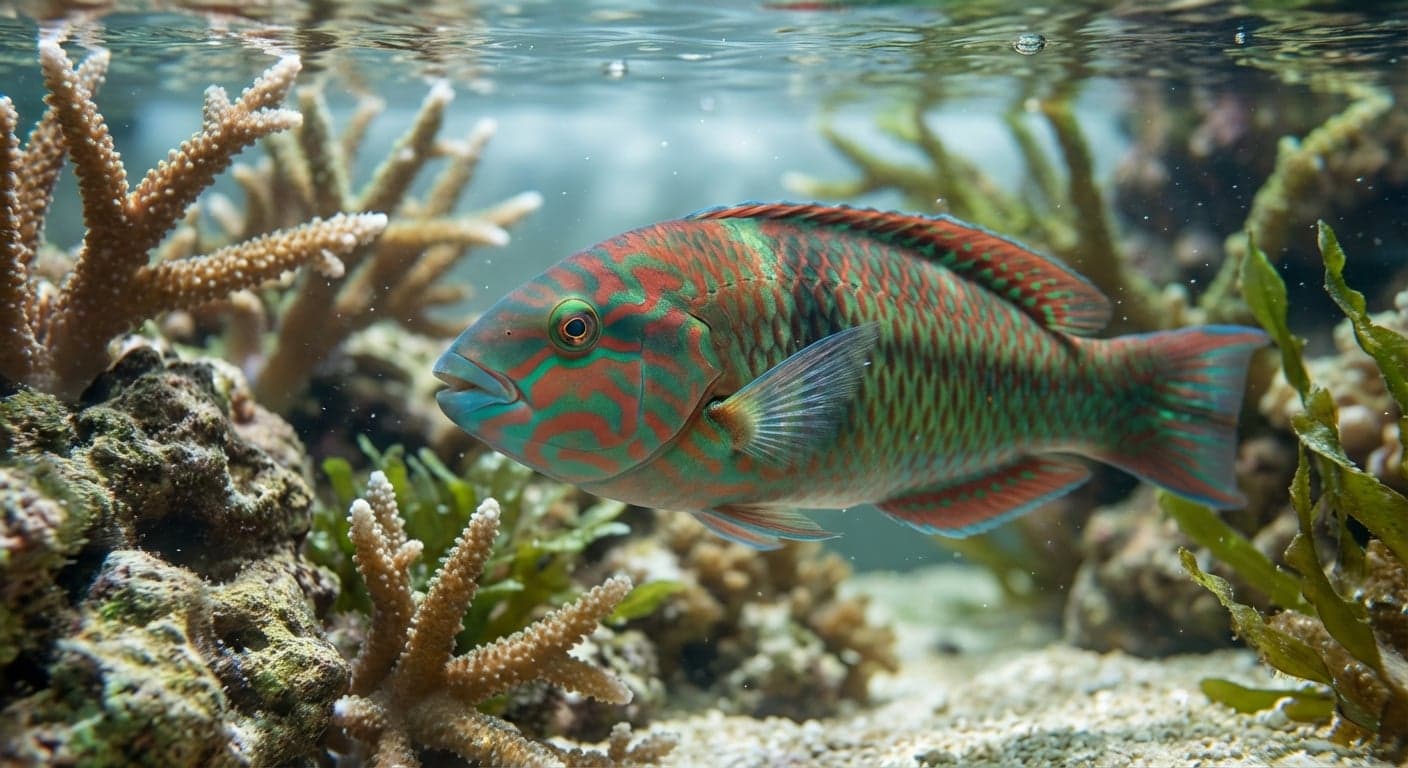
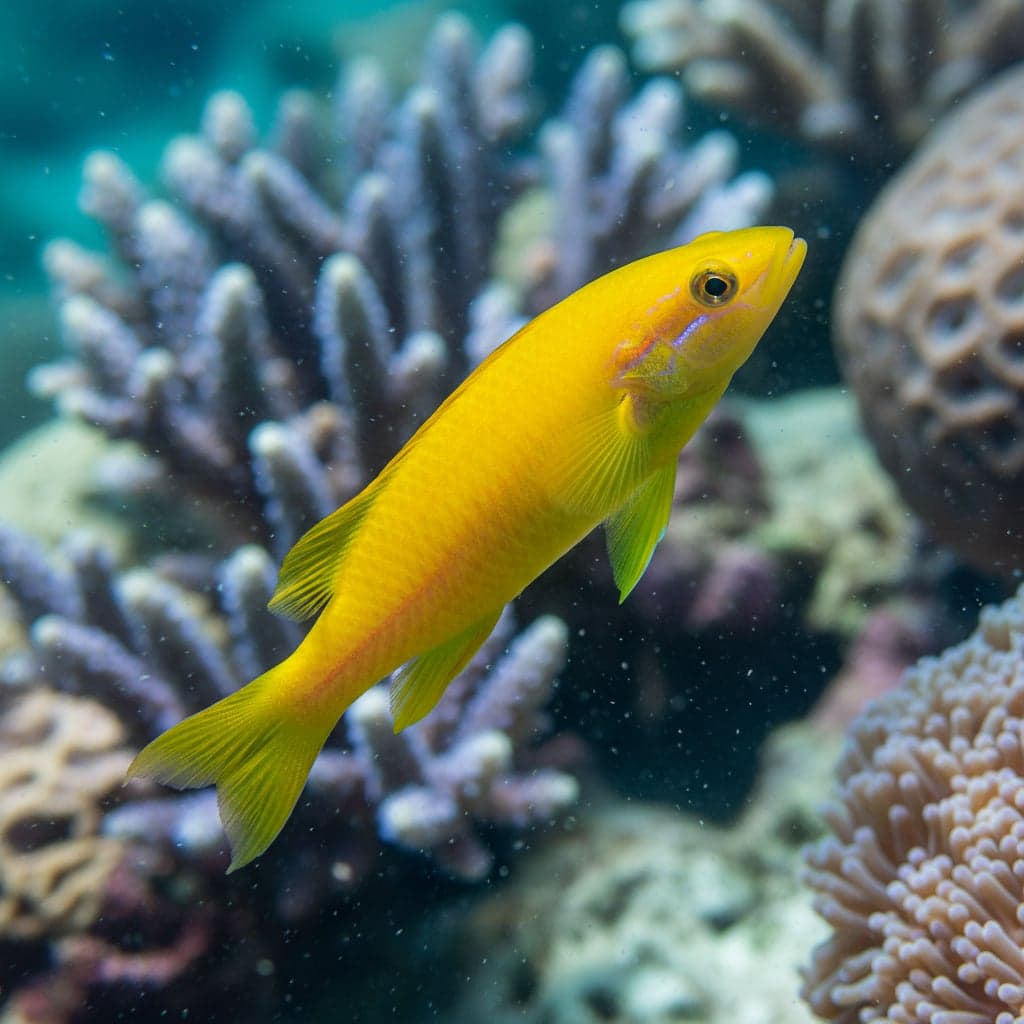
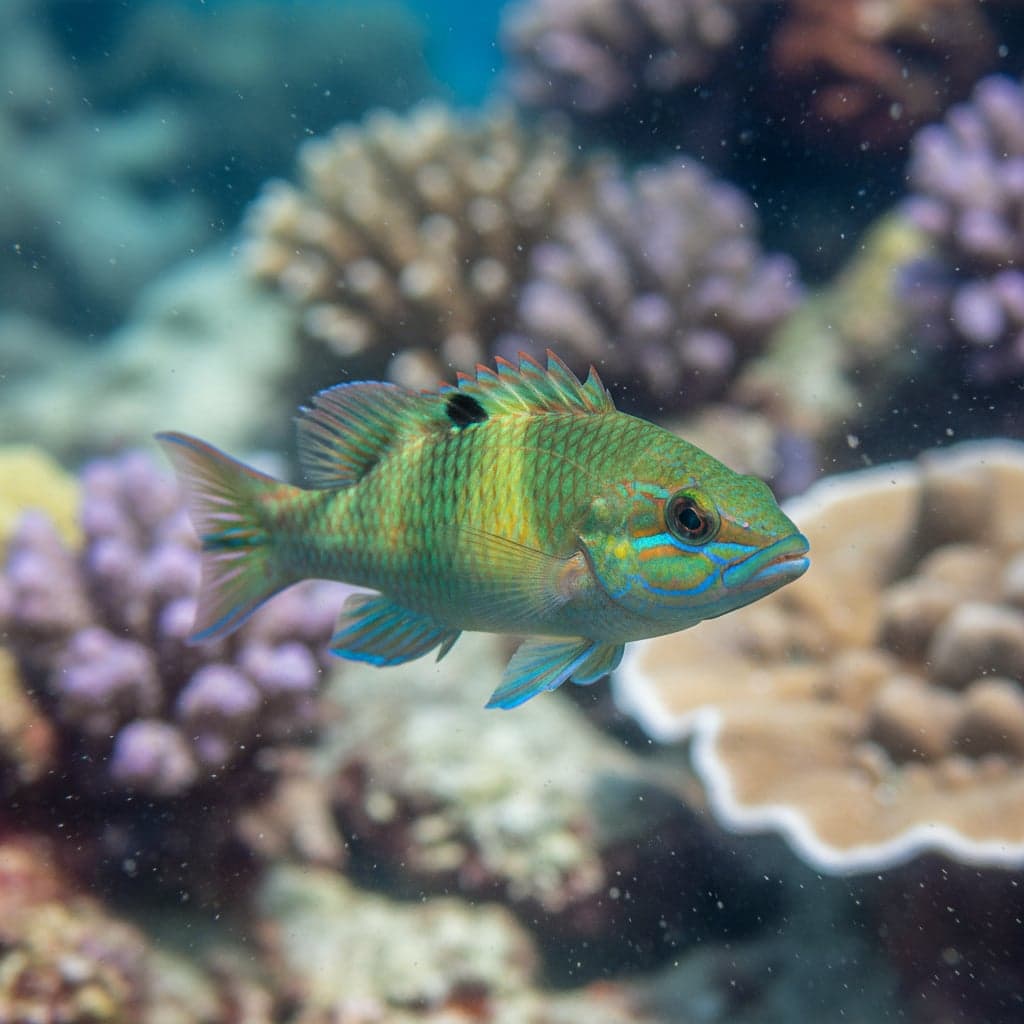
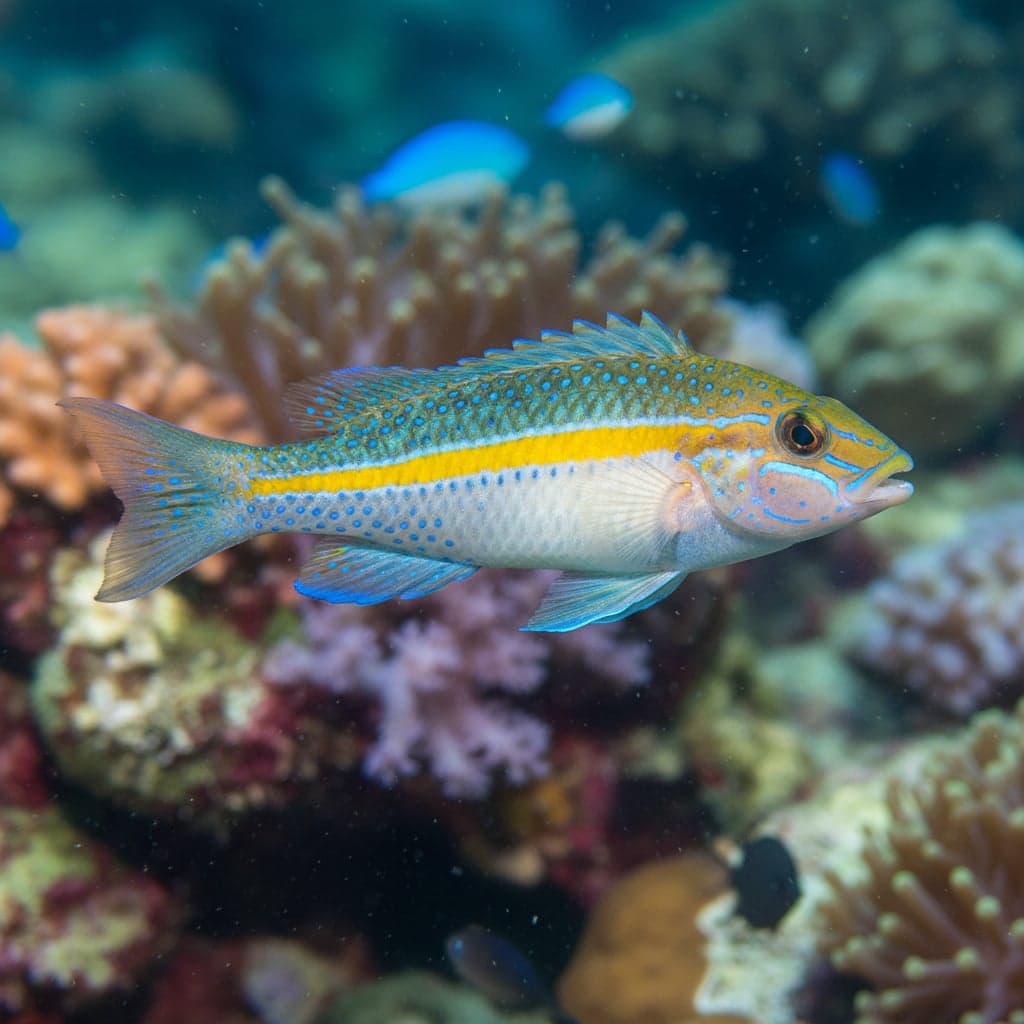
The Dusky Wrasse (Halichoeres marginatus) is a striking marine fish that captures the interest of both novice and experienced aquarists alike. Known for its vibrant coloration and lively demeanor, this species boasts a palette of iridescent blues, greens, and yellows, often adorned with intricate patterns that change as the fish matures. Adult specimens typically reach lengths of up to 6 inches, making them a suitable choice for both smaller and larger aquascapes. Their active swimming behavior, coupled with their inquisitive nature, adds a dynamic presence to community tanks, promoting engagement for viewers and a stimulating environment for the fish.
Significance in the aquarium hobby extends beyond their aesthetic appeal. The Dusky Wrasse plays a critical role in controlling pests such as flatworms and amphipods within the tank, making it a valuable addition for those aiming for a balanced ecosystem. With their captivating habits and vibrant appearance, Dusky Wrasses have become popular in reef tanks, where they demonstrate interesting social dynamics and a level of intelligence that intrigues enthusiasts. Understanding their needs and behaviors is central to their care and successful integration into a tank setup.
Natural Habitat & Origin
The Dusky Wrasse is predominantly found in the tropical waters of the Indo-Pacific region, ranging from the Red Sea to the western Pacific Ocean, including locations like the Philippines and Indonesia. This species typically inhabits coral reefs and rocky substrates, where it can exploit various microhabitats for feeding and shelter. The Dusky Wrasse prefers habitats with ample crevices and swimming spaces, thriving in environments characterized by clear, warm waters teeming with diverse marine life. These fish are often found at depths of 5 to 30 meters, making their natural habitat a rich and complex ecosystem that provides a multitude of food sources.
The ecological context of the Dusky Wrasse’s habitat features clean, well-oxygenated waters with varying levels of light penetration, depending on the depth. Generally, the waters they occupy exhibit a range of conditions, from clear waters where sunlight can penetrate and foster coral growth to slightly murky environments where they find shelter from larger predators. These factors influence their behavior and interactions and must be replicated as closely as possible within a captive setting to ensure their health and well-being.
Care Requirements
When it comes to the care of Dusky Wrasse, maintaining stable water parameters is paramount. Ideal conditions for these fish include a pH range of 8.1 to 8.4, a temperature range of 75°F to 82°F, and moderate hardness levels of 8-12 dGH. Adequate filtration is essential to keep the water quality high, mirroring the natural ecosystems they thrive in. The minimum tank size should be 280 litres (75 gallons) for this 17cm Halichoeres sand sleeper — open swimming room plus a soft sand bed for overnight burial. A sandy substrate is most appropriate, allowing them to exhibit their natural digging behavior, while live rock, rubble, and coral structures should be integrated to provide shelter and sites for foraging.
Lighting should mimic natural conditions, using moderate to bright lighting that fosters plant growth and enhances coral health, if included. It's also beneficial to include live plants and decorative elements that promote natural behaviors, as well as ensuring the environment is not overly structured to allow for adequate swimming space. This combination will lead to a healthy and stress-free environment for your Dusky Wrasse.
Diet & Feeding
The Dusky Wrasse is categorized as an omnivore, displaying a preference for a varied diet. In the wild, this fish primarily feeds on small invertebrates, crustaceans, and occasional eelgrass. For aquarium care, it is essential to replicate this diverse diet to ensure optimum health. High-quality pellets and flakes formulated for marine fish should be a staple in their diet, supplemented with frozen or live foods such as brine shrimp, mysis shrimp, and chopped marine fish.
Feeding regimens should ideally consist of multiple small meals throughout the day to mimic their natural foraging behavior and ensure they receive balanced nutrition. This feeding strategy not only contributes to their overall health but also keeps them occupied and stimulated in a closed environment. Care should be taken to remove uneaten food promptly to maintain water quality.
Behavior & Temperament
Dusky Wrasses are known for their active and somewhat curious behavior. These fish are generally peaceful but can display territorial tendencies, especially males during spawning or when established in a tank. Unlike many wrasses, they are not schooling fish and prefer to establish a home range. They may exhibit vertical placement in the tank, often seen darting between different levels and exploring crevices, showcasing their lively and exploratory nature.
When housed in a community aquarium, it's essential to provide ample space and hiding places to minimize territorial disputes. Social dynamics with other species are typically non-aggressive, but it is advisable to introduce them into a tank with compatible species to foster a harmonious environment. Regular interaction and stimulation through environmental enrichment, such as decorations and tank mates, will enhance their well-being.
Tank Mates
Choosing compatible tank mates for Dusky Wrasse is crucial to ensuring a peaceful aquarium environment. Ideal companions include smaller, non-aggressive species such as clownfish, gobies, and certain types of damselfish. Additionally, other wrasses can coexist well, provided there is sufficient space to establish their territories. Cleaner shrimp and certain snails can also be beneficial additions, assisting in pest control while avoiding competition for resources.
On the flip side, there are species that should be avoided when selecting tank mates for Dusky Wrasse. Larger predatory fish, such as groupers or angelfish, may pose a threat to the safety of the wrasse due to their size and territorial nature. Moreover, boisterous species, like some triggers or lionfish, could stress the Dusky Wrasse, leading to issues related to aggression or health. Providing a well-thought-out community profile will ensure a thriving tank for both the Dusky Wrasse and its tank mates.
Breeding
Breeding Dusky Wrasses in captivity presents challenges but can be achieved with the right conditions. These fish exhibit protandrous hermaphroditism, meaning they can change sex from male to female during their lifespan, a factor that can influence breeding trials. Establishing a breeding pair requires a tank environment where they feel secure, complete with ample hiding spots and moderately strong water current to mimic their natural spawning habitats.
Spawning usually occurs in the early morning hours when males display intense colors and engage in courtship behaviors. It’s crucial to maintain optimal water conditions during breeding, including temperature stability and minimal disturbances. Once eggs are laid, they should ideally be separated from the adults to prevent predation. Fry raised in a dedicated rearing tank will require specific care, including continuous small feedings of live food and finely crushed flake food.
Common Health Issues
Dusky Wrasses can be susceptible to various health issues common to marine fish, with ich (marine white spots) and flukes being the most prevalent. Ensuring optimal water quality is the primary prevention strategy; regular maintenance and monitoring of tank parameters will help mitigate stress-related illnesses. Quarantine procedures for new arrivals and routine health checks are critical steps for maintaining a healthy aquarium environment.
In addition to parasitic infections, Dusky Wrasses may face challenges from fin rot or stress-related issues caused by inadequate tank conditions or aggressive tank mates. Providing a stable environment with ample rockwork, consistent salinity and temperature, and peaceful tank mates greatly reduces these risks. Quarantine new livestock and address early signs of disease with marine-safe treatments. A varied meaty diet and low-stress reef conditions keep Dusky Wrasses healthy, curious, and active for years. Watch for flashing, clamped fins, or rapid breathing, and correct salinity or ammonia spikes immediately to stop outbreaks before they spread through the reef.