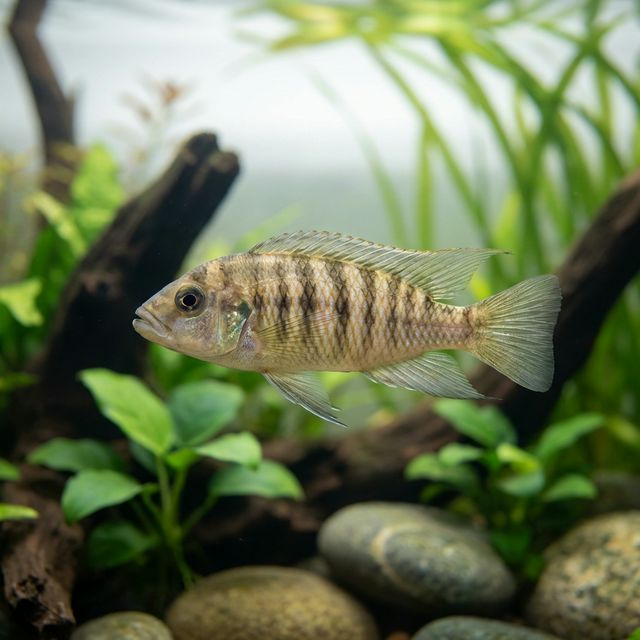
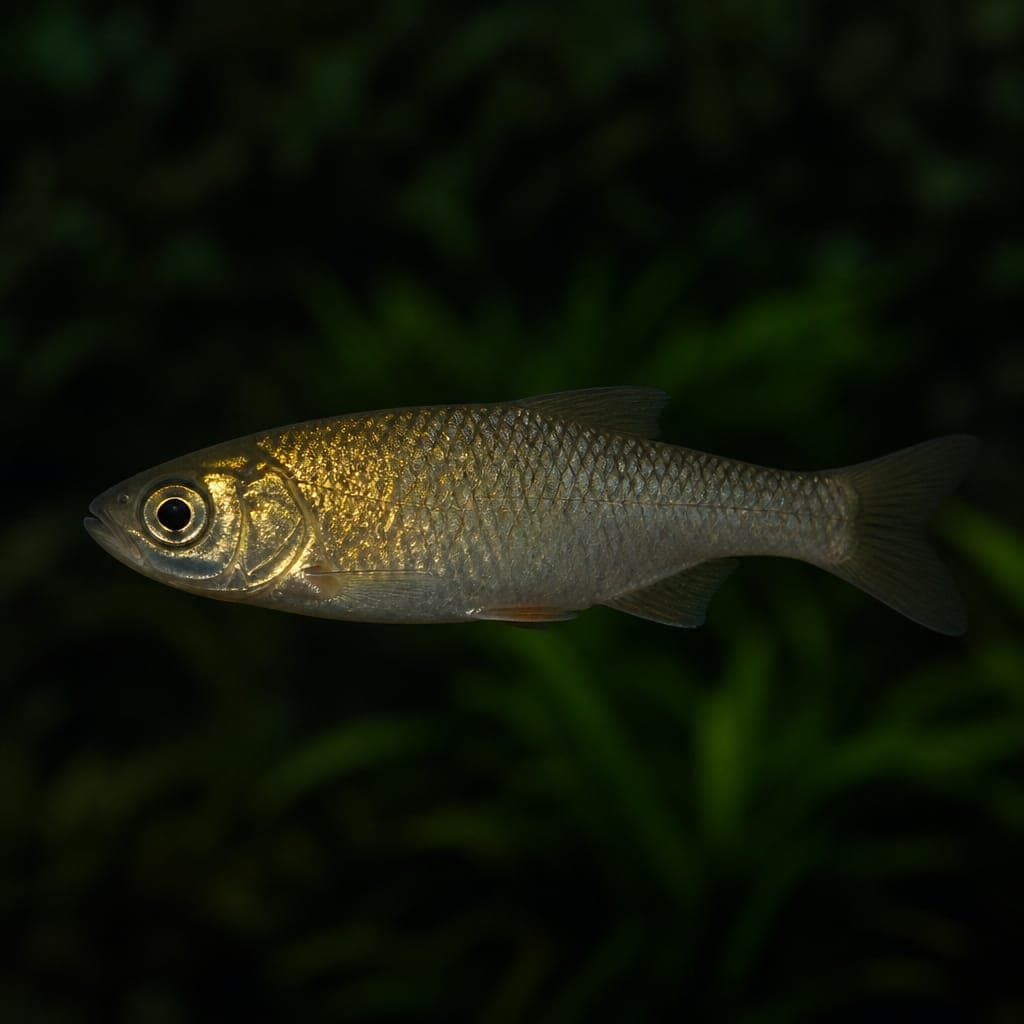
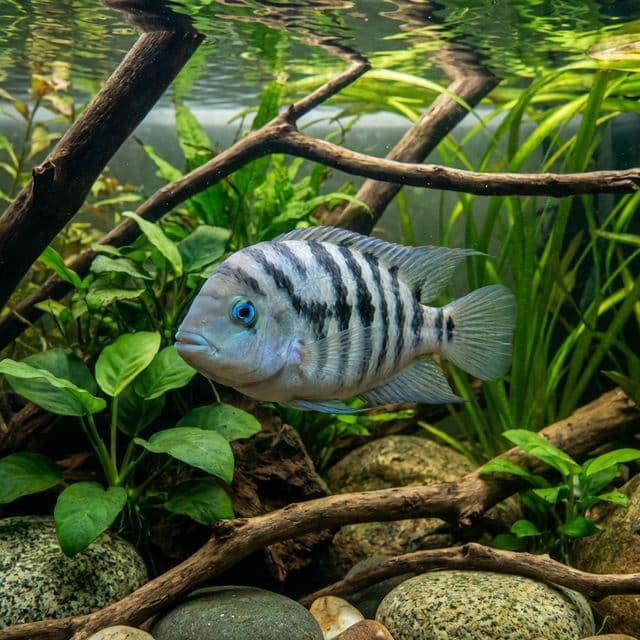
Pseudocrenilabrus multicolor multicolor: Egyptian Mouthbrooder
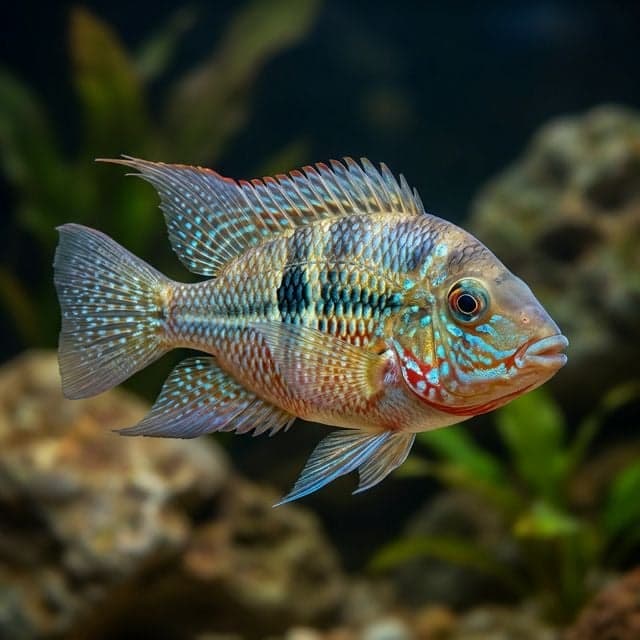
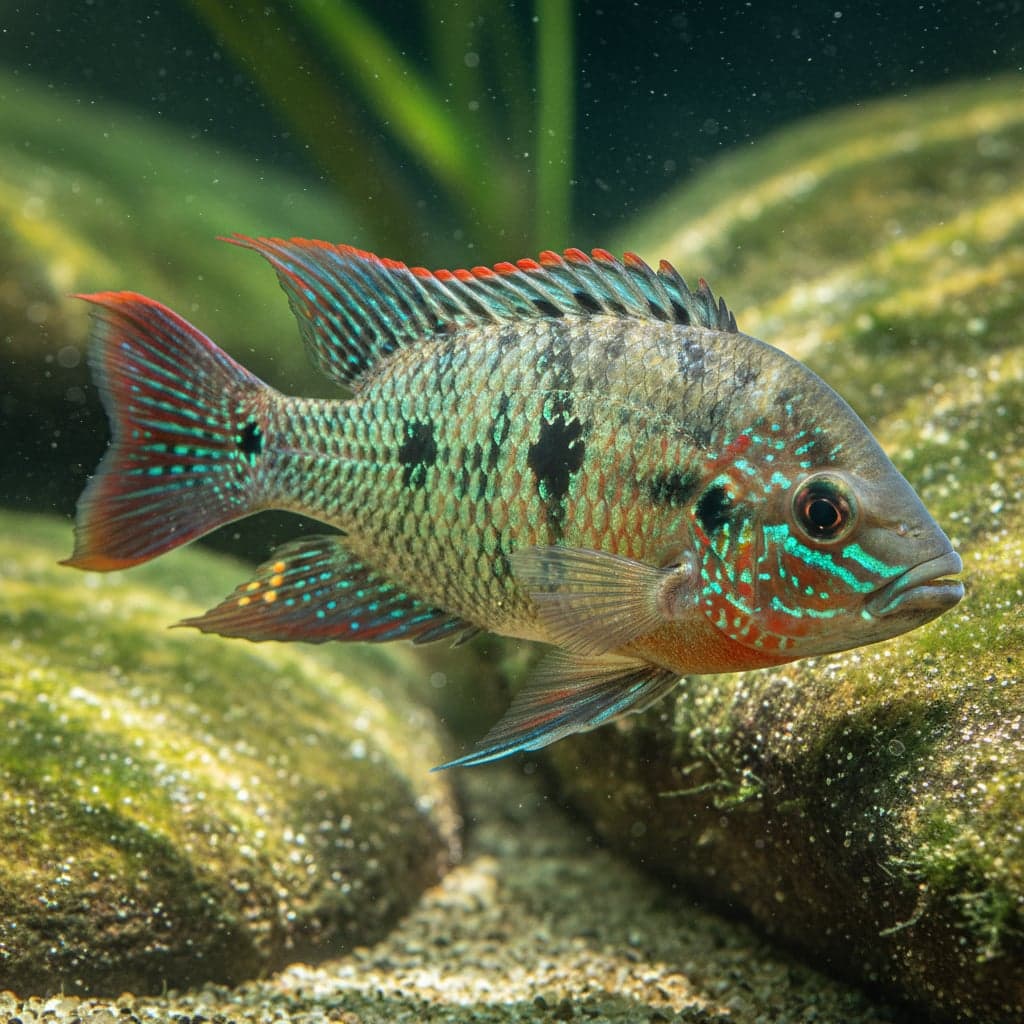
One of the smallest mouthbrooding cichlids. Males are brilliantly colored with red, blue, and yellow.
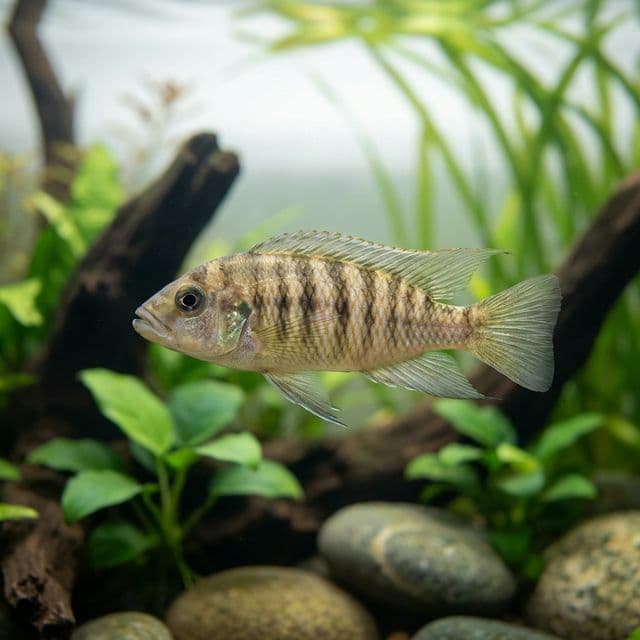
Pseudocrenilabrus multicolor multicolor
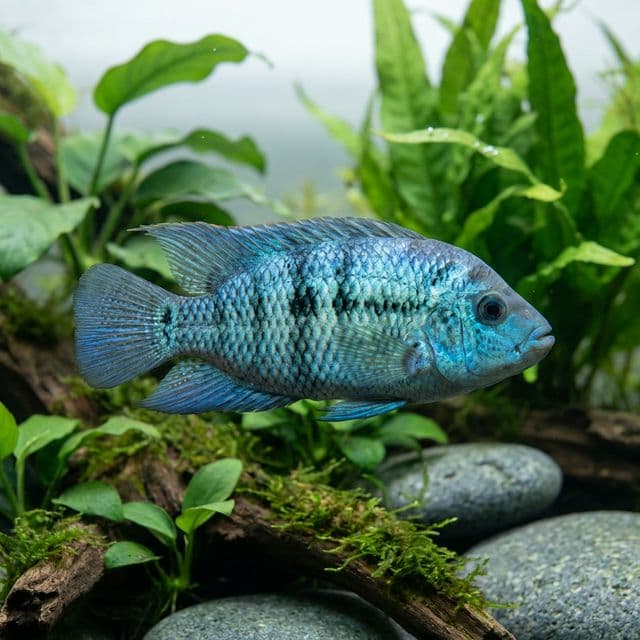
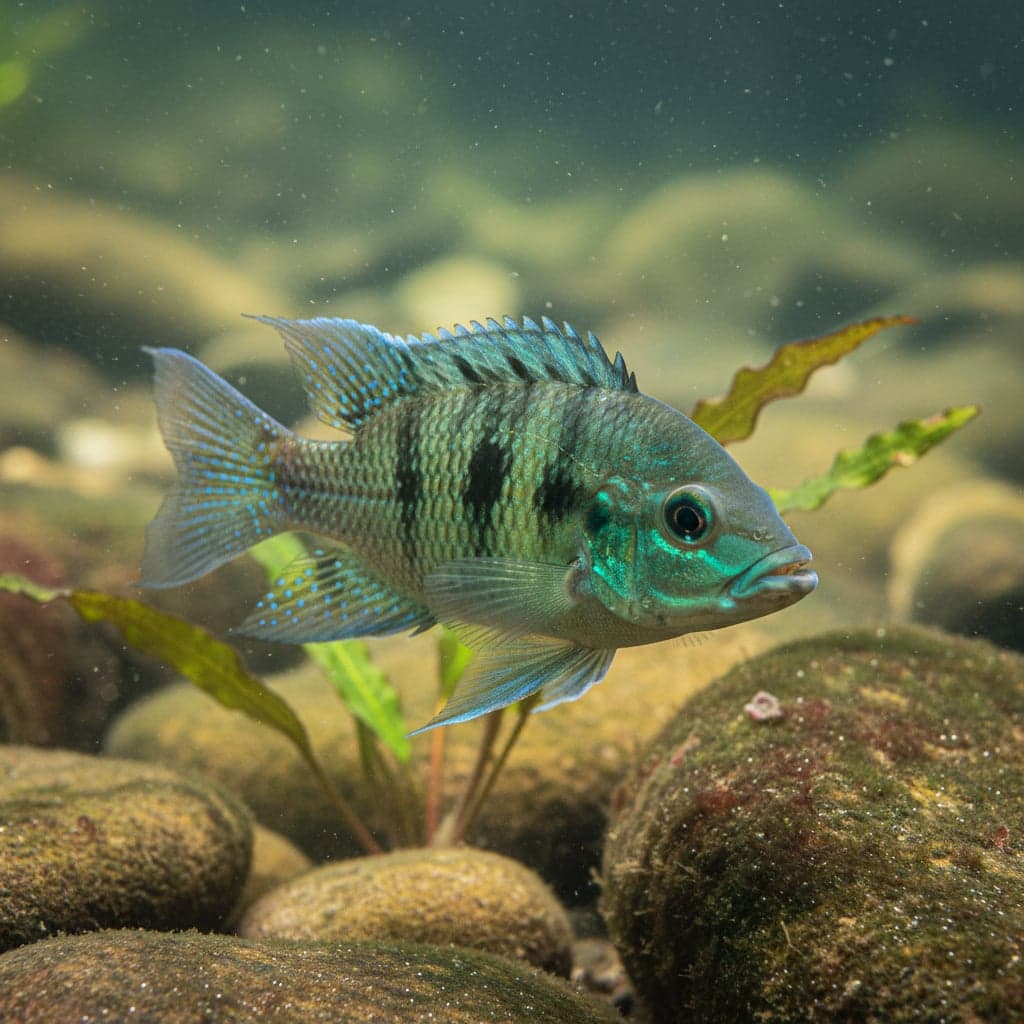
The Pseudocrenilabrus multicolor multicolor, commonly known as the Egyptian Mouthbrooder, is a captivating freshwater cichlid renowned for its striking coloration and fascinating breeding behavior. Native to the African Great Lakes region, specifically Lake Tanganyika and Lake Malawi, this species showcases a brilliant palette of colors, with males exhibiting vibrant blues, yellows, and maroons. The stark contrast of these hues makes them a popular choice among aquarists seeking to add vivid life to their tanks. Beyond their aesthetic appeal, the Egyptian Mouthbrooder holds a significant place in the aquarium hobby due to its unique mouthbrooding reproductive strategy, where females incubate fertilized eggs within their mouths, offering an intimate glimpse into their nurturing instincts.
In the aquarium setting, the Egyptian Mouthbrooder not only enchants with its beauty but also presents an opportunity for aquarists to observe complex social interactions and breeding behaviors. These fish are relatively hardy and adaptable, making them suitable for both novice and experienced aquarists. Their engaging personalities and dynamic movements add a lively element to any aquarium landscape, while their territorial nature can lead to intriguing social dynamics within a community tank. As such, they are not only admired for their visual characteristics but also for their ability to engage aquarium enthusiasts through their behaviors.
Natural Habitat & Origin
The Egyptian Mouthbrooder is indigenous to the African Great Lakes region, mainly found in the shallow waters of Lake Tanganyika and Lake Malawi. It thrives in a variety of habitats, including rocky substrates and sandy bottoms, where it can find plenty of hiding spots for both shelter and breeding. Typically, these fish inhabit clear, alkaline waters with a pH of between 7.5 to 8.5, temperatures ranging from 23°C to 28°C (73°F to 82°F), and general hardness that can vary but often aligns with soft to moderately hard water conditions. This natural environment allows them to display their vivid coloration while participating in complex social structures that characterize their species.
The ecological setting of the Egyptian Mouthbrooder is crucial to their development; it is influenced by the presence of submerged structures, aquatic vegetation, and varying depths which serve as both foraging grounds and breeding sites. Understanding these environmental parameters is essential for recreating an ideal aquarium habitat, enabling aquarists to mimic conditions that promote the health and vitality of this attractive cichlid species.
Care Requirements
The care requirements for the Egyptian Mouthbrooder are relatively straightforward, but specific attention must be given to create a suitable living environment. A minimum tank size of 40 gallons is recommended, allowing for territorial behaviors and breeding activities. Water parameters should ideally be maintained with a pH between 7.5 and 8.5, a temperature range of 24°C to 28°C (75°F to 82°F), and hardness between 8 to 15 dGH.
For tank setup, a sandy substrate is preferred to mimic their natural habitat, coupled with sufficient hiding spots using rocks and caves to encourage territoriality and provide security. Lighting should be moderate, allowing plants to thrive while not overpowering the Egyptian Mouthbrooder. Live plants, such as Vallisneria and Anubias, are excellent choices, as they provide additional shelter and foraging opportunities. Adequate filtration and maintenance of water quality are critical to prevent stress and promote the health of these dynamic fish.
Diet & Feeding
As opportunistic feeders, the Egyptian Mouthbrooder has an omnivorous diet that requires a varied menu to thrive. In captivity, they can be fed a high-quality flake or pellet food aimed at cichlids, supplemented with frozen and live foods such as brine shrimp, daphnia, and bloodworms to provide essential nutrients. It's important to vary their diet to prevent nutritional deficiencies and to encourage natural foraging behavior. Feeding should occur 2-3 times daily, with smaller portions that can be consumed within minutes to maintain water quality and avoid overfeeding.
Additionally, incorporating vegetable matter into their diet, such as spirulina flakes or blanched vegetables like spinach and zucchini, can promote digestive health and enhance their vibrant colors. Overall, a well-rounded diet will not only support the growth and development of the Egyptian Mouthbrooder but also encourage competitive and lively behavior among tank inhabitants.
Behavior & Temperament
Pseudocrenilabrus multicolor multicolor exhibits a variety of behavioral traits that make them interesting to observe. These cichlids are semi-aggressive, particularly during breeding periods, and possess distinct territorial behaviors. Males can be quite dominant and may display aggressive posturing towards one another and other species in their habitat, especially in smaller tanks. It's typical for females to exhibit less aggression than males, generally contributing to a more peaceful community environment.
Socially, the Egyptian Mouthbrooder does not form large shoals; instead, they prefer to establish territories and show a hierarchical structure in their interactions. They often take vertical placements in the tank, utilizing rocks and plant structures for shelter. Placing ample hiding spots will help mitigate aggression and promote a balanced social dynamic. When keeping them with other species, consider providing additional space and resources to reduce territorial disputes and ensure a harmonious community.
Tank Mates
Selecting appropriate tank mates for the Egyptian Mouthbrooder is crucial for maintaining a peaceful community. Compatible species include other medium-sized cichlids like Brichardi cichlids (Neolamprologus brichardi), lake tanganyikan tetras, and some types of barbs. Additionally, peaceful species such as rainbowfish, certain types of loaches, and catfish can coexist harmoniously when housed with the Egyptian Mouthbrooder.
Avoid housing them with overly aggressive or larger fish species, such as oscars or aggressive cichlids like jaguar cichlids, as these can lead to stress or injuries. Furthermore, smaller and more timid species should be avoided, as they can become targets of bullying. Careful selection of tank mates while considering space, territoriality, and compatibility will ensure a thriving aquarium environment.
Breeding
Breeding the Egyptian Mouthbrooder can be a rewarding experience for aquarists. To stimulate breeding, it is recommended to maintain a good ratio of one male to multiple females, as this will reduce stress on the females from excessive male attention. Prior to breeding, ensure that water parameters remain stable and conducive to breeding, with clear, well-maintained conditions that mimic their natural habitat.
During the spawning ritual, males will display courtship behaviors marked by vibrant colors and intricate movements. The female will lay eggs, typically in hidden spots, and immediately mouthbrood the fertilized eggs—keeping them safe from potential threats. The incubation period lasts around 3 weeks, after which the female will release free-swimming fry into the tank. It is essential to provide a separate rearing aquarium or densely planted area with infusoria or finely crushed flakes for fry to ensure their proper growth and survival.
Common Health Issues
While the Egyptian Mouthbrooder is generally hardy, they can be susceptible to several common health issues, including ich (Ichthyophthirius multifiliis), fin rot, and external parasites like velvet disease. Maintaining optimal water quality through regular water changes, proper filtration, and monitoring tank parameters will significantly reduce the risk of these diseases.