Electric Blue Maingano Johanni: Pseudotropheus cyaneorhabdos
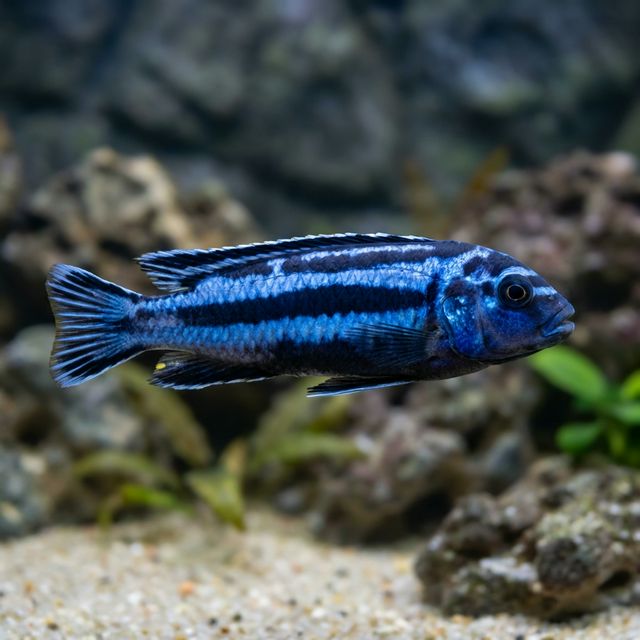
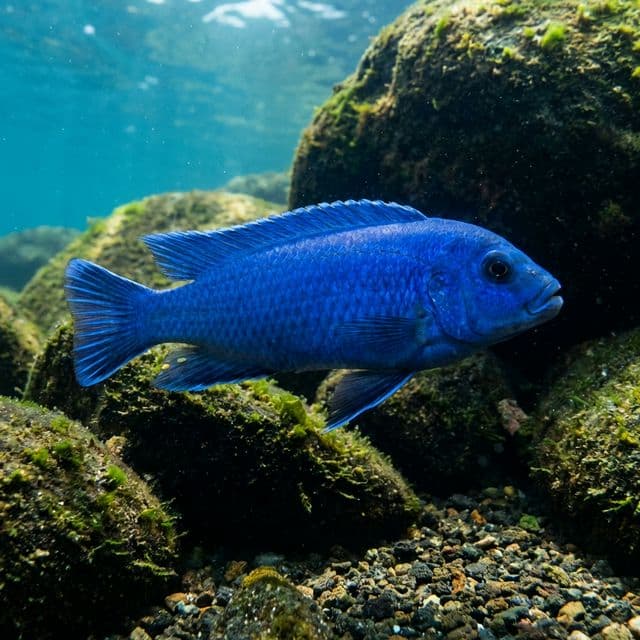
A vivid blue-barred Mbuna. Often confused with Melanochromis johanni but is a separate species.

Electric Blue Maingano Johanni
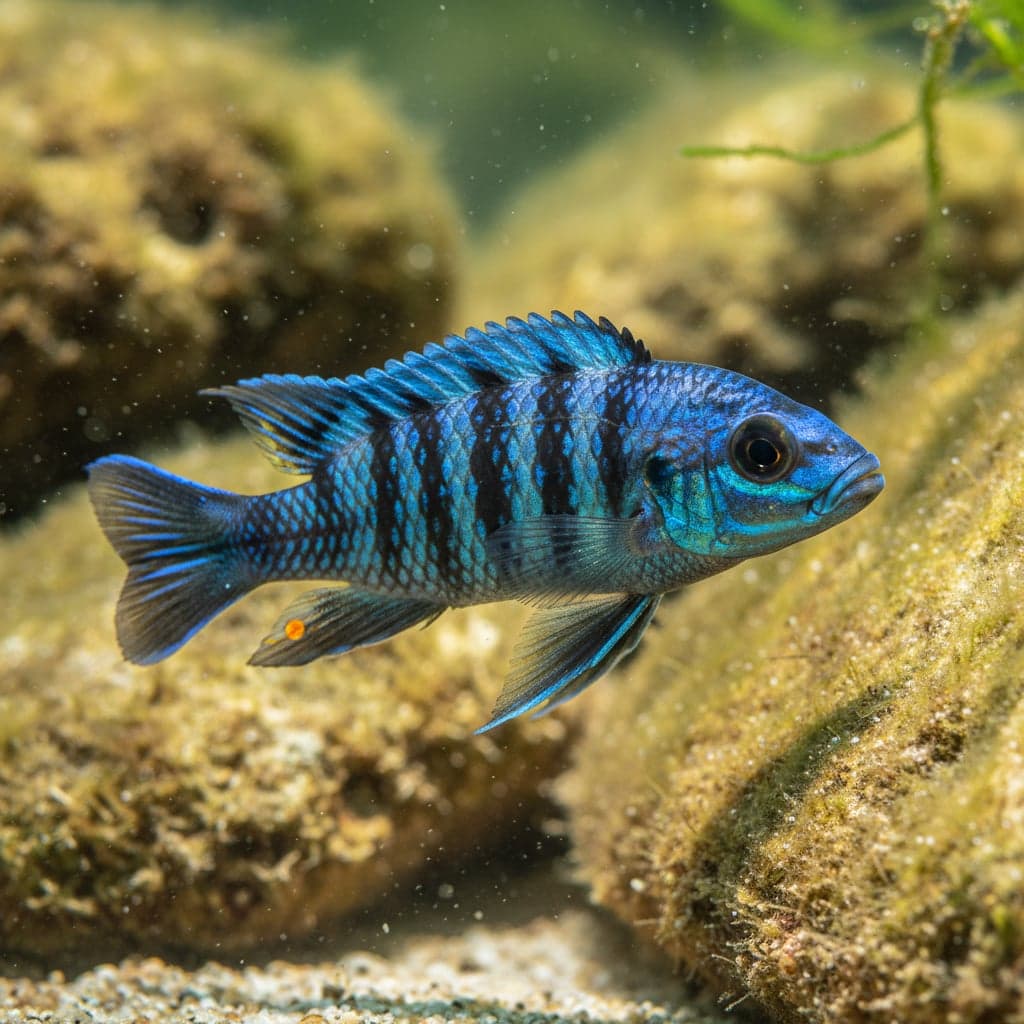
The Electric Blue Maingano Johanni, scientifically known as Pseudotropheus cyaneorhabdos, stands out as one of the most striking cichlids available to the aquarium enthusiast. Native to the rocky shores of Lake Malawi in East Africa, this fish is celebrated not only for its vibrant electric blue coloration but also for its distinctive black vertical barring. This captivating hue serves a dual purpose: it attracts prospective mates and provides camouflage among rocks and crevices in their natural habitat. As a result, the Electric Blue Maingano has become a popular addition to both freshwater and marine aquariums. Its visual appeal combined with its hardy nature makes it a desirable choice for aquarists of all experience levels.
Beyond their aesthetic allure, Electric Blue Maingano Johanni holds a significant role in the aquarium hobby due to their fascinating behaviors and adaptability. These fish are known for their territorial nature, particularly during breeding seasons, which adds an intriguing dynamic to community tanks. Their ability to thrive in a range of water conditions further enhances their appeal to hobbyists, allowing them to be showcased in aquascapes ranging from biotope setups to more elaborate aquaristic displays. Whether you are a seasoned collector or just starting your journey into the world of cichlids, understanding the characteristics and requirements of the Electric Blue Maingano Johanni will enhance your aquarium experience.
Natural Habitat & Origin
Electric Blue Maingano Johanni are native to Lake Malawi, one of the largest and most biodiverse freshwater lakes in the world. This African Great Lake is characterized by its clear waters, rocky substrates, and a variety of ecological zones. The species predominantly inhabits rocky shorelines where it can find ample hiding spots among the submerged boulders and crevices. This environment provides essential shelter from predators and suitable areas for spawning. The pH of Lake Malawi typically ranges between 7.8 and 8.6, and the water hardness is moderately high, contributing to the unique chemical makeup that these fish are naturally adapted to thrive in.
Geographically, they are found primarily in the southern part of Lake Malawi, which is rich in biodiversity, hosting a wide variety of cichlid species. This natural habitat has been a significant factor in shaping their behavior and social structures—important considerations for both wild and aquarium conditions. Preserving the natural environment of the Electric Blue Maingano Johanni is essential in ensuring their ongoing survival, especially as their populations are threatened by factors such as habitat degradation and overfishing.
Care Requirements
To properly care for Electric Blue Maingano Johanni in an aquarium setting, it is crucial to replicate their natural habitat accurately. Ideal water parameters should include a pH between 7.8 and 8.6, a temperature maintained between 75°F to 82°F (24°C to 28°C), and moderate to hard water with a hardness level around 10-20 dGH. A minimum tank size of 30 gallons is recommended for a small group, allowing ample space for swimming and territory establishment, as these fish can become territorial, especially during breeding.
In terms of substrate, a fine gravel or sandy bottom works best, as it resembles their natural rocky habitat. For tank setup, including plenty of rocks, caves, and hiding spots is essential. This not only mimics their natural environment but also reduces stress by providing secure areas. Lighting should be moderate, as the Electric Blue Maingano does better in a tank that resembles their lower-light natural environment. Adding some hardy plants can offer additional shelter, though ensure they are secure, as these cichlids are known for rearranging decor.
Diet & Feeding
The Electric Blue Maingano Johanni is an omnivorous fish that thrives on a varied diet. In the wild, they primarily feed on algae, small invertebrates, and organic detritus. In an aquarium, it's essential to provide a balanced diet that includes high-quality flakes, pellets, and other protein sources. Premium cichlid pellets designed for African cichlids are particularly beneficial, as they are formulated to meet the specific dietary needs of these fish.
Additionally, incorporating frozen or live foods such as brine shrimp, daphnia, and bloodworms can enhance their color and vitality. Offering a mix of plant-based options, like spirulina or blanched vegetables, can contribute to their overall health. Feed them small amounts two to three times daily, ensuring they consume the food within a few minutes to maintain optimal water quality.
Behavior & Temperament
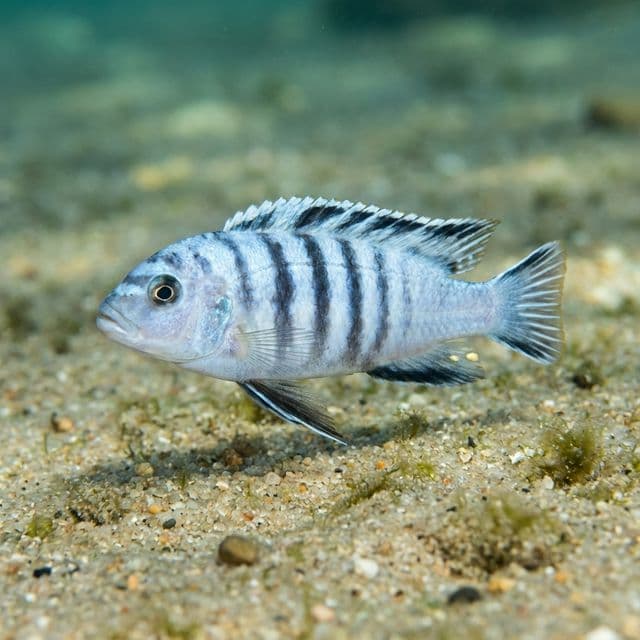
Electric Blue Maingano Johanni are semi-aggressive and territorial cichlids known for their vibrant personalities. In a community aquarium, they are generally compatible with other similarly-sized African cichlids, but they may display aggressive behavior towards their own species or those that share their characteristics, particularly during breeding times. It's best to keep these fish in groups where a dominant male can be established with multiple females to mitigate aggression.
These fish exhibit vertical placement within the tank, often preferring to inhabit the mid to upper levels while using rocks and caves for retreats. Their social structure is fascinating, as they will often establish a hierarchy within the tank, which can be a spectacle to observe. It's important to ensure enough hiding spaces for all inhabitants to minimize aggression and stress.
Tank Mates
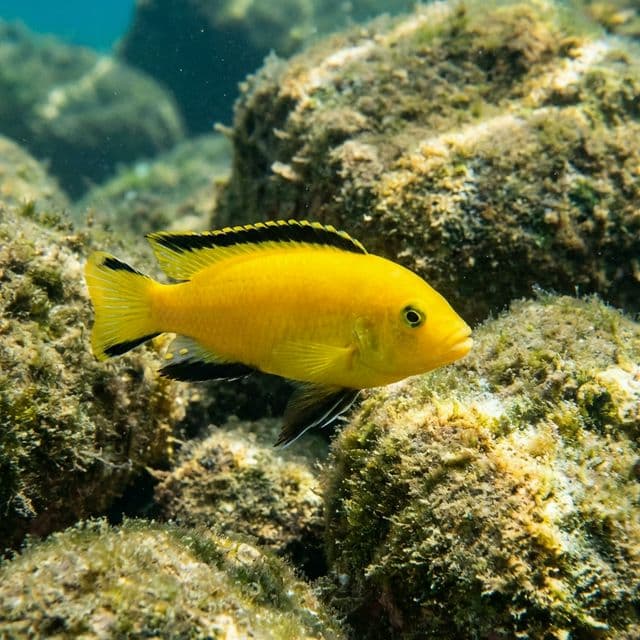
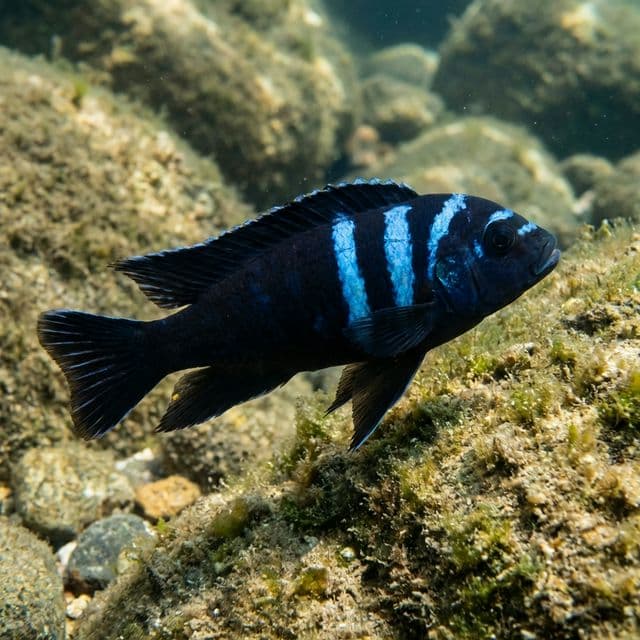
When selecting tank mates for Electric Blue Maingano Johanni, it is essential to consider their semi-aggressive nature and territorial behavior. Ideal companions include other African cichlids such as yellow labs (Labidochromis caeruleus), demasoni (Pseudotropheus demasoni), and other species that thrive in similar water parameters. It is advisable to choose fish that are similarly sized to avoid bullying and establish a balance in territoriality.
Species to avoid typically include smaller or more peaceful fish, such as tetras and guppies, as they can easily become targets for aggression. Additionally, larger cichlid species, especially those that may outcompete the Electric Blue Maingano for territory or food resources, should also be considered unsuitable tank mates. Ensuring that all tank inhabitants can coexist harmoniously will contribute to a thriving aquarium environment.
Breeding
The breeding behavior of Electric Blue Maingano Johanni is captivating and can be achieved in captivity with the right conditions. These fish are mouthbrooders, with females responsible for incubating the eggs in their mouths after spawning. To encourage breeding, maintain slightly elevated water temperatures (around 78°F to 80°F) and provide plenty of caves and flat surfaces for the female to lay her eggs. A breeding pair can often be identified with a dominant male courting multiple females.
Once the eggs are laid, the female will incubate them for approximately 2-3 weeks before releasing the fry. During this period, it is essential to maintain stable water conditions and minimize disturbances around the spawning area. Once released, the fry can be fed microscopic foods such as infusoria and finely crushed flakes until they are large enough to accept standard fry food. Creating a separate grow-out tank may be beneficial to ensure that the juvenile cichlids grow in a safe environment.
Common Health Issues
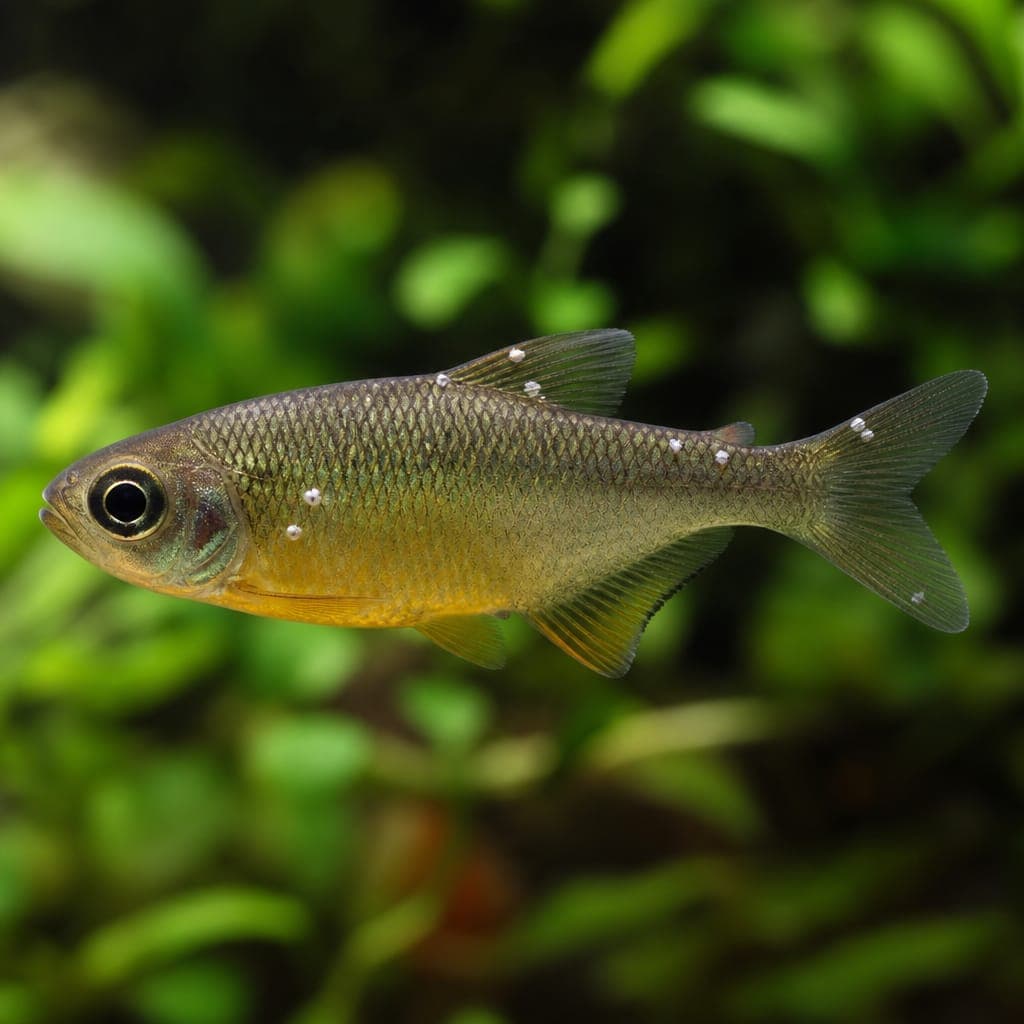
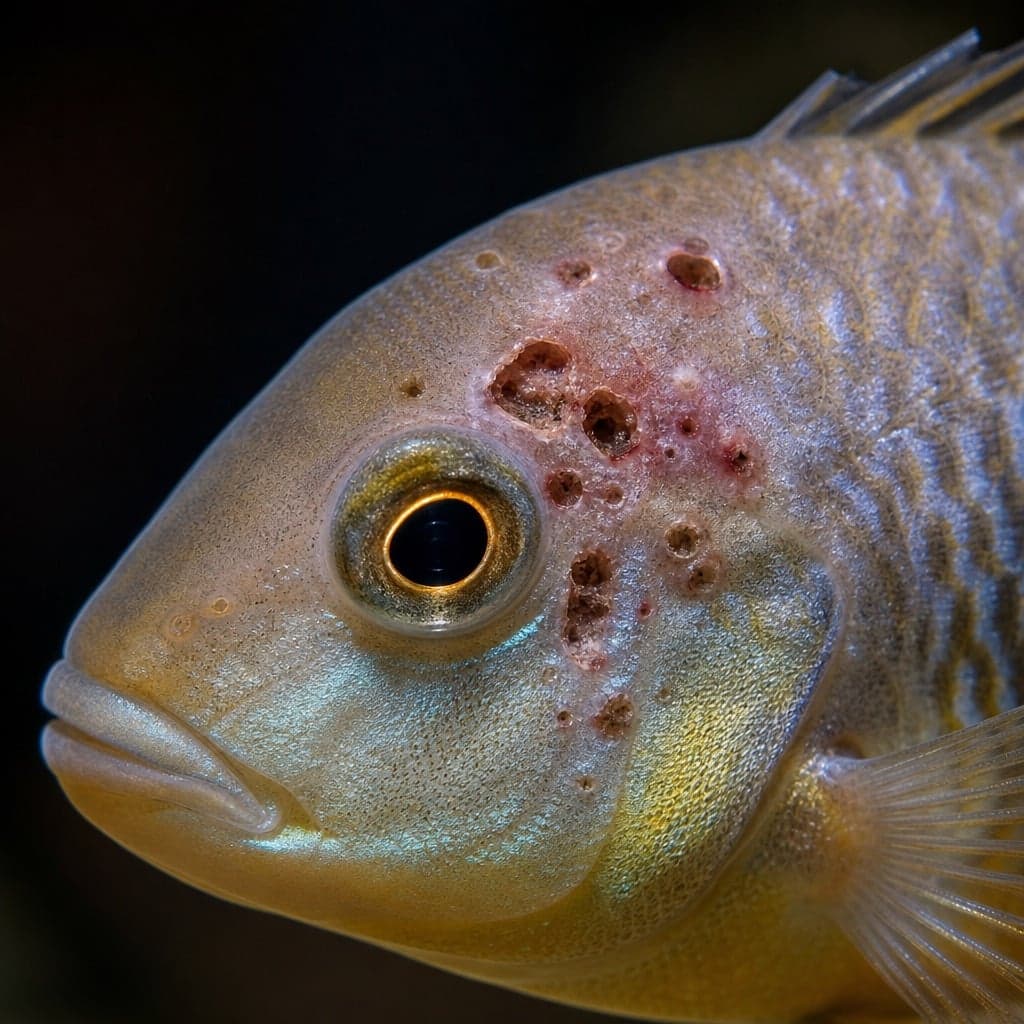
While Electric Blue Maingano Johanni are generally hardy, they can be susceptible to certain health issues common among aquarium fish. One frequent concern is ich (Ichthyophthirius multifiliis), which shows as white spots after temperature swings or stress. Fin rot and hole-in-the-head can follow declining water quality. Keep hard alkaline Malawi parameters stable, change water regularly, and quarantine newcomers. Offer varied foods and avoid overcrowding these territorial mbuna. Watch for flashing, clamped fins, or loss of appetite, and treat promptly. Stable Malawi conditions keep Electric Blue Maingano Johanni vibrant, bold, and active for years among rocky cover.