Everglades Pygmy Sunfish: Elassoma evergladei
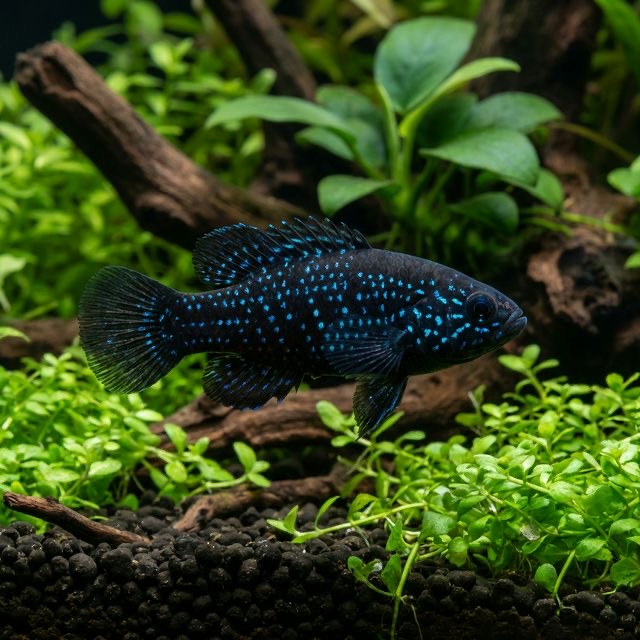
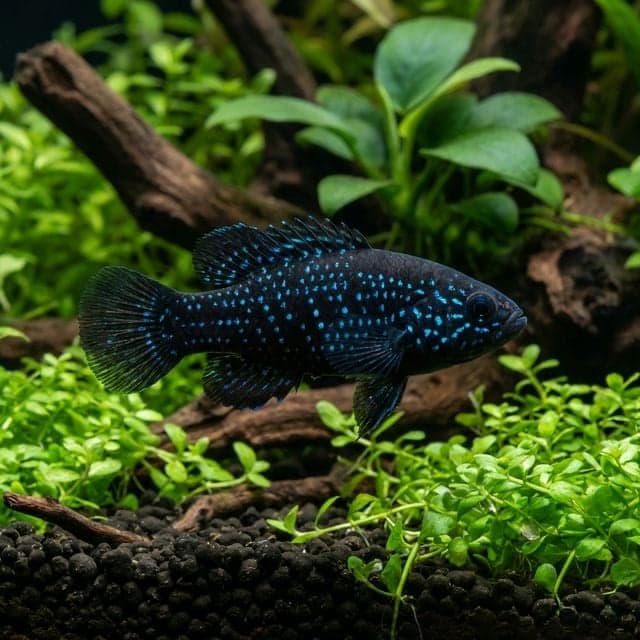
A tiny North American native fish. Males turn jet black with iridescent blue spots during breeding.
Everglades Pygmy Sunfish
The Everglades Pygmy Sunfish (Elassoma evergladei) is a captivating freshwater fish that belongs to the family Elassomatidae. It is natively found in the freshwater ecosystems of the Everglades in Florida, making it a unique addition to the aquarium hobby. Known for its diminutive size, the Everglades Pygmy Sunfish usually grows to about 3 cm (~1.2 inches) in length, displaying vibrant colors ranging from deep blues to iridescent greens. Its appearance is particularly striking when contrasted against a lush aquascape, making it a favorite among aquarists who appreciate subtle beauty and personality in smaller species.
This species has gained significance within the aquarium community not only for its visual appeal but also for its relatively docile temperament and ease of care. Unlike many larger and more aggressive freshwater species, the Everglades Pygmy Sunfish exhibits a calm demeanor, allowing it to thrive in community tanks where it can interact with other peaceful fish. Its unique coloration and fascinating behavioral traits, such as a preference for specific water conditions and habitats, further enhance its allure, appealing to both novice and seasoned aquarists looking to create a diverse biotope aquarium.
Natural Habitat & Origin
The Everglades Pygmy Sunfish is indigenous to the subtropical wetlands of South Florida, where it primarily inhabits slow-moving waters such as swamps, marshes, and shallow ponds. These ecosystems are characterized by blackwater conditions, where the water is stained by decomposing plant material, resulting in high humic acid concentrations. The presence of dense vegetation, including lily pads and various submerged plants, provides a critical habitat for these fish, contributing to their survival through ample hiding spots and breeding areas. The Everglades' unique environmental context supports a biodiverse array of species, positioning the Everglades Pygmy Sunfish as a key component of this delicate ecosystem.
In their native habitats, the Everglades Pygmy Sunfish can often be found in quiet waters rich with organic material, thriving in environments that have moderate to low light levels. These factors not only influence their coloration and behavior but also make understanding their natural habitat essential for successful aquarium husbandry. Recreating a similar environment within an aquarium setting is vital to ensuring their health and longevity.
Care Requirements
To successfully care for the Everglades Pygmy Sunfish, it is crucial to replicate their natural habitat as closely as possible. The ideal water parameters for this species are a pH between 5.5 and 7.5, with a soft water hardness range of 3-10 dGH. The temperature should be maintained around 15–24°C (60–75°F)—room-cool rather than a tropical heater—to simulate their natural environment. It is recommended to use a tank with a minimum size of 10 gallons, as this allows for stable water conditions and adequate swimming space.
When setting up the tank, use a dark substrate that mimics the rich, organic materials of the Everglades. Adding plants, such as Java moss, Anubias, or floating vegetation like water lettuce, will offer the necessary cover and foraging opportunities. Lighting should be subdued, reflecting the natural conditions of their habitat, so consider using low-intensity LED lighting or placing taller plants to create shaded areas. Careful attention to these parameters will help ensure the Everglades Pygmy Sunfish thrive in the aquarium setting.
Diet & Feeding
The Everglades Pygmy Sunfish is an obligate micropredator (carnivore), not an omnivore. In the wild its diet is animal prey—small invertebrates—so captivity should emphasize live microfoods such as daphnia, brine shrimp, and mosquito larvae, with frozen equivalents as backup. Flake food is rarely accepted and should not be relied on as a staple. Offering these animal foods will ensure the fish receive the nutrients needed for growth, coloration, and overall health.
To encourage natural foraging behavior, scatter food around the tank or use feeding devices that simulate their natural hunting instincts. It's advisable to feed the Everglades Pygmy Sunfish small portions several times a day rather than one large feeding, as this mimics their natural feeding habits and promotes better digestion.
Behavior & Temperament
The Everglades Pygmy Sunfish is known for its peaceful demeanor and engaging behavior, making it an excellent choice for community aquariums. These fish are generally social and thrive when kept in small groups; however, they do not exhibit strong schooling behavior. Instead, they prefer to establish territories and often display intriguing interactions with one another, such as subtle displays of dominance among males during breeding seasons.
In terms of tank positioning, the Everglades Pygmy Sunfish tends to occupy the mid to lower levels of the aquarium, often darting in and out of the vegetation. Their calm temperament allows them to coexist with other non-aggressive fish species, while their unique vertical swimming patterns make them a captivating addition to any tank setup.
Tank Mates
Choosing compatible tank mates for the Everglades Pygmy Sunfish requires careful consideration of community dynamics. Suitable companions include peaceful species such as small tetras (like Neon Tetras), endler guppies, rasboras, and other small, non-aggressive fish. Additionally, invertebrates like shrimp (e.g., Cherry Shrimp) and snails can also thrive in their company, enhancing the biodiversity of the tank.
Conversely, it is crucial to avoid larger or overly aggressive species such as cichlids, larger barbs, and bettas, as they may intimidate or harm the Everglades Pygmy Sunfish. Maintaining a peaceful and balanced environment ensures that this delicate species can flourish and exhibit its natural behaviors.
Breeding
Breeding the Everglades Pygmy Sunfish in captivity can be a rewarding endeavor, although it requires specific conditions to encourage spawning. These fish exhibit a nesting behavior where males will create a small depression or nest within the substrate or among dense plant cover. To stimulate breeding, provide a well-planted aquarium with plenty of hiding spots and ensure optimal water conditions, maintaining a slightly elevated temperature of around 78°F (26°C).
Once spawning occurs, the female will lay eggs, which are adhesive and will stick to the substrate or vegetation. After fertilization, it is essential to separate the adults from the eggs, as the parents may consume them. Under favorable conditions, the eggs will hatch within a few days, and once the fry are free-swimming, they can be fed with infusoria or newly hatched brine shrimp until they are large enough to accept finely crushed flakes or small pellets.
Common Health Issues
While the Everglades Pygmy Sunfish is generally hardy, they can be prone to certain health issues if not cared for properly. Common health problems include ich (White Spot Disease), fin rot, and various types of bacterial infections. Maintaining high water quality, ensuring that the tank is not overcrowded, and keeping the aquarium clean are paramount in preventing these diseases.
Regular monitoring of their health and behaviors can help catch any issues early on. Providing a stress-free environment, proper diet, and monitoring water parameters closely will help catch problems before they escalate. With stable soft water and dense plant cover, Everglades Pygmy Sunfish remain resilient and colorful for years.