Exasperatus: Labidochromis joanjohnsonae
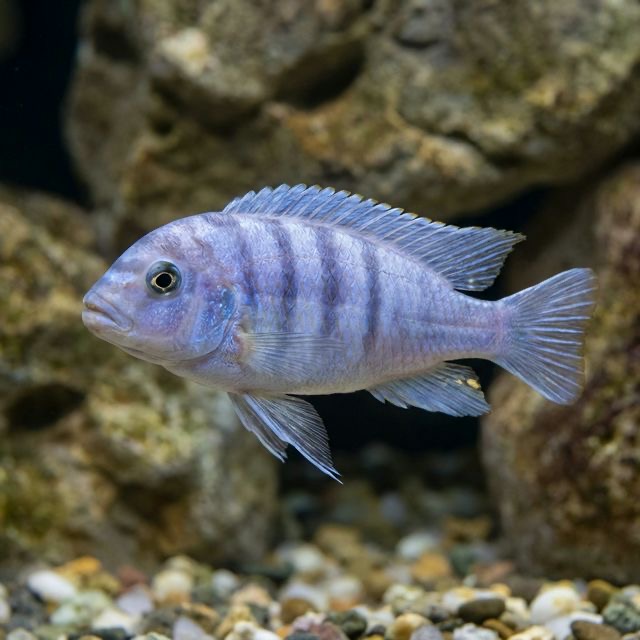
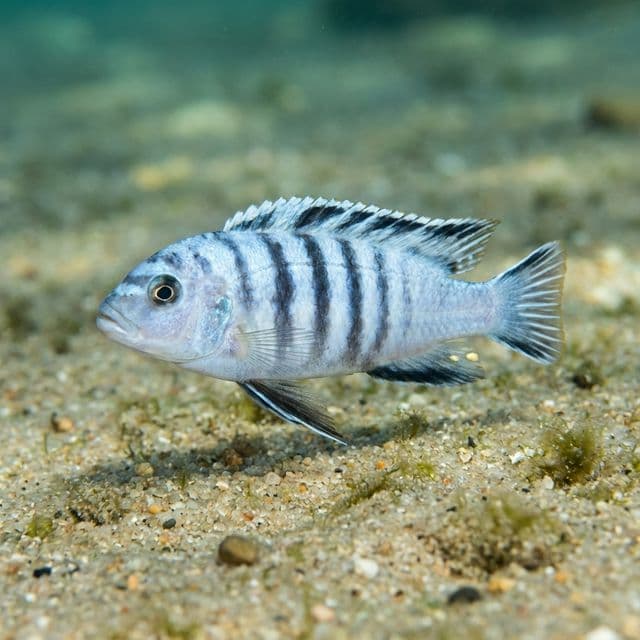
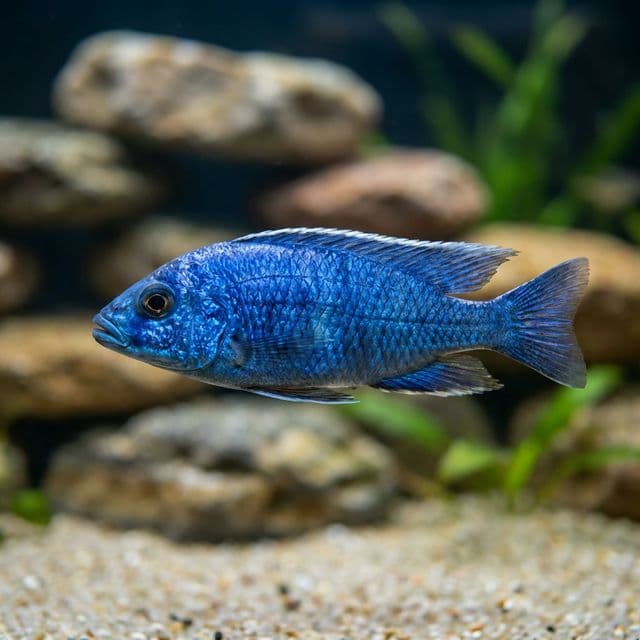
A pretty Labidochromis from Lake Malawi. Soft blue-lavender body.
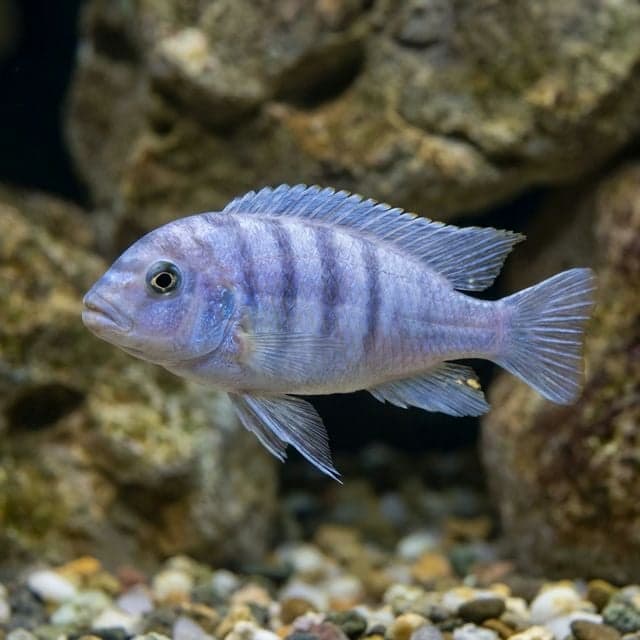
Exasperatus
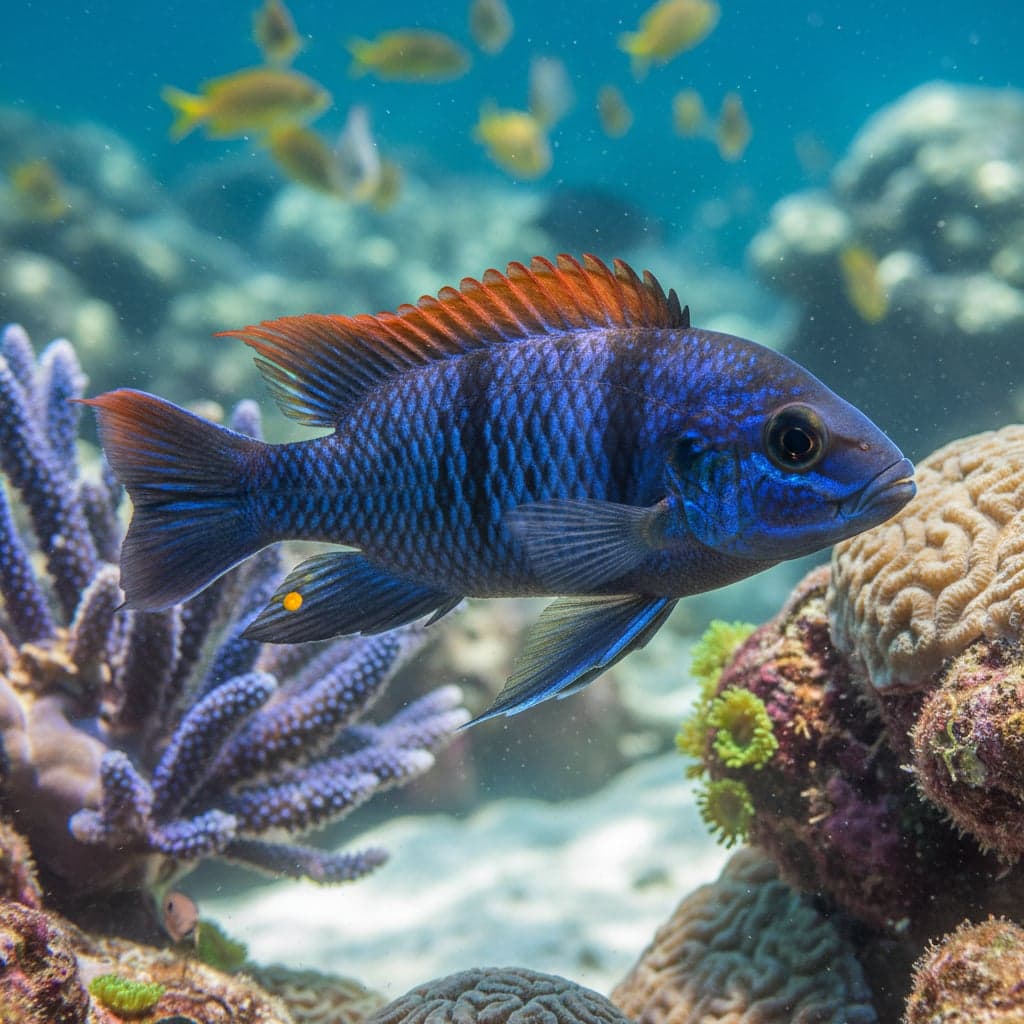
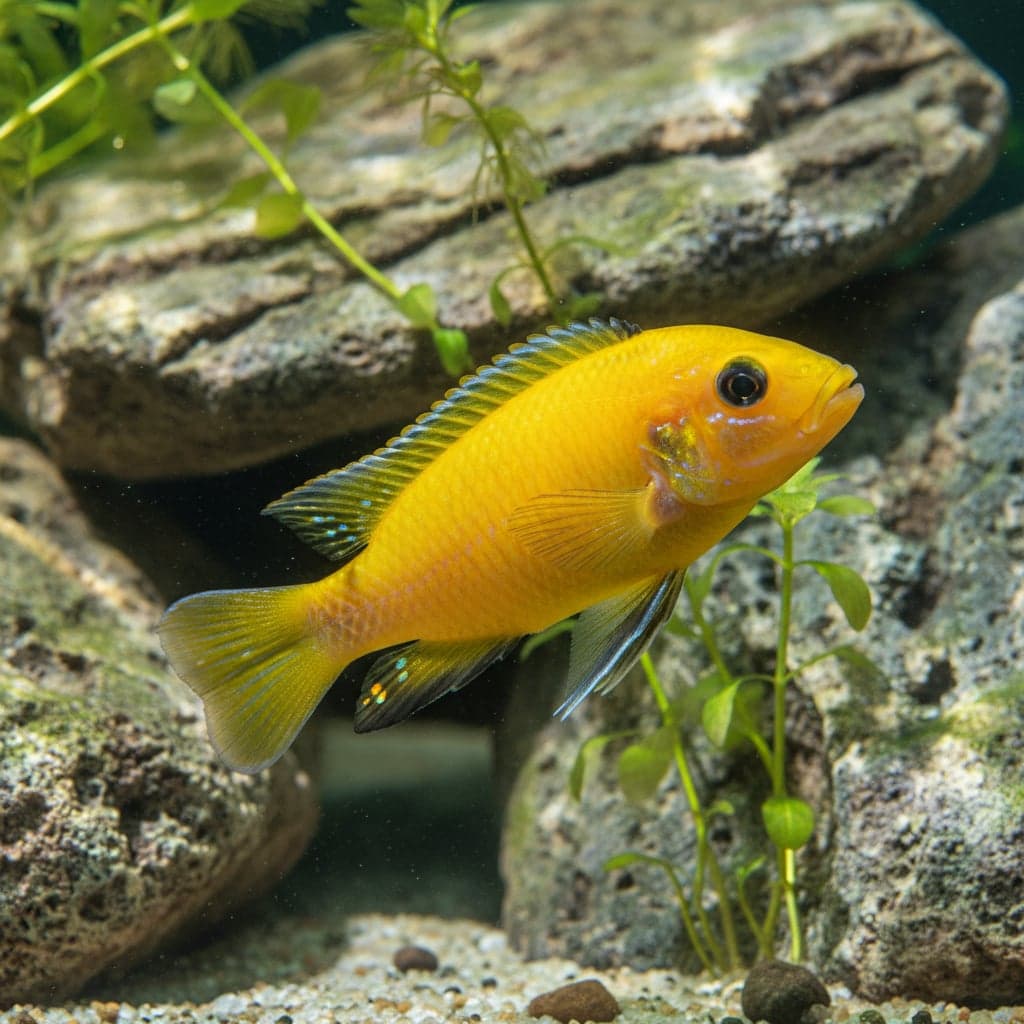
The Exasperatus, scientifically known as Labidochromis joanjohnsonae, is a stunning cichlid native to Lake Malawi, one of Africa's Great Lakes renowned for its incredible biodiversity. This fish has captured the hearts of aquarists due to its unique appearance characterized by vibrant yellow and blue coloration, making it a popular choice for both novice and experienced hobbyists. The Exasperatus exhibits significant sexual dimorphism; males tend to display more intense coloration and larger fins, which adds to its visual appeal in a home aquarium.
Beyond its aesthetic qualities, the Exasperatus holds significant value in the aquarium hobby as a model of the Malawi cichlid’s behaviors and breeding habits. It embodies the beauty of African cichlids and acts as a vital contributor to the ecological balance of its natural habitat. As enthusiasts seek to recreate the intricate community dynamics of Lake Malawi within their aquariums, the Exasperatus serves not only as a captivating specimen but also as an ambassador for the conservation of its natural environment.
Natural Habitat & Origin
The Exasperatus is endemic to Lake Malawi, which is located within the East African Rift. This body of water is characterized by its rocky substrates and varied habitats such as rocky outcrops and sandy slopes. The waters of Lake Malawi are typically alkaline, with a pH range of 7.5 to 8.5, and exhibit moderate hardness levels, creating an ideal environment for the Exasperatus. In its natural habitat, the fish is often found in shallower areas where it can forage among the rocks for food, taking advantage of its surroundings for both feeding and protection from predators.
Natural lake conditions are vital for understanding the Exasperatus’s requirements in captivity. The ecological context of Lake Malawi is marked by stable temperatures ranging from 24°C to 30°C (75°F to 86°F), emphasizing the need for a well-maintained aquarium that mimics these parameters. By understanding this fish's natural habitat, aquarists can better appreciate and provide for its needs in a home setting.
Care Requirements
To ensure the health and vibrancy of the Exasperatus, specific water parameters must be maintained. Ideal conditions include a pH level between 7.5 and 8.5, a temperature range of 24°C to 30°C (75°F to 86°F), and a hardness level of 10 to 20 dGH. Creating a suitable tank environment also requires careful attention to size and layout; a minimum aquarium volume of 75 gallons is recommended for a group of Exasperatus to thrive.
When setting up the aquarium, a sandy substrate is preferable to replicate their natural environment. Incorporating plenty of rocks and caves is crucial, as it provides hiding spots and breeding sites. Lighting should be moderate, allowing enough illumination to highlight the vivid colors of the Exasperatus while also maintaining areas of shade to simulate their natural habitat. Live plants can be included, but they should not dominate the tank; instead, focus on robust plants that can withstand potential disturbances from this active species.
Diet & Feeding
The Exasperatus is characterized as an omnivore, which means it requires a varied diet to maintain optimum health. In captivity, providing a balanced diet is essential, which should include high-quality flake and pellet foods designed for cichlids, emphasizing spirulina and protein content. Supplementing their diet with frozen or live foods such as brine shrimp, bloodworms, and daphnia is highly recommended for enhancing their color and overall condition. Consistent feeding routines, ideally multiple small meals throughout the day, can help simulate their natural foraging habits and ensure they receive all necessary nutrients.
Behavior & Temperament
Socially, the Exasperatus exhibits moderately aggressive behavior typical of Malawi cichlids. It is generally best kept in groups, particularly when a male-to-female ratio is balanced, which can help mitigate aggression and establish clear territorial boundaries. They are known to engage in conspecific interactions, with dominant individuals often claiming specific territories within the tank. If you're new to cichlid keeping, it's essential to observe how they establish hierarchies and interactions within the group.
In terms of vertical placement, the Exasperatus is a mid-water swimmer that often utilizes various water levels throughout the aquarium. It will frequently explore the rocky structures and interaction with different territories, creating a dynamic and lively environment that mimics its natural behavior.
Tank Mates
The Exasperatus can coexist with various compatible species, but caution should be exercised when selecting tank mates. Suitable companions include other Malawi cichlids such as Labidochromis caeruleus (Yellow Lab), Pseudotropheus species, and Synodontis catfish, which can help maintain harmony in the aquarium. However, it is crucial to avoid keeping it with overly aggressive species or larger cichlids that may bully or pose a threat to the Exasperatus due to their comparatively smaller size. Additionally, avoid slow-moving and delicate fish that could become targets during territorial disputes.
Breeding
Breeding the Exasperatus in captivity can be rewarding but requires specific conditions to be successful. They are mouthbrooders, with females typically laying eggs in a flat, protected area among rocks. To encourage breeding, it is important to provide a separate breeding environment or ensure the main tank is established with ample hiding places and suitable substrates. Optimal water conditions mirror those mentioned earlier, with stable parameters to promote health during breeding.
Once spawning occurs, the female will mouth-brood the fertilized eggs for about 2-3 weeks until they are ready to swim freely. It is essential to provide a peaceful environment to prevent stress during this delicate period, as well as a designated area for fry to grow safely without the threat of larger fish in the main tank.
Common Health Issues
Though the Exasperatus is generally resilient, it can be prone to certain health issues, particularly if kept in inappropriate conditions. Common ailments include ich, fin rot, and various parasitic infections. Maintaining optimal water quality and a stress-free environment significantly reduces the risk of these diseases. Regular water changes, tank cleaning, and monitoring community dynamics can help prevent health complications.
In addition, it is advisable to quarantine any new fish before introducing them to the display tank, as this practice helps to prevent the spread of potential pathogens. Providing a varied diet enriched with vitamins will also promote a strong immune system, further minimizing the risk of diseases and ensuring a healthy, vibrant Exasperatus enhances your aquarium experience.