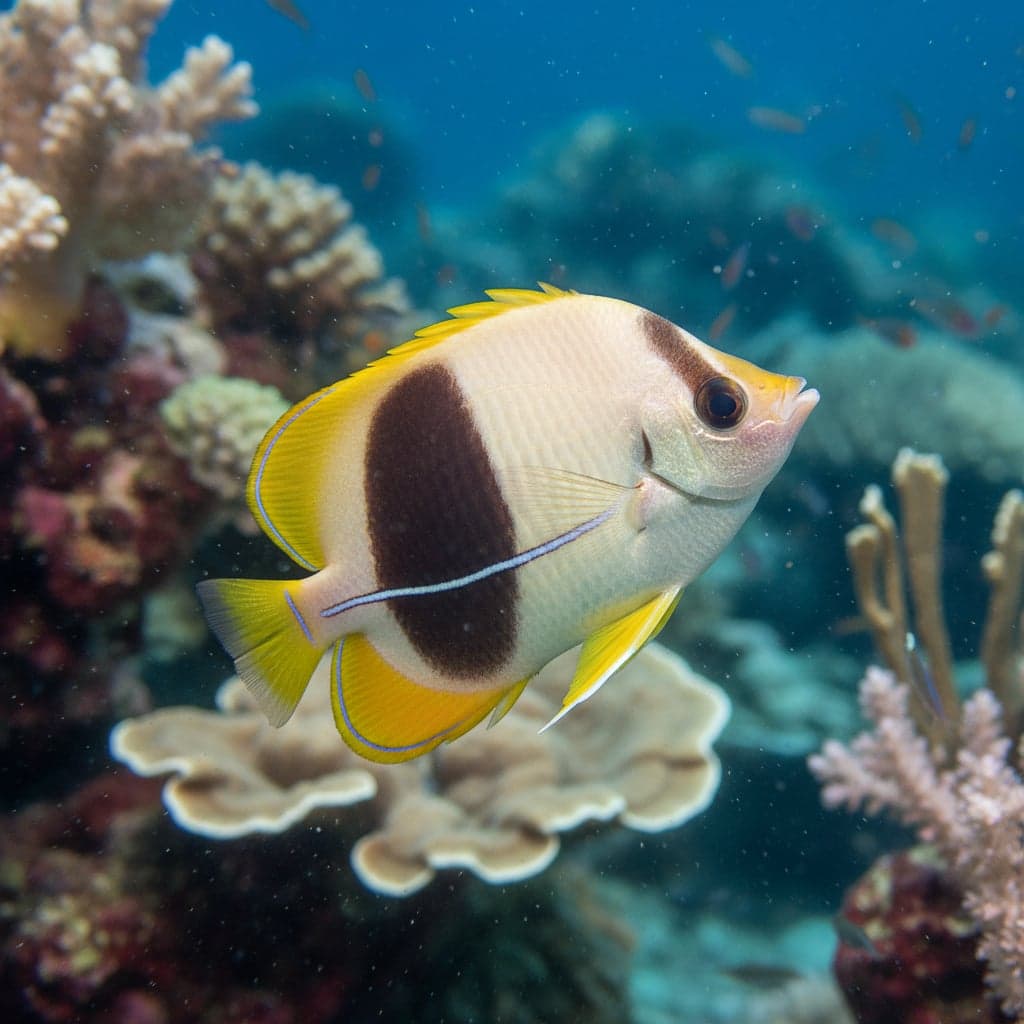
Falcula Butterflyfish
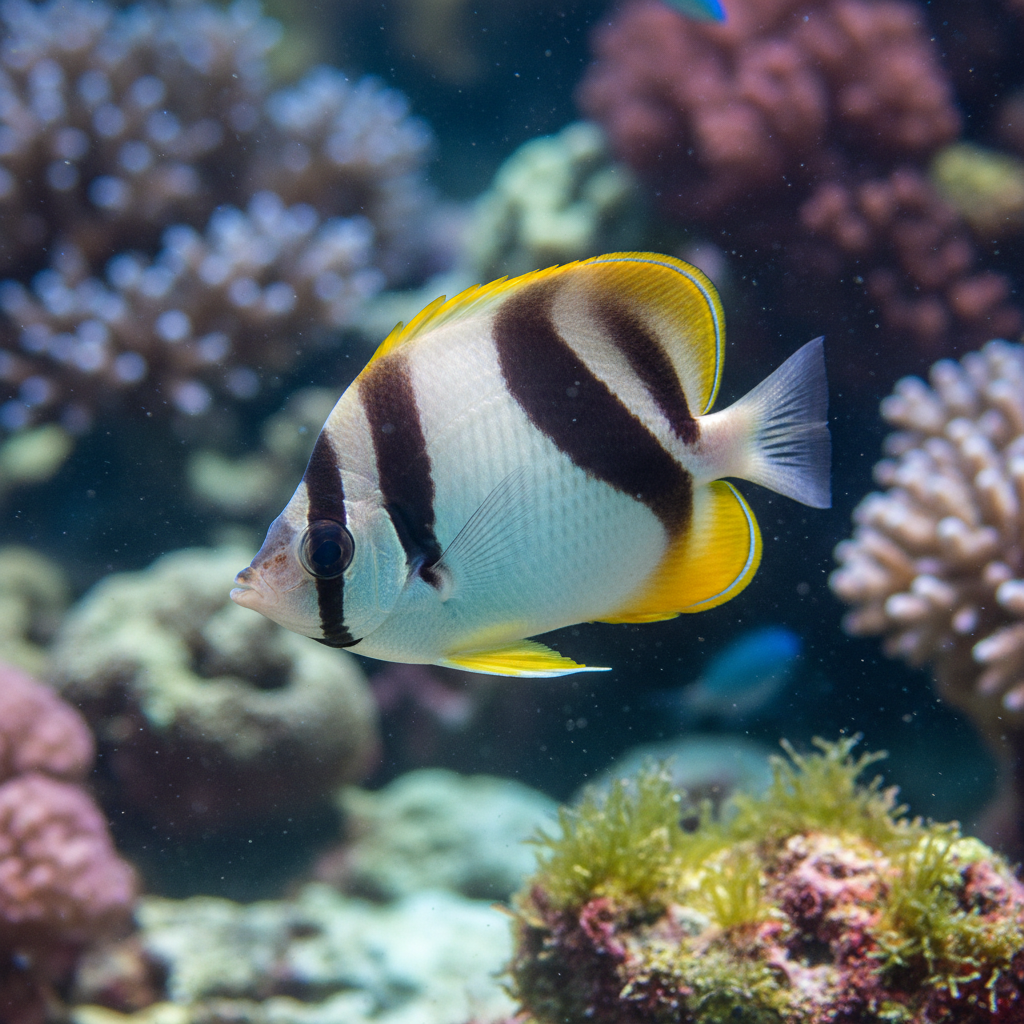
A 20cm butterflyfish with two dark saddles. Needs 400L+, varied frozen food, and it picks at coral polyps.

Falcula Butterflyfish
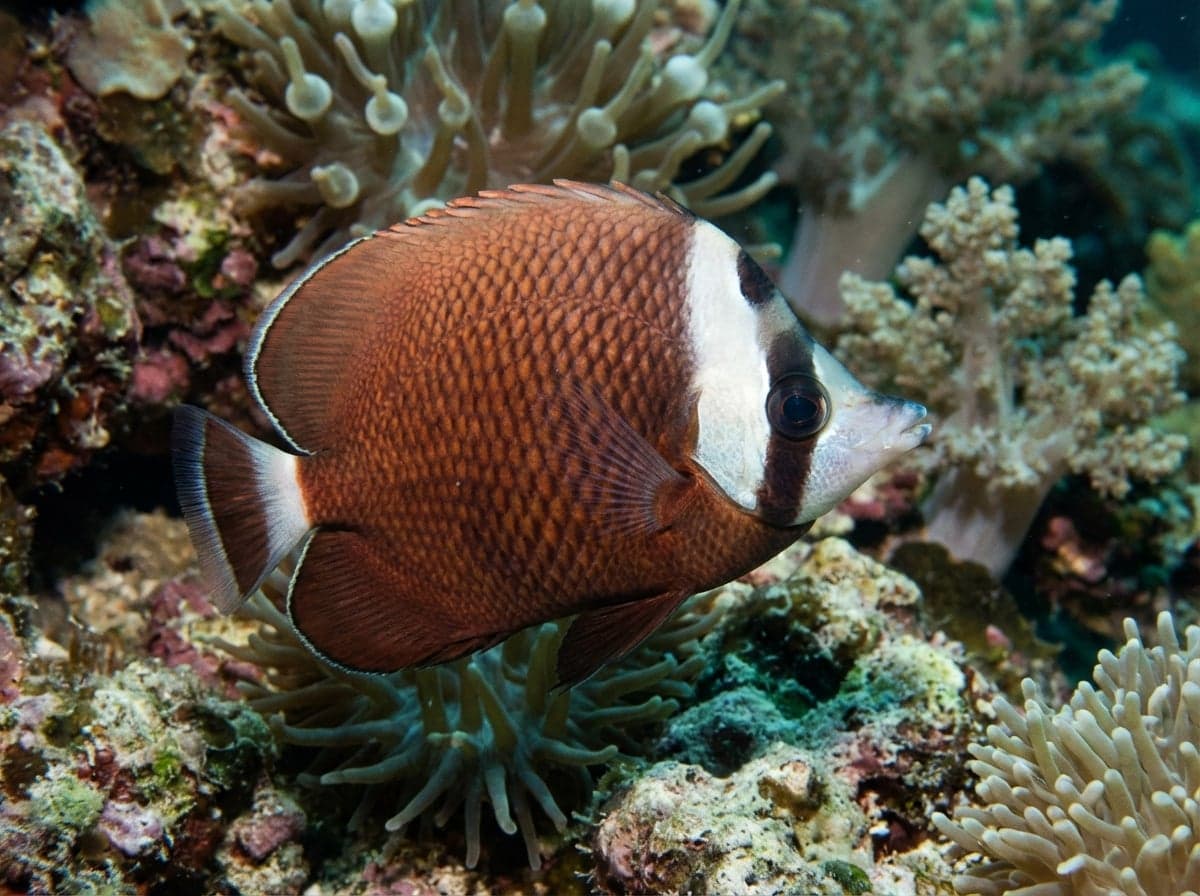
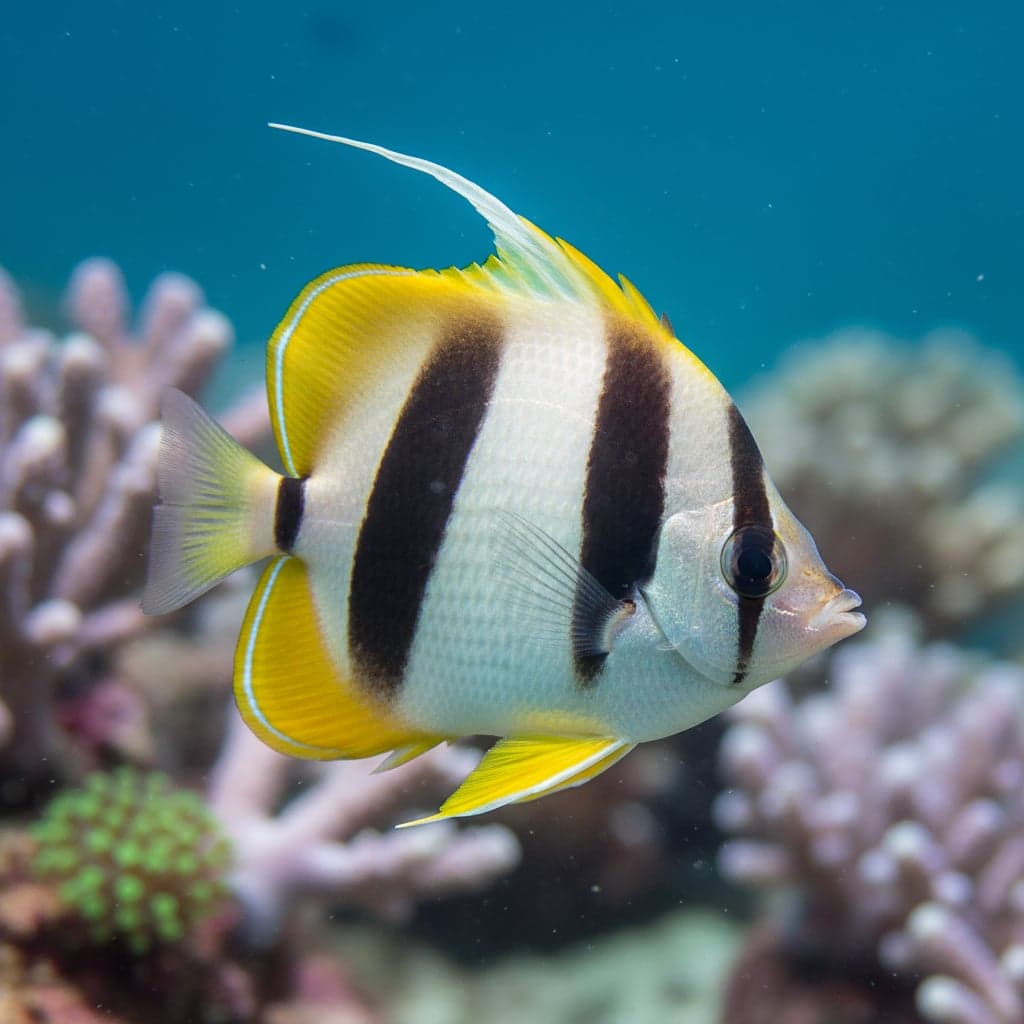
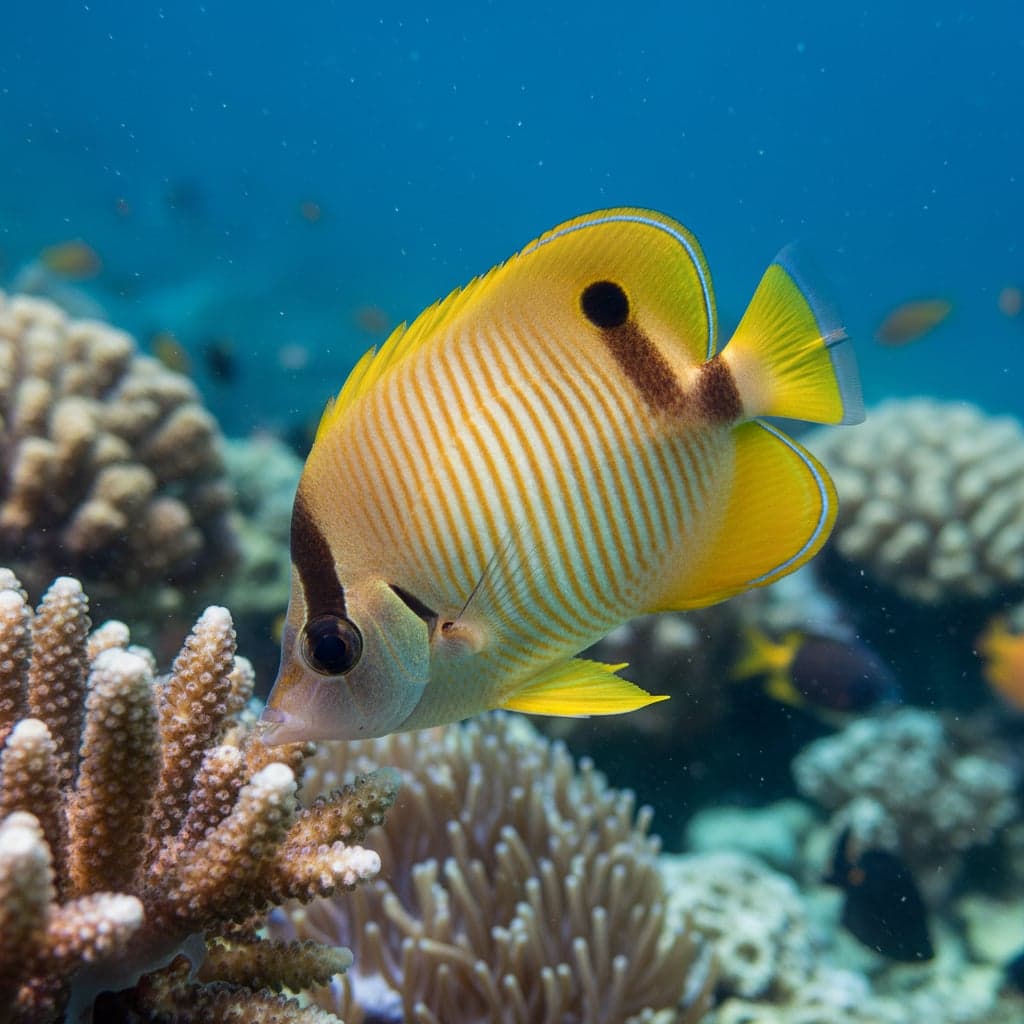
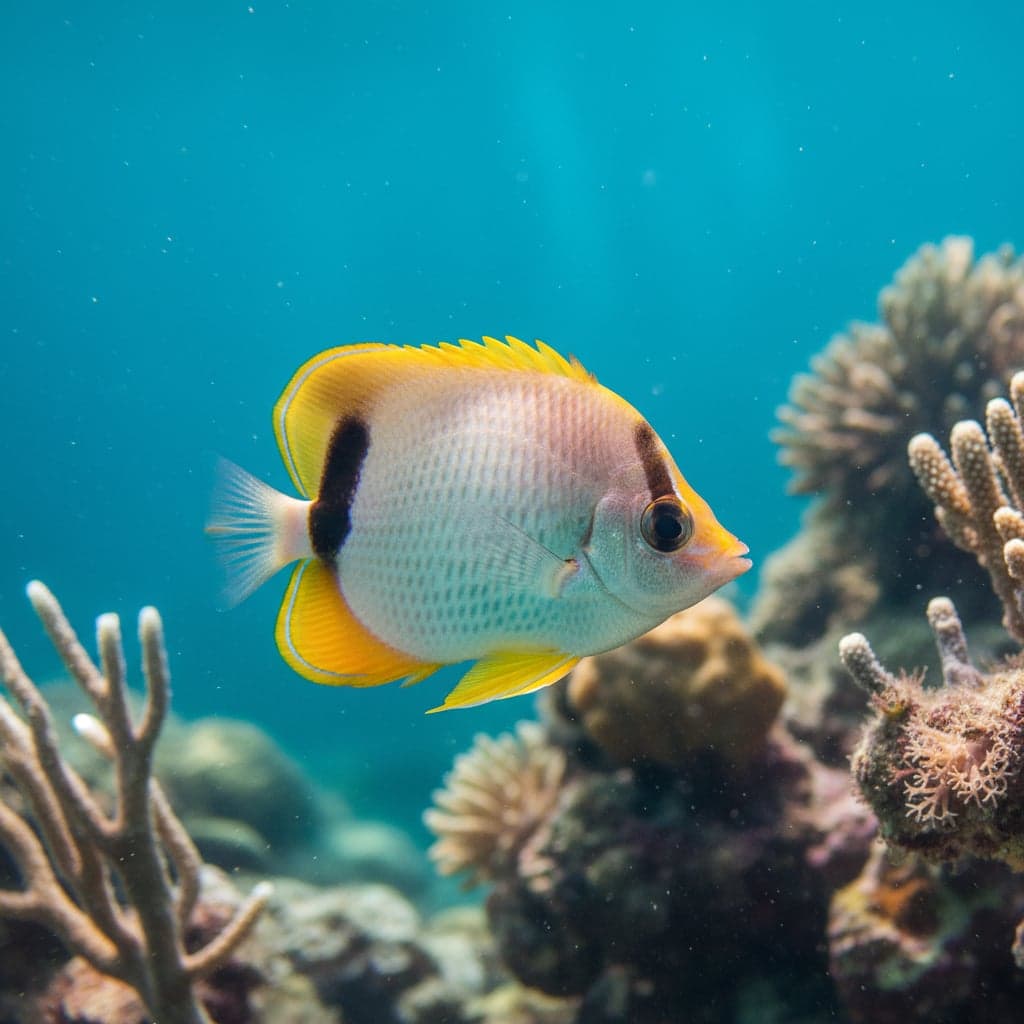
The Falcula Butterflyfish, known scientifically as Chaetodon falcula, is a strikingly beautiful addition to the marine aquarium. Renowned for its vibrant coloration, this butterflyfish boasts a vivid yellow body adorned with bold black stripes. The striking pattern not only captivates aquarium enthusiasts but also serves as a protective mechanism against predators in its natural habitat. The Falcula Butterflyfish is often considered a “showpiece” fish due to its visual appeal, making it a popular choice among aquarists looking to add a lively character to their marine setups. This species typically exhibits a relatively peaceful nature, often inhabiting coral reefs in their native environments.
In terms of significance within the aquarium hobby, the Falcula Butterflyfish is cherished for its relatively hardy nature and ability to adapt to different marine conditions compared to other butterflyfish. Its role goes beyond aesthetics; it is also an important species in maintaining the ecological balance of coral reef systems by contributing to algal control. Enthusiasts appreciate this species not only for its beauty but also for its behavioral characteristics, adding depth to community tanks. As a result, it is essential for aquarists to familiarize themselves with the fish's care, diet, and social requirements to ensure a thriving aquatic environment.
Natural Habitat & Origin
The Falcula Butterflyfish is primarily found in the Indo-Pacific region, from the eastern coast of Africa to the Hawaiian Islands and the Marquesas. This species thrives in warm, shallow waters, typically residing around coral reefs, where it can easily find shelter and food. The waters are usually clear, allowing for sufficient sunlight to penetrate, supporting the growth of necessary algae and coral structures. These environments are typically enriched with various hiding spots created by the complex structure of the reef, significantly contributing to their behavior and adaptability.
The ecological context of the Falcula Butterflyfish includes a preference for areas with abundant coral formations, where they can feed on the small invertebrates and algae that flourish in those environments. The inclusion of such habitats is vital in understanding the water conditions the Falcula Butterflyfish prefers in captivity, as replicating these aspects can lead to a more successful aquarium setting.
Care Requirements
To successfully keep the Falcula Butterflyfish, aquarium keepers should aim for specific water parameters. The ideal pH level ranges from 8.0 to 8.4, with a temperature of 75°F to 82°F (24°C to 28°C) and a hardness of 8-12 dGH. These conditions closely mimic their natural habitat. A minimum tank size of 400 litres (105 gallons) is recommended for this 20cm Chaetodon falcula — enough swimming run for a territorial butterflyfish that forages across the reef.
In terms of tank setup, a sandy substrate is preferred as it mimics their natural habitat. Incorporating live rock and coral structures is critical, as the Falcula Butterflyfish requires hiding spots. Moderate to high lighting is advisable to enhance the colors of both the fish and the corals. Live plants are less common in marine environments; however, including hardy marine macroalgae can offer additional grazing opportunities and enhance the tank's biological filtration.
Diet & Feeding
The diet of the Falcula Butterflyfish is primarily omnivorous, consisting of a combination of algae, small invertebrates, and zooplankton in the wild. In captivity, it is essential to provide a varied diet to ensure optimal health. High-quality marine flakes and pellets designed for herbivores and omnivores are suitable staples. Additionally, offering frozen or live foods such as brine shrimp, mysis shrimp, and spirulina will help to enhance their coloration and overall vitality.
Feeding should occur multiple times a day in small portions to mimic their natural grazing habits. Care must be taken to ensure that uneaten food is removed promptly to maintain water quality, as excess food can lead to deteriorating conditions and health issues within the aquarium environment.
Behavior & Temperament
The Falcula Butterflyfish exhibits a generally peaceful demeanor, although they can display territorial behavior—particularly in smaller tanks. They are not known to be schooling fish but can coexist with other species if adequate space is provided. It is important to place the Falcula Butterflyfish in the middle to upper regions of the tank, as they naturally swim around coral formations in the wild. Their agile swimming patterns and inquisitive nature make them a delightful addition to community tanks, where their behavior can be observed by keen aquarists.
It is worth noting that while they can be friendly with non-aggressive tank mates, their temperament can shift when housed with similar species or overly boisterous fish. Careful selection of tank partners is crucial for maintaining harmony within the aquarium.
Tank Mates
When selecting tank mates for the Falcula Butterflyfish, it is essential to choose species that are compatible and won't provoke territorial disputes. Suitable tank mates include modestly sized non-aggressive fish such as clownfish, damselfish, and smaller wrasses. Additionally, certain types of gobies can coexist well due to their bottom-dwelling habits, which reduce competition for space in the water column.
Conversely, it is best to avoid housing the Falcula Butterflyfish with overly aggressive species such as large wrasses or predators, including lionfish or groupers, which could stress or harm the butterflyfish. Moreover, keeping multiple butterflyfish of the same species can lead to conflict unless a significantly large tank is provided, allowing for territory establishment.
Breeding
Breeding the Falcula Butterflyfish in captivity is a complex process that often requires specialized conditions. Typically, this species does exhibit a form of monogamous pairing, with males and females selecting their partners. For successful spawning, maintaining a healthy, well-established reef tank is crucial, as the presence of live rock and adequate hiding spaces can encourage natural behaviors. A stable environment with pristine water quality and consistent conditions is required to trigger breeding activities.
Spawning generally occurs during the evening, often involving the male performing courtship displays to entice the female. After successful mating, the female will release eggs into the water column, where fertilization occurs externally. If breeding is achieved, it is essential to separate the eggs from the adult fish to prevent them from being eaten.
Common Health Issues
The Falcula Butterflyfish can be prone to several health issues commonly seen in marine fish, including ich (marine white spot disease), flukes, and fin rot. Prevention is key, and providing a stable environment with proper water parameters plays a significant role in minimizing stress and disease susceptibility. Routine monitoring of tank conditions, along with regular water changes, helps maintain optimal health.
Quarantine procedures for new arrivals are highly recommended to avoid introducing diseases into an existing system. Furthermore, a well-balanced diet rich in vitamins and nutrients can strengthen their immune systems, helping them combat potential health issues more effectively. Regular observation for signs of illness or unusual behavior is crucial for the early detection of health problems and prompt treatment, should they arise.