The Fire Eel: Mastacembelus erythrotaenia
A stunning, large spiny eel with vibrant red markings. A centerpiece fish for large aquariums that becomes tame enough to hand-feed.
Fire Eel
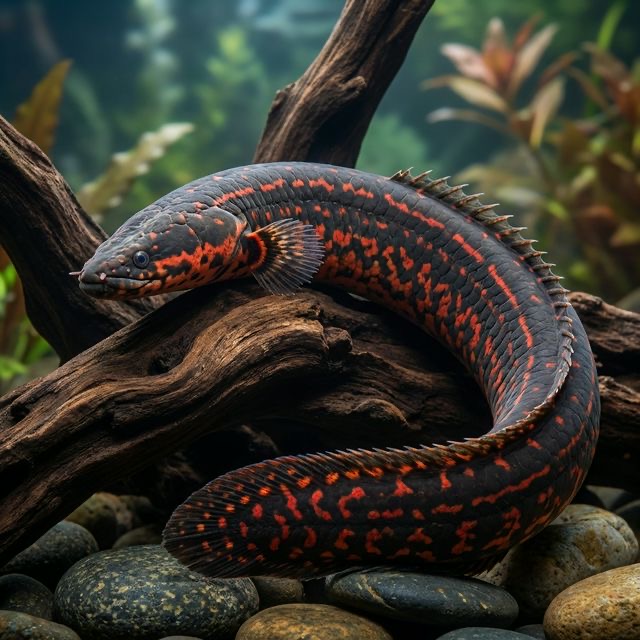
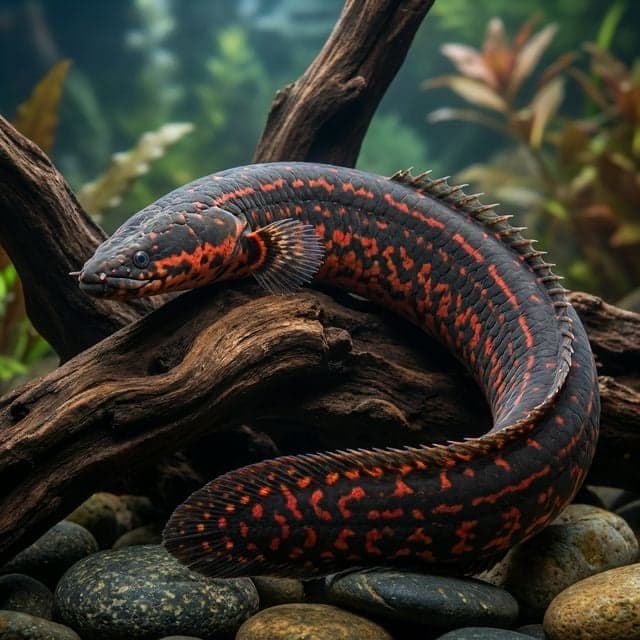
The Fire Eel, scientifically known as Mastacembelus erythrotaenia, is a captivating species that has garnered the attention of aquarists worldwide due to its unique appearance and intriguing behaviors. Characterized by a long, serpentine body that can reach lengths of up to three feet in the wild, this freshwater eel is adorned with vibrant bands of orange, red, and yellow against a darker background, creating a striking visual appeal that elevates the aesthetics of any aquarium setting. Their distinct coloration and fluid movement in water stimulate both admiration and curiosity, making them a favored choice among both novice and experienced aquarists.
In addition to its unique appearance, the Fire Eel holds a significant position in the aquarium hobby. As a relatively hardy species, it can adapt to various water conditions, which makes it a suitable candidate for hobbyists looking to enhance their aquascapes with an eccentric yet stunning inhabitant. However, while its beauty and adaptive nature are enticing, potential owners should be fully aware of the Fire Eel's specific care requirements to ensure a healthy and thriving aquarium environment.
Natural Habitat & Origin
The Fire Eel is native to the slow-moving waters of freshwater rivers and streams predominantly found in Southeast Asia, specifically in countries like Thailand, Myanmar, and Indonesia. These environments often contain sediment-rich substrates that support a diverse array of aquatic flora and fauna. Fire Eels are typically found in soft, slightly acidic waters, often characterized as blackwater environments, which provide essential cover for these creatures, mimicking their natural habitat.
The water in their natural habitat is usually warm and slightly dark due to the presence of tannins from decaying plant matter. This environment not only influences their coloration but also contributes to their delicate ecosystems by supporting various microorganisms and invertebrates — a crucial aspect of their diet in the wild. Understanding their natural habitat is key for aquarists aiming to replicate these conditions in captivity.
Care Requirements
When it comes to care requirements for the Fire Eel, maintaining appropriate water parameters is essential for their well-being. The ideal pH range for these eels is between 6.0 and 7.5, with a temperature range of 75°F to 82°F (24°C to 28°C). Additionally, they thrive in soft to moderately hard water, ideally with a hardness level around 5-15 dGH.
In terms of tank setup, a minimum aquarium size of 75 gallons is highly recommended, as Fire Eels need ample swimming space. The substrate should consist of soft, sandy material to prevent injury to their delicate bodies. Utilizing subdued lighting enhances the tank’s aesthetic while creating a comfortable atmosphere for the eel. Incorporating plants such as Amazon swords and floating vegetation not only provides hiding spots but also mimics their natural environment, making them feel more secure.
Diet & Feeding
The Fire Eel is considered an omnivorous species, displaying a diverse diet in the wild that includes crustaceans, worms, and plant matter. In captivity, their diet should include high-quality sinking pellets, supplemented with live or frozen foods such as bloodworms, brine shrimp, and earthworms. Some aquarists have found that offering a mix of flake foods alongside these options can encourage more varied eating habits.
It’s essential to ensure that the food offered is appropriately sized for the eel to prevent hindrance during feeding. Adult Fire Eels especially benefit from a nutrient-dense diet that supports their health, growth, and vibrant coloration. While they can be somewhat secretive feeders, establishing a routine during feeding time helps ensure that they receive adequate nutrition.
Behavior & Temperament
Fire Eels are generally known for their calm and peaceful demeanor, although they can display shy tendencies, particularly when first introduced to a new environment. In the aquarium, they prefer to occupy the lower levels, using the substrate and hiding spots for retreat, though they will occasionally swim higher in the water column. They are not especially social and don't typically school, but they can coexist peacefully with other species when provided with adequate space and cover.
While the Fire Eel is largely non-aggressive, it's important to keep in mind that they may exhibit territorial behavior when housed with other bottom-dwelling species. Therefore, ensuring plenty of hiding spots and breaking up line-of-sight can minimize potential conflicts in a community tank setting.
Tank Mates
Choosing compatible tank mates for the Fire Eel can enhance the overall aquarium experience. Suitable species include larger, peaceful fish such as angelfish, discus, and other cichlids that occupy higher water levels. Other appropriate companions are larger barbs and certain catfish species, which can share the bottom space without clashing with the Fire Eel's temperament.
Conversely, there are species that should be avoided. Small, fin-nipping fish such as tetras and guppies may become targets due to the Fire Eel's predatory instincts. Additionally, aggressive fish and those that prefer the same depth level should be avoided, as they may cause stress or territorial disputes.
Breeding
Breeding Fire Eels in captivity presents challenges, as there is minimal documentation on their spawning behaviors. In the wild, Fire Eels are believed to breed during the rainy season when water levels rise, prompting them to seek shallow areas for spawning. Providing ideal conditions, such as softer water, warm temperatures, and increased space, can encourage spawning attempts.
However, achieving successful breeding is rare in home aquariums, primarily due to difficulty in replicating the environmental specifics of their native habitat. Creating a separate breeding tank that mimics these conditions and providing ample hiding spaces can improve chances of successful spawning.
Common Health Issues
Fire Eels can be prone to several moderate health issues if not properly cared for. Common diseases include ich, flukes, and bacterial infections. Preventative measures include maintaining optimal water quality through regular water changes, proper filtration, and monitoring for stress signs such as lethargy or loss of appetite.
Quarantining new arrivals before introducing them into an established aquarium can minimize the risk of disease transmission. Additionally, ensuring a balanced diet and avoiding overfeeding plays a crucial role in maintaining optimal health for the Fire Eel. Regular monitoring of water parameters further aids in the prevention of health complications, ensuring a thriving aquatic environment for this enchanting species.