Fire Shrimp: Lysmata debelius
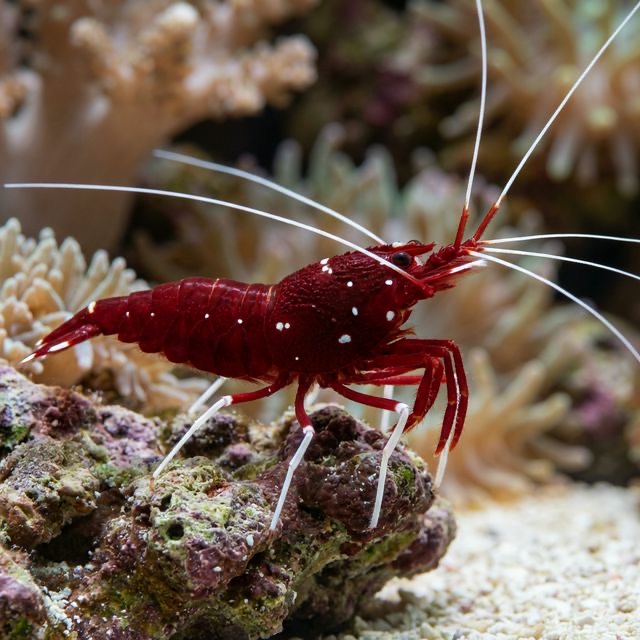
The most visually striking shrimp in the saltwater hobby. Deep blood-red body with brilliant white antennae and spots—a living jewel for reef tanks.

Fire Shrimp
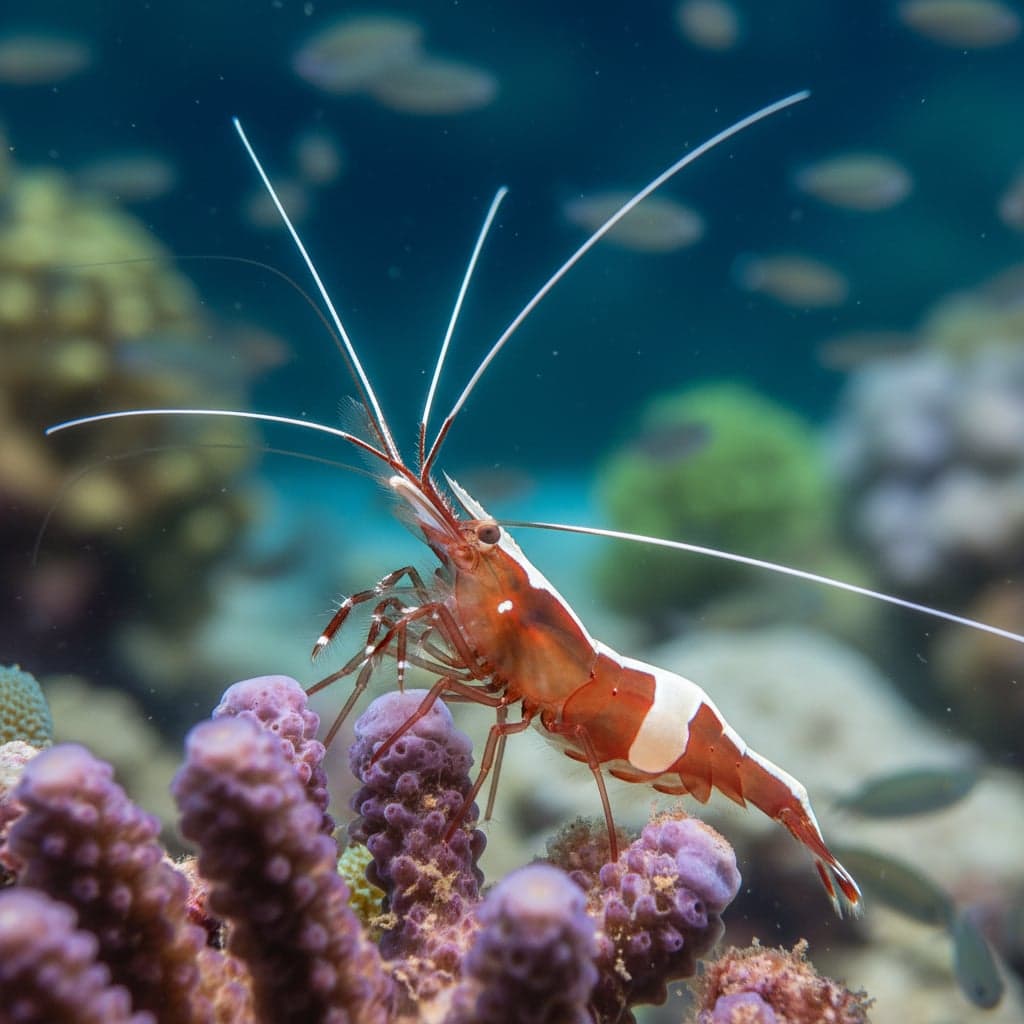
The Fire Shrimp, scientifically known as Lysmata debelius, is a vibrant and captivating species that has captured the hearts of aquarium enthusiasts worldwide. Characterized by its striking red coloration with white stripes and blue accents, the Fire Shrimp stands out in any marine aquarium setup. This fascinating creature not only enhances the visual appeal of a tank with its vivid hues but also plays a vital role in maintaining ecological balance. Known for their cleaning behaviors, Fire Shrimp consume parasites and algae from fish and other marine life, thus contributing significantly to the health of their environment.
In the aquarium hobby, Fire Shrimp are often sought after for their hardiness and ease of care, making them suitable for both novice and experienced aquarists. Their lively nature and interactive behaviors provide endless entertainment as they scuttle around the tank, engaging in social interactions with other species, including fish. Their significance goes beyond mere aesthetics; they serve as an excellent indicator of tank health, as their behavior often reflects the overall condition of the aquatic ecosystem.
Natural Habitat & Origin
Fire Shrimp are native to the warm waters of the Indo-Pacific region, with significant populations found around coral reefs in areas like the Red Sea, Fiji, and the Philippines. These regions typically feature clear, shallow waters teeming with marine life, providing the ideal backdrop for Fire Shrimp to thrive. Their natural habitats often include crevices and sheltered areas within coral structures, which serve as both protection from predators and a hunting ground for food.
The environmental context in which Fire Shrimp are found is critical to their well-being. They are commonly discovered in warm, tropical waters where temperatures range between 24°C to 28°C (75°F to 82°F). The water quality in these regions is usually excellent, with a neutral to slightly alkaline pH ranging from 8.1 to 8.4. Fire Shrimp require conditions that replicate these natural environments to flourish in home aquariums.
Care Requirements
To ensure the optimal health of Fire Shrimp in captivity, specific water parameters must be maintained. The ideal pH level should range between 8.1 and 8.4, with a temperature maintained between 24°C to 28°C (75°F to 82°F). Additionally, carbonate hardness (KH) should be between 8-12 dKH, and specific gravity should sit around 1.023-1.025 for a marine environment.
When setting up a tank for Fire Shrimp, a minimum aquarium size of 20 gallons is recommended to provide ample space for swimming and establishing territories. A sandy substrate, mimicking their natural environment, is ideal, as it allows for natural behaviors like burrowing. Adequate lighting is essential to simulate their natural habitat; LED lighting is often favored for its efficiency and spectrum. Live rock and coral structures should be incorporated into the tank setup to create hiding spots and enrichment opportunities, while also supporting beneficial bacteria.
Diet & Feeding
Fire Shrimp are classified as omnivores, which means their diet comprises various food sources. In the wild, they primarily feed on algae, detritus, and small invertebrates. In captivity, a balanced diet is crucial for their health and vibrancy. It is recommended to provide a mixture of high-quality flake foods, pellets, and frozen options specifically formulated for shrimp and other marine life. Offering a selection of algae-based foods will also help maintain their coloration and health.
In addition to commercial foods, Fire Shrimp can be supplemented with occasional treats such as finely chopped shrimp, fish, or even live food like brine shrimp and mysis shrimp. Feeding should occur several times a week, ensuring not to overfeed, as this can lead to water quality issues. Observation of their feeding habits will also aid in determining their dietary preferences and ensuring balanced nutrition.
Behavior & Temperament
Fire Shrimp exhibit a peaceful and generally social demeanor, making them ideal candidates for community tanks. They thrive in groups and are known for their interactive behaviors, often seen cleaning larger fish or engaging in social displays. As bottom-dwellers, they tend to inhabit the lower portions of the tank but can also be spotted climbing on rocks and corals, further establishing their role within the aquarium.
Despite their peaceful nature, Fire Shrimp can sometimes exhibit territorial behaviors, particularly during feeding or when they feel threatened. It is essential to provide ample hiding spots to reduce stress and allow for natural behavior. They are not schooling fish in the strictest sense; however, keeping them in pairs or small groups can enhance their well-being.
Tank Mates
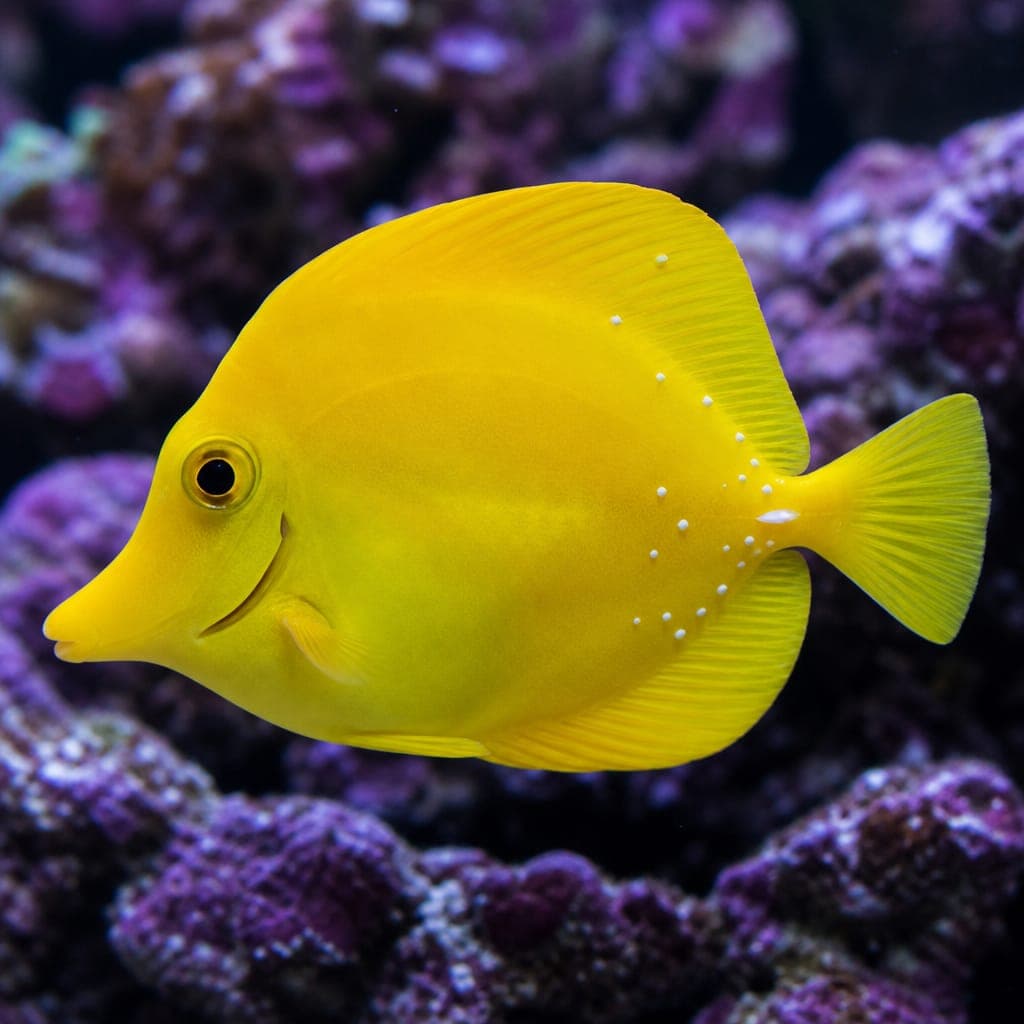
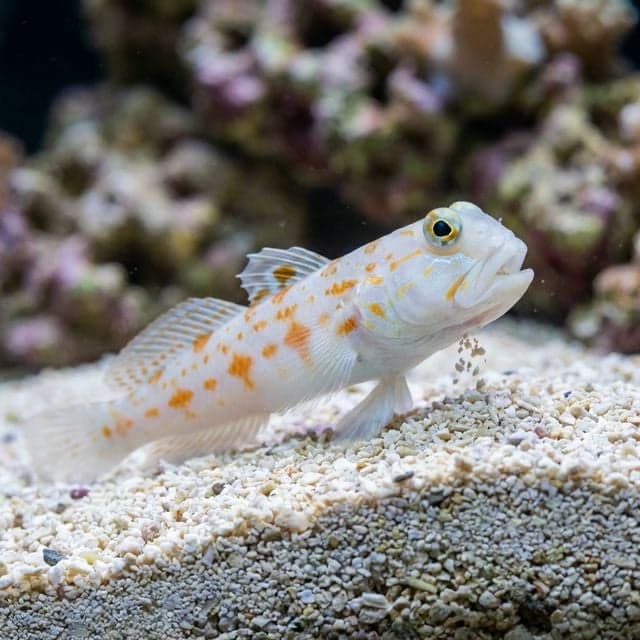
Finding compatible tank mates for Fire Shrimp requires careful consideration to avoid aggression or predation. Ideal companions include peaceful reef fish such as Clownfish, Gobies, small Tangs, and Blennies. Additionally, other invertebrates like Snails, Hermit Crabs, and certain types of Corals can coexist harmoniously with Fire Shrimp, enhancing the overall biodiversity of the aquarium.
Species to avoid include larger or aggressive fish that may see Fire Shrimp as prey, such as Lionfish, Triggerfish, or certain large Wrasses. Furthermore, aggressive invertebrates, like certain Crabs, can pose a significant threat to Fire Shrimp and should not be kept in the same tank.
Breeding
Breeding Fire Shrimp in captivity can be a rewarding endeavor, although it requires specific conditions. Fire Shrimp exhibit a fascinating spawning behavior where females release fertilized eggs, which are then carried under their tails until they hatch. The presence of a healthy male is essential for successful reproduction, as they engage in courtship displays before mating.
For successful breeding, a well-established aquarium environment with stable water parameters, along with adequate food sources, is crucial. To increase the chances of successful breeding, raise the temperature slightly within the recommended range and provide plenty of hiding spots. It is also recommended to maintain a low fish population during breeding attempts to reduce stress on the shrimp.
Common Health Issues
Fire Shrimp, like many aquatic species, can be prone to specific health issues, primarily caused by poor water quality or stress. Common ailments include molting problems, which can occur if they do not have adequate calcium and stable conditions for shedding their exoskeleton. Regular monitoring of water parameters will help mitigate health issues.
Additionally, they can be susceptible to diseases like Marine Ich (Cryptocaryon irritans) and Bacterial Infections. Ensuring a stress-free environment, avoiding overcrowding, and maintaining pristine water quality are essential prevention strategies. Regular tank maintenance, including water changes and substrate cleaning, will aid in sustaining the overall health of Fire Shrimp in the aquarium.