Five-lined Cardinalfish
A 10cm cardinalfish that shoals loosely and hovers by day. Peaceful and reef safe, and it will eat very small shrimp.
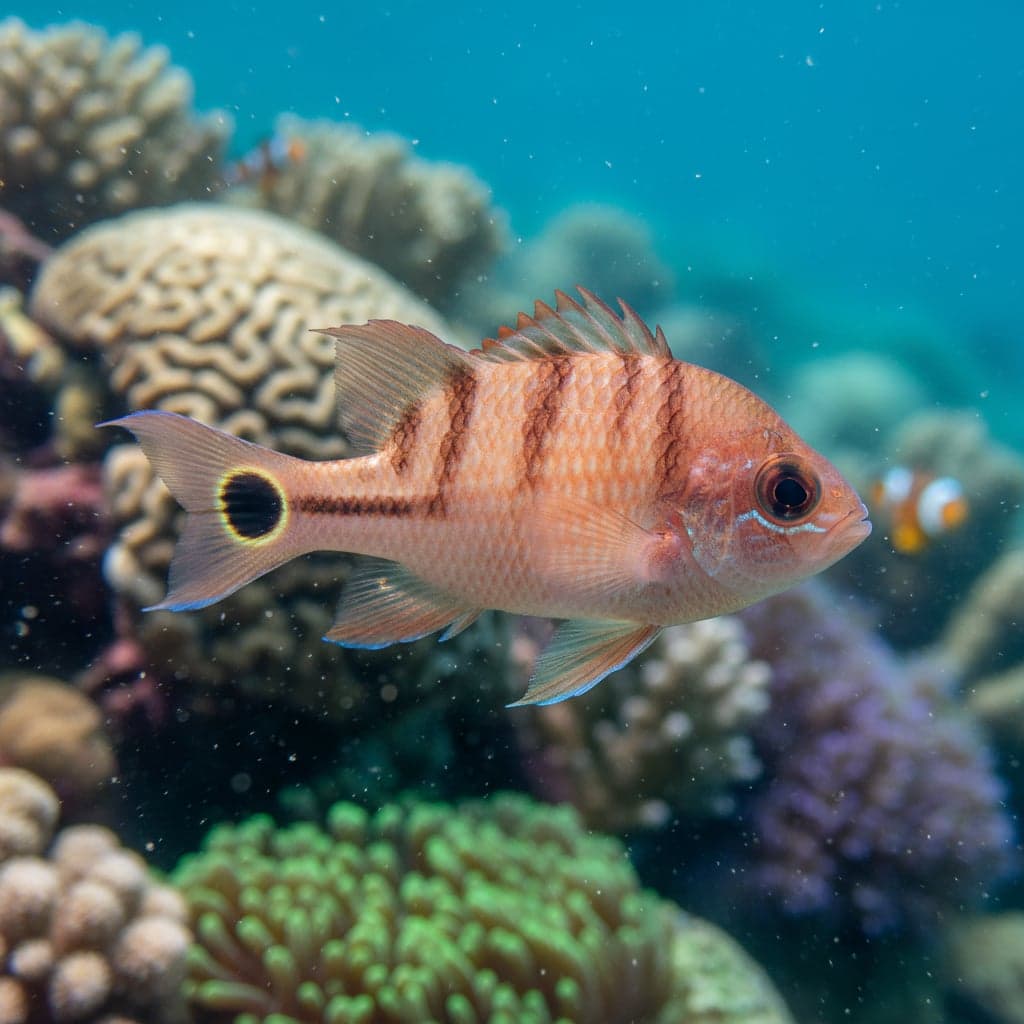
Five-lined Cardinalfish
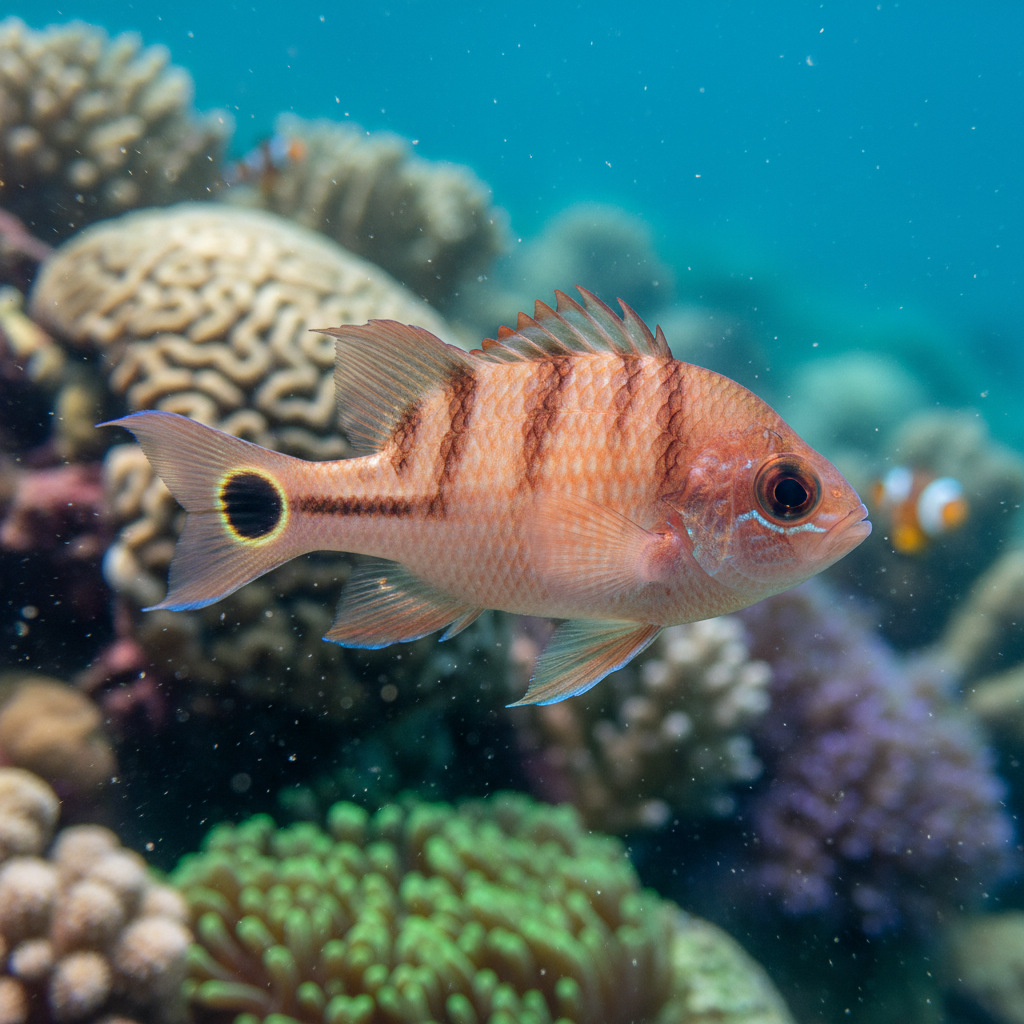
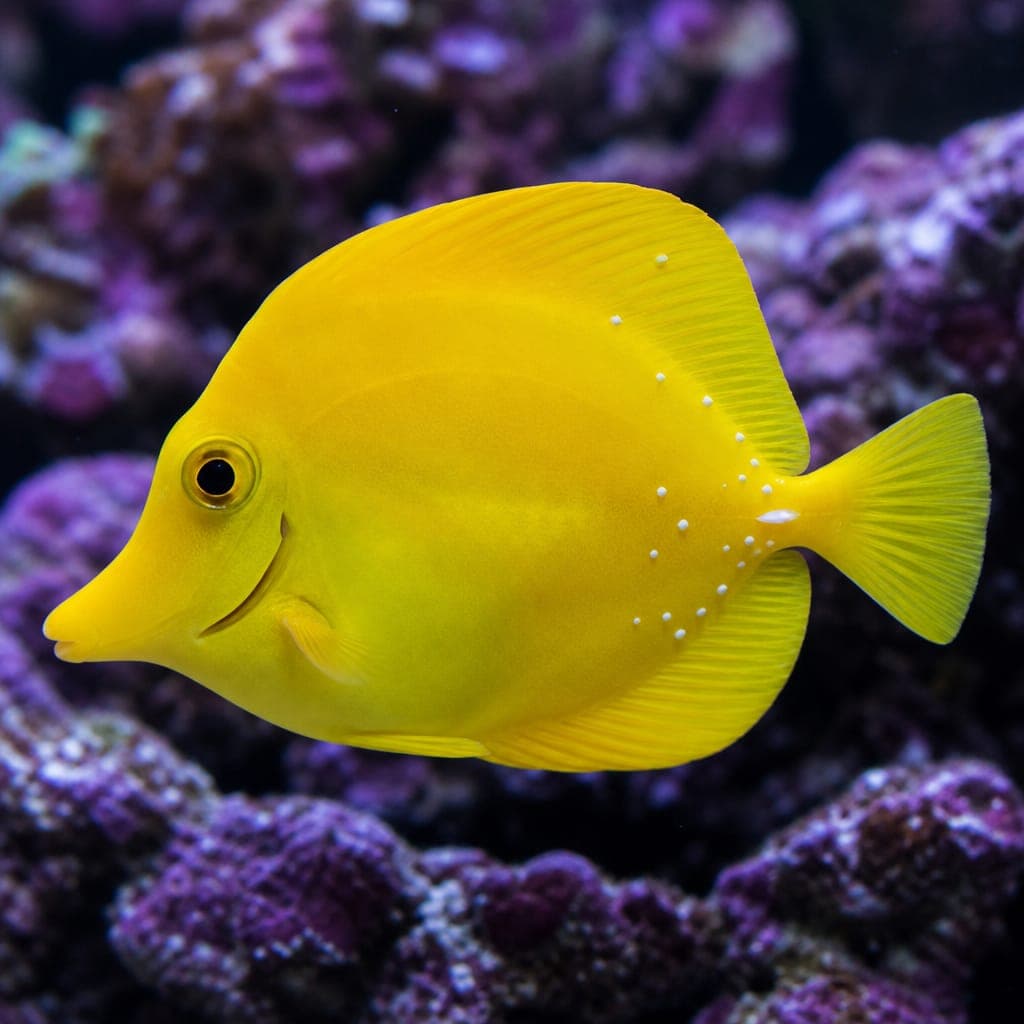
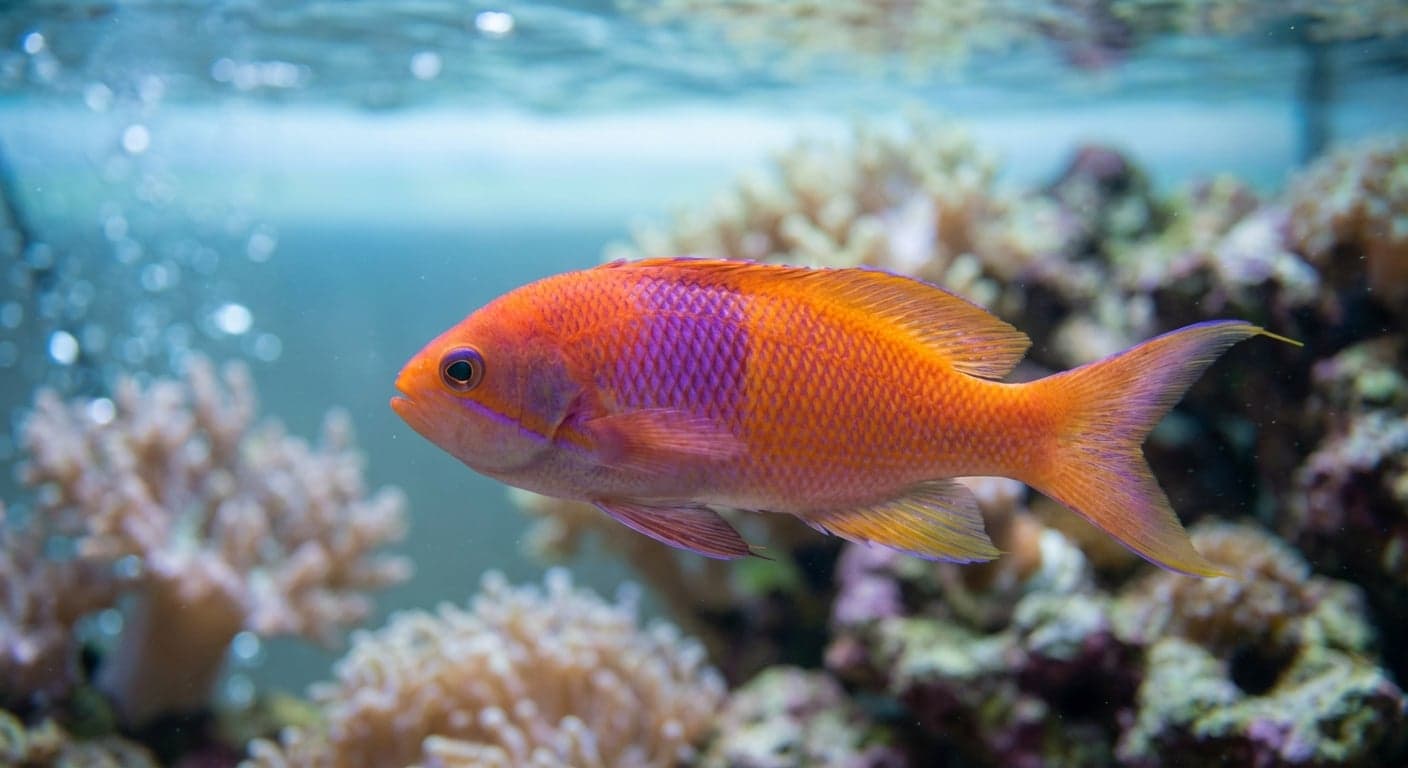
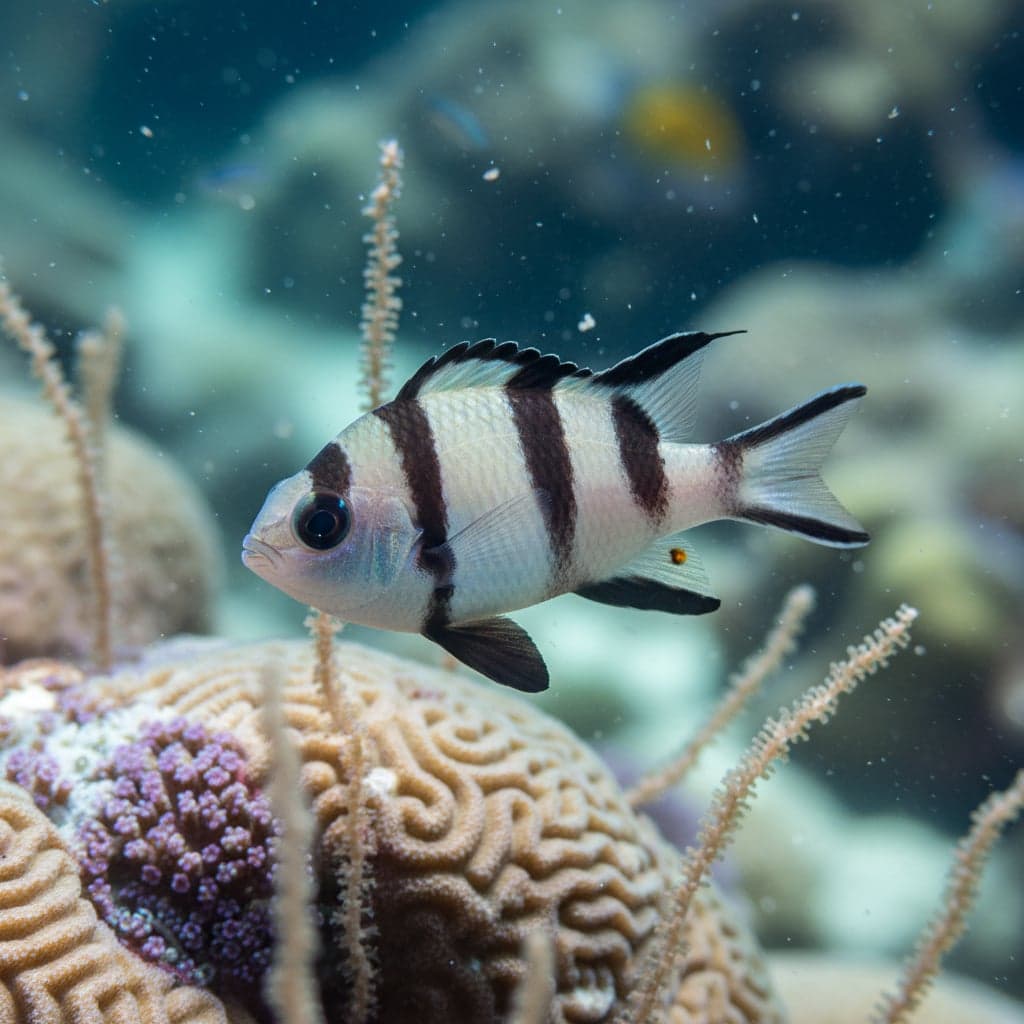
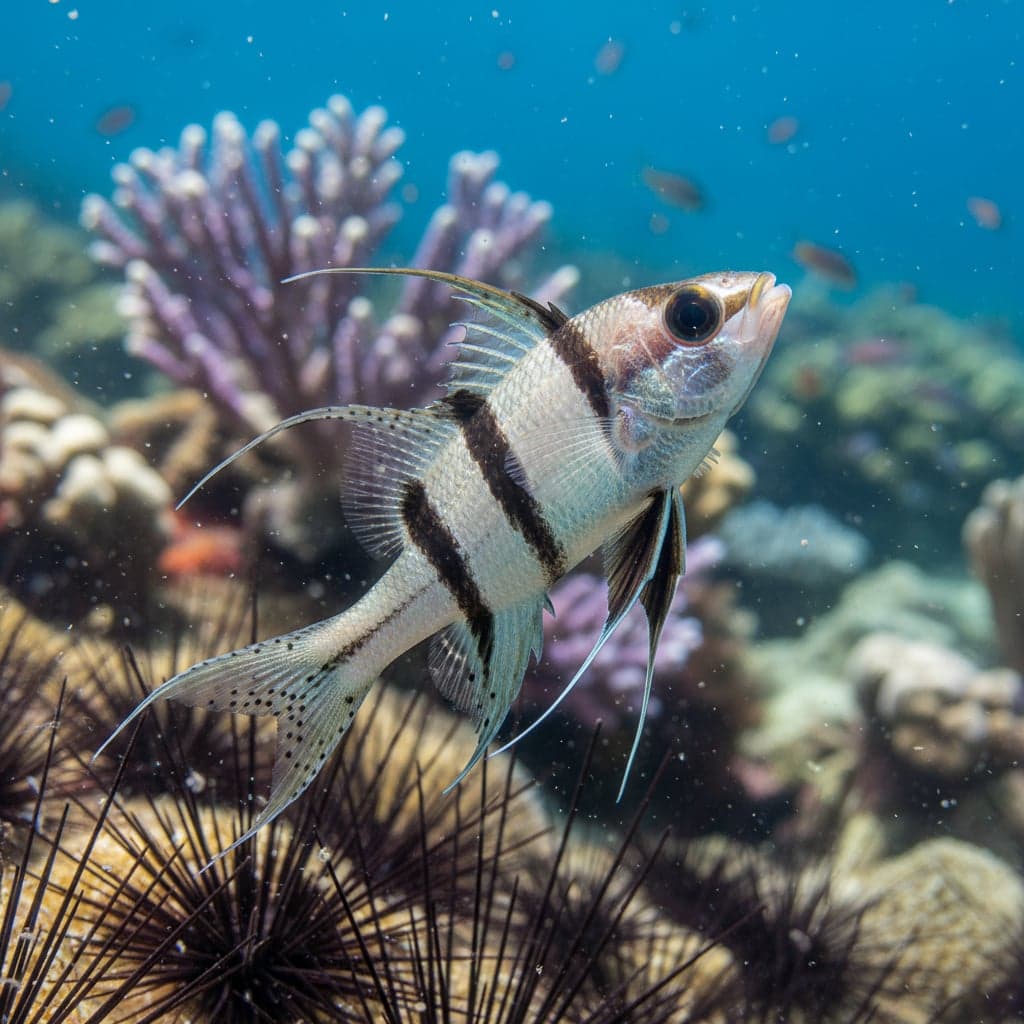
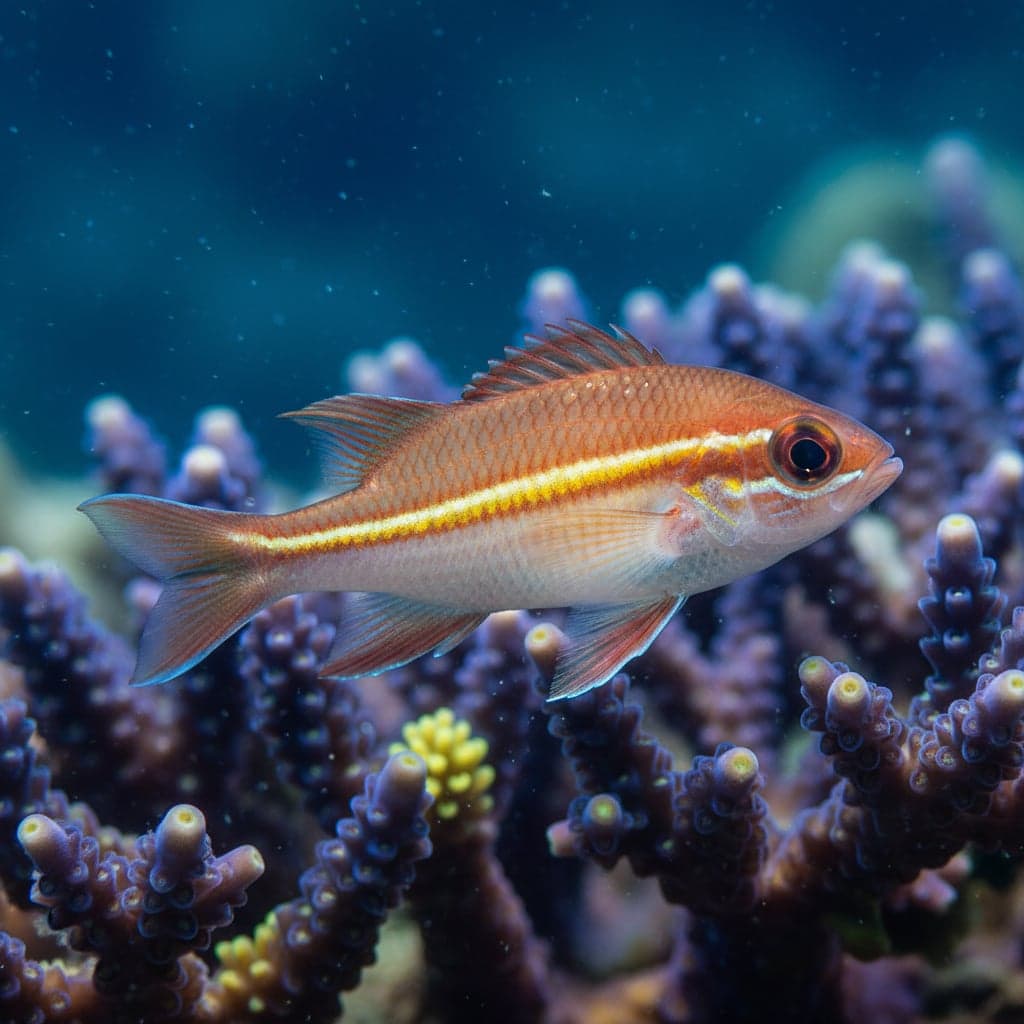
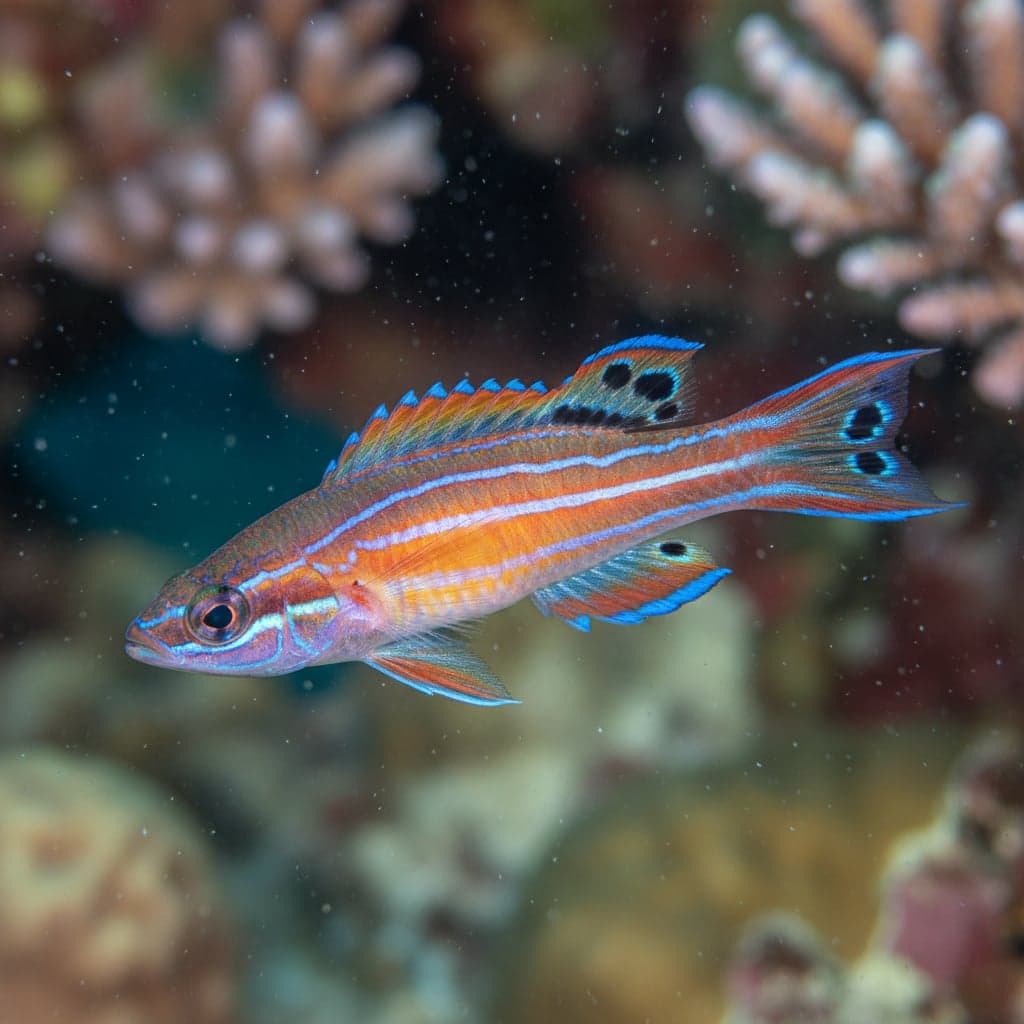
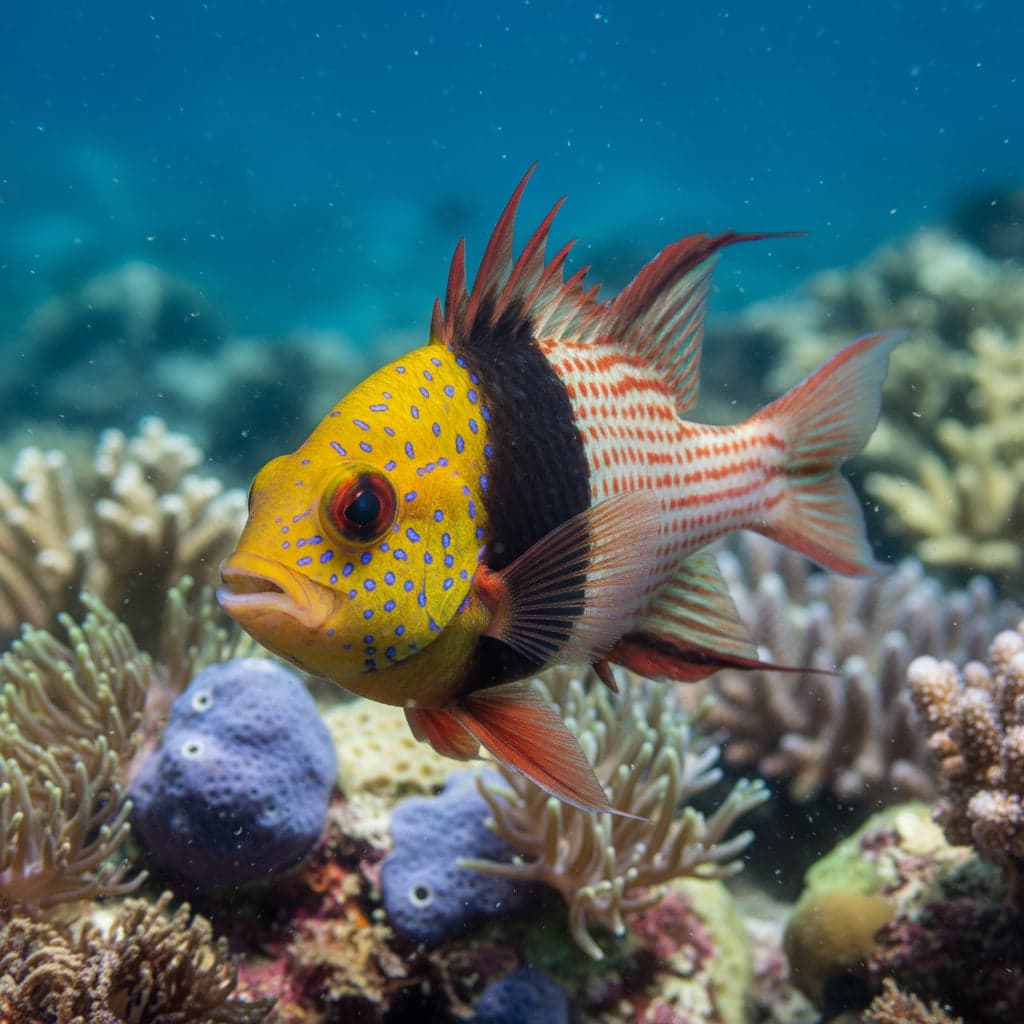
The Five-lined Cardinalfish (Cheilodipterus quinquelineatus) is a visually striking and charismatic species that captivates aquarists with its delicate appearance and lively behavior. This small fish boasts a slim, elongated body adorned with five distinct horizontal black stripes that create an appealing contrast against its predominantly silvery-white body. With a maximum length of around 4 to 5 inches, the Five-lined Cardinalfish is not only attractive but also adds a dynamic quality to any marine aquarium setup. Its peaceful demeanor and unique coloration make it an excellent choice for reef tanks, appealing to both novice and experienced hobbyists alike.
Apart from its aesthetic allure, the Five-lined Cardinalfish holds significant importance in the aquarium hobby. It serves as an ideal schooling species for larger reef tanks, where its social behavior offers a sense of movement and liveliness that enhances the aquatic experience. These characteristics not only contribute to the fish's popularity but also underscore its role as a peaceful inhabitant that coexists well with various coral and invertebrate species in a biodiverse marine environment.
Natural Habitat & Origin
The Five-lined Cardinalfish is native to the coral reefs and shallow waters of the Indo-Pacific region, particularly from the eastern coast of Africa to the islands of the Pacific Ocean, including the Philippine Archipelago and Solomon Islands. This species typically inhabits areas with abundant coral structures and sandy bottoms, where it can find shelter and feeding opportunities. The Five-lined Cardinalfish prefers clear, well-oxygenated waters, but can also thrive in slightly turbid environments, showcasing its adaptability to different aquatic settings.
In its natural habitat, the Five-lined Cardinalfish resides at depths ranging from 1 to 20 meters, often found among coral crevices or rocky outcrops. The environmental context around the coral reefs is vital for this species, as it relies on complex ecosystems that provide food and protection. These habitats support a varied diet rich in zooplankton, tiny crustaceans, and small larvae, which the fish skillfully captures at dusk when it becomes more active. Understanding the Five-lined Cardinalfish's natural habitat is crucial for aquarists looking to replicate its requirements in a home aquarium.
Care Requirements
For optimal health and longevity, the Five-lined Cardinalfish requires specific water parameters. The ideal pH level ranges from 8.1 to 8.4, with a temperature between 24 to 28 degrees Celsius (75 to 82 degrees Fahrenheit). Additionally, a salinity of 1.020 to 1.025 and a water hardness level of 8 to 12 dKH is recommended to mimic the fish's natural reef habitat. Regular water changes and proper protein skimming are essential to maintain cleanliness and ensure the fish thrives in its environment.
When setting up a tank for the Five-lined Cardinalfish, a minimum of 120 litres (32 gallons) is suggested for a small group of these 10cm Cheilodipterus — enough swimming room and rockwork for a loose daytime school to hover without crowding. A sandy substrate with fine grains is preferable to recreate their natural setting, along with plenty of rock structures, caves, and coral spaces for hiding. While the Five-lined Cardinalfish does not require intense lighting, a moderate level of illumination will encourage the growth of beneficial coralline algae and corals.
Diet & Feeding
The Five-lined Cardinalfish is an omnivorous species that feeds on a variety of food sources in the wild. In captivity, it flourishes on a balanced diet that includes high-quality flakes, pellets, and live or frozen foods such as brine shrimp and daphnia. Offering a mix of these food types ensures that the nutritional needs of the fish are met while encouraging natural foraging behavior.
It is worth noting that while the Five-lined Cardinalfish is opportunistic, their feeding habits can vary based on the aquarium conditions and tank mates. To maintain their health, it's advisable to feed them small portions two to three times a day, adjusting the quantity based on their appetite and the number of tank mates. Providing them with a well-rounded diet not only enhances their color and vitality but also keeps them active and content in the aquarium.
Behavior & Temperament
The Five-lined Cardinalfish is a peaceful and sociable species, making it an excellent choice for community aquariums. They are known for their schooling habits, and it is best to keep them in groups of six or more to promote natural behaviors and alleviate stress. Within this schooling environment, the fish exhibit harmonious interactions, often seen swimming together and establishing social hierarchies.
In terms of behavior, the Five-lined Cardinalfish typically occupies the middle to upper sections of the aquarium, darting in and out of hiding spots among rocks and plants. They can display shyness when first introduced to a new environment, but with time, they become more active and confident. Because of their non-aggressive nature, they are unlikely to display territorial behavior, making them compatible with a wide range of tank mates.
Tank Mates
When selecting tank mates for the Five-lined Cardinalfish, it is essential to choose species that share similar care requirements and behavioral traits. Compatible tank mates include smaller, peaceful fish such as Neon Tetras, Rasboras, Guppies, and smaller Gouramis. Additionally, invertebrates like dwarf shrimp and snails can thrive alongside the Five-lined Cardinalfish.
However, it is crucial to avoid larger or aggressive species that may bully or outcompete the Five-lined Cardinalfish for food and space. Fish such as Cichlids, larger Barbs, or any territorial species should be excluded from the tank to maintain a peaceful community environment. By ensuring compatible tank mates, aquarists can create a balanced and harmonious habitat for the Five-lined Cardinalfish.
Breeding
Breeding Five-lined Cardinalfish in captivity can be a challenging yet rewarding experience. These fish typically exhibit mouthbrooding behavior, where the female lays eggs and the male fertilizes them, subsequently taking the fertilized eggs into his mouth for protection until they hatch. To encourage spawning, it is essential to create optimal breeding conditions, including a separate breeding tank with stable water parameters and plenty of hiding spots.
For successful breeding, the tank should replicate the fish's natural habitat, with soft lighting and the provision of fine-leaved plants or spawning mop to encourage egg-laying. Temperature should be maintained around 26-28 degrees Celsius (79-82 degrees Fahrenheit). After a few days, the fry will hatch and swim freely. At this stage, it is essential to provide appropriate food for the delicate fry, with infusoria or finely crushed flakes being suitable options.
Common Health Issues
Like any aquarium fish, the Five-lined Cardinalfish can be susceptible to various health issues, primarily linked to stress and poor water quality. Common diseases include Ichthyophthirius multifiliis (Ich), which presents as white spots on the skin, and various forms of fin rot resulting from bacterial infections.
Maintaining optimal water quality is crucial to prevent these conditions. Regular water changes, proper filtration, and monitoring water parameters can greatly reduce the risk of health issues. Additionally, providing a balanced diet and minimizing stress by avoiding overcrowding or aggressive tank mates contributes to the overall well-being of the Five-lined Cardinalfish. Early detection and prompt treatment of health issues are vital for successful recovery and long-term health of the fish. Quarantine newcomers, keep marine parameters stable, and provide caves or rockwork where these nocturnal fish can retreat by day. Never ignore faded stripes, frantic darting, or refusal to join the evening feed. Watch for white spots, frayed fins, rapid breathing, or loss of appetite, and treat promptly in quarantine. A varied meaty diet and clean, well-oxygenated saltwater keep Five-lined Cardinalfish healthy, active, and securely established for years.