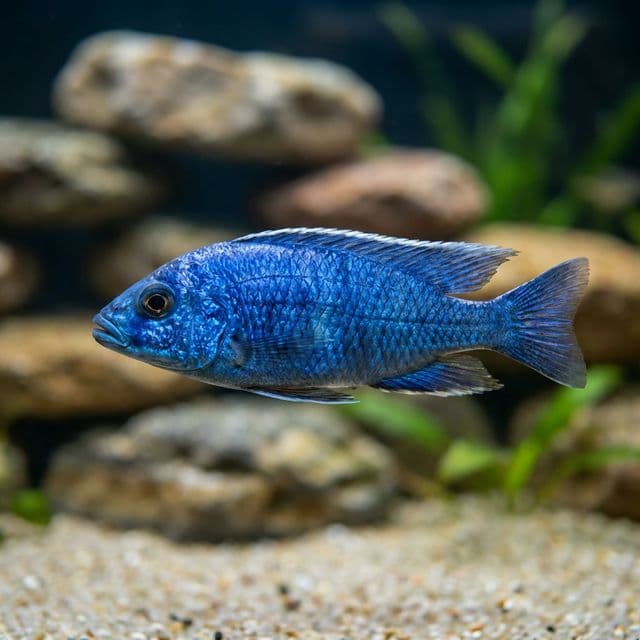
Flavescent Peacock: Aulonocara stuartgranti
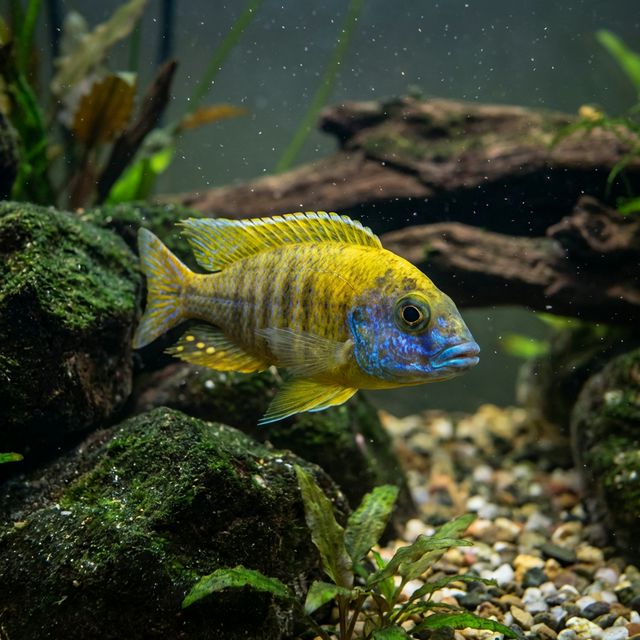
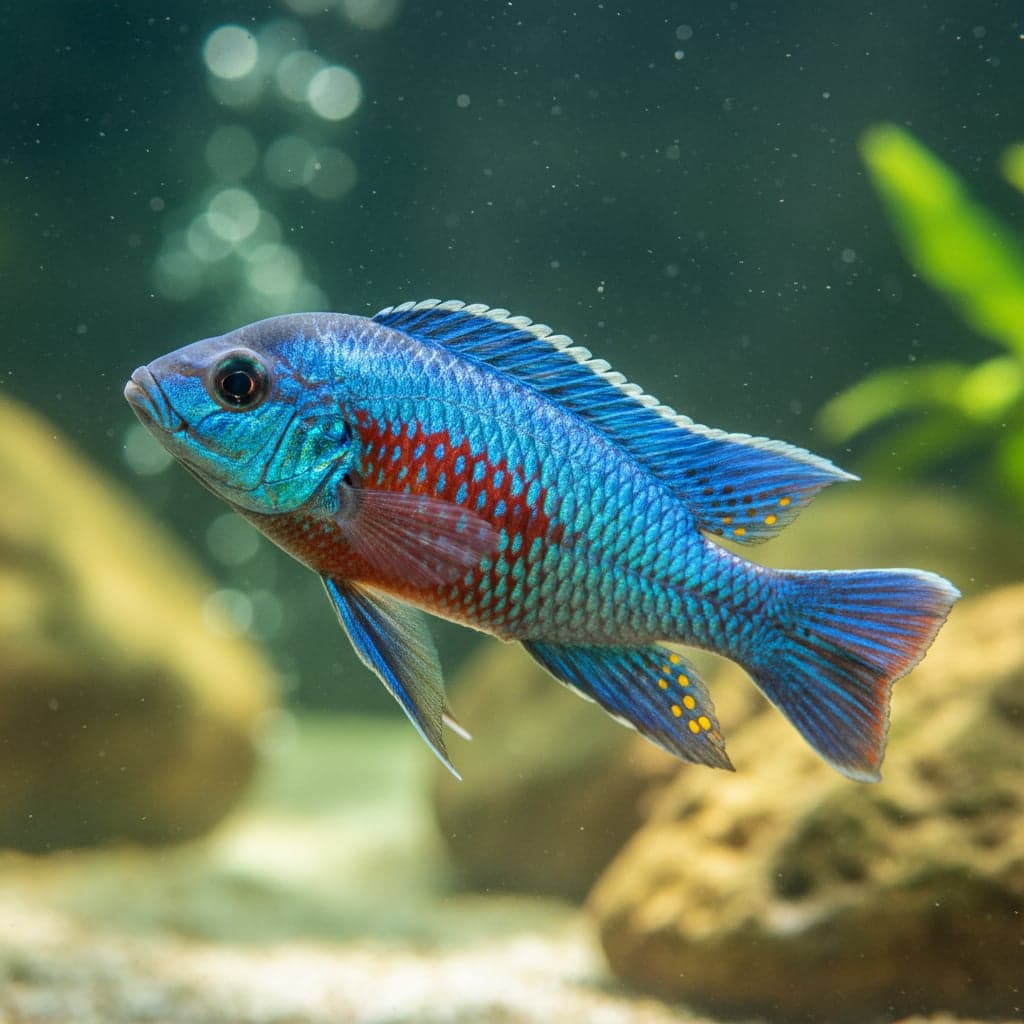
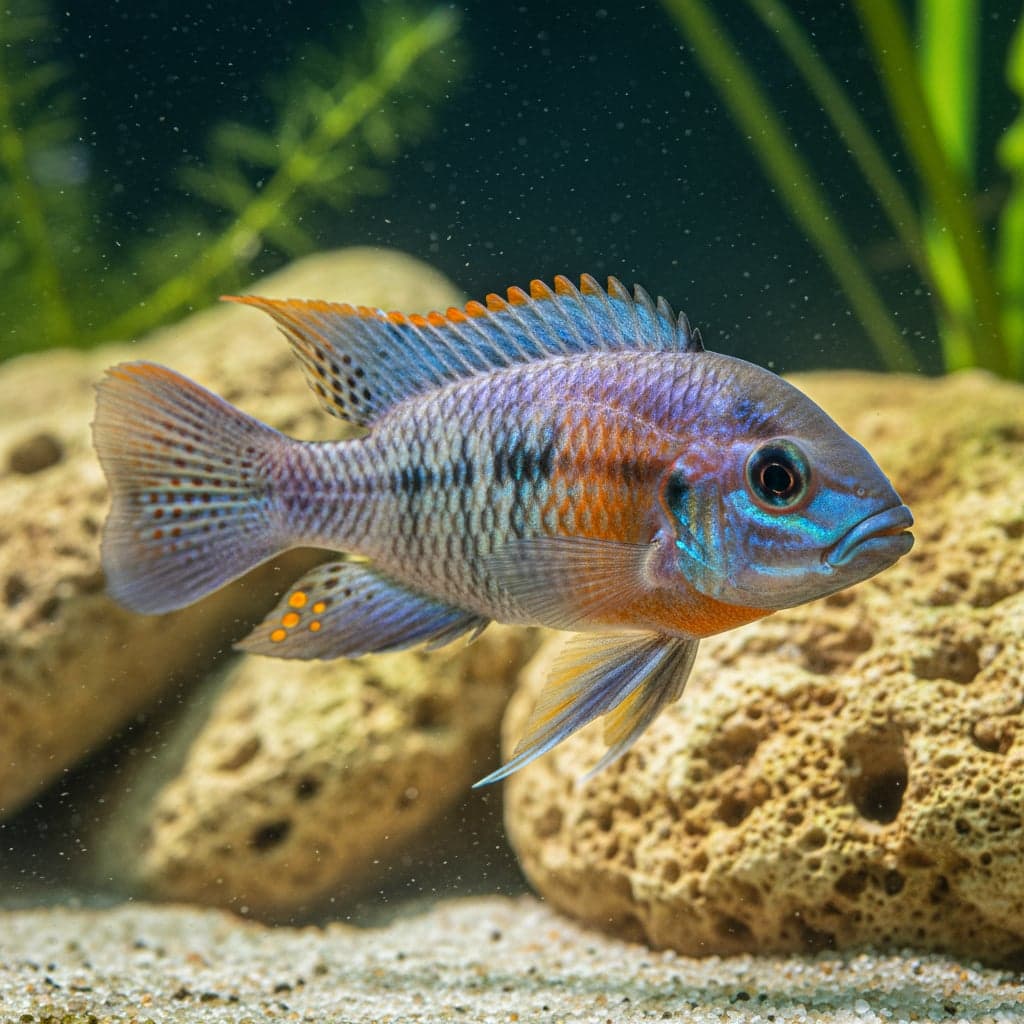
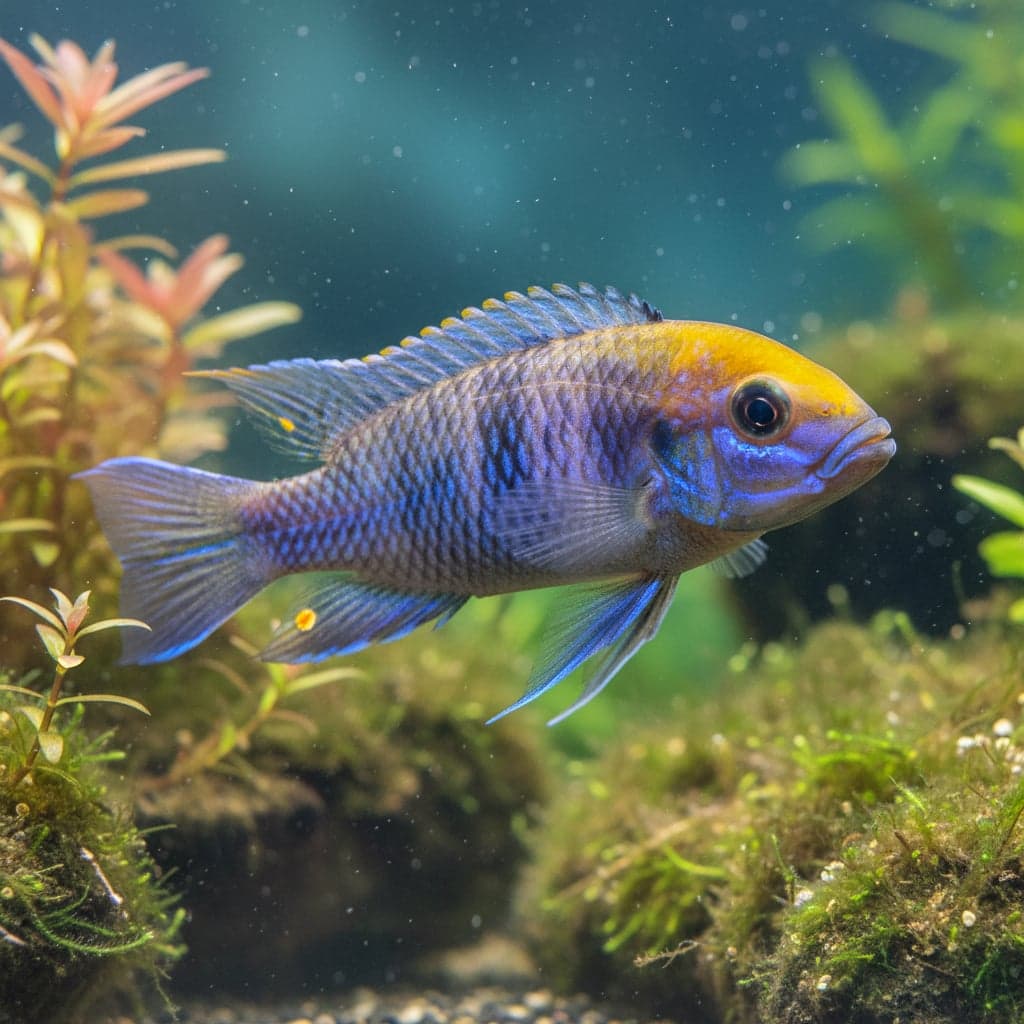
A gorgeous Malawi Peacock with metallic blue face and yellow/gold body.

Flavescent Peacock
The Flavescent Peacock, scientifically known as Aulonocara stuartgranti, is a strikingly vibrant freshwater fish that captivates aquarium enthusiasts with its stunning coloration and active demeanor. Originating from the clear waters of Lake Malawi, this cichlid is renowned for its dazzling hues of fluorescent yellows and blues, making it a centerpiece in any aquascape. Its beauty is not just skin-deep; the Flavescent Peacock is also known for its engaging personality, displaying curious behaviors and an interesting interaction with its environment. This combination of visual appeal and lively disposition contributes to its popularity among both seasoned aquarists and those new to the hobby.
In the aquarium trade, the Flavescent Peacock holds a significant place as a gem of the cichlid family. Aquarists are drawn not only to its aesthetic presence but also to its relatively peaceful temperament compared to other cichlids. Its vibrant colors serve as a natural attractant in breeding displays, which further enhances its desirability. As aquarists seek to create biotopes that reflect the natural environment of their fish, the Flavescent Peacock has become a symbol of the vibrant biodiversity found in Malawi’s habitats.
Natural Habitat & Origin
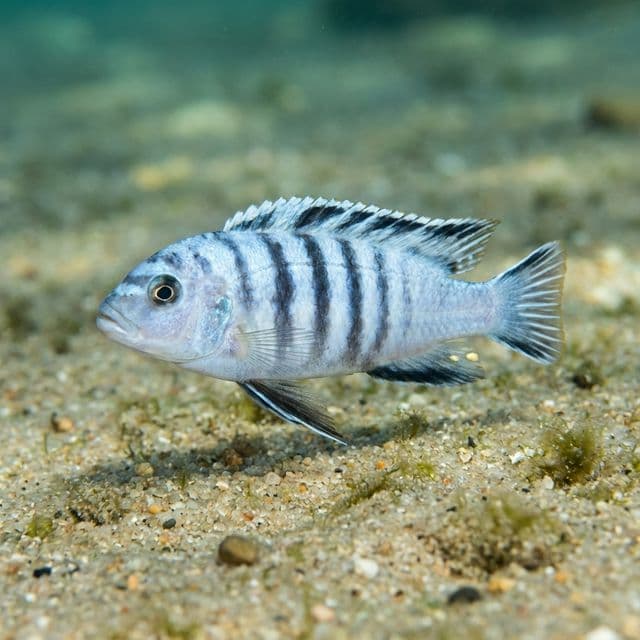
The Flavescent Peacock is native to the rocky shorelines and sandy substrates of Lake Malawi, located in East Africa. The unique geographical features of this lake contribute to a diverse ecosystem filled with various species of cichlids. Inhabiting predominantly crystal-clear waters, the Flavescent Peacock thrives in environments characterized by stable rock formations and ample hiding spots to retreat during times of stress. The lake’s mineral-rich waters typically feature a pH ranging from 7.8 to 8.6, with a temperature varied between 24°C to 28°C (75°F to 82°F), essential for the health and vitality of this species.
The environmental context of Lake Malawi plays a pivotal role in the overall well-being of the Flavescent Peacock. This cichlid is adapted to live amongst rocky crevices where it forages for food and seeks shelter from potential predators. The biodiverse surroundings of Lake Malawi are vital for promoting natural behaviors and breeding habits, thus understanding this context is crucial for captive care.
Care Requirements
When it comes to keeping the Flavescent Peacock, aquarium conditions should mimic its natural habitat as closely as possible. It thrives in a pH range of 7.8 to 8.6, temperatures between 24°C to 28°C (75°F to 82°F), and water hardness set between 10 to 20 dGH. The minimum tank size for a group of Flavescent Peacocks should be at least 75 gallons to provide ample swimming space and territorial boundaries.
Regarding tank setup, a sandy substrate can replicate their natural environment while offering a comfortable surface for digging and foraging. Adding plenty of rocks, caves, and hiding spots will not only promote security but also encourage natural behaviors. In terms of lighting, a moderate level that simulates a natural day/night cycle is ideal, as heavy lighting can stress these fish. While live plants may be included, they shouldn’t dominate the tank space, as the Flavescent Peacock prefers open swimming areas.
Diet & Feeding
The Flavescent Peacock is primarily an omnivore, exhibiting a balanced diet that includes a mix of plant and animal matter. In captivity, it thrives on high-quality flakes or pellets designed for cichlids to ensure proper nutrition. A varied diet consisting of frozen or live options such as brine shrimp, daphnia, and bloodworms will enhance its health and color vibrancy. It's recommended to offer nutrient-rich spirulina flakes to meet its plant-based dietary needs, promoting optimal growth and coloration. Generally, feeding them 2-3 times a day in smaller portions is advisable, as this helps prevent overfeeding and maintains water quality.
Behavior & Temperament
The Flavescent Peacock is known for its relatively peaceful demeanor, especially when compared to many other cichlid species. They are social fish and can often be found establishing hierarchies within their groups, displaying vibrant courtship behaviors during breeding seasons. While they do exhibit territorial tendencies, especially when it comes to establishing nesting sites, they are generally compatible with other fish during non-breeding periods.
In terms of tank placement, the Flavescent Peacock tends to occupy the mid to upper levels of the aquarium, making it highly visible and a dynamic presence in the tank. They enjoy exploring their environment, which allows them to interact with both the substrate and the various structures within the tank.
Tank Mates
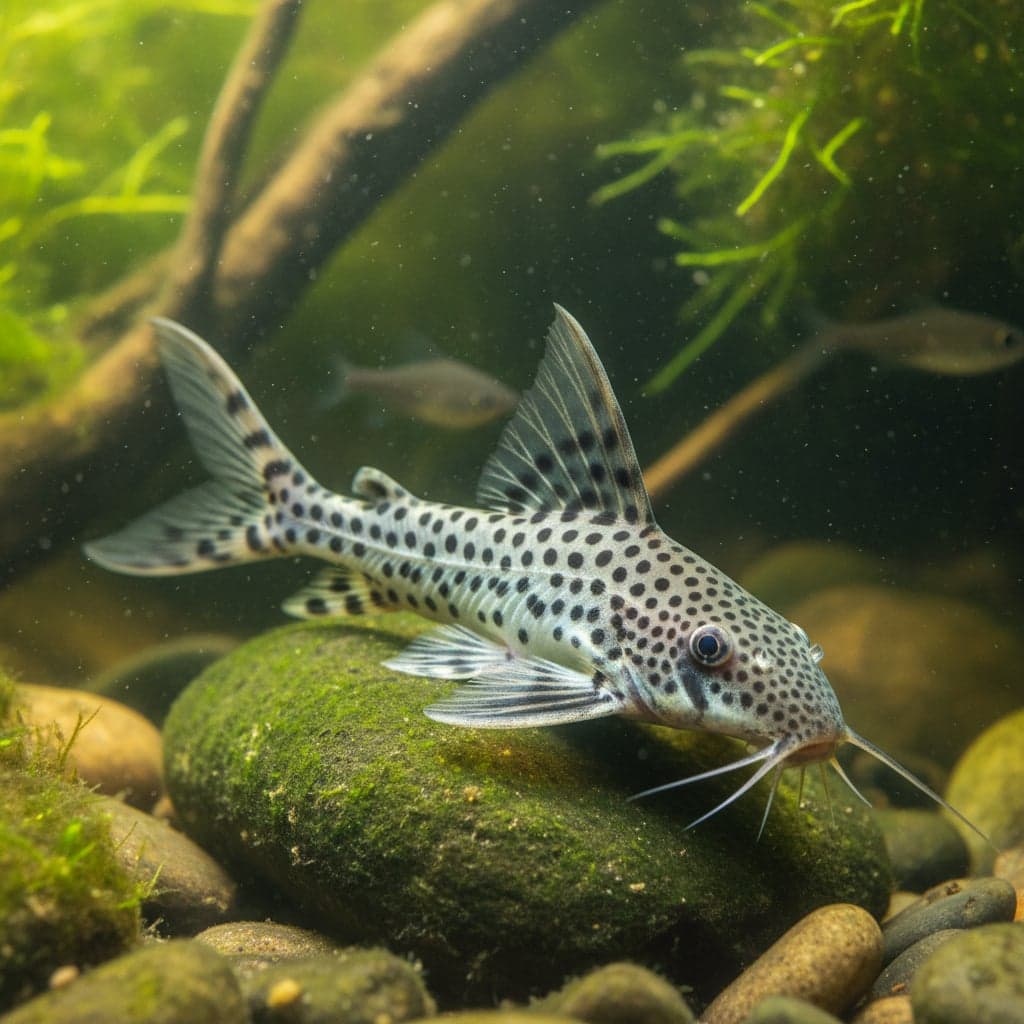
Choosing appropriate tank mates for the Flavescent Peacock is crucial for maintaining a harmonious community. Compatible species include other cichlids such as the Electric Yellow Cichlid (Labidochromis caeruleus), various types of Synodontis catfish, and less aggressive African haplochromines. Some suitable non-cichlid companions may include larger tetras or peaceful barbs that can coexist without threat.
Conversely, it's advisable to avoid placing them with overly aggressive species or those that occupy similar niches, such as more aggressive cichlids (e.g., Jaguar Cichlid or Red Devil). Additionally, small fish that can easily become victims of harassment should not share their tank, as the Flavescent Peacock may display aggressive behavior towards them.
Breeding
Breeding the Flavescent Peacock in captivity can be rewarding, particularly due to their captivating courtship displays. They are mouthbrooders, wherein females incubate their eggs in their mouths after spawning—this natural behavior can be encouraged in the aquarium by offering them a well-structured environment with plenty of hiding spots. A breeding pair should be conditioned with high-quality foods before spawning and provided with stable water conditions.
To promote breeding, a separate breeding tank can be set up with ample space and hiding places to reduce stress during this vulnerable time. The female typically lays between 20 to 50 eggs on a flat surface among the rocks, which she collects and carries to her mouth for incubation. After a week, the eggs will hatch inside her mouth, and the fry will swim free after around 3 weeks, ready to explore their new environment.
Common Health Issues
Flavescent Peacocks can be susceptible to a variety of health issues, most notably ich, fin rot, and bloat. Ich, a parasitic infection marked by white spots on the skin, is common and can be treated with increased water temperature and appropriate medications. Fin rot, often resulting from poor water quality or aggressive tank mates, is preventable with good husbandry practices and timely interventions.
Bloat, characterized by abdominal swelling, can be triggered by overfeeding or rapid dietary changes and requires immediate attention. To prevent these health issues, regular water changes, stable water parameters, and a well-balanced diet are essential. Additionally, quarantining new fish before introducing them to a community tank can help minimize the risk of disease transmission.