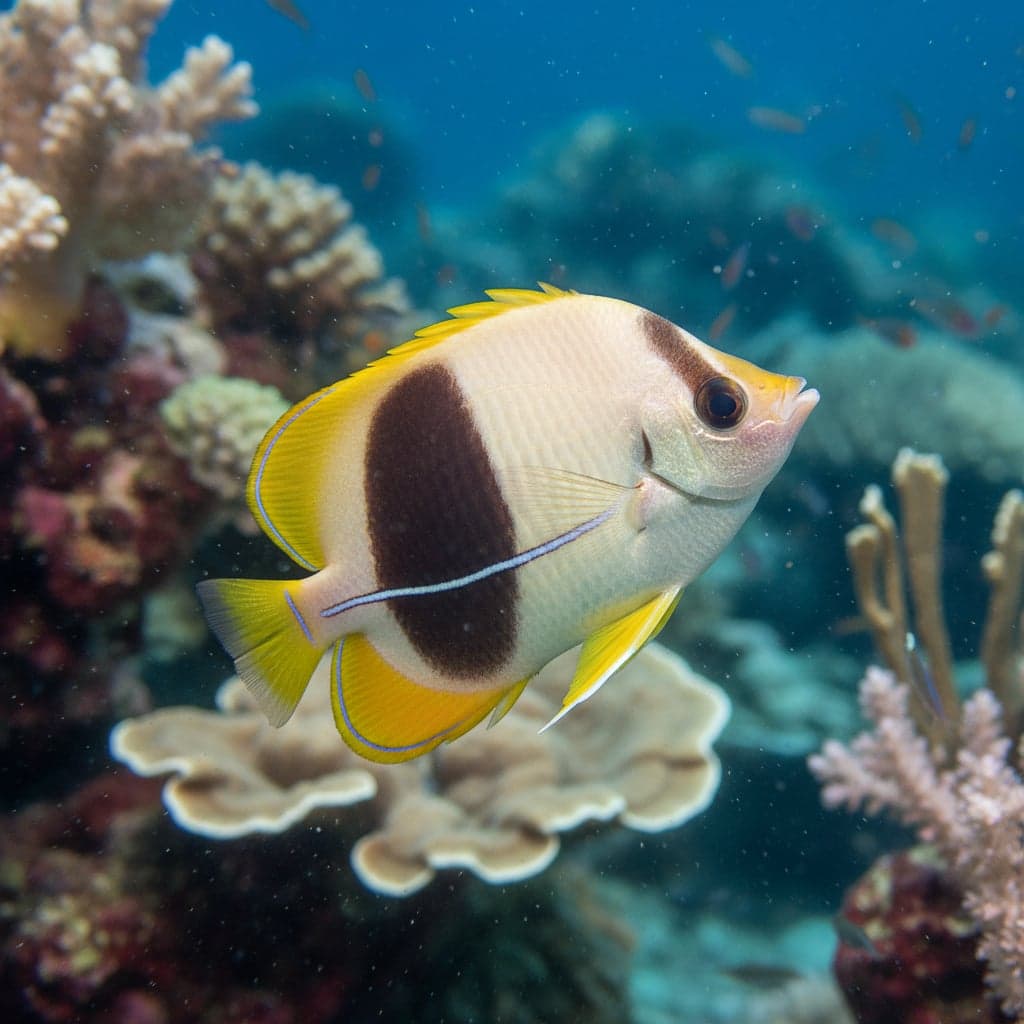
Fourspot Butterflyfish
A 16cm Pacific butterflyfish that feeds heavily on coral polyps in the wild. Difficult to feed in captivity and not reef safe.
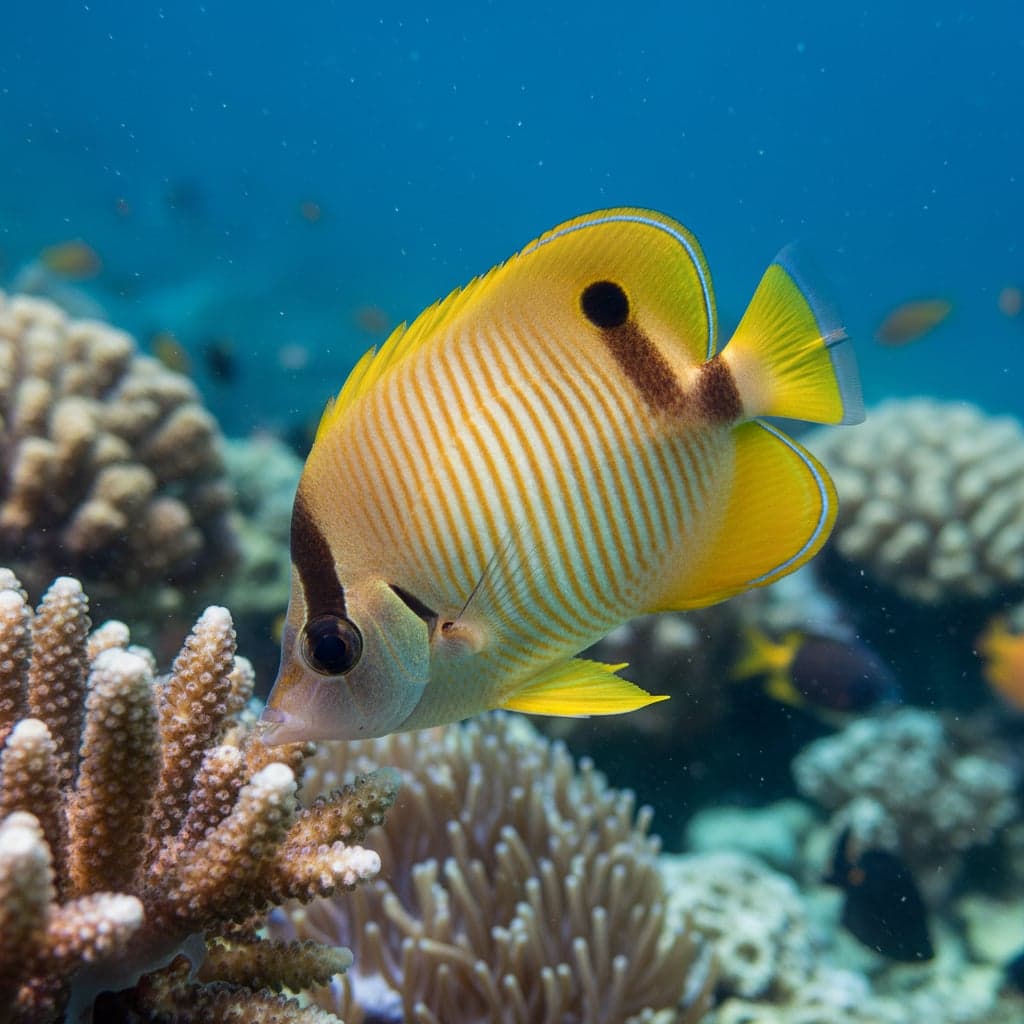
Fourspot Butterflyfish
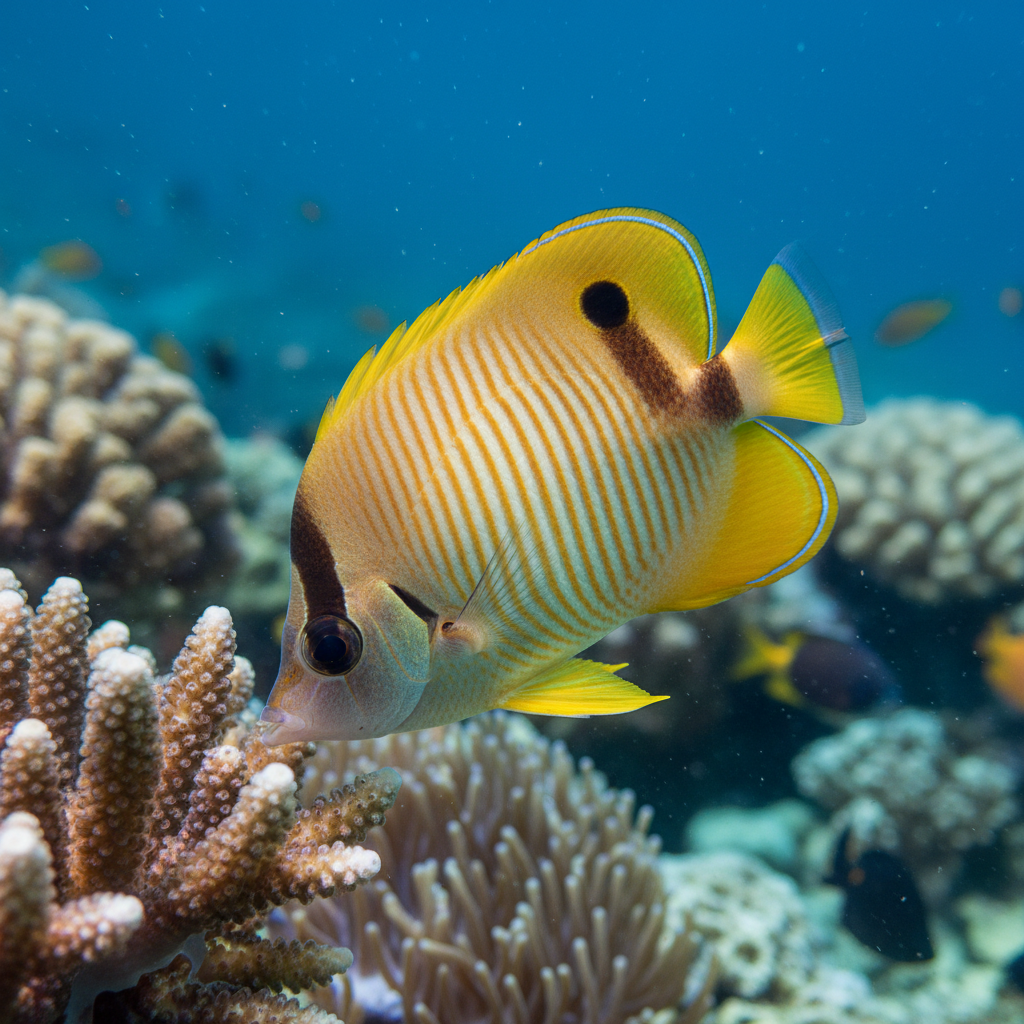
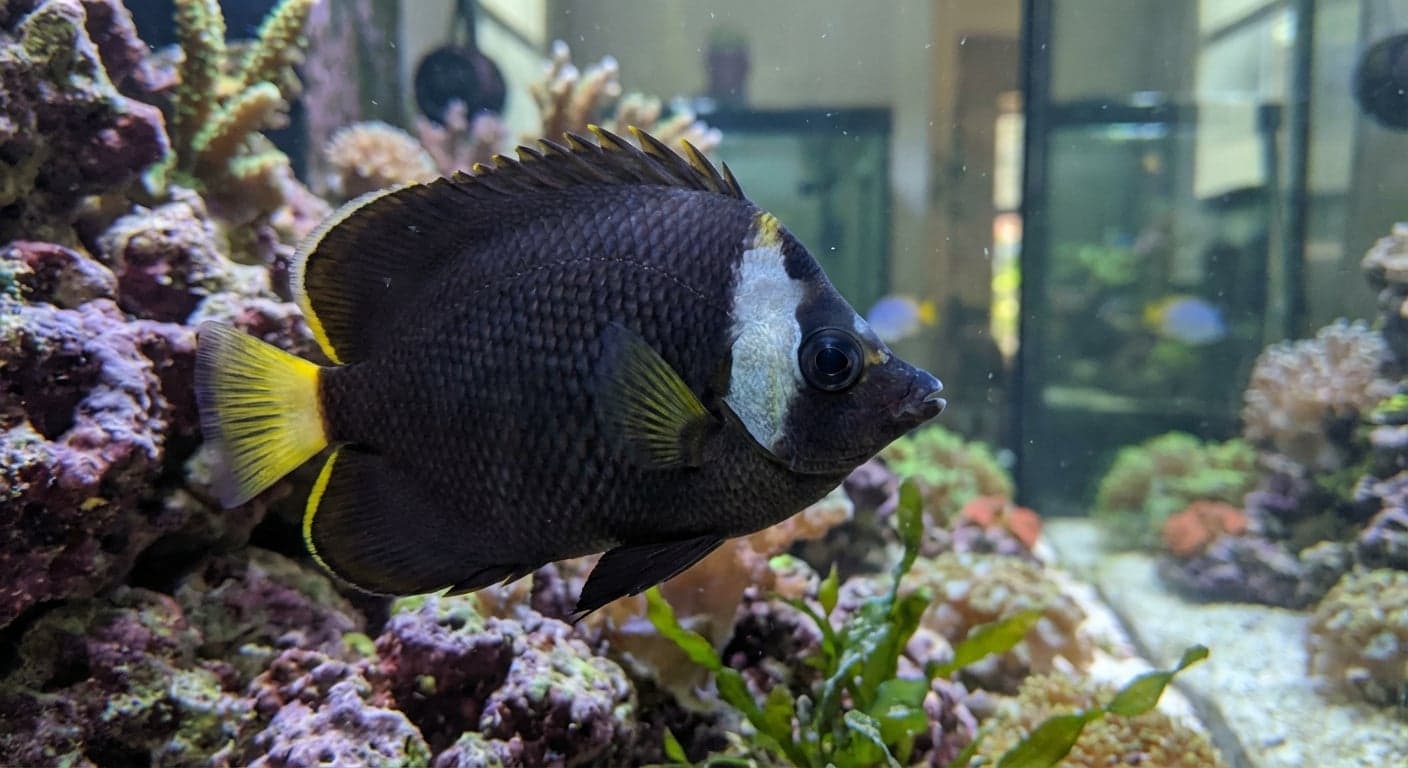
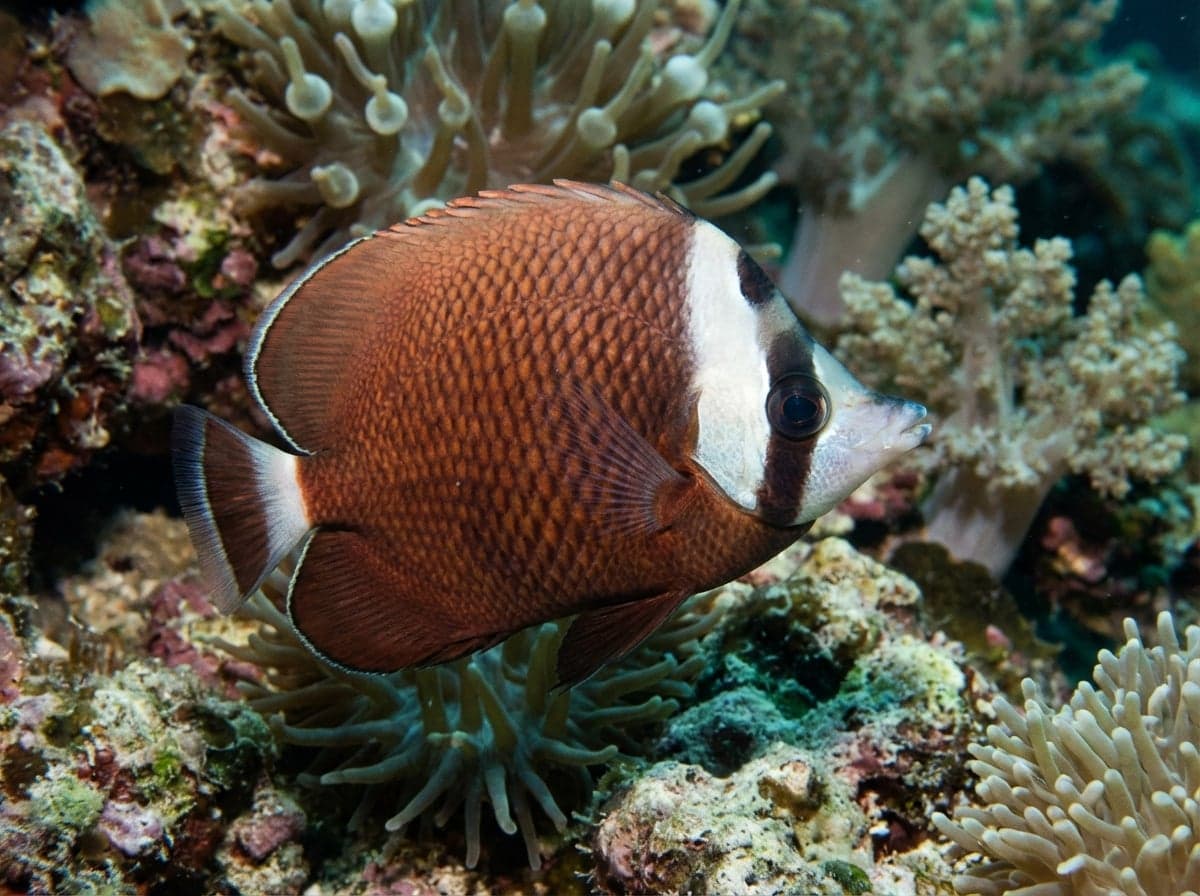
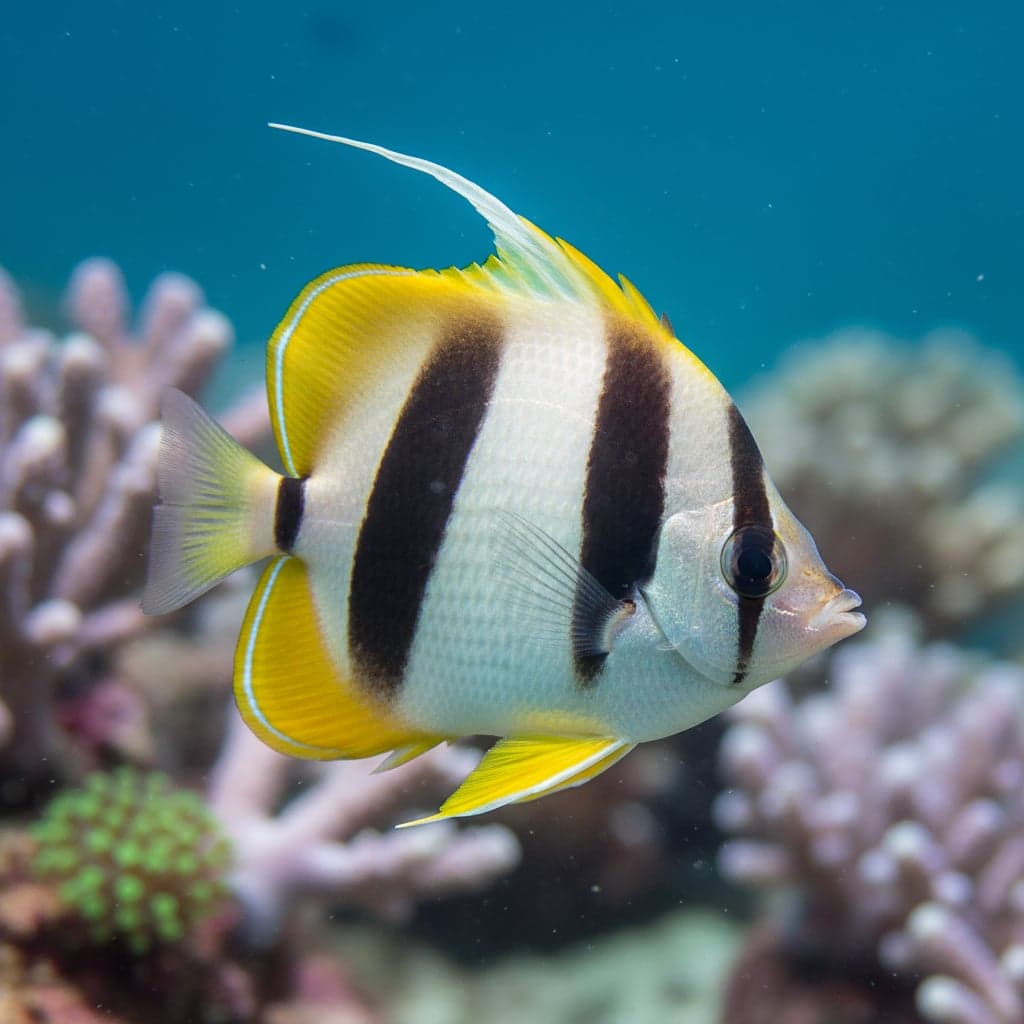
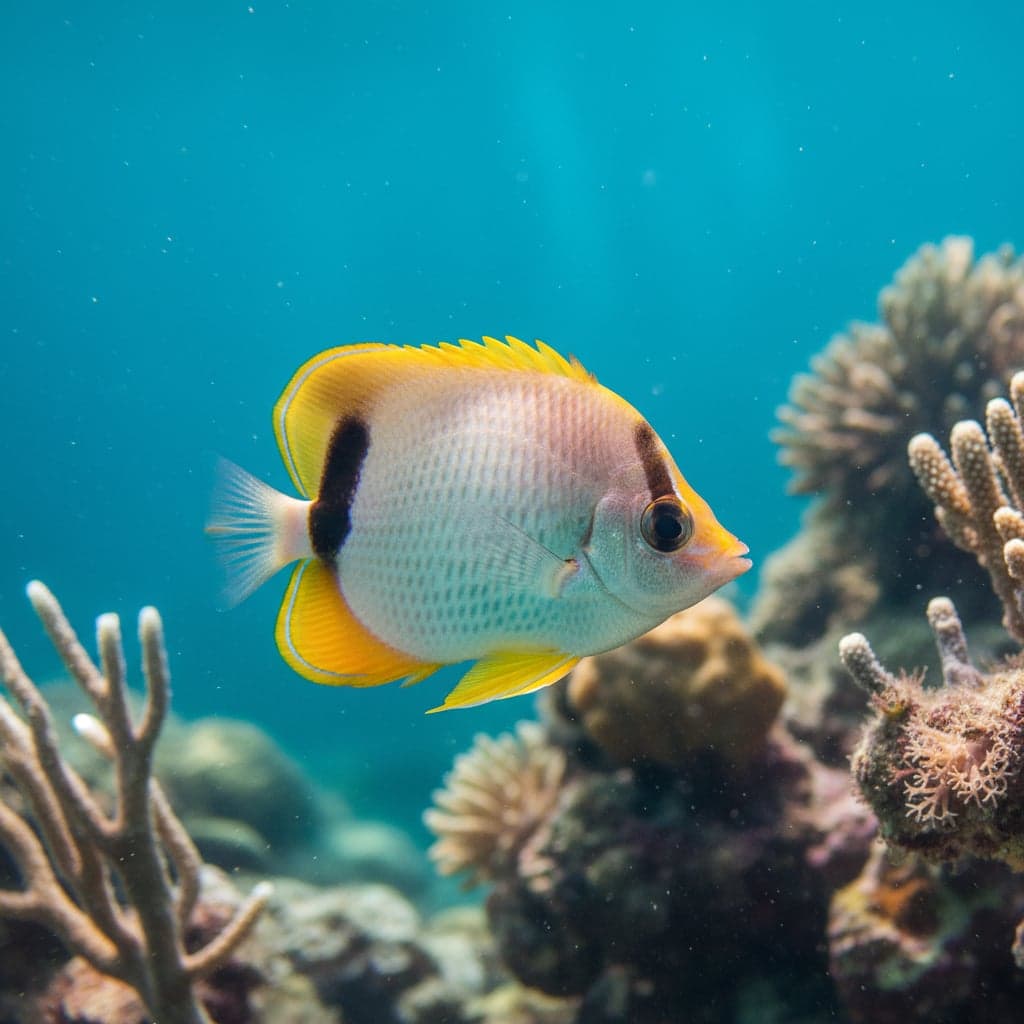
The Fourspot Butterflyfish (Chaetodon quadrimaculatus) is a stunning marine species renowned for its vibrant colors and distinctive markings, making it a prized and challenging addition to reef aquariums. This fish is characterized by two prominent white spots against a dark upper body and two dark spots on a bright yellow lower body, creating the "fourspot" appearance that gives it its name. Reaching up to 6 inches in length, its eye-catching appearance serves as an indicator of its specialized niche among the corals of its natural habitat. Beyond its visual appeal, the Fourspot Butterflyfish is known for being extremely difficult to keep in captivity due to its specialized diet.
This species represents a branch of the rich diversity seen in the Chaetodontidae family, commonly known as butterflyfish. Their graceful swimming style and social interactions enhance the dynamics of a large reef tank. The Fourspot Butterflyfish is important for its role in the ecosystem as a corallivore, feeding primarily on coral polyps, which makes it a challenging species for even experienced marine aquarists. The fusion of beauty and ecological specialization adds layers of allure for those dedicated to advanced marine care.
Natural Habitat & Origin
The Fourspot Butterflyfish is predominantly found in the coral reefs of the Indo-Pacific region, with specific populations located around the waters of the Red Sea, the Indian Ocean, and parts of the western Pacific, including Tahiti and Fiji. This species thrives in warm, clear waters typically ranging from 22°C to 28°C (72°F to 82°F), where it finds shelter among the vibrant coral formations. The natural habitat consists of gentle slopes, lagoons, and shallow reefs where these fish can forage for food and seek refuge from predators. The clearwater environments in which they reside provide optimal light conditions for the corals and promote the rich biodiversity essential for their survival.
In these natural landscapes, Fourspot Butterflyfish can often be spotted maneuvering through crevices and over coral heads, showcasing a behavior adapted to help them survive in a dynamic ecosystem filled with various species. The complex interactions within their habitat—ranging from competition for food to symbiotic relationships with coral and other marine organisms—further highlight the importance of these beautiful fish in marine ecosystems.
Care Requirements
Creating the perfect environment for the Fourspot Butterflyfish involves replicating its natural habitat as closely as possible. An aquarium of at least 400 litres (105 gallons) suits this 16cm Chaetodon — active swimming and territorial habits put it in the same class as other mid-sized butterflyfish. The water parameters should ideally maintain a pH level between 8.1 and 8.4, with a temperature range of 24°C to 28°C (75°F to 82°F) and a salinity of 1.020 to 1.025. Suitable water hardness falls between 8 to 12 dGH, providing the balance necessary for the health of the Fourspot Butterflyfish.
For tank setup, a sandy substrate mimics the ocean floor and offers a comfortable habitat. Live rock, along with other decorations like coral skeletons and caves, facilitates hiding spots and creates a dynamic environment for exploration. Lighting should be bright but not excessive, ideally using LED systems to mimic natural sunlight and promote the growth of any live coral you might choose to include. While plants are not a typical feature in saltwater tanks, adding macroalgae can serve as both decorative cover and beneficial for nutrient absorption.
Diet & Feeding
The Fourspot Butterflyfish is a carnivorous species with an omnivorous inclination, primarily feeding on small invertebrates, coral polyps, and zooplankton in its natural environment. In captivity, it’s essential to replicate a varied diet to ensure the health and vitality of this fish. Quality flakes and pellets formulated for marine fish can serve as a staple food source. However, supplementing with frozen foods such as brine shrimp, mysis shrimp, and high-quality marine mix will provide the necessary nutrients and variety.
Live foods, including small crustaceans and tiny mollusks, can also be offered occasionally to encourage natural hunting behavior. It's essential to feed the Fourspot Butterflyfish several small meals throughout the day instead of a single, large feeding to prevent stress and ensure proper digestion. Providing a balanced diet helps maintain the vibrant colors and overall health of the fish.
Behavior & Temperament
The Fourspot Butterflyfish exhibits a generally peaceful temperament, often described as shy yet curious. Socially, they are not schooling fish; however, they often thrive in pairs or small groups within the same tank. Individual temperament can vary, but they typically prefer to have ample space to swim and establish their territory. Their behavior leans toward the middle to upper regions of the tank, allowing them to navigate through the water column while checking for food and other activity.
While Fourspot Butterflyfish are not typically aggressive, they can display territoriality, especially during feeding or breeding times. Care must be taken when introducing them to community tanks, particularly with any other butterflyfish or similarly shaped species due to potential aggression over territory. Understanding and accommodating their habits can lead to a harmonious community aquarium.
Tank Mates
When selecting tank mates for the Fourspot Butterflyfish, it's critical to choose species that share a similar temperament and water requirements. Ideal companions include other peaceful marine fish such as clownfish, anthias, gobies, wrasses, and certain tangs. Additionally, complementary species that occupy different niches within the tank, such as seahorses or certain types of blennies, can create a more stable environment.
Conversely, avoid housing Fourspot Butterflyfish with aggressive species, such as large triggers, certain types of damselfish, and other butterflyfish, as these can lead to stress or injury. Additionally, avoid fish that compete for similar food sources or have territorial tendencies, ensuring a tranquil communal living space.
Breeding
Breeding Fourspot Butterflyfish in captivity can be particularly challenging, primarily because they are known to exhibit specific spawning behaviors. Typically, these fish engage in monogamous pair bonding, where a male and female establish a territory and perform synchronized swimming displays to attract a mate. For successful breeding, they require a tank that replicates the conditions of their natural environment, including ample hiding spots and stable water parameters.
Spawning usually occurs during the early morning hours when the pair will release eggs, which are typically laid on a flat rock or coral surface. The eggs are then fertilized by the male, and while there is no parental care, the high-quality water conditions will help in the survival of the resulting larvae. Ensuring a varied diet and maintaining pristine water quality are essential for maximizing success during breeding attempts.
Common Health Issues
Like all fish, the Fourspot Butterflyfish can be vulnerable to specific health issues within the aquarium setting. Common diseases include ich, marine velvet, and bacterial infections. Ich causes white spot formations on the skin and gills, leading to distress and potential mortality if not treated promptly. Marine velvet, on the other hand, manifests as a dusty, velvety coating and can be equally lethal if left unaddressed.
Preventative care is crucial in maintaining the well-being of the Fourspot Butterflyfish. This includes regular water changes, maintaining optimal water parameters, and quarantining new arrivals to reduce stress and minimize disease transmission. A nutritious diet strengthens immunity, further promoting the overall health of this visually stunning fish. Maintaining a stress-free environment with stable salinity, gentle flow, and carefully chosen tank mates helps this butterflyfish resist ich and marine velvet. Watch for rapid breathing, clamped fins, white spots, or a dusty film, and treat promptly in a quarantine setup with reef-safe medications. Avoid copper in systems with invertebrates. Offer a varied diet of frozen and live foods to keep immunity strong so Fourspot Butterflyfish remain vibrant, active grazers in a well-maintained marine aquarium for years.